Short answer: Living in Da Nang is easy for most foreigners: a comfortable month costs about 19–26 million VND (roughly US$745–1,005), the beach is never far, and daily life runs on Grab, cheap SIM data and QR payments. The hard parts are paperwork (your visa and temporary residence registration), the October–November rains, and finding the right neighbourhood. This guide covers each step and links to our detailed guides. Facts checked November 2026.
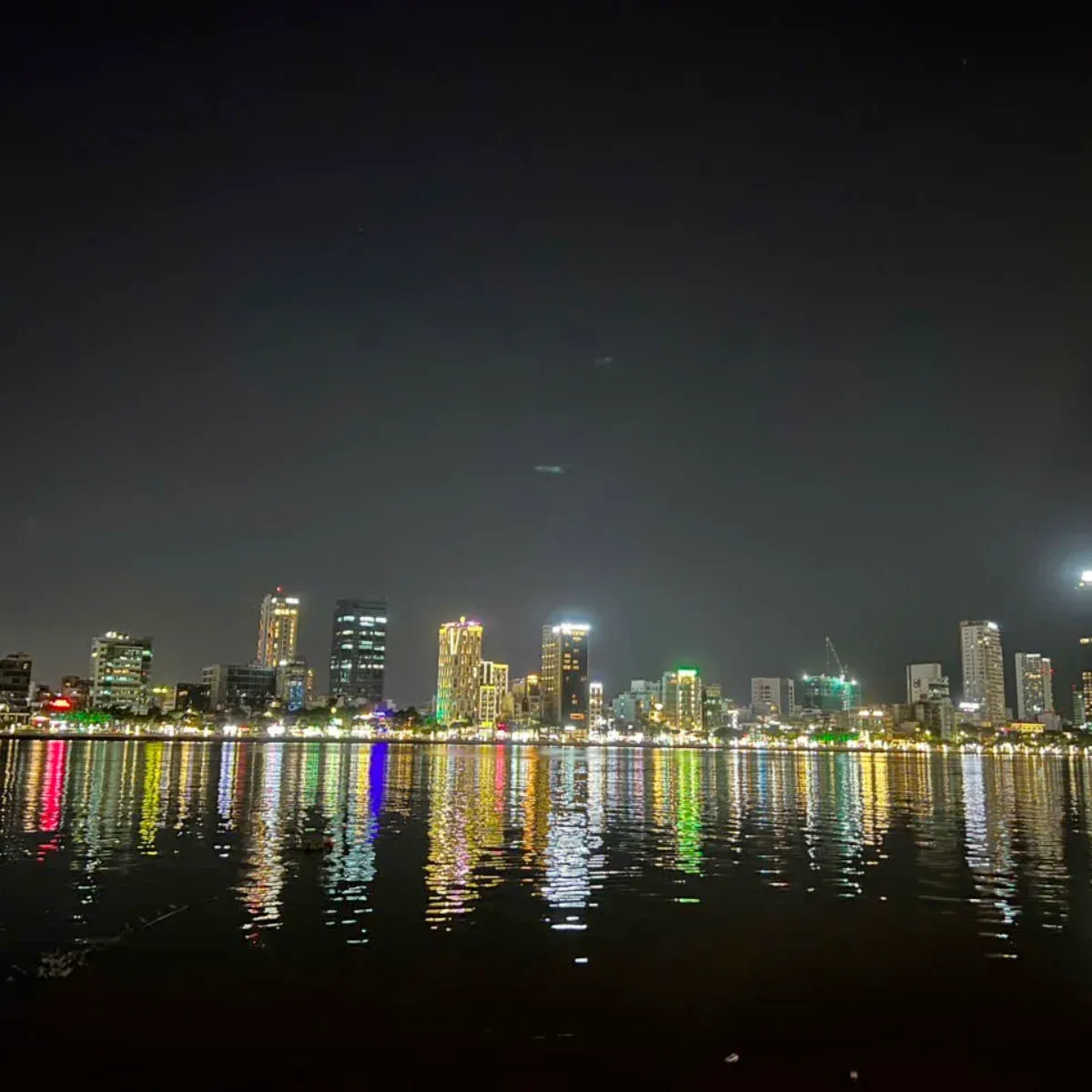
Is Da Nang a good place to live?
Yes, for people who want a mid-sized, clean and relaxed city by the sea. Da Nang is smaller and calmer than Hanoi or Ho Chi Minh City, with a long public beach, wide roads, an international airport about 10–15 minutes from the centre, and Hoi An under an hour away.
What expats usually like: the beach and mountain (Son Tra) on your doorstep, low daily costs, fast mobile internet, and a large community of remote workers, retirees and families. What they find harder: fewer jobs for foreigners than the big cities, limited nightlife compared with Saigon, heavy rain and occasional storms from about September to December, and the fact that very little admin happens in English.
| Topic | What to expect | Detailed guide |
|---|---|---|
| Monthly budget | 19–26 million VND for one person (studio + food + transport) | Cost of living per month |
| Where to live | My An / An Thuong, Son Tra, Hai Chau, Ngu Hanh Son, Thanh Khe | Best areas to live |
| Housing | Furnished studios and condos rented by the month | Monthly apartments |
| Phone and data | Local SIM or eSIM with passport registration | SIM card and eSIM |
| Money | Cash, ATMs and VietQR transfers | Money in Da Nang |
| Apps | Grab, Be, Xanh SM, Zalo, Google Maps | Apps for Da Nang |
Visas and staying legally
Most long-stay foreigners start on either a visa exemption or a tourist e-visa, then decide whether to leave and return. As of November 2026, citizens of the UK, Germany, France and several other countries can stay up to 45 days without a visa, and every nationality can apply for an e-visa of up to 90 days, single entry (US$25) or multiple entry (US$50), with processing of about three working days (VietnamTourism.com, checked November 2026).
Apply only on the official government portal (evisa.gov.vn) and check the rules for your passport before you book, because exemption lists and validity dates change. Our guide to Vietnam visa exemption countries lists who gets how many days. Long-term options such as work permits and temporary residence cards depend on your job or family situation; ask an employer or a licensed agent, not a forum.
Temporary residence registration: the rule most newcomers miss
Every foreigner staying overnight in Vietnam must be declared to the local police, and the person who runs the accommodation does it, not you. Under Vietnam's residence law, a hotel, homestay, landlord or even a friend hosting you must submit the declaration within 12 hours of your arrival (24 hours in remote areas), and it must be updated when you move or renew your visa (Vietcetera, July 2026).
Da Nang enforces this. In September 2026 city police inspected 781 accommodation businesses and fined 34 of them, plus 33 foreigners, a total of VND 689 million (Tuoi Tre News, 7 September 2026). Practical steps:
- When you sign a monthly rental, ask the landlord directly: "Have you registered my temporary residence?" and ask for a screenshot or paper confirmation.
- Keep a photo of your passport, visa page and entry stamp on your phone; landlords need them.
- Tell your landlord when you extend your visa or get a new one, so the record is updated. A missing record can cause problems at visa renewal.
Where to live in Da Nang
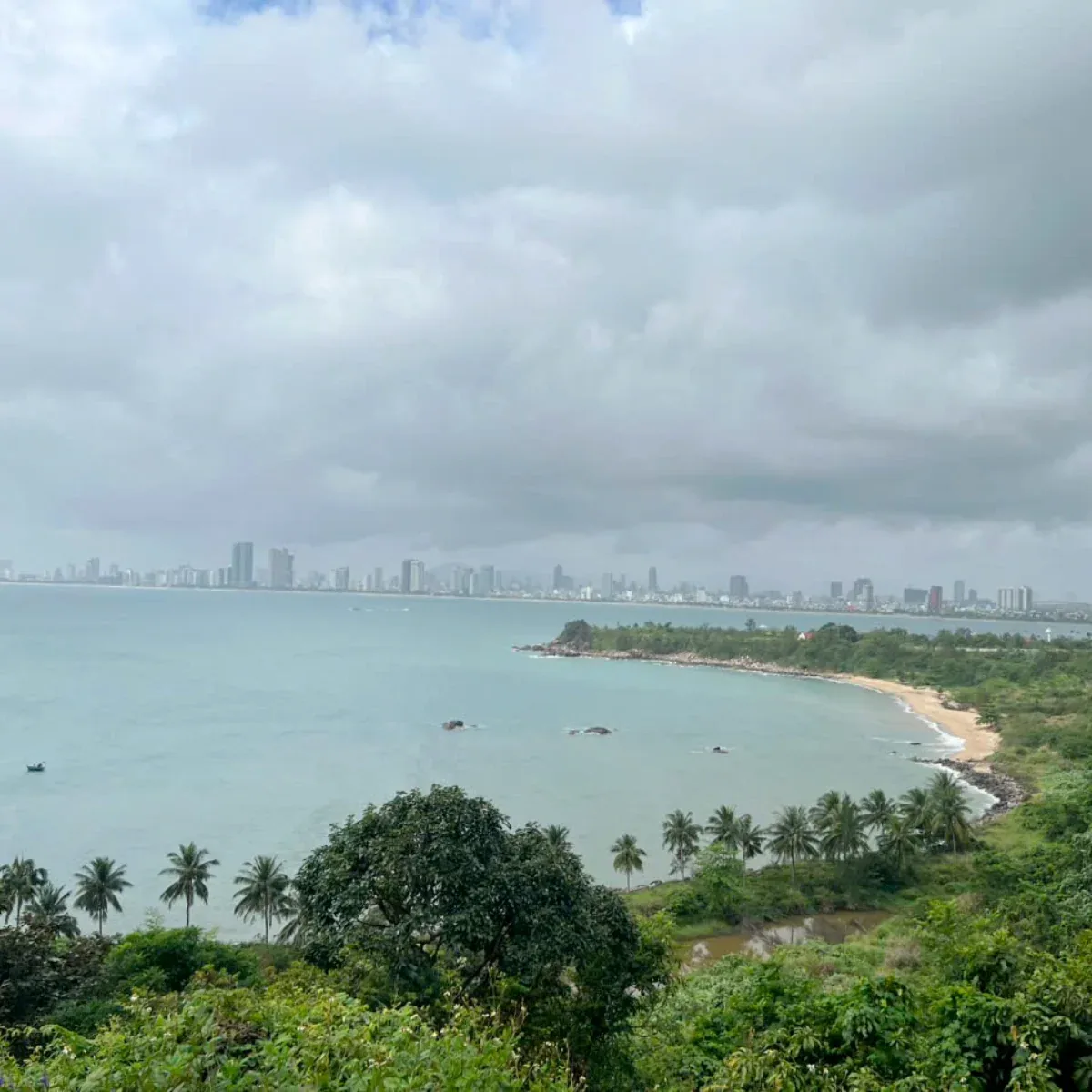
Choose between beach life on the east bank and city life on the west bank of the Han River. Most newcomers start in My An or An Thuong, the walkable grid near My Khe Beach with Western cafes, gyms and English-speaking landlords, then move once they know the city.
- My An and An Thuong (Ngu Hanh Son side of the beach): easiest first base, lots of foreigners, slightly higher rents.
- Son Tra: the beach strip and the quieter streets towards the peninsula; good for surfers, runners and anyone who wants sea views.
- Hai Chau: the real city centre, near Han Market, the river and most offices; more local, more traffic, better for city convenience.
- Ngu Hanh Son (south): newer, quieter and more spacious, near Marble Mountains and on the way to Hoi An.
- Thanh Khe: local neighbourhoods with the lowest rents, close to the airport and the western beaches.
For rent levels, noise, and who each area suits, read our full guide to the best areas to live in Da Nang.
Finding an apartment
Most foreigners rent a furnished studio or one-bedroom condo by the month, then sign a longer lease once they are sure of the area. A furnished studio of 27–35 m² with a kitchen and cleaning included costs about 12 million VND a month in our November 2026 budget, with electricity billed on top.
Before you pay anything, check these points in writing (a Zalo message counts):
- What the rent includes: Wi-Fi, water, cleaning, building fees and parking are often included; electricity usually is not.
- The electricity rate: ask whether it is charged at the official meter price or a fixed rate per kWh set by the owner. Air-conditioning is the biggest cost in summer.
- Deposit and notice period: how much, when it is returned, and how many days' notice you need to give.
- Registration: that the landlord will register your temporary residence (see above).
- Noise and light: visit at night and check for karaoke, construction or a bar downstairs.
You can browse furnished units by area in our monthly apartments for rent in Da Nang listings.
What it costs to live here
A single person spends about 19.4 million VND (≈US$745) in a lean month and about 26 million VND (≈US$1,005) in a comfortable one, and more than half of that is rent. Food, transport and phone data are cheap; imported groceries, Western restaurants and air-conditioning are what push the total up.
| Main items (one person, per month) | Lean | Comfortable |
|---|---|---|
| Furnished studio | 12,000,000 ₫ | 12,000,000 ₫ |
| Electricity, water, Wi-Fi | about 900,000 ₫ | about 1,400,000 ₫ |
| Food and coffee | 4,500,000 ₫ | 8,000,000 ₫ |
| Getting around | 1,500,000 ₫ | 2,000,000 ₫ |
Figures from our Da Nang cost of living per month guide (checked November 2026), which also covers couples, gyms and extras. Short visit instead? See the daily budget guide.
Food, groceries and everyday errands
Eating out is cheaper than cooking for most people living alone. A bowl of mi Quang or bun cha ca at a local shop costs a fraction of a Western meal, and markets sell fresh fruit, vegetables and seafood every morning.
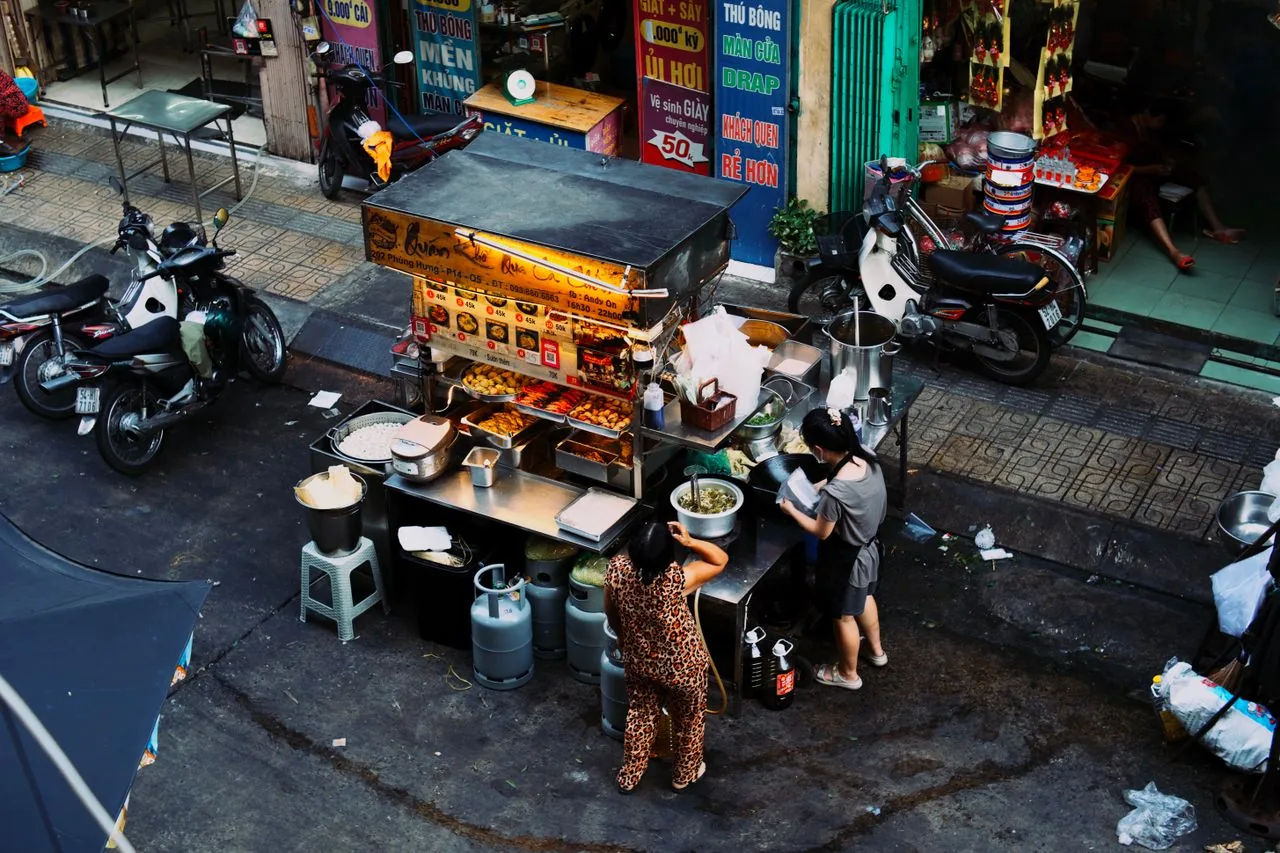
- Markets: Han Market and Con Market are the big central ones; every neighbourhood has a small wet market that opens early. See our Han Market guide.
- Drinking water: do not drink tap water; most homes use 19-litre refill bottles delivered to the door. Details in drinking water in Da Nang.
- Laundry: wash-dry-fold shops charge by the kilo and many apartments have a washer. Prices and shops in laundry in Da Nang.
- Food delivery: GrabFood and ShopeeFood cover almost every restaurant in the city.
Getting around
Ride-hailing apps cover almost every trip, so you do not need your own vehicle to live here. Grab, Be and Xanh SM (all-electric taxis and bikes) show the fare before you book and accept cash or card.

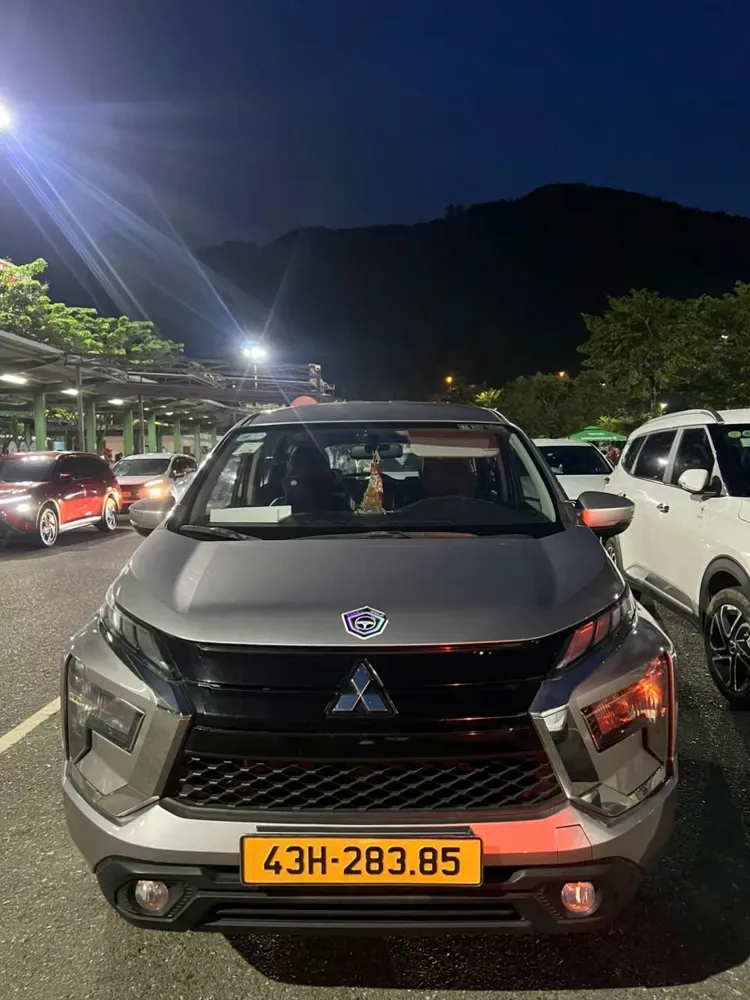
For day trips outside the city, a private car with a driver saves you dealing with traffic, directions and parking. Our apps for Da Nang guide explains how to set up the ride-hailing apps.
For trips with luggage or a family, such as the airport, Hoi An or a weekend in Hue, a private car is often simpler: Da Nang Chill Ride's airport transfer starts at $8 for a 5-seat car to city hotels under 8 km, paid to the driver at the end of the trip.
Healthcare for foreigners
Da Nang has several hospitals and clinics with English-speaking staff, and minor problems are cheap to treat. For anything serious, foreigners usually go to one of the facilities below, all listed as embassy-recommended by VietnamTourism.com (checked October 2026).
| Facility | Address | Phone | Notes |
|---|---|---|---|
| Vinmec Da Nang International Hospital | 30 Thang 4, Hoa Cuong | +84 236 3711 111 | 24/7 emergency department |
| Hoan My Da Nang Hospital | 291 Nguyen Van Linh, Thanh Khe | 1800 6381 | Open 24 hours, emergency department |
| Family Medical Practice Da Nang | 96–98 Nguyen Van Linh, Hai Chau | +84 236 3582 699 | Clinic: Mon–Fri 8:00–17:00, Sat 8:00–12:00; 24/7 emergency line +84 913 917 303 |
| Pasteur General Clinic | 39 Nguyen Tuong Pho, Thanh Khe | +84 236 3811 868 | Call to check out-of-hours service |
Emergency numbers: 115 ambulance, 113 police, 114 fire. Pharmacies are everywhere and sell many medicines without a prescription, but bring a written prescription for anything you take regularly. Health insurance that covers Vietnam is strongly recommended; a private room and imaging at an international hospital can be expensive.
Phone, internet and money
Getting connected and paying for things takes about an hour on your first day. Buy a local SIM or eSIM with your passport (registration is required), and home fibre internet is usually already installed in rented apartments.
- SIM and eSIM: Viettel, Vinaphone and Mobifone all have good 4G/5G in the city. Plans and shops in Da Nang SIM card and eSIM.
- Money: cash still matters at markets and small shops, while VietQR bank transfers are everywhere. Whether you can open a local bank account depends on your visa type and length, so most newcomers live on ATM withdrawals and cards at first and ask the bank once they have a longer visa. See money in Da Nang.
- Power: 220V, mostly two-pin sockets. Details in power plugs and voltage in Vietnam.

Weather and the rainy season
Da Nang has a dry, hot season from roughly February to August and a wet season from about September to December, with October and November the rainiest months. Summer days are often above 30°C, so air-conditioning (and your electricity bill) matters.

Storms and local flooding can hit the city during the wet season. When you choose an apartment, ask whether the street floods, keep a raincoat and power bank ready, and follow storm warnings on local news and your landlord's Zalo group. The beach can close for swimming for several days after a storm. Month-by-month detail is in Da Nang weather month by month.
Safety
Da Nang is one of the safer cities in Vietnam for foreigners; the real risks are traffic, phone snatching from passing motorbikes, and strong currents at the beach. Swim between the flags where lifeguards are on duty, keep your phone away from the road side, and use ride-hailing apps rather than street offers at night. Our full guide: is Da Nang safe?
Work, remote work and community
Da Nang is popular with remote workers and retirees, but local jobs for foreigners are limited, mostly in teaching, tourism and IT. Working legally for a Vietnamese employer needs a work permit (or an exemption) and the right visa, which the employer normally arranges.
For remote workers, the city has coworking spaces, many cafes with fast Wi-Fi, and a steady flow of meetups. Facebook groups for Da Nang expats and nomads are the main place to find rentals, second-hand items and events, but treat rental offers there with the same checks as above and never pay a deposit before seeing the unit.
Families will find a handful of international and bilingual schools; visit them and compare fees and curriculum directly, as places for some year groups fill early.
Your first week checklist
- Arrive with your visa or exemption sorted and your accommodation address saved offline.
- Buy a SIM or eSIM, install Grab and Zalo, and save the emergency numbers.
- Book a short stay (hotel or serviced apartment) for the first week instead of signing a lease from abroad.
- Walk or ride through two or three areas at different times of day before choosing one.
- Sign a monthly rental, confirm the electricity rate and your temporary residence registration in writing.
- Find your nearest pharmacy, clinic, market and supermarket, and arrange water delivery.
More arrival tips are in our Da Nang arrival checklist and the wider Da Nang travel essentials guide. If you land late with heavy luggage, a pre-booked car to your first stay saves the haggling: see our airport transfer prices.
Stocking your kitchen: our guide to supermarkets and Western groceries in Da Nang shows where to find imported cheese, bread, baby food and other familiar brands, and what they cost.
For the practical side of setting up a home, see our guides to utilities and internet in Da Nang (electricity, water, fibre internet and paying bills) and, if you work remotely, the digital nomad guide to Da Nang.
Moving with children? Our guide to international schools in Da Nang compares curricula, grade levels and published fees, and explains how to apply.
Looking for people to meet? Our guide to expat communities in Da Nang lists weekly meetups, language exchanges, sports groups and online groups for newcomers.
Not sure whether to book a hotel, an Airbnb or a monthly apartment for your first weeks? Our comparison of hotels vs Airbnb vs monthly apartments in Da Nang works out the cost for one week, one month and three months.
Staying in an apartment or with friends? Your stay must be declared with the local police. Our guide to temporary residence registration in Da Nang explains who files it, the deadline and how.
Bringing a dog or cat? Our guide to moving to Da Nang with pets covers the import paperwork, rabies vaccination timing, flying with a pet and finding a pet-friendly rental.
FAQ
How much money do I need per month to live in Da Nang?
About 19–26 million VND (US$745–1,005) for one person renting a furnished studio, eating mostly local food and using Grab. Rent is more than half of that. Couples sharing a one-bedroom spend less per person.
Can I live in Da Nang on a tourist visa?
Many people stay for months on e-visas of up to 90 days, leaving and re-entering when needed, but a tourist visa does not allow you to work for a Vietnamese employer. Rules change, so check the official e-visa portal before each trip.
Do I need to register with the police?
Your accommodation host must declare your stay to the local police within 12 hours of arrival. In a hotel this is automatic; with a private landlord, ask them to confirm it has been done.
Which area of Da Nang is best for foreigners?
My An and An Thuong near My Khe Beach are the easiest for newcomers, with cafes, gyms and English-speaking landlords. Hai Chau suits people who want the city centre, and Son Tra suits beach lovers.
Is healthcare good in Da Nang?
For common problems, yes: international hospitals such as Vinmec and Hoan My have English-speaking staff and 24/7 emergency departments. For complex treatment, some people go to Ho Chi Minh City, Bangkok or home, so insurance with evacuation cover is worth having.
Is it better to live in Da Nang or Hoi An?
Da Nang has more apartments, hospitals, shopping and flights; Hoi An is smaller, quieter and more charming but floods more often in the wet season. Many people live in Da Nang and visit Hoi An at weekends, about 45 minutes away by car.