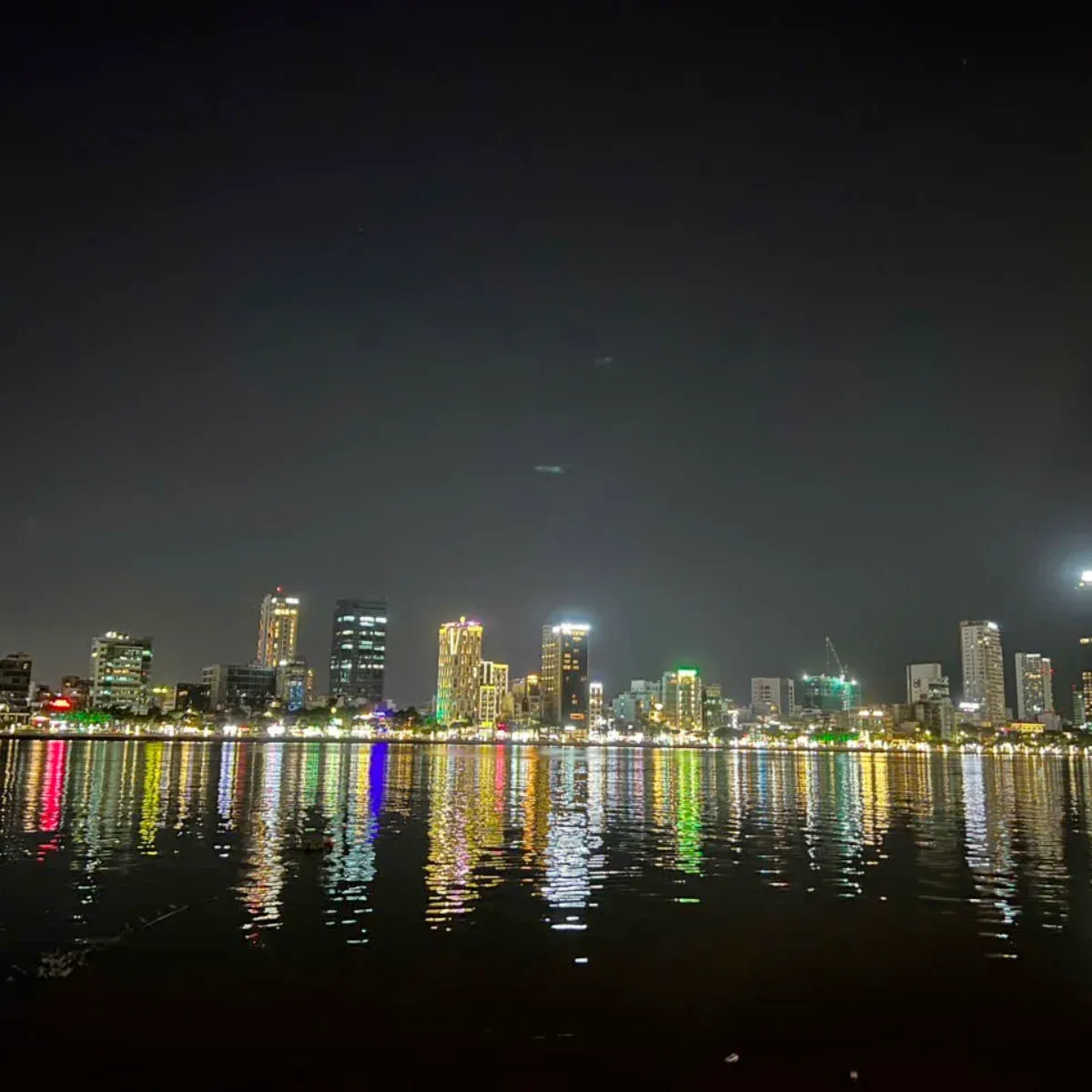
Short answer: Before your first day in Da Nang, sort five things: a local SIM or eSIM (around 200,000–300,000 VND at the airport), some cash in Vietnamese dong from a low-fee ATM, the Grab or Xanh SM app for rides, a plug adapter only if your plugs are not Type A or C, and bottled water instead of tap water. Da Nang is one of Vietnam's easiest and safest cities for foreigners; most problems are small ones like ATM fees, phone theft from motorbikes and overpaying taxis. This guide collects the practical basics in one place, with prices checked November 2026.
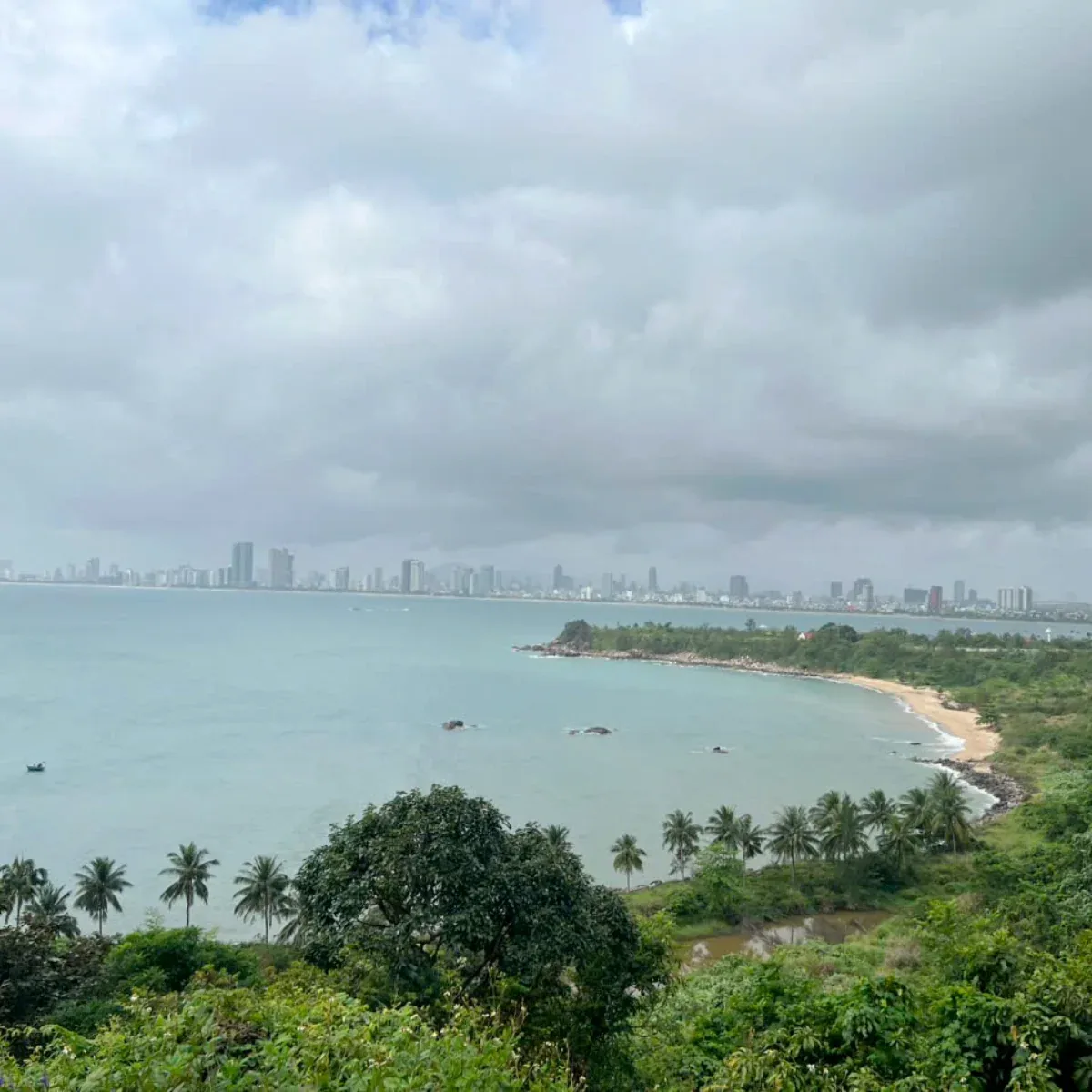
Da Nang essentials at a glance
The table below is the one-minute version. Each row has its own section further down with details, prices and local tips.
| Topic | What to do | Typical cost (checked Nov 2026) |
|---|---|---|
| Phone and data | Buy a tourist SIM at the airport or install an eSIM before you fly | ~200,000–300,000 VND (SIM, 7–30 days); eSIMs from about $6–11 |
| Money | Carry dong in cash; withdraw at a low-fee ATM (VPBank is the most reported fee-free option) | 0 to ~66,000 VND per foreign-card withdrawal, plus your home bank's fees |
| Getting around | Use Grab, Xanh SM or Be; metered taxis are fine from official ranks | Fare shown in the app before you book |
| Power | Sockets take Type A and C plugs; 230 V, 50 Hz | Adapter only if your plug is UK, Australian or similar |
| Water | Drink bottled or filtered water, not tap water | Cheap at any convenience store |
| Laundry | Use a neighbourhood laundry shop, priced by the kilo | ~30,000–35,000 VND per kg in Da Nang |
| Tipping | Not expected; round up or tip for great service | 20,000–50,000 VND at a mid-range restaurant |
| Emergencies | 113 police, 114 fire, 115 ambulance, 112 general emergency | Free calls |
If you are arriving soon, also read our Da Nang arrival checklist, which walks you through the airport step by step.
SIM card or eSIM: staying connected
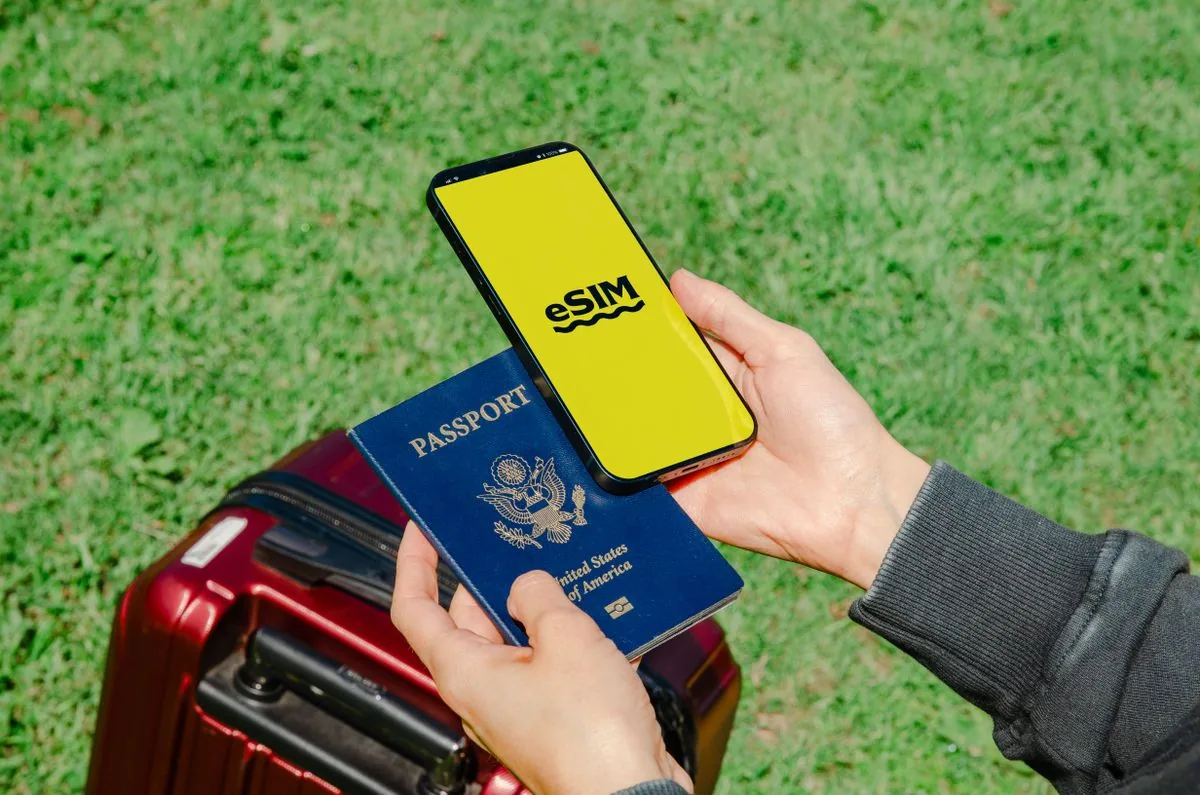
The easiest option for most visitors is a tourist SIM from the official carrier booths in the international arrivals hall, or an eSIM you install before you fly. Either way you get fast 4G/5G data across Da Nang and Hoi An for a few dollars.
Three carriers sell at Da Nang airport: Viettel (red booths), Vinaphone (blue) and MobiFone (green). The booths are on the ground floor of Terminal 2 after baggage claim and are reported to open from about 6:00 to 2:00 daily. Recent airport prices look like this (checked November 2026, from VietnamESIM's Da Nang guide, updated June 2026):
| Plan (airport) | Data | Approx. price |
|---|---|---|
| Viettel, 7 days | 5 GB per day | ~200,000 VND (~$8) |
| Viettel, 15 days | 5 GB per day | ~250,000 VND (~$10) |
| Viettel, 30 days | 5 GB per day | ~300,000 VND (~$12) |
| Vinaphone, 15 days | 1 GB per day + calls | ~199,000 VND (~$8) |
| MobiFone, 7–30 days | Varies | ~180,000–250,000 VND |
Bring your passport: a physical SIM must be registered to it, and the staff will do this at the counter in a few minutes. City stores are usually 30–40% cheaper than the airport, but only buy from official carrier shops, not street stalls, because pre-registered SIMs from unofficial sellers can stop working. An eSIM needs no passport check and is ready the moment you land, although many eSIMs are data-only with no Vietnamese phone number.
Local tip: test data at the counter before you walk away, and ask for a plan with a local number if you will use Grab heavily or need restaurants and landlords to call you.
Money: cash, ATMs, cards and QR payments
Vietnam runs on the dong (VND), and cash is still king for street food, markets, small cafés and parking. Cards work in hotels, malls, supermarkets and most mid-range restaurants, so the smart setup is a card for big bills and a wallet of small notes for everything else.
ATM fees for foreign cards
Fees are charged by the Vietnamese bank that owns the machine, on top of anything your home bank charges. Reports collected in mid and late 2026 agree on the main pattern (checked November 2026, sources: Base Da Nang, Vietnam With Me):
| Bank ATM | Reported fee for foreign cards | Reported max per withdrawal |
|---|---|---|
| VPBank | Usually free | Up to 10,000,000 VND |
| Vietcombank | ~50,000–55,000 VND | 2,000,000–5,000,000 VND |
| BIDV | ~3% (min. ~50,000 VND) | ~3,000,000 VND |
| TPBank | ~3.3% (no longer free since mid-2025) | ~5,000,000 VND |
| Agribank | ~22,000–30,000 VND | 3,000,000–5,000,000 VND |
Fees change without notice and can differ between machines of the same bank, so always read the fee screen before you confirm. In Da Nang, VPBank machines are reported around the Hai Chau centre, the An Thuong / My Khe beach area, near Lotte Mart and at the airport. When the ATM offers to charge you in your home currency, choose "without conversion" or VND; the machine's exchange rate is almost always worse.
Notes that look alike
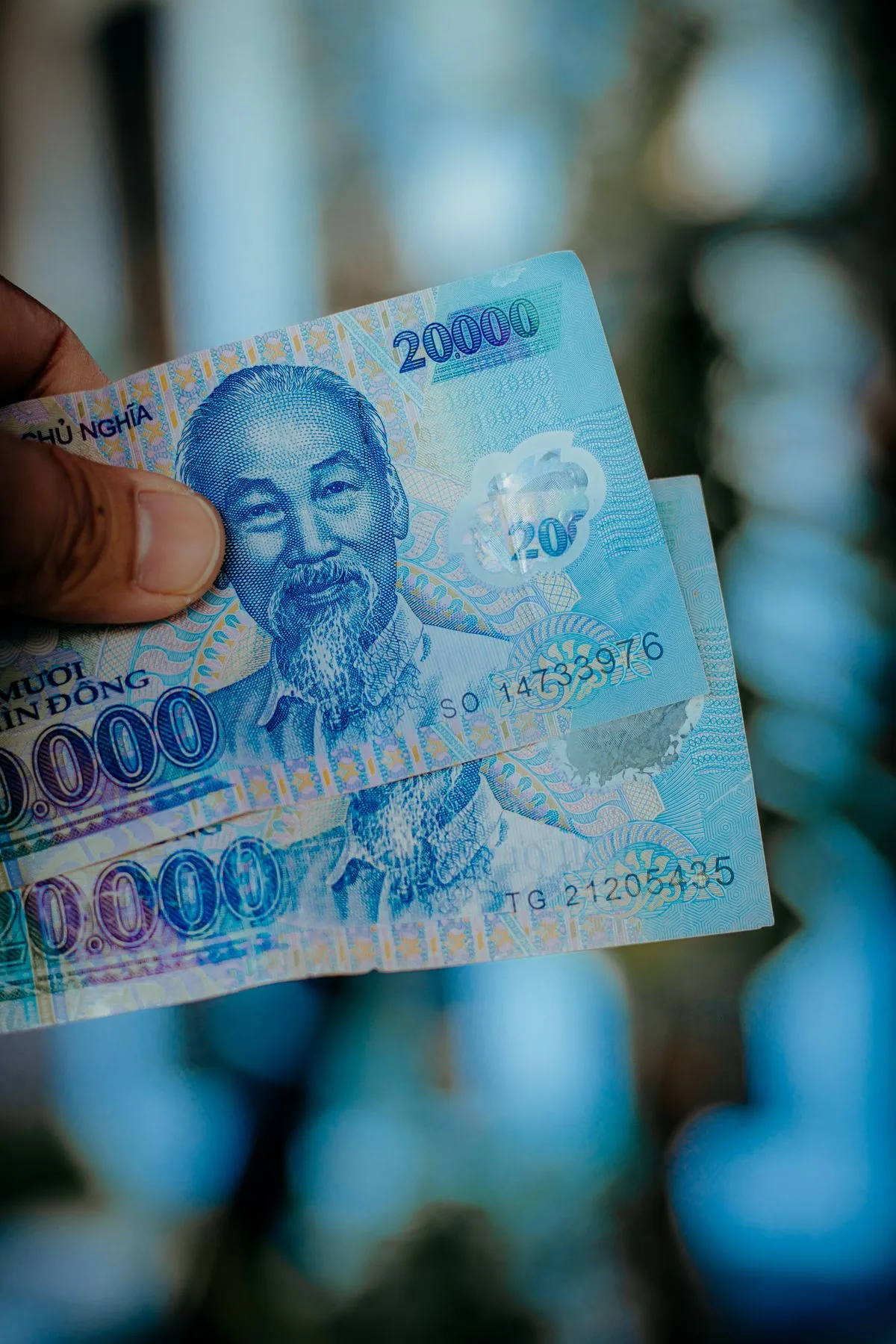
The blue 20,000 and 500,000 VND notes are easy to confuse, especially at night. Keep big notes separate from small ones and count your change. Break 500,000 notes at supermarkets or convenience stores rather than at street stalls.
QR payments
Locals pay almost everything by scanning a bank QR code. Foreign visitors can now pay some of these codes from their own apps: an August 2026 Tuoi Tre News report lists WeChat Pay and UnionPay (China), Thai, Lao and Cambodian bank systems, and Korean apps in the GLN network for VNPAY-QR codes. If your country is not on that list, cash and cards remain the reliable choice.
Apps that make Da Nang easier
You only need a handful of apps: one or two ride-hailing apps, Google Maps, a translator and Zalo. Install them and log in before you leave home, while you still have your home SIM for verification codes.
- Grab – cars, motorbike rides and food delivery, with the fare shown before you book and an English interface. Prices rise at peak times and in heavy rain.
- Xanh SM – electric VinFast cars and bikes; fares are usually similar to or below regular taxis, and the green cars are everywhere in Da Nang.
- Be – a Vietnamese ride-hailing app; worth comparing with Grab on longer rides.
- Google Maps – download the Da Nang and Hoi An area offline. Opening hours on Maps are often out of date for small family places.
- Google Translate – download Vietnamese offline and use the camera mode for menus.
- Zalo – Vietnam's main messaging app. Many hotels, landlords, drivers and small shops reply faster on Zalo than by email.
For a full comparison of buses, taxis, ride-hailing, motorbike rental and drivers, see how to get around Da Nang.
Getting from the airport and around town
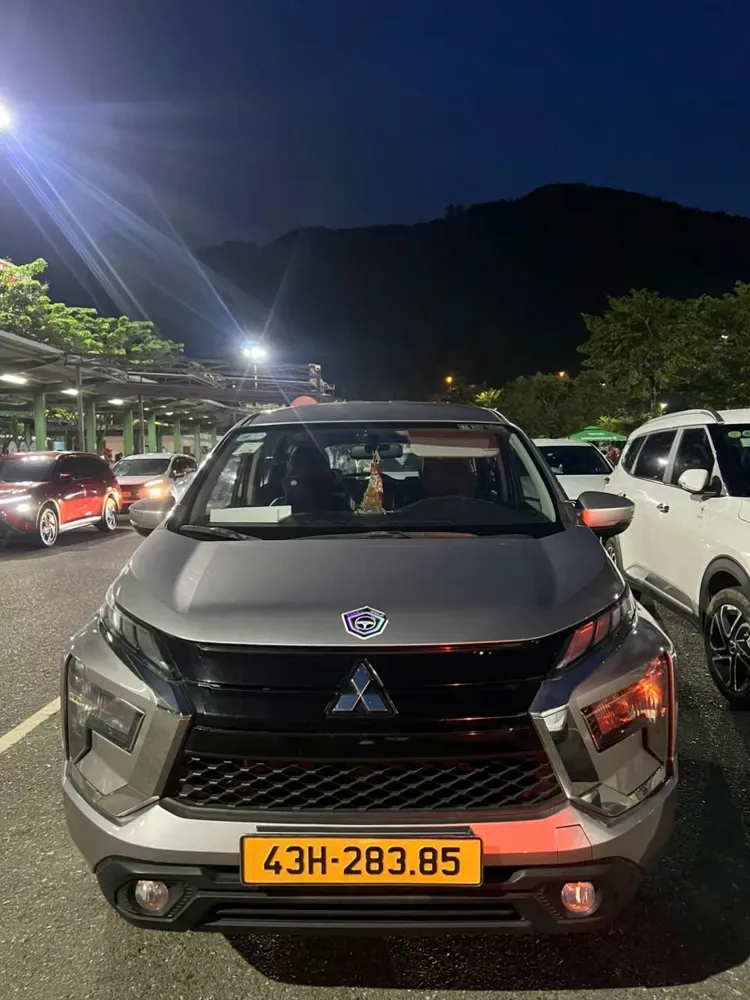
Da Nang airport is only about 10–20 minutes from most city hotels, so the first ride is short and cheap whichever option you choose. Grab and Xanh SM pick up outside arrivals; metered taxis wait at the official rank, and you should ignore drivers who approach you inside the terminal.
If you land late at night, travel with children or heavy luggage, or are heading straight to Hoi An, a pre-booked car saves the queue: our Da Nang airport transfer starts at $8 per car to city hotels and $18 to Hoi An (5-seat car), paid to the driver at the end of the ride.
Power plugs and voltage
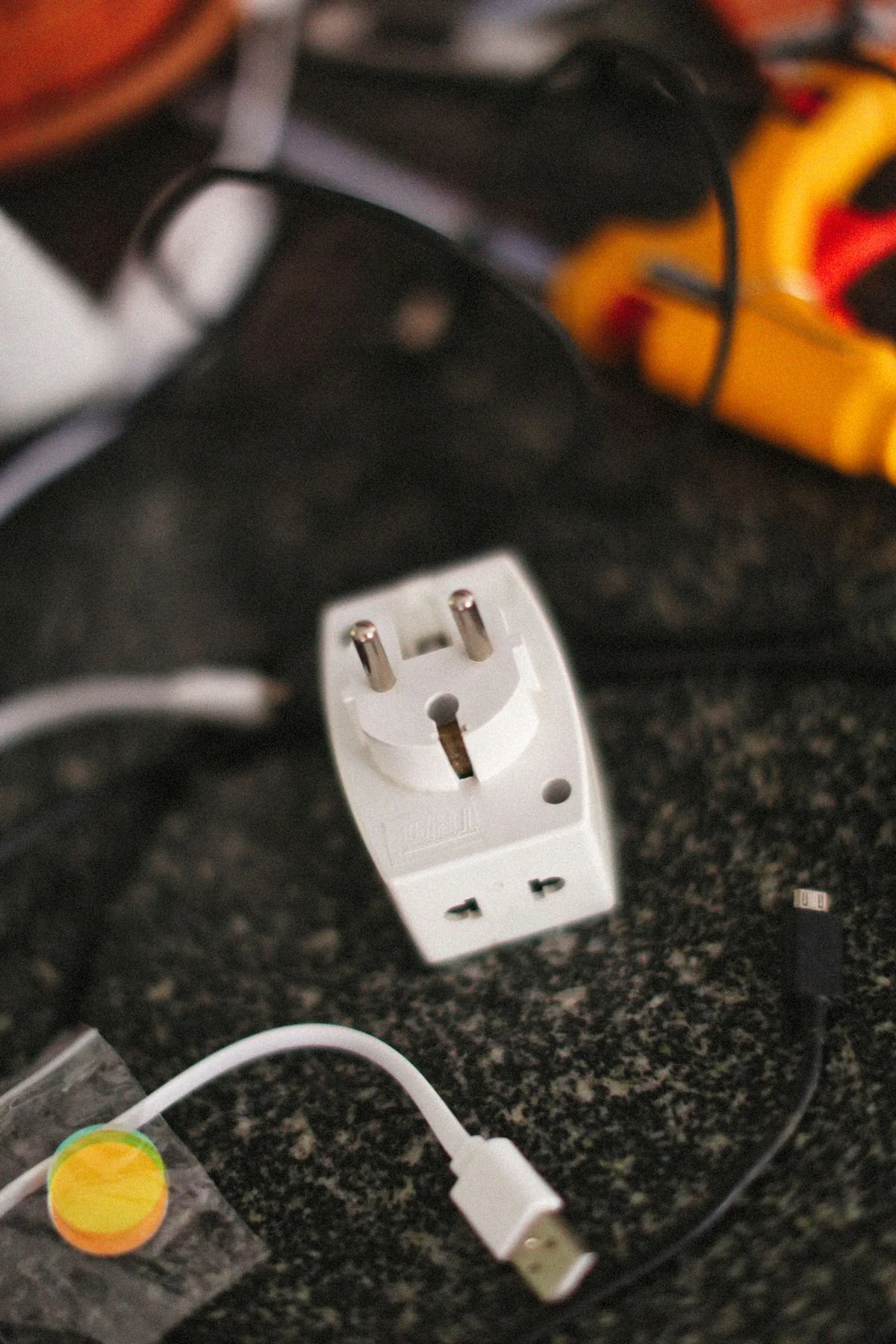
Vietnam uses 230 V at 50 Hz, and most sockets accept both flat two-pin (Type A) and round two-pin (Type C) plugs. If your plug looks like either of those, you need nothing; travellers from the UK, Australia, Singapore and similar countries should pack a universal adapter (checked November 2026, WorldStandards).
- Phone chargers and laptops are almost always rated 100–240 V and work fine; check the small print on the charger.
- Single-voltage 110–120 V devices from North America or Japan, such as some hair dryers and straighteners, need a converter or will burn out.
- Three-pin grounded sockets are less common in older buildings, so a two-pin adapter is the safer buy.
Drinking water and food hygiene
Do not drink Da Nang tap water straight from the tap; use bottled or filtered water, which is cheap and sold at every convenience store. Brushing your teeth with tap water is what most visitors and residents do without problems.
- Many hotels and apartments provide free bottles or a large refill jug; ask reception before buying.
- Busy street-food stalls with high turnover are usually a safer bet than empty ones.
- Carry a refillable bottle; more cafés and hotels now let you top up from filtered water dispensers.
Hungry already? Our Da Nang food guide covers what to eat and where.
Laundry
Neighbourhood laundry shops wash, dry and fold by the kilo, and they are far cheaper than hotel laundry. In Da Nang the going rate is about 30,000–35,000 VND per kg, with next-day pickup and often same-day service if you drop off before about 10:00 (checked November 2026, Vietnam Tourism guide, updated August 2026).
- Hotels usually charge per item: about 20,000–50,000 VND per piece at budget and mid-range hotels, more at five-star resorts.
- Count your items when you drop off and pick up, and point out stains.
- Ask for machine drying (sấy) in the rainy months, otherwise clothes can come back damp.
- Many small shops close for lunch around 12:00–14:00.

Tipping and service charges
Tipping is not expected in Vietnam, but it is appreciated for good service, especially in tourist areas like Da Nang. Check the bill first: if it already shows a service charge (phụ phí dịch vụ, usually 5–10%), you do not need to add more.
| Situation | Usual practice (checked Nov 2026) |
|---|---|
| Street food, local pho shop | Nothing, or round up a few thousand dong |
| Mid-range restaurant | 20,000–50,000 VND, or 5–10% for great service |
| High-end restaurant | About 10% unless a service charge is included |
| Spa or massage | Not required; about 10% for excellent service |
| Private tour guide | 100,000–200,000 VND per day |
Figures from Vietnam Tourism's tipping guide (updated October 2026). Hand tips directly to the person who served you.
Useful Vietnamese phrases
A few words go a long way, and people in Da Nang are patient with foreigners trying. Tone matters in Vietnamese, so smile and point when in doubt.
| English | Vietnamese |
|---|---|
| Hello | Xin chào |
| Thank you | Cảm ơn |
| How much? | Bao nhiêu tiền? |
| The bill, please | Tính tiền |
| Not spicy | Không cay |
| No ice | Không đá |
| Delicious | Ngon quá |
| Excuse me / sorry | Xin lỗi |
Safety, scams and emergency numbers
Da Nang is calm and safe by big-city standards, and violent crime against visitors is rare. The real risks are traffic, phone or bag snatching from passing motorbikes, and small overcharges.
- Hold your phone away from the road side when walking, and keep bags across your body.
- Cross streets at a slow, steady pace so motorbikes can read your path; do not run.
- Agree prices before a massage, cyclo or boat ride, and read our guide to common tourist scams in Da Nang.
- If you rent a motorbike, you need a valid licence and a helmet; travel insurance often refuses claims without them.
Save these numbers in your phone. Vietnam's long-standing lines are 113 (police), 114 (fire and rescue) and 115 (ambulance). A newer nationwide 112 line for emergencies and rescue launched in September 2025, and calls are free (checked November 2026, Viet Nam News). Operators may not speak English, so ask your hotel to call for you if you can.
Weather and what to pack
Da Nang is hot and sunny for most of the year, with the main rainy season from about September to December, when storms and short-notice flooding are possible. Spring and early summer are the most reliable months for the beach.
- Light clothes, a rain jacket or poncho, and sandals that can get wet.
- Covered shoulders and knees for pagodas such as Linh Ung and for the Hue citadel.
- Strong sunscreen and a hat; local brands are cheap, but familiar foreign brands cost more than at home.
- Any regular medicines in their original packaging.
For month-by-month detail, see the best time to visit Da Nang, and for what to see once you are settled, start with our Da Nang travel guide.
FAQ
Do I need cash in Da Nang, or can I use cards everywhere?
You need some cash. Hotels, malls and most mid-range restaurants take cards, but street food, markets, small cafés and parking are usually cash or local QR only. Carry a mix of small notes.
Which ATM in Da Nang has no fee for foreign cards?
VPBank is the most consistently reported fee-free ATM for foreign cards in 2026, with a high limit of up to 10 million VND per withdrawal. Always check the on-screen fee, and your home bank may still charge its own fee.
Is an eSIM better than a physical SIM in Vietnam?
An eSIM is easier because it works on landing and needs no passport registration. A physical SIM from Viettel, Vinaphone or MobiFone often gives more data for the price and a local number, which helps with Grab and calls.
Can I drink tap water in Da Nang?
No. Drink bottled or filtered water. Using tap water to brush your teeth is generally fine.
What plug adapter do I need for Da Nang?
Most sockets accept Type A (flat pins) and Type C (round pins) plugs at 230 V. Visitors with UK, Australian or other three-pin plugs need a universal adapter.
What is the emergency number in Vietnam?
Call 113 for police, 114 for fire and 115 for an ambulance. The newer 112 line handles emergencies and rescue nationwide. Calls are free.