Short answer: Da Nang is one of the easiest bases in Southeast Asia for remote work: a lean month costs about 19.4 million VND (around US$745) including a furnished studio, home internet is fast, and the beach is ten minutes from almost anywhere. Most nomads live in An Thuong/My An or Son Tra, work from cafés or a coworking space with day passes from about 110,000 VND, and avoid the heaviest rain in October and November. Vietnam has no digital nomad visa, so sort out your entry status before you book a long stay.
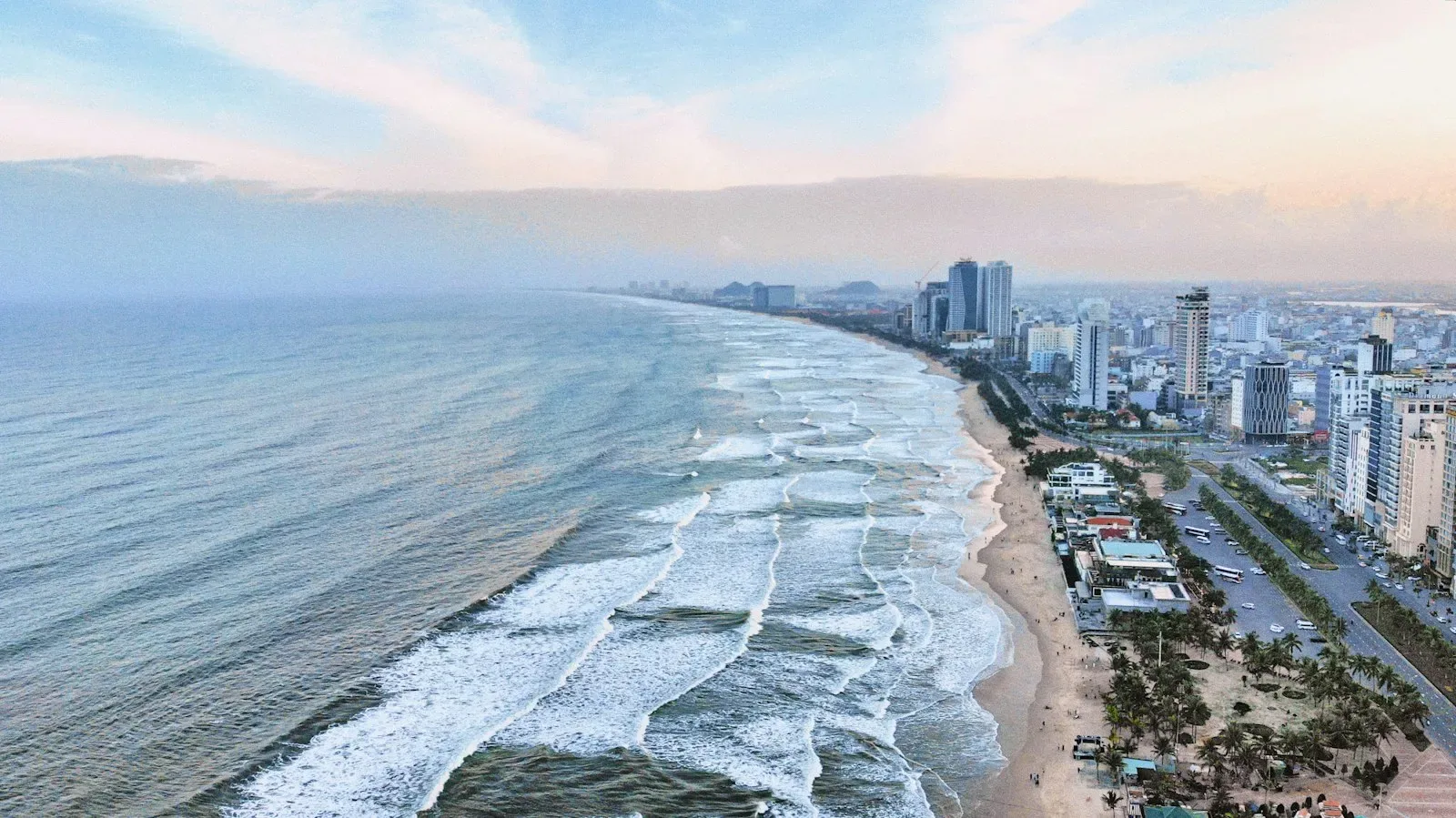
This guide is the practical layer under our work in Da Nang hub. The hub covers work permits, jobs and taxes; this page is about the daily life of someone who earns online: what a month costs, where to live, how good the internet really is, where to work and how to plan around time zones and weather. Figures were checked in November 2026.
Is Da Nang good for digital nomads?
Yes, for most remote workers. It combines low living costs, a long sandy city beach, reliable fibre internet and a calmer pace than Ho Chi Minh City or Hanoi.
The trade-offs are real but manageable. The nomad scene is smaller than in Bali or Chiang Mai, so you meet people through coworking spaces, gyms and online groups rather than at big organised events. Nightlife is modest outside a few streets. And from October to December, heavy rain and the occasional storm can keep you indoors for days.
- Good fit: people who want a routine of work, beach, gym and good food at a low monthly cost.
- Less ideal: people who need a big startup scene, frequent networking events or a dedicated nomad visa.
What a month costs
A single remote worker can live well on about 19–26 million VND a month (roughly US$745–1,005). Rent is the line that decides your total.
The table uses the same figures as our Da Nang cost of living guide, which explains each line in detail.
| Item | Lean month | Comfortable month |
|---|---|---|
| Furnished studio (27–35 m², kitchen, cleaning) | 12,000,000 ₫ | 12,000,000 ₫ |
| Electricity (metered, more if you work from home with air-con) | 700,000 ₫ | 1,200,000 ₫ |
| Water + Wi-Fi | 200,000 ₫ | 200,000 ₫ |
| Food and coffee | 4,500,000 ₫ | 8,000,000 ₫ |
| Getting around (Grab or taxi) | 1,500,000 ₫ | 2,000,000 ₫ |
| SIM with data | 100,000 ₫ | 150,000 ₫ |
| Gym | 400,000 ₫ | 600,000 ₫ |
| Going out, trips, extras | — | 2,000,000 ₫ |
| Total | ≈19,400,000 ₫ (US$745) | ≈26,150,000 ₫ (US$1,005) |
Add coworking if you want a desk: a monthly membership runs from about 2.3 to 4 million VND at the spaces listed in our work hub (prices from each space's own website, checked November 2026). Working from cafés instead costs you only the drinks.
Where to live as a remote worker
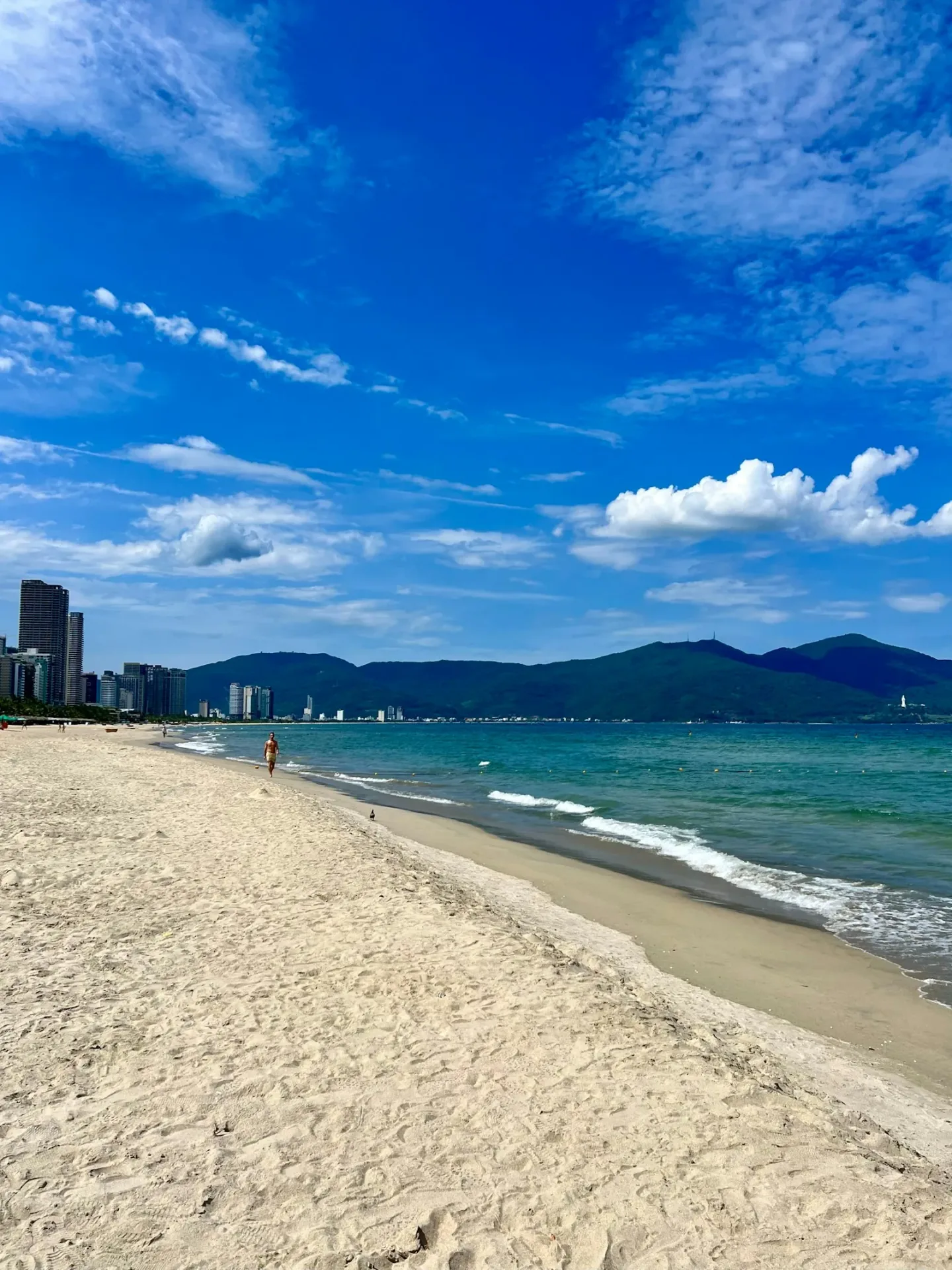
Most nomads choose An Thuong/My An or the beach side of Son Tra. Both put you a short walk from the sea, with cafés, gyms and Western food on your doorstep.
- An Thuong / My An (Ngu Hanh Son): the easiest start. Walkable streets, lots of foreigners, cafés that open early and many short-let studios. It can feel like a bubble, but that helps in your first month.
- Son Tra (near My Khe beach): more local, slightly cheaper, with the beach and the Son Tra peninsula for morning runs.
- Hai Chau: the real city centre by the Han River. Choose it if you prefer city life to the beach, or need to be near offices and banks.
Our best areas to live in Da Nang guide compares five districts in detail. For a first month, a furnished monthly studio is simpler than a lease: see our monthly apartments in Da Nang page for what is included and what to check before you pay.
Internet, power and staying online
Internet is a strength. In Ookla's Speedtest index for January 2026, Vietnam's median fixed broadband download speed was 284.99 Mbps, 10th in the world (reported by Báo Lào Cai, checked November 2026).
In practice, most furnished apartments include fibre Wi-Fi in the rent or for a small flat fee. Before you book, ask the host for a screenshot of a speed test taken in the room, not at the router downstairs. Upload speed matters more than download for video calls: aim for 20 Mbps up or better.
- Back-up connection: buy a local SIM with a big data allowance on day one and use it as a hotspot if the Wi-Fi drops. Our SIM card and eSIM guide compares the options.
- Power cuts: short planned outages for grid maintenance happen from time to time. Ask your host to tell you if they receive a notice, and keep a charged power bank and laptop for important calls.
- Calls in cafés: many cafés have good Wi-Fi but loud music. For client calls, a coworking phone booth or your apartment is safer.
Where to work: cafés and coworking
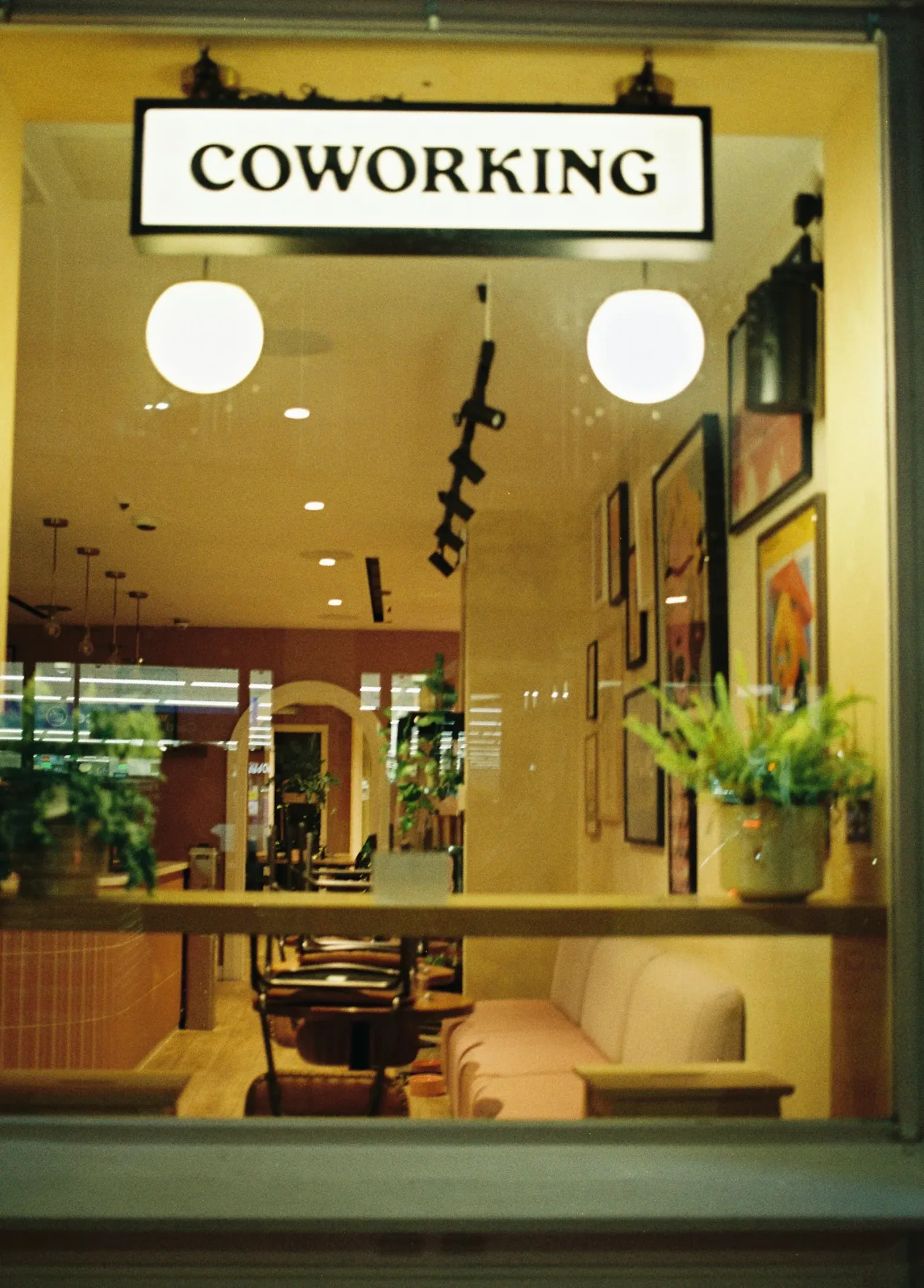
Cafés are free offices if you keep ordering, and Da Nang has hundreds of them. Coworking spaces suit you when you need quiet, reliable calls or a monitor.

Café etiquette that locals appreciate: order something every couple of hours, take a table near a socket only if you need it, and keep calls short and on headphones. Mornings from about 7am to 11am are the quietest time in most places. Our Da Nang coffee guide explains what to order.
Coworking: day passes in the city start around 110,000–200,000 VND, and several spaces sell weekly or monthly plans. Try a day pass at two or three spaces before committing, and check the chair, the air-con and whether phone booths can be booked. The full list with addresses and prices is in the coworking section of our work in Da Nang guide.
Time zones: when your calls happen
Vietnam is on UTC+7 all year, with no daylight saving time. That makes Da Nang easy for Australian and Asian clients, workable for Europe and hard for the Americas.
| Client's 9am in… | Time in Da Nang (northern winter) | Time in Da Nang (northern summer) |
|---|---|---|
| Sydney | 5am (Sydney on summer time) | 6am |
| Singapore / Manila | 8am | 8am |
| Berlin / Paris | 3pm | 2pm |
| London | 4pm | 3pm |
| New York | 9pm | 8pm |
| San Francisco | 12am (midnight) | 11pm |
A common rhythm for people working with Europe: beach or gym in the morning, deep work from late morning, and calls from mid-afternoon into the evening.
Best time of year to base yourself here
The driest, easiest months are roughly February to August. The main rainy season runs from about September to December, with the heaviest rain and most storm risk in October and November.
The rainy season is not a deal-breaker for remote work, as you spend most days indoors anyway, but it can mean flooded streets, cancelled boat trips and days when the beach is off limits. If you can choose, arrive in February or March and stay through the summer. Our Da Nang weather month by month guide has the details.
Visas, tax and insurance in one paragraph each
Visas: Vietnam has no dedicated digital nomad visa (checked November 2026). Remote workers usually enter on an ordinary visa or visa exemption, which is a grey area for online work. Read the remote work section of our work in Da Nang hub and our list of Vietnam visa exemption countries, and confirm your own situation with the immigration authorities or a licensed adviser.
Tax: staying 183 days or more in a year can make you a tax resident in Vietnam. Our work hub explains the basics; ask a tax adviser before you pass that line.
Insurance: choose a policy that covers medical evacuation. Many policies exclude scooter accidents when the rider has no valid licence, so Grab or a car with a driver is the safer way to get around.
Your first week as a nomad in Da Nang
- Book a private pickup or a Grab from the airport; it is only 10–20 minutes to most areas. If you land late with heavy bags, our Da Nang airport transfer page lists fixed prices per car.
- Buy a local SIM with plenty of data and install Grab and a banking or e-wallet app.
- Run a speed test in your room and send it to your host if it is below what was promised.
- Try two cafés and one coworking day pass to find your base.
- Find a gym or a running route, and a laundry shop near home.
- Join a couple of Da Nang expat and digital nomad groups on Facebook to find events, housing tips and people to meet.
- Make sure your accommodation has registered your temporary residence with the local police, as the law requires. Our living in Da Nang guide explains how this works.
Staying a month or longer? Browse our monthly apartments and studios in Da Nang with photos and prices.
Renting your own place? Our guide to utilities and internet in Da Nang explains how to get fibre internet installed and pay electricity and water bills.
For a full side-by-side of desks, day passes and monthly plans, see our coworking spaces in Da Nang guide, and to make friends fast, our guide to expat communities in Da Nang.
Planning your first month? Compare hotels, Airbnb and monthly apartments in Da Nang before you commit to a lease.
FAQ
How much do I need per month as a digital nomad in Da Nang?
About 19.4 million VND (around US$745) for a lean month with a furnished studio, and about 26 million VND (around US$1,005) for a comfortable one. Coworking adds roughly 2.3–4 million VND a month if you want a fixed desk.
Is the internet in Da Nang good enough for video calls?
Usually yes. Vietnam's median fixed broadband speed was about 285 Mbps in Ookla's January 2026 index. Check the upload speed in your actual room and keep a mobile hotspot as back-up.
Which area is best for digital nomads?
An Thuong/My An is the easiest for a first stay, with many cafés and other foreigners. Son Tra near My Khe beach is more local and slightly cheaper, and Hai Chau suits people who prefer the city centre.
Does Vietnam have a digital nomad visa?
No, not as of November 2026. Remote workers usually use an ordinary visa or visa exemption, which does not explicitly cover online work. Check your status with the authorities or a licensed adviser before a long stay.
What is the best month to start a stay in Da Nang?
February or March. You get dry weather and calm seas for several months, and you avoid starting in the October–November peak of the rainy season.
Is Da Nang better than Hoi An for remote work?
For most people, yes: Da Nang has more coworking spaces, faster delivery, a bigger choice of apartments and an airport on the doorstep. Hoi An is lovely for weekends, about 45 minutes away by car.