Short answer: No, do not drink Da Nang tap water straight from the tap. Drink bottled or filtered water instead: a 500 ml bottle costs around 7,000 VND in a pharmacy chain, and most hotels, cafés and apartments give you filtered water anyway. Ice in cafés and restaurants is usually factory-made and most visitors have it without trouble, but skip it if your stomach is sensitive. Brushing your teeth with tap water is what most locals and long-stayers do.
This guide covers what the official advice says, what a bottle actually costs, where you can refill for free, how to handle ice and street drinks, and how people who live here get drinking water at home. It is part of our Da Nang travel essentials guide. Prices and facts were checked November 2026.
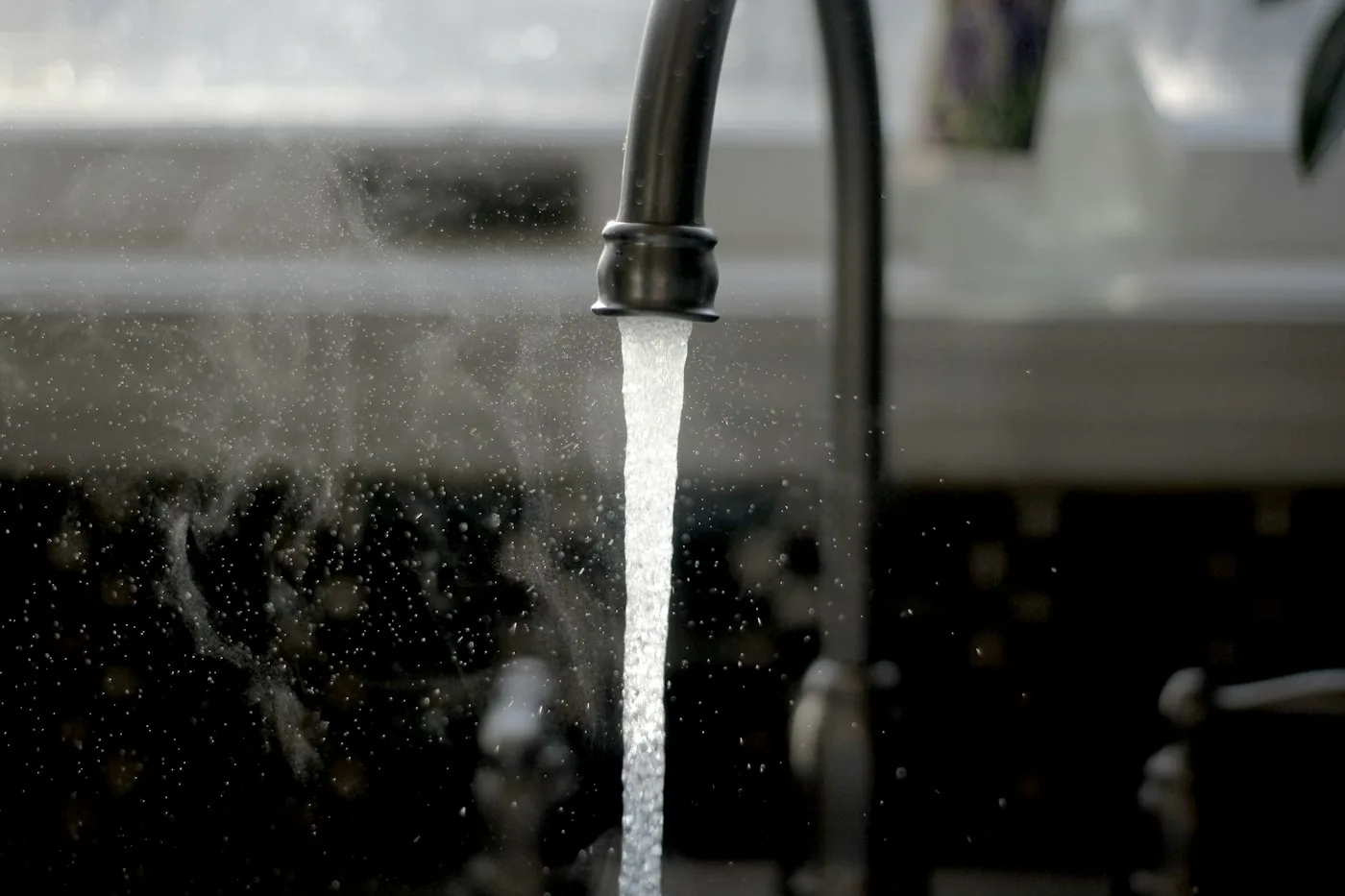
Is Da Nang tap water safe to drink?
Treat it as not safe to drink. The US CDC's travel health advice for Vietnam says plainly that tap water is unsafe to drink anywhere in the country, and that applies to Da Nang too.
The city's water is treated by the Da Nang Water Supply company (DAWACO), mostly from the Cau Do River plant, and it is meant to meet Vietnam's domestic water standard. The weak points are the old pipes in some buildings and the rooftop storage tanks that almost every house and many hotels use. Water can sit in those tanks for days before it reaches your tap, so what comes out is not the same as what left the plant.
There is also a seasonal issue. In the dry months, sea water can push up the river towards the intake, and in some years residents have noticed tap water tasting slightly salty or looking cloudy. Local reporting from 2019 described one such spell, when salinity rose but stayed within safety limits. It is one more reason locals do not drink from the tap either.
What locals and long-stayers actually do
Almost nobody in Da Nang drinks unboiled tap water. Families either boil it, run it through a home filter, or buy big jugs of purified water.
- Home RO filters (máy lọc nước) sit under or next to the kitchen sink in many apartments and newer houses. If your rental has one, ask the landlord when the filter cartridges were last changed.
- 19-litre jugs (bình 19 lít) of purified water are delivered by local water shops. You pay for the water and usually a refundable deposit for the jug, and you swap the empty for a full one. Ask your landlord or building reception for their regular supplier; most will order by phone or Zalo.
- Boiled water is still common in older homes, and the free iced tea (trà đá) at local eateries is normally made from boiled water.
If you are moving here for a month or more, check for a filter or a jug dispenser before you sign. Our monthly apartments in Da Nang page lists what each place includes.
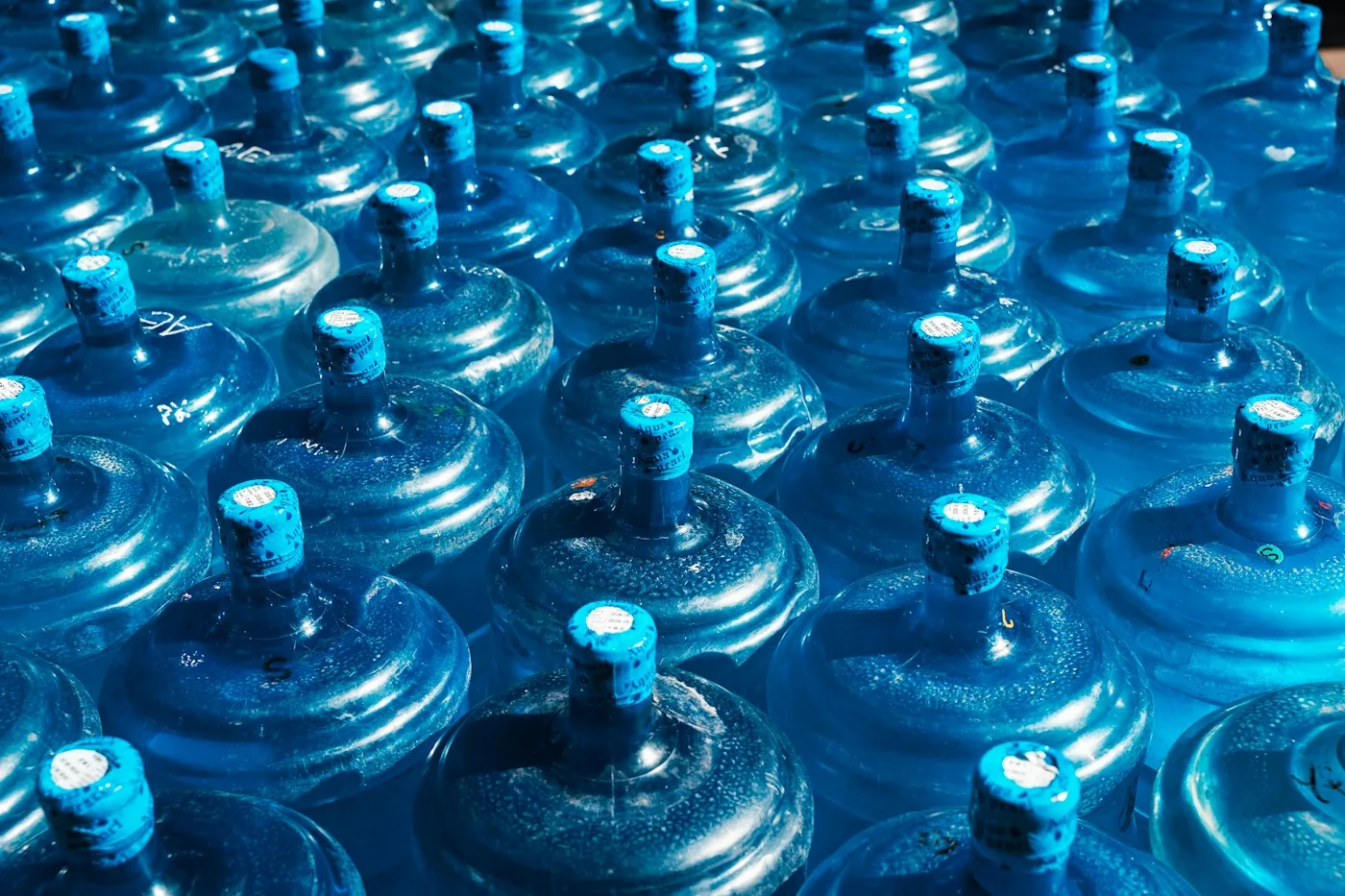
How much does bottled water cost in Da Nang?
Bottled water is cheap. A 500 ml bottle of Aquafina is listed at 7,000 VND and a 1.5-litre bottle at 14,000 VND at the Pharmacity pharmacy chain (checked November 2026).
| Where you buy | What to expect |
|---|---|
| Pharmacy chains and supermarkets | Fixed, printed prices; 500 ml Aquafina 7,000 VND, 1.5 L 14,000 VND at Pharmacity |
| Convenience stores (Circle K, WinMart+, GS25) | Similar shelf prices, cold bottles, open late |
| Beach and tourist-spot vendors | Often higher; ask the price before you open the bottle |
| Hotel minibar | Usually the most expensive option; many hotels put a few free bottles in the room each day |
Common brands are Aquafina, La Vie and Dasani, plus local brands. Buying 1.5-litre or 5-litre bottles for your room cuts both cost and plastic. Pay with small notes; our guide to money in Da Nang explains cash, cards and QR payments.
Where can you refill water for free?
Bring a reusable bottle; free refills are easier to find than you might think. The best known are at the airport.
- Da Nang International Airport: 8 free water stations opened in Terminal 1 (domestic) in September 2024, with 6 in the departures security area and 2 in the arrivals security area. Each has a bottle-filling point and drinking fountains, and the water is filtered by reverse osmosis with ozone and UV, according to the airport.
- Hotels and homestays: many have a filtered dispenser in the lobby or will refill your bottle if you ask.
- Cafés and coworking spaces: most have a jug or dispenser of filtered water for customers.
Arriving on an international flight? Terminal 2 is a separate building, so pick up a bottle there or ask your driver to stop at a convenience store on the way. If you book a private airport pick-up with us, a quick stop for water and a SIM card is easy to arrange.
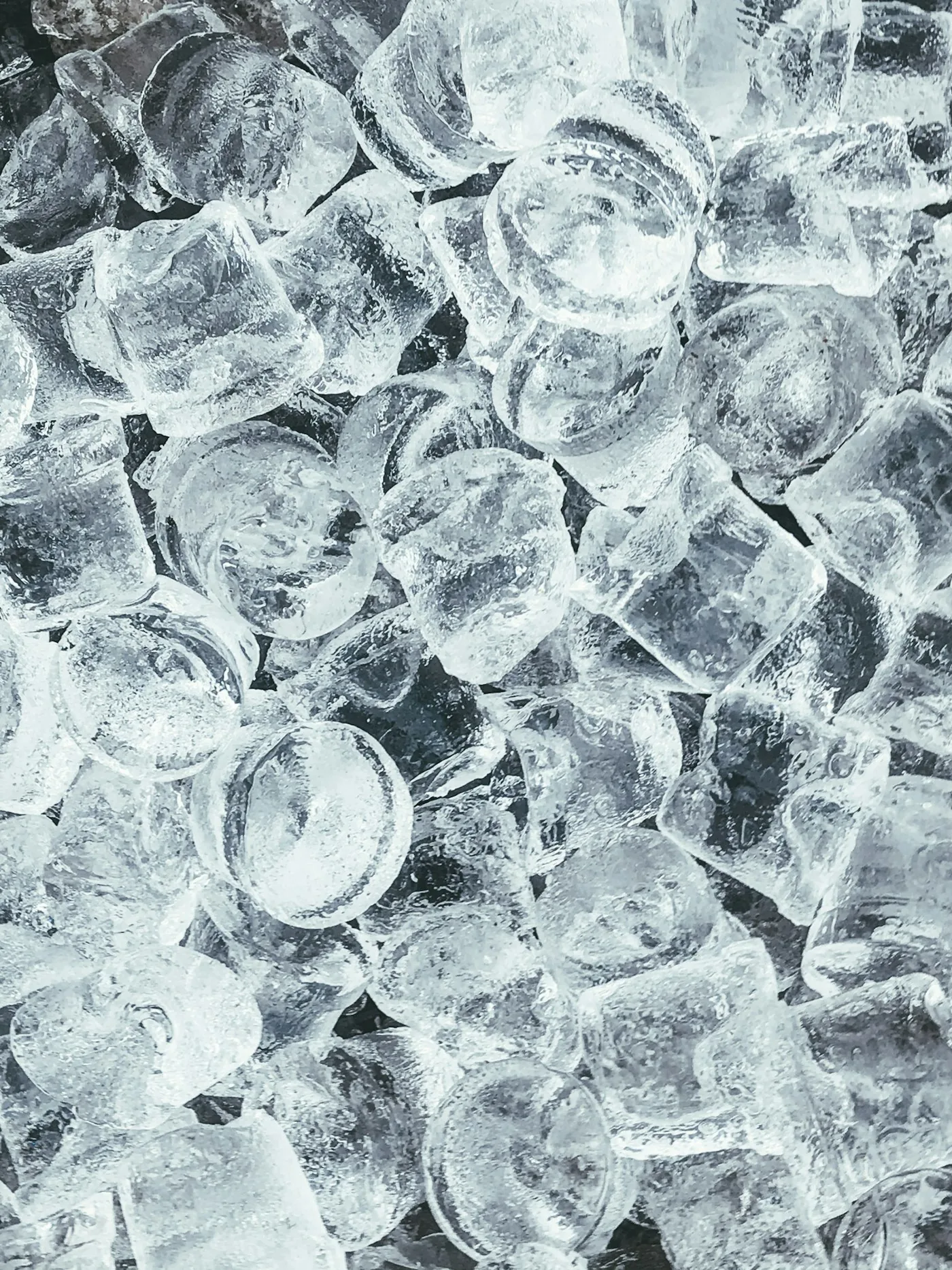
Is the ice safe in Da Nang?
In cafés, restaurants and hotels, ice is usually fine. Most places buy factory-made ice delivered in sacks, typically the cylindrical "tube" ice with a hole in the middle, made from purified water.
The official line is more cautious: the CDC warns that ice in Vietnam can be made from tap water. A practical middle ground:
- Tube ice or regular cubes from a busy café or restaurant: most travellers have it daily with no issues.
- Crushed ice from a big block at a roadside stall: more likely to be handled roughly; skip it if you are unsure.
- First few days, small children, pregnant travellers, or a sensitive stomach: order drinks without ice.
To order without ice, say không đá (no ice) or ít đá (a little ice). Ask for nước suối for bottled water. More useful words are in our Vietnamese phrases for travelers.
Iced coffee, juices and street drinks
Coffee and tea are safe: the water is boiled to brew them. The questions are the ice, as above, and how fruit is washed.
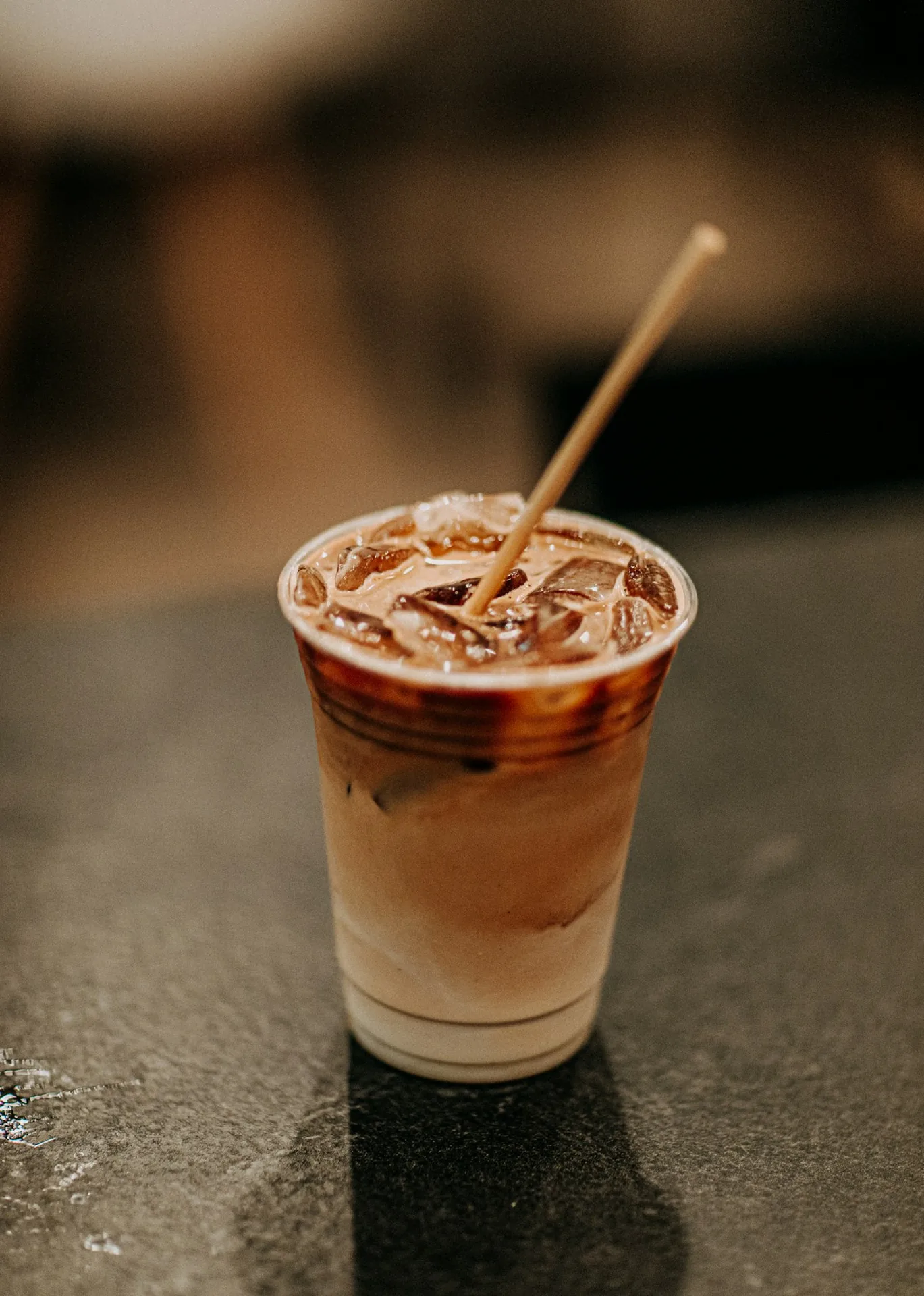
- Iced coffee (cà phê sữa đá) and iced tea are everyday drinks; enjoy them from busy places with high turnover.
- Sugarcane juice (nước mía) is pressed fresh in front of you. The juice itself is fine; the ice is the variable.
- Fresh coconuts are one of the safest cold drinks on the street, because you drink straight from the sealed nut.
- Smoothies and juices are usually made with ice and sometimes rinsed fruit; pick clean, busy stalls.
Our Da Nang food guide lists places where locals queue, which is the best hygiene signal you can get.
Brushing teeth, showers and washing fruit
Brushing your teeth with tap water is what most residents and visitors do, and it rarely causes problems. Use bottled water for brushing if you have a weak stomach or are travelling with a baby.
- Showers: fine; just keep your mouth closed.
- Fruit and salad at home: rinse with tap water, then a final rinse with filtered water, or peel the fruit.
- Baby bottles and formula: use bottled or boiled water only.
- Kettles in hotel rooms: fill them with bottled water for tea or instant noodles.
If you get an upset stomach
Most mild traveller's diarrhoea clears up in one to three days. Drink plenty of bottled water with oral rehydration salts (sold in every pharmacy as oresol) and rest.
See a doctor if you have a high fever, blood in your stool, signs of dehydration, or symptoms that last more than three days, especially with children or older travellers. Pharmacies are everywhere in the city centre, and staff at the big chains can point you to a nearby clinic.
Staying a while? Our guide to laundry in Da Nang covers the other everyday chore: per-kilo prices, express service and 24-hour laundromats.
FAQ
Can you drink tap water in Da Nang hotels?
No. Even in good hotels, tap water goes through building tanks and pipes, so drink the bottled or filtered water the hotel provides instead.
Is boiled tap water safe to drink?
Yes, bringing water to a rolling boil kills germs, and many local families still boil water for drinking. It does not remove any salty taste in the dry season.
Is ice safe in Da Nang?
Factory-made ice in cafés, restaurants and hotels is usually fine and widely used. If you are worried, or in your first days, order drinks with không đá (no ice).
How much is a bottle of water in Da Nang?
About 7,000 VND for 500 ml and 14,000 VND for 1.5 litres at chain stores (Pharmacity prices, checked November 2026). Tourist spots and minibars charge more.
Can I brush my teeth with tap water in Da Nang?
Most people do without problems. Use bottled water if you have a sensitive stomach, are pregnant, or for young children.
Where can I refill my water bottle in Da Nang?
At the 8 free water stations in the airport's domestic Terminal 1, and at many hotels, cafés and coworking spaces that keep filtered water for guests.
Sources checked November 2026: US CDC Yellow Book (Vietnam), Da Nang International Airport news (free water stations, Dec 2024), Pharmacity product listings, Da Nang newspaper reports on the city water supply.