
Short answer: For a short trip, either install a Vietnam eSIM before you fly (about $8–11 for 5 GB) or buy a tourist SIM at the carrier booths in Da Nang Airport's arrivals hall (about 200,000–300,000 VND, or $8–12, for 7–30 days with 5 GB a day). City stores sell the same networks for 30–40% less, but you need your passport and a little time. For coverage outside the city, Viettel is the safest choice; people staying for months should get a local prepaid SIM in their own name.

Which option is best for you?
Pick an eSIM if your phone supports it and you want data the moment you land. Pick a physical SIM if you want a Vietnamese phone number for calls, Zalo or local deliveries, or if you are staying longer than a month.
| Option | Typical price | Passport needed | Best for |
|---|---|---|---|
| eSIM bought online before the trip | From about $4 (1 GB) to $11 (5 GB, 30 days) | Usually no | Short trips, arriving late at night, no queue |
| Tourist SIM at Da Nang Airport | ~200,000–300,000 VND ($8–12) | Yes | A local number with no planning |
| SIM from a carrier store in the city | About 30–40% cheaper than the airport | Yes | Saving a few dollars, longer stays |
| Free airport Wi-Fi only | Free | No | Just enough to message your driver or hotel |
Prices checked November 2026 from VietnamESIM's Da Nang guide (updated June 2026) and the Travelsim Asia price comparison (23 October 2026). Both sites sell eSIMs, so treat their recommendations with that in mind, but the listed prices match what travellers report.
Buying a SIM at Da Nang Airport
The carrier booths are on the ground floor of the international terminal (T2), in the arrivals hall after customs and baggage claim. Viettel (red), Vinaphone (blue) and MobiFone (green) all have counters there, reported to be open from about 6:00 to 2:00 daily.
Recent airport prices (checked November 2026):
| Carrier | Data | Validity | Approx. price |
|---|---|---|---|
| Viettel | 5 GB per day | 7 days | ~200,000 VND (~$8) |
| Viettel | 5 GB per day | 15 days | ~250,000 VND (~$10) |
| Viettel | 5 GB per day | 30 days | ~300,000 VND (~$12) |
| Vinaphone | 1 GB per day + calls | 15 days | ~199,000 VND (~$8) |
| MobiFone | Varies | 7–30 days | ~180,000–250,000 VND |
How it works: hand over your passport, pick a plan, and the staff register the SIM, take a quick photo of you and fit the card. Expect 10–15 minutes, longer when several flights land together. Pay in cash (VND, sometimes USD); some counters take cards, and there are ATMs in the arrivals hall. Staff speak basic English, so point at the plan on the price board and say how many days you need.
Before you walk away, open a website or Google Maps to check the data works. It is much easier to fix a problem at the counter than from your hotel.
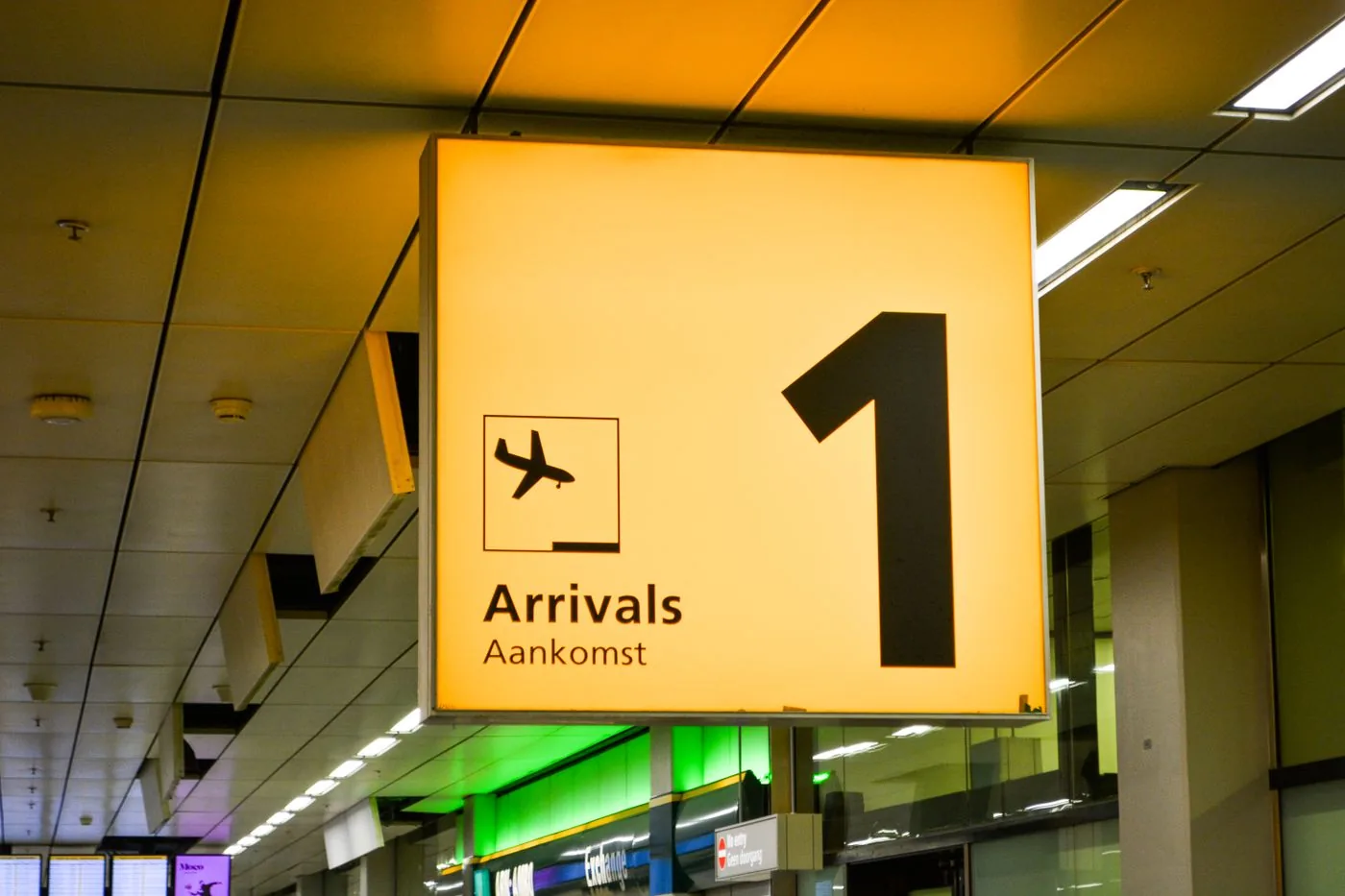
Arriving after the booths close, or don't want to queue? Connect to the free airport Wi-Fi, message your hotel, and sort out a SIM the next morning. A pre-booked private airport transfer also means you are not depending on mobile data to call a ride the minute you land. See our guide to arriving at Da Nang Airport at night for more.
Buying a SIM in the city (cheaper)
Official carrier stores in Da Nang sell the same tourist and prepaid plans for roughly 30–40% less than the airport. Go to an official store, not a street stall or a phone shop near the beach, so the SIM is registered correctly to your passport.
Viettel's city prices for prepaid data packages look like this (checked November 2026, from VietnamESIM's carrier guide):
| Viettel package | Validity | Data | Price |
|---|---|---|---|
| 5G60T | 7 days | 5 GB per day | 60,000 VND (~$2.50) |
| 5G80T | 15 days | 5 GB per day | 80,000 VND (~$3.20) |
| 5G150T | 30 days | 5 GB per day | 150,000 VND (~$6) |
| 5G180H | 30 days | 5 GB per day + some calls | 180,000 VND (~$7.20) |
Ask whether the quoted price includes the SIM card itself, as stores often quote a bundle. Some convenient official stores (addresses and hours listed by VietnamESIM, checked November 2026):
- Viettel: 139 Ong Ich Khiem and 95 Hung Vuong (Hai Chau), 320A Le Duan (Thanh Khe), 591 Ngo Quyen (Son Tra side). Most open around 7:00–22:00.
- Vinaphone (VNPT): 50 Nguyen Van Linh (Hai Chau) and 376 Ngu Hanh Son, both 7:00–19:00 daily.
- MobiFone: 747 Ngo Quyen (Son Tra side), 7:00–19:00; 167 Nguyen Chi Thanh (Hai Chau), 7:30–19:30.
Store hours can change on public holidays, so check Google Maps before you go. Bring the phone you will use the SIM in, because registration is now tied to the device (see below).
eSIM: the easiest option if your phone supports it
An eSIM is a digital SIM you install by scanning a QR code, usually before you leave home. Most travel eSIMs give data only (no Vietnamese number), need no passport, and work on Viettel, Vinaphone or MobiFone depending on the provider.
Typical prices (checked November 2026, Travelsim Asia comparison dated 23 October 2026):
| Provider | Plan | Price |
|---|---|---|
| Airalo | 5 GB, 7 days / 5 GB, 30 days | $10.00 / $11.00 |
| Nomad | 5 GB, 30 days | $10.00 |
| Saily | 5 GB, 30 days | $10.99 |
| Ubigi | 10 GB, 30 days | $12.90 |
| Holafly | Unlimited, 7 days | $27.50 |
Local-carrier eSIMs sold online (Viettel, Vinaphone, MobiFone) start from about $7.90–10.90 for 7 days with several GB a day, and some include a Vietnamese number. MobiFone's Hi Vietnam app also sells eSIMs directly after a passport video check, from 120,000 VND for 7 days and 50 GB.
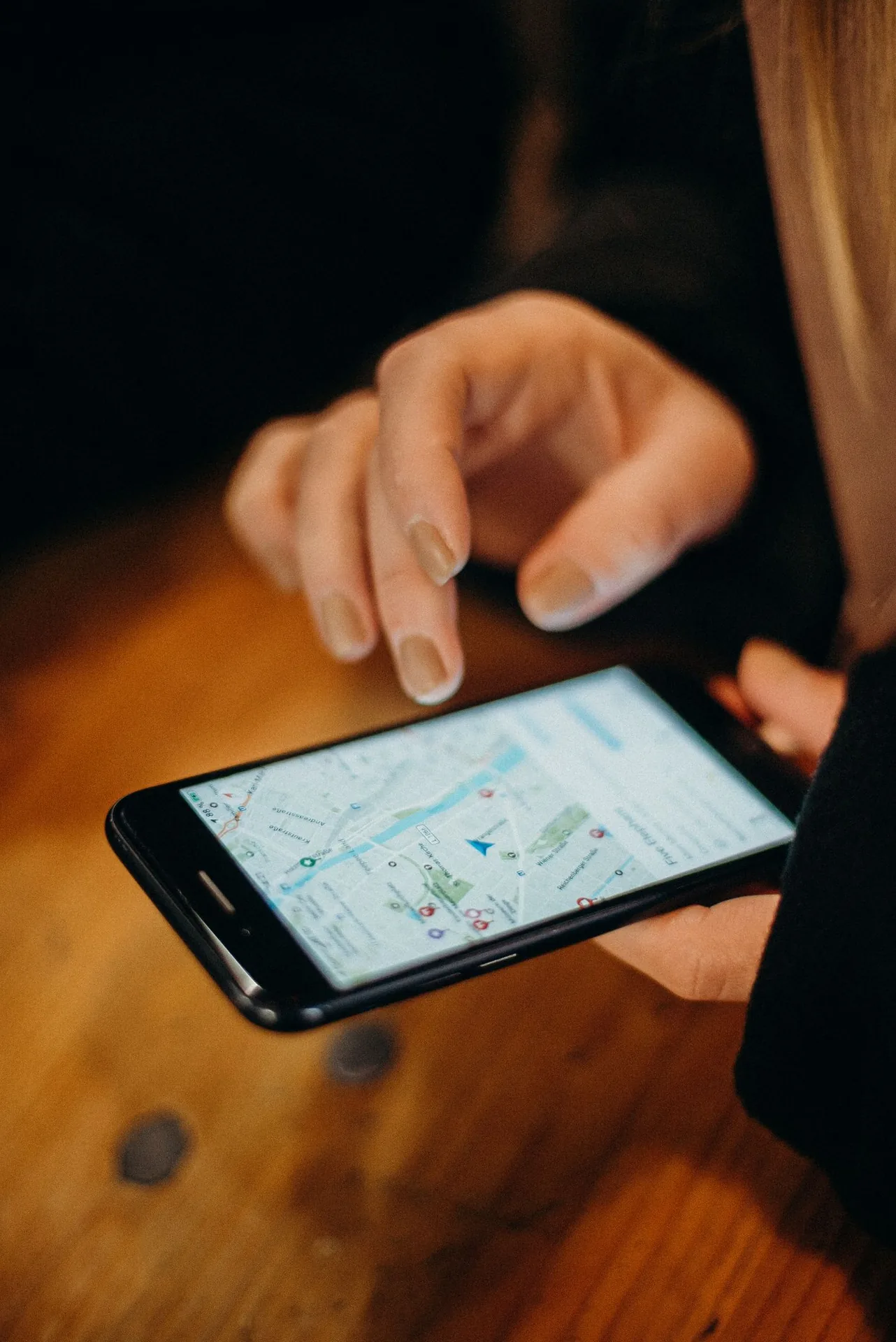
Two checks before you buy: your phone must be unlocked (a carrier-locked phone will not accept a Vietnamese SIM or eSIM), and it must support eSIM. On an iPhone, go to Settings > General > About and look for "Digital SIM" or "Available SIM"; on Android, look under Settings > Connections or Network for "eSIM" or "Add eSIM". Install the eSIM at home on Wi-Fi, but switch on data roaming for it only after you land.
How much data do you need?
Most visitors use 1–2 GB a day. Maps, Grab, messaging and photos use little; video calls, streaming and uploading videos use the most.
- Light user (maps, Grab, WhatsApp text): 3–5 GB for a week.
- Normal user (plus Instagram, some video calls): 1–2 GB a day.
- Remote worker or heavy streamer: a daily-allowance plan (5 GB a day) or an unlimited eSIM; hotel and cafe Wi-Fi in Da Nang is usually good, but a phone hotspot is the backup.
Coverage around Da Nang, Hoi An and day trips
All three networks cover Da Nang city and Hoi An well. Viettel is the usual recommendation for trips outside the city; MobiFone is cheaper but is reported to be weaker at Ba Na Hills and in mountain areas.
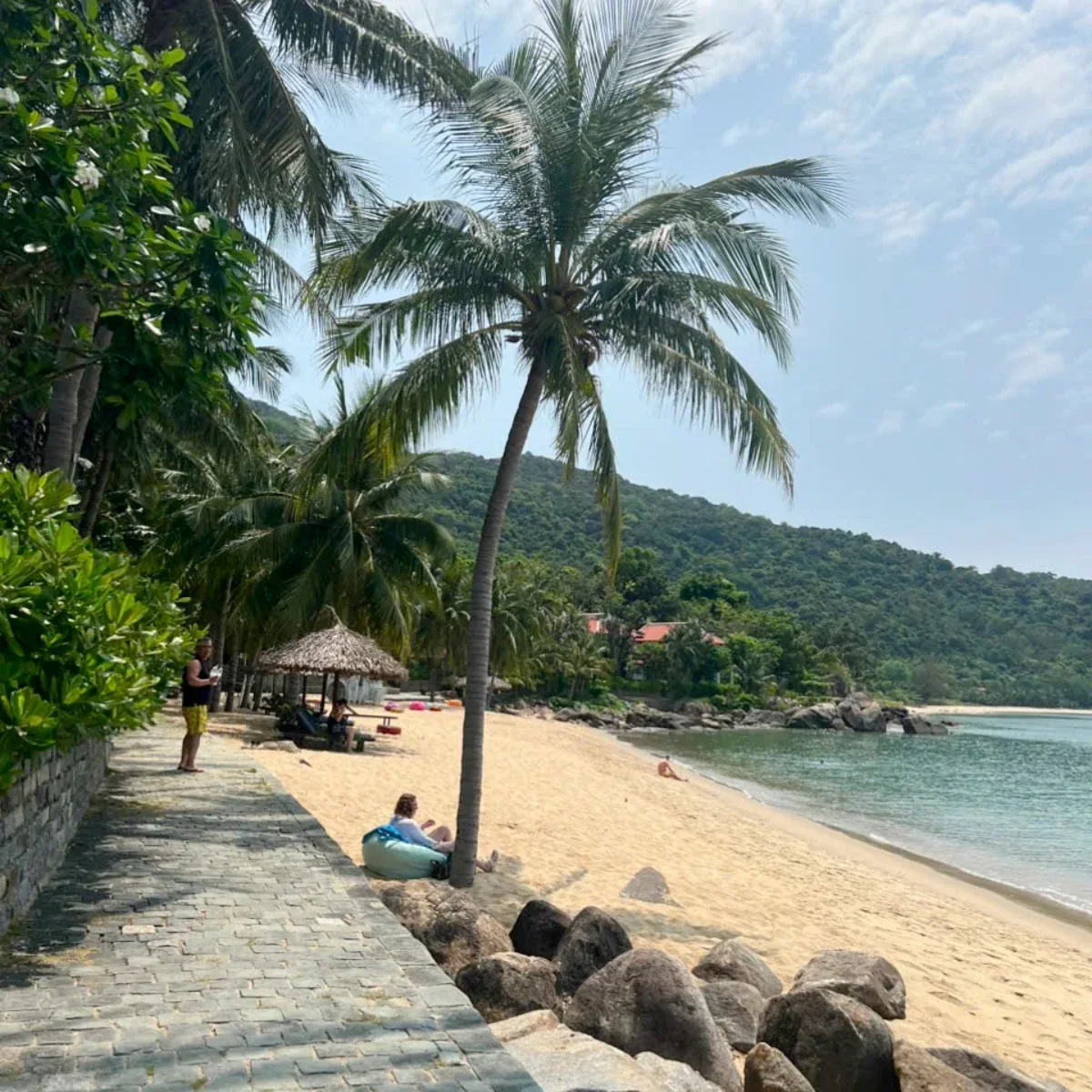
Signal can be patchy in the hills whatever network you use, so download offline Google Maps for Da Nang and Hoi An before day trips; see how to get around Da Nang for transport options.
SIM registration rules (2026)
Every physical SIM in Vietnam must be registered to the owner's identity; for visitors that means your passport. Under Circular 08/2026, in force from 15 April 2026, new subscriptions are verified with facial recognition, which is why store staff take your photo.
The same rules add a device check: when a SIM is moved into a different phone, the owner has about two hours to verify their face through the carrier's app, or outgoing calls and texts are blocked (Viet Nam News, April 2026, checked November 2026). In practice: buy the SIM for the phone you will use, and do not swap it between phones. Never use a SIM registered to someone else; it can be cut off without warning.
Staying longer: tips for expats and digital nomads
If you live in Da Nang or stay for months, buy a regular prepaid SIM from an official store in your own name and renew a monthly data package. A 30-day Viettel package with 5 GB a day costs around 150,000 VND, far less than repeated tourist eSIMs.
- Top up with scratch cards from convenience stores, or through the carrier app or a banking/e-wallet app. Check your balance with *101# (Vinaphone), 0905# (MobiFone) or by texting KTTK to 191 (Viettel).
- A local number is useful for Zalo, Grab and food delivery, and for landlords and shops that prefer calls.
- If you get a new passport, update the SIM registration at a store so the line is not suspended.
Moving here? Start with our Da Nang travel essentials guide for money, apps and other first-week tasks.

FAQ
Can I buy a SIM card at Da Nang Airport at night?
The carrier booths in the T2 arrivals hall are reported to open from about 6:00 to 2:00. If you land outside those hours, use the free airport Wi-Fi and buy a SIM in the city the next day, or install an eSIM before you fly.
Is an eSIM or a physical SIM cheaper in Vietnam?
A physical SIM from a city store is cheapest (a 7-day Viettel package with 5 GB a day is about 60,000 VND for the data package). An eSIM costs more, around $8–11 for 5 GB, but needs no passport or queue.
Which network is best in Da Nang?
Viettel has the widest coverage, especially outside the city. Vinaphone is strong in the city, and MobiFone is often cheapest but can be weaker in the mountains.
Do I need my passport to buy a SIM?
Yes, for a physical SIM. Staff scan your passport and take your photo to register it. Most travel eSIMs bought online do not ask for a passport.
Will my Vietnamese SIM work in Hoi An and Hue?
Yes. All Vietnamese SIMs and eSIMs work nationwide, including Hoi An, Hue and the road over the Hai Van Pass, though signal can be patchy in the mountains.
Can I keep my home number for bank codes?
Yes, with an eSIM: keep your home SIM active for SMS codes and set the eSIM as your data line. Turn off data roaming on your home line to avoid charges.
Next: see the Da Nang arrival checklist and our comparison of Grab vs taxi vs private car from the airport.