Da Nang has two seasons that matter and one that catches people out. The dry months are reliable enough that you can book a beach holiday months ahead and expect to get one. The wet months are not merely wet — October alone averages 650 mm of rain, roughly a third of the city’s annual total falling in thirty-one days.
Most guides give you a single “best time” and leave it there. This page gives you the month-by-month numbers, then tells you what each month is actually like to travel in, because the cheapest month and the most pleasant month are not the same month, and the difference is worth money.
Quick answer: February to May is the best window overall — dry, warm, sea warm enough to swim, and not yet at June’s heat. June to August is hot but reliable and best for the beach. Late September to November is the wet season and October is the month to avoid outright. December and January are cool, grey and cheap.
Updated August 2026 · 9 min read · Local writer, Da Nang
Da Nang weather month by month
Averages for the city. Sea temperature never drops below about 23°C, so swimming is possible year round — the limit is the surf and the rain, not the water.
| Month | High | Low | Rain | What it’s like |
|---|---|---|---|---|
| January | 25°C | 19°C | 85 mm | Cool, often overcast. Cheapest hotel rates of the year. |
| February | 26°C | 20°C | 25 mm | Dry season begins. Pleasant, uncrowded. |
| March | 29°C | 22°C | 20 mm | The driest month. Arguably the best all round. |
| April | 31°C | 24°C | 35 mm | Warm, dry, sea at 28°C. Peak of the good window. |
| May | 34°C | 25°C | 85 mm | Hot. Short afternoon showers begin. |
| June | 35°C | 26°C | 90 mm | Hottest month. Domestic holiday season starts. |
| July | 35°C | 26°C | 85 mm | Hot and busy. Book beach hotels early. |
| August | 34°C | 25°C | 115 mm | Still hot, rain building. Sea at its warmest. |
| September | 32°C | 24°C | 310 mm | Wet season arrives. Typhoon risk from here. |
| October | 30°C | 23°C | 650 mm | The wettest month by a wide margin. Avoid. |
| November | 28°C | 22°C | 430 mm | Still very wet, but improving late in the month. |
| December | 25°C | 20°C | 215 mm | Cooler, drying out. Late December is underrated. |

February to May: the window to book
March is the driest month on the calendar at around 20 mm, and April adds warmth without June’s heat — daytime highs near 31°C and a sea already at 28°C. This is when the beach works, the mountain roads are clear, and you can plan an outdoor day without a contingency.
Important note: this window is also when the mountain passes are least likely to be sitting inside a cloud. If your trip has one non-negotiable outdoor day, put it in this range.
June to August: hot, reliable, and busy
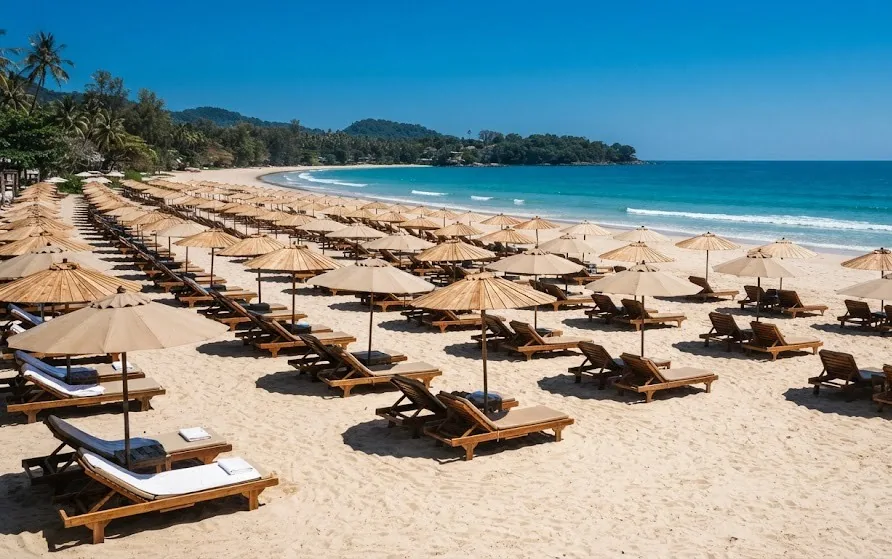
June and July are the hottest months, regularly hitting 35°C, and the rain stays low. The sea peaks near 30°C in August. The catch is not the weather — it is the crowds. This is the Vietnamese domestic holiday season, so beach hotels fill and rates climb.
Insight: the heat is manageable if you invert the day — beach and sightseeing before 10am, indoors from noon to 4pm, back out in the evening. Locals already live this way, which is why the dessert stalls and night markets only really start moving after dark.

September to November: the wet season
September brings 310 mm, October 650 mm and November 430 mm. Those are not showers you sit out with a coffee — October in particular delivers days of continuous rain, and street flooding in the low-lying parts of the city is normal rather than newsworthy.
Common mistake: assuming “rainy season” in Vietnam means the same everywhere. Da Nang’s wet season runs opposite to Hanoi’s and Ho Chi Minh City’s. A trip planned around the southern dry season lands you here in the worst of it.
Typhoons
Typhoons can pass this stretch of coast from late April to late June — rarely, and generally not strong — and again from early September to around 10 December, which is the period that actually disrupts travel. Flights and boat services to the Cham Islands are the first things cancelled.
December and January: cheap and grey
Highs drop to about 25°C and the sky stays overcast for days at a time. Rain is falling off — 215 mm in December, 85 mm in January — but it is not beach weather, and the sea sits around 23°C.
What you get instead is the lowest hotel rates of the year and a city with almost no queues. If your trip is about food, coffee and markets rather than sand, this is a genuinely good time to come — see what a cheap hotel actually costs in this window.
Picking your month by trip type
| You mainly want to… | Go in | Why |
|---|---|---|
| Swim and sunbathe | April–August | Sea 28–30°C, low rain, long dry spells |
| Ride the passes and hike | March–May | Clear air, low rain, before the heat peaks |
| Eat and drink coffee | Any month | Weather-proof. December–January is cheapest. |
| Spend the least money | December–January | Lowest rates, fewest crowds, grey skies |
| Avoid crowds and heat | February–March | Dry, mild, before domestic holiday season |
Frequently asked questions
What is the actual best month to visit Da Nang?
March. It has the least rain of any month, comfortable temperatures around 29°C, and it falls before both the June heat and the domestic holiday rush.
Is October really that bad?
Yes. 650 mm of rain in one month is not a statistic you can plan around. If October is the only month you can travel, base your trip on indoor plans — markets, museums, cooking, coffee — and treat any beach day as a bonus.
Can you swim in Da Nang in winter?
Physically yes; the sea stays around 23–24°C from December to February. But the beach is often grey and windy, and lifeguard cover thins out. Most visitors in those months use hotel pools instead.
When is Da Nang cheapest?
December and January, followed by late November. Rates roughly halve compared with the June–July peak.
The short version
If you can choose freely, come between February and May — March and April in particular. If you are tied to the summer holidays, come anyway and rearrange your day around the heat rather than fighting it. If your only option is October, come with a plan that does not depend on the sky.
Once you have the month, the next two decisions are where to base yourself and what to fill the days with. Start with our guides to where to stay in Da Nang and things to do in Da Nang.
Part of our guide to places to visit in Da Nang.