Short answer: Yes, you can bring a dog or cat with you when you move to Da Nang. Vietnam lets a foreigner bring up to two pets for personal keeping, as long as you have an export health certificate, a valid rabies vaccination and an import quarantine approval arranged before you fly. Plan on two to three months of paperwork, check your airline's rules early, and line up a pet-friendly rental before the pet lands.
This guide is for people relocating to Da Nang for months or years: remote workers, families and retirees who don't want to leave a dog or cat behind. It covers the import steps, what the first weeks look like, and the local rules you need to know once you live here. If you are only staying a few nights, see our list of pet-friendly hotels in Da Nang instead.
Can foreigners bring pets into Vietnam?
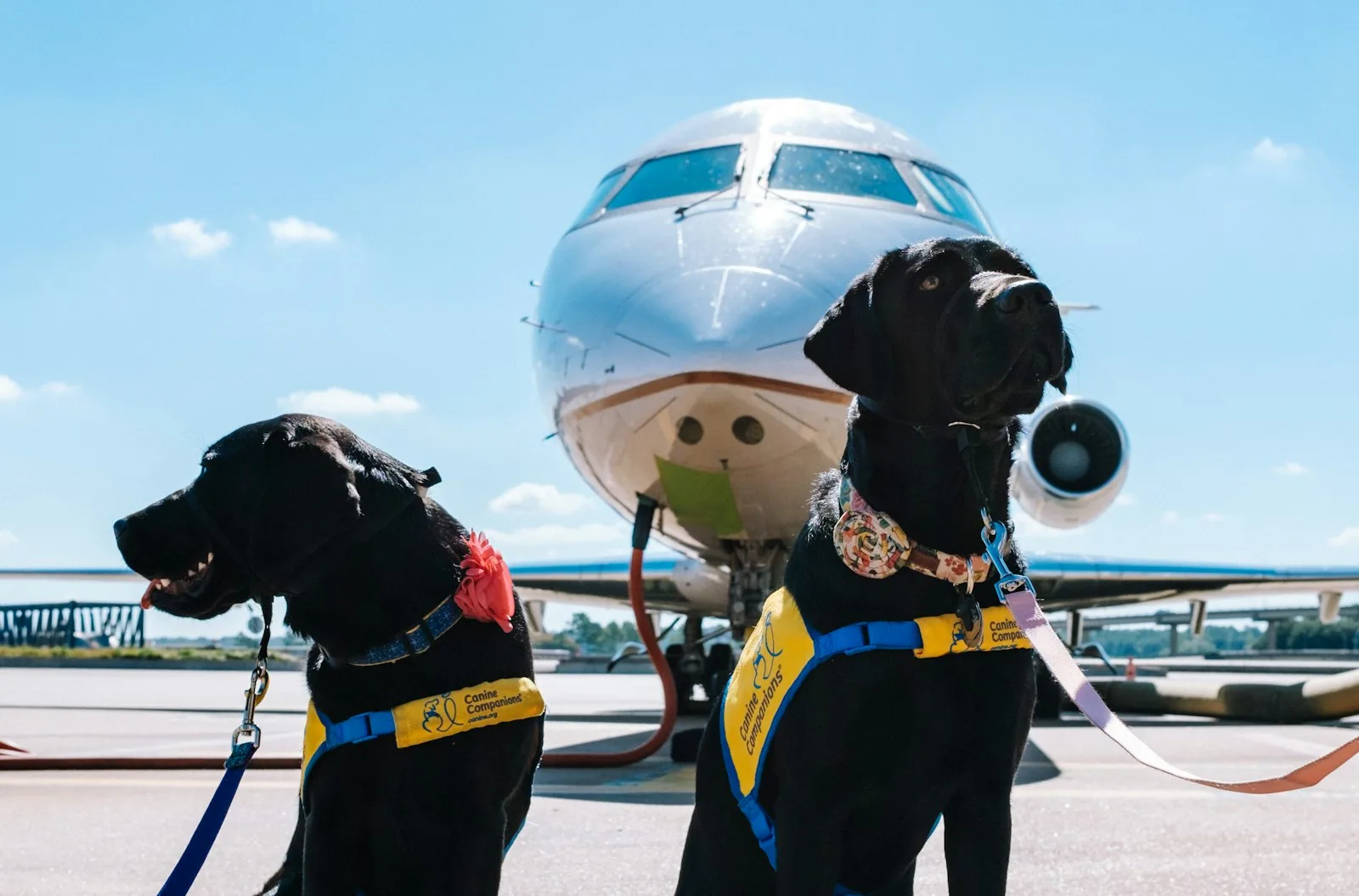
Yes. Under Article 10 of Circular 25/2016/TT-BNNPTNT, a foreigner entering Vietnam may bring up to two animals to keep as household pets, provided the species and the country of origin are not on the import ban list (source: Viet Nam News expat legal column, January 2026, checked November 2026).
The ban covers animals from countries or territories affected by diseases on Vietnam's notifiable list or by diseases that pass between animals and people (Decree 35/2016/ND-CP, Article 9.2, as quoted in the same source). Every imported pet goes through animal quarantine on arrival, so there is no "walk straight out" option, even with perfect papers.
Documents you need before you fly
You need four core documents, and the microchip number should match on all of them. Everything must be in English or Vietnamese for the inspectors (source: Viet Nam News, January 2026, checked November 2026).
| Document | What it must show | Timing |
|---|---|---|
| Export health certificate | Issued by the official veterinary authority of the country you leave from; says the pet was examined and is fit to export | Usually valid 7–10 days before departure |
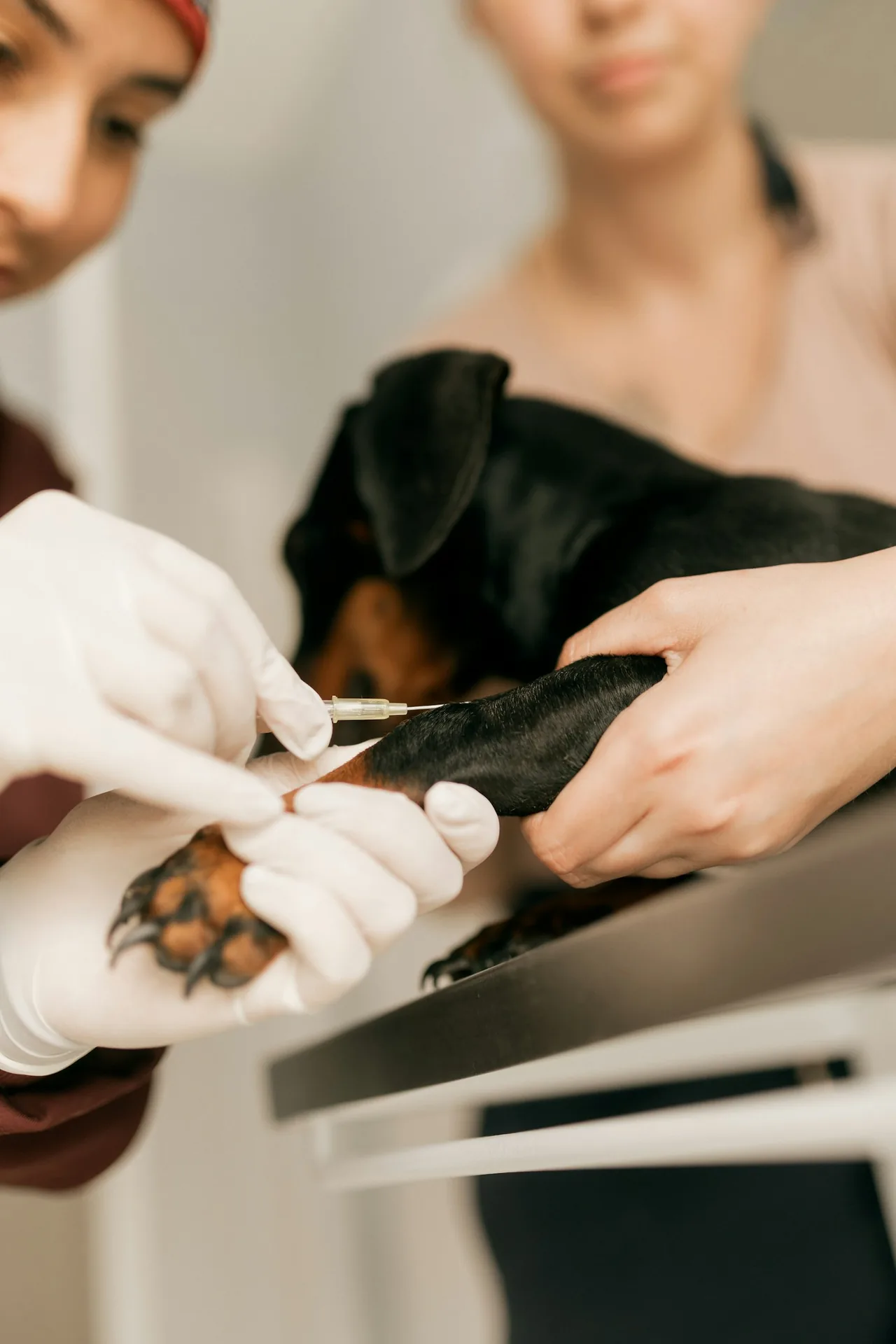
| Rabies vaccination certificate | Vaccination date, vaccine type, batch number and validity | Given at least 30 days and no more than 12 months before you enter Vietnam |
| Pet passport or vaccination record | Full vaccine history, deworming and other health notes | Keep it up to date |
| Owner's passport | The person travelling with the pet or named on the transport documents | On the day |
A microchip is not required by Vietnamese law, but many airlines and departure countries do require an ISO 11784/11785 chip, and the number must be written correctly on the rabies and export certificates. In practice, chip your pet first, then vaccinate, so the paperwork lines up.
Step by step: the import quarantine process
The process has three stages: prepare documents at home, get written quarantine approval from Vietnam before departure, then clear quarantine at the airport you land at. The timings below come from the Viet Nam News legal column (January 2026, checked November 2026).
- Two to three months before: microchip, rabies vaccine (it must be at least 30 days old on arrival), and ask your vet about other routine vaccines.
- About a month before: apply to Vietnam's Department of Animal Health for import quarantine. The file includes a written request (Form 19, Appendix V of Circular 25), an animal quarantine declaration and copies of the health documents. You can submit through the National Single Window portal (vnsw.gov.vn) or by post to the department in Hanoi.
- Within 5 working days of a complete file, the department sends written approval, or a written refusal with the reason. The approval also goes to the quarantine office at your port of entry.
- 7–10 days before the flight: get the export health certificate from your home country's official vet.
- On arrival: after immigration, collect your pet from the special baggage area (or ask staff), then go to the border animal quarantine office in the airport.
At the airport, the officer checks the microchip and papers and examines the animal. If something is missing, the pet can be vaccinated, sampled and tested, and held in a quarantine facility or approved place. The source says quarantine can last up to 45 days depending on disease risk, the owner looks after the animal during that time, and the owner pays the quarantine fees. When everything is in order, you receive a veterinary certificate and the pet can leave with you.
Flying into Da Nang with a pet
Check two things before you buy tickets: whether your airline carries pets on the whole route, and which airport is named as the port of entry on your quarantine approval. Airline pet rules differ a lot, and Vietnamese guidance tells owners to confirm procedures and documents with the airline in advance.
- Port of entry. Your pet clears quarantine at the first Vietnamese airport you land at. If you connect in Hanoi or Ho Chi Minh City, that is where quarantine happens, and you then need a domestic flight that accepts pets to reach Da Nang.
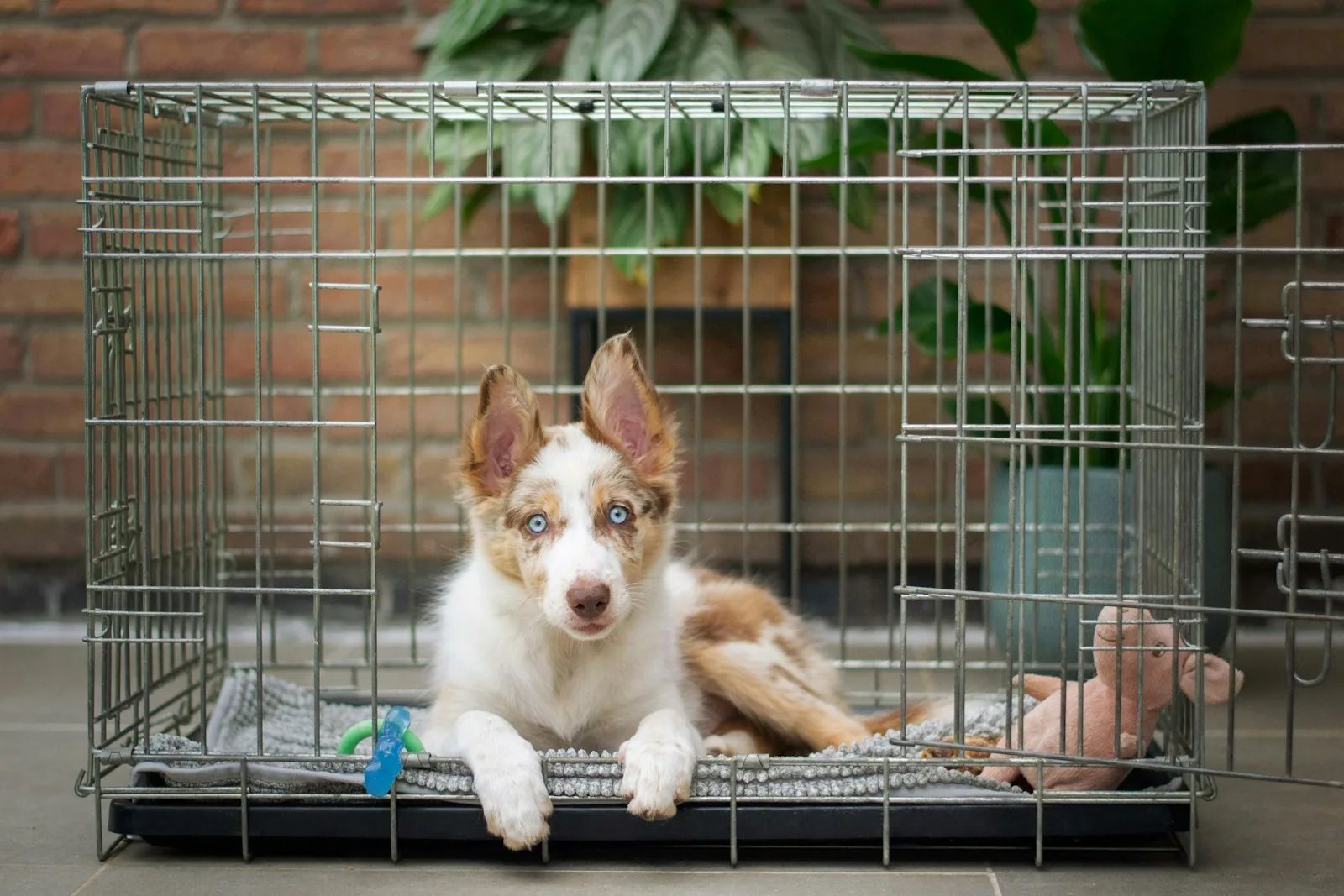
- Cabin or hold. Small pets may fly in the cabin on some airlines; larger dogs travel as checked baggage or cargo in an airline-approved crate. Ask for the crate size and weight limits in writing.
- Heat. Da Nang is hot from May to August (see Da Nang weather by month). Some airlines restrict pets in the hold in hot months, so a cooler-month move is often easier.
- Pet relocation agents. Many families pay an agent to handle the quarantine file and airline booking. Get a written quote.
From Da Nang International Airport, most city hotels and apartments are 10 to 25 minutes away. If your pet travels in a big crate, a 7-seat car gives more room than a taxi; message us on WhatsApp (+84 968 275 320) before you book so we can check the crate fits. Our airport transfer has fixed prices per car, from $8 (5-seat) or $10 (7-seat) to city hotels under 8 km, paid to the driver at the end of the ride (prices checked November 2026).
Finding a pet-friendly home
Finding housing is often harder than the import itself. Many landlords and some apartment buildings do not allow pets, so ask before you sign and get the permission written into the lease.
- Houses vs apartments. A small house with a yard in a quieter area is usually easier with a dog than a high-rise studio. Our guide to the best areas to live in Da Nang explains which districts have more houses.
- Ask the building, not only the owner. Some buildings have their own rules on pets in lifts and common areas.
- Put it in writing. Note the pet, any extra deposit and who pays for cleaning at the end.
- Register your stay. The pet doesn't need registering with the police, but you do: see temporary residence registration in Da Nang.
You can browse monthly apartments for rent in Da Nang and ask the owner about pets before you book.

Local rules for dog and cat owners
Keep your pet's rabies vaccination current, and keep dogs leashed and muzzled in public places. These are legal duties, not just good manners. A decree in force from 1 August 2026 sets fines of 1,000,000 to 2,000,000 VND for an individual who does not vaccinate an animal that must be vaccinated against rabies, or who takes a dog into a public place without a muzzle, without a leash or without someone walking it (source: Tien Phong newspaper, 2026, checked November 2026). Fines for organisations are double.
- Rabies. Da Nang's veterinary services run rabies vaccination drives for dogs and cats (source: Nong nghiep va Moi truong newspaper, July 2026, checked November 2026). Keep the certificate; you'll need it for your landlord, boarding kennels and any future export.
- Beaches and parks. Walk early or late in the day. It's cooler, and quieter for people who are uncomfortable around dogs.
Vets, food and daily care
Da Nang has many private vet clinics and pet shops, especially in the central districts. Imported pet food and cat litter are easy to find in pet shops and online, and supermarkets stock basic brands. Before you move, save the clinic nearest to your new home on Google Maps (search "phòng khám thú y", meaning "veterinary clinic") and check which ones have an after-hours phone number.
- Heat and humidity: plan walks before 8:00 and after 17:00 in summer, and always carry water.
- Ticks and fleas: ask your vet about year-round prevention; they are common in the tropics.
- Typhoon season: in the autumn rainy months, keep a crate, food and documents ready in case you need to move quickly.
A simple timeline for your move
| When | What to do |
|---|---|
| 3 months before | Microchip; rabies vaccine; check airline pet rules and crate size; choose route and port of entry |
| 6–8 weeks before | Start looking for a pet-friendly rental; ask a relocation agent for a quote if you want help |
| About 1 month before | Submit the import quarantine application in Vietnam (decision within 5 working days of a complete file) |
| 7–10 days before | Export health certificate from your home country's official vet |
| Arrival day | Immigration, collect pet, border quarantine office, then straight home to a cool, quiet room |
| First week | Register your temporary residence; find a local vet; buy a muzzle and leash for walks |
Rules and forms can change. Before you start, confirm the current requirements with Vietnam's Department of Animal Health, your airline and the official veterinary authority in your home country. This guide is general information, not legal or veterinary advice.

For the bigger picture on settling in, from costs to healthcare, start with our living in Da Nang guide.
FAQ
How many pets can I bring into Vietnam?
Up to two animals for household keeping, under Article 10 of Circular 25/2016/TT-BNNPTNT (source: Viet Nam News, January 2026, checked November 2026). More than two is treated differently, so ask the Department of Animal Health first.
Does my pet have to stay in quarantine?
Every imported pet is checked by border quarantine officers on arrival. If papers and health are fine, it can be released once the vet certificate is issued; if not, quarantine can last up to 45 days, at the owner's cost.
How old must the rabies vaccine be?
It must be given at least 30 days and no more than 12 months before you enter Vietnam, and the certificate must show the vaccine type and batch number.
Can I fly directly into Da Nang with my dog?
Only if your airline carries pets on that route and Da Nang is the port of entry on your quarantine approval. Many routes connect through another Vietnamese or regional airport, so check before booking.
Do I need to muzzle my dog in Da Nang?
Yes, in public places. Since 1 August 2026, taking a dog out in public without a muzzle, leash or handler can be fined 1,000,000–2,000,000 VND for an individual (source: Tien Phong newspaper, checked November 2026).