The first hour after you land shapes the whole trip. Get a working phone, some cash and a ride you trust, and Da Nang feels easy from day one. Skip them and you end up hunting for Wi-Fi in the arrivals hall while drivers call out prices you can't check. This checklist covers what to sort out before you fly, what to do at Da Nang International Airport (DAD), and how to get through your first 24 hours without overpaying or wasting time.
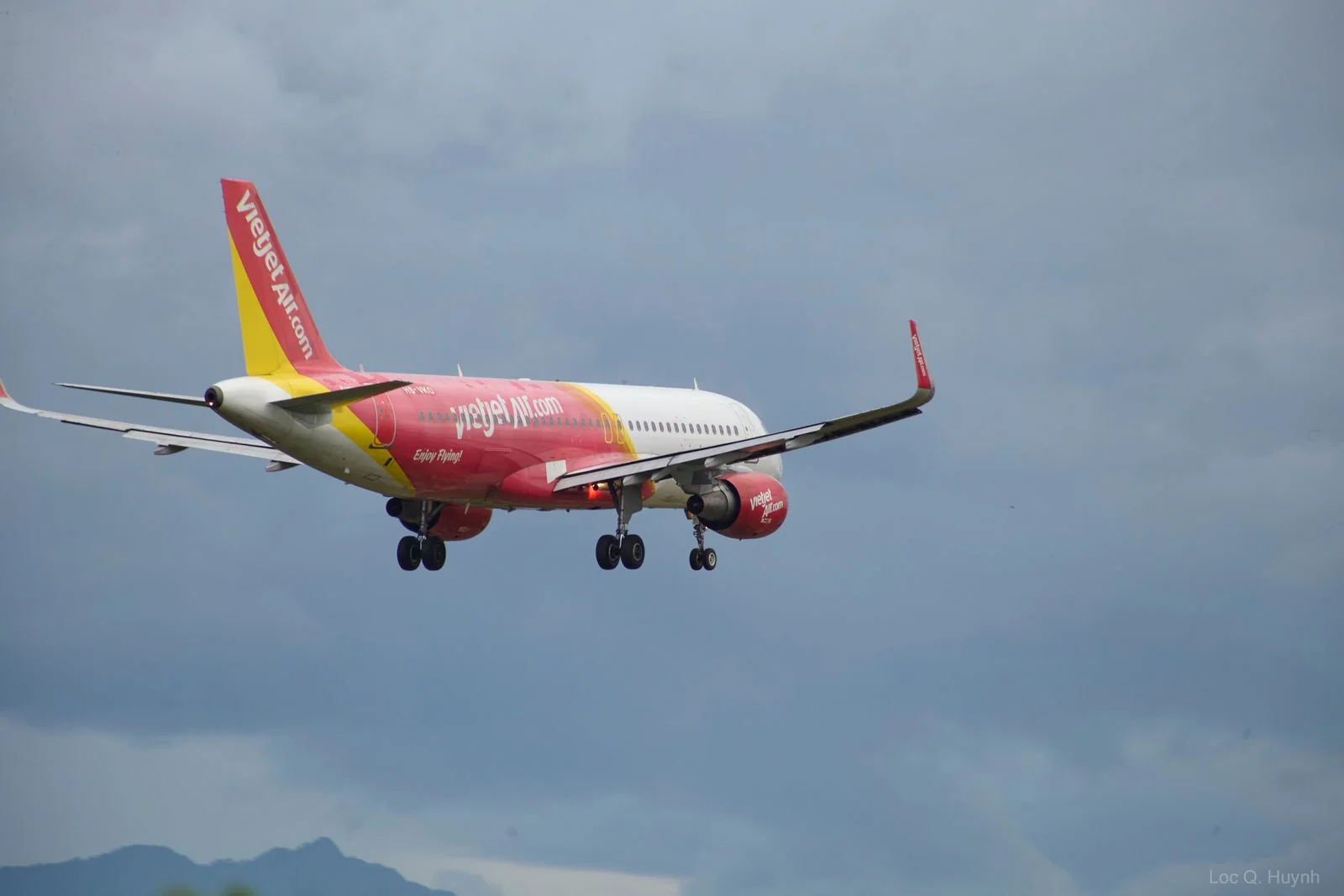
Before You Fly: Three Things to Sort at Home
1. Your visa or eVisa
Many travellers now enter Vietnam on an eVisa, which can be issued for up to 90 days with single or multiple entry. Apply only on the official government portal, give yourself at least a week, and print or save the approval letter offline. Check that your passport number and date of birth match exactly; a single typo can mean being turned away at the airline counter. Some passports qualify for visa-free entry for a set number of days, so check the current rules for your nationality before you pay for anything. Our step-by-step Vietnam eVisa application guide walks through every field, and we can help if you get stuck.
2. Decide: physical SIM or eSIM
If your phone supports eSIM, you can buy a Vietnam data plan online and install it before you leave, so it switches on the moment you land. If your phone is older or you prefer a local number for calls, plan to buy a physical tourist SIM at the airport. Either way, make sure your phone is unlocked.
3. Book your first ride
Late-night arrivals, families with luggage and anyone travelling with elderly parents will appreciate a driver waiting with a name sign. A pre-booked Da Nang airport transfer also gives you a fixed price, which matters if your hotel is out in Hoi An or along the beach road rather than in the city centre.
At Da Nang Airport: SIM Card, Cash and Wi-Fi
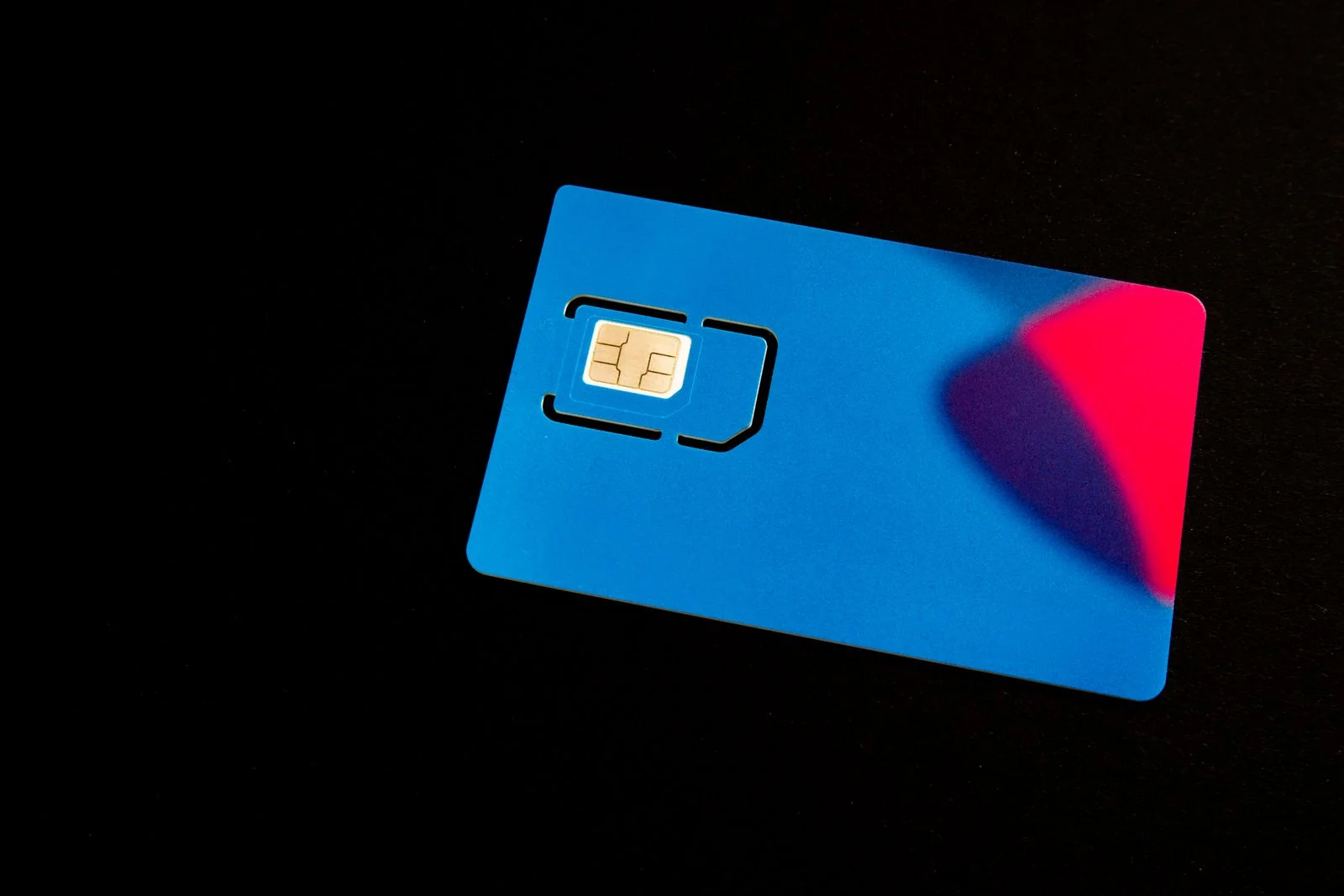
Getting a SIM card at DAD
After you collect your bags and pass customs, you'll find telecom booths in the international arrivals area, usually run by Viettel, Vinaphone and Mobifone. Staff speak enough English to set things up for you, and they'll need to see your passport, because SIM cards in Vietnam must be registered to an ID.
- What to ask for: a tourist data package that matches your trip length (7, 15 or 30 days).
- Rough cost: tourist packages generally fall somewhere between 150,000 and 400,000 VND depending on data and validity. Booths show their prices on boards, so compare two before you buy.
- Test before you walk away: open a map and send a message while you're still at the counter.
- Coverage: all three networks work well in Da Nang and Hoi An, so pick on price and package rather than brand.
Cash: how much and where to get it
Vietnam runs on the dong (VND). Cards work in hotels, malls and many restaurants, but street food stalls, markets, small cafés and parking attendants want cash. There are ATMs in the arrivals hall, and a single withdrawal of a few million dong is enough to start with.
- Expect a fee: most local ATMs charge a small fee per withdrawal, and your home bank may add its own, so withdraw larger amounts less often.
- Decline the conversion: if the screen offers to charge you in your home currency, choose VND instead. The machine's rate is usually worse.
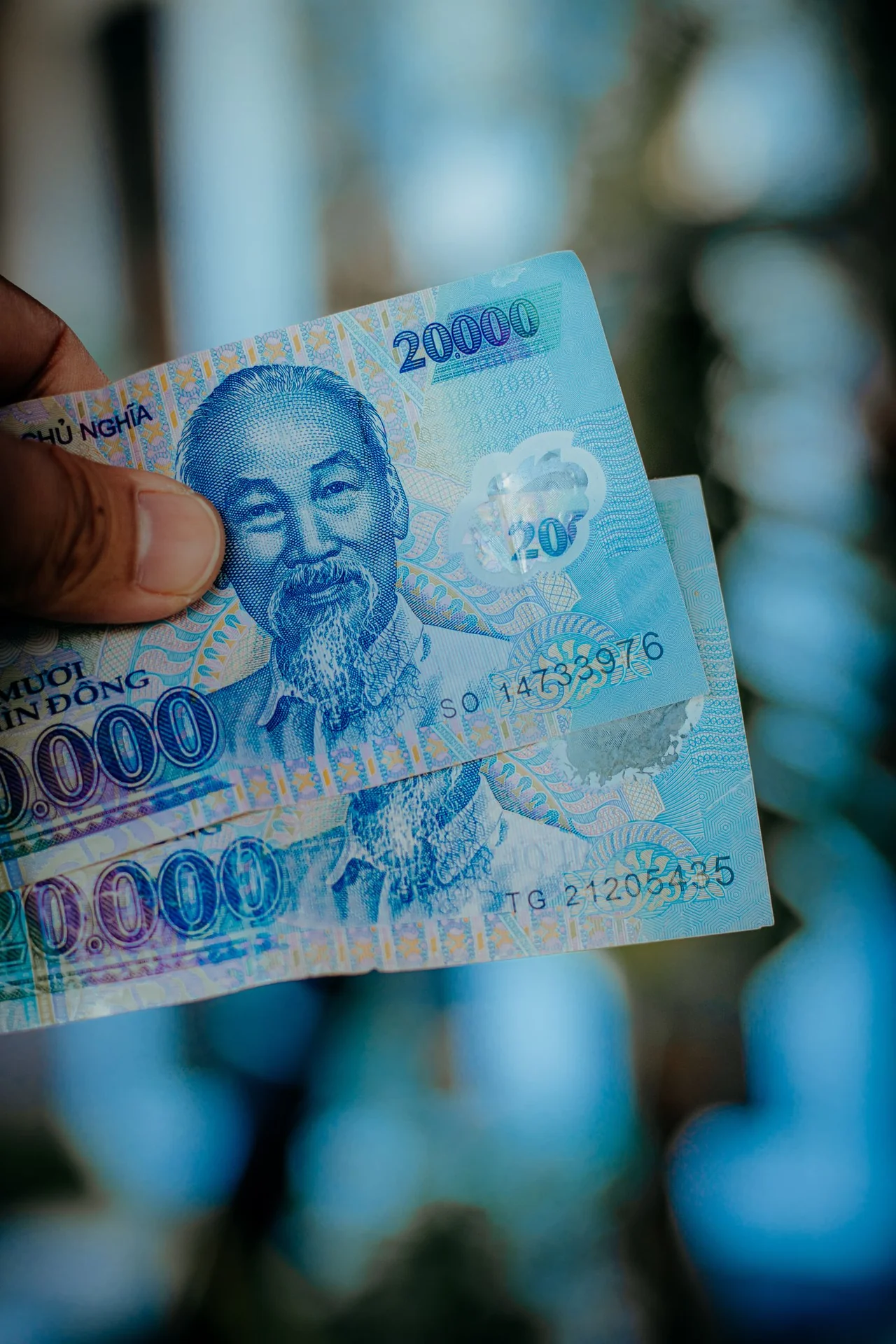
- Know your notes: the 20,000 and 500,000 notes are both blue-ish and easy to mix up in dim light. Sort your notes by value in your wallet.
- Break big notes early: buy a drink at the airport so you have small change for your first street-food meal.
Free Wi-Fi as a backup
The airport has free Wi-Fi, and nearly every hotel, café and restaurant in Da Nang does too. It's handy as a backup, but don't rely on it for your ride home from a beach or a night market.
Getting From the Airport to Your Hotel
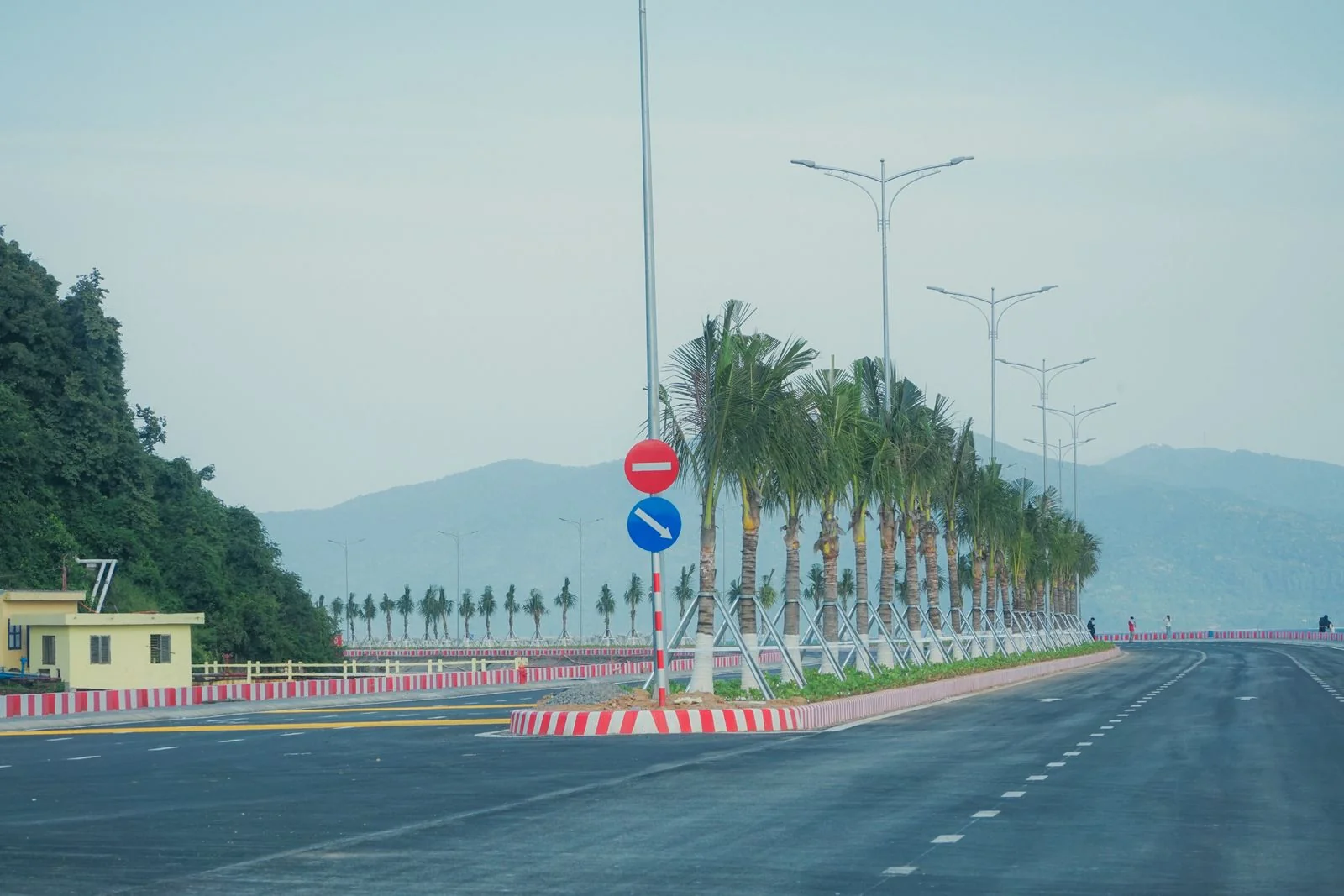
Da Nang's airport sits right in the city, so most central hotels are 10 to 20 minutes away and My Khe Beach is about 15 to 25 minutes depending on traffic. You have three realistic options:
- Grab (ride-hailing app): the fare is shown before you book, and pick-up is from the marked area outside arrivals. Add a card or plan to pay cash.
- Metered taxis: use the official queue and make sure the meter is running. Avoid touts inside the terminal.
- Private transfer: best for groups, late flights and longer trips such as Hoi An (about 45 minutes) or Hue.
Our guide to the Da Nang airport to city centre trip compares typical fares and times, and if you're heading south, see Da Nang airport to Hoi An.
Your First 24 Hours in Da Nang
Evening one: keep it easy
Drop your bags, take a short walk along the Han River or the beach, and eat somewhere close. A bowl of mi Quang or bun cha ca from a busy local spot is the perfect low-effort first meal. If you land on a Saturday or Sunday, the Dragon Bridge usually breathes fire and water at 9 PM.
Morning one: beach first, sights later
Jet lag usually wakes you early, which works in your favour. My Khe Beach is at its best between sunrise and 8 AM, before the heat builds. Grab a Vietnamese coffee afterwards, then plan the rest of your trip with a clear head.
Apps worth installing
- Grab for cars, motorbike taxis and food delivery.
- Google Maps with Da Nang downloaded offline.
- Google Translate with Vietnamese downloaded for offline use and camera translation of menus.
- A currency converter so you can check prices quickly.
Small habits that save money
- Agree on prices before any service starts, from massages to motorbike rentals.
- Keep your passport in the hotel safe and carry a photo of it on your phone.
- Carry small notes for markets; vendors may not have change for 500,000 VND.
- Drink bottled or filtered water, and use sunscreen even on cloudy days.
For getting around once you're settled, read our Da Nang transport guide.
Quick Arrival Checklist
- eVisa approval or visa-free eligibility confirmed, saved offline
- Phone unlocked; eSIM installed, or plan to buy a SIM at arrivals
- Passport ready for SIM registration
- First cash withdrawn in VND (and the currency conversion declined)
- Ride booked or Grab installed
- Hotel address saved in Vietnamese as well as English
FAQ
Can I buy a SIM card at Da Nang airport at night?
Booths generally stay open for most international arrivals, including many late-evening flights. If you're landing very late, an eSIM bought in advance is the safer option.
Do I need cash in Da Nang, or can I use cards?
You'll need both. Hotels, supermarkets and many restaurants take cards, but street food, markets, small cafés and parking are mostly cash.
Is Grab available at Da Nang airport?
Yes. Book in the app once you're connected, then follow the signs to the ride-hailing pick-up area outside arrivals.
How long does it take to get from the airport to My Khe Beach?
Usually 15 to 25 minutes by car, depending on traffic and where your hotel sits along the beach.
Can someone meet me at the airport with a name sign?
Yes. A private transfer driver will wait in the arrivals hall with your name, track your flight if it's delayed, and help with luggage. Message us to arrange one.
Landing soon? Da Nang Chill Ride offers private airport pickups, day trips and help with Vietnam eVisa applications. Send us a message with your flight details and we'll get back to you.