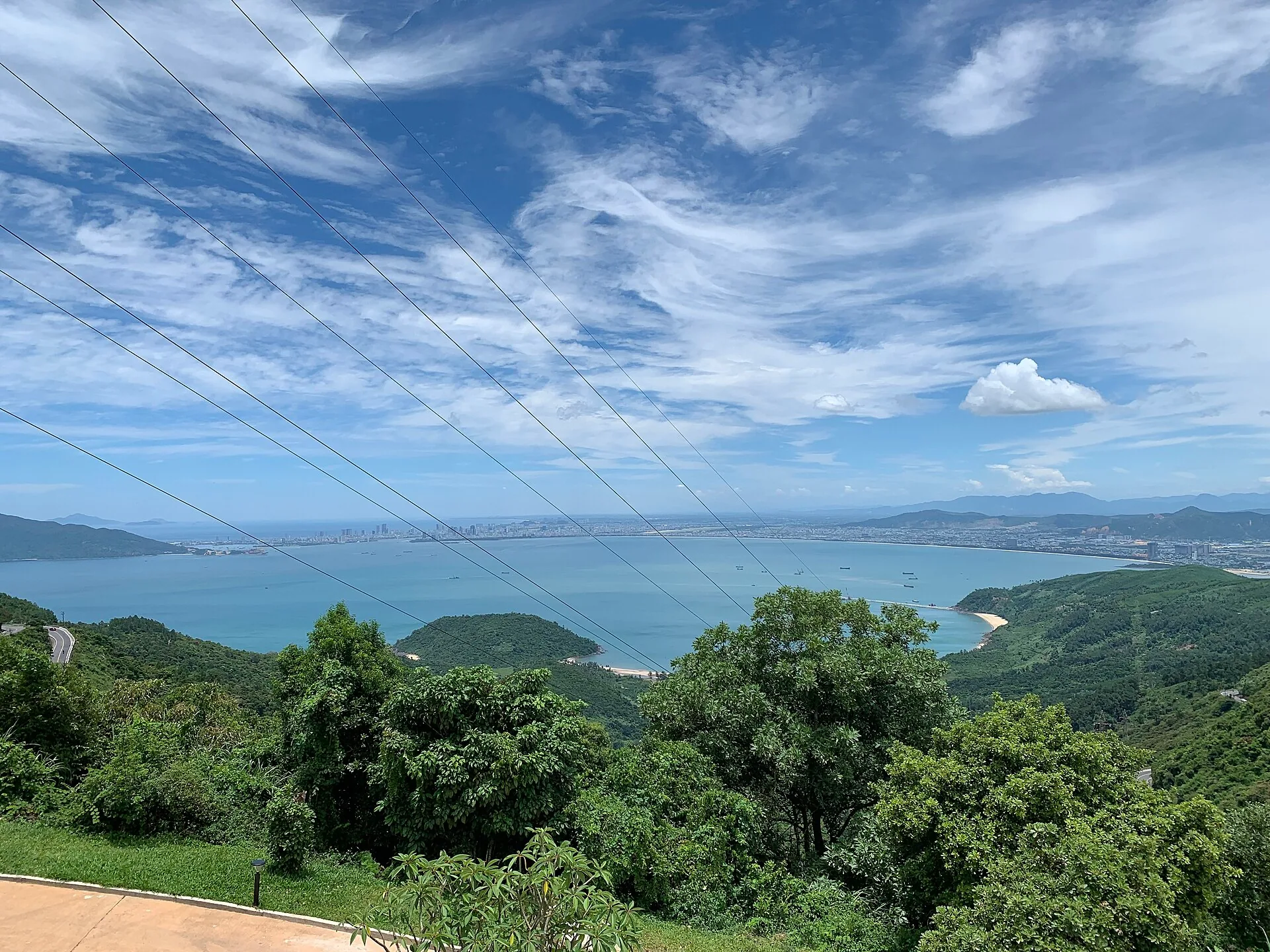
Quick answer: To get from Da Nang to Hai Van Pass, the easiest way is a private car: the summit is about 25–30 km north of the city, 45–60 minutes each way. With Da Nang Chill Ride a car over the pass with a drop-off in Lang Co costs from $27 per car, or $55 for a half-day return with stops at the summit and Lang Co. Plan around clear weather: the top is often in cloud from September to December.
Da Nang to Hai Van Pass by private car: prices
Trip | 5-seat car | 7-seat car | 16-seat van |
|---|---|---|---|
Da Nang → Hai Van Pass → drop-off in Lang Co (one way) | $27 | $32 | $45 |
Da Nang → Hai Van Pass & Lang Co → back to Da Nang (half day) | $55 | $65 | $90 |
Hoi An → Hai Van Pass → drop-off in Lang Co (one way) | $35 | $40 | $55 |
Hoi An → Hai Van Pass → back to Hoi An (driver waits up to 8 h) | $70 | $80 | $110 |
Prices are per car, not per person: tolls, parking and hotel pickup are included. No deposit: you pay the driver at the end of the trip. The Hai Van Quan entrance fee (about 70,000 VND per person) is paid separately at the gate. Going on to Hue instead? Our Da Nang to Hue private car crosses the pass with the same stops from $70.
Book: use the booking form or message us on WhatsApp at +84 968 275 320 with your date, hotel and number of people.
Hai Van Pass quick facts
Distance from Da Nang: roughly 25–30 km from the Han River area to the summit at Hai Van Quan; the pass road itself is about 20 km.
How long it takes: about 45–60 minutes by car each way from central Da Nang without stops (estimate). Most visitors spend 3–4 hours on a half-day return with photo stops, or 5–6 hours if they continue to Lang Co for lunch.
Summit fee: 70,000 VND standard admission to Hai Van Quan (June 2026 fee rules).
Best conditions: a clear morning; from September to December the top is often in cloud.
Easiest way to go: a private car with a driver, either as a round trip or on the way to Hue.
For the wider itinerary, start with our Da Nang travel guide.
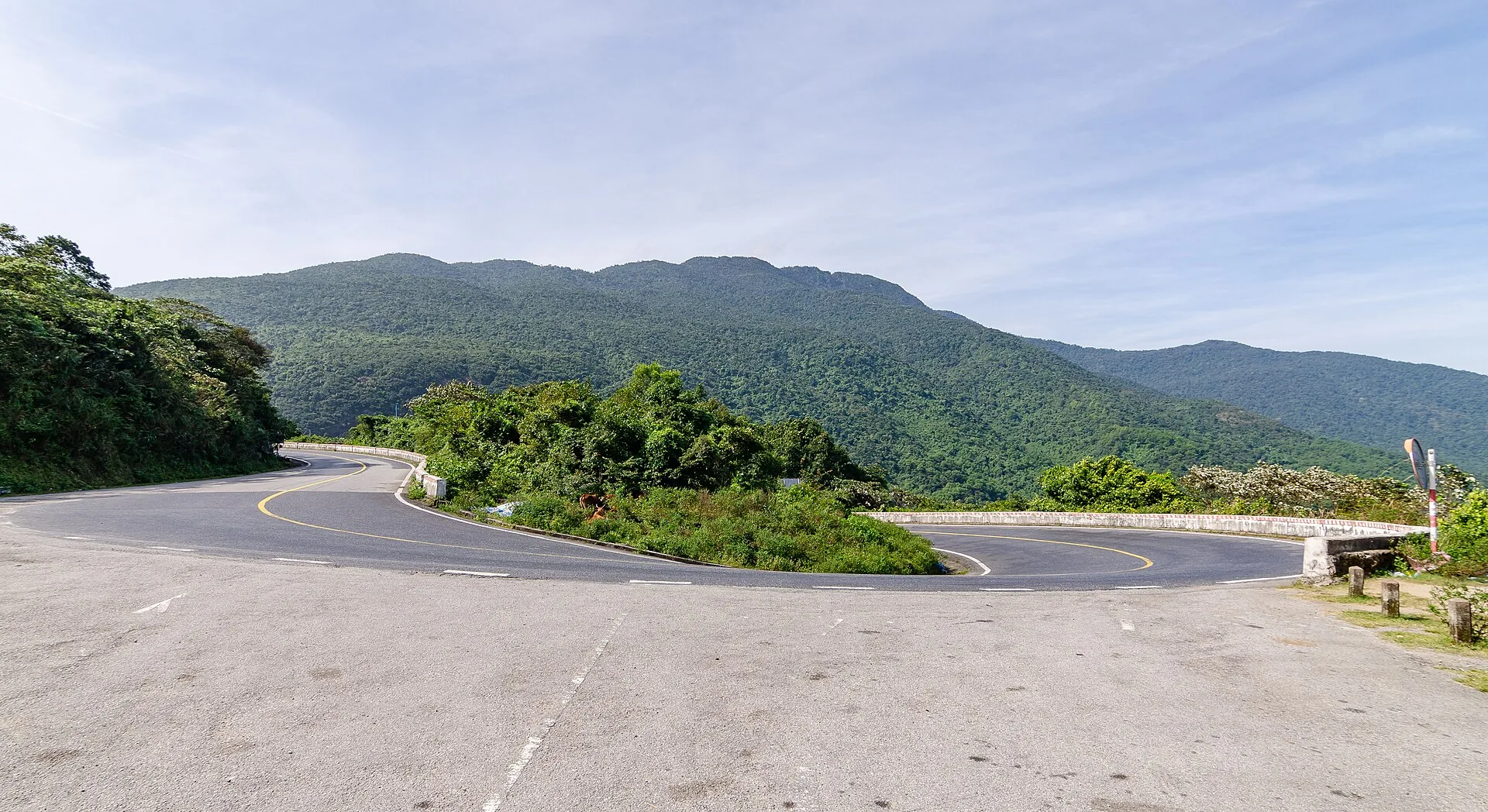
Pass road, tunnel and railway: three different journeys
The old road climbs over the coastal mountain range between Da Nang and the Lang Co side of the Hue region. The road tunnel is a different route beneath the mountains. The railway follows its own alignment and does not stop at the summit viewpoint. Check which experience a transfer or tour actually provides.
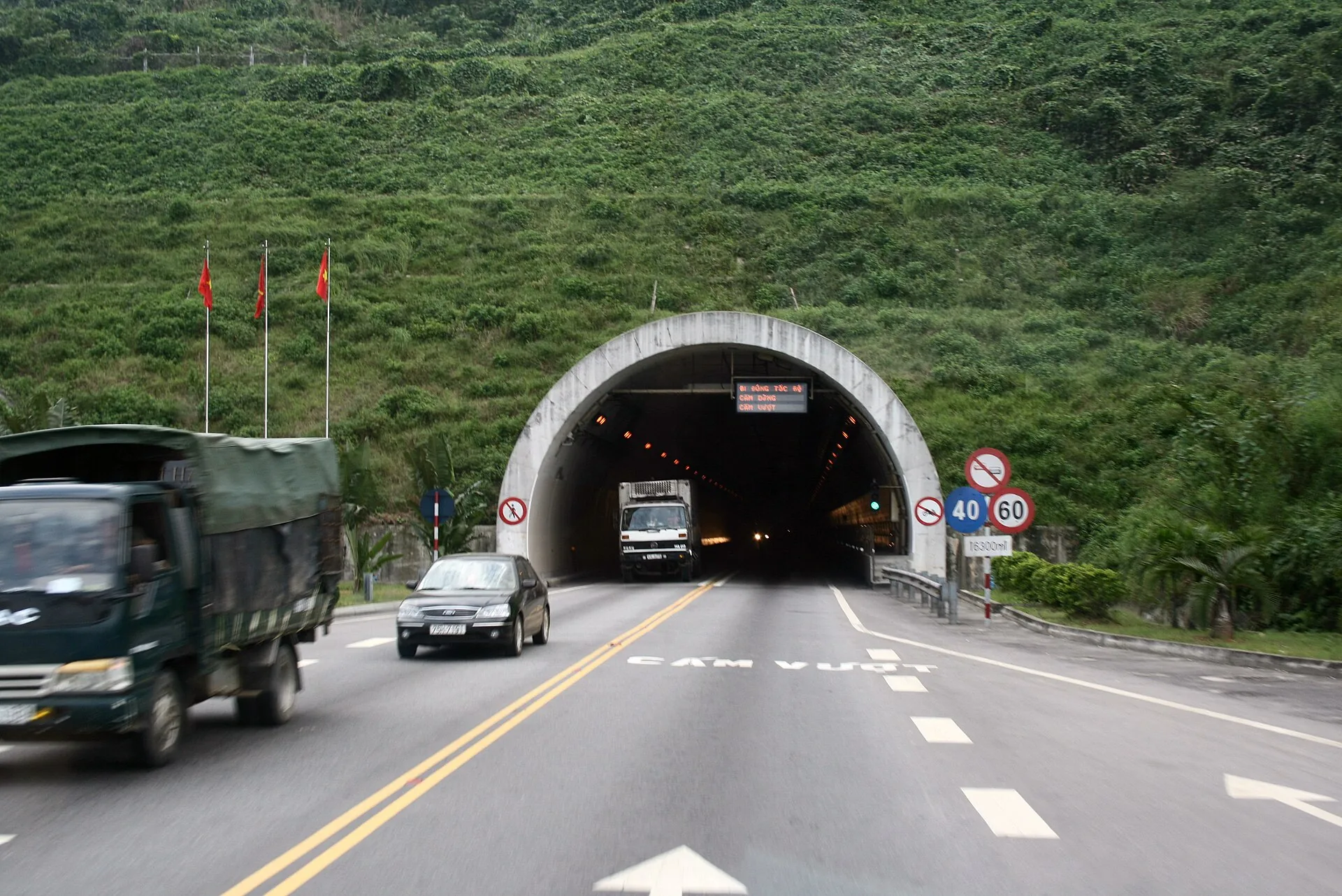
Vietnam Tourism describes the pass road itself as about 20 kilometres. That is not the full distance from your Da Nang hotel to Lang Co or Hue. Your day also includes the city approach, stops and the return or onward journey.
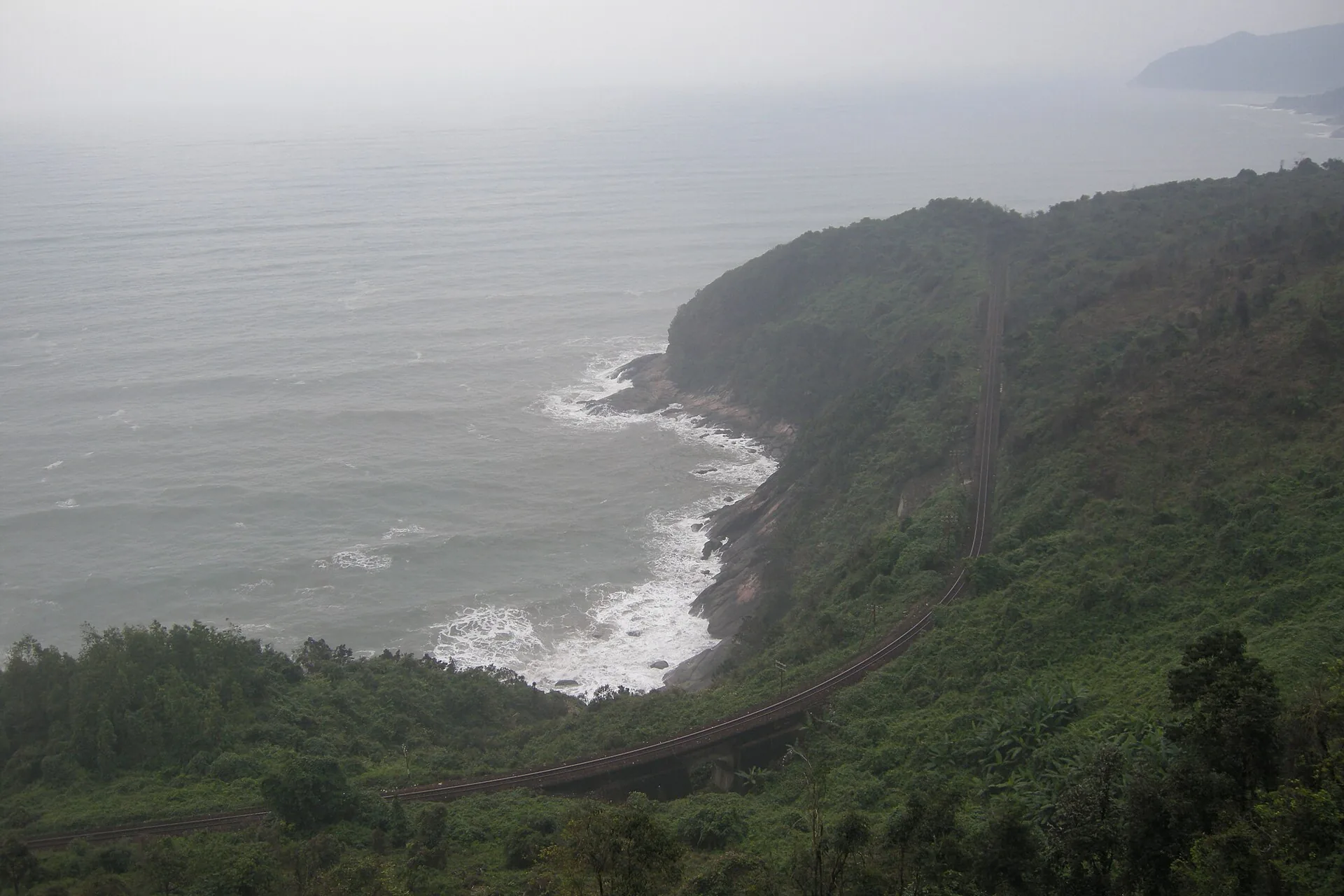
The pass remains an active road. Do not assume the tunnel has removed all trucks, buses or through traffic, or that a scenic pull-off is a protected pedestrian area. The tunnel operator has documented a vehicle-transfer service; confirm its current arrangements directly if you need an alternative crossing.
Choose the right transport
Option | Useful for | Check before booking |
|---|---|---|
Private car with driver | Families, luggage and travellers who prefer not to ride | Actual pass-road route, agreed stops, waiting time and weather fallback |
Private car via the tunnel | Reaching Lang Co or Hue quickly when the summit is in cloud | No summit views; ask your driver to switch route on the day |
Train on the Da Nang–Hue line | Coastal views without a road trip | No summit stop; book sea-side seats ahead |
Want a driver who knows the viewpoints? Our private cars with English-friendly drivers can take the pass road instead of the tunnel, with agreed photo stops.
Continuing to Hue instead of returning to Da Nang? Compare all Da Nang to Hue transport options, from the coastal train to a private car over the pass.
For a one-way transfer to Hue, agree where luggage goes and where the journey ends. For a round trip, confirm the return route. A booking labelled “Hai Van” may include only a brief summit stop or may use the tunnel in poor conditions; ask for the route in writing.
When to go: visibility matters more than a fixed hour
A morning departure gives more daylight for unplanned delays, but it does not guarantee clear views. Cloud, rain and wind at the summit can differ from conditions in Da Nang. Check the forecast and local road information shortly before departure. If visibility is poor or there is a storm warning, postpone the scenic ride or discuss a suitable car route with your driver.
Do not chase a promised “fog-free” season or assume cloud always builds after lunch. Use our seasonal planning guide as background, then make the final decision from the day’s conditions. Leave enough time to be off unfamiliar mountain roads before dark.
Stops worth planning
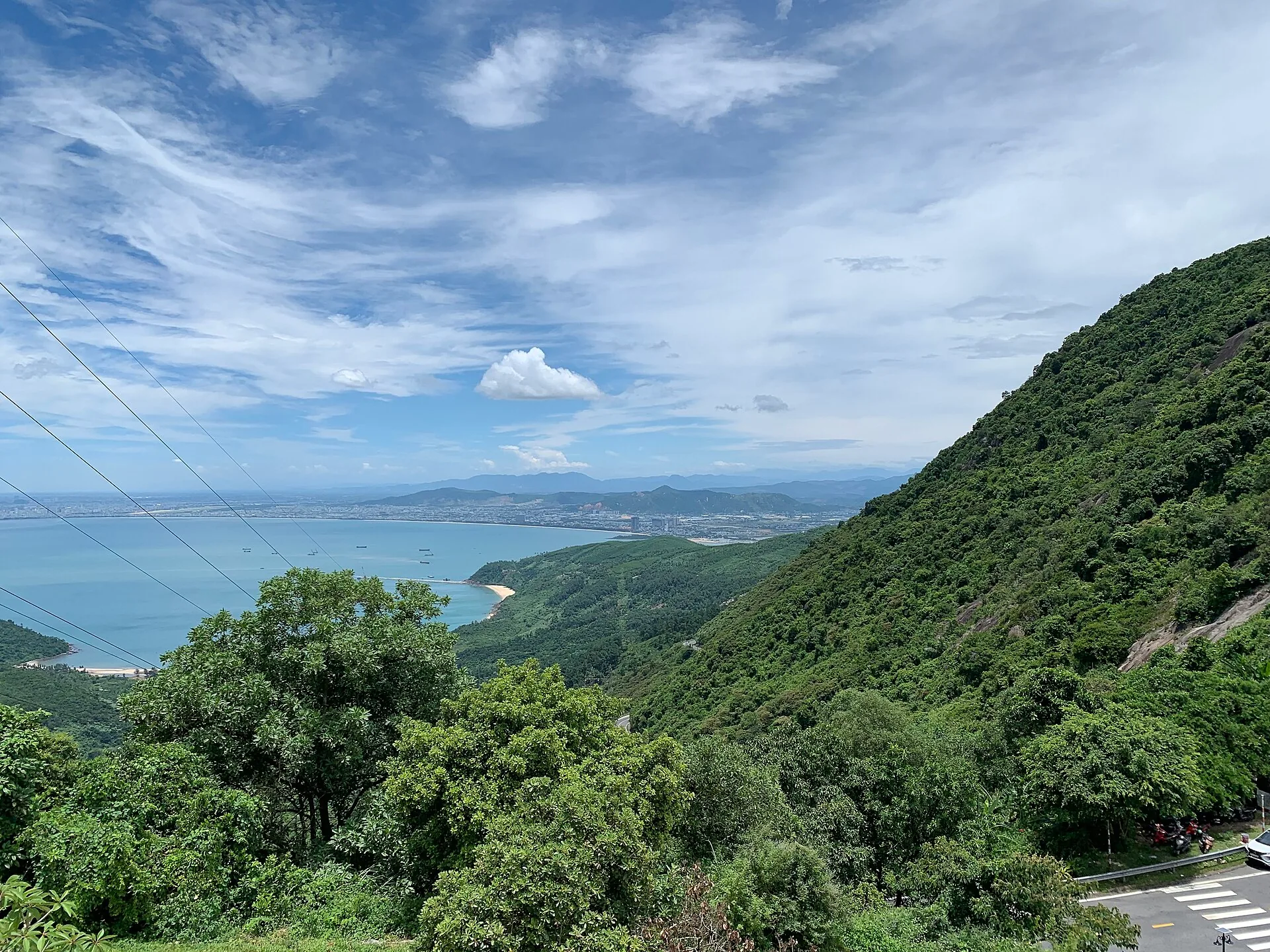
Safe roadside viewpoints
Choose an established stopping area with space completely outside the traffic lane. Views change as you climb and descend; there is no need to stop at every bend. Never stand in a hairpin, cross a barrier or step backward toward a drop for a photograph. If a viewpoint is busy or cannot accommodate your vehicle safely, continue to another permitted stop.
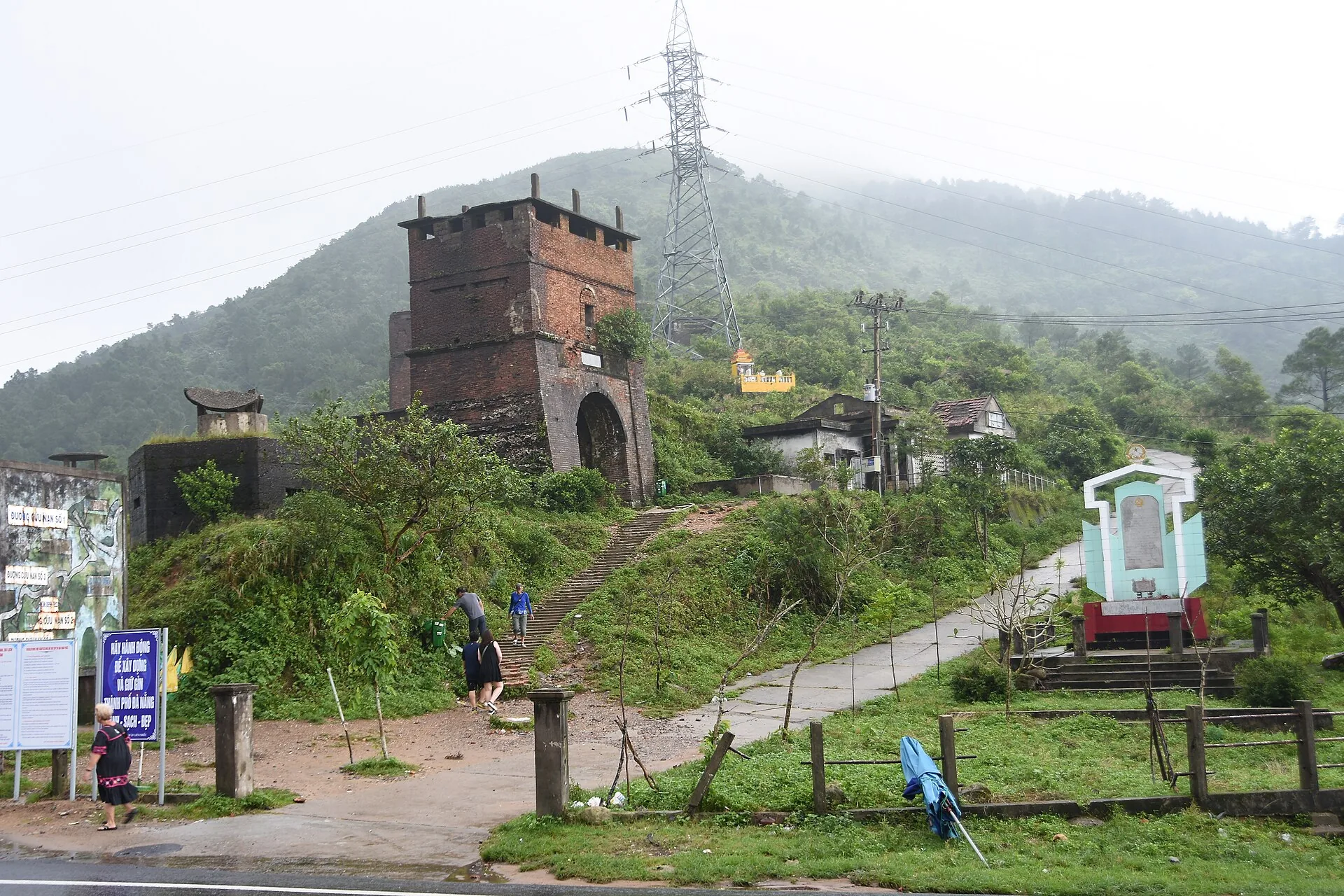
Hai Van Quan at the summit
The summit heritage complex is distinct from simply travelling over the pass. Hue’s Resolution 05/2026/NQ-HDND sets admission at 70,000 VND per person per visit for both Vietnamese and foreign visitors, effective 2 June 2026. Children under 13 are among the exempt categories. Confirm eligibility and any required proof at the ticket counter; this article does not reproduce every concession.
Check the site’s current visiting hours before planning a late stop. The official fee resolution does not establish daily opening hours. Use signed visitor paths, allow time for steps and uneven surfaces, and do not enter closed structures or climb fortifications.
Lang Co and the lagoon area
Continuing north makes sense if you want a meal and more time by the coast before returning or travelling onward. Agree the stop with your driver and confirm restaurant prices when ordering. A beach view is not a guarantee of suitable swimming conditions; follow local notices and assess the sea on the day.
Railway tracks, rail bridges and tunnels are not walking routes or photo platforms. Do not add an unofficial trackside shortcut to reach a beach or viewpoint.

Two realistic ways to structure the day
Half-day return from Da Nang
Leave with a flexible morning, make a small number of safe stops and visit Hai Van Quan if open. Return while you still have plenty of daylight. Half a day is a planning allowance, not a fixed driving time; weather, traffic and your hotel location may require more.
Longer trip through Lang Co or onward to Hue
Add lunch and a coastal stop, or make the pass part of your transfer to Hue. Avoid combining a long sightseeing route with a tight train or flight connection. If you want to compare the railway, read Da Nang to Hue by train. Going one way by car and back by train? Book the train first, then agree the drop-off point with your driver.
What to budget and pack
Budget for the car, Hai Van Quan admission (70,000 VND per person), meals and optional stops. Our private car prices are fixed per car and already include tolls and parking (see the price table above); group tours from other operators are priced differently.
Bring sun and rain protection, drinking water, a charged phone and a small secure bag. Wear shoes with grip for the summit steps. Larger bags can stay in the car while the driver waits.
More Hai Van Pass guides
Hai Van Quan (Hai Van Gate): ticket, opening hours and history of the fortress at the summit
Lang Co Beach from Da Nang: the bay at the foot of the pass
Da Nang to Hue by private car over the pass
More routes by private car: Ba Na Hills day trip from Da Nang · Da Nang to Hoi An · Hoi An to the Hai Van Pass
Planning more days out? See all our private car day trips from Da Nang.
Travelling as a big group?
Families with grandparents and groups of friends often book one 16-seat van instead of two or three cars. Up to 12 guests ride together with all the luggage for $90 per van (for the half-day return), which is about $7.50 per person for a group of 12. For up to 5 guests, a 7-seat car at $65 is enough. Child seats are free, and the driver helps with bags, prams and wheelchairs.
Approximate prices in Philippine pesos (₱63 = US$1): 5-seat ₱3,450 · 7-seat ₱4,100 · 16-seat van ₱5,650, per car.
Crossing the pass toward Hue? Stop at the oyster lagoon on the far side with our Lap An Lagoon guide for sunrise and sunset times and where to eat.
Comparing more than one journey? Our guide to getting around Da Nang, Hoi An and Hue puts every route, price and travel time side by side.
Frequently asked questions
How much is a private car from Da Nang to Hai Van Pass?
From $27 per car (5-seat) one way with a drop-off in Lang Co, or $55 for a half-day return to Da Nang. A 7-seat car is $32 / $65 and a 16-seat van $45 / $90. Prices are per car, with no deposit.
Can I end the Hai Van Pass trip in Lang Co?
Yes. The one-way trip drops you at your hotel or the beach in Lang Co after stops at the summit. Many travellers stay a night in Lang Co, then continue to Hue the next day.
How long does the Hai Van Pass take?
Driving over the pass itself takes about 30–40 minutes without stops. From central Da Nang, plan around 45–60 minutes each way by car, and 3–4 hours for a relaxed half-day return with photo stops at the summit. These are estimates; weather and traffic change them.
How far is Hai Van Pass from Da Nang?
The summit is roughly 25–30 km north of the Han River area, depending on where you start. From Hoi An, add about 30 km more.
Is Hai Van Pass free?
Do not treat the entire outing as free. The summit monument has a 70,000 VND standard admission under the June 2026 fee rules, and transport, parking or other services may add costs.
Can I go one way by car and come back by train?
Yes. Many travellers ride over the pass by private car to Lang Co or Hue and take the coastal train back. Book the train first, then agree the drop-off point and time with your driver.
Does a tunnel transfer provide the same views?
No. The tunnel and pass road are different routes. Confirm that your booking includes the road over the mountain if that is your priority and conditions allow it.
Can I visit in wet weather?
Make the decision from actual road and weather conditions. Poor visibility, heavy rain or strong wind can justify postponing the scenic section.