Short answer: You can get through Da Nang with about 30 Vietnamese words: greetings, "thank you", "how much", numbers, a few food requests and simple directions. Say them the way people in central Vietnam do (không sounds like "khom", "1,000" is ngàn rather than nghìn), add a smile, and type anything important into a translation app so you can show the screen. The tables below are grouped by situation, with a plain-English sound guide for each phrase.
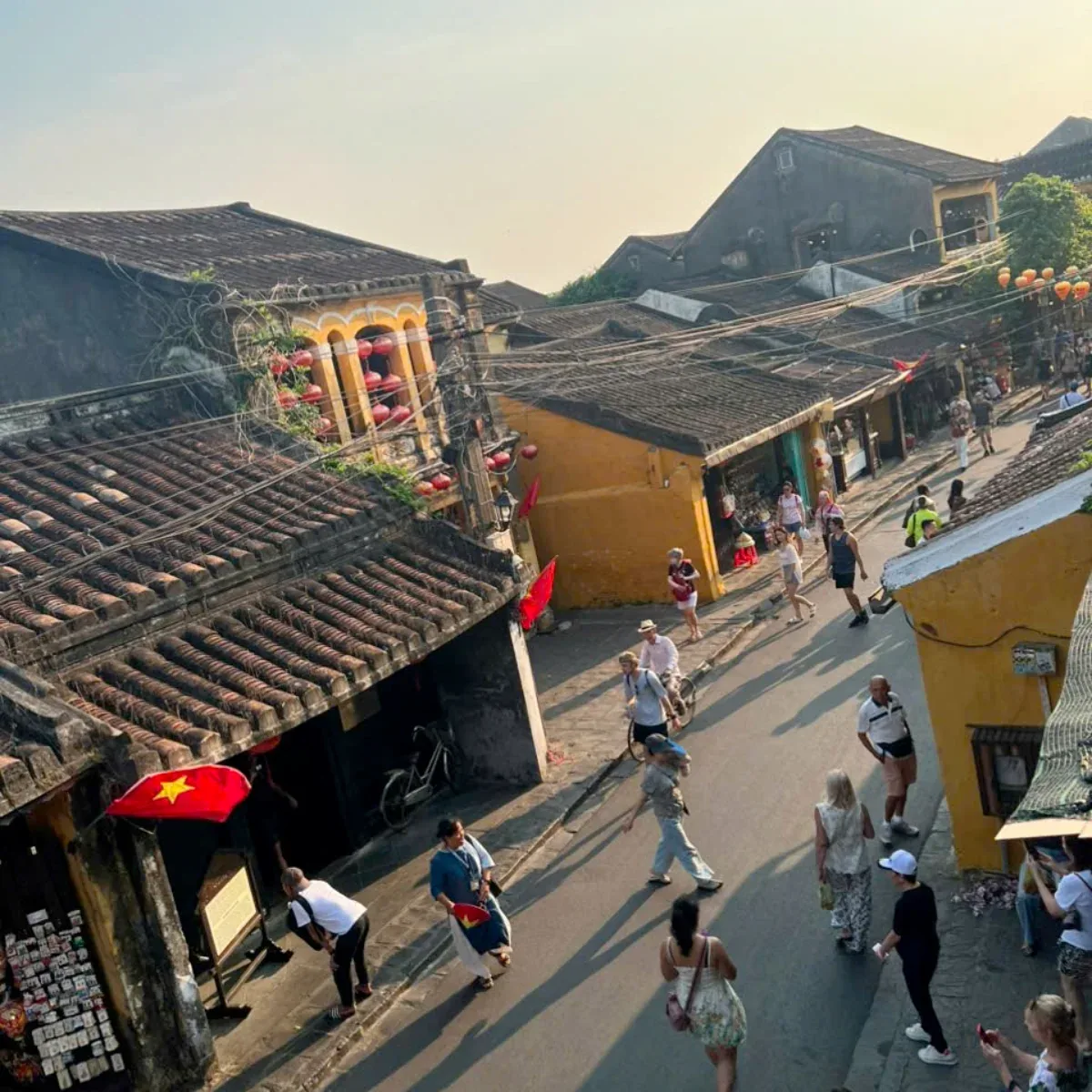
Do you need Vietnamese in Da Nang?
No, but a handful of phrases makes daily life smoother and noticeably friendlier. Hotel staff, tour desks and most cafes along My Khe Beach speak some English, while street stalls, local markets, small eateries and many drivers speak little or none.
Vietnamese is tonal, so the same syllable can mean different things depending on pitch. The standard description is six tones (checked November 2026, VietnamTourism.com). Don't let that stop you: in context, people understand a foreigner's "cảm ơn" even when the tone is off. Short words, said slowly and with a smile, work better than long sentences.
For the rest of your trip setup (SIM, money, apps, plugs), start with our Da Nang travel essentials guide.
How people in Da Nang actually speak
Da Nang uses the central Vietnamese accent, which sounds different from the Hanoi Vietnamese most phrasebooks and apps teach. Knowing three or four differences helps you understand replies, not just speak.
- "Không" (no / not) sounds like "khom", with the mouth closing at the end, as in the south.
- Thousands are "ngàn", not the northern "nghìn". A price of 30,000 dong is "ba mươi ngàn", often shortened to "ba chục" ("three tens") at markets.
- Left and right are "quẹo trái / quẹo phải" in everyday speech. "Rẽ" (turn) is also understood.
- Local words you'll hear: mô (where), răng (why / how), rứa (like that), ri (like this), tui (I, casual). "Đi mô rứa?" is a friendly "Where are you off to?"
Voice translation apps are trained mostly on northern speech and struggle with central accents and street noise, so typing works better than talking into the phone (checked November 2026, VietnamTourism.com).
Greetings and polite basics
These ten phrases cover most polite moments. Add ạ ("ah") at the end when speaking to someone older; it softens the sentence and locals notice it.
| English | Vietnamese | Sounds like |
|---|---|---|
| Hello | Xin chào | sin chow |
| Thank you | Cảm ơn | gahm uhn |
| Thank you very much | Cảm ơn nhiều | gahm uhn nyew |
| Sorry / excuse me | Xin lỗi | sin loy |
| Yes (polite) | Dạ / Vâng | yah / vung |
| No | Không | khom |
| No, thank you | Không, cảm ơn | khom, gahm uhn |
| Goodbye | Tạm biệt | tahm bee-et |
| I don't understand | Tôi không hiểu | toy khom hew |
| Do you speak English? | Bạn nói tiếng Anh không? | bahn noy tee-eng ahn khom? |
Vietnamese has no single word for "you". People use family terms by age: anh (older brother) for a man around your age or older, chị (older sister) for a woman, em for someone clearly younger such as a waiter or waitress. "Cảm ơn anh" or "Cảm ơn chị" sounds warmer than a plain "cảm ơn".
Numbers and prices
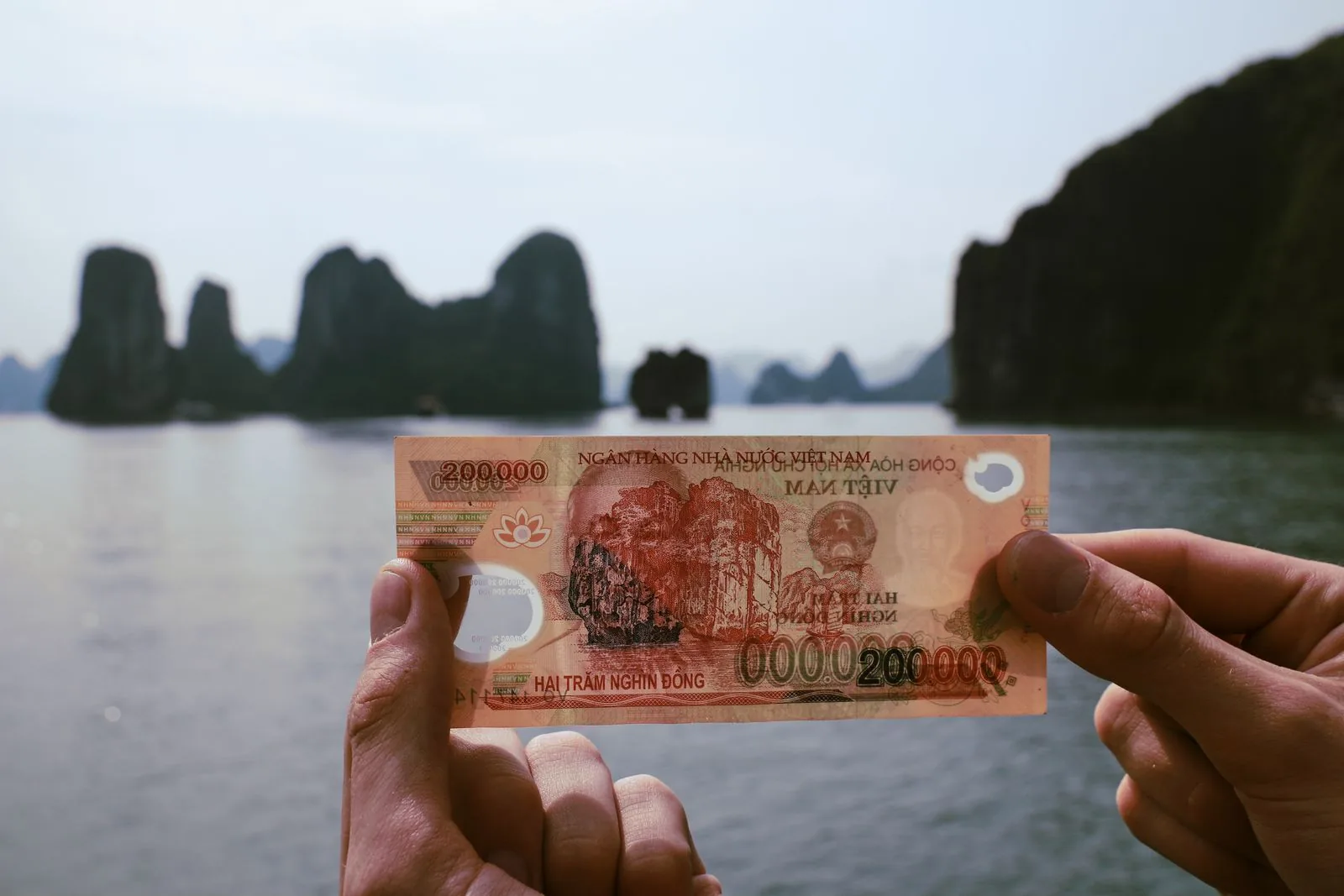
Learn 1 to 10 plus "ten", "hundred" and "thousand", and you can follow almost every price in dong. Vendors often write prices on a phone calculator, so you can read them even when you can't hear them.
| Number | Vietnamese | Sounds like |
|---|---|---|
| 1 | một | moht |
| 2 | hai | hi |
| 3 | ba | bah |
| 4 | bốn | bohn |
| 5 | năm | nahm |
| 6 | sáu | sow |
| 7 | bảy | bye |
| 8 | tám | tahm |
| 9 | chín | chin |
| 10 | mười | muh-ee |
| 100 | trăm | chahm |
| 1,000 | ngàn (central/south), nghìn (north) | ngahn |
Prices drop the last three zeros: 25,000 dong is "hai mươi lăm ngàn", often just "hai lăm" and written "25k". Note that 5 becomes lăm after a ten (15 = mười lăm, 25 = hai mươi lăm). For cash, ATMs and QR payments, see money in Da Nang.
Shopping and bargaining phrases
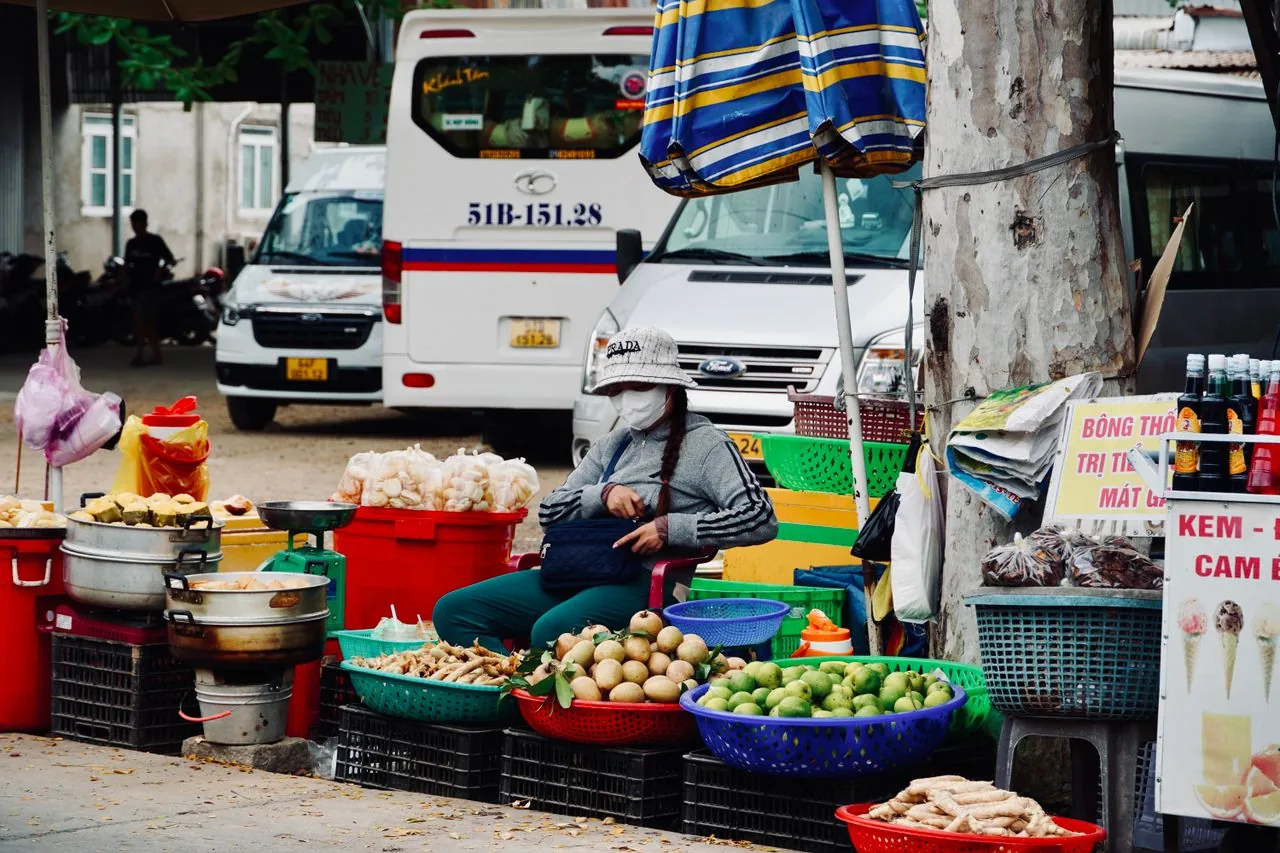
At Han Market, Con Market and street stalls, fixed prices are not guaranteed, so a few polite bargaining words help. In supermarkets, convenience stores and malls the price on the tag is final.
| English | Vietnamese | Sounds like |
|---|---|---|
| How much? | Bao nhiêu tiền? | bow nyew tee-en? |
| Too expensive | Đắt quá / Mắc quá (central/south) | dut kwah / muck kwah |
| Can you lower it? | Bớt được không? | buht duhk khom? |
| I'll take this | Tôi lấy cái này | toy lay guy nay |
| Just looking | Tôi xem thôi | toy sem toy |
| One kilo | Một ký | moht kee |
| Do you have a bag? | Có túi không? | gaw too-ee khom? |
Keep it light: ask, counter once, and walk away smiling if the price doesn't move. Our Da Nang tourist scams guide covers the few situations where a fixed price matters more than a phrase.
Ordering food and coffee
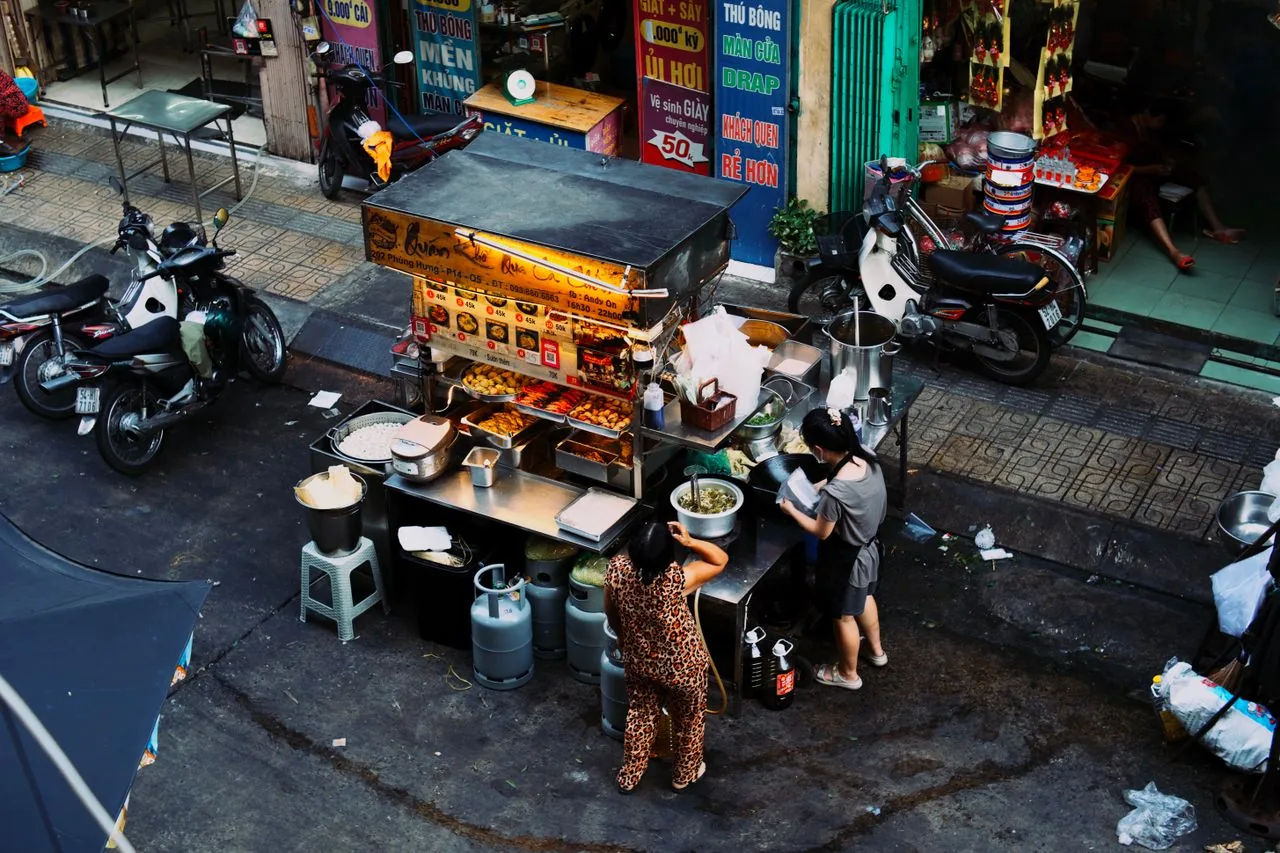
Most local eateries serve one or two dishes, so you often only need to say how many bowls and what to leave out. Point at the menu or at a neighbour's bowl and add "một" (one) or "hai" (two).
| English | Vietnamese | Sounds like |
|---|---|---|
| One bowl / one plate, please | Cho tôi một tô / một dĩa | chaw toy moht toh / moht yee-ah |
| Not spicy | Không cay | khom guy |
| No coriander | Không rau mùi / không ngò | khom zow moo-ee / khom ngaw |
| I'm vegetarian | Tôi ăn chay | toy un chai |
| I'm allergic to peanuts | Tôi bị dị ứng đậu phộng | toy bee yee ung dow fohm |
| Delicious! | Ngon quá! | ngawn kwah! |
| The bill, please | Tính tiền | ting tee-en |
Central Vietnam calls a bowl tô and a plate dĩa (Hanoi says bát and đĩa). For a serious allergy, carry the sentence written on paper or saved on your phone rather than relying on pronunciation. Our Da Nang food guide lists the dishes worth ordering.

Coffee order cheat sheet:
- Cà phê sữa đá (ga feh suh-ah dah): iced coffee with condensed milk.
- Cà phê đen đá (ga feh den dah): iced black coffee, usually pre-sweetened. Add không đường (khom duh-uhng) for no sugar or ít đường (eet duh-uhng) for less sugar.
- Bạc xỉu (bahk see-oo): mostly milk with a little coffee.
- Cà phê muối (ga feh moo-oy): salt coffee, a central Vietnam favourite.
- Trà đá (chah dah): iced tea, often free or very cheap with a meal.
More on what to order and where is in our Da Nang coffee guide.
Taxis, Grab and directions
For rides, the best "phrase" is an address typed in the app, but these words help at the kerb. Grab's in-app chat translates English to Vietnamese for the driver, so reply by chat rather than answering a call (checked November 2026, VietnamTourism.com).
| English | Vietnamese | Sounds like |
|---|---|---|
| Go straight | Đi thẳng | dee tung |
| Turn left / right | Quẹo trái / Quẹo phải | kweh-oh chai / kweh-oh fai |
| Stop here | Dừng ở đây | yuhng uh day |
| Let me off here | Cho tôi xuống đây | chaw toy soo-ohng day |
| Slow down, please | Chạy chậm thôi | chai chum toy |
| Airport | Sân bay | sun bye |
| I'm at the main gate | Tôi đang ở cổng chính | toy dahng uh gohm chin |
| Please wait 5 minutes | Làm ơn đợi 5 phút | lahm uhn duh-ee nahm foot |
Our apps for Da Nang guide explains Grab, Be and Xanh SM in more detail.
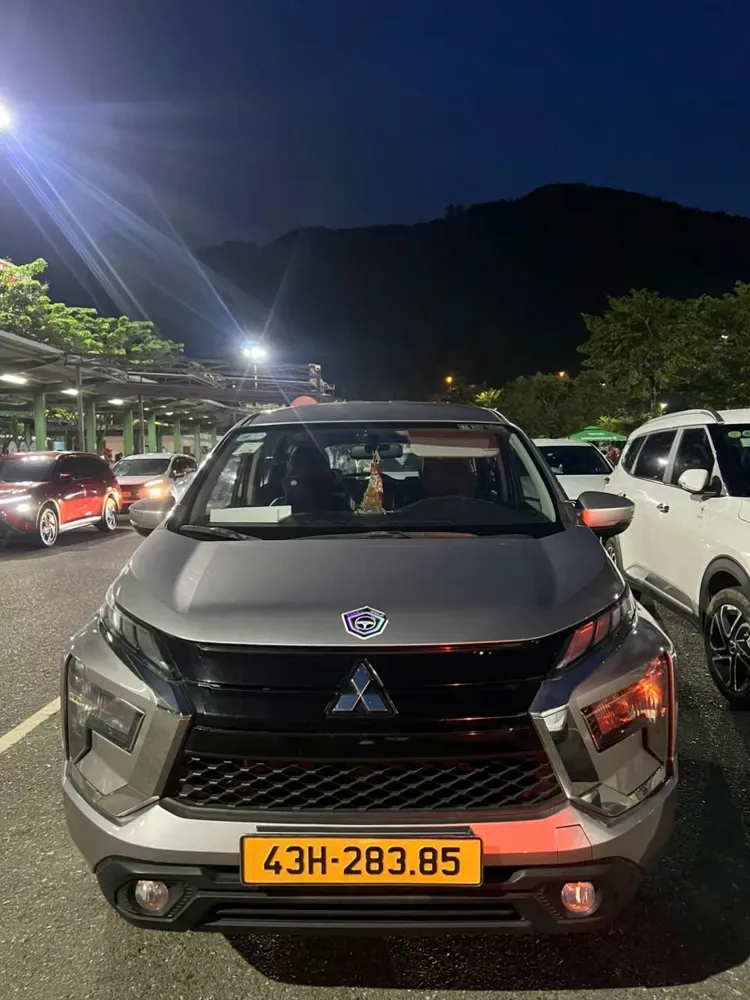
On longer trips, such as a day to Hoi An, Hue or Ba Na Hills, a private driver who reads your WhatsApp messages in English saves you from explaining stops in Vietnamese.
Phrases for problems and emergencies
You'll probably never need these, but save them in your phone notes. In an emergency, call 113 for police, 114 for fire and 115 for an ambulance (checked November 2026, VietnamTourism.com), and ask your hotel to call for you if you can.
| English | Vietnamese | Sounds like |
|---|---|---|
| Help! | Cứu tôi với! | guh-oo toy vuh-ee! |
| Call the police | Gọi công an | goy gohm ahn |
| Hospital | Bệnh viện | ben vee-en |
| Pharmacy | Nhà thuốc | nyah too-ohk |
| I'm lost | Tôi bị lạc | toy bee lahk |
| Where is the toilet? | Nhà vệ sinh ở đâu? | nyah veh sin uh dow? |
Tips that make phrases work
A phrase only works if the other person recognises it, so combine speaking with showing. These habits help most.
- Download the offline Vietnamese pack in Google Translate before you land. It handles text and camera translation without data, takes about 80 MB, but does not cover voice (checked November 2026, VietnamTourism.com).
- Type, then show the screen. Text translation is far more reliable than speech recognition, especially with the central accent.
- Save your hotel address in Vietnamese, with accents, in your notes app.
- Don't worry about tones in context. "Một cà phê sữa đá" at a cafe counter will be understood even if the tones are rough.
FAQ
What is the most useful Vietnamese phrase in Da Nang?
"Cảm ơn" (thank you), followed closely by "bao nhiêu tiền?" (how much?). Between them they cover most daily interactions, and locals respond warmly to visitors who try.
Is the Da Nang accent different from Hanoi Vietnamese?
Yes. Da Nang uses the central accent: "không" sounds like "khom", thousands are "ngàn", and you'll hear local words such as "mô" (where) and "răng" (why). Hanoi-trained apps and phrasebooks still work; just expect replies to sound different.
Do people in Da Nang speak English?
Many people in hotels, tour companies and beachside cafes speak basic to good English. At local markets, street stalls and small eateries English is limited, which is where the phrases above help most.
How do you say "no coriander" or "not spicy" in Vietnamese?
"Không rau mùi" (or "không ngò") for no coriander and "không cay" for not spicy. Say it as you order, because herbs are often added before the bowl reaches you.
How do I tell a taxi driver where to go?
Show the address in Vietnamese on your phone or set the destination in Grab, then use "đi thẳng" (go straight), "quẹo trái / quẹo phải" (turn left / right) and "dừng ở đây" (stop here) for the last few metres.
Should I add "ạ" at the end of sentences?
It's optional but polite, especially with older people: "Cảm ơn chị ạ" sounds respectful and warm. Nobody expects it from visitors, so it earns a smile when you use it.