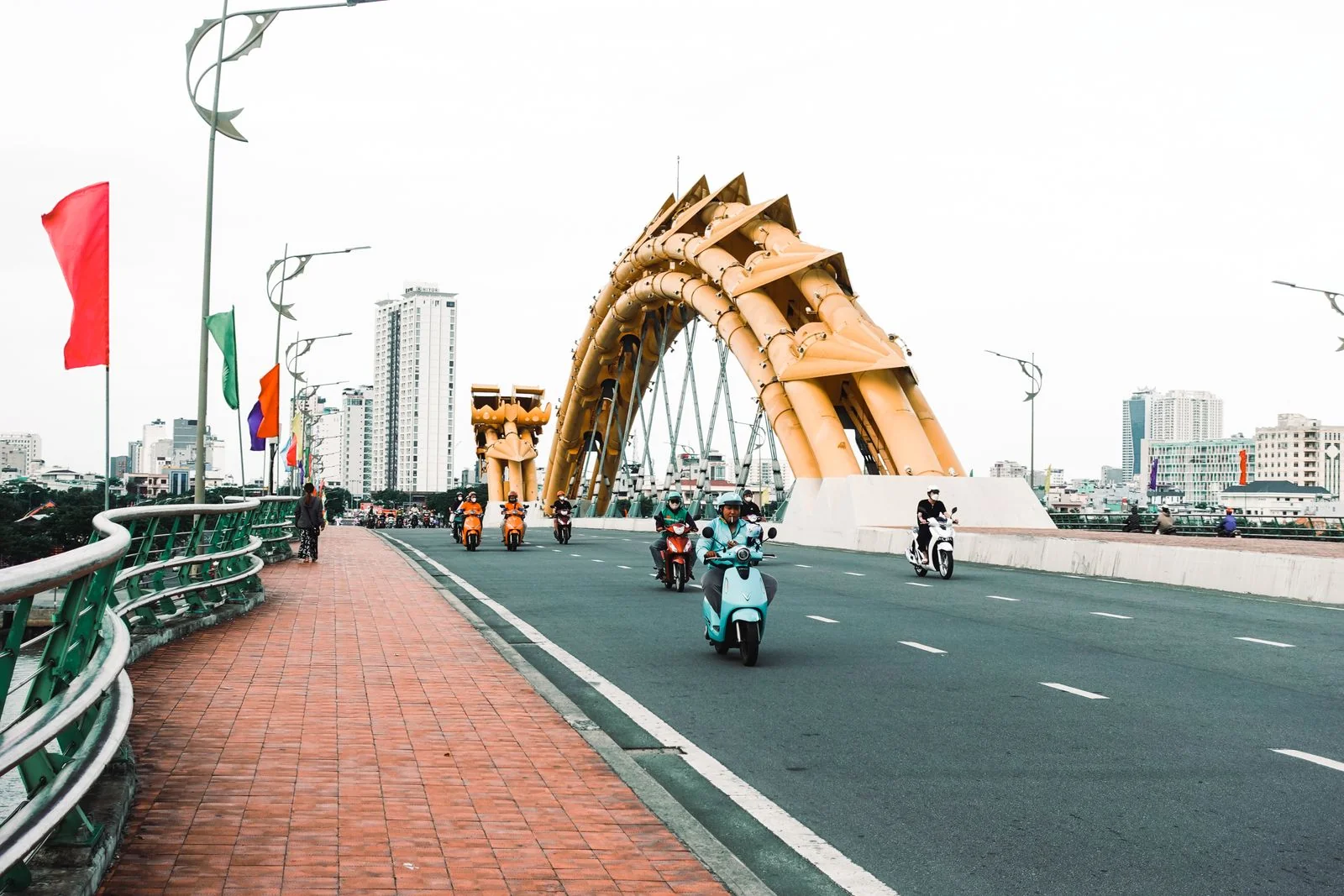
Da Nang is one of the most relaxed and safe cities in Vietnam. Violent crime against visitors is rare, locals are friendly, and most people you meet are simply trying to make an honest living. Still, like any popular beach destination, it has a handful of small tricks aimed at first-time visitors: a taxi meter that runs a little too fast, a coconut that costs three times the usual price, or a website that charges you double for a Vietnam eVisa.
None of these will ruin your trip, but they can be annoying. This guide covers the most common tourist scams in Da Nang in 2026, how to spot them and what to do instead, so you can relax and enjoy the beaches, food and day trips.
Is Da Nang safe for tourists?
Yes. Da Nang is clean, well organised and generally considered one of the safest cities in Southeast Asia for travellers, including solo travellers and families. Most problems visitors report are about overcharging rather than theft. Petty theft does happen, especially phone snatching from passing motorbikes in busy areas, so keep your phone on the inside of the pavement and use a cross-body bag at night.
Think of the tips below as small habits, not reasons to worry. Once you know them, you will barely notice them.
Getting around: taxis, Grab and motorbike rides
Rigged meters and look-alike taxis
The classic scam is a taxi with a meter that jumps faster than normal, or a car painted to look like a well-known brand with a slightly different name or logo. Reputable taxi companies in Da Nang, such as Mai Linh, Tien Sa and the green electric Xanh SM cars, use proper meters and clearly printed phone numbers.
- Use a ride-hailing app such as Grab or Xanh SM: the price is shown before you book, so there is nothing to negotiate.
- If you take a street taxi, check the company name and phone number on the door and make sure the meter starts when you set off.
- Keep small notes so you can pay the exact fare.
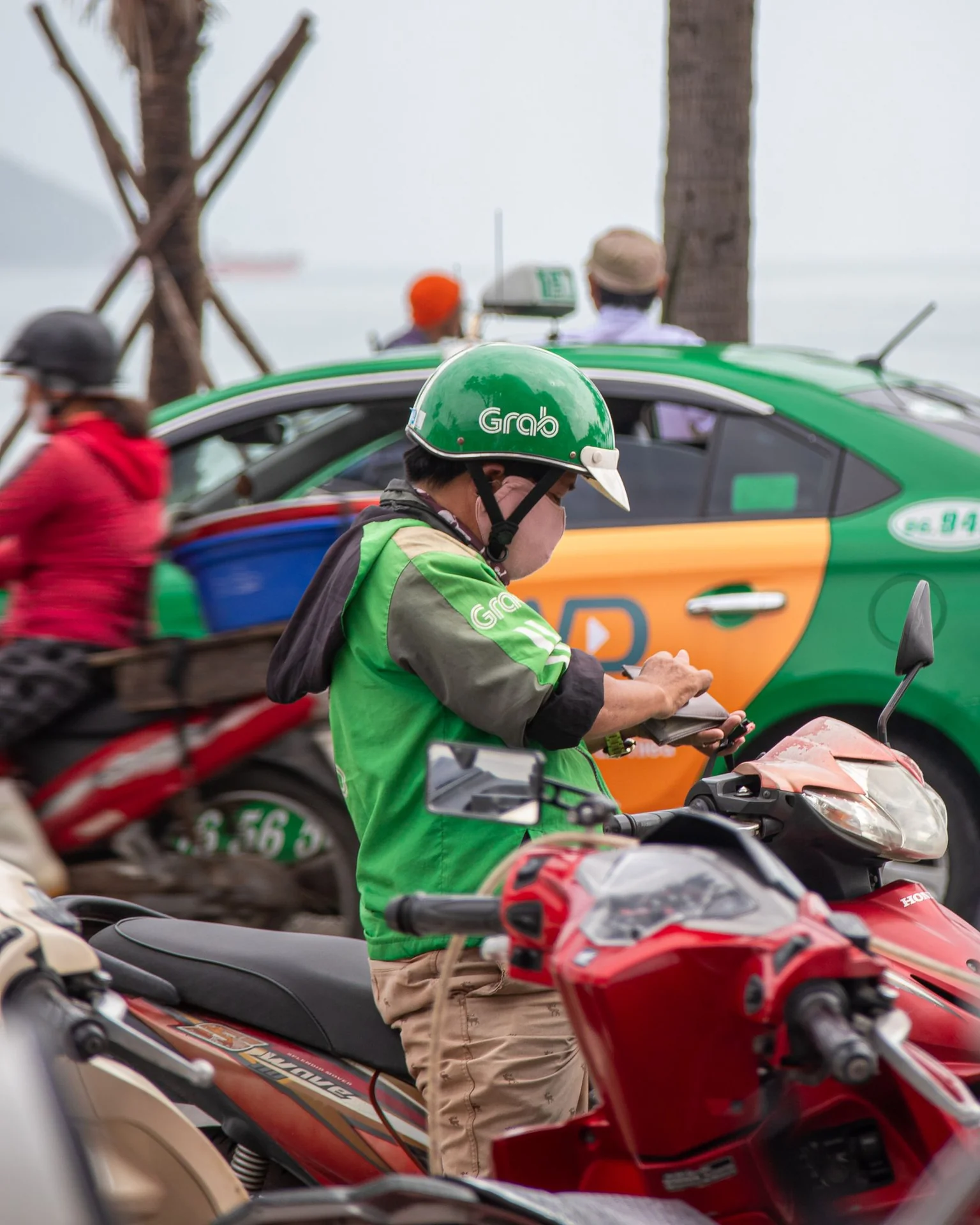
Motorbike rides with a price that changes at the end
Some freelance motorbike drivers agree a price, then claim at the end that it was "per person" or in US dollars instead of dong. Agree the full price in VND before you get on, ideally typed into the driver's phone calculator, or simply use the GrabBike option in the app.
Arriving at Da Nang Airport
Da Nang International Airport is only a few kilometres from the city centre, so most rides to hotels near the Han River or My Khe Beach should be short and cheap. The most common problem is an unofficial driver in the arrivals hall offering a ride at a "special price" that turns out to be far above the normal fare.
- Use the official taxi queue outside arrivals, book Grab in the app, or arrange a pickup in advance.
- If you book a private driver, they should know your name and flight number before you land.
If you would rather skip all of this after a long flight, our Da Nang airport transfer service gives you a fixed price per car, a driver waiting with your name on a sign and flight tracking in case you are delayed.
Money mix-ups
The 20,000 and 500,000 note confusion
Vietnamese dong comes in big numbers, and several polymer notes look similar. The 20,000 VND and 500,000 VND notes are both bluish, and in dim light it is easy to hand over a 500,000 note thinking it is a 20,000. Occasionally a vendor will quietly accept the bigger note without saying anything, or swap it and claim you paid with the smaller one.
- Keep large notes (200,000 and 500,000) in a separate part of your wallet.
- Say the amount out loud as you hand over the note: "five hundred thousand".
- Count your change before you walk away.
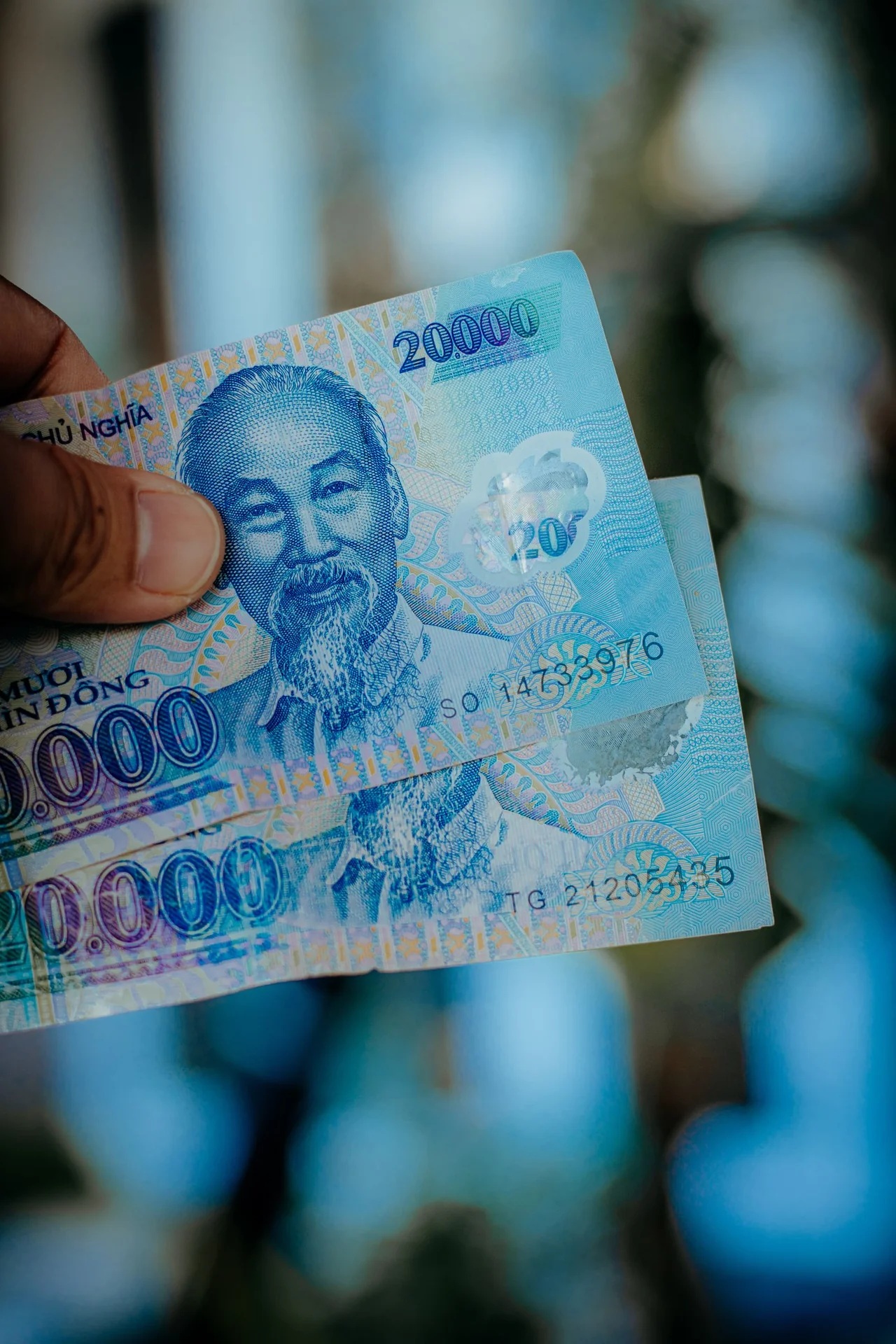
"No change" and short change
Some small shops and drivers say they have no change when you pay with a 500,000 note, hoping you will tell them to keep it. Break large notes at supermarkets, convenience stores or your hotel, and carry plenty of 10,000 to 50,000 notes for taxis, street food and coffee.
Currency conversion at ATMs and card machines
When an ATM or card machine offers to charge you in your home currency, the exchange rate is usually poor. Always choose to be charged in VND and let your own bank do the conversion.
Fake Vietnam eVisa websites
This one can cost the most. Many websites look official but are private agencies that charge far more than the government fee, and a few take your money and send nothing. The official government portal is evisa.gov.vn, where the fee is US$25 for a single-entry eVisa and US$50 for multiple entry.
- Check the web address carefully before you enter your passport details or card number.
- Apply at least one to two weeks before you fly, so you are not tempted by "urgent" services.
- Use a clear passport scan and a proper portrait photo on a white background: blurry uploads are the most common reason for delays.
Our step-by-step Vietnam eVisa guide walks you through the official form. If you prefer help, our local team can check and submit your application for a clearly stated service fee on top of the government fee.
Beaches, markets and street vendors
Seafood priced by weight
At beachside seafood restaurants, prawns, crab and fish are often priced per kilogram, and the final weight can be much higher than you expect. Ask for the price per kilo, watch the seafood being weighed, and agree how it will be cooked before it goes into the kitchen. Our Da Nang seafood guide explains how pricing works and where locals eat.
Coconuts, photos and souvenirs without a price
Beach vendors are mostly friendly and their prices are fair, but if there is no price shown, ask before you take the coconut, sit on the sun lounger or pose for a photo with a basket boat. If the answer seems high, it is perfectly fine to smile, say "no, thank you" and walk on.
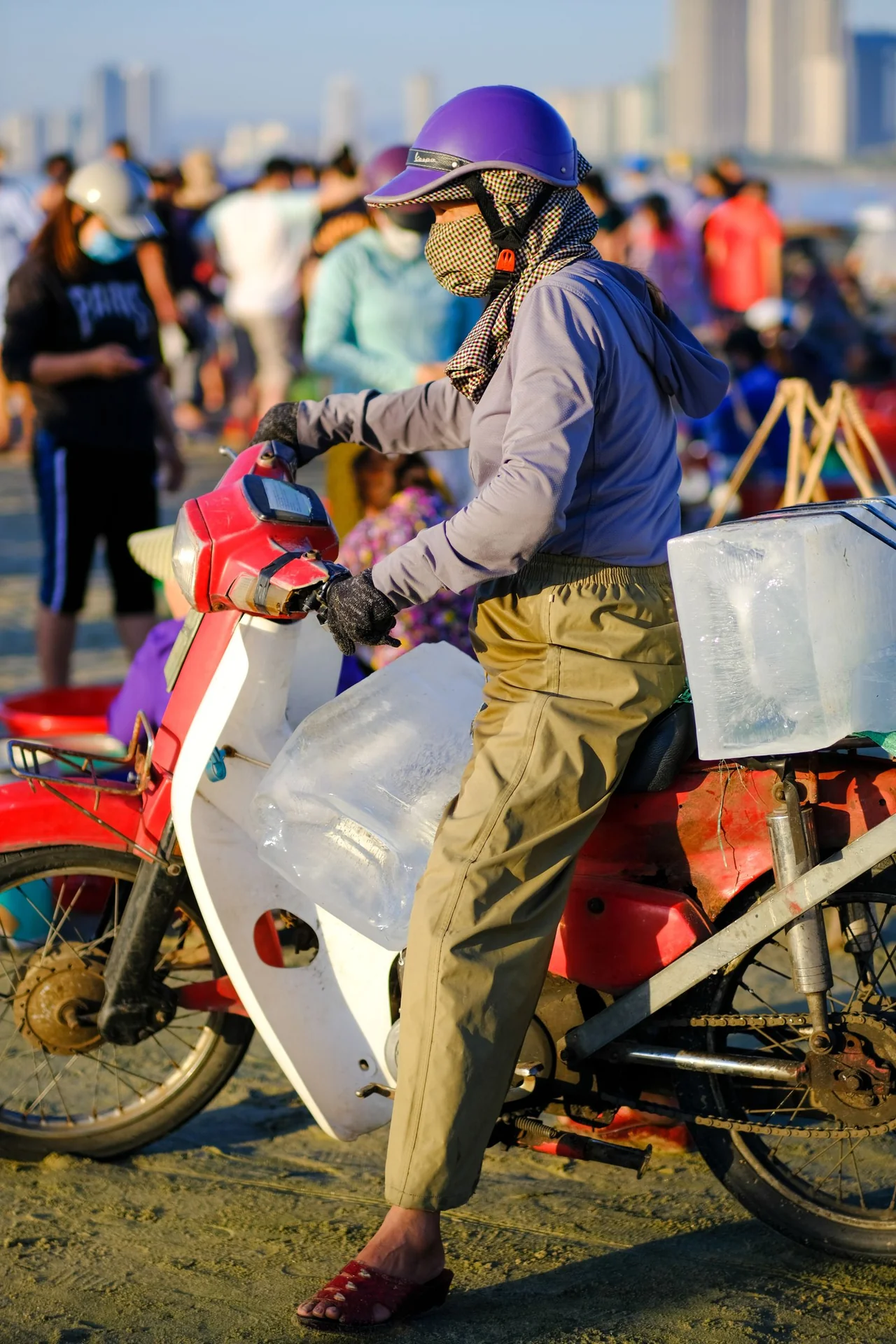
Bargaining at markets
At markets selling clothes, hats and souvenirs, the first price is often higher for tourists. Bargaining with a smile is normal. Compare two or three stalls, decide what you are happy to pay and walk away politely if the price does not drop. Food, coffee and items with printed prices are usually fixed. Our Han Market guide has typical prices and bargaining tips.
Scooter rentals: damage claims and passport deposits
A few rental shops ask you to leave your passport as a deposit and then claim you caused scratches that were already there. Never leave your passport: offer a photocopy and a cash deposit instead. Take a video of the scooter from every side before you ride away, check the brakes and lights, and get a written price for any damage. Ask whether insurance is included and what it covers.
Tours, massages and commission stops
Very cheap tours sometimes include long stops at shops where the guide earns a commission, for example stone carving workshops near the Marble Mountains or jewellery and silk shops. You are never obliged to buy. Before booking, ask exactly what is included, how long the shopping stops are and whether entrance tickets are in the price.
In some massage places, staff may ask for a large tip at the end. Tipping is appreciated in Vietnam but not mandatory. Check whether a tip is already included in the price, and tip what you feel is fair.
What to do if something goes wrong
- Stay calm and polite. Raising your voice rarely helps in Vietnam.
- Write down the taxi number, company name or shop name and take a photo.
- Ask your hotel reception to help. They can call the company or translate for you.
- Emergency numbers in Vietnam: 113 for police, 114 for fire and 115 for ambulance.
- If your passport is lost or stolen, report it to the local police and contact your embassy or consulate.
Quick anti-scam checklist for Da Nang
- Book rides in an app or agree the price in VND first.
- Keep large and small notes separate, and count your change.
- Always pay in VND at ATMs and card machines.
- Apply for your eVisa only on evisa.gov.vn or through a service you trust.
- Ask the price before you eat, drink or pose for photos.
- Never leave your passport as a rental deposit.
FAQ
Is Da Nang safe at night?
Yes, the main areas along the Han River, the beachfront and the night markets are busy and generally safe at night. Keep your phone and bag secure, as snatch theft from motorbikes is the most common risk.
Is Grab cheaper than a taxi in Da Nang?
Grab is often similar to or slightly cheaper than metered taxis, and the main advantage is that you see the price before you ride. Taxis are useful when your phone has no data.
Should I tip in Da Nang?
Tipping is not expected in most local restaurants and cafés, but it is appreciated for good service on tours, at spas and for drivers. Rounding up or giving 20,000 to 50,000 VND is common.
How do I know if an eVisa website is official?
The official government portal is evisa.gov.vn. Other sites are private agencies. Some offer real help, but they always charge more than the government fee, so check the total price before you pay.
What is the safest way to get from Da Nang Airport to my hotel?
The official taxi queue, Grab, or a pre-booked private car are all safe options. A pre-booked car is the easiest choice for families, late-night arrivals or travellers with lots of luggage.
Landing in Da Nang soon? Book a fixed-price airport pickup and start your trip with a friendly local driver waiting at arrivals.