
Hoi An is best planned as a two- or three-day stay if you want the Ancient Town, local food and time in the countryside or at the beach. A day trip from Da Nang works for a first look, but staying overnight gives you more freedom around the evening crowds. Choose accommodation near the old-town edge for walking, An Bang for beach time, or a countryside base if you are happy to arrange transport.
Images in this guide are AI-generated illustrations, not on-site photographs. They do not establish current access, facilities or conditions.
This Hoi An travel guide helps you plan a complete stay. For the narrower question of visiting from Da Nang and returning the same day, use our Hoi An day-trip guide. Suggested durations below are editorial recommendations, not published tour timetables.
Source check: 4 October 2026. Researched from the official tourism and heritage sources listed below; no first-person visit or hotel inspection is claimed.
How to plan your Hoi An visit
Build the trip around three separate areas: the Ancient Town, the countryside and the coast. You can sample all three in a short stay, but visiting My Son or the Cham Islands adds a substantial outing. Choose one of those excursions for a three-day trip rather than trying to make both fit.
The Ancient Town is a UNESCO World Heritage property valued for its historic trading-port streets and buildings, with Vietnamese and overseas cultural influences. That heritage is a reason to slow down: enter a few sites, read their interpretation and allow time between them. See UNESCO’s Hoi An listing for the historical context.
Budget and booking priorities
Separate your budget into accommodation, arrival transfer, heritage admission, food and optional experiences. A basket-boat trip, cooking class and island excursion are different purchases, so compare inclusions before assuming a package covers all of them. Ask whether pickup, meals, entry fees and equipment are included. Keep some cash for small purchases, and check cancellation terms on anything dependent on weather.
When is the best time to visit Hoi An?
Vietnam Tourism recommends March to May for a generally comfortable visit. June to August brings more heat, while October to January can be rainy and stormy. These are broad seasonal patterns from its Hoi An overview, not a guarantee of conditions during your stay.
For a walking-heavy itinerary, keep the most exposed sightseeing away from the hottest part of the day and leave time for a long lunch or hotel break. In wet weather, retain flexibility around riverside activities and check local flood and transport notices before setting out. Do not assume that an inland sightseeing day and an offshore boat trip face the same conditions.
How many days should you spend in Hoi An?
- One day: focus on the Ancient Town, a few heritage interiors and a meal. Arrange your return transport before staying late.
- Two full days: add An Bang or a countryside experience, with more time to explore the town at different times of day.
- Three full days: include My Son or a Cham Islands trip if the operation and conditions suit your dates.
- Four days or more: spread out excursions, leave room for a cooking class, shopping or a slower beach day.
If tailoring is part of your plan, ask the shop about fittings and collection before placing an order. Build the schedule around the agreed process rather than relying on a universal “ready in one day” promise.
Getting to Hoi An and getting around
Arriving from Da Nang
Da Nang is the main air and rail gateway used for this route. Continue to Hoi An by road, with your arrival address agreed in advance. Check whether a vehicle can reach the accommodation entrance or whether you will need to walk from a nearby drop-off point. A fixed pickup can be useful when arriving late or carrying substantial luggage.
If you would like help with entry paperwork before your journey to Hoi An, read about our Vietnam eVisa help.
Our Da Nang to Hoi An day-trip guide discusses the journey and a short visit. Check current operators, fares and pickup arrangements directly before travelling; this hub does not repeat older bus route numbers or promise late-night availability. If you are splitting your stay, use the Da Nang travel guide to plan the other part.
Walking, cycling and booked rides
Walk within the Ancient Town and obey the current pedestrian-zone signs. A bicycle can suit a countryside outing if you are comfortable with the route and traffic. Inspect brakes and lights before leaving. For beach trips, luggage or longer distances, compare a taxi or pre-arranged ride. With children or limited mobility, ask about steps, walking distances and the precise drop-off point instead of accepting “near the centre” as enough detail.
Where to stay in Hoi An
- Ancient Town edge and nearby central streets: choose this when heritage walks and evenings in town are the main purpose. Check actual walking access and nearby night-time noise.
- An Bang: consider a beach-led stay, with transport into the Ancient Town built into the budget.
- Cam Chau or Cam Thanh countryside: consider this if you value space and a quieter setting more than stepping straight into the busiest streets. Confirm the property’s road access and transport options.
Area descriptions are a starting point, not a rating of individual hotels. Verify the map pin, room access, pool details, shuttle arrangements and cancellation policy with the property. During periods of heavy rain, ask specifically about access to the accommodation.
What to see in Hoi An and nearby

Hoi An Ancient Town
Give the historic centre the largest share of a first visit. Combine streets with a small selection of houses, assembly halls or museums rather than treating every stop as a photo opportunity. Read the official visitor and ticket information, then confirm current admission arrangements at an official booth. Our Hoi An day-trip article supplies a shorter visit framework.
Japanese Covered Bridge
The Japanese Covered Bridge, also called Chua Cau, is a landmark within the Ancient Town. Include it as part of your walking route rather than a separate excursion. Conservation work and visitor controls can affect access; check the local signs and current ticket information. This overview does not assume that every part of the structure is accessible on your date.
An Bang Beach
Use An Bang for a change of pace after a heritage morning or on a separate beach day. Leave swimming conditional on flags, lifeguard advice and sea conditions. Check what a café or beach service includes before settling in, particularly if you expect loungers, showers or transport to be part of the price.
Cam Thanh and the coconut-palm waterways
Cam Thanh offers a different setting from the town, with nipa palms and basket-boat experiences. The Hoi An heritage portal describes this tourism activity. Ask the provider about route, duration, safety equipment and whether performances or spinning are part of the experience. Choose a trip that matches your comfort level.
Tra Que vegetable village
Tra Que is a choice for travellers interested in gardens, farming and food. Treat it as a working community: keep to permitted paths and arrange participation with a host rather than walking into cultivated plots. If you book a cooking or farming activity, check exactly which hands-on elements and meals are included.
My Son Sanctuary
My Son is a separate heritage excursion focused on the remains of the Champa civilisation, not another stop inside Hoi An. Read the My Son Sanctuary guide for the detailed trip and UNESCO’s My Son listing for heritage context. Leave time for the road journey and walking on site; avoid pairing it with an already full island day.
Cham Islands
The Cham Islands are an optional sea excursion. Reserve a separate day and confirm sailings, conditions, return arrangements and the cancellation policy with the operator. Do not rely on a fixed year-round departure promise. Our Cham Islands guide covers the trip in more detail; keep a land-based alternative ready if boats cannot operate.
What to eat in Hoi An
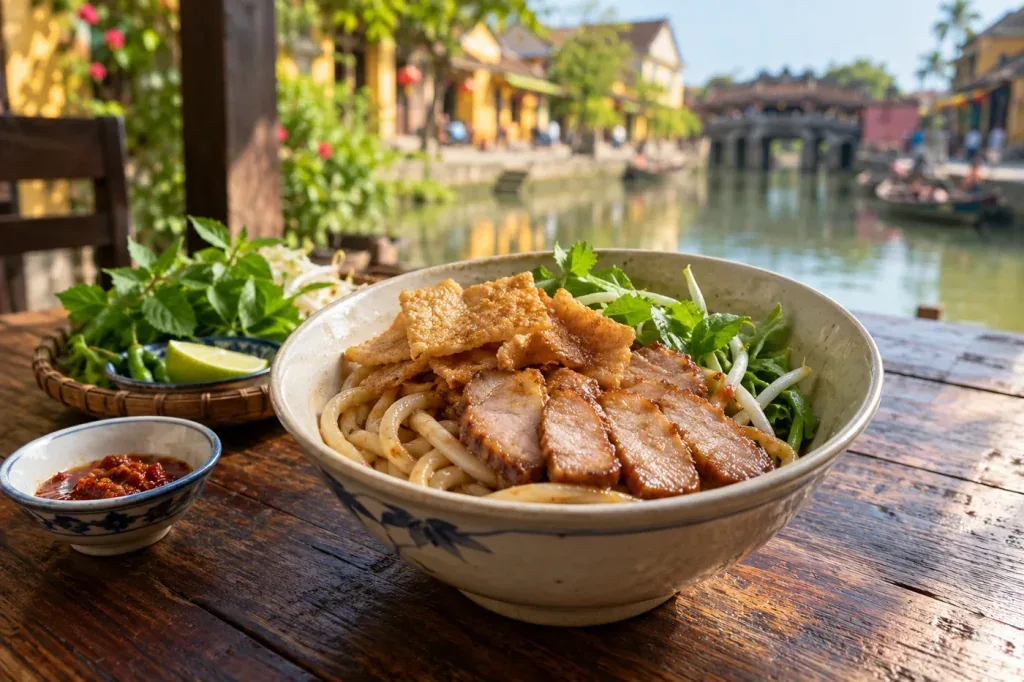
Start with cao lau, then consider hoanh thanh and white rose dumplings, all highlighted in Vietnam Tourism’s destination overview. Use meals to break up walking rather than racing between restaurant names. A simple plan is one noodle meal, one small-dish tasting and an unhurried dinner over a two-day stay.
Ask about ingredients if you avoid pork, shellfish or fish sauce; a vegetable garnish does not make a dish vegetarian. For a cooking class, confirm the menu, dietary adaptations, class language and whether any market visit is included before paying. Restaurant opening days and menus change, so this hub makes no unverified venue or review claims.
Suggested Hoi An itineraries

One day from Da Nang
Arrive with time to visit your chosen heritage interiors before they close. Walk the Ancient Town, include the Japanese Covered Bridge area, then have dinner and enjoy the evening streets. Confirm admission hours for the sites you want and an agreed return pickup. Use the detailed Hoi An day-trip guide to develop this outline.
Two days with an overnight stay
Day 1: focus on the Ancient Town and its heritage sites, with a break before dinner. Day 2: choose Tra Que or Cam Thanh, then spend time at An Bang if the weather suits. If you prefer a slower pace, select only one countryside or beach activity and return to the old town for another walk.
Three days with one excursion
Follow the two-day plan and add My Son for history or the Cham Islands for a sea-based outing. If conditions rule out the island trip, use the day for a pre-arranged class, a longer food break or more heritage interiors. Avoid attaching a weather-sensitive boat trip to an inflexible flight connection.
Hoi An travel FAQ
Is Hoi An worth staying overnight?
Yes, if the old town is a main interest. Staying nearby makes it easier to return at different times and avoids arranging a road journey back to Da Nang after every evening.
Do I need an Ancient Town ticket?
Plan to purchase the appropriate sightseeing ticket for the heritage sites you intend to enter. Check the official information and booth guidance for current inclusions and entry rules, and retain the ticket.
Should I stay in Da Nang or Hoi An?
Choose Da Nang for a city-and-beach base with wider regional outings; choose Hoi An when the historic town and surrounding countryside are the focus. Splitting nights can work when both experiences matter.
Can I visit My Son and the Cham Islands in one day?
This guide recommends separate days. Boat departures, road travel and time at each destination make the combination unnecessarily restrictive for a first visit.
Do I need a motorbike in Hoi An?
No. Walking, suitable cycling routes and booked rides are enough for the plans above. Choose transport according to the distance, conditions and your group’s needs.
Continue planning Central Vietnam
For the rest of your Central Vietnam route, compare our Da Nang travel guide and Hue travel guide before finalising accommodation and transfers.