Da Nang’s Best Ca Kho To: Caramelized Fish in Clay Pot 2026 is a dish that defines the city’s soulful, coastal cuisine. This isn’t just braised fish; it’s a perfectly balanced symphony of sweet, savory, and umami flavors, slow-cooked in a clay pot until the fish is tender and the sauce is a sticky, caramelized glaze. For food travelers in 2026, finding the perfect bowl of ca kho to in Da Nang is a quest for authenticity, a taste of local tradition that goes beyond tourist menus.
Da Nang’s ca kho to stands apart due to its use of fresh, local fish like snakehead (cá lóc) and a lighter, less cloying caramel sauce compared to southern versions. The clay pot is essential for even heat distribution and that signature sticky glaze. Top restaurants like Bà Già and Mì Quảng Ẩm Thực offer distinct experiences, from classic family recipes to modern interpretations with a river view. Pair it with steamed rice and a side of canh chua for the complete local experience.
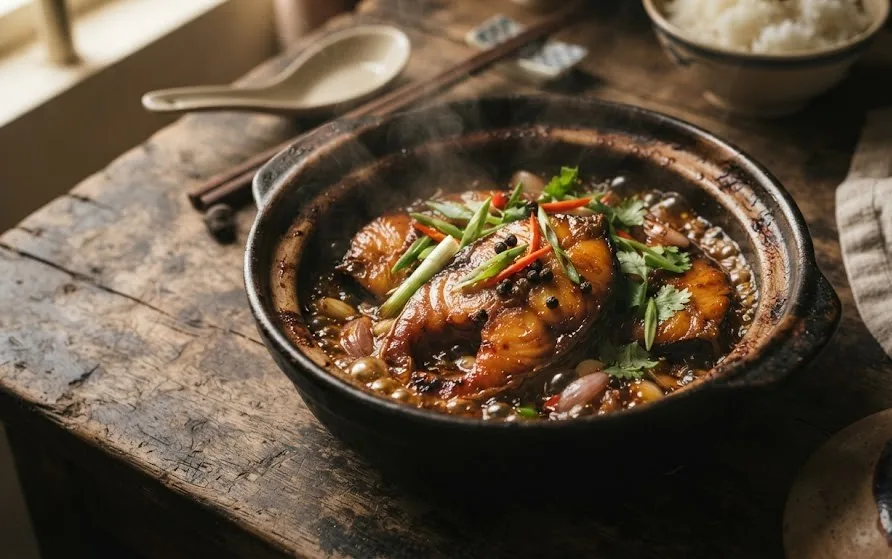
What Defines Da Nang’s Best Ca Kho To?
Da Nang’s best ca kho to is defined by three core elements: the choice of fish, the region’s unique caramel sauce, and the traditional clay pot cooking method. Understanding these components is the first step to appreciating why this dish is a must-try in 2026.
For another view of the city’s dining scene, the Michelin Guide’s Da Nang restaurant selection is worth scanning before you map out your food route.
The Central Role of Fresh, Local Fish (Cá Lóc vs. Cá Basa)
The fish is the star of the show. In Da Nang, the most prized choice is cá lóc (snakehead fish). This firm, freshwater fish holds its shape beautifully during the long braising process without becoming mushy. Its natural sweetness complements the caramel sauce perfectly. While cá basa (basa catfish) is a common and more affordable alternative, especially in southern Vietnam, it has a higher fat content and a softer texture. Locals in Da Nang argue that the leaner, more textured cá lóc delivers a superior, more authentic result.
The key is to look for a dish where the fish flakes apart easily with a chopstick but retains its structural integrity.
How Da Nang’s Caramel Sauce Differs from Other Regions
The caramel sauce (nước màu) is the soul of ca kho to. Da Nang’s version is distinct from the sweeter, more syrup-like caramel found in the Mekong Delta or the bolder, fish-sauce-heavy versions from the North. The Da Nang style strikes a balance. It uses a caramel made from sugar and water, cooked to a deep amber color for a complex, slightly bitter note that prevents the dish from being cloying. This is then balanced with a moderate amount of high-quality fish sauce, creating a savory-sweet glaze that clings to each piece of fish.
The result is a cleaner, more refined taste that lets the fish’s flavor shine through.
The Clay Pot Debate: Is It Essential for Authentic Flavor?
For purists in Da Nang, the clay pot (nồi đất) is non-negotiable. The porous clay heats evenly and retains heat for a long time, which is perfect for the slow braising process. This even heat distribution allows the sauce to reduce and caramelize gently without burning, creating that signature sticky glaze. The pot also imparts a subtle, earthy aroma that you can’t replicate in a metal pan.
While you can technically make the dish in a regular pot, the authentic ca kho to experience—the one you’ll find in Da Nang’s best eateries—is almost always cooked and served in a traditional clay pot.
| Element | Da Nang’s Signature | Why It Matters |
|---|---|---|
| Fish | Fresh Cá Lóc (Snakehead) | Firmer texture, holds shape, less fatty, local preference. |
| Caramel Sauce | Balanced, less sweet, slightly bitter edge | Allows fish flavor to shine, prevents cloying sweetness. |
| Cooking Vessel | Traditional Clay Pot (Nồi Đất) | Even heat distribution, perfect for caramelizing, imparts earthy aroma. |
Where to Find the Top 5 Ca Kho To Restaurants in Da Nang (2026 Edition)
For 2026, these five restaurants represent the best of Da Nang’s ca kho to scene, from classic clay pot experiences to modern twists with a view. Each offers a unique take on this beloved dish.
Restaurant 1: Bà Già – The Classic Clay Pot Experience
Located on a small alley off Đường 2/9, Bà Già is a no-frills institution. The menu is simple: one size of ca kho to, served bubbling hot in a traditional clay pot. The fish is always fresh cá lóc, and the caramel is perfectly balanced. A full meal with rice and a small side of canh chua costs around 50,000–70,000 VND. Open for lunch only (11:00 AM – 1:30 PM), it’s a true local spot where you eat, pay, and leave. The focus is purely on the food.
Restaurant 2: Mì Quảng Ẩm Thực – Modern Twist with a View
While famous for its namesake noodle dish, Mì Quảng Ẩm Thực (near the Dragon Bridge) serves an excellent ca kho to with a modern touch. They use a slightly thicker, more robust caramel sauce and often serve it with a side of pickled vegetables. The setting is more polished, with a view of the river. Portions are generous, and a serving costs around 90,000–120,000 VND. This is a great choice for a relaxed dinner where you can also sample other local specialties.
Restaurant 3: Cơm Niêu Đà Nẵng – Budget-Friendly and Family-Run
This family-run spot on Hoàng Diệu Street is a favorite among budget-conscious travelers. The ca kho to here is home-style cooking at its best. The recipe has been passed down for generations, featuring a slightly sweeter caramel that appeals to a wide range of palates. The portions are smaller, perfect for one person, and priced around 35,000–50,000 VND. The atmosphere is warm and welcoming, offering a genuine taste of a local family meal.
Restaurant 4: Quán Cây Sung – Hidden Gem in the Old Town
Tucked away on a quiet street near the Chăm Museum, Quán Cây Sung is a hidden gem. This small eatery is known for its intensely flavorful, spicy ca kho to. They add a generous amount of black pepper and fresh chili to the caramel, creating a bold, warming dish that’s perfect for cooler evenings. The clay pot is small and personal, and the service is friendly. A meal here costs around 60,000–80,000 VND, and it’s best to arrive early as they often sell out by 7:00 PM.
Restaurant 5: Bếp Nhà Tôi – Best for a Spicy, Bold Caramel
For those who like a kick, Bếp Nhà Tôi (My Home Kitchen) on Lê Duẩn Street is the place. Their ca kho to is famous for a bold, spicy caramel sauce that uses a blend of bird’s eye chili and ginger. The fish is fried briefly before being braised, giving it a slightly crispy exterior that soaks up the sauce. This is a modern, innovative take that appeals to adventurous palates. A serving with rice and a side salad costs around 80,000–100,000 VND.
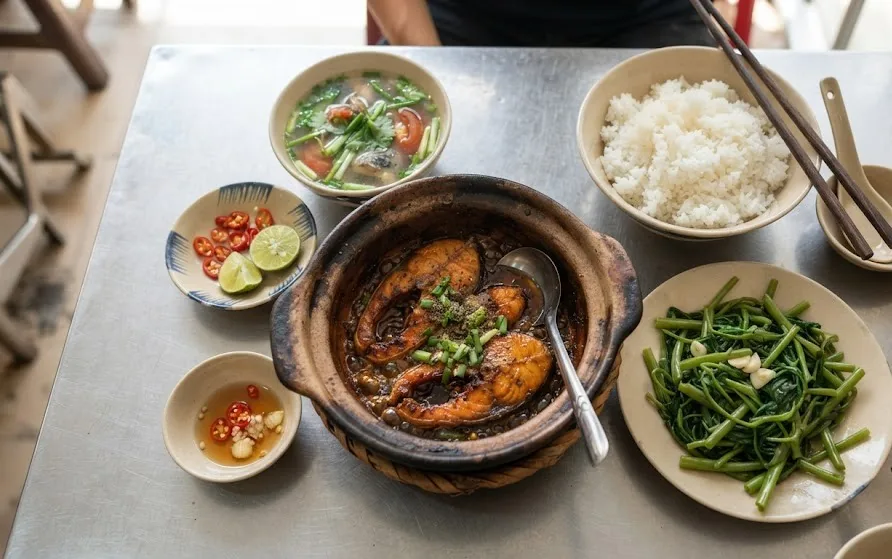
How to Order and Eat Ca Kho To Like a Local in Da Nang
Eating ca kho to like a local in Da Nang is a ritual involving the perfect pairing of sides, fresh herbs, and understanding the best time to enjoy it. Follow these steps for an authentic experience.
The Classic Pairing: Steamed Rice and a Side of Canh Chua
The rich, savory-sweet fish is always served with a bowl of steaming white rice. This neutral base is essential to balance the intense flavors. The quintessential side dish is a small bowl of canh chua, a light and tangy Vietnamese sour soup, often made with pineapple, tomatoes, and okra. The acidity of the canh chua cuts through the richness of the caramelized fish, cleansing your palate and making each bite of ca kho to taste as good as the first. Never skip this pairing.
Why You Should Never Skip the Fresh Herbs and Chili
A plate of fresh herbs (rau sống) is a standard accompaniment. This typically includes cilantro, mint, and sometimes Thai basil. The bright, herbaceous flavors provide a refreshing contrast to the deep, savory-sweet fish. Add a few slices of fresh chili (ớt tươi) directly into your bowl of fish and rice. The heat from the chili is not just for spiciness; it amplifies the other flavors and adds a layer of complexity that is essential to the local experience.
The Best Time of Day to Eat This Dish in Da Nang
While you can find ca kho to throughout the day, locals traditionally enjoy it for lunch. The dish is hearty and satisfying, providing sustained energy for the afternoon. Many of the best family-run spots, like Bà Già, only serve lunch. For dinner, the more modern restaurants like Mì Quảng Ẩm Thực offer a refined version, often enjoyed with a cold beer. In 2026, food tours are increasingly including ca kho to as a mid-day stop, highlighting its role as a central, comforting meal.
What Makes Da Nang’s Ca Kho To a 2026 Must-Try Dish?
Da Nang’s ca kho to is a 2026 must-try because it sits at the heart of the city’s booming food tourism, driven by local chefs who are innovating the traditional recipe while honoring its roots. It offers a unique, authentic taste that outperforms other Vietnamese kho varieties for travelers seeking a true culinary experience.
The Rise of Food Tourism in Da Nang and Its Culinary Identity
Da Nang has solidified its position as a premier food destination in 2026. The city’s culinary identity is built on fresh seafood and unique regional specialties. Ca kho to is a perfect representation of this. Unlike the street-food-focused scenes of Hanoi or Ho Chi Minh City, Da Nang’s food culture is centered around sit-down meals that highlight the quality of local ingredients. Food tours now regularly feature a ca kho to stop, positioning it as a must-eat dish alongside the famous Mì Quảng and Bánh Xèo.
This focus on a singular, well-executed dish is what makes it so compelling for travelers.
How Local Chefs Are Innovating the Traditional Recipe
In 2026, Da Nang’s chefs are not just preserving tradition; they are building on it. At restaurants like Bếp Nhà Tôi, chefs are experimenting with different types of fish, such as grouper or red snapper, for a more premium experience. Others are adding unexpected ingredients like star anise or lemongrass to the caramel for a more aromatic profile. Cooking classes in Da Nang are also teaching visitors how to make their own version of the caramel sauce, focusing on the technique of achieving the perfect deep amber color without burning the sugar.
This spirit of innovation ensures the dish remains relevant and exciting.
Why This Dish Outperforms Other Vietnamese Kho Varieties for Travelers
For a traveler, ca kho to is the ideal introduction to the world of Vietnamese “kho” (braised) dishes. Unlike the more sour or heavily spiced kho versions from other regions, Da Nang’s version is universally appealing. The flavor profile of sweet, salty, and umami is familiar and comforting, making it an easy dish to love even for first-time visitors. The single-serving clay pot format is also perfect for solo diners. It’s a complete, balanced meal in one pot, offering a deep, satisfying taste of local culture without requiring an adventurous palate.
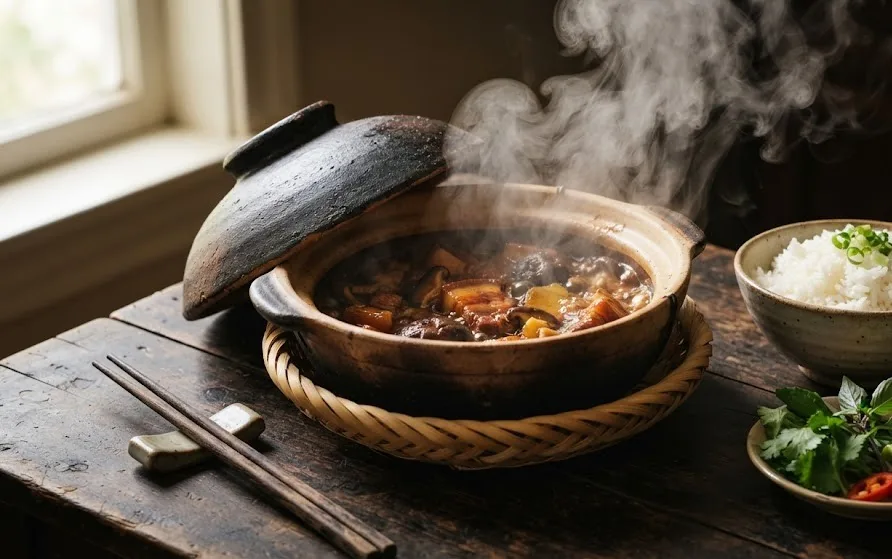
Essential Tips for Enjoying Ca Kho To: A Quick Guide for First-Timers
First-timers can elevate their ca kho to experience by knowing what to look for in quality, how to manage sweetness, and avoiding one common tourist mistake. Follow these quick tips for a perfect meal.
What to Look for in a High-Quality Clay Pot Fish Dish
- The Glaze: The sauce should be thick, glossy, and caramelized, clinging to the fish and rice, not watery or thin.
- The Fish: The fish should be firm but flake easily with a chopstick. It should not be dry or falling apart into a mush.
- The Aroma: A deep, savory-sweet aroma with a hint of caramelized sugar and fish sauce. It should smell rich and inviting, not burnt or overly pungent.
- The Clay Pot: The clay pot should be hot and bubbling when served, indicating it was freshly cooked. A cold or lukewarm pot is a bad sign.
How to Manage the Sweetness Level to Your Preference
If you prefer a less sweet dish, you can ask for it “ít ngọt” (ee-uh ngawt). Most cooks are happy to adjust the caramel balance. Alternatively, you can add a squeeze of fresh lime or a dash of extra fish sauce to your individual bowl to cut the sweetness. The local way is to embrace the balance, but a small adjustment can make the dish perfect for your palate.
The One Mistake Tourists Make When Ordering
The most common mistake is ordering the “combo” or “set meal” without asking what it includes. Many tourist-oriented places will automatically add an egg, extra vegetables, or a spring roll, which can change the flavor profile and increase the price. To eat like a local, order a single serving of ca kho to (một nồi cá kho tộ) and a bowl of rice (một bát cơm). You can then add a side of canh chua or fresh herbs if you wish. This ensures you get the pure, unadulterated dish.
Related on this site
- Da Nang’s Top Rau Muong Xao: Water Spinach Stir-Fry Favorites 2026
- Da Nang’s Best Nom Hoa Chuoi: Banana Flower Salad Spots 2026
- Da Nang’s Best La Vong: Grilled Fish with Turmeric and Dill 2026
- Cooking classes in Da Nang
Frequently Asked Questions About Da Nang’s Ca Kho To
Is ca kho to spicy?
Traditionally, it is mildly spiced with black pepper. However, many Da Nang restaurants offer a spicy version with fresh chili. You can always ask for it “không cay” (without spice) if you prefer.
Can I find vegetarian ca kho to in Da Nang?
It is very rare. The dish is fundamentally built on fish and fish sauce. Some vegetarian restaurants might offer a version using tofu and mushrooms, but it is not a common local adaptation.
What is the best drink to pair with ca kho to?
A cold, light lager like Bia Saigon or Bia Hà Nội is the classic choice. The crisp, cold beer cuts through the richness of the dish perfectly. For a non-alcoholic option, iced tea (trà đá) is the standard.
Is it safe for people with a fish allergy?
No, this dish is not safe. It is made with fish and fish sauce. Even the caramel sauce often contains fish sauce, so there is no risk-free option for those with allergies.
How much does a serving of ca kho to typically cost in Da Nang?
Prices range from 35,000 VND at a budget, family-run spot to 120,000 VND at a more upscale restaurant with a view. A standard, good-quality serving at a local eatery is usually between 50,000 and 80,000 VND.
What is the difference between ca kho to and ca kho riêu?
Ca kho to is braised in a clay pot with a rich caramel sauce until the liquid is reduced to a sticky glaze. Ca kho riêu is a soupier version, often with turmeric and dill, and is not caramelized.
Can I take ca kho to to go?
Yes, many places offer takeaway. However, the dish is best enjoyed fresh from the clay pot. The sauce will continue to thicken and the fish may become drier as it cools in a container.
Conclusion
Da Nang’s best ca kho to in 2026 is more than a meal; it’s a direct line to the city’s culinary heart. From the choice of local cá lóc to the perfectly balanced caramel and the essential clay pot, every detail matters. Whether you choose the classic experience at Bà Già or a modern twist at Bếp Nhà Tôi, you’re tasting a tradition that’s both deeply rooted and dynamically evolving.
Your next step is simple: pick a restaurant from this list, order a nồi cá kho tộ with a bowl of rice, and enjoy one of the most authentic dishes Da Nang has to offer.