Planning a Da Nang pottery workshop trip in 2026 means choosing between the heritage-rich Thanh Ha Pottery Village near Hoi An and newer studios inside the city, each offering a different hands-on ceramics experience. This guide covers everything from transport options and costs to the step-by-step pottery-making process, so you know exactly what to expect before you get your hands dirty.
Da Nang pottery workshops in 2026 split into two clear categories: Thanh Ha Pottery Village near Hoi An, where artisans still use traditional foot-powered wheels and hand-building techniques, and modern city studios offering wheel-throwing classes for beginners. Entry fees at Thanh Ha range from 30,000 to 75,000 VND including one product and wheel experience, while city workshops typically charge 250,000 to 450,000 VND per session. Most visitors spend 20 to 60 minutes shaping their piece, then wait 5 to 7 days for drying, firing, and delivery.
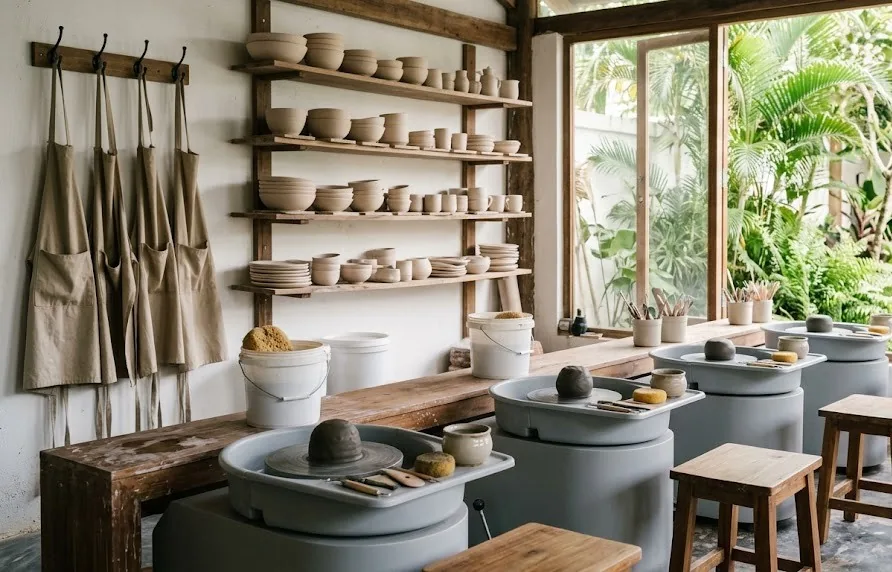
Da Nang Pottery Workshop: Overview of the Experience in 2026
The pottery scene around Da Nang has grown beyond the famous village of Thanh Ha, giving visitors more options than ever to make their own ceramics. In 2026, you can choose between a cultural heritage experience at Thanh Ha Pottery Village, located about 10 minutes from Hoi An and roughly 30 minutes from central Da Nang, or a more contemporary studio session within the city itself. Both options let you shape, decorate, and keep a handmade piece, but the atmosphere, techniques, and costs differ.
Why Da Nang Became a Standout Pottery Destination in 2026
Da Nang’s pottery appeal comes from its proximity to Thanh Ha, a 500-year-old craft village where generations of families have produced distinctive reddish-brown ceramics using local clay. Unlike mass-produced souvenirs, pieces made here carry the mark of traditional Vietnamese craftsmanship. The city’s growing expat community has also fueled demand for creative activities, leading to several art studios opening wheel-throwing and hand-building classes in central Da Nang. This combination of ancient craft and modern creative culture makes the area uniquely positioned for pottery experiences.
Thanh Ha Pottery Village vs City Studios: Which One to Choose
Choosing between Thanh Ha and a city studio depends on what you value more: authenticity or convenience. Thanh Ha offers the full heritage experience with artisans who have worked clay their entire lives, using techniques passed down through families. You will see the entire production process, from raw clay to finished fired pots, in a rustic village setting. City studios in Da Nang offer easier access, shorter sessions, and often a more polished environment with modern equipment.
If you want cultural immersion, go to Thanh Ha; if you want a quick, comfortable creative break between beach visits, pick a city workshop.
Who Should Try a Pottery Workshop in Da Nang
Pottery workshops suit nearly every type of traveler. Families with children aged five and up will find the hands-on nature engaging, though younger kids need supervision and simpler projects like pinch pots. Couples looking for a memorable activity beyond dinner and drinks will enjoy the collaborative, tactile experience. Solo travelers, especially digital nomads and expats, often use pottery classes as a way to meet locals and other creatives in a relaxed setting. Even complete beginners with zero artistic skill can produce something presentable, since the artisans guide you through every step.
Preparing for Your Pottery Workshop in Da Nang
Preparation determines how comfortable and enjoyable your Da Nang pottery workshop experience will be. A few simple choices about timing, clothing, and budgeting can make the difference between a rushed, messy session and a relaxed, productive one. Here is what you need to know before you arrive.
Ideal Time of Day: Morning or Late Afternoon?
Morning sessions between 8:00 and 10:00 AM are the best choice for a pottery workshop in Da Nang. The air is cooler, the light is softer for photos, and the artisans are fresh and more patient with beginners. Late afternoon, after 3:00 PM, also works well because the heat has started to ease and the crowds from midday tours have thinned out. Avoid midday hours from 11:00 AM to 2:00 PM, especially during the hot season from March to August, when the sun is intense and the studios can feel stuffy and crowded.
Clothing and Items to Bring
Wear clothes you do not mind getting dirty, because clay splashes and slips are inevitable. Short sleeves and shorts or rolled-up pants work best in the tropical climate. Bring an apron if you have one, though most workshops provide them. Remove rings, bracelets, and watches before starting, as clay gets trapped in jewelry and can scratch your piece. For footwear, closed-toe sandals or shoes protect your feet from clay shards on the floor.
Bring a small towel and hand wipes, and if you wear long hair, a hair tie is essential to keep it out of the way while you lean over the wheel.
Expected Costs: Entry Fees, Workshop Fees, Firing, and Shipping
The total cost of a Da Nang pottery workshop includes more than just the class itself. Budget carefully using this breakdown:
- Thanh Ha Pottery Village entry fee: 30,000 to 75,000 VND per person, which typically includes one product and a wheel experience
- City studio classes: 250,000 to 450,000 VND for a 1.5 to 2-hour session with all materials
- Firing fee: Often separate, ranging from 50,000 to 100,000 VND per piece, depending on size
- Local delivery: 50,000 to 150,000 VND to your hotel in Da Nang or Hoi An
- International shipping: Approximately 500,000 to 1,500,000 VND depending on weight and destination country
Many visitors overlook the firing and shipping costs, assuming the workshop fee covers everything. Ask upfront what is included to avoid surprises. Some city studios bundle firing into the class price, while Thanh Ha charges it separately.
Getting from Central Da Nang to Pottery Workshops
Transportation from Da Nang to the pottery workshops is straightforward, but the distance and cost vary significantly depending on whether you head to Thanh Ha Pottery Village or a city studio. Plan your route in advance to avoid wasting time and money on the day of your session.
Grab or Taxi: Cost and Time Estimates
Taking a Grab car from central Da Nang to Thanh Ha Pottery Village is the most convenient option for those who do not want to drive. The journey covers roughly 30 kilometers and takes 35 to 45 minutes depending on traffic. Expect to pay between 150,000 and 250,000 VND for a GrabCar, with prices peaking during rainy weather or rush hour. A traditional taxi may cost slightly more, around 250,000 to 300,000 VND. For city studios, a Grab ride within Da Nang costs just 30,000 to 70,000 VND and takes 10 to 20 minutes depending on your starting point.
Driving Yourself: Detailed Route from Central Da Nang
If you are comfortable on a motorbike, driving yourself offers flexibility and lower cost. From central Da Nang, head south along the coast road toward Hoi An. The most direct route takes you over the Thuận Phước Bridge, then continues on the main coastal highway (QL1A) toward Hoi An. After about 25 kilometers, look for signs directing you to Thanh Ha Pottery Village, which sits just before Hoi An’s old town. The total drive takes 30 to 40 minutes. Rent a motorbike for the day at 120,000 to 150,000 VND from most rental shops in Da Nang.
For city studios, simply follow Google Maps; most are located in the An Thuong area near My Khe Beach or in the city center.
Combining with a Hoi An Tour: The Cost-Effective Option
If visiting Thanh Ha Pottery Village, consider combining it with a broader Hoi An day tour. Many tour operators offer packages that include the pottery village, the ancient town, and sometimes a lantern-making class or boat ride. These combination tours typically cost 400,000 to 800,000 VND per person including transport, which is more economical than booking separate trips. The pottery village is only 10 minutes from Hoi An’s old town, so you can easily spend an hour making ceramics, then explore the lantern-lit streets in the evening. This approach turns a simple workshop visit into a full cultural day trip.
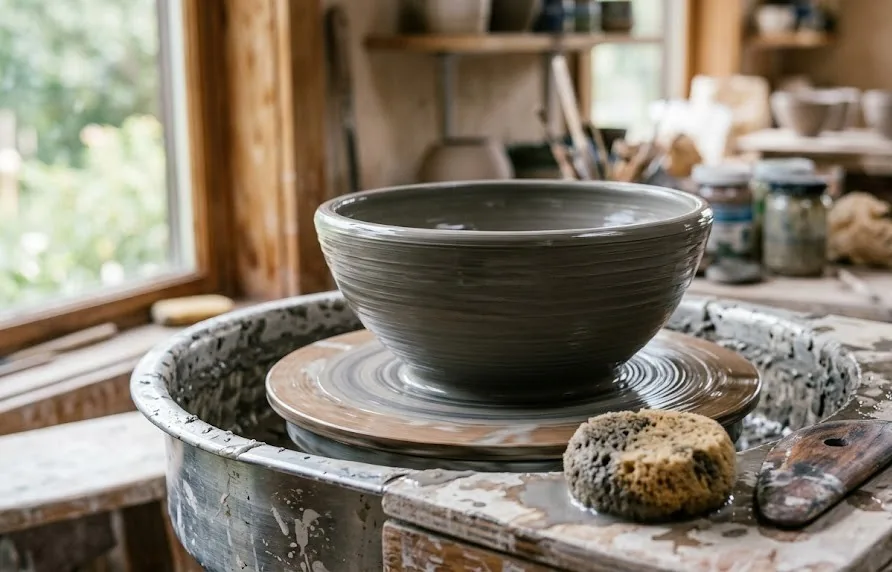
The Handmade Pottery Process: From Clay to Finished Piece
Understanding the pottery-making process before you start helps you appreciate the craft and perform better during your session. The artisans at Thanh Ha Pottery Village use techniques refined over centuries, and knowing what comes next makes each step more meaningful. Here is the complete process you will experience.
Step 1: Selecting and Wedging the Clay
Your session begins with choosing the right clay. Thanh Ha Pottery Village uses local clay with a high iron content, which gives the finished pieces their characteristic reddish-brown color after firing. The artisan shows you how to wedge the clay, a kneading process that removes air bubbles and ensures uniform moisture. This step is essential because trapped air causes the piece to explode in the kiln. You will feel the clay’s texture and learn to identify when it is ready for shaping.
The wedging motion, similar to kneading bread dough, takes about five minutes and prepares the clay for the wheel or hand-building.
Step 2: Hand-Building and Foot-Powered Wheel Techniques
Thanh Ha is one of the few places in Vietnam where artisans still use the traditional foot-powered wheel, a technique that requires remarkable coordination. Unlike electric wheels, the foot pedal gives you direct control over speed, but it demands constant leg movement. For beginners, the artisans often start with hand-building techniques like pinch pots or coil building, which do not require a wheel at all. You roll clay into ropes, stack them in a spiral, and smooth the walls with your fingers. This method is more forgiving than wheel throwing and produces charming, organic shapes.
More confident participants can try the foot wheel with the artisan guiding your hands and feet simultaneously.
Step 3: Shaping on the Wheel: Balance Tips for Beginners
If you attempt wheel throwing, the key challenge is keeping your hands steady while the wheel spins. The artisan will guide you through centering, the process of pressing the clay into a symmetrical cone in the center of the wheel. Keep your elbows locked against your thighs for stability, and use water sparingly to keep the clay lubricated. The most common beginner mistake is gripping too tightly, which causes the clay to wobble and collapse. Relax your hands and let the wheel do the work.
Expect your first attempt to be imperfect; even experienced potters take years to master the wheel. The artisans at Thanh Ha are patient and will help you salvage your piece if it starts to deform.
Step 4: Decorating, Carving, and Surface Finishing
Once your piece is shaped, you move to the decoration stage. This is where your creativity shines. You can carve patterns into the surface using wooden tools, paint with colored slips, or create textured designs by pressing objects into the clay. Traditional Thanh Ha patterns include geometric motifs, flowers, and dragon scales, but you are free to create your own design. The artisans demonstrate how to apply underglaze paints that will develop their final color during firing. This step takes 10 to 20 minutes and is the most photogenic part of the process, so have your camera ready.
After decorating, your piece is set aside to dry slowly for several days before it can be fired.

Finishing Timeline: Drying, Firing, and Receiving Your Pottery
Your handmade ceramic does not leave the workshop ready to use. The drying and firing process takes several days, and planning for this timeline is crucial, especially if you are only in Da Nang for a short trip. Here is what happens after you finish shaping your piece.
How Long Does Drying and Firing Take?
After you finish decorating, your piece must dry completely before it can be fired. This drying phase takes 2 to 3 days, depending on the humidity and the thickness of your piece. Rushing this step causes cracking or warping. Once dry, the piece is loaded into the kiln and fired at temperatures between 1,000 and 1,200 degrees Celsius. The firing cycle itself takes 8 to 12 hours, followed by a slow cooling period. In total, expect to wait 5 to 7 days from your workshop session to when your finished piece is ready.
Plan your visit accordingly if you want to receive your pottery before leaving Vietnam.
Collecting In-Person or Home Delivery: Which Works Best
If you are staying in Da Nang or Hoi An for more than a week, collecting your piece in person is the most reliable option. The workshop will wrap your pottery carefully in newspaper and bubble wrap. For those with tight itineraries, most workshops offer delivery to your hotel in Da Nang or Hoi An for a fee of 50,000 to 150,000 VND. This is the safer choice if you are moving between accommodations, as it ensures you do not forget your piece. Before accepting delivery, inspect the pottery for any cracks or damage that may have occurred during firing.
Do Workshops Ship Internationally?
International shipping is available at most workshops, but it comes with important caveats. Ceramics are fragile and heavy, making shipping costs relatively high at 500,000 to 1,500,000 VND depending on destination and package size. The workshop will wrap your piece with extra padding and use a sturdy box, but there is always a risk of damage during transit. Ask about insurance options and get a tracking number. For travelers heading to Australia, the United States, or Europe, shipping can take 2 to 4 weeks.
If you are concerned about breakage, consider choosing a smaller, sturdier piece like a mug or small bowl rather than a tall, delicate vase.
Important Tips for a Complete Pottery Workshop Experience
A few insider tips can elevate your Da Nang pottery workshop from a fun activity to an unforgettable experience. These practical suggestions cover booking, family participation, and photography, helping you avoid common pitfalls.
Booking Ahead During Peak Season: Which Time Slots Fill Up?
Da Nang’s peak tourist season runs from March to August, when the weather is dry and sunny. During this period, pottery workshops fill up quickly, especially the morning slots. Book at least one to two days in advance through your hotel, a tour operator, or directly with the workshop. Weekend slots are the most competitive, as local families and expats also join sessions. If you are flexible, weekday afternoons after 2:00 PM are easier to book and offer a quieter, more personal experience.
During the rainy season from September to February, walk-ins are usually fine, but calling ahead is still recommended.
Can Children Participate? Minimum Age and Supervision
Children aged five and up can participate in pottery workshops, but they need proper supervision. Younger children can make simple pinch pots or decorate pre-made pieces, activities that do not require the pottery wheel. The foot-powered wheel at Thanh Ha is too complex for young children, so request hand-building activities instead. Most workshops do not have a strict minimum age, but you know your child’s attention span best. Plan for a shorter session of 20 to 30 minutes for young kids, and be prepared to help them throughout.
The artisans are generally good with children and will adjust their teaching style accordingly.
Photography Tips: Capturing Great Shots Without Disturbing Artisans
Pottery workshops offer excellent photo opportunities, but respect the artisans’ workspace. Use natural light from windows or doorways rather than flash, which can be harsh and distracting. Position yourself at an angle where you can capture both the artisan’s hands and your own piece without getting in the way. The decoration stage is the most photogenic, as the colorful slips and carving tools create visual interest. Ask permission before photographing the artisans themselves, and offer to share the photos with them afterward. Many visitors find that candid shots of their own hands working the clay make the most meaningful souvenirs.
Comparison: Thanh Ha Pottery Village vs. Da Nang City Studios
| Feature | Thanh Ha Pottery Village | Da Nang City Studios |
|---|---|---|
| Location | Near Hoi An (approx. 30 mins from Da Nang) | Central Da Nang |
| Atmosphere | Traditional, rustic, cultural heritage | Modern, contemporary, creative |
| Techniques | Foot-powered wheel, hand-building, traditional methods | Electric wheel-throwing, hand-building, beginner-friendly |
| Session Length | Variable (often 1-2 hours for experience) | Typically 1.5-2 hours |
| Cost (approx.) | 30,000 – 75,000 VND (entry + basic experience) | 250,000 – 450,000 VND (per session) |
| Firing/Shipping | Usually separate fees | May be included or separate |
| Best For | Cultural immersion, authentic craft experience | Convenience, quick creative activity, modern facilities |
Related on this site
- The Art of Vietnamese Calligraphy: A Da Nang Workshop Experience 2026
- Da Nang Night Market Shopping: What to Buy and Eat 2026
- Top 10 Must-See Street Murals in Da Nang
Frequently Asked Questions
How much does a pottery workshop in Da Nang cost?
Thanh Ha Pottery Village charges 30,000 to 75,000 VND for entry including one product and wheel experience. City studios in Da Nang charge 250,000 to 450,000 VND for a full class. Firing fees of 50,000 to 100,000 VND per piece are often separate.
How long does a pottery class take?
Most sessions last 20 to 60 minutes, depending on the complexity of your project and whether you are working on the wheel or hand-building. City studio classes typically run 1.5 to 2 hours including instruction and decoration.
Can beginners join a pottery workshop?
Absolutely. No experience is needed, and the artisans guide you through every step. The techniques are simple enough for complete beginners to produce a decent piece, and the artisans are patient with first-timers.
Is Thanh Ha Pottery Village the same as a Da Nang city workshop?
No. Thanh Ha is a heritage village near Hoi An, about 30 minutes from Da Nang, offering traditional techniques and cultural immersion. City workshops in Da Nang offer modern facilities and shorter sessions, but lack the historical atmosphere.
Can I take my pottery home the same day?
No. Your piece needs 2 to 3 days to dry and 8 to 12 hours to fire, plus cooling time. The total wait is 5 to 7 days. You can collect it in person, have it delivered to your hotel, or arrange international shipping.
What should I wear to a pottery workshop?
Wear clothes you do not mind getting dirty, remove jewelry, and tie back long hair. Closed-toe shoes protect your feet from clay shards. Most workshops provide aprons.
Conclusion
A Da Nang pottery workshop in 2026 offers more than a souvenir; it gives you a hands-on connection to Vietnamese craft culture. Whether you choose the heritage experience at Thanh Ha Pottery Village or a modern studio in the city, you will leave with a piece shaped by your own hands and a deeper appreciation for the artisan’s skill. Plan your timing around the 5 to 7 day finishing process, budget for firing and shipping, and book ahead during peak season. The result is a personal memento that no souvenir shop can replicate.
Part of our guide to things to do in Da Nang.