Da Nang, a vibrant coastal city in Vietnam, offers more than just stunning beaches and modern architecture. It’s a city steeped in spiritual heritage, where ancient temples and serene pagodas stand as testaments to centuries of faith and tradition. Exploring these sacred sites provides a profound opportunity for cultural immersion, allowing visitors to connect with the local way of life and discover the spiritual heart of Central Vietnam.
From the intricate carvings of Buddhist deities to the tranquil gardens that offer moments of reflection, these religious landmarks are essential stops for anyone seeking a deeper understanding of Da Nang’s rich cultural tapestry.
Quick Summary: Da Nang boasts numerous temples and pagodas, offering a gateway to Vietnamese Buddhism and local culture. Key sites like Linh Ung Pagoda (Son Tra Peninsula) with its giant Lady Buddha statue and Marble Mountains’ pagodas provide spiritual insights and breathtaking views, attracting millions of visitors annually seeking cultural enrichment and peace.
Updated: May 8, 2026 · Reading time: 7 min · Expertise: Cultural Tourism & Vietnamese Heritage
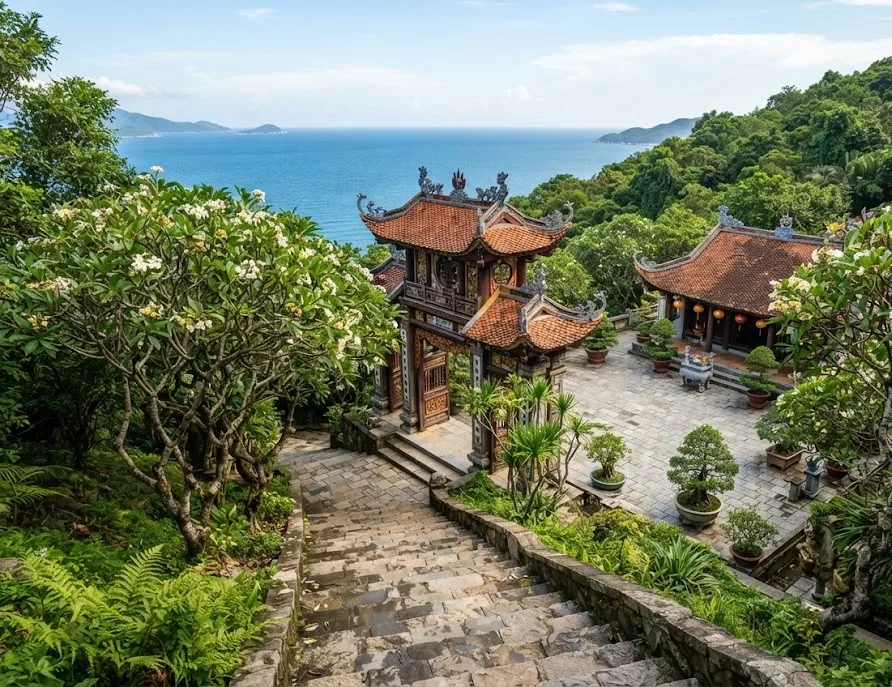
The Spiritual Landscape of Da Nang
Da Nang’s spiritual landscape is a captivating blend of Mahayana Buddhism and local folk beliefs, deeply interwoven with the fabric of daily life. For centuries, these sacred sites have served as centers for worship, community gathering, and artistic expression. They are not merely places of religious significance but also architectural marvels, showcasing exquisite craftsmanship and centuries-old traditions. Visiting these temples and pagodas offers a unique lens through which to appreciate Vietnam’s history, art, and enduring spiritual practices.
The serene atmosphere and intricate details provide a peaceful escape from the bustling city, inviting contemplation and a sense of connection to the past.
Understanding Buddhist Architecture in Da Nang
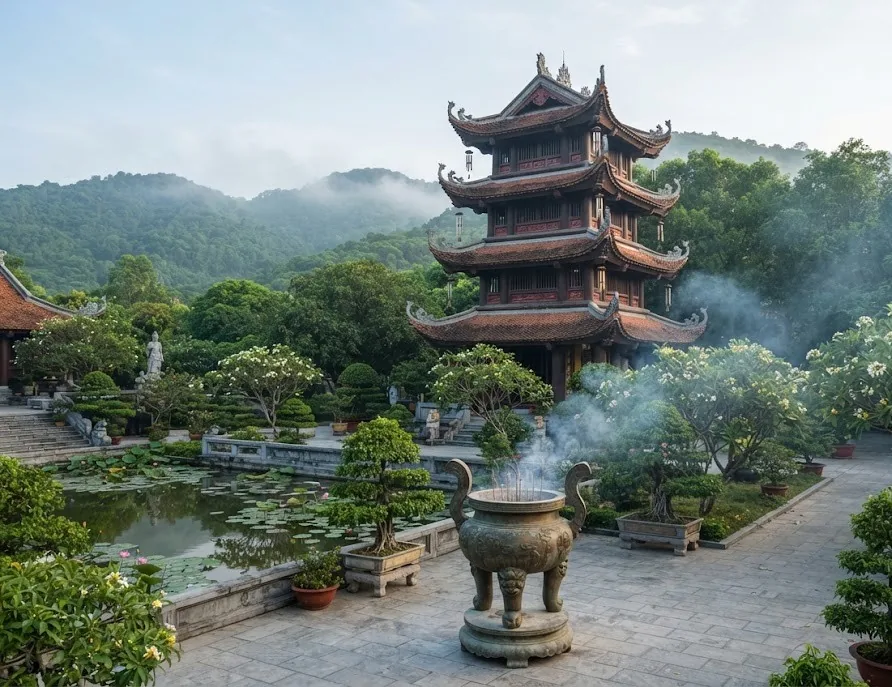
The architecture of Da Nang’s temples and pagodas reflects a rich history and diverse influences. Many structures feature traditional Vietnamese design elements, such as curved roofs, intricate wood carvings, and vibrant ceramic decorations. The layout often includes a main sanctuary, courtyards, and surrounding buildings, each with its specific purpose within the monastic community. Symbolism is paramount, with motifs of dragons, phoenixes, and lotus flowers adorning the buildings, each carrying specific meanings within Buddhist cosmology.
- Key Architectural Elements:
- Curved roofs with decorative ridgelines.
- Intricate wood carvings depicting Buddhist stories and mythological creatures.
- Vibrant ceramic mosaics and statues.
- Pagoda towers (Thap) with multiple stories, symbolizing spiritual ascent.
- Serene courtyards with bonsai trees and ornamental ponds.
Must-Visit Temples and Pagodas
Da Nang is home to several significant religious sites, each offering a distinct experience. These locations are not only places of worship but also popular tourist attractions, drawing visitors with their beauty, history, and spiritual significance. Planning a visit to these sites can be a highlight of any trip to the region, providing memorable insights into Vietnamese culture and spirituality.
Linh Ung Pagoda (Son Tra Peninsula)
Linh Ung Pagoda, perched on the Son Tra Peninsula, is arguably Da Nang’s most iconic spiritual landmark. Its most striking feature is the colossal statue of the Goddess of Mercy (Quan Am), standing 67 meters tall, overlooking the East Sea. This majestic statue is a beacon of hope and protection for local fishermen and visitors alike. The pagoda complex itself is expansive, featuring beautiful gardens, smaller shrines, and stunning panoramic views of the coastline and the city.
- Highlights of Linh Ung Pagoda:
- The towering 67-meter-tall Lady Buddha statue.
- Panoramic views of Da Nang Bay and the East Sea.
- Intricate Buddhist architecture and serene garden settings.
- A peaceful atmosphere conducive to reflection and prayer.
- The presence of many local devotees offering prayers.
The Marble Mountains (Ngũ Hành Sơn)
The Marble Mountains are a cluster of five limestone and marble hills, each named after a natural element: Kim (Metal), Thuy (Water), Tho (Earth), Hoa (Fire), and Moc (Wood). Within these mountains lie numerous natural caves that have been transformed into sacred Buddhist pagodas and sanctuaries. The most visited are within Thuy Son, the largest of the hills. Exploring these pagodas involves climbing stairs and navigating through cave systems, offering a unique blend of natural beauty and spiritual exploration.
Huyen Khong Cave Pagoda
Huyen Khong Cave is one of the most awe-inspiring pagodas within the Marble Mountains. Natural light filters through openings in the cave ceiling, illuminating ancient Buddhist statues and creating a mystical ambiance. The sheer scale of the cave, combined with the spiritual artifacts, makes for a deeply moving experience.
Tam Thai Pagoda
Located on Thuy Son mountain, Tam Thai Pagoda is one of the oldest pagodas in Da Nang, dating back to the 17th century. It features impressive architecture and several Buddha statues, including a large white stone Buddha. The pagoda offers a tranquil escape with beautiful views.
Phuoc Nghiem Pagoda
Phuoc Nghiem Pagoda, located closer to the city center, is a significant Buddhist site known for its peaceful ambiance and traditional architecture. While perhaps less grand than Linh Ung Pagoda, it offers a more intimate glimpse into local religious practices. The pagoda often hosts community events and provides a quiet space for meditation and prayer away from the main tourist trails.
Chua Ong Temple
Chua Ong Temple, also known as the Fujian Assembly Hall, is a fascinating example of Chinese influence on Da Nang’s religious sites. While not strictly a Buddhist pagoda, it is a significant cultural and spiritual landmark dedicated to the sea goddess Thien Hau. The temple is renowned for its ornate architecture, colorful murals, and intricate carvings, reflecting the heritage of Chinese merchants who settled in the area. It serves as a vibrant hub for the local Chinese-Vietnamese community.
Insight: Chua Ong Temple showcases the syncretic nature of Vietnamese spiritual beliefs, blending Buddhism with Taoism and folk deities.
Experiencing Cultural Immersion
Visiting Da Nang’s temples and pagodas is an opportunity to go beyond sightseeing and engage with the local culture on a deeper level. Respectful observation and participation can enrich the experience significantly.
Etiquette and Respectful Visiting
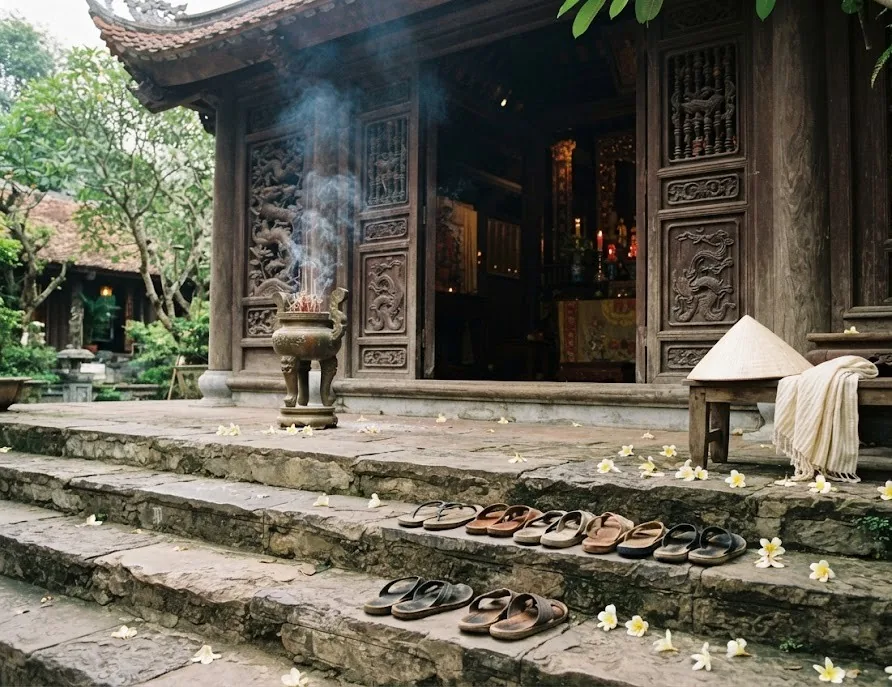
When visiting any religious site, it’s crucial to observe proper etiquette to show respect for the sacredness of the place and the devotees. This includes dressing modestly, covering shoulders and knees, and refraining from loud conversations or disruptive behavior. It is also customary to remove shoes before entering main prayer halls.
- Key Etiquette Guidelines:
- Dress modestly: wear clothing that covers shoulders and knees.
- Speak softly and avoid loud noises.
- Ask permission before taking photos, especially of people praying.
- Remove shoes before entering prayer halls.
- Do not touch religious artifacts or statues without permission.
- Offer a small donation if you wish to support the upkeep of the site.
Participating in Local Traditions
While not always expected, respectful participation in local traditions can be a rewarding aspect of cultural immersion. This might include observing monks chanting, witnessing prayer ceremonies, or making a small offering. Understanding the significance of these practices adds another layer to the visitor’s experience.
Real example: A visitor might observe the morning or evening chanting sessions at a pagoda, appreciating the rhythmic recitation and the spiritual devotion of the monks and local worshippers.
The Role of Temples in Community Life
Temples and pagodas in Da Nang are more than just tourist attractions; they are active community centers. They serve as places for religious ceremonies, festivals, social gatherings, and sometimes even provide charitable services. Understanding this role helps appreciate their importance in the daily lives of Da Nang’s residents.
Planning Your Visit
To make the most of your temple and pagoda visits in Da Nang, a little planning can go a long way. Consider the best times to visit and how to navigate between these sites efficiently.
Best Time to Visit
The dry season, from January to August, is generally the most pleasant time to visit Da Nang, offering sunny days ideal for exploring outdoor sites like the Marble Mountains and Son Tra Peninsula. However, visiting during local Buddhist festivals, such as the full moon days or the Lunar New Year (Tet), can offer a unique cultural experience, though these times may also be more crowded.
Transportation Options
Getting to and from Da Nang’s temples and pagodas is relatively straightforward. Taxis and ride-sharing services are readily available for convenient transport. For those visiting the Marble Mountains or Son Tra Peninsula, renting a motorbike offers flexibility and a more adventurous way to explore. Local buses also serve some of these areas, providing a budget-friendly option for travelers.
Step 1 – Research: Identify which temples and pagodas align with your interests, considering their location and accessibility.
Step 2 – Itinerary: Group nearby sites together to optimize travel time. For instance, combine Marble Mountains with nearby pagodas.
Step 3 – Transport: Choose your preferred mode of transport based on budget and desired flexibility.
Step 4 – Attire: Ensure you have appropriate modest clothing packed for your visits.
Related on this site
- Da Nang’s Must-Visit Museums: Art, History, and Culture 2026
- Da Nang’s Cultural Festivals Calendar: Events You Can’t Miss in 2026
Frequently Asked Questions
What is the most famous pagoda in Da Nang?
Linh Ung Pagoda on the Son Tra Peninsula is the most famous, primarily due to its enormous Lady Buddha statue and panoramic ocean views.
Do I need to pay an entrance fee for pagodas?
Most pagodas are free to enter. However, some attractions within larger complexes, like the Marble Mountains, may have entrance fees for specific caves or areas.
What is the best way to dress when visiting temples?
Modest clothing is essential. This means covering your shoulders and knees. Avoid revealing attire like shorts or tank tops.
Can I take photos inside the pagodas?
Generally, photography is allowed in outdoor areas and sometimes within pagodas. However, always look for signs or ask permission before photographing inside prayer halls or of people.
Are there guided tours available for these sites?
Yes, numerous local tour operators offer guided tours that cover the main temples and pagodas, providing historical context and cultural insights.
Conclusion
Da Nang’s temples and pagodas are more than just architectural wonders; they are living centers of faith, culture, and community. They offer visitors a tranquil sanctuary, a glimpse into Vietnam’s spiritual heritage, and a profound opportunity for cultural immersion. From the majestic Lady Buddha of Linh Ung Pagoda to the cave sanctuaries of the Marble Mountains, each site tells a story and provides a unique spiritual experience. By understanding and respecting their significance, visitors can forge a deeper connection with Da Nang and its enduring traditions.
| Site | Location | Key Feature | Spiritual Focus |
|---|---|---|---|
| Linh Ung Pagoda | Son Tra Peninsula | Giant Lady Buddha Statue | Buddhism (Quan Am Bodhisattva) |
| Marble Mountains (Thuy Son) | South of Da Nang City | Cave Pagodas (Huyen Khong, Tam Thai) | Buddhism |
| Phuoc Nghiem Pagoda | City Center | Peaceful atmosphere, traditional architecture | Buddhism |
| Chua Ong Temple | City Center (Chinese Quarter) | Ornate Chinese architecture | Folk deities, Thien Hau (Sea Goddess) |
The table above offers a concise overview of some of Da Nang’s most significant religious sites, highlighting their locations, defining characteristics, and the spiritual traditions they represent. Each of these destinations provides a unique window into the city’s rich cultural tapestry. Visiting these temples and pagodas is more than just sightseeing; it’s an opportunity to engage with the spiritual heart of Da Nang, to observe age-old rituals, and to find moments of peace and reflection amidst the bustling urban landscape.
The intricate architecture, serene gardens, and the palpable sense of devotion all contribute to an unforgettable experience for any traveler seeking to understand Vietnam’s profound cultural heritage.
Beyond the specific sites listed, Da Nang boasts numerous smaller, yet equally important, pagodas and temples scattered throughout its neighborhoods. These local sanctuaries often serve as community hubs, places where residents gather for prayer, festivals, and social events. Exploring these less-frequented spots can offer an even more intimate glimpse into daily spiritual life. The scent of incense, the soft chanting of monks, and the warm welcome from locals create an atmosphere that is both deeply spiritual and incredibly authentic.
These experiences underscore the pervasive influence of Buddhism and folk beliefs on Vietnamese society, shaping not just religious practices but also art, architecture, and community values.
Part of our guide to places to visit in Da Nang.