Da Nang, Vietnam’s vibrant coastal city, is a paradise for food lovers. In 2026, the culinary scene here continues to flourish, offering an irresistible blend of traditional flavors and modern innovation. From bustling street food stalls to elegant beachfront restaurants, your taste buds are in for an unforgettable journey. Prepare to explore the authentic tastes and hidden gems that make Da Nang a must-visit destination for any serious foodie.
Before travelling to Vietnam for this food itinerary, you can ask us to help you prepare your Vietnam eVisa.
This ultimate Da Nang foodie itinerary for 2026 is crafted to guide you through the city’s most delicious experiences. We’ve curated a selection of must-try dishes, essential dining spots, and practical tips to ensure you savor every moment. Get ready to dive deep into the heart of Vietnamese cuisine, right here in Da Nang.
Quick Summary: This 2026 Da Nang foodie itinerary guides you through 5 days of culinary exploration, highlighting 15 must-try dishes from street food to fine dining, with an estimated budget of $50-$100 USD per person. Key experiences include savoring Banh Mi Phuong, exploring the Han Market, and enjoying fresh seafood by the beach.
Updated: May 12, 2026 · Reading time: 15 min · Expertise: Culinary Travel Guide Specialist
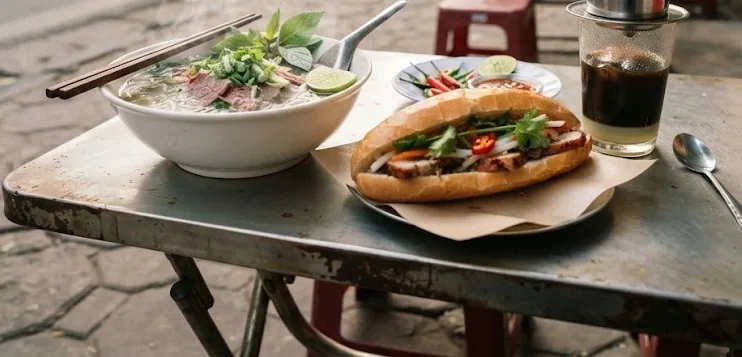
Day 1: Embracing the Classics – Noodles and Banh Mi
Your Da Nang culinary adventure begins with the foundational flavors of Vietnamese cuisine. Today is dedicated to understanding the soul of local dishes, starting with the iconic noodle soups that fuel the nation. We’ll explore the nuanced broths and fresh ingredients that define these staples.
Morning: A Bowl of Bun Cha Ca
Start your day with a true Da Nang specialty: Bun Cha Ca. This flavorful fish cake noodle soup is a local breakfast favorite. The broth is typically made from mackerel and other local fish, simmered with pineapple, tomatoes, and an array of herbs, creating a sweet and savory profile.
- Key Ingredients: Fresh fish cakes, tomato-based broth, pineapple, dill, bean sprouts.
- Serving Style: Served with rice noodles and a side of fresh herbs.
- Best Time to Visit: Early morning for the freshest broth.
Real example: Many locals frequent small eateries near the Han River for their morning Bun Cha Ca fix. Look for places with a steady stream of customers; that’s usually a good sign.
Lunch: The Legendary Banh Mi
No trip to Da Nang is complete without indulging in its world-renowned Banh Mi. While many vendors offer this Vietnamese baguette sandwich, some stand out for their unique fillings and expertly balanced flavors. We’ll focus on one of the most celebrated spots.
Step 1 – Choosing Your Banh Mi: Decide on your preferred fillings, which can range from grilled pork, pate, and various Vietnamese cold cuts to fried eggs and vegetarian options.
Step 2 – The Perfect Bite: The magic lies in the combination of textures – the crispy baguette, savory fillings, fresh cilantro, and pickled vegetables.
Insight: Banh Mi Phuong is often cited as one of the best, known for its rich pate and unique spice blend.
Evening: Seafood Delights by the Beach
As the sun sets, head towards the coastline for a fresh seafood dinner. Da Nang’s beaches are lined with restaurants offering an abundance of the day’s catch. Enjoying grilled or steamed seafood with the ocean breeze is an essential Da Nang experience.
- Must-Try Seafood: Grilled shrimp, steamed clams with lemongrass, fried squid.
- Pairings: Fresh lime and chili dipping sauce, local beers.
- Ambiance: Casual beachfront dining with stunning ocean views.
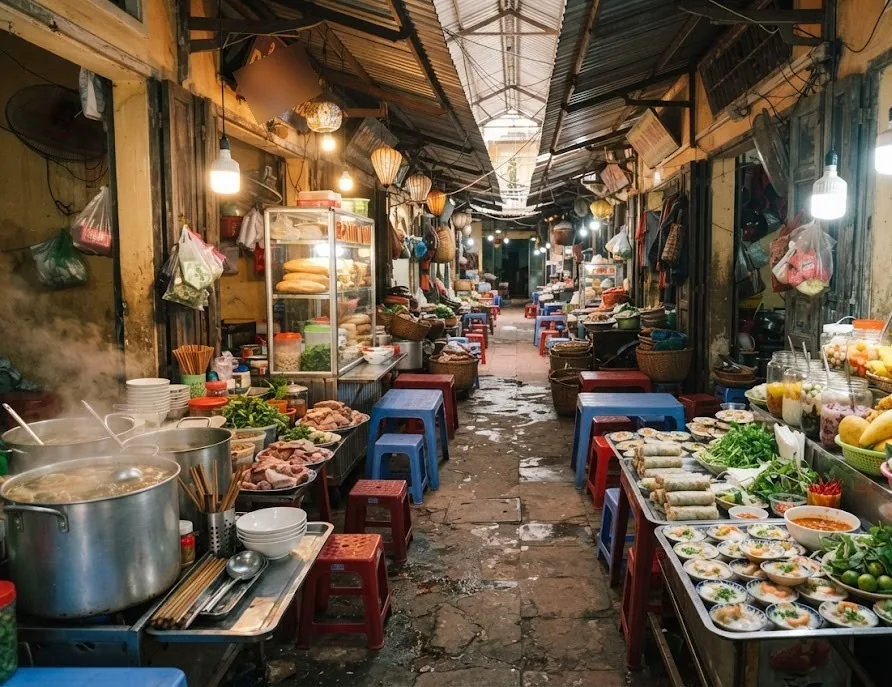
Day 2: Market Exploration and Central Vietnamese Flavors
Today, we delve into the heart of Da Nang’s local life by exploring the bustling Han Market, a treasure trove of fresh produce, spices, and local delicacies. This is where you’ll find the ingredients that make Central Vietnamese cuisine so distinctive.
Morning: Han Market Immersion
The Han Market is a sensory explosion, offering everything from fresh fruits and vegetables to dried seafood and local snacks. It’s the perfect place to sample regional specialties and pick up edible souvenirs.
Key Market Sections:
- Fresh produce and herbs
- Dried seafood and spices
- Local snacks and sweets
- Ready-to-eat food stalls
Step 1 – Sample Freely: Don’t hesitate to try small samples offered by vendors. This is part of the market experience.
Step 2 – Bargain Politely: For non-food items, polite bargaining is expected. For food, prices are often fixed.
Lunch: Mi Quang – Da Nang’s Signature Noodle Dish
After exploring the market, it’s time to taste another iconic Da Nang dish: Mi Quang. This turmeric-infused noodle dish is a staple in Central Vietnam, characterized by its rich, flavorful broth and generous toppings.
Key Features of Mi Quang:
- Thick rice noodles colored with turmeric.
- A small amount of intensely flavored broth.
- Toppings typically include shrimp, pork, quail eggs, and peanuts.
- Served with fresh herbs, rice crackers, and chili.
Common mistake: Expecting a large quantity of broth like in Pho. Mi Quang’s broth is meant to coat the noodles, not drown them.
Afternoon: Exploring Local Snacks
Da Nang offers a delightful array of unique snacks. Take some time to wander through local streets and discover these often-overlooked culinary gems.
- Banh Beo: Steamed rice cakes topped with dried shrimp, scallions, and crispy pork rinds.
- Banh Nam: Flat, rectangular steamed rice cakes wrapped in banana leaves, often topped with shrimp.
- Ram It: Crispy fried wontons served with a sweet and savory dipping sauce.
Evening: Taste of Hoi An (Day Trip Option)
While this itinerary focuses on Da Nang, a short trip to the nearby ancient town of Hoi An offers a different, yet complementary, culinary experience. Hoi An is famous for its own set of specialties like Cao Lau and White Rose dumplings.
| Dish | Description | Da Nang vs. Hoi An |
|---|---|---|
| Mi Quang | Turmeric noodles, minimal broth, various toppings. | Ubiquitous in Da Nang, variations exist. |
| Cao Lau | Thick noodles, char siu pork, greens, crispy croutons. | Hoi An specialty; specific water source needed for noodles. |
| Banh Bao Vac (White Rose) | Delicate steamed dumplings resembling white roses, topped with shrimp. | Hoi An specialty; unique presentation. |
Day 3: Inland Flavors and Culinary Education
Today, we venture slightly inland to explore dishes that showcase different agricultural influences and consider a hands-on culinary experience to deepen your understanding of Vietnamese cooking.
Morning: Exploring Rural Specialties
Venture to areas slightly outside the city center to discover dishes that highlight local produce and traditional cooking methods. This often involves more rustic, home-style preparations.
Key inland dishes to seek out:
- Thit Trau (Buffalo Meat): Often prepared in various ways, from stir-fries to grilled dishes, showcasing a richer, gamier flavor.
- Various Vegetable Dishes: Freshly harvested vegetables prepared simply to highlight their natural taste, often with a light garlic or chili sauce.
- Local Fermented Foods: Explore unique regional fermented pastes and sauces used in cooking.
Important note: Research reputable restaurants or local guides for authentic inland culinary experiences, as these dishes might be less common in tourist-centric areas.
Lunch: Hands-On Culinary Class
For a truly immersive experience, consider taking a Vietnamese cooking class. Many reputable schools in Da Nang offer half-day or full-day courses where you can learn to prepare several classic dishes yourself.
Benefits of a Cooking Class:
- Learn authentic techniques from local chefs.
- Understand the balance of Vietnamese flavors (sweet, sour, salty, spicy).
- Gain confidence to recreate dishes at home.
- Often includes a market tour to learn about ingredients.
Afternoon: Coffee Culture and Sweet Treats
Vietnam has a rich coffee culture, and Da Nang is no exception. Spend your afternoon relaxing at a local cafe, enjoying the strong Vietnamese coffee, often served with condensed milk (Ca Phe Sua Da).
Step 1 – Order Your Coffee: Choose between traditional drip coffee (phin) or espresso-based drinks.
Step 2 – Pair with Sweets: Vietnamese cafes often serve a variety of local cakes and pastries. Look for items like Banh Bo (honeycomb cake) or various coconut-based sweets.
Evening: Hot Pot Experience
Gather with friends or family for a communal Hot Pot dinner. This interactive dining experience involves simmering a flavorful broth at your table and cooking various ingredients, from thinly sliced meats and seafood to vegetables and noodles.
- Broth Options: Spicy Sichuan, savory mushroom, or a clear herbal broth.
- Dipping Ingredients: Beef, pork, chicken, shrimp, fish balls, tofu, mushrooms, leafy greens.
- Dipping Sauces: A variety of custom blends with chili, garlic, lime, and herbs.
Day 4: Modern Twists and International Influences
Da Nang’s culinary landscape is constantly evolving. Today, we explore the city’s more contemporary dining scene, where chefs are blending traditional Vietnamese ingredients with global techniques and presentations.
Morning: Brunch and Fusion Flavors
Embrace the growing brunch culture in Da Nang. Many cafes and restaurants now offer creative brunch menus that fuse Western and Vietnamese elements, providing a lighter, more contemporary start to the day.
Fusion Brunch Ideas:
- Banh Mi Benedict: Poached eggs on a toasted baguette with pate and hollandaise sauce.
- Vietnamese Coffee Pancakes: Pancakes infused with coffee flavor, served with condensed milk syrup.
- Avocado Toast with Vietnamese Herbs: A classic dish elevated with fresh cilantro, chili, and lime.
Lunch: Modern Vietnamese Cuisine
Seek out restaurants that are pushing the boundaries of Vietnamese gastronomy. These establishments often focus on high-quality ingredients, innovative plating, and unique flavor combinations.
Common mistake: Assuming modern Vietnamese means abandoning tradition. The best establishments reinterpret classics, not discard them.
Insight: Look for restaurants that highlight locally sourced ingredients and sustainable practices.
Afternoon: Craft Beer and Small Bites
The craft beer scene is also taking root in Da Nang. Explore some of the local breweries and pubs offering a range of unique brews, often paired with creative small plates or tapas-style Vietnamese snacks.
- Local Brews: Try lagers, IPAs, and experimental flavors brewed in Da Nang.
- Pairing Snacks: Fried spring rolls, crispy wontons, marinated chicken wings.
- Atmosphere: Relaxed and social, perfect for unwinding.
Evening: Fine Dining Experience
Conclude your day with a sophisticated fine dining experience. Da Nang boasts several upscale restaurants that offer a refined take on Vietnamese cuisine, often with stunning ocean views or elegant interiors.
Step 1 – Reservations: It’s advisable to book in advance, especially for popular establishments.
Step 2 – Chef’s Tasting Menu: Consider the chef’s tasting menu for a curated journey through the restaurant’s best offerings.
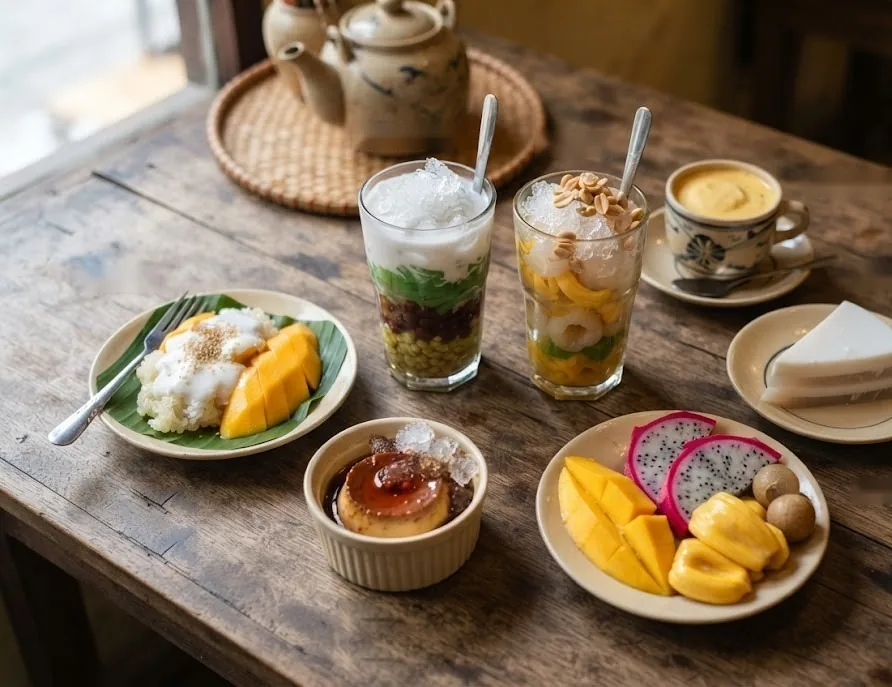
Day 5: Sweet Endings and Last Bites
On your final day, we focus on satisfying your sweet tooth and revisiting any favorite flavors you might have missed. It’s a day for delightful desserts and a final taste of Da Nang’s culinary magic.
Morning: Dessert Cafes and Sweet Souvenirs
Da Nang has a growing number of dedicated dessert cafes offering everything from traditional Vietnamese sweets to Western-inspired pastries and ice cream. This is also a great time to pick up any last-minute edible souvenirs.
Must-Try Desserts:
- Che: Vietnamese sweet soups and puddings with various ingredients like beans, fruits, jellies, and coconut milk.
- Banh Flan: Vietnamese caramel custard, often richer and silkier than its Western counterpart.
- Fresh Fruit Platters: Enjoy the abundance of tropical fruits like mangoes, dragon fruit, and rambutan.
Edible Souvenir Ideas:
- Dried fruits
- Local coffee beans
- Specialty chili sauces
- Banh Pia (a sweet, savory pastry)
Lunch: Revisit a Favorite or Discover a Hidden Gem
Use your last lunch to revisit a dish or restaurant that particularly captured your heart, or venture into a neighborhood you haven’t explored yet to discover a truly local, unassuming eatery.
Real example: If you fell in love with Mi Quang, seek out a different vendor to compare variations. Or, if you enjoyed the street food, explore a less touristy alleyway for authentic finds.
Afternoon: Last Bites and Departure Preparation
Enjoy one final Vietnamese coffee or a light snack before heading to the airport or your next destination. Reflect on the incredible flavors you’ve experienced throughout your Da Nang foodie journey.
Key note: Always leave a little room for a final, unexpected taste of Da Nang!
Related on this site
- Da Nang’s Family-Style Restaurants: Perfect for Group Dining 2026
- Da Nang’s com tam guide
- lemongrass pork skewers in Da Nang
Frequently Asked Questions
Are reservations required for high-end restaurants?
Yes, it is highly recommended to make reservations for fine dining restaurants, especially during peak hours or weekends, to ensure availability.
What is the best time frame to visit Han Market?
The best time to visit Han Market is in the morning, typically between 6 AM and 10 AM, for the freshest produce and widest selection.
How much money is spent on food every day?
A daily food budget can range from $20-$50 USD per person, depending on whether you focus on street food or include mid-range and fine dining.
How to find the best street food?
Look for stalls with long queues of locals, observe hygiene practices, and ask for recommendations from your hotel or locals.
Which dish should you choose for vegetarians?
Many dishes can be made vegetarian, such as vegetable pho, Mi Quang without meat, Banh Xeo with mushrooms, and various tofu-based stir-fries.
Conclusion
This 2026 Da Nang Foodie Itinerary has aimed to provide a comprehensive and delicious journey through the city’s vibrant culinary landscape. From the savory depths of Bun Cha Ca and Mi Quang to the crispy delight of Banh Mi and the fresh bounty of the sea, Da Nang offers a spectrum of flavors to satisfy every palate. By exploring local markets, engaging in hands-on experiences, and embracing both traditional and modern culinary innovations, you’re set for an unforgettable gastronomic adventure.
Remember that the true essence of Da Nang’s food lies not just in the dishes themselves, but in the stories, the people, and the culture behind them. So, go forth, explore, taste, and savor every moment of your delicious exploration in this beautiful coastal city. Your ultimate Da Nang foodie experience awaits!