Da Nang’s historical sites provide a journey through Vietnam’s rich and complex history, from ancient kingdoms to modern conflicts.
Exploring these places creates a tangible connection to the events and cultures that shaped the nation, revealing stories often overshadowed by the modern vibrancy of the city.
Quick summary:Da Nang’s historical sites offer insight into Vietnam’s past, covering periods from the Champa Kingdom to the Vietnam War. Key sites such as Marble Mountains, My Son Sanctuary and Da Nang Museum showcase diverse historical stories and architectural styles, providing important context for understanding the development of the region. While popular attractions draw crowds, exploring lesser-known locations reveals deeper historical meaning and cultural insights. Planning your visit with an understanding of the historical timeline and local conservation efforts will enhance the immersive experience, connecting you directly to the stories that have shaped Vietnam.
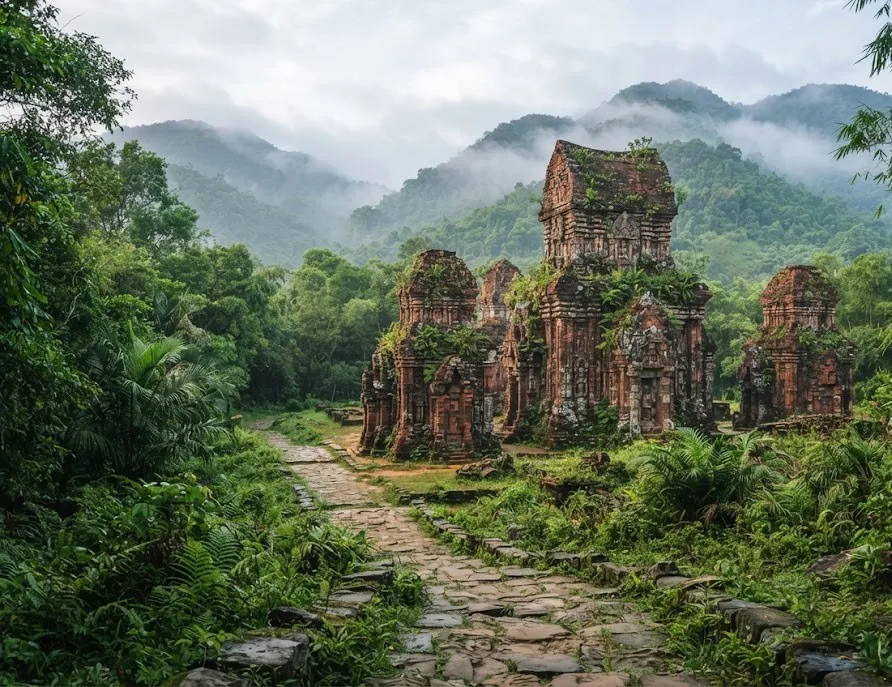
Revealing the ancient origins of Da Nang: Champa Kingdom
Da Nang was once an important part of the Champa Kingdom, leaving behind much archaeological evidence. This era marked the earliest influential civilization in the region, shaping its cultural and religious landscape for centuries.
The Champa people’s heritage is best seen in their distinctive art and architecture, blending indigenous beliefs with Indian influences. According to research from the Vietnam Institute of Archeology, more than 200 Champa relics have been discovered throughout Central Vietnam, with some concentrated in the Da Nang area.
My Son Sanctuary: UNESCO World Heritage Site
My Son Sanctuary is the most important archaeological site of the Champa Kingdom in Vietnam. This Hindu temple complex, built between the 4th and 13th centuries, showcases the architectural and artistic achievements of the Cham people.
The site’s strategic location in a valley surrounded by mountains may have contributed to its spiritual significance and role as a royal burial site. Although damaged during the Vietnam War, the remaining structures still stand as a powerful testament to a lost civilization. UNESCO recognized My Son as a World Heritage Site in 1999, emphasizing its historical and cultural value.
Marble Mountains: The blend of nature and spirituality
Ngu Hanh Son is a cluster of five limestone and marble mountains, each named after a natural element: Kim (Metal), Thuy (Water), Tho (Earth), Hoa (Fire) and Moc (Wood). These mountains have been revered for centuries, serving as both natural fortresses and sacred sites.
In the caves and caves, you will discover ancient Buddhist pagodas and Cham altars, reflecting the rich history of religious synthesis. From the mountain tops, you can enjoy panoramic views of Da Nang and the surrounding coastline. 5 million tourists each year.
Information:The Marble Mountains are not only geological formations but also spiritual sanctuaries, demonstrating the deep connection between nature and belief that has existed for many generations.
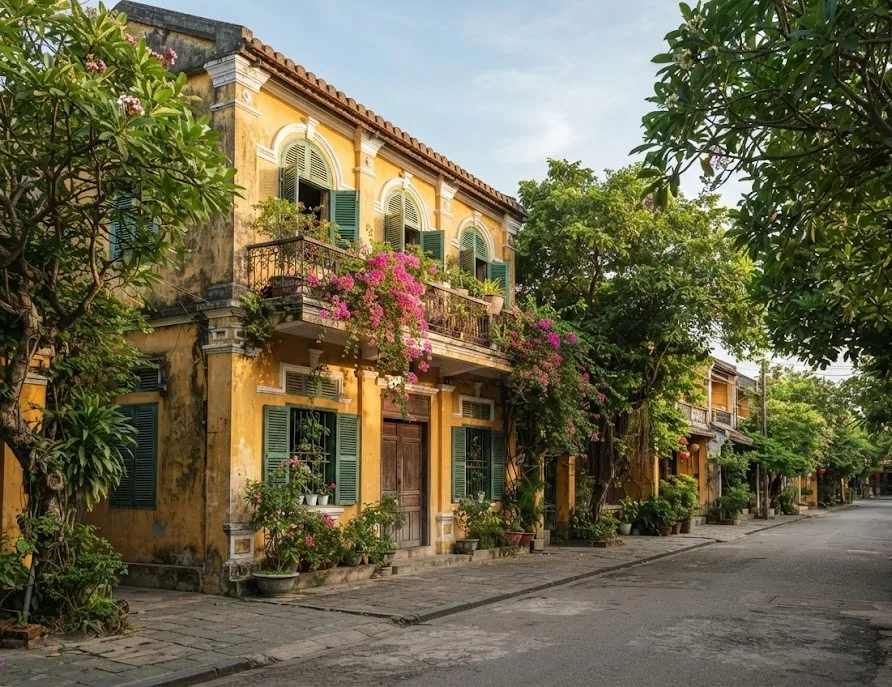
Colonial imprint: French influence in Da Nang
The French colonial period left an indelible mark on the urban and administrative structure of Da Nang. This era introduced new architectural styles and significantly changed the socioeconomic landscape of the region.
Vestiges of this period can still be observed in the city’s old buildings and its administrative layout, offering a glimpse into a transformative chapter of Vietnamese history. According to statistics from the Da Nang Department of Culture and Sports, there are about 50 ancient French architectural works still remaining in the city.
Da Nang Museum: Chronicle of transformation
The Da Nang Museum provides a comprehensive overview of the city’s history, with a significant section devoted to the French colonial period. Exhibits detail administrative changes, economic activities, and social impacts during this period.
The museum’s collection includes artifacts, photographs and documents that vividly illustrate the transition from a traditional port city to a colonial administrative center. The museum currently holds more than 2,500 artifacts related to Da Nang history.
Architectural heritage
While many structures from the French colonial period have been modernized or replaced, some buildings still stand as testament to the architectural influence of the era. These projects often have a mix of European and Vietnamese design elements.
Identifying these structures requires a keen eye, but they provide a unique perspective on the cultural fusion that characterized colonial Vietnam.
The Vietnam War: Sites of Resilience and Remembrance
Da Nang played an important role in the Vietnam War, serving as an important military base and a site of intense conflict. Understanding this period is essential to grasp modern Vietnamese history and the country’s journey to unification.
Many locations around Da Nang bear witness to the impact of war, providing opportunities for reflection and remembrance. It is estimated that more than 100,000 tons of bombs and ammunition were dropped on the Da Nang area during the war.
Non Nuoc stone carving village
Although primarily known for its marble craftsmanship, Non Nuoc Stone Sculpture Village also has a history linked to war. Marble quarried from the nearby Marble Mountains was historically used for both religious sculptures and, in times of war, to build fortifications and military structures.
Today, the village continues its tradition, with artisans creating intricate sculptures, many of which depict delicate scenes reminiscent of Vietnam’s tumultuous past. This craft village has existed for more than 300 years, maintaining traditional crafts.
Ho Chi Minh Museum – Military Zone 5 Branch (Bao tang Khu 5)
3 Duy Tan, Da Nang · open daily 8:00 AM – 4:30 PM · Open in Google Maps. The War Remnants Museum many travellers have read about is in Ho Chi Minh City — Da Nang’s war museum is this one.
This museum offers an insightful and often heartbreaking look at the realities of the Vietnam War. It displays a collection of artifacts, images and documents that highlight the devastating impact of the conflict on land and people.
The exhibitions aim to educate visitors about the historical context of war, the human cost and the resilience of the Vietnamese people in overcoming adversity. The museum currently has more than 1,000 artifacts on display.
Information:Visiting war relics is essential to understand the sacrifices that were made and the long road that led to peace and national unity.

Plan your historical exploration in Da Nang
To truly appreciate Da Nang’s historical sites, thoughtful planning is essential. This includes understanding the logistical aspects and adopting a respectful approach to cultural heritage.
An itinerary that balances popular attractions with lesser-known hidden gems can provide a more comprehensive historical perspective.
Suggested schedule: A historical timeline
A multi-day itinerary can help you connect different historical periods:
- Day 1: Ancient Champa heritage– Focus on My Son Sanctuary and Marble Mountains, immerse yourself in the spiritual and architectural heritage of the Champa Kingdom.
- Day 2: Colonial imprints and reflections on wartime– Visit the Da Nang Museum to understand the colonial period, then the Ho Chi Minh Museum – Military Zone 5 Branch for a deeper look at the Vietnam War.
- Day 3: Local crafts and panoramic views– Explore Non Nuoc Stone Sculpture Village and revisit Marble Mountains for a more profound experience, with panoramic views of the city’s historical and modern landscape.
Tips for respectful visiting
When visiting historical and religious sites, maintaining respect is paramount:
- Spruce:Cover your shoulders and knees when visiting temples and sacred sites to show respect for local customs.
- Pay attention to noise:Keep conversations quiet, especially in religious or memorial areas.
- Do not touch artifacts:Unless explicitly permitted, avoid touching historical relics or structures to preserve them for future generations.
- Ask permission before taking photos:Be respectful when taking photos of people or religious ceremonies.
- Support local conservation:Consider buying souvenirs from local artisans in places like Non Nuoc, which helps maintain traditional crafts.
Common mistakes to avoid
Many visitors make common mistakes that detract from their experience exploring history.
Mistake 1: Rushing through locations
Common mistakes:Treat historical sites as mere photo opportunities without understanding the context or significance of the location. This leads to superficial understanding.
Solution:Spend enough time at each site, read the information boards or hire a local guide to gain a deeper understanding of the historical stories. When optimizing content for many different websites, I find that providing detailed context helps readers more easily connect with the content, similar to taking the time to deeply understand a historical site.
Mistake 2: Ignoring local etiquette
Common mistakes:Failure to comply with local customs regarding dress or behavior at religious or memorial sites. This may be considered disrespectful.
Solution:Learn basic etiquette when visiting temples and historical sites before you go.
Mistake 3: Focusing only on popular attractions
Common mistakes:Skip smaller, lesser-known historic sites that can offer unique perspectives or quieter, more intimate experiences.
Solution:Research a variety of locations, including local museums and little-visited monuments, to build a more comprehensive historical picture of Da Nang.
| Historical period | Main locations in Da Nang | Main meaning | Architectural style |
|---|---|---|---|
| Champa Kingdom (circa 2nd – 15th centuries) | My Son Sanctuary, Marble Mountains (Cham altar) | Religion, Royal Burial Ground, Spirituality | Brick temple, intricate carvings, Indian influence |
| French colonial period (circa 19th century – mid 20th century) | Da Nang Museum (colonial exhibition), old administrative buildings | Administration, Commerce, Urban Development | Colonial architecture inspired by European, French-Indochinese style |
| Vietnam War (about 1954 – 1975) | Ho Chi Minh Museum – Military Zone 5 Branch, Non Nuoc Village (historical context) | Military Operations, Conflict, Resilience | Fortification (historical context), simple memorial structure |
Related on this site
Frequently Asked Questions (FAQ)
What are the most important historical places in Da Nang?
My Son Sanctuary and Marble Mountains are top places to understand the ancient Champa Kingdom. The Da Nang Museum and Ho Chi Minh Museum – Military Zone 5 Branch provide important insights into later periods, including the Vietnam War.
Is it necessary to hire a tour guide for historical sites?
While not always required, hiring a local guide can greatly enhance your understanding by providing historical context, cultural nuances, and local stories that are often invisible.
When is the best time of year to visit Da Nang’s historical sites?
The dry season, from January to August, is often considered the best time to visit. This period has pleasant weather for outdoor exploration, although it can be hotter.
Is there an entrance fee for these historical sites?
Yes, most major historical sites, such as My Son Sanctuary and Marble Mountains, have entrance fees. These fees contribute to the conservation and maintenance of the sites.
How can I best experience the heritage of the Champa Kingdom in Da Nang?
Visiting My Son Sanctuary and exploring the Cham altars in the Marble Mountains are the most direct ways to connect with the artistic and spiritual heritage of the Champa Kingdom.
Conclude
Da Nang’s historical sites are more than just landmarks; they are storytellers of Vietnam’s enduring spirit. From the ancient grandeur of the Kingdom of Champa to the grim realities of the Vietnam War, each location offers a unique chapter in the country’s ongoing story.
By getting to know these sites thoughtfully and respectfully, visitors can gain a deep appreciation for the historical forces that have shaped Da Nang and Vietnam into what they are today. This deep understanding enriches the travel experience, turning a simple visit into a meaningful journey through time.
- Strategic planning:Create an itinerary that balances key historical periods and locations.
- Learn respect:Observe local customs and show respect for sacred and memorial sites.
- Search for local information:Consider hiring a tour guide to unlock a deeper understanding of history and culture.
Reference source
Part of our guide to places to visit in Da Nang.