Da Nang, a vibrant coastal city in Vietnam, is increasingly drawing global attention for its stunning beaches and iconic landmarks. While My Khe Beach and the Dragon Bridge are undoubtedly popular, the city holds many secrets waiting to be discovered by intrepid travelers. Venturing beyond the well-trodden tourist trails reveals a more authentic and intimate side of Da Nang. These hidden gems offer unique cultural experiences, breathtaking natural beauty, and a chance to connect with local life away from the crowds.
Quick Summary: Da Nang offers more than just its famous beaches; explore lesser-known spots like Son Tra Peninsula’s ancient banyan tree, the tranquil Marble Mountains’ hidden caves, and the local charm of An Hoi fishing village for a richer travel experience. These off-the-beaten-path attractions provide unique cultural insights and natural beauty, often with fewer crowds than mainstream sites.
Updated: May 2, 2026 · Reading time: 8 min · Expertise: Travel writing and local exploration of Vietnam.
Exploring the Natural Wonders Beyond the Beaches
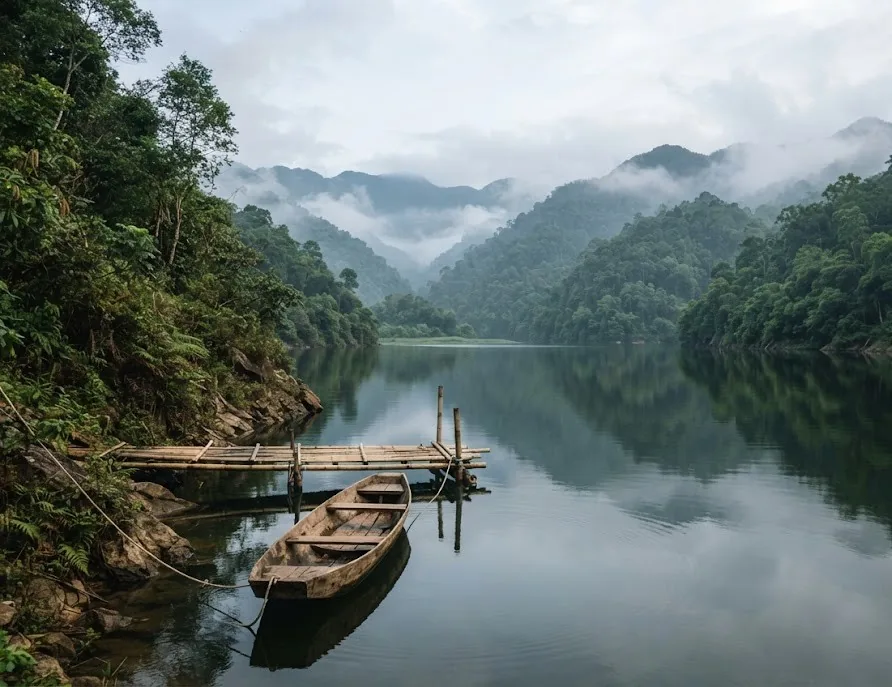
While Da Nang’s coastline is legendary, its interior and surrounding areas boast natural landscapes that offer a different kind of allure. These locations provide a welcome respite from the bustling city and an opportunity to immerse yourself in Vietnam’s diverse ecosystems. From lush forests to serene mountains, these natural wonders are often overlooked by mainstream tourism.
Son Tra Peninsula’s Ancient Secrets
Son Tra Peninsula, often called the “Monkey Mountain,” is a protected natural reserve just a short drive from the city center. While many visit for the Linh Ung Pagoda and its giant Buddha statue, the peninsula’s true treasures lie deeper within its verdant forests. One such marvel is the ancient banyan tree, estimated to be over 1,000 years old. Its sprawling roots and massive canopy create a mystical atmosphere, a testament to nature’s endurance.
- Key features of the ancient banyan tree area:
- Massive, intricate root system.
- Shady canopy offering respite.
- Tranquil and spiritual ambiance.
- Opportunities for birdwatching.
- Proximity to less-visited viewpoints.
Real example: A recent visitor, Sarah from Australia, described the ancient banyan as “a living monument, its roots like ancient veins spreading across the earth. It felt like stepping into a fairy tale.” She spent over an hour simply observing its grandeur.
The Hidden Caves of Marble Mountains
The Marble Mountains, a cluster of five limestone and marble hills, are a popular destination. However, many visitors stick to the main pagodas and viewpoints. For those willing to explore further, the mountains reveal a network of natural caves, some of which house serene Buddhist sanctuaries. Huyen Khong Cave, with its natural skylight illuminating a peaceful statue, is particularly enchanting. These caves offer a cool, quiet escape and a glimpse into the spiritual significance of the mountains.
Insight: The Marble Mountains are believed to represent five elements, adding a layer of philosophical depth to their natural beauty.
Key note: Wear comfortable shoes as exploring the caves and navigating the steps can be challenging.
Cultural Immersion in Local Villages and Markets
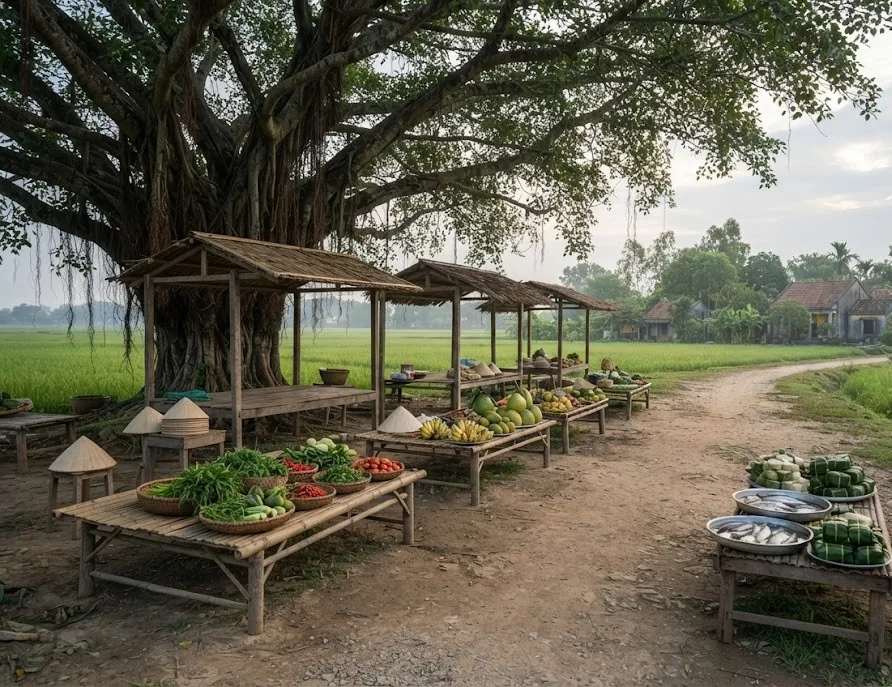
To truly understand Da Nang, one must venture into its local communities. These areas offer authentic insights into daily life, traditional crafts, and culinary delights that are far removed from the tourist-centric experiences. Engaging with local culture provides a more profound connection to the destination.
An Hoi Fishing Village: A Glimpse into Maritime Life
Located a bit further south of the city, An Hoi fishing village offers a picturesque scene of traditional life. Hundreds of colorful fishing boats bob in the harbor, and the air is filled with the scent of the sea and drying fish. This is where you can witness the daily routines of local fishermen, from mending nets to preparing their boats for the next journey. The village market, though small, is a vibrant hub where fresh catches are traded.
- What to expect at An Hoi:
- Authentic fishing boat scenery.
- Local seafood vendors.
- Opportunities to observe daily life.
- Less crowded than tourist beaches.
- Photographic opportunities of local activity.
Common mistake: Tourists often overlook these smaller villages, missing out on genuine interactions and a true sense of local Da Nang.
The Charm of Con Market (Cho Con)
While Han Market is more widely known, Con Market (Cho Con) offers a more local and less overwhelming market experience. This bustling marketplace is a sensory delight, packed with vendors selling everything from fresh produce and spices to clothing and household goods. It’s an excellent place to sample local street food, observe bargaining practices, and purchase unique souvenirs at local prices.
Data: Con Market typically sees thousands of local shoppers daily, especially in the early morning and late afternoon.
Step 1 – Embrace the atmosphere: Arrive with an open mind and ready to explore the diverse stalls.
Unique Experiences for the Curious Traveler
Beyond the typical sights, Da Nang offers a range of unique activities that cater to those seeking something different. These experiences often involve a deeper engagement with the local environment or culture.
The Tranquility of Non Nuoc Stone Carving Village
Just south of the Marble Mountains lies the Non Nuoc Stone Carving Village, a UNESCO Intangible Cultural Heritage site. For centuries, artisans here have been crafting intricate sculptures from marble. Visiting this village allows you to witness the skill and dedication of these craftspeople firsthand, from shaping raw marble to the final delicate carvings. You can purchase unique pieces directly from the artists, supporting their traditional craft.
- Highlights of Non Nuoc Village:
- Live demonstrations of marble carving.
- Vast array of sculptures, from small figurines to large statues.
- Opportunity to meet and interact with artisans.
- Support for a traditional Vietnamese craft.
- Unique, handcrafted souvenirs.
Insight: The skill passed down through generations in Non Nuoc is a testament to the enduring power of traditional craftsmanship.
Exploring the Rural Landscapes by Bicycle
Renting a bicycle and venturing into the countryside surrounding Da Nang provides a refreshing perspective. You can pedal through emerald green rice paddies, past small farming communities, and alongside tranquil rivers. This offers a peaceful escape and a chance to see a side of Vietnam that remains largely untouched by mass tourism. Local farmers often welcome friendly greetings, adding a personal touch to the journey.
Key note: Ensure your bicycle is in good condition and carry water, especially during warmer months.
Planning Your Off-the-Beaten-Path Adventure
Discovering Da Nang’s hidden gems requires a bit of planning and a willingness to step outside your comfort zone. However, the rewards of finding these lesser-known attractions are immense, offering a more authentic and memorable travel experience.
Getting Around and Best Times to Visit
Navigating to these off-the-beaten-path locations often requires local transportation. Renting a motorbike offers flexibility, but taxis and ride-sharing apps are also readily available for specific destinations. For villages and rural areas, hiring a local guide can enhance the experience by providing cultural context and facilitating communication.
- Transportation options:
- Motorbike rental for independent exploration.
- Taxis and ride-sharing apps for convenience.
- Hiring a local guide for deeper insights.
- Bicycle rental for short-distance rural trips.
The best time to visit Da Nang for exploring these quieter spots is during the dry season, from January to August, when the weather is generally pleasant. However, visiting during the shoulder seasons (September to December, excluding major holidays) can offer fewer crowds and potentially lower prices.
What to Pack for a More Immersive Trip
Packing smart can significantly enhance your experience when exploring less-touristed areas. Comfort and practicality are key.
- Essential packing items:
- Lightweight, breathable clothing.
- Comfortable walking shoes or sandals.
- Sunscreen, hat, and sunglasses.
- Insect repellent.
- Reusable water bottle.
- Small backpack for day trips.
Real example: A traveler shared how packing a simple phrasebook in Vietnamese allowed for more meaningful interactions with locals in a small village, turning a simple greeting into a memorable conversation.
Related on this site
- Exploring Da Nang’s Ancient Towers: A Journey Through Champa History 2026
- Non Nuoc Stone Carving Village: Traditional Crafts Near Da Nang 2026
- Shooting in Da Nang: the air-gun clubs
Frequently Asked Questions
Are these hidden gems easily accessible?
While some are a short drive away, many require local transport or a bit of walking. Planning your route is advisable.
What is the best way to experience local culture?
Engage with locals respectfully, try street food, and visit local markets and villages away from tourist hubs.
Is it safe to explore these less-visited areas?
Yes, Da Nang is generally safe, but it’s always wise to be aware of your surroundings, especially in markets or when traveling alone.
Can I find authentic food in these hidden spots?
Absolutely. Local villages and markets are the best places to find genuine Vietnamese cuisine, often prepared with fresh, local ingredients.
When is the ideal time to visit Da Nang for off-the-beaten-path exploration?
The dry season (January-August) offers pleasant weather. Shoulder seasons can provide fewer crowds.
Hidden Gems: Off-the-Beaten-Path Attractions in Da Nang
Beyond the iconic Dragon Bridge and the shimmering beaches, Da Nang holds a treasure trove of less-explored locales that offer a profound connection to its heritage and natural splendor. One such gem is the Thuan Phuoc 3 Bridge, a lesser-known architectural marvel that provides breathtaking panoramic views of the city, especially at sunset. Unlike the crowded viewing platforms, this bridge offers a more serene experience, allowing visitors to truly absorb the vastness of the Han River estuary and the distant mountains.
The intricate design of the bridge itself is a testament to modern engineering, and its strategic location means you can often spot local fishermen heading out or returning with their catch, offering a glimpse into the daily rhythm of coastal life.
Another captivating spot that often escapes the typical tourist itinerary is the Non Nuoc Stone Carving Village, nestled at the foothills of the Marble Mountains. While many visit the mountains themselves, the village offers a unique cultural immersion. Here, generations of artisans have honed their craft, transforming raw marble into intricate sculptures, religious artifacts, and decorative pieces. Wandering through the narrow lanes, you can witness the artisans at work, their hammers and chisels echoing a timeless tradition.
The sheer skill and dedication on display are inspiring, and purchasing a piece directly from the source not only supports these local artists but also brings home a tangible piece of Da Nang’s artistic soul.
Exploring the Artistic Heart of Non Nuoc Village
The Non Nuoc Stone Carving Village is more than just a place to buy souvenirs; it’s a living museum of craftsmanship. As you stroll through the village, you’ll encounter workshops brimming with statues of Buddha, mythical creatures, and intricate floral designs, all meticulously carved from local marble. Many of the artists have been working with stone since childhood, inheriting techniques passed down through their families. The air is filled with the rhythmic sound of chisels, and the sight of skilled hands transforming rough blocks into delicate forms is truly mesmerizing.
It’s an opportunity to engage with the artisans, perhaps even try your hand at a small carving, and gain a deeper appreciation for this ancient art form.
The variety of marble available in the region contributes to the diverse aesthetic of the carvings. From pure white marble to those with subtle grey or pinkish hues, each stone possesses its own character. You can find everything from small, intricate figurines to life-sized statues, catering to various tastes and budgets. Beyond the religious and decorative items, some artisans also create functional pieces like marble tables and benches, showcasing the versatility of the material.
The village also offers a chance to learn about the geological origins of the marble and the process of quarrying and shaping it, adding an educational dimension to your visit.
- Key Features of Non Nuoc Stone Carving Village:
- Active workshops showcasing traditional marble carving techniques.
- A wide array of stone sculptures, from religious icons to decorative art.
- Opportunities to interact with local artisans and learn about their craft.
- Direct purchase of authentic marble artworks, supporting local livelihoods.
- Educational insights into the sourcing and processing of marble.
The Serene Majesty of Son Tra Peninsula’s Hidden Corners
While the Linh Ung Pagoda and its giant Lady Buddha statue are well-known attractions on Son Tra Peninsula, venturing further reveals its more secluded and equally breathtaking spots. The Ban Co Peak (Chessboard Peak), for instance, offers a challenging yet rewarding hike. At its summit, you’ll find a statue of an old man playing chess, a local legend that adds a touch of mystique to the already stunning vistas. The panoramic views from Ban Co Peak are unparalleled, stretching across the coastline, the vast ocean, and the lush green landscape of the peninsula.
It’s a place of profound tranquility, perfect for quiet contemplation and capturing some truly memorable photographs away from the crowds.
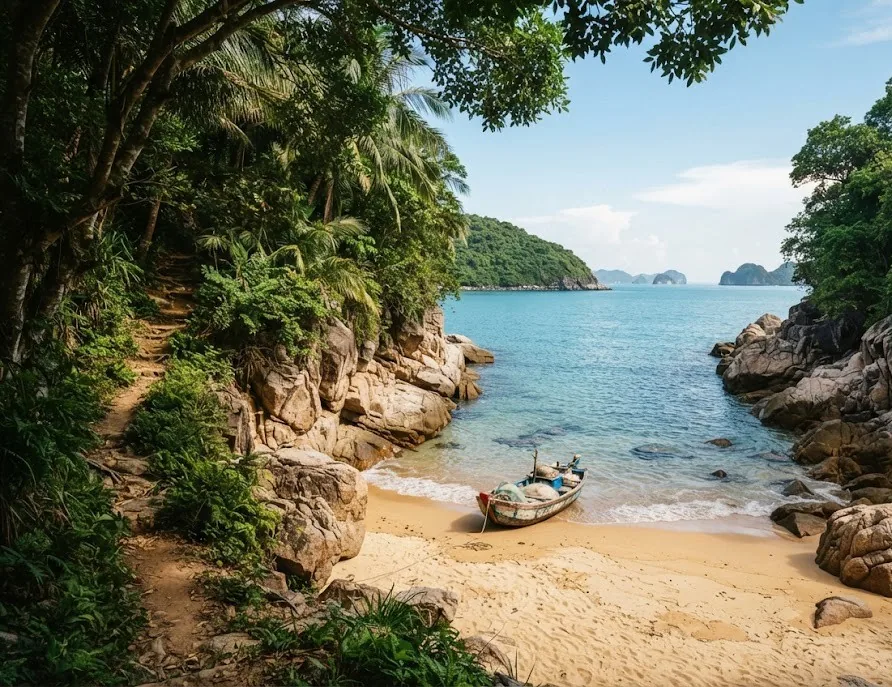
Another hidden sanctuary on Son Tra is the Ghenh Bang Beach. Unlike the popular My Khe beach, Ghenh Bang is a rugged, untouched stretch of coastline characterized by its dramatic rock formations and crystal-clear waters. The journey to reach it can be a bit adventurous, often involving a trek through dense vegetation, but the reward is a pristine natural paradise. The clear waters are ideal for snorkeling, and the rocky outcrops provide interesting geological formations to explore.
It’s an ideal spot for those seeking a genuine escape, where the only sounds are the crashing waves and the calls of seabirds, offering a stark contrast to the bustling city below.
- Discoveries on Son Tra Peninsula:
- Ban Co Peak for panoramic views and a legendary chess player statue.
- Ghenh Bang Beach, an untouched coastal gem with dramatic rock formations.
- Opportunities for hiking and exploring the peninsula’s diverse natural landscape.
- Birdwatching and observing the unique flora and fauna of the Son Tra ecosystem.
- Secluded spots for quiet reflection and escaping the urban environment.
Immersing in Local Life at Da Nang’s Authentic Markets
To truly understand the pulse of any city, one must explore its local markets, and Da Nang is no exception. While Han Market is famous, venturing to the Con Market (Cho Con) provides a more authentic and less tourist-centric experience. This bustling hub is where locals shop for their daily needs, offering an incredible array of fresh produce, seafood, meats, spices, and local delicacies. The vibrant atmosphere, the cacophony of vendors calling out their wares, and the sheer variety of goods create an immersive sensory experience.
It’s the perfect place to sample authentic Vietnamese street food, from steaming bowls of mi Quang to crispy banh xeo, prepared right before your eyes.
Beyond Con Market, exploring smaller neighborhood markets, often referred to as cho nho, offers an even deeper dive into the local way of life. These markets are typically found in residential areas and are less about commerce and more about community. Here, you can observe the daily routines of Da Nang’s residents, witness traditional bartering practices, and discover unique local products that might not be available in larger markets. The vendors are often more approachable, and with a smile and a few basic Vietnamese phrases, you can engage in friendly interactions that enrich your travel experience.
These markets are not just places to buy things; they are living, breathing centers of local culture.
- Experiencing Da Nang’s Local Markets:
- Con Market for a vibrant mix of fresh produce, seafood, and street food.
- Smaller neighborhood markets for an authentic glimpse into daily local life.
- Opportunities to sample a wide variety of traditional Vietnamese dishes.
- Engaging with local vendors and practicing basic Vietnamese phrases.
- Discovering unique regional products and ingredients not found in tourist markets.
The Tranquility of Da Nang’s Rural Outskirts
For a refreshing change of pace, consider a journey to the rural outskirts of Da Nang, where lush rice paddies and serene villages await. The area around Cam Le Bridge, for example, offers a picturesque landscape of verdant fields, where you can witness farmers tending to their crops using traditional methods. Renting a bicycle and pedaling through these tranquil surroundings provides a peaceful escape from the city’s hustle and bustle.
The air is cleaner, the pace of life is slower, and the interactions with the local villagers are often warm and welcoming, offering a genuine glimpse into the agricultural heart of the region.
Another delightful excursion is a visit to a local organic vegetable village, such as those found in the Hoa Vang. These villages are dedicated to sustainable farming practices, producing a variety of fresh, healthy vegetables that supply many of Da Nang’s restaurants and markets. Many farms offer tours or workshops where you can learn about organic farming, participate in harvesting activities, and even enjoy a farm-to-table meal prepared with the freshest ingredients. This experience not only supports sustainable agriculture but also provides a deeper understanding of the food culture and the people who cultivate it.
- Exploring Da Nang’s Rural Charm:
- Cycling through picturesque rice paddies and traditional villages.
- Witnessing traditional farming techniques and the daily lives of local farmers.
- Visiting organic vegetable villages for insights into sustainable agriculture.
- Participating in farm activities and enjoying farm-to-table dining experiences.
- Enjoying the peace and natural beauty of the Da Nang countryside.
Conclusion
Da Nang is a city of dualities, offering both world-class attractions and a wealth of undiscovered treasures. By venturing beyond the popular tourist trail, you unlock a deeper understanding of its culture, natural beauty, and the genuine warmth of its people. From the ancient banyan tree on Son Tra to the bustling local markets and serene stone carving villages, these off-the-beaten-path experiences promise a more authentic and rewarding journey. Embrace the spirit of exploration and discover the hidden gems that make Da Nang truly unique.
Looking for food rather than sights? See Da Nang’s hidden gem restaurants.
Part of our guide to places to visit in Da Nang.