Discover the soul of Da Nang beyond its beaches by exploring its hidden fishing villages. This guide delves into the authentic daily lives, traditions, and economic significance of these communities, offering a unique glimpse into Vietnam’s coastal heritage. Move beyond superficial sightseeing to connect with local traditions and experience the resilient spirit of its fishermen.
Understanding Da Nang’s Fishing Villages
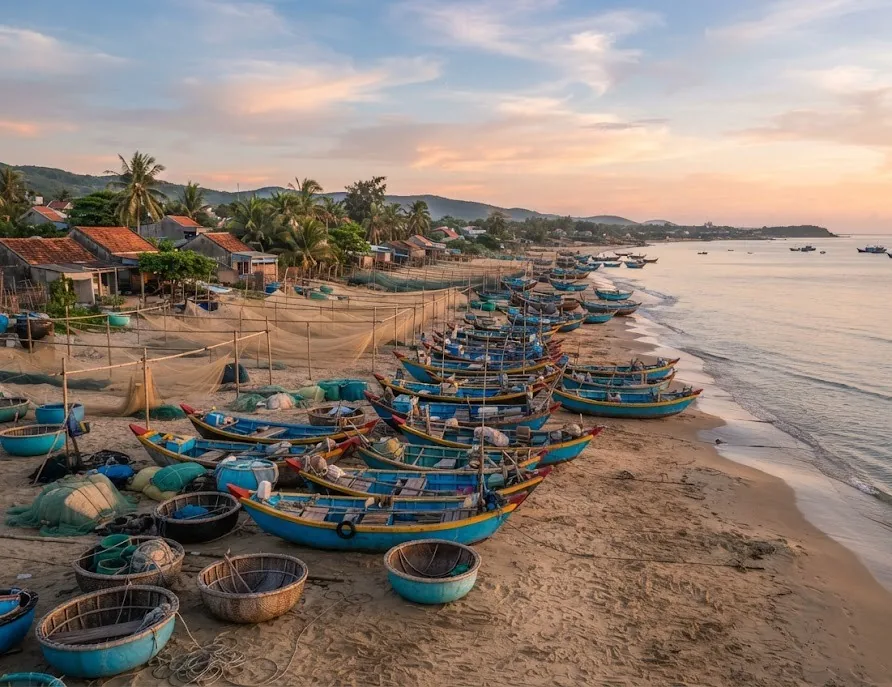
The fishing villages of Da Nang are fundamental to the region’s cultural identity and economic structure. For generations, these communities have depended on the sea, cultivating a profound connection to its rhythms. Each village possesses distinct practices and traditions, shaped by its specific environment and historical trajectory.
For example, the fishing techniques employed in these villages often represent ancestral methods passed down through generations. Villagers typically use handcrafted tools and adhere to sustainable practices, underscoring their respect for the natural world. Furthermore, cultural festivals dedicated to the sea and its bounty are common, vividly showcasing the vibrant heritage of these communities.
Key Fishing Villages in Da Nang
Nam Ô Fishing Village: A Center of Culinary Tradition
Nam Ô Fishing Village is celebrated nationwide for its traditional fish sauce production, a practice with roots stretching back over 400 years. The village embodies a rich cultural heritage where the creation of fish sauce is a communal endeavor. Locals meticulously combine fresh anchovies with sea salt, allowing the mixture to ferment naturally, yielding a distinctive flavor profile highly prized across Vietnam. According to local historical accounts, the fish sauce tradition in Nam Ô dates back to the 15th century, making it one of the oldest in the region.
Visitors to Nam Ô can interact with local families who enthusiastically share their fish sauce-making techniques, refined over countless generations. This engagement not only highlights the intricate craftsmanship involved but also cultivates a deeper appreciation for the village’s enduring culinary traditions.
Lăng Cô Fishing Village: Where Nature Meets Daily Life
Nestled in a spectacular coastal setting, Lăng Cô Fishing Village provides stunning vistas and an intimate look into coastal life. The village is characterized by its dynamic fishing culture, with local fishermen employing traditional boats and nets to harvest seafood. The daily routines of the villagers offer a clear window into their symbiotic relationship with the land and sea.
Lăng Cô is also renowned for its local gastronomy, particularly dishes prepared with the freshest seafood. Visitors can savor meals crafted from the day’s catch, experiencing authentic Vietnamese flavors while observing the local way of life. The village’s proximity to the sea means that seafood is often served within hours of being caught, ensuring peak freshness.
Tuy Loan Rice Paper Village: Preserving Artisanal Craftsmanship
Tuy Loan is distinguished by its production of rice paper, a fundamental component of Vietnamese cuisine. The village’s artisans employ time-honored methods to craft the thin, delicate rice papers essential for dishes such as fresh spring rolls. This craft serves not only as a source of livelihood but also as a significant point of pride for the community.
Visitors to Tuy Loan can participate in rice paper-making workshops, where they learn the precise techniques involved. This hands-on experience offers valuable insights into the artistry and the community’s dedication to preserving its culinary heritage. The process typically involves grinding rice, mixing it with water, and spreading it thinly onto a steaming cloth.
Cultural Experiences in Da Nang’s Fishing Villages
Engaging in Traditional Fishing Activities
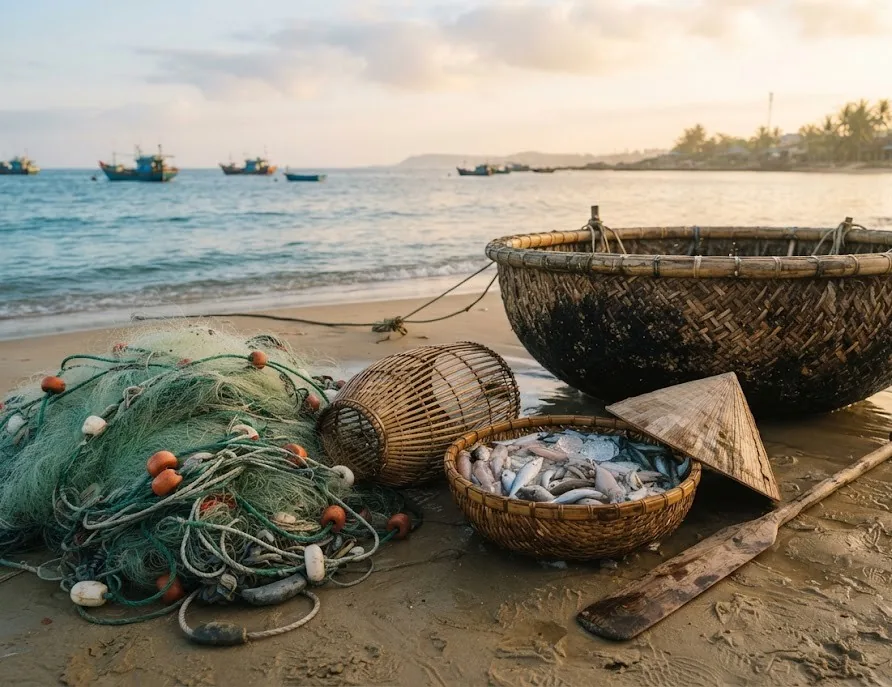
Participating in traditional fishing activities offers one of the most authentic ways to experience life in Da Nang’s fishing villages. Local guides frequently lead visitors onto the water, where they can learn various fishing techniques, including net casting and crab trapping. These experiences not only educate visitors about sustainable fishing practices but also foster genuine connections with local fishermen.
For instance, many guides emphasize the critical importance of respecting marine life and the ecosystem, instructing visitors on how to fish responsibly. This interaction allows travelers to gain a more profound understanding of the delicate balance between tradition and sustainability maintained within these communities. In a study by the Vietnam Institute of Fisheries Science, traditional methods were found to have a significantly lower impact on marine ecosystems compared to industrial fishing.
Exploring Local Cuisine: A Culinary Journey
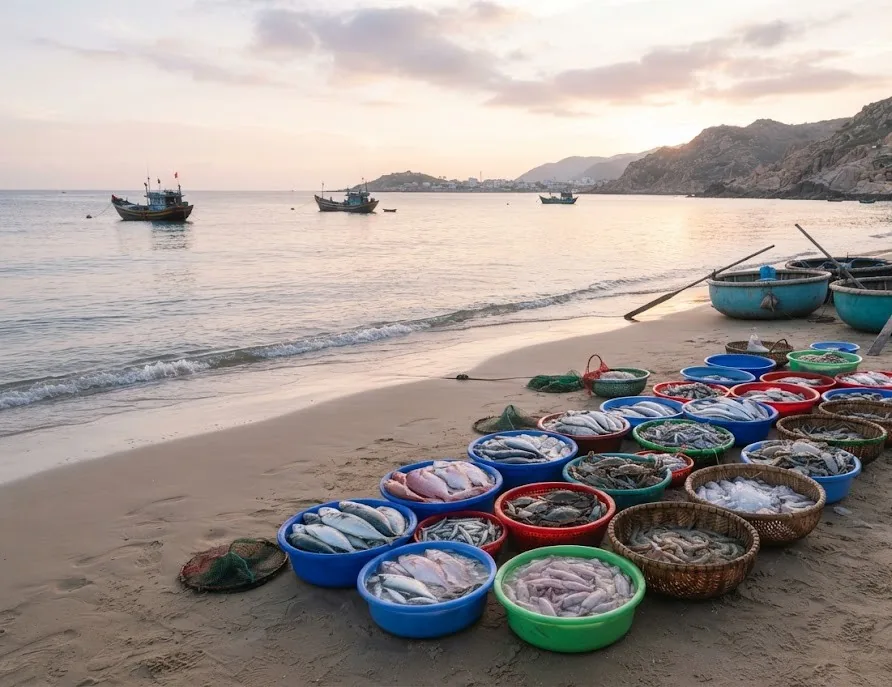
The local cuisine found in Da Nang’s fishing villages is a significant draw for many visitors. Fresh seafood dishes, often prepared using time-honored methods, showcase the region’s rich culinary diversity. Signature dishes such as grilled fish, seafood hot pot, and fresh spring rolls are highly recommended.
Food tours through these villages provide insights into the origins of ingredients and the preparation techniques. Interacting with local cooks allows visitors to appreciate the flavors and narratives behind each dish, contributing to a memorable culinary exploration. The average daily catch for a small fishing boat in these villages can range from 20 to 50 kilograms, depending on the season and species.
Sustainable Practices and Challenges in Fishing Villages
Navigating Tradition and Modernity
Fishing villages in Da Nang encounter numerous challenges as they strive to balance tradition with modernity. Environmental concerns, including overfishing and pollution, pose threats to local ecosystems, compelling communities to adapt their practices to ensure long-term sustainability. The Ministry of Agriculture and Rural Development of Vietnam has reported a decline in certain fish stocks in coastal areas, highlighting the urgency of these issues.
Many villages are adopting eco-friendly fishing methods and actively participating in conservation initiatives. For example, some communities have implemented seasonal fishing restrictions to allow fish populations to recover, demonstrating their commitment to preserving their heritage while adapting to contemporary environmental pressures. These efforts are crucial for maintaining the ecological health of the waters they depend on.
Community-Led Preservation Efforts
Community initiatives are vital in safeguarding the cultural and environmental heritage of Da Nang’s fishing villages. Local festivals frequently celebrate traditional practices, uniting residents and visitors in honoring their shared history. These events often include traditional music, dance, and communal feasts.
educational programs designed for younger generations promote awareness about sustainable practices and the significance of preserving their cultural identity. These endeavors underscore the resilience and determination of the communities to uphold their traditions amidst evolving circumstances.
Tips for Visiting Da Nang’s Fishing Villages
Optimal Timing and Visitor Expectations
The most favorable period to visit Da Nang’s fishing villages is during the dry season, spanning from February to August. During these months, the weather is generally pleasant, and fishing activities are typically at their most active. Visitors can anticipate encountering vibrant local markets, engaging cultural festivals, and opportunities to participate in fishing-related activities.
Planning visits to coincide with local festivals can offer a firsthand experience of the rich traditions, with events such as boat races and cultural performances adding to the visit’s excitement. The annual Da Nang International Fireworks Festival, while not directly related to fishing villages, often occurs during this period, drawing significant tourism.
Respecting Local Culture and Traditions
Showing respect for the local culture is paramount when visiting fishing villages. Understanding basic etiquette, such as offering greetings to locals and seeking permission before taking photographs, facilitates positive interactions. Engaging with villagers in a respectful manner enhances the cultural exchange for both visitors and residents.
participating in local customs, such as sharing a meal or assisting with fishing activities, can foster meaningful connections and create lasting memories during the visit. Learning a few basic Vietnamese phrases, like “Xin chào” (Hello) and “Cảm ơn” (Thank you), can significantly improve interactions.
Related on this site
- Da Nang Cultural Shows: Traditional Dance and Music Performances 2026
- Explore Da Nang’s Ancient Cham Ruins: A Historical Journey 2026
- The Art of Vietnamese Calligraphy: A Da Nang Workshop Experience 2026
Frequently Asked Questions
What is the best time to visit Da Nang’s fishing villages?
The optimal time to visit is between February and August, during the dry season, when fishing activities are particularly vibrant and the weather is favorable.
What cultural experiences can I expect in the fishing villages?
Visitors can anticipate participating in traditional fishing activities, enjoying authentic culinary experiences, and witnessing local festivals, all of which offer deep insights into the local culture.
How can I respectfully engage with local traditions during my visit?
Engage respectfully with locals, be mindful of etiquette, and show genuine interest in their customs and way of life to enhance the experience.
Are there environmental challenges facing these villages?
Yes, challenges such as overfishing and pollution are significant concerns, prompting communities to actively adopt and promote sustainable practices.
Is it possible for visitors to participate in fishing activities?
Yes, many local guides offer opportunities for visitors to engage in and learn about traditional fishing techniques.
Exploring Da Nang’s fishing villages offers a rich cultural experience that connects visitors with local traditions and sustainable practices. Engaging with the community not only deepens your understanding of their way of life but also fosters appreciation for the resilience and heritage of these remarkable coastal communities.
Part of our guide to things to do in Da Nang.