Da Nang Cultural Shows: Traditional Dance and Music Performances 2026 offer a direct window into the soul of Vietnam, moving beyond the city’s famous beaches and bridges. These performances are not just entertainment; they are living narratives of the Cham Kingdom, Vietnamese dynasties, and the enduring spirit of the central region. This guide breaks down the best shows, their cultural significance, and how to choose the perfect experience for your 2026 trip.
Da Nang’s 2026 cultural scene is anchored by the spectacular “Charming Danang Show” (approximately 800,000 VND, nightly at 7:30 PM), a 70-minute journey through Vietnamese history. For a deeper dive into classical art, “Soul of Vietnam” at Nguyen Hien Dinh Theater (approximately 300,000 VND) showcases the UNESCO-recognized Tuồng singing. Beyond these staples, visitors can find free Bai Choi performances at local festivals and the immersive outdoor epic “Hoi An Memories.” This guide details each option, compares prices and experiences, and provides practical tips to ensure you witness the most authentic traditional music and dance Da Nang has to offer in 2026.
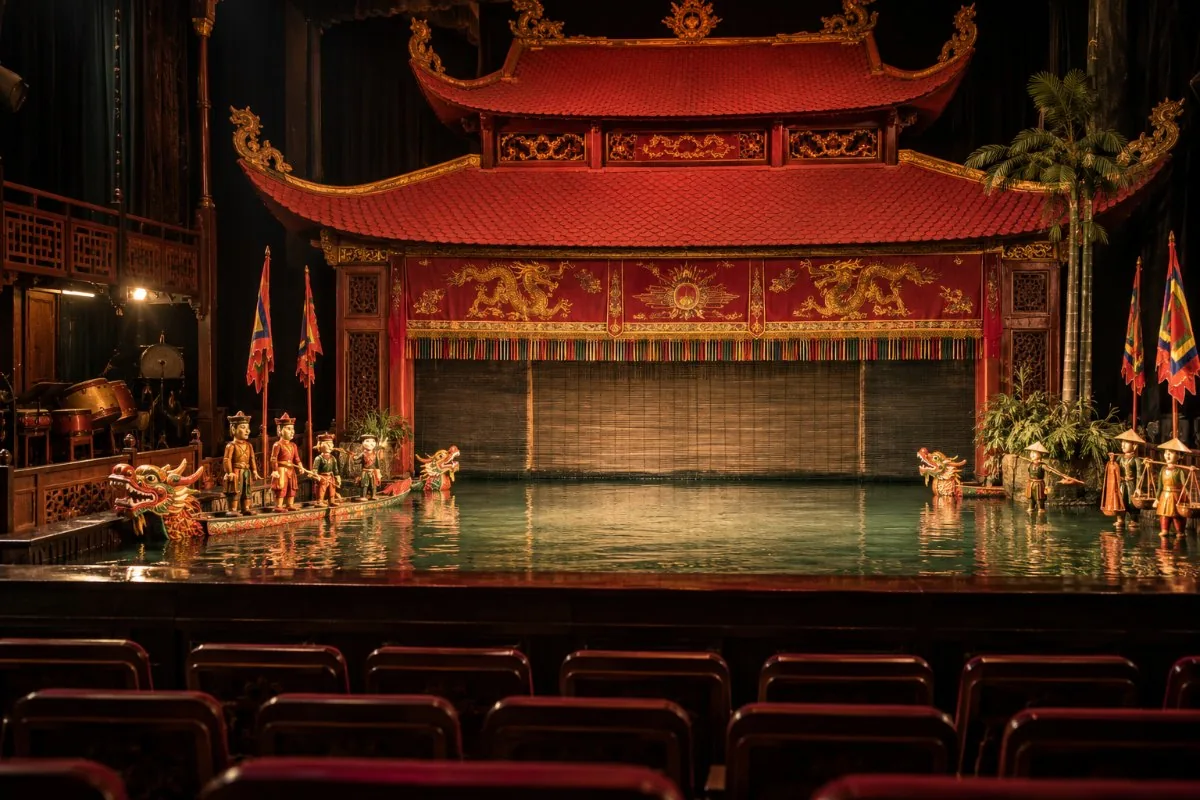
What Makes Da Nang’s Traditional Dance and Music Performances Unique in 2026?
Da Nang’s cultural performances are distinct because they weave together the legacy of the ancient Champa Kingdom with the folk traditions of modern Vietnam, creating a narrative you won’t find anywhere else.
The Cham Legacy: Apsara and Shiva Dances as Living History
Unlike other Vietnamese cities, Da Nang sits on land once central to the powerful Champa civilization, which thrived from the 2nd to the 15th centuries. This history is not confined to museums; it’s performed live. The Apsara dance, with its slow, deliberate hand gestures and elaborate, golden costumes, depicts celestial nymphs from Hindu-Buddhist mythology. The Shiva dance, a more powerful and dynamic performance, represents the god of destruction and creation. These are not just artistic pieces—they are a revival of movements and music reconstructed from bas-reliefs found at sites like My Son Sanctuary.
When you watch these dances, you are seeing a culture resurrected on stage.
Vietnamese Folk Melodies: From Đàn Bầu to Sáo Trúc
The backbone of any performance is its music, and Da Nang’s shows feature a rich tapestry of traditional instruments. The đàn bầu, a monochord zither, produces a hauntingly resonant sound that can mimic the human voice. It is often described as the soul of Vietnamese music. In contrast, the sáo trúc (bamboo flute) offers a light, airy melody that evokes images of rural rice paddies.
A typical sequence might begin with the deep, percussive beats of the trống cơm (rice drum) to signal a festival, transition into the melancholic strains of the đàn bầu for a historical scene, and end with a lively ensemble of all instruments for a celebratory finale. This instrumental diversity is a hallmark of Da Nang’s productions.
Top 5 Cultural Shows in Da Nang You Must See in 2026
From large-scale theatrical productions to intimate folk performances, these five shows represent the best of Da Nang’s cultural offerings in 2026.
1. Charming Danang Show: A 70-Minute Spectacle of Vietnamese Heritage
This is the flagship cultural show in Da Nang, and for good reason. Held nightly at 7:30 PM at the Culture House of Labor (02 Cach Mang Thang Tam), the “Charming Danang Show” is a 70-minute, high-energy performance. It features 11 distinct acts, including a vibrant Ao Dai fashion show, a dramatization of a traditional village wedding, and displays of folk games. The stage design is elaborate, with beautiful lighting and projection mapping. Tickets are around 800,000 VND, and it is an excellent introduction to the breadth of Vietnamese culture for first-time visitors.
The performance is designed to be accessible, with English narration and clear storylines.
2. Soul of Vietnam at Nguyen Hien Dinh Theater: The Art of Tuồng Singing
For a more classical and scholarly experience, head to the Nguyen Hien Dinh Theater (155 Phan Chau Trinh). This venue is the heart of Tuồng (also known as Hát Bội), a form of Vietnamese classical opera that is over 700 years old. Tuồng is characterized by its highly stylized movements, elaborate makeup, and piercing vocal techniques. The “Soul of Vietnam” show is a curated 60-minute performance that highlights the most dramatic and accessible scenes from classic Tuồng plays. At around 300,000 VND, it is a more affordable and focused option.
Watching a performer convey sorrow or rage through a single eyebrow movement is a masterclass in theatrical discipline.
3. Hoi An Memories: An Outdoor Epic on the Hoai River
While technically a 30-minute drive from Da Nang, this show is an unmissable part of the region’s cultural landscape. “Hoi An Memories” is a massive outdoor spectacle performed on a stage built directly on the Hoai River in Hoi An. With over 500 performers, it tells the 400-year history of Hoi An as a bustling international trading port. The show uses incredible light displays, water effects, and large-scale set pieces. It is a visual feast, but it is a significant time commitment (about 60 minutes) and requires travel. Many visitors combine it with a day trip to Hoi An.
4. Bai Choi Performances: UNESCO-Recognized Folk Art
Bai Choi is a unique form of folk art that combines singing, poetry, and a game similar to bingo. It was inscribed on the UNESCO Representative List of the Intangible Cultural Heritage of Humanity in 2026. In Da Nang, you can find Bai Choi performances at local festivals, especially during the Lunar New Year (Tet) and the annual “Fireworks Festival” season. Performers sing out cards, and audience members mark their boards. It is highly interactive and provides a glimpse into the social and communal life of central Vietnam.
These are often free to watch, making them a fantastic budget-friendly cultural activity.
5. Cham Dance Revivals at Local Festivals
Throughout the year, especially during the “Da Nang Summer Fest” and other local celebrations, you can find dedicated revivals of traditional Cham dances. These are often performed by local cultural troupes in public squares or on riverfront stages. Unlike the polished versions in the “Charming Danang Show,” these performances can feel more raw and authentic. They offer a direct link to the region’s pre-Vietnamese heritage. Checking the Da Nang tourism website for a festival schedule is the best way to catch these free or low-cost performances.
How to Choose the Right Cultural Show for Your Da Nang Trip
Selecting the best show depends on your travel style, budget, and schedule. This comparison table helps you decide at a glance.
| Show | Best For | Price (VND) | Duration | Key Feature |
|---|---|---|---|---|
| Charming Danang Show | First-time visitors, families | ~800,000 | 70 min | Broad overview of Vietnamese culture |
| Soul of Vietnam (Tuồng) | Culture enthusiasts, solo travelers | ~300,000 | 60 min | Deep dive into classical Vietnamese opera |
| Hoi An Memories | Couples, photographers | ~600,000 – 1,000,000 | 60 min | Massive outdoor spectacle and light show |
| Bai Choi (Festival) | Budget travelers, social butterflies | Free – 50,000 | Variable | Interactive folk game and music |
| Cham Dance Revivals | History buffs, festival-goers | Free – 100,000 | 20-30 min | Authentic, ancient performance art |
Solo Travelers vs. Families: Which Show Suits Your Group?
For families with children, the “Charming Danang Show” is the safest choice. Its variety of acts—from folk games to Ao Dai parades—keeps younger attention spans engaged. Solo travelers or couples interested in a deeper cultural understanding might prefer the “Soul of Vietnam” for its concentrated artistry. The quiet intensity of a Tuồng performance allows for focused appreciation, something that can be lost in a larger spectacle.
Budget Planning: Comparing Ticket Prices and Value
The “Soul of Vietnam” at 300,000 VND offers the best value for money if you are specifically interested in traditional performance art. The “Charming Danang Show” is a premium product with a higher price tag to match its production scale. If you are on a tight budget, prioritize finding a local festival where you can see Bai Choi or Cham dances for free. The entry fee for “Hoi An Memories” can vary, so check online booking platforms for the best deals.
Timing Your Visit: Evening Shows vs. Afternoon Performances
Nearly all major cultural shows in Da Nang are evening affairs, starting around 7:30 PM. This fits perfectly with a dinner schedule. A common and highly recommended itinerary is: have dinner at a local restaurant in the city center, then walk to the Culture House of Labor or Nguyen Hien Dinh Theater for the 7:30 PM show. After the performance, you can take a stroll along the Han River to see the famous bridges lit up. Afternoon performances are rare and usually tied to specific festivals.
Where to Experience Traditional Music and Dance in Da Nang
Knowing the specific venues and their locations is key to planning your cultural evening in Da Nang.
Indoor Theaters: Nguyen Hien Dinh Theater and Culture House of Labor
The two main indoor venues are centrally located. The Culture House of Labor, home to the “Charming Danang Show,” is at 02 Cach Mang Thang Tam, near the Han River. It is a modern facility with good acoustics and comfortable seating. The Nguyen Hien Dinh Theater at 155 Phan Chau Trinh is a more historic venue, dedicated to the preservation of Tuồng. It is smaller and more intimate. Both are easily accessible by taxi or ride-hailing apps like Grab from any hotel in the city center.
Outdoor Venues: Hoi An Memories Land and Riverside Stages
For the “Hoi An Memories” show, the venue is the Hoi An Impression Theme Park, located on an island in the Hoai River. You will need to arrange transportation from Da Nang. During festival seasons, the Bach Dang Street riverside walkway in Da Nang often hosts free stages where local troupes perform. These are spontaneous and offer a very different energy from a ticketed theater show.
Free Performances: Public Squares and Festival Grounds
Keep an eye on the schedule for the Da Nang Summer Fest and the International Fireworks Festival (DIFF). These events often feature stages in public squares like the Sun World Danang Wonders or the Bien Dong Park. These performances are free and open to the public, providing a fantastic opportunity to see traditional dance and music without a ticket. They are less formal but offer a genuine community atmosphere.
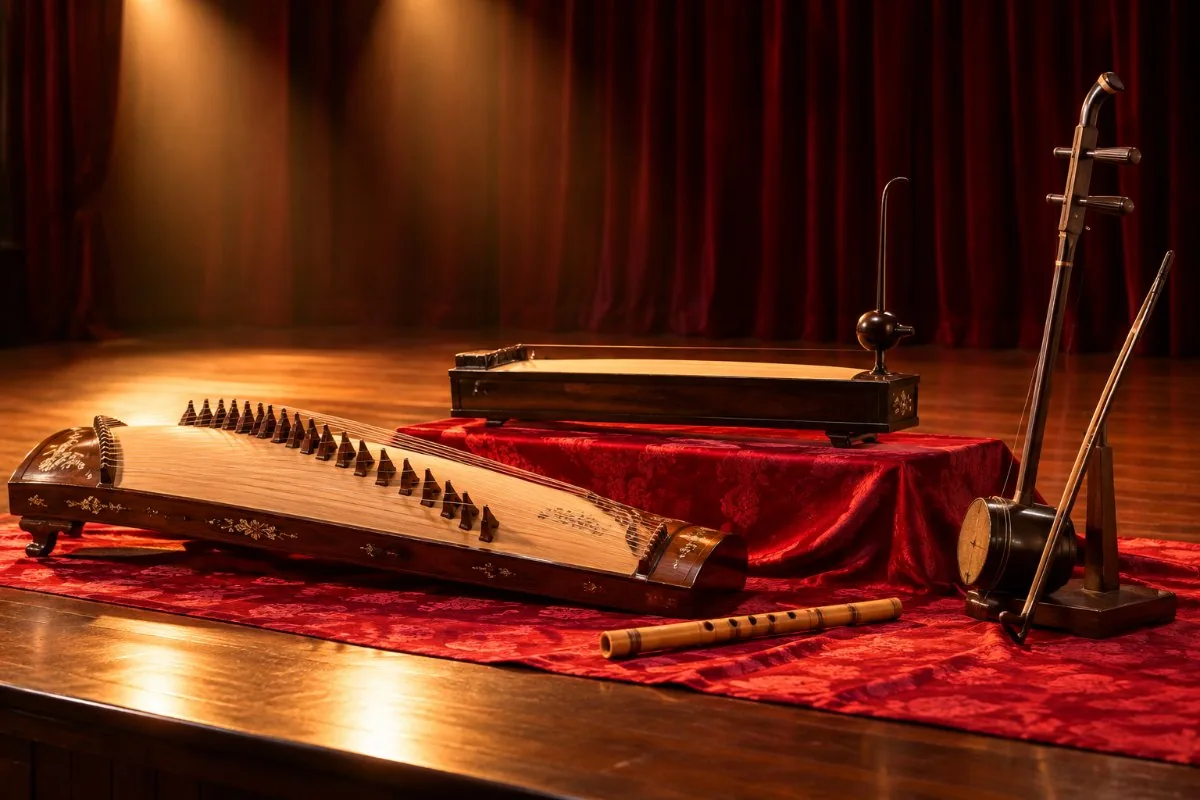
What Traditional Instruments and Dance Styles Define Da Nang’s Performances?
Understanding the key instruments and dance styles enhances your appreciation of every performance you see.
Key Instruments: Đàn Bầu, Đàn Tranh, and Trống Cơm
Three instruments are central to the soundscape of a Da Nang cultural show. The đàn bầu (monochord) is played by plucking a single metal string, its pitch modulated by a flexible bamboo rod. It produces a sound that is both melancholic and deeply resonant. The đàn tranh (16-string zither) is more melodic and cheerful, often used to accompany folk songs. The trống cơm (rice drum) is a barrel drum with a paste of rice and clay applied to the center of the skin to modify its pitch, creating a distinctive, warm tone.
When you hear these three instruments play together, you are hearing the classic chamber music of central Vietnam.
Dance Styles: Apsara, Xòe, and Trống Quân
Beyond the Cham-inspired Apsara dance, two other styles are common. The Xòe dance is a circle dance originating from the Thai ethnic minority in northern Vietnam. It is a symbol of unity and community, often performed at festivals. In Da Nang’s shows, it is usually presented as a lively, colorful, and participatory segment. The Trống Quân (drum dance) is a flirtatious courtship dance where performers beat drums and sing responsively. It is full of energy and humor, offering a lighter moment in a performance.
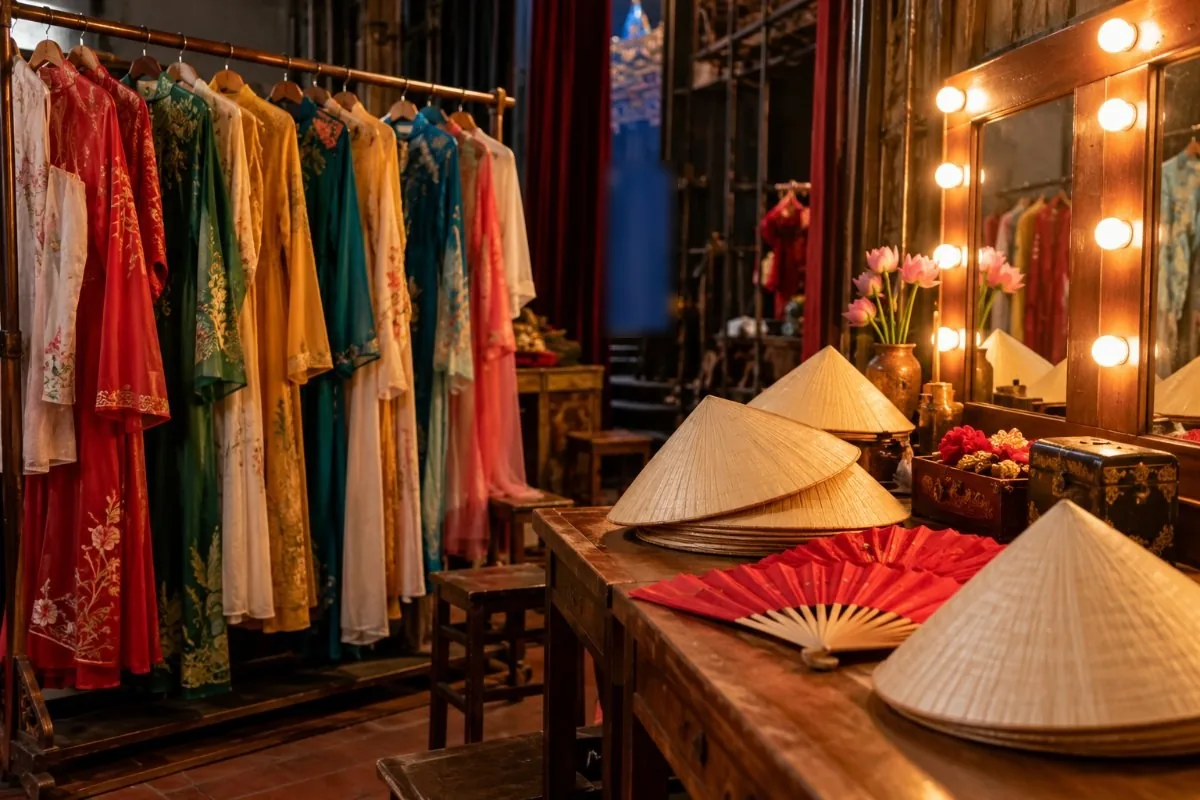
Costumes and Symbolism: Ao Dai, Conical Hats, and Champa Attire
The costumes are a visual story. The Áo Dài, Vietnam’s national dress, is worn in a variety of colors and styles to represent different eras and regions. The iconic conical hat (nón lá) is not just an accessory; it symbolizes the grace and hard work of Vietnamese women. For Cham dances, performers wear elaborate, heavy costumes inspired by the statues of the My Son sanctuary—often with tall headdresses and sarongs in shades of gold, red, and blue. The detail in these costumes is a testament to the commitment to historical accuracy.
Practical Tips for Attending Cultural Shows in Da Nang in 2026
A few practical steps can ensure your evening of culture is smooth and enjoyable.
- Book tickets online or via your hotel concierge. Booking online through platforms like Klook or GetYourGuide is often cheaper than at the door. Your hotel concierge can also arrange tickets and transportation, which is very convenient. Avoid third-party touts on the street.
- Arrive at least 20-30 minutes early. This gives you time to find your seat, visit the restroom, and soak in the atmosphere. For the “Charming Danang Show,” arriving early also allows you to browse the small lobby area. For “Soul of Vietnam,” being early means you can read the program notes.
- Choose your seat wisely for photography. For the “Charming Danang Show,” center seats in rows 5-8 offer the best view without being too close. For “Soul of Vietnam,” the theater is smaller, so any seat is good. Avoid the very front rows as you may miss the full stage picture.
- Combine the show with a dinner. Many restaurants in the city center offer “show packages” or are a short walk from the theaters. A great strategy is to book a 5:30 PM dinner, then walk to the 7:30 PM show. After the show, head to a riverside café for a nightcap.
- Dress smart-casual. While there is no strict dress code, you will feel more comfortable in smart-casual attire. Shorts and flip-flops are acceptable for the “Charming Danang Show,” but for the more formal “Soul of Vietnam” theater, a pair of trousers or a nice dress is more appropriate.
Important Considerations for Attending Cultural Performances
Avoid these common mistakes for a more complete cultural experience in Da Nang.
Mistake #1: Not Checking the Performance Schedule Before Booking
Performance schedules can change, especially during festivals. The “Charming Danang Show” typically runs nightly, but Tuồng performances at the Nguyen Hien Dinh Theater might only occur on weekends. Always check the official Da Nang tourism website or call the venue directly to confirm the schedule. Booking tickets for a canceled show is a completely avoidable disappointment.
Mistake #2: Overlooking Free Performances at Local Festivals
Many visitors focus solely on ticketed shows and miss out on free cultural performances at local festivals. During events like Tet (Lunar New Year) or the Da Nang International Fireworks Festival (DIFF), public squares often host stages for free Bai Choi singing and Cham dance. These offer a fantastic opportunity to experience authentic culture without expense. Research festival dates before your trip.
Mistake #3: Arriving Late and Missing the Introduction
Cultural performances in Da Nang usually start precisely on time. Arriving late means you miss the crucial opening segments, which often provide context for the show’s theme. It can also be disruptive to other audience members. Aim to arrive at least 20 minutes before the show begins to settle in and absorb the atmosphere.
Related on this site
- Da Nang Historical Walking Tour: Colonial Architecture Sites 2026
- Explore Da Nang’s Ancient Cham Ruins: A Historical Journey 2026
Frequently Asked Questions
Are the shows suitable for non-Vietnamese speakers?
Yes. The “Charming Danang Show” uses English narration and is designed to be visually understandable. “Soul of Vietnam” is more challenging linguistically, but the physical acting is so expressive that the story is easy to follow. “Hoi An Memories” relies almost entirely on visual spectacle.
Can I take photos or videos during the performances?
Photography without flash is generally allowed. Video recording is sometimes restricted for the first few minutes. Always check the specific rules for your show. Flash photography is strictly prohibited as it distracts the performers and other audience members.
How do I get to the Hoi An Memories show from Da Nang?
The easiest way is to book a taxi or a private car for the round trip, which takes about 30-40 minutes. Many tour operators offer packages that include transportation and the show ticket. You can also take a local bus to Hoi An, but this requires more planning.
What is the best time of year to see cultural shows in Da Nang?
Most shows run year-round. However, the best time is during the dry season (February to August), which coincides with major festivals like the Da Nang Summer Fest and DIFF, when you can see many outdoor and free performances.
Are there any shows that include dinner?
While the main theaters do not have in-house dinner service, many nearby restaurants offer pre-show dinner deals. The “Hoi An Memories” venue has restaurants, but they are separate from the show ticket. A common practice is to eat at a local restaurant before the 7:30 PM show.
Which show is best for a romantic evening?
The “Hoi An Memories” show, with its stunning outdoor setting on the river, is the most romantic option. The “Charming Danang Show” is also a great choice due to its polished production and central location, making it easy to pair with a nice dinner and a riverside walk.
Can I buy tickets at the door on the day of the show?
You can, but it is risky. Major shows like “Charming Danang” can sell out, especially during peak tourist season. Booking online or through your hotel in advance is always the safest bet to guarantee your spot.
Conclusion: Your Next Steps
Da Nang’s cultural shows in 2026 offer a rich, accessible way to connect with Vietnamese heritage. Whether you choose the comprehensive “Charming Danang Show” or the specialized “Soul of Vietnam,” you are investing in an experience that goes beyond sightseeing. After reading this guide, your next step is to check the official schedules, book your preferred show online, and plan your pre-show dinner.
For more ideas on how to enrich your trip, explore our guide on Da Nang’s best live music venues for a different kind of evening entertainment, or read about Da Nang’s art gallery walk for a daytime cultural fix.
Part of our guide to things to do in Da Nang.