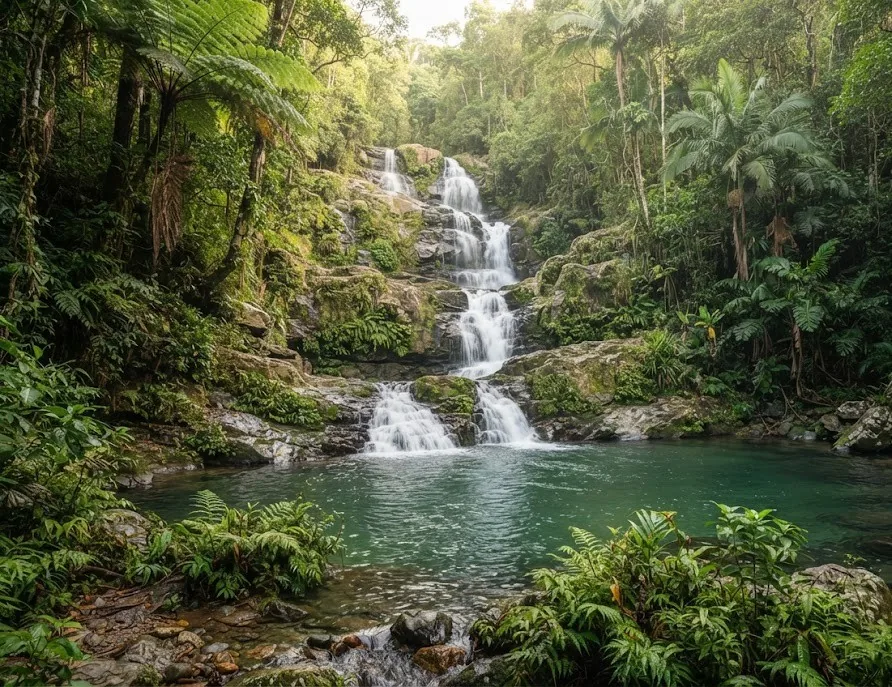
Most travelers to Da Nang head straight for the crowded sands of My Khe Beach or the cable cars of Ba Na Hills. But a different adventure awaits those willing to venture off the asphalt—a network of secret waterfalls hidden in the jungles of the Truong Son mountain range. This guide reveals Da Nang’s secret waterfalls, where the only sounds are rushing water and bird calls, and the reward is a swim in a pristine pool far from the selfie sticks.
Da Nang hides at least five major secret waterfall systems within a 90-minute drive of the city center, including the remote Shattered Falls which requires a two-day expedition through primary forest. This guide covers the five best secret waterfall hikes—from the cliff-diving challenge of Gieng Troi to the multi-tiered falls of Bach Ma National Park—along with a step-by-step planning system, a packing checklist for the Vietnamese jungle, and critical safety rules for navigating remote terrain.
Why Da Nang’s Secret Waterfalls Are a Must-Explore in 2026
Da Nang’s secret waterfalls offer an adventure experience that contrasts sharply with the city’s mainstream tourist attractions. While Ba Na Hills draws over 2.5 million visitors annually with its French village replica and Golden Bridge, and My Khe Beach sees thousands of sunbathers daily, the waterfalls remain largely undiscovered. A recent Instagram post from a local travel page noted that one particular waterfall near Son Tra Peninsula isn’t on Google Maps, isn’t in any travel guide, and takes 50 minutes by motorbike to reach—locals don’t even tell tourists about it.
It is worth checking Da Nang’s official tourism board for current opening hours and seasonal events before you visit.
This exclusivity is the core appeal. Instead of queuing for a cable car, you’re navigating a jungle trail that few have walked. Instead of swimming in a hotel pool, you’re plunging into a natural pool fed by a cascade that has flowed for millennia. The physical challenge—whether it’s a steep descent into a gorge or a multi-hour trek through leech territory—adds a layer of accomplishment that a bus tour simply cannot replicate. For hikers who value authenticity and solitude, these waterfalls represent the real Da Nang.
The 5 Best Secret Waterfall Hikes Near Da Nang
Each of these five waterfall hikes offers a distinct challenge and reward, from multi-day expeditions to quick afternoon escapes. The table below provides a quick comparison, followed by detailed descriptions of each trail.
| Waterfall | Location | Hike Time (Round Trip) | Difficulty | Best For |
|---|---|---|---|---|
| Shattered Falls | Hoa Vang, ~60 km from Da Nang | 2 days (overnight camp required) | Expert | Multi-day expedition, remote wilderness |
| Gieng Troi (Heaven’s Well) | Ba Na Commune, ~45 km from Da Nang | 3-4 hours | Hard | Cliff diving, adrenaline seekers |
| Ba Do Phot Waterfall Trail | Hoa Bac area, ~35 km from Da Nang | 2-3 hours | Moderate | Jungle trekking with a swimming reward |
| Bach Ma National Park Falls | Bach Ma National Park, ~60 km from Da Nang | 4-6 hours (Do Quyen); 2-3 hours (Suoi Voi) | Moderate to Hard | Multi-waterfall exploration, cloud forests |
| Unnamed Cascade (Son Tra) | Son Tra Peninsula, ~20 km from Da Nang | 1-2 hours | Easy to Moderate | Quick escape, wildlife spotting (red-shanked douc langurs) |
Shattered Falls: The Largest and Most Remote Cascade
Shattered Falls is Da Nang’s largest waterfall, hidden deep within untouched forest terrain in Hoa Vang. This is not a day trip—it’s a two-day expedition that requires camping overnight. The trail starts from a small village accessible only by motorbike or 4×4, then descends through dense jungle for several hours before reaching the falls. The cascade itself is a massive curtain of water dropping over a cliff face, creating a thunderous roar that echoes through the gorge. The pool below is deep and clear, perfect for a refreshing swim after the long hike. Because of its remoteness, Shattered Falls sees very few visitors—you might have the entire waterfall to yourself.
Gieng Troi (Heaven’s Well): A Vertical Cliff Dive Challenge
Hidden deep in Ba Na Commune, Gieng Troi—meaning “Heaven’s Well”—is a natural lake surrounded by jungle, fed by a tall waterfall that plunges into a deep, emerald pool. The hike involves a steep descent into the gorge, with sections that require careful footing on slippery rocks. The main attraction here is the cliff diving. The surrounding cliffs offer jump heights ranging from 3 to 10 meters, with the deepest parts of the pool reaching over 15 meters. This is an adrenaline activity that demands caution—check the water depth before jumping, especially after rain when debris may be submerged. The Facebook group “Expats in Da Nang” frequently features photos of this spot, but it remains off most tourist itineraries.
Ba Do Phot Waterfall Trail: The Jungle Trek with a Cool-Down Reward
The Ba Do Phot Waterfall Trail in the Hoa Bac area offers a moderate jungle trek that ends with a spectacular swimming hole. The trail winds through bamboo groves and past small streams, with the sound of the waterfall growing louder as you approach. Unlike the more remote falls, Ba Do Phot is accessible enough for a half-day trip from Da Nang. The waterfall cascades into a wide, deep pool surrounded by smooth rocks—perfect for sunbathing after your swim. This spot is popular with local Vietnamese hikers on weekends, but weekdays are usually quiet. The trail is well-trodden but not officially marked, so downloading offline maps before you go is essential.
Hidden Falls in Bach Ma National Park: A Multi-Waterfall System
Bach Ma National Park, located about 60 km from Da Nang near the border with Hue, is a paradise for waterfall hunters. Spanning over 37,000 hectares, this protected area is home to dense cloud forests, misty mountain peaks, and a rich variety of flora and fauna. The park contains several major waterfalls, including Do Quyen (Rhododendron Falls), which drops 300 meters in a series of cascades, and Suoi Voi (Elephant Stream), a gentler series of pools and small falls. The hike to Do Quyen is the most challenging—a steep descent and ascent that takes 4-6 hours round trip—but the sight of water thundering down the mountainside through the mist is unforgettable. Bach Ma’s summit trail also offers panoramic views of the coastline and the lagoon system below.
The Unnamed Cascade Near Son Tra: A Quick Escape for Wildlife Lovers
Son Tra Peninsula, known locally as Monkey Mountain, is a hiker’s paradise in its own right. While most visitors come for the views and the famous red-shanked douc langurs, a hidden waterfall exists off the main road. This unnamed cascade is small compared to the others on this list, but its proximity to Da Nang—only 20 km from the city center—makes it ideal for a quick escape. The hike takes 1-2 hours round trip and passes through forest where you’re likely to spot wildlife, including macaques, birds, and if you’re lucky, the critically endangered langurs. The waterfall itself is a gentle cascade with a shallow pool, more suited for a cool dip than cliff diving. It’s the perfect option for a spontaneous afternoon adventure.
How to Plan Your Waterfall Hiking Trip: A Step-by-Step Guide
Proper planning transforms a potentially dangerous jungle hike into a safe and rewarding experience. Follow these five steps to ensure your trip goes smoothly.
Step 1: Choose the Right Waterfall for Your Fitness Level
Be honest about your experience and fitness. If you’re new to jungle hiking, start with the unnamed Son Tra cascade or Ba Do Phot. If you’re an experienced hiker comfortable with steep terrain and overnight camping, Shattered Falls is your goal. Gieng Troi and Bach Ma’s Do Quyen fall in between—challenging but achievable for fit hikers with some trail experience. Don’t overestimate your abilities; a rescue from a remote waterfall in Vietnam is logistically complex and expensive.
Step 2: Book a Local Guide or Porter (When Necessary)
For Shattered Falls and Gieng Troi, a local guide is strongly recommended. The trails are unmarked, and getting lost in the jungle is a real risk. Guides from Da Nang Waterfalls or local tour operators in Hoa Vang charge approximately $50–$100 per day, which includes transportation, meals, and safety equipment. For Bach Ma National Park, you can hire a park ranger as a guide at the entrance. For the easier trails like Ba Do Phot or the Son Tra cascade, you can go independently if you have downloaded offline maps and have basic navigation skills.
Step 3: Pack the 7 Essentials for Vietnamese Jungle Hikes
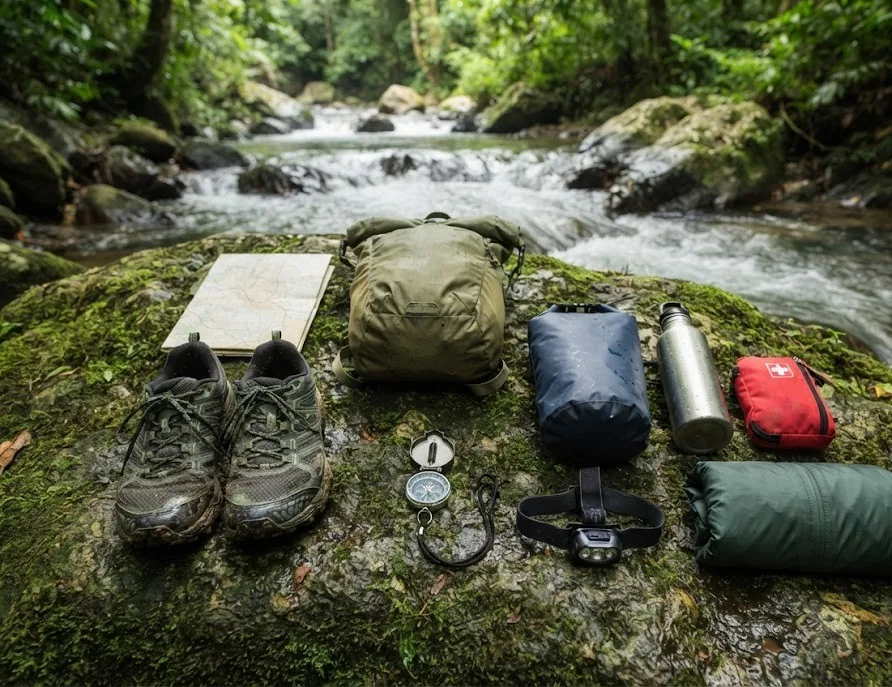
Packing the right gear is non-negotiable. Here’s what you need for any waterfall hike in Da Nang’s jungles:
- Dry bag — to keep your phone, wallet, and dry clothes safe during river crossings and swims.
- Leech socks — thick, knee-high socks that prevent leeches from attaching to your ankles. Available at outdoor shops in Da Nang for about $5.
- Water shoes or sturdy sandals — trail runners will get soaked and slippery. Water shoes with good grip are ideal for wet rocks.
- At least 2 liters of water — there are no shops on the trail. Bring a reusable bottle or hydration bladder.
- High-energy snacks — nuts, dried fruit, energy bars. You’ll burn 500+ calories on a moderate hike.
- Insect repellent with DEET — mosquitoes and other biting insects are abundant in the jungle.
- First-aid kit — include antiseptic wipes, bandages, and salt (for leech removal).
Step 4: Time Your Hike for the Best Water Flow and Weather
The best time for waterfall hiking in Da Nang is from September to November, when the rains have filled the rivers and the falls are at their most powerful. However, this is also the rainy season—expect muddy trails and potential flash floods. January through August offers more manageable conditions: drier trails, less humidity, and lower water levels that make swimming safer. The falls are still flowing during this period, though they may be less dramatic. Avoid hiking during or immediately after heavy rain, as trails become dangerous and water levels can rise unpredictably.
Step 5: Navigate the Drive from Da Nang City Center
Most waterfall trailheads are accessible by motorbike or car. From Da Nang city center, drive west on National Road 14G toward Hoa Vang for the waterfalls in that area. For Bach Ma National Park, take Highway 1A north toward Hue for about 60 km. For Son Tra Peninsula, drive east from the city center across the Dragon Bridge and follow the road up the peninsula. Google Maps works for the main roads, but offline maps from apps like Maps.me or OsmAnd are essential once you leave the pavement. Motorbike rental in Da Nang costs about $5–$10 per day. If you’re not comfortable driving, hire a private car with a driver for the day—expect to pay $40–$60.
Key Safety Rules and Local Etiquette for Waterfall Hiking
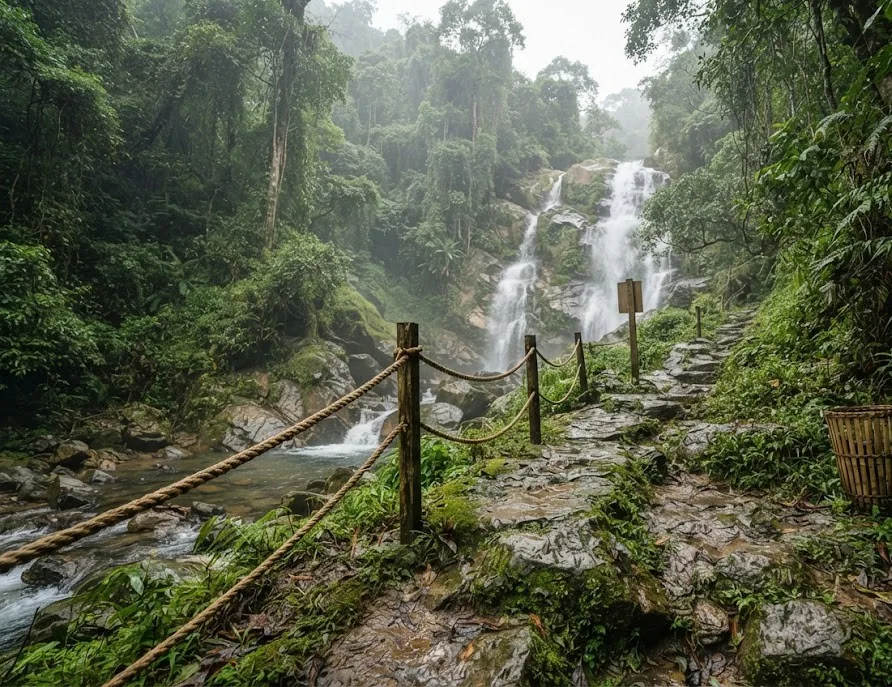
Jungle hiking in Vietnam carries specific risks that require preparation and respect for the environment. Follow these rules to stay safe and minimize your impact.
Check Water Levels Before Cliff Diving or Swimming
Never dive into a waterfall pool without first checking the depth and checking for submerged rocks or debris. After heavy rain, water levels rise and currents become stronger, but visibility drops—what looks like a deep pool might be shallow. A common anti-example: divers have been injured at Gieng Troi after jumping into murky post-rain water that concealed a submerged boulder. Always enter the water slowly first, test the depth with your feet, and only jump from heights you’re confident about. If the water is brown or cloudy, skip the dive entirely.
What to Do When You Encounter Leeches and Snakes
Leeches are a fact of life in the Vietnamese jungle. They’re not dangerous, but they are unpleasant. Wear leech socks and tuck your pants into them. If a leech attaches, do NOT pull it off—this can cause the mouthparts to remain in your skin and lead to infection. Instead, apply salt or a salt-water solution to the leech, and it will detach on its own. Clean the wound with antiseptic afterward. Snakes are less common but present. Most are shy and will move away if given space. If you see a snake, stop, back away slowly, and give it a wide berth. Never try to handle or provoke it. The venomous species in central Vietnam include the green pit viper and the king cobra, but bites are rare if you watch where you step and avoid reaching into crevices.
Leave No Trace: Respecting the Forest and Local Communities
These waterfalls are pristine because few people visit them. Keep them that way. Pack out everything you bring in—including food wrappers, plastic bottles, and any other trash. Do not use soap or shampoo in the waterfall pools, even if they’re biodegradable; the chemicals harm the aquatic ecosystem. Respect local customs: some waterfalls are considered sacred by local ethnic minority communities. Ask your guide if there are any specific rules or taboos at the site you’re visiting. Avoid making excessive noise—part of the appeal of these places is the natural silence.
What Makes 2026 the Perfect Year to Visit These Hidden Gems
Several converging factors make 2026 an ideal time to explore Da Nang’s secret waterfalls before they become mainstream.
New Trail Markers and Eco-Tourism Initiatives
Local tourism authorities and conservation groups are beginning to recognize the value of these natural assets. In 2026, a pilot program installed basic trail markers on the Ba Do Phot and Gieng Troi routes, making them slightly easier to navigate without a guide. Eco-tourism initiatives in Bach Ma National Park have also introduced ranger-led waterfall tours that emphasize conservation education. These developments make 2026 a sweet spot—the trails are becoming more accessible, but they haven’t yet been overrun by commercial tour buses. The infrastructure improvements also mean that emergency response times are improving, adding a layer of safety for independent hikers.
Post-COVID Travel Boom: How to Beat the Crowds
Da Nang’s tourism numbers have rebounded strongly post-COVID, and major events like the Da Nang International Fireworks Festival (DIFF) 2026, scheduled from May 30 to July 11, will draw massive crowds to the city center. This is precisely the time to escape into the mountains. While hundreds of thousands of visitors pack the beaches and bridges for the fireworks, the waterfalls remain quiet. The key is timing: visit on weekdays, start your hike early (by 7:00 AM), and avoid Vietnamese public holidays when domestic tourism spikes. By choosing to explore the secret waterfalls during peak tourist season, you’re not just avoiding crowds—you’re discovering the side of Da Nang that most visitors never see.
Related on this site
Frequently Asked Questions
Are these waterfalls safe to visit independently?
For the easier trails like Ba Do Phot and the Son Tra cascade, independent visits are feasible if you have offline maps, basic navigation skills, and proper gear. For Shattered Falls and Gieng Troi, a local guide is strongly recommended due to the unmarked trails and remote locations.
What is the best time of year to see the waterfalls at full flow?
September through November offers the most powerful water flow, but trails are muddier and the risk of rain is higher. January through August provides drier conditions with still-respectable water levels.
Do I need a motorbike to reach the trailheads?
Yes, a motorbike or private car is necessary for most trailheads. Motorbike rental in Da Nang costs $5–$10 per day. If you’re not comfortable driving, hire a private car with a driver for $40–$60 per day.
How much does a local guide cost?
Local guides charge approximately $50–$100 per day, which typically includes transportation, meals, and safety equipment. For Bach Ma National Park, you can hire a park ranger as a guide at the entrance for a lower fee.
What should I do if I encounter a snake on the trail?
Stop moving, back away slowly, and give the snake a wide berth. Do not attempt to handle or provoke it. Most snakes in the area are shy and will move away if given space.
Can I camp overnight at the waterfalls?
Camping is possible at Shattered Falls, which requires a two-day expedition. For other waterfalls, overnight camping is generally not permitted or practical. Bach Ma National Park has basic accommodation at the summit for those who want to explore multiple falls over two days.
Are there any entrance fees for these waterfalls?
Bach Ma National Park charges an entrance fee of about $6–$10 per person. The other waterfalls on this list are free to access, though you may need to pay a small parking fee if you leave your motorbike at a local home near the trailhead.
Conclusion
Da Nang’s secret waterfalls offer a genuine adventure that contrasts with the city’s more commercial attractions. The five hikes detailed here—from the two-day expedition to Shattered Falls to the quick wildlife escape on Son Tra Peninsula—provide options for every fitness level and time budget. The key to a successful trip is preparation: choose the right waterfall for your ability, book a guide when necessary, pack the seven essentials, time your visit for optimal conditions, and respect the forest. 2026 is the year to explore these hidden gems before they become crowded.
Start by downloading offline maps of your chosen trail, then rent a motorbike and head west out of the city. The jungle is waiting.
Part of our guide to places to visit in Da Nang.