Da Nang’s Tea Houses: Where to Enjoy Traditional Teas 2026 — this guide takes you beyond the coffee shops to discover where locals and savvy travelers sip authentic Vietnamese brews, from ancient Shan Tuyet to lotus-scented green tea. You’ll find curated venue profiles, tasting rituals, pricing tips, and the cultural context that turns a simple cup into a memorable experience.
Update, August 2026 — Wonderlust has closed. Wonderlust (also listed as Wonderlust Coffee & Souvenir and Wonderlust Bakery & Coffee) is no longer trading. Its entries are left on this page marked as closed so you do not make the trip; every other venue here was re-checked and is still open. Do not confuse it with Bread & Butter Bakery, which is a different business and is still open.
Da Nang’s tea scene in 2026 blends centuries-old Vietnamese brewing traditions with modern hospitality. The city offers everything from rustic tea tastings at La.kao Teahouse (featuring 600-year-old Shan Tuyet trees) to luxurious 5-star afternoon tea sets at Grand Mercure and Grand Tourane. Most traditional tea experiences cost between 150,000–300,000 VND per person, and the golden window for afternoon tea is 14:00–18:00. This guide covers the essential tea varieties, the venues worth your time, and the etiquette that makes the experience authentic.
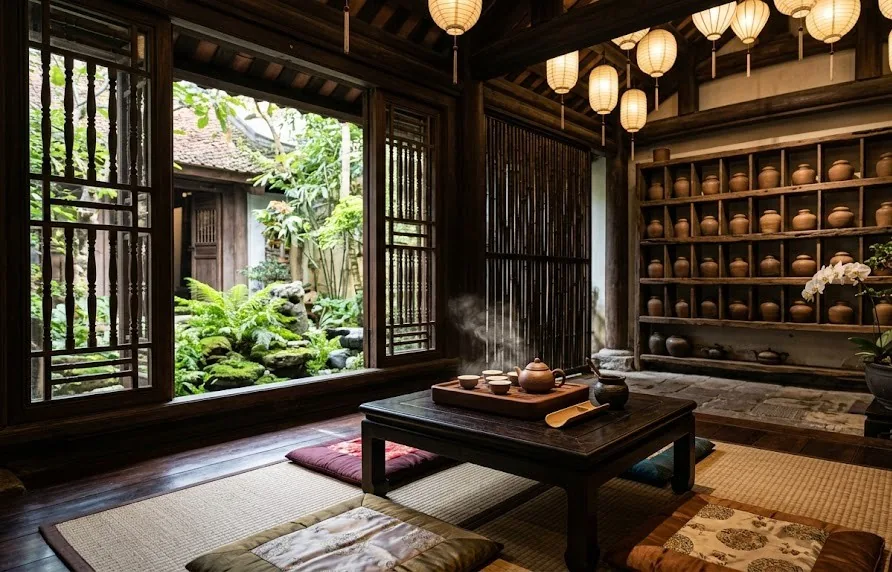
Vietnam’s Tea Heritage: Why Da Nang Is a Hidden Gem for Traditional Tea
Vietnam’s tea culture spans over 3,000 years, yet Da Nang has only recently emerged as a destination where travelers can experience this heritage authentically. While Hanoi and Hue claim historical tea traditions, Da Nang’s central location gives it access to tea-growing regions across the country, making it an unexpected hub for tea exploration.
National Tea: From Highlands to Vietnamese Tea Table
Vietnamese tea culture is rooted in the northern highlands, where ancient Shan Tuyet tea trees have grown wild for centuries. The tea journey moves from these misty mountains through the hands of ethnic minority harvesters to the ceramic pots of urban tea houses. Unlike the formalized tea ceremonies of Japan or China, Vietnamese tea drinking is more democratic — it’s a daily ritual shared among family and friends, often accompanied by conversation rather than ceremony. This accessibility makes it easier for visitors to participate without feeling intimidated by complex protocols.
Vietnamese Tea vs. Chinese and Japanese Tea: Key Differences
Vietnamese tea distinguishes itself through both terroir and technique. Take Shan Tuyet tea from Ha Giang — these ancient trees produce a bold, slightly smoky brew that carries wild honey notes, quite different from the delicate vegetal character of Chinese Long Jing. Lotus tea from Hanoi’s West Lake represents a uniquely Vietnamese innovation: green tea leaves are interleaved with lotus petals for three days, absorbing the flower’s fragrance without the heaviness of jasmine. This contrasts with Japanese matcha’s stone-ground intensity or Chinese oolong’s roasted complexity. Vietnamese tea tends toward lighter oxidation and emphasizes freshness, often harvested and processed within days.
Why Da Nang Is Becoming a Tea Destination in 2026
Da Nang’s rise as a tea destination stems from its tourism boom and the influx of tea enthusiasts who bring northern and central Vietnamese tea traditions south. The city now hosts tea houses that import directly from Ha Giang, Thai Nguyen, and Lam Dong, offering tastings that were previously only available in Hanoi. The city’s position as a beach resort also attracts tea masters who see an opportunity to introduce international visitors to Vietnamese tea culture in a relaxed coastal setting.
This combination of accessibility, quality, and ambiance makes Da Nang an ideal starting point for anyone curious about Vietnamese tea in 2026.
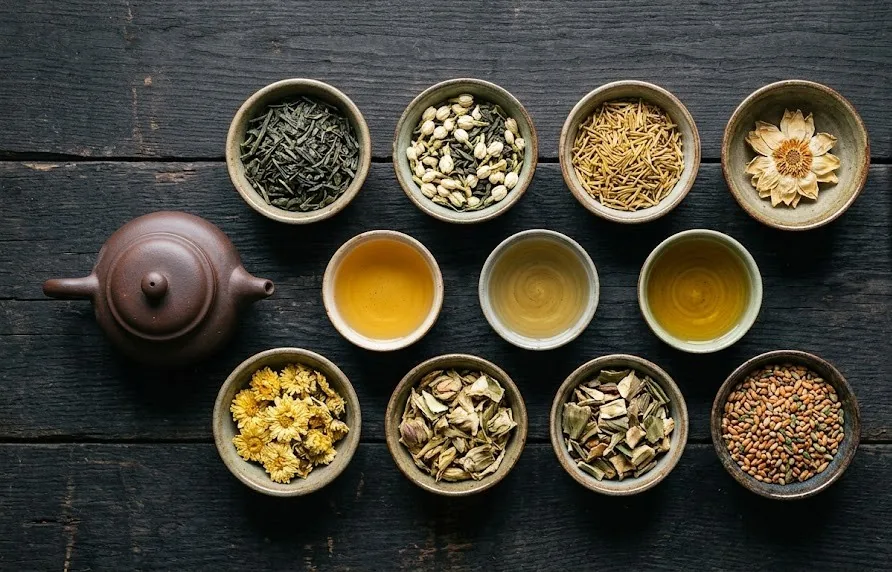
Traditional Vietnamese Teas You Should Try in Da Nang
Four tea families define the Vietnamese tasting experience: Thai Nguyen green tea, ancient Shan Tuyet, lotus-scented green tea, and herbal blends. Each offers a distinct window into Vietnam’s tea culture, and all are readily available at Da Nang’s dedicated tea houses.
Thai Nguyen Green Tea — The National Pride
Thai Nguyen province produces Vietnam’s most celebrated green tea, known locally as “quoc hồn quoc tui” (national soul, national spirit). The tea leaves are small, tightly rolled, and brew into a bright yellow-green liquor with a sweet, grassy aroma. When tasting Thai Nguyen tea, notice the initial vegetal note that gives way to a lingering sweetness on the palate. At Da Nang tea houses, this is often served in small ceramic cups, allowing the drinker to appreciate multiple infusions — the flavor evolves from the first to the fourth steeping.
Ancient Shan Tuyet Tea — The Northern Mountain Specialty
Shan Tuyet tea comes from ancient trees growing at altitudes above 1,000 meters in Ha Giang, Yen Bai, and Lai Chau. Some trees are over 600 years old, with trunks so large that harvesters must climb them. The tea produces a deep amber liquor with notes of wild honey, forest wood, and a subtle smokiness. The Green Snail Spring variety from Ha Giang is particularly prized for its tightly curled leaves that unfurl slowly, releasing flavor across multiple infusions.
This tea offers a completely different experience from the grassy freshness of Thai Nguyen — it’s bold, complex, and rewarding for those who appreciate aged flavors.
West Lake Lotus Tea — The Essence of Hanoi
Lotus tea represents the pinnacle of Vietnamese tea craftsmanship. The process involves layering high-quality green tea leaves with lotus petals from Hanoi’s West Lake for three consecutive days. The result is a tea that carries a delicate floral fragrance without being perfumy — the lotus aroma integrates so seamlessly that it feels like the tea itself naturally carries the scent. This tea is typically reserved for special occasions and can be expensive due to the labor-intensive process. At Da Nang tea houses, it’s often served as a premium option, allowing visitors to experience a taste of Hanoi’s imperial heritage.
Herbal Teas and Bat Buu — Cooling Choices by the Sea
Da Nang’s coastal climate makes herbal teas a practical choice. Bat Buu tea (eight treasures) combines ingredients like goji berries, red dates, longan, and chrysanthemum — a sweet, warming brew that locals drink for health benefits. Other popular herbal options include artichoke tea from Lam Dong, which has a mild, earthy flavor, and butterfly pea flower tea, which turns from deep blue to purple when lemon is added. These teas are widely available at venues like Les 3000 Mondes, where the visual transformation of butterfly pea tea adds an element of entertainment to the drinking experience.
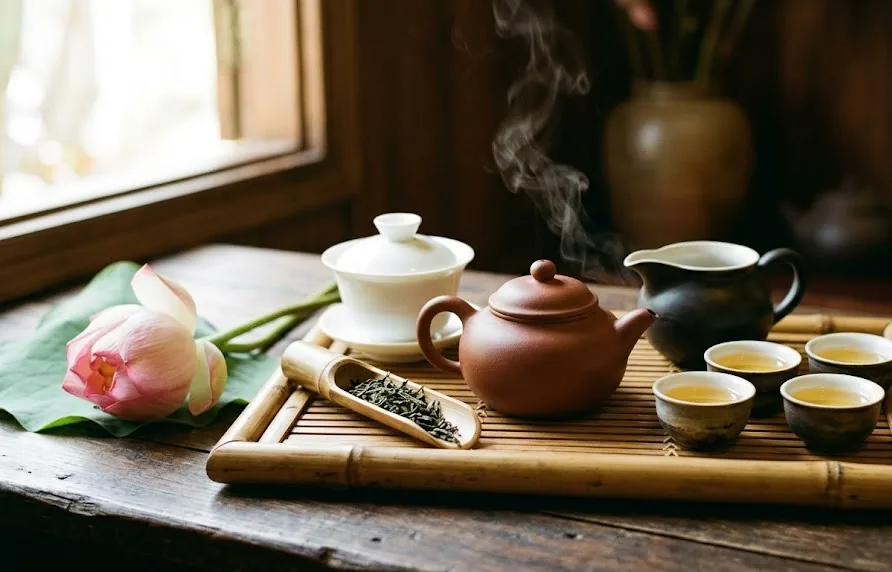
Authentic Traditional Tea Experience: Tea Tasting and the Art of Brewing
Tea tasting differs from casual tea drinking in its deliberate, multi-sensory approach — you’re not just quenching thirst but analyzing flavor evolution across multiple infusions. This ritual has found a home in Da Nang, where venues like La.kao Teahouse have introduced structured tasting sessions that guide newcomers through Vietnam’s tea landscape.
What Is Tea Tasting and How Does It Differ from Regular Tea Drinking?
Regular tea drinking is about enjoyment — grabbing a cup to accompany a meal or conversation. Tea tasting, by contrast, is an educational exercise. You focus on the dry leaf’s aroma, observe the liquor’s color, note the initial taste, and track how the flavor changes with each infusion. A proper tasting session typically includes 3 to 5 different teas, allowing you to compare and contrast. The pace is slower, the portions smaller, and the attention is directed entirely toward the tea itself. This practice helps you develop a palate that can distinguish between tea varieties, growing regions, and processing methods.
The 3–5 Tea Tasting Process: From Pouring to Aftertaste
A typical tasting session at La.kao Teahouse follows a structured flow. The tea master begins by showing you the dry leaves, explaining their origin and characteristics. Each tea is then brewed separately, with the first infusion poured out quickly to “wake” the leaves. The second infusion is the first one you taste — this is where the tea’s true character emerges. You’ll be guided to notice the aroma, the body, and the finish.
As the session progresses through multiple teas, you’ll develop a reference framework: the grassiness of Thai Nguyen green, the honey depth of Shan Tuyet, the floral elegance of lotus tea. The entire process takes about 60 to 90 minutes, and the tea master’s commentary transforms what could be a simple tasting into a cultural education.
The Role of the Tea Master in Guiding the Experience
The tea master serves as both educator and storyteller. They translate the technical aspects of tea — oxidation levels, terroir, harvest timing — into accessible narratives that connect each cup to Vietnam’s geography and history. A skilled tea master will also adjust the brewing parameters based on your preferences, extending steep times if you prefer stronger flavors or recommending a different tea order to create a more dramatic flavor progression. This guidance is particularly valuable for newcomers who might otherwise feel overwhelmed by the variety of Vietnamese teas.
The best tea masters in Da Nang, like those at La.kao Teahouse, have spent years studying with producers in Ha Giang and Thai Nguyen, giving them firsthand knowledge that enhances the tasting experience.
Top Traditional Tea Houses in Da Nang You Shouldn’t Miss
Da Nang’s tea house scene ranges from intimate traditional spaces to modern interpretations, each offering a distinct perspective on Vietnamese tea culture. Here are the venues that consistently earn praise from both locals and international visitors in 2026.
La.kao Teahouse — A Vietnamese Tea Oasis in the Old Quarter
Located at the edge of Hoi An’s old town, just a 30-minute drive from Da Nang, La.kao Teahouse has become the reference point for serious tea drinkers. The venue specializes in rare Vietnamese teas — their Shan Tuyet comes from trees over 600 years old in Ha Giang, and their aged Oolong from Lam Dong has been carefully stored for a decade. The signature offering is the 3 to 5 tea tasting session, priced around 150,000–250,000 VND, which includes a guided journey through Vietnam’s tea regions. The atmosphere is intimate, with low wooden tables and soft lighting that encourages conversation.
Reservations are recommended, especially on weekends when the tasting room fills up quickly.
Les 3000 Mondes — Lolita-Style Space with Distinctive Herbal Teas
Les 3000 Mondes brings a playful aesthetic to Da Nang’s tea scene with its Lolita-style decor — think lace, vintage furniture, and pastel colors. The tea menu leans toward herbal and floral options, with the butterfly pea flower tea being the visual star: it arrives a deep blue and transforms to purple when you squeeze in lemon. Their Bat Buu tea (eight treasures with goji berries, red dates, and longan) is a warming, sweet option that locals order for its health benefits. This venue appeals to travelers looking for a photogenic space that still respects traditional tea ingredients.
Expect to pay 80,000–150,000 VND per drink.
CLOSED — Wonderlust Bakery & Coffee — Modern Style with Traditional Tea Touches
Wonderlust operates as a hybrid space — part bakery, part coffee shop, part tea room. The tea menu includes traditional Vietnamese options like honey lemon tea and cherry tea, alongside more experimental blends. What sets Wonderlust apart is its dessert pairing: their pastries are designed to complement the teas, making it an accessible entry point for travelers who want a casual tea experience without the formality of a dedicated tea house. The modern, airy interior appeals to younger crowds and digital nomads. Prices range from 60,000–120,000 VND.
Tea Houses in Hoi An Old Town — Extended Options Near Da Nang
Beyond Da Nang city limits, Hoi An’s old town hosts several traditional tea houses that reward exploration. The Windsor Tea House, located within Hoi An, serves over 30 varieties of exotic teas alongside British-style scones with clotted cream and jam — a fusion that appeals to travelers seeking comfort. For a more traditional Vietnamese experience, several small, family-run tea shops in Hoi An’s backstreets offer local green teas at very affordable prices, though these require some exploration to find. These venues work well as a day-trip addition to a Da Nang tea itinerary.
How to Choose the Right Tea House for Your Needs
Consider what you want from the experience before choosing a venue. For education and rare teas, La.kao Teahouse is the clear choice — their tasting sessions offer the deepest dive into Vietnamese tea culture. For a photogenic, casual experience with herbal options, Les 3000 Mondes delivers. If you want tea alongside quality pastries in a modern setting, Wonderlust fits the bill. For a luxurious, resort-style afternoon tea, the 5-star hotels covered in the next section are worth the splurge. Budget-wise, expect to pay 60,000–150,000 VND at casual venues and 250,000–500,000 VND for premium tasting sessions or hotel afternoon tea sets.
Vietnamese-Style Afternoon Tea: The Intersection of Tradition and Western Elegance
Da Nang’s 5-star hotels have reimagined the British afternoon tea tradition with Vietnamese tea and local ingredients, creating a hybrid experience that appeals to both international travelers and affluent locals. These venues offer the most polished tea experiences in the city, with ocean views and impeccable service.
5-Star Afternoon Tea in Da Nang — A Luxurious Coastal Experience
The Grand Mercure Danang’s Nirvana Bar has established itself as the premier destination for afternoon tea, offering three distinct sets: a Vietnamese Set featuring traditional teas with local snacks, a Western Set with classic finger sandwiches and pastries, and a Dim Sum Set for those who prefer savory options. The golden window is 14:00 to 18:00, when the light is soft and the ocean views are at their best. Similarly, the Grand Tourane Hotel has gained recognition for its classy afternoon tea experience, combining French pastries with fresh fruit tea infusions.
The InterContinental Sun Peninsula Resort offers a more international take, with tea service that meets global luxury standards.
Vietnamese Tea Set vs. Western Tea Set: Menu Differences
The Vietnamese Set at these hotels typically includes a selection of local teas — Thai Nguyen green, lotus tea, or Shan Tuyet — served in traditional ceramic pots. The accompanying snacks skew savory and local: banh xeo bites, fresh spring rolls, and grilled meat skewers, alongside smaller sweet treats like sesame balls and coconut cakes. The Western Set, by contrast, follows the British template: scones with clotted cream and jam, finger sandwiches with cucumber and smoked salmon, and delicate French pastries.
Tea options lean toward classic black teas like Earl Grey or Darjeeling, though most venues will substitute Vietnamese teas on request.
Pairing Traditional Tea with Local Pastries
One of the most rewarding aspects of Da Nang’s afternoon tea scene is the creative pairing of Vietnamese tea with local sweets. Lotus tea’s floral notes complement the mild sweetness of banh bo (honeycomb cake), while the smoky depth of Shan Tuyet stands up well to rich coconut-based desserts. Many hotels now offer a hybrid set that combines Western pastry techniques with Vietnamese flavor profiles — think pandan macarons, durian éclairs, and coconut mousse.
This fusion represents Da Nang’s unique position as a city that bridges tradition and modernity, and it’s worth seeking out if you want a tea experience you can’t find elsewhere.
Important Notes When Enjoying Tea in Da Nang
A few practical tips will enhance your tea experience in Da Nang — from choosing the right time of day to understanding pricing and etiquette. These details separate a good visit from a memorable one.
Ideal Times of Day for Traditional Tea
For traditional tea houses like La.kao, morning sessions (9:00–11:00) offer the most peaceful atmosphere, when the tea master has time for extended conversation. The golden window for hotel afternoon tea is 14:00–18:00, when the sets are served and the light is optimal for photos. Evening tea (after 19:00) is more common at casual venues like Les 3000 Mondes, where herbal teas serve as a digestif. Note that some traditional tea houses close between 12:00 and 14:00 for lunch, so check hours before visiting.
How to Order and Etiquette at Vietnamese Tea Houses
At traditional tea houses, you’ll typically order by tea type rather than by drink name. If you’re unfamiliar with the menu, ask the tea master for a recommendation based on your preferences — they’re usually happy to guide you. When tea is served, hold the small cup with both hands as a sign of respect. It’s acceptable to pour your own tea from the pot, but if someone pours for you, tap two fingers on the table as a thank-you gesture. Slurping is considered normal and even encouraged, as it aerates the tea and enhances the flavor.
Price Reference and Money-Saving Tips for Your Tea Tour
Tea tasting sessions at La.kao Teahouse run 150,000–300,000 VND per person, which includes 3 to 5 teas and the tea master’s guidance. Casual drinks at venues like Les 3000 Mondes cost 80,000–150,000 VND. Hotel afternoon tea sets range from 350,000–650,000 VND per person, depending on the venue and set selection. To save money, visit traditional tea houses during weekday mornings when some offer discounts, or share a tea tasting session with a friend — the portions are generous enough for two. For hotel afternoon tea, check for combo deals that include pool or spa access, which often provide better value.
Buying Tea as Gifts — What to Choose and Where to Buy
Shan Tuyet tea in decorative boxes makes an excellent gift, with prices ranging from 200,000–500,000 VND depending on the age of the trees and the packaging. Lotus tea is another premium option, though it’s more fragile and should be consumed within six months of purchase. For budget-friendly gifts, Thai Nguyen green tea in simple packaging starts around 100,000 VND. Most tea houses sell their teas retail, and La.kao Teahouse offers vacuum-sealed packaging that preserves freshness during travel. Avoid buying tea from street vendors — quality is inconsistent, and you may end up with stale leaves.
Instead, purchase from the tea houses themselves or from specialty shops in Hoi An’s old town.
Related on this site
- Discover Da Nang’s Best Kombucha Spots: Fermented Goodness and Flavors 2026
- Da Nang’s Best Nuoc Mia: Fresh Sugarcane Juice Stops 2026
- Discover Da Nang’s Top Quan Nhau for Authentic Bites 2026
Frequently Asked Questions
What is the difference between Vietnamese tea and Chinese tea?
Vietnamese tea tends to favor lighter oxidation and fresher flavors, with an emphasis on green teas and lightly oxidized oolongs. Chinese tea culture includes a broader range of heavily oxidized and fermented teas, and the serving rituals are more formalized. Vietnamese tea drinking is more casual and social, often shared among friends without elaborate ceremony.
How much does a tea tasting session cost in Da Nang?
Expect to pay 150,000–300,000 VND per person at venues like La.kao Teahouse. This includes 3 to 5 different teas, guided instruction, and typically lasts 60–90 minutes. Casual tea drinks at cafes run 60,000–150,000 VND.
Can I buy traditional Vietnamese tea to take home?
Yes, most tea houses sell their teas retail. Shan Tuyet and lotus tea are popular gift choices, with prices ranging from 100,000–500,000 VND. Ask for vacuum-sealed packaging to preserve freshness during travel.
Are there afternoon tea options at Da Nang’s 5-star hotels?
Grand Mercure Danang’s Nirvana Bar offers three afternoon tea sets (Vietnamese, Western, and Dim Sum), while Grand Tourane Hotel provides a classy afternoon tea with French pastries. The InterContinental Sun Peninsula also offers international-standard tea service. Prices range from 350,000–650,000 VND per person.
What is the best time to visit a tea house in Da Nang?
Morning (9:00–11:00) is best for traditional tea houses when it’s quiet and tea masters have time for conversation. The golden window for hotel afternoon tea is 14:00–18:00. Evening visits suit casual herbal tea venues.
Do I need to make a reservation at tea houses in Da Nang?
For La.kao Teahouse, reservations are strongly recommended, especially on weekends. Hotel afternoon tea venues also benefit from advance booking, particularly during peak tourist season (December–April). Casual venues like Les 3000 Mondes and Wonderlust rarely require reservations.
Is Vietnamese tea healthy?
Vietnamese green teas are rich in antioxidants, particularly catechins. Herbal options like Bat Buu tea (with goji berries and red dates) are traditionally consumed for their warming and nourishing properties. As with any caffeinated beverage, moderation is advised for those sensitive to caffeine.
Conclusion — Your Next Step to Da Nang’s Tea Culture
Da Nang in 2026 offers an accessible gateway into Vietnam’s rich tea heritage, with venues ranging from the educational tasting sessions at La.kao Teahouse to the luxurious afternoon tea sets at 5-star hotels. Start with a structured tasting to build your palate, then explore casual venues to find your personal favorites. For a complete experience, pair a traditional tea house visit with a hotel afternoon tea — this contrast will give you a fuller picture of how Vietnamese tea culture is evolving.
Your next step is simple: book a tasting session at La.kao Teahouse for your first evening in Da Nang. From there, let your curiosity guide you through the city’s tea landscape. If you’re planning a broader cultural itinerary, consider exploring Da Nang’s cultural shows to complement your tea journey, or check out family-style dining options to experience more local flavors alongside your tea adventures.
Part of our guide to what to eat in Da Nang.