Da Nang’s food scene has expanded significantly beyond its traditional offerings, and in 2026, the city’s craft beverage movement is quietly fermenting something special. Discovering Da Nang’s best kombucha spots in 2026 is more than just finding a healthy drink; it’s about connecting with a growing community of small-batch brewers, local tea farmers, and health-conscious cafés that are redefining local culinary experiences on Vietnam’s central coast. From intimate taprooms to scenic riverside spots, the city offers a vibrant kombucha scene for those seeking artisanal, probiotic-rich beverages.
Da Nang’s kombucha scene in 2026 is characterized by a unique fusion of Vietnam’s rich fermentation traditions and contemporary craft brewing techniques. Unlike larger cities where kombucha might be mass-produced, Da Nang’s brewers actively experiment with locally sourced teas from the Central Highlands and tropical fruits. Most establishments offer live-culture brews priced between 40,000–90,000 VND per glass, with many rotating unique flavors weekly. This guide explores five standout locations, provides insights into identifying quality fermentation, and offers practical advice for enjoying kombucha in Vietnam’s tropical climate.
What Makes Da Nang’s Kombucha Scene Unique in 2026
While Vietnam has a long history of fermented beverages, the current kombucha trend represents a distinct evolution. Da Nang’s coastal location and proximity to tea-producing regions have fostered a fertile ground for craft fermentation. Local brewers are utilizing oolong and green teas from nearby Quang Nam and Lam Dong provinces, fermenting them with SCOBY cultures cultivated within both expat and local communities. This blend of tradition and innovation is creating a distinctive local product.
How Vietnam’s Fermented Drink Culture Meets Modern Craft Brewing
Kombucha naturally integrates into Da Nang’s existing culinary landscape, which already embraces fermented ingredients like pickled vegetables and fish sauce. This cultural acceptance makes the beverage more approachable for locals. Concurrently, the presence of an international community, particularly in areas like An Thuong, has introduced global brewing standards. This exchange fosters a cross-pollination of ideas, leading to the development of some of Southeast Asia’s most interesting small-batch kombucha offerings.
The Rise of Specialty Tea and Probiotic Cafés in Central Vietnam
Da Nang’s café culture has seen substantial growth since 2020, evolving from a focus on specialty coffee to a broader wellness movement. Cafés now commonly feature kombucha on tap alongside other artisanal beverages. This trend aligns with Vietnam’s broader shift towards premium, single-origin teas, with kombucha providing tea farmers a value-added product that appeals to health-conscious urban consumers.
How to Choose the Right Kombucha Spot in Da Nang
Selecting a quality kombucha experience requires understanding a few key indicators. The primary distinction lies between live-culture (raw, unpasteurized) and pasteurized kombucha, which directly impacts its probiotic benefits. Here’s a guide to making informed choices:
- Verify Live Cultures: Inquire if the kombucha is raw and unpasteurized. Live-culture brews retain beneficial bacteria and yeast, crucial for probiotic value. Pasteurized versions, while shelf-stable, lose these microorganisms.
- Assess Carbonation: Natural effervescence is a hallmark of proper fermentation. A lack of fizz can indicate an older batch or suboptimal brewing.
- Inquire About the Base Tea: Premium kombucha is typically made with whole-leaf teas rather than tea bags. Da Nang’s best brewers often source locally, contributing to nuanced flavor profiles.
- Expect a Price Range of 40,000–90,000 VND: This price point is standard in Da Nang’s café districts. Significantly lower prices may suggest mass production or dilution.
- Consider Serving Style: Kombucha served on tap from kegs generally offers superior freshness compared to bottled versions that may have been stored for extended periods.
Live Culture vs. Pasteurized — Which One Delivers Real Probiotic Benefits?
Live-culture kombucha contains active microorganisms that can potentially benefit gut health and immune function. Pasteurization, a heat treatment process, extends shelf life but eliminates these beneficial organisms. When visiting Da Nang cafés, always confirm if their kombucha is raw; reputable brewers are typically transparent about their methods.
Reading the Flavor Profile: From Classic Tea to Tropical Fruit Infusions
Da Nang’s kombucha offerings range from traditional black tea bases to innovative infusions featuring local fruits. A classic kombucha presents a balance of tanginess and subtle sweetness with a distinct tea character. Local brewers are increasingly experimenting with flavors like passionfruit, dragon fruit, lime, and herbs such as lemongrass and pandan. When tasting, aim for a harmonious blend of sweetness and acidity, ensuring the drink is refreshing rather than overly sweet or sour.
Price Range and Serving Styles Across Da Nang’s Café Districts
Kombucha is readily available in key areas: An Thuong (the beachside district popular with expats), the Han River waterfront, and the central city near the market. Prices remain consistent, generally between 40,000 and 90,000 VND per glass. Serving styles differ, with An Thuong establishments often offering growler fills and bottle sales, while riverside cafés emphasize the dine-in experience. Central city venues frequently incorporate kombucha into mocktails and other creative beverages.
1. The Hidden Gem in An Thuong: A Craft Taproom with Rotating Flavors
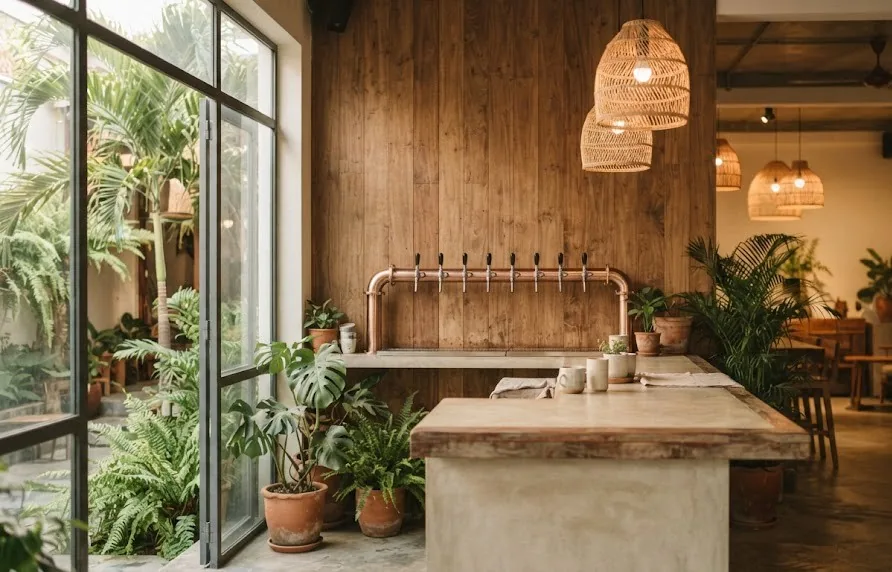
Nestled in a quiet An Thuong lane, this taproom has become a focal point for Da Nang’s wellness-focused community. Its minimalist design, featuring exposed concrete and wooden shelves, complements a chalkboard menu that highlights constantly changing flavors. The establishment’s dedication to small-batch brewing ensures a dynamic selection, from classic jun kombucha to potent turmeric-ginger brews.
Signature Brews and Seasonal Rotations You Should Try
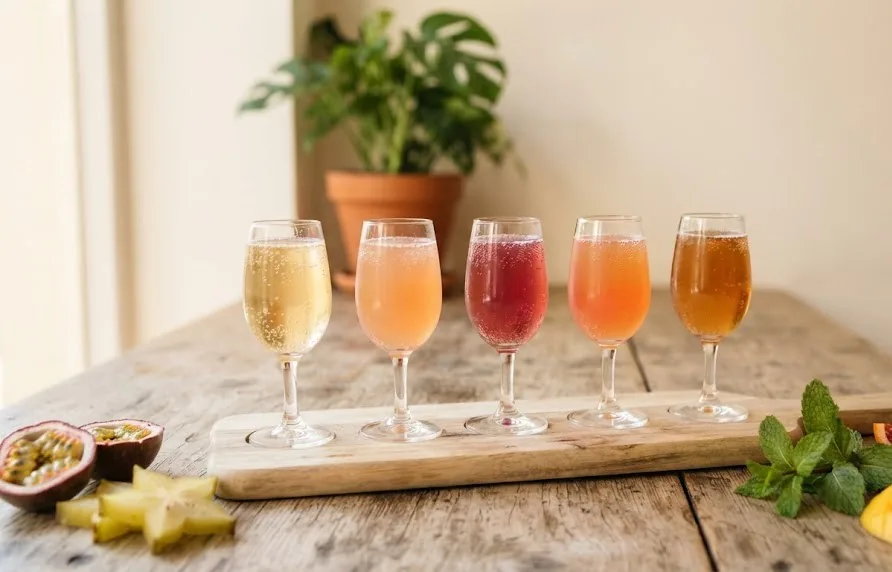
A standout offering is the “Vietnam Sunset,” a blend of oolong tea, passionfruit, and a touch of chili. During mango season (April to June), a highly sought-after mango-lime batch is released. Tasting flights, typically four small glasses for around 80,000 VND, provide an excellent opportunity to sample various flavors. The brewers are known for their willingness to discuss ingredient sourcing and fermentation details.
Why This Spot Attracts Digital Nomads and Health-Conscious Expats
This taproom serves as a community hub, attracting digital nomads and expats alike. The owners, a Vietnamese-American duo, have cultivated a welcoming atmosphere that encourages social interaction and community events, such as fermentation workshops. It offers visitors a genuine glimpse into Da Nang’s expat culture and a taste of meticulously crafted kombucha.
2. A Riverside Café Combining Traditional Tea with Fermented Innovation
Situated along the Han River, this café provides a serene setting for enjoying kombucha, with low tables and water views. Its unique selling proposition lies in its innovative approach to fermentation, utilizing single-origin Vietnamese teas sourced directly from Central Highlands farmers. The menu celebrates Vietnam’s tea heritage, translating it into probiotic beverages.
The Tea-to-Kombucha Process: How Local Teas Become Probiotic Drinks
The café’s signature kombucha is brewed using high-mountain oolong from Da Lat, undergoing a two-week fermentation process to yield a complex, floral profile. They also craft a subtle, aromatic brew from lotus tea, a Vietnamese specialty. This focus on local tea varietals distinguishes their kombucha from mass-produced alternatives.
Pairing Kombucha with Local Snacks for a Full Experience
This establishment enhances the kombucha experience through thoughtful food pairings. The combination of grilled rice paper (bánh tráng nướng) with passionfruit kombucha offers a delightful contrast of savory and tangy flavors. Fresh fruit platters featuring local mangoes and dragon fruit complement the lighter, fruit-forward kombucha options, showcasing kombucha as a versatile beverage that pairs well with Vietnamese cuisine.
3. The Tasting Room Near Son Tra Peninsula
For those interested in the science behind kombucha, this tasting room near the Son Tra Peninsula offers an educational experience. The venue functions as a working brewery, with visible fermentation vessels. The brewers emphasize precision, meticulously monitoring pH levels, temperature, and fermentation duration to ensure consistent quality and optimal taste.
Small-Batch Brewing and the Science Behind the SCOBY
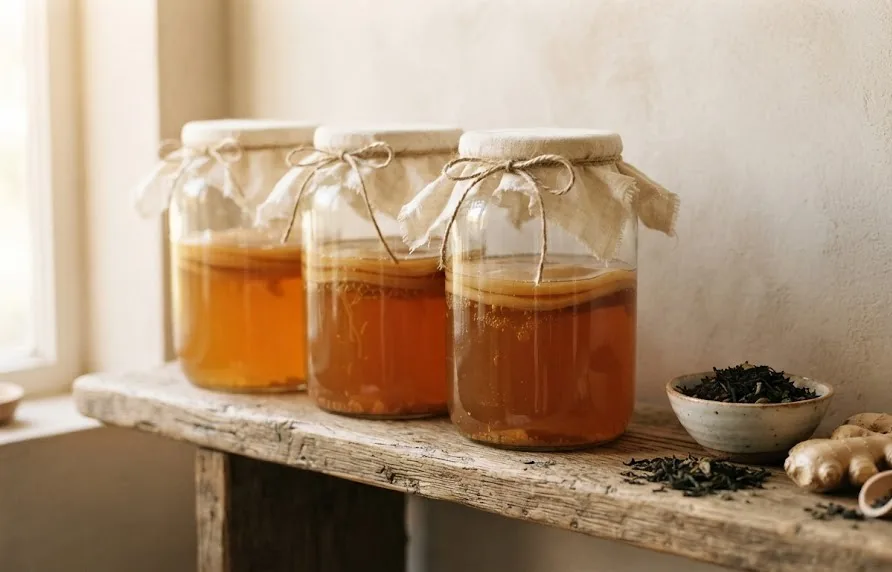
The establishment maintains multiple SCOBY strains, each contributing unique characteristics to the final product. Brewers carefully balance sugar content, fermentation time, and temperature to achieve specific flavor profiles, typically targeting a pH of 3.0–3.5 for safety and taste. This scientific approach ensures a high standard of fermentation.
How to Identify High-Quality Fermentation by Sight and Taste
Quality kombucha often exhibits a slight haze from yeast and bacteria; crystal-clear versions may have been filtered or pasteurized. Observe steady bubble formation upon pouring and a pleasant, slightly fruity aroma, avoiding sharp vinegary notes. The palate should reveal a balanced interplay of sweet, sour, and complex flavors with a clean finish. Harsh or chemical tastes can indicate issues in the fermentation process.
4. A Vegan-Friendly Juice Bar That Doubles as a Kombucha Lab
This vibrant juice bar in Da Nang is a popular spot for health-conscious individuals, known for its visually appealing cold-pressed juices and smoothie bowls. Beyond its aesthetic appeal, it houses a dedicated kombucha laboratory producing unique small-batch brews using unconventional ingredients.
Cold-Pressed Ingredients and Flavor Combinations Beyond Traditional Tea
This lab experiments with bases beyond traditional tea. Their beetroot-ginger kombucha offers an earthy, spicy flavor, while a seasonal watermelon-mint version provides a refreshing, probiotic-rich alternative to soda. They also create a “jungle booch” using locally foraged ingredients like wild betel leaves and lemongrass, resulting in distinctly Vietnamese flavor profiles.
The Health Benefits You Can Actually Expect from a Daily Glass
Regular consumption of live-culture kombucha may support digestive health by introducing beneficial bacteria to the gut microbiome. Emerging research also suggests potential immune system benefits. Anecdotal reports from regular consumers include improved digestion, increased energy levels (partly due to B vitamins produced during fermentation), clearer skin, and reduced sugar cravings. Kombucha also serves as a flavorful, hydrating alternative to sugary drinks.
5. The Rooftop Spot in the City Center with a View
This rooftop café in central Da Nang offers panoramic views of the Han River, Dragon Bridge, and Son Tra Peninsula. The venue features a rotating selection of kombucha from local brewers, providing an excellent overview of the city’s offerings in one location.
Watching the Sunset While Sipping a Locally Brewed Fermented Tea
The café’s happy hour, typically timed with sunset, offers a prime opportunity to enjoy the scenic views. Sipping a chilled lemongrass kombucha while observing the city transition into evening, with the Dragon Bridge illuminated, encapsulates the relaxed yet vibrant atmosphere of Da Nang.
Why Location Matters for the Full Kombucha Experience
The rooftop bar’s proximity to kombucha suppliers ensures freshness, with brews often bottled just days before serving. The elevated setting, combined with the beverage, creates a holistic experience that extends beyond taste, encompassing lifestyle and ambiance. It highlights Da Nang’s emerging culture where health, community, and aesthetic enjoyment converge.
Comparing Da Nang’s Best Kombucha Spots: A Quick Reference
To assist in planning your kombucha exploration in Da Nang, this table provides a comparative overview of the featured locations, highlighting key attributes for different preferences.
| Spot | Price Range (per glass) | Ambiance | Flavor Range | Best For |
|---|---|---|---|---|
| An Thuong Taproom | 50,000–90,000 VND | Minimalist, community-focused | Rotating, experimental (15+ flavors/year) | Digital nomads, flavor explorers |
| Riverside Café | 45,000–80,000 VND | Scenic, tranquil | Tea-focused, local tea bases | Tea lovers, couples |
| Son Tra Tasting Room | 60,000–100,000 VND | Educational, brewery-style | Classic and experimental, science-driven | Kombucha enthusiasts, learners |
| Vegan Juice Bar | 40,000–75,000 VND | Bright, Instagram-worthy | Alternative bases, fruit-forward | Health-conscious travelers |
| Rooftop Bar | 50,000–85,000 VND | Panoramic city views | Rotating local brews | Sunset seekers, groups |
Price, Ambiance, and Flavor Diversity — Side-by-Side Comparison
The table illustrates that Da Nang’s kombucha venues offer distinct experiences within a similar price bracket. The An Thuong taproom and Son Tra tasting room lead in flavor innovation, while the riverside café excels in ambiance. The vegan juice bar presents a more budget-friendly option, and the rooftop bar provides exceptional value for its views.
Which Spot Fits Your Travel Style or Daily Routine Best?
For digital nomads, the An Thuong taproom offers a conducive environment. The riverside café is ideal for romantic outings, and the Son Tra tasting room suits those keen on understanding the brewing process. The vegan juice bar is perfect for quick, healthy refreshments, while the rooftop bar is suited for social gatherings and sunset viewing. Exploring multiple venues is recommended to appreciate the breadth of Da Nang’s kombucha culture.
Important Notes for Kombucha Lovers Visiting Da Nang
Practical considerations are essential for an enjoyable and safe kombucha experience in Da Nang. These tips address potential concerns related to alcohol content, storage in a tropical climate, and effective communication with brewers.
Understanding Alcohol Content in Craft Kombucha and Local Regulations
Kombucha naturally contains trace amounts of alcohol, typically between 0.While beverages above 0.Most craft kombucha in Da Nang adheres to legal limits, but prolonged fermentation can increase alcohol levels. Individuals concerned about alcohol intake, including pregnant women, should inquire with brewers about specific product content.
How to Store and Transport Your Bottles in Vietnam’s Tropical Climate
Live-culture kombucha is sensitive to heat, which can accelerate fermentation and affect flavor and carbonation. In Da Nang’s climate, bottles left in direct sunlight or warm environments may become overly carbonated or sour. For takeaway purchases, consider using an insulated bag or consuming the beverage within a few hours. Transporting kombucha internationally requires adherence to airline liquid policies and customs regulations. For storage at your accommodation, refrigeration is recommended, with consumption within a week ensuring optimal quality.
Asking the Right Questions to the Brewer Before You Buy
Engaging with brewers is encouraged, as they are often passionate about their craft. Key questions include:
- “Is this raw, live-culture kombucha?” (Confirms probiotic content)
- “What tea base do you use?” (Indicates flavor complexity)
- “How long is the fermentation period?” (Typically 7–14 days; longer can mean more complex flavor)
- “What’s the sugar content?” (Quality kombucha generally has 2–4 grams per 100ml)
- “Do you have a growler refill program?” (Promotes sustainability and potential cost savings)
Related on this site
- Da Nang’s Tea Houses: Where to Enjoy Traditional Teas 2026
- Da Nang’s Top Sinh To: Fresh Fruit Smoothies to Beat the Heat 2026
- Da Nang’s Best Nuoc Mia: Fresh Sugarcane Juice Stops 2026
Frequently Asked Questions
Is kombucha safe to drink in Vietnam?
Kombucha from reputable sources in Da Nang is generally safe. The acidic nature of the fermentation process helps inhibit harmful bacteria. It is advisable to choose established venues with visible brewing operations and ensure the product is refrigerated and served fresh. New consumers should start with small servings to gauge their tolerance.
How much does a glass of kombucha cost in Da Nang?
A glass of kombucha typically ranges from 40,000 to 90,000 VND. The vegan juice bar often offers the most affordable options, while specialized venues like the Son Tra tasting room may charge slightly more for premium brews. Tasting flights can offer better value for sampling multiple flavors.
Can I find kombucha outside the city center?
Yes, kombucha is increasingly available throughout Da Nang. While the An Thuong district has a high concentration of craft producers, it can also be found in health food stores, yoga studios, and some beach clubs. Exploring local wellness spots can lead to discovering unique offerings.
What is the best time of day to visit these spots?
Mid-morning is ideal for quieter visits to the An Thuong taproom and vegan juice bar. Late afternoons are pleasant for the riverside café, and the rooftop bar is best visited before sunset. Confirm tasting hours for the Son Tra tasting room, as their schedule may vary.
Conclusion
Da Nang’s kombucha scene in 2026 reflects the city’s dynamic blend of traditional Vietnamese fermentation and contemporary craft brewing. Each venue offers a distinct experience, from the experimental flavors of An Thuong’s taprooms to the scenic vistas of the rooftop bars. Exploring these spots provides insight into an emerging local culture centered around health, community, and artisanal beverages.
To fully appreciate Da Nang’s kombucha offerings:
- Sample a tasting flight at the An Thuong taproom to experience the diversity of local brewers’ creations.
- Engage with brewers to learn about their processes, ingredient sourcing, and flavor development.
- Pair kombucha with local cuisine, such as bánh tráng nướng or fresh tropical fruits, to enhance the overall culinary experience.
Da Nang’s kombucha culture is in an exciting phase of growth, offering a unique opportunity to witness and participate in the development of a local craft movement. Further exploration of Vietnam’s traditional tea houses can deepen appreciation for the beverage culture that defines this vibrant city.
Part of our guide to what to eat in Da Nang.