Da Nang’s pagoda scene in 2026 offers more than quiet prayer — it’s a living gallery of Vietnamese Buddhist architecture, mountain-top legends, and city-center sanctuaries. From the 67-meter Lady Buddha statue on Son Tra Peninsula to the century-old halls of Pho Da Pagoda, these five spiritual sites combine intricate design with deep cultural roots. This guide breaks down each pagoda’s unique architecture, accessibility, and practical tips so you can plan a respectful and visually rewarding visit.
Da Nang’s five must-visit pagodas form a “spiritual triangle” anchored by Linh Ung Pagoda on Son Tra Peninsula, Linh Ung Pagoda inside Marble Mountains, and the historic Pho Da Pagoda in the city center. The tallest Lady Buddha statue in Vietnam stands at 67 meters with 17 floors. Most pagodas are free to enter, require modest dress covering shoulders and knees, and open daily from 6:00 AM to 6:00 PM. This article covers architectural highlights, local legends, and a practical 1-day itinerary for 2026 travelers.
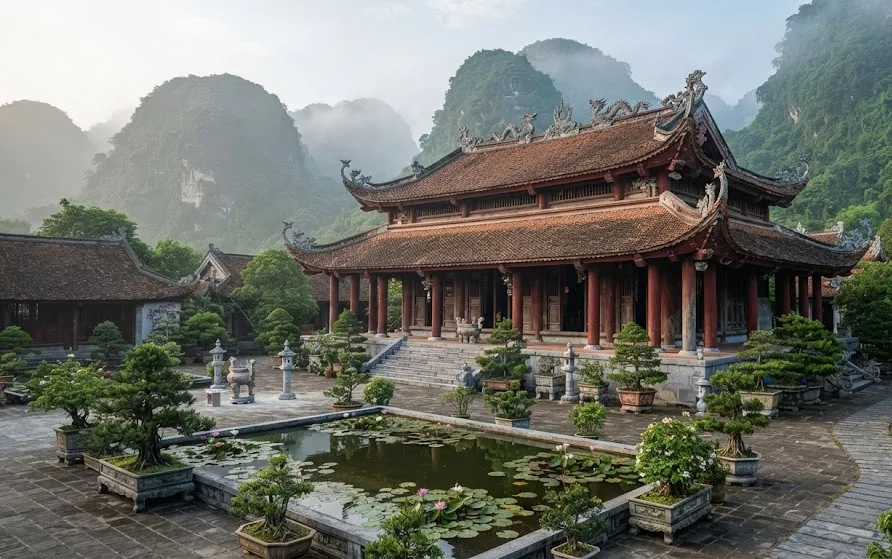
Da Nang’s Pagoda Scene in 2026: A Blend of Faith and Architecture
Why Da Nang pagodas stand out among Vietnam’s spiritual sites
Da Nang sits between the ancient imperial city of Hue and the historic town of Hoi An, yet its pagodas offer something neither neighbor has — a dramatic coastal backdrop combined with mountain-top elevation. The city’s spiritual sites are not isolated buildings; they are integrated into natural landscapes like the limestone caves of Marble Mountains and the forested slopes of Son Tra Peninsula. This geographic diversity means each pagoda offers a different visual experience — from the open-air sea views at Linh Ung Son Tra to the enclosed cave shrines at Linh Ung Marble Mountains.
In 2026, travelers are increasingly drawn to destinations that blend cultural depth with photogenic settings, and Da Nang’s pagodas deliver both without the heavy crowds found in Hanoi’s Old Quarter temples or Ho Chi Minh City’s bustling pagodas.
The “spiritual triangle” concept: Linh Ung, Non Nuoc, and Son Tra
Locals refer to a “spiritual triangle” formed by three Linh Ung pagodas — one on Son Tra Peninsula, one at Marble Mountains (also called Non Nuoc), and a third in the Ba Na Hills area. The concept symbolizes protection from three directions: the sea (Son Tra), the mountains (Marble Mountains), and the highlands (Ba Na). Each pagoda shares the same name but differs entirely in architecture and atmosphere.
In practice, most visitors explore two of the three — Linh Ung Son Tra for the giant statue and panoramic views, and Linh Ung Marble Mountains for the cave shrines and marble pathways. The third Linh Ung at Ba Na Hills is less visited due to its distance from the city center. Understanding this triangle helps you prioritize which pagodas to include in a limited itinerary.
Criteria for Selecting the Best Pagodas in Da Nang
Architectural uniqueness — traditional Vietnamese Buddhist design vs. modern additions
Traditional Vietnamese Buddhist pagodas follow a symmetrical layout with a main hall, a bell tower, and a courtyard. Da Nang’s pagodas respect this foundation but add modern elements. Linh Ung Son Tra combines traditional curved roof tiles with a massive contemporary statue. Pho Da Pagoda preserves the original early-20th-century structure with a renovated front hall completed in 2000. Buu Dai Son Pagoda uses a bold terracotta and orange color palette that feels modern yet reverent. When selecting which pagodas to visit, consider what architectural style appeals to you — ancient wood carvings, cave-integrated shrines, or open-air statues against the sky.
Location and accessibility — mountain-top vs. city-center vs. coastal
Each pagoda sits in a distinct zone of Da Nang. Pho Da Pagoda is the most accessible — a 10-minute drive from Da Nang International Airport on Nguyen Van Thoai Street, right in the city center. Linh Ung Son Tra requires a 30-minute winding drive up the peninsula, best done by motorbike or private car. Quan The Am Pagoda and Linh Ung Marble Mountains are both near the Marble Mountains area, about 20 minutes from the city center by Grab. Buu Dai Son Pagoda sits at the northern end of My Khe Beach, within walking distance from many beachfront hotels.
If you have limited time, prioritize Pho Da and Quan The Am. If you want dramatic scenery, invest the travel time for Linh Ung Son Tra and Linh Ung Marble Mountains.
Practical factors for 2026 visitors: entrance fees, opening hours, dress code
- Entrance fees — All pagodas listed in this article are free to enter. Marble Mountains charge a 40,000 VND entrance fee (about $1.60) for the entire site, which includes Linh Ung Pagoda inside.
- Opening hours — Most pagodas open daily from 6:00 AM to 6:00 PM. Linh Ung Son Tra stays accessible until sunset, which varies between 5:00 PM and 6:30 PM depending on the season.
- Dress code — Shoulders and knees must be covered. Many pagodas provide free sarongs or scarves at the entrance if you forget. Shoes are removed before entering main halls.
- Photography — Flash is not allowed inside main halls where statues and altars are present. Outdoor photography is unrestricted.
- Best time to visit — Early morning (6:00 AM to 8:00 AM) offers cooler temperatures, softer light for photos, and fewer crowds. Late afternoon (3:00 PM to 5:00 PM) provides golden hour light, especially at Linh Ung Son Tra and Buu Dai Son Pagoda.
1. Linh Ung Pagoda (Son Tra Peninsula) — The Iconic Lady Buddha
The 67-meter Lady Buddha statue: tallest in Vietnam, 17 floors, 21 smaller Buddhas per floor
The centerpiece of Linh Ung Pagoda on Son Tra Peninsula is the statue of Quan The Am Bo Tat (Goddess of Mercy), standing at 67 meters tall — the tallest statue of its kind in Vietnam. The statue has 17 floors, each containing 21 smaller Buddha statues, totaling 357 statues inside the structure. Visitors can enter the base of the statue and climb a spiral staircase to the top floor, where a small altar and viewing windows offer a different perspective of the surrounding landscape. The statue faces the East Sea, symbolizing protection for fishermen and the city.
From the pagoda grounds, which sit at 693 meters above sea level, you can see the entire Da Nang coastline, the Son Tra Peninsula forest, and on clear days, the Cham Islands in the distance.
Local legend: the drifting Buddha statue and Bai But Beach origin story
Local lore tells of a Buddha statue that drifted ashore on the beach below the pagoda — now called Bai But (Buddha’s Beach). According to the story, fishermen discovered the statue floating in the water and tried to move it to a nearby temple, but each attempt failed. A monk interpreted this as a sign that the statue wanted to stay on that spot, leading to the construction of Linh Ung Pagoda on the hillside above. Whether you believe the legend or not, Bai But Beach remains a quiet spot accessible via a steep staircase from the pagoda grounds.
The beach is not developed for swimming — it’s more of a contemplative stop where you can see the statue from below.
Panoramic views of Da Nang city and East Sea from 693m elevation
The pagoda complex is built into the hillside, with multiple terraces offering different vantage points. The main viewing platform in front of the Lady Buddha statue provides a direct view of the coastline stretching from the Son Tra Peninsula down to the Marble Mountains. The elevation also means you can see the entire Da Nang city skyline, including the Dragon Bridge and the Han River. For photographers, the best time is early morning when the sun rises behind the statue, casting a silhouette against the sea.
Late afternoon works well too — the sun sets behind the city, bathing the pagoda in warm light. Bring a wide-angle lens if you want to capture the full scale of the statue against the landscape.
2. Linh Ung Pagoda (Marble Mountains) — The Cave Sanctuary
How this pagoda differs from its Son Tra counterpart — cave shrines and marble pathways
Linh Ung Pagoda inside Marble Mountains is a completely different experience from the Son Tra version. Instead of a massive open-air statue, this pagoda is integrated into the natural limestone caves of the mountain. The main hall sits inside a cave chamber, with natural light entering through openings in the cave ceiling. The pathways between shrines are carved from marble, and the walls feature stone carvings of Buddhist figures. The pagoda is smaller and more intimate — you can explore it in 30 to 45 minutes compared to the 1 to 2 hours needed at Son Tra.
The cave setting also means the temperature inside stays cooler than the outdoor temperature, making it a comfortable stop during hot afternoons.
Connection to the “spiritual triangle” and its protective symbolism
Linh Ung Pagoda at Marble Mountains represents the mountain element of the spiritual triangle. The Marble Mountains themselves are considered a sacred site with five peaks named after the five elements — Kim (metal), Thuy (water), Moc (wood), Hoa (fire), and Tho (earth). Linh Ung Pagoda sits on Thuy Son (Water Mountain), the largest and most visited peak. The pagoda’s position inside the cave symbolizes the protective embrace of the earth, offering shelter and spiritual refuge. Many local worshippers visit this pagoda specifically to pray for safety during travel or before long journeys, believing the mountain’s energy amplifies their prayers.
Best time to visit for photography: golden hour light through cave openings
The best time for photography at Linh Ung Marble Mountains is between 3:00 PM and 4:30 PM, when the sun angle directs light through the cave openings. The light creates dramatic beams that illuminate the Buddha statues inside the cave, producing high-contrast images with natural spotlighting. During midday, the light is too harsh and creates deep shadows inside the cave. If you visit in the morning, the light comes from the opposite direction and illuminates the cave entrance but leaves the interior darker.
Plan your visit to Marble Mountains so that you reach Linh Ung Pagoda in the late afternoon — you can explore the other peaks earlier and save this pagoda for last.
3. Pho Da Pagoda — The Century-Old City-Center Retreat
Over 100 years of history: founded in 1915, first Buddhist academy in Da Nang (1933)
Pho Da Pagoda was founded in 1915, making it one of the oldest pagodas in Da Nang. In 1933, it became the first Buddhist academy in the city, training monks and nuns for decades. The pagoda survived the wars of the 20th century largely intact, though some structures were damaged and later restored. The original main hall still stands, featuring wooden beams and carved panels that show the craftsmanship of early-20th-century Vietnamese builders. In 2000, the front hall was renovated to reinforce the structure and update the roof tiles.
Despite the renovation, the pagoda retains its historical character — the patina on the wooden statues and the worn stone steps tell the story of a century of continuous worship.
Architecture highlights: open-air Quan The Am statue, renovated front hall (2000)
The open-air statue of Quan The Am (Goddess of Mercy) in the courtyard is the most photographed feature of Pho Da Pagoda. Unlike the enclosed statues inside the main hall, this statue stands in the open, surrounded by small gardens and bonsai trees. The renovated front hall features a three-door gate with traditional curved roof tiles and ceramic dragon decorations. Inside, the main altar holds a bronze statue of Shakyamuni Buddha, flanked by wooden statues of the Eighteen Arhats.
The pagoda’s layout follows the traditional “front Buddha, back Ancestor” design — the main hall faces the street, while the rear area houses the ancestral hall and living quarters for monks.
Why it’s the most accessible pagoda for 2026 travelers — 10 minutes from airport
Pho Da Pagoda is located at 363 Nguyen Van Thoai Street, approximately 3 kilometers from Da Nang International Airport. A Grab car ride takes about 10 minutes and costs around 40,000 to 60,000 VND. The pagoda’s central location means you can visit it on your arrival day or as a quick stop between other activities. Unlike the mountain-top pagodas, Pho Da requires no climbing or lengthy transportation — you can walk from the main road directly into the courtyard. For 2026 travelers arriving on early morning flights, Pho Da Pagoda is an ideal first stop before checking into your hotel.
The pagoda opens at 6:00 AM, so you can visit, take photos, and still have the rest of the morning free.
4. Quan The Am Pagoda — The Flower Festival Pagoda
Annual flower festival: when to visit for the full experience
Quan The Am Pagoda hosts an annual flower festival during the first lunar month (usually late January to early March on the Gregorian calendar). The festival transforms the pagoda grounds into a display of chrysanthemums, marigolds, and orchids arranged around the main hall and along the pathways. Local Buddhist communities from surrounding provinces participate, bringing flower offerings and traditional performances. If you plan your trip to Da Nang during this period, the flower festival adds a layer of cultural experience beyond the architecture.
Outside the festival period, the pagoda maintains a permanent garden with flowering trees and shrubs, though on a smaller scale.
Proximity to Marble Mountains — how to combine both attractions in one trip
Quan The Am Pagoda sits at the base of Marble Mountains, approximately 500 meters from the main entrance to the mountain complex. You can visit both attractions in a single morning or afternoon. A practical route: arrive at Marble Mountains around 7:00 AM, climb to Linh Ung Pagoda inside the caves, explore the other peaks, then descend and walk to Quan The Am Pagoda around 10:00 AM. The pagoda opens at 6:00 AM, so you could also reverse the order — visit Quan The Am first, then climb the mountain.
The proximity means you don’t need separate transportation between the two — you can walk from one to the other in 5 to 10 minutes.
What makes it a quiet gem: fewer crowds, serene gardens, and detailed landscaping
While Linh Ung Son Tra attracts the majority of visitors, Quan The Am Pagoda remains relatively quiet. The pagoda’s gardens are meticulously maintained with trimmed hedges, stone lanterns, and a koi pond near the main hall. The landscaping follows the principles of Buddhist garden design — winding paths that slow your pace, shaded seating areas for meditation, and plantings that bloom in sequence throughout the year. The pagoda’s smaller size means you can explore every corner in 20 to 30 minutes without feeling rushed.
For travelers seeking a contemplative experience rather than a landmark photo, Quan The Am offers the atmosphere of a local spiritual retreat.
5. Buu Dai Son Pagoda — The Accidental Discovery
Location at the northern end of Da Nang’s main beach — easiest access from beachfront hotels
Buu Dai Son Pagoda is located at the northern end of My Khe Beach, near the intersection of Vo Nguyen Giap Street and Hoang Sa Road. This position makes it the easiest pagoda to reach from the beachfront hotel strip — a 5 to 10 minute walk from hotels like the Furama Resort or the Pullman Da Nang. The pagoda sits on a small hill overlooking the beach, with the East Sea visible from the main courtyard. Unlike the mountain-top pagodas that require a drive, Buu Dai Son is accessible on foot for anyone staying along the My Khe coast.
This convenience makes it a popular stop for travelers who want a quick spiritual break between beach sessions.
Color palette: terracotta, orange, and yellow — why it glows in late afternoon light
The pagoda’s walls are painted in terracotta, orange, and yellow tones — a departure from the traditional red and gold found in most Vietnamese pagodas. The color scheme was chosen to complement the natural surroundings — the warm hues echo the sand and the sunset sky. In late afternoon light (3:30 PM to 5:00 PM), the walls appear to glow, creating a warm contrast with the green foliage around the pagoda. The effect is particularly striking from the beach side, where you can photograph the pagoda with the sea and sky in the background.
For photographers, this pagoda offers a unique color palette that stands out from the more traditional pagoda aesthetics.
Why it’s perfect for quiet contemplation despite smaller scale
Buu Dai Son Pagoda is smaller than the other pagodas on this list — you can walk through the entire complex in 15 to 20 minutes. But its size works in its favor. The pagoda receives fewer visitors, so you can often find the courtyard empty. A shaded bench near the main hall overlooks the beach, providing a spot for quiet reflection. The sound of waves combined with the incense smoke creates a meditative atmosphere that larger pagodas cannot replicate.
For 2026 travelers seeking a moment of calm without the logistics of a mountain drive, Buu Dai Son delivers the experience of a local pagoda without the crowds.
6. Tam Bao Theravada Pagoda — Architectural Diversity in the City Center
This pagoda offers a unique opportunity to observe Theravada Buddhist architecture and practice, a distinct tradition from the more common Mahayana Buddhism in Vietnam. Located at 323 Phan Chau Trinh Street in the Hai Chau district, it is a city center sanctuary that is both educational and spiritually enriching. Its design is simpler and more symmetrical than its ornate Mahayana counterparts.
Theravada Buddhist Tradition vs. Mahayana: Architectural Differences
The most noticeable difference between Theravada and Mahayana pagodas is the architecture. Theravada pagodas, like Tam Bao, tend to be simpler and more symmetrical, with a focus on a single, central spire (stupa) or a bell tower. The main hall is typically more open and less cluttered with statues. In contrast, Mahayana pagodas (like the Linh Ung variants) are often more ornate, featuring multiple roofs, intricate carvings, and a larger number of statues. Visiting Tam Bao provides a valuable lesson in Buddhist diversity.
Main Hall Layout: Symmetrical Design with Bell Tower and Courtyard
The layout of Tam Bao Pagoda is a perfect example of Theravada design. The complex is centered around a large, open courtyard. The main hall is a simple, rectangular building with a high, curved roof. A prominent bell tower stands in one corner of the courtyard, its sound marking the rhythm of daily monastic life. The overall feeling is one of order, balance, and quiet contemplation. The pagoda is open from 6:00 AM to 9:00 PM and entry is free.
323 Phan Chau Trinh: Easy Grab Access from Hai Chau Hotels
Tam Bao Pagoda’s location on Phan Chau Trinh Street makes it very accessible. It is just a short Grab ride from most hotels in the Hai Chau district, the city’s central area. It is also within walking distance of the Da Nang Museum of Cham Sculpture, allowing you to combine a visit to both sites. This convenience makes it an easy addition to any city-center itinerary, offering a deep dive into a different branch of Buddhism without a long journey.
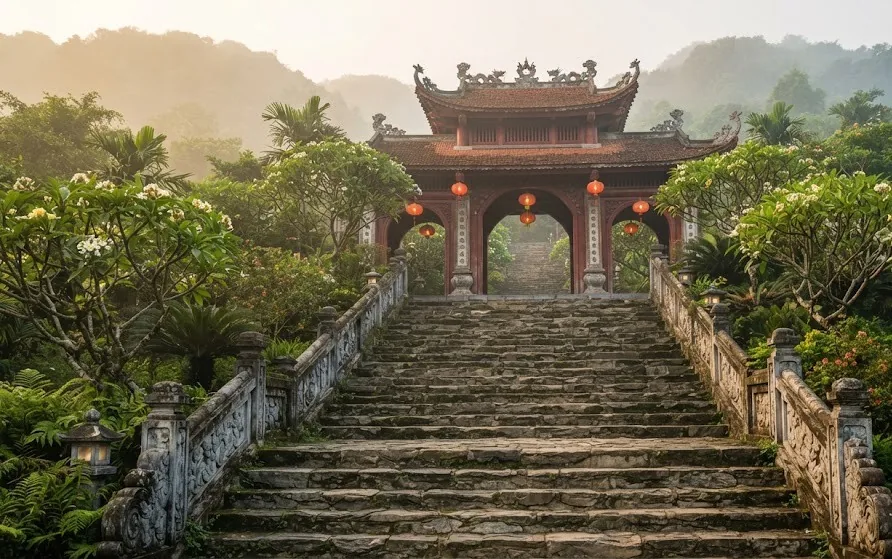
How to Plan Your Pagoda Tour in Da Nang (2026 Edition)
Suggested 1-day itinerary: Linh Ung Son Tra → Marble Mountains → Quan The Am → Pho Da
| Time | Activity | Duration | Notes |
|---|---|---|---|
| 6:00 AM – 7:30 AM | Linh Ung Pagoda (Son Tra) | 1.5 hours | Sunrise views, fewer crowds, cool morning temperature |
| 7:30 AM – 8:00 AM | Travel to Marble Mountains | 30 minutes | Drive south along Vo Nguyen Giap Street |
| 8:00 AM – 10:00 AM | Marble Mountains + Linh Ung Cave Pagoda | 2 hours | Climb Thuy Son, explore caves and pagoda |
| 10:00 AM – 10:30 AM | Quan The Am Pagoda | 30 minutes | Walk from Marble Mountains entrance |
| 10:30 AM – 11:00 AM | Travel to city center | 30 minutes | Grab car to Pho Da Pagoda |
| 11:00 AM – 11:30 AM | Pho Da Pagoda | 30 minutes | Quick visit before lunch |
Transportation tips: Grab vs. private car vs. motorbike for each pagoda
Grab car — Best for solo travelers or pairs. A Grab from the city center to Linh Ung Son Tra costs 80,000 to 120,000 VND. To Marble Mountains, 60,000 to 90,000 VND. The advantage is no parking worries — Grab drivers wait or you can book a new ride for each leg.
Private car with driver — Best for groups of 3 to 5 people. Full-day rental costs 800,000 to 1,200,000 VND depending on the car type. The driver waits at each pagoda, so you can take your time without rush.
Motorbike rental — Best for experienced riders. Rental costs 120,000 to 200,000 VND per day. Parking at each pagoda costs 5,000 to 10,000 VND. The winding road to Linh Ung Son Tra is scenic but requires confident handling of curves and occasional tourist buses.
Best time of day for each pagoda to avoid crowds and catch optimal light
- Linh Ung Son Tra — 6:00 AM to 7:30 AM. Sunrise light hits the Lady Buddha statue directly. Tour buses arrive from 8:00 AM onward.
- Linh Ung Marble Mountains — 3:00 PM to 4:30 PM. Golden hour light enters the cave openings. Morning crowds from tour groups clear by noon.
- Pho Da Pagoda — 8:00 AM to 9:00 AM. Morning light illuminates the courtyard statue. The pagoda is quiet before 9:00 AM.
- Quan The Am Pagoda — 9:00 AM to 10:00 AM. The garden is fully lit but the heat is still manageable.
- Buu Dai Son Pagoda — 4:00 PM to 5:00 PM. Late afternoon light makes the terracotta walls glow. The pagoda is almost empty at this hour.
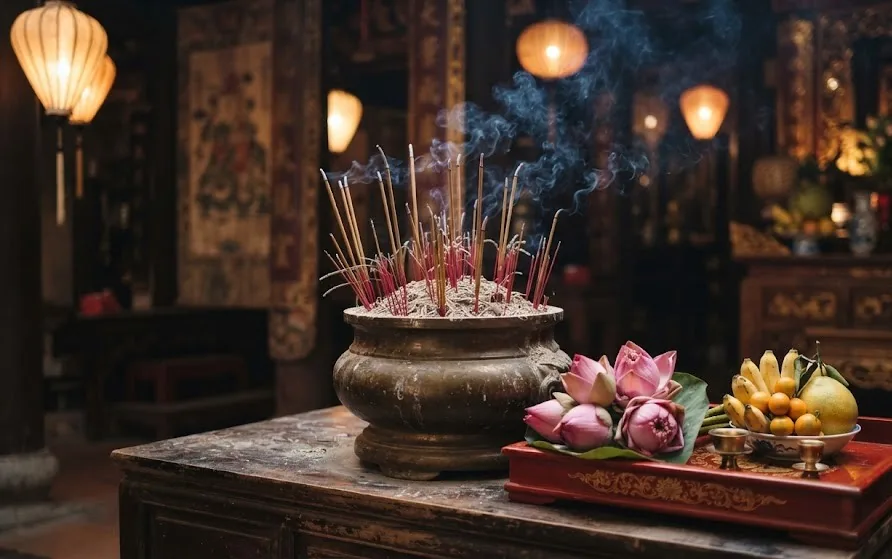
Key Etiquette and Practical Notes for 2026 Visitors
Dress code: covering shoulders and knees — what to bring if you forget
All pagodas require covered shoulders and knees for both men and women. Sleeveless tops, tank tops, shorts above the knee, and mini skirts are not permitted inside the main halls. If you arrive inappropriately dressed, most pagodas provide free sarongs or scarves at the entrance — look for a basket near the gate. Linh Ung Son Tra and Pho Da Pagoda have dedicated stations for borrowed clothing. Buu Dai Son Pagoda may not have a station due to its smaller size, so bring your own cover-up if you plan to visit.
A lightweight scarf or shawl works for shoulders, and a long skirt or loose pants covers the legs.
Photography rules: where flash is allowed and where it’s not
Outdoor photography is unrestricted at all pagodas. Inside main halls, flash photography is not allowed to protect the gold leaf and paint on statues and altars. Tripods are generally permitted in outdoor areas but not inside the halls — check with the attendant if you see a sign. At Linh Ung Marble Mountains, the cave interior is dim, so you may need to increase your ISO or use a wider aperture instead of flash. Drone photography is prohibited at all pagodas due to the sacred nature of the sites and safety concerns around large crowds.
How to respectfully interact with monks and local worshippers
- Greeting — Bow slightly with your palms together at chest height when passing a monk or entering a hall. A verbal greeting is not necessary.
- Seating — If you sit in a meditation hall, sit with your feet pointing away from the altar. Do not point your feet at Buddha statues or monks.
- Offerings — Do not touch offerings (fruit, flowers, incense) that worshippers have placed on altars. If you wish to make an offering, purchase incense from the pagoda shop and place it in the designated burner.
- Conversation — If a monk initiates conversation, speak softly. Avoid discussing politics or sensitive topics. Asking about the pagoda’s history or architecture is welcomed.
- Photography of people — Ask permission before photographing monks or worshippers. Many are happy to be photographed but appreciate being asked first.
Related on this site
- Non Nuoc Stone Carving Village: Traditional Crafts Near Da Nang 2026
- Must-See Architectural Wonders in Da Nang 2026
- Da Nang to Hue by train
- Hoi An day trip from Da Nang
Frequently Asked Questions
Are the pagodas in Da Nang free to enter?
Yes, all pagodas listed in this article are free to enter. The only associated cost is the 40,000 VND entrance fee for Marble Mountains, which includes access to Linh Ung Pagoda inside the cave complex.
What is the dress code for visiting pagodas in Da Nang?
Shoulders and knees must be covered. Sleeveless tops, shorts above the knee, and mini skirts are not allowed. Most pagodas provide free sarongs or scarves at the entrance if you arrive without proper clothing.
How long should I spend at each pagoda?
Linh Ung Son Tra requires 1 to 1.5 hours. Linh Ung Marble Mountains takes 30 to 45 minutes. Pho Da Pagoda and Quan The Am Pagoda can be visited in 30 minutes each. Buu Dai Son Pagoda is the smallest at 15 to 20 minutes.
Can I visit all five pagodas in one day?
Yes, with an early start at 6:00 AM. The suggested itinerary covers Linh Ung Son Tra, Marble Mountains (including Linh Ung cave pagoda), Quan The Am, and Pho Da in one morning. Buu Dai Son Pagoda can be added in the late afternoon if you are staying near My Khe Beach.
What is the best time of year to visit Da Nang’s pagodas?
The dry season from February to August offers the most reliable weather. Avoid October to December when heavy rain and typhoons can make mountain roads slippery and reduce visibility from the viewpoints.
Is photography allowed inside the pagodas?
Outdoor photography is unrestricted. Inside main halls, flash photography is not allowed to protect the statues and altars. Tripods are permitted in outdoor areas but not inside halls. Drones are prohibited at all pagodas.
How do I get to Linh Ung Pagoda on Son Tra Peninsula?
By motorbike or private car — the road winds up the peninsula for about 30 minutes from the city center. Grab car costs 80,000 to 120,000 VND. The road is paved and safe for cars, but narrow in some sections with occasional tourist buses.
Conclusion
Da Nang’s pagodas offer a range of experiences — from the towering Lady Buddha statue at Linh Ung Son Tra to the quiet cave shrines of Linh Ung Marble Mountains and the century-old halls of Pho Da Pagoda. Each site requires modest dress, respects the local customs, and rewards visitors who arrive early to avoid crowds and capture the best light. Whether you follow the 1-day itinerary or spread your visits across multiple days, these five pagodas form the core of Da Nang’s spiritual and architectural heritage in 2026.
Image credits: Lady Buddha by Christophe95 (CC BY-SA 4.0); altar hall and entrance gate by CEphoto, Uwe Aranas (CC BY-SA 3.0); Buu Dai Son Pagoda by Alexkom000 (CC BY 4.0) — via Wikimedia Commons.
Part of our guide to places to visit in Da Nang.