Da Nang offers a unique blend of natural beauty and responsible travel practices. This coastal city is evolving into a hub for eco-conscious travelers, featuring stunning landscapes and a commitment to sustainable tourism. With its increasing focus on protecting the environment, Da Nang presents various opportunities for tourists to engage in eco-friendly activities while exploring its rich cultural heritage.
In Da Nang, eco-tourism is a commitment to preserving the natural environment and supporting local communities. According to Vietnam Tourism, eco-friendly accommodations are on the rise, catering to the needs of responsible travelers. Engaging in sustainable practices while visiting this beautiful city can enhance your experience and reduce your ecological footprint.
Understanding Eco-Tourism in Da Nang
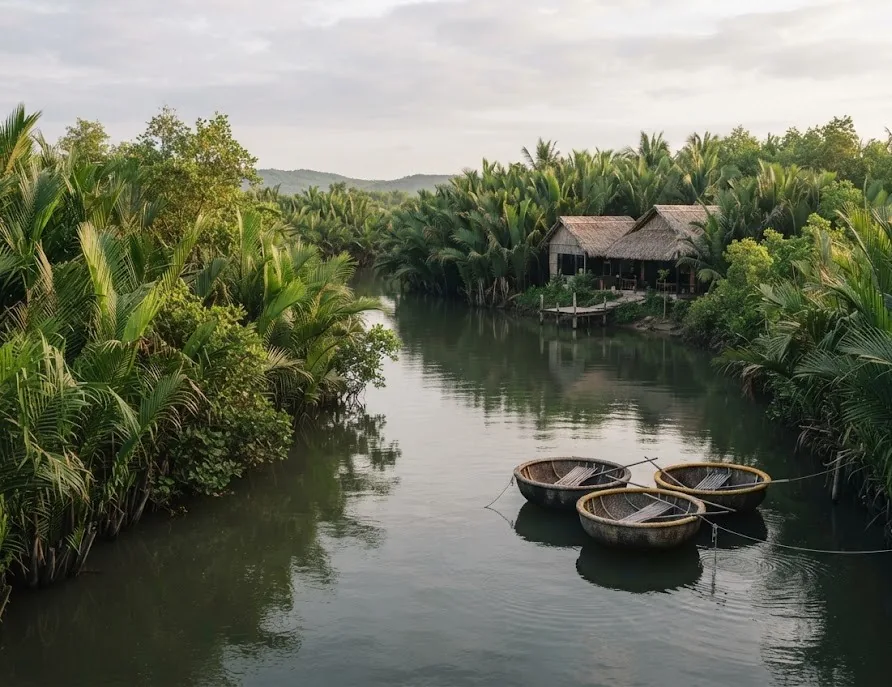
Eco-tourism in Da Nang centers on sustainable travel practices that minimize environmental impact and promote natural resource conservation. The city is becoming a prominent destination due to its breathtaking landscapes, including mountains, rivers, and pristine beaches. In recent years, the local government and tourism stakeholders have emphasized eco-tourism, leading to a rise in environmentally responsible initiatives.
Globally, eco-tourism is gaining traction, with travelers increasingly seeking sustainable options. This trend highlights a significant shift in traveler priorities.
Key Features of Da Nang’s Eco-Tourism
Diverse Landscapes and Natural Attractions
Da Nang boasts a variety of stunning natural attractions for eco-tourists. From the scenic beaches of My Khe to the lush greenery of the Marble Mountains, the city showcases its natural beauty. The Son Tra Peninsula is another highlight, known for its rich biodiversity and breathtaking views. Visitors can explore these areas through guided tours that emphasize preservation and respect for the environment. For instance, guided nature walks on Son Tra Peninsula can contribute to local conservation efforts, with a portion of tour fees often supporting habitat protection.
Sustainable Practices in Local Tourism
- Eco-friendly accommodations: Many hotels and resorts in Da Nang are adopting sustainable practices, such as using renewable energy and sourcing local materials.
- Community involvement: Local communities are engaged in tourism efforts, ensuring that the benefits of eco-tourism are felt by residents.
- Waste reduction initiatives: Businesses are implementing strategies to reduce waste, such as encouraging guests to use reusable containers.
- Wildlife protection: Some tours focus on educating visitors about local wildlife and the importance of preserving their habitats.
- Conservation programs: Collaborations with NGOs and local government promote conservation efforts in Da Nang.
Importance of Conservation Efforts
Conservation efforts are vital for the sustainability of Da Nang’s eco-tourism industry. The region is home to several endangered species, making habitat preservation crucial. By promoting eco-tourism, Da Nang can raise awareness about the importance of protecting its natural resources. Local initiatives, such as the Son Tra Peninsula Biodiversity Conservation Project, aim to protect the Red-shanked Douc Langur, with visitor awareness being a key component. By choosing responsible tours, travelers can indirectly support these critical conservation programs.
Popular Eco-Tourism Activities in Da Nang
Hiking and Trekking in Natural Reserves
Hiking and trekking are popular eco-tourism activities in Da Nang, allowing visitors to immerse themselves in the region’s natural beauty. The Son Tra Peninsula offers numerous trails that provide stunning views of the coastline and opportunities to spot native wildlife. The Marble Mountains also feature hiking routes that lead to breathtaking vistas and ancient pagodas. When trekking, it’s essential to follow marked paths and adhere to guidelines to minimize environmental impact. For example, the Son Tra Peninsula has designated trails to protect sensitive ecosystems, and visitors are encouraged to stay on them.
Eco-Friendly Water Sports
Water sports in Da Nang are designed to be environmentally friendly. Activities such as kayaking and snorkeling promote low-impact exploration of the region’s marine life. Tour operators often provide eco-friendly equipment and encourage participants to respect the underwater ecosystem. Snorkeling trips to Cham Island, for example, focus on educating visitors about the importance of coral reefs and marine conservation.
Cultural Experiences with Local Communities
Engaging with local communities is a vital aspect of eco-tourism in Da Nang. Travelers can participate in homestays that offer authentic cultural experiences while supporting local economies. These interactions allow visitors to learn about traditional crafts, cuisine, and the daily lives of residents. By choosing community-based tourism options, travelers contribute to the preservation of local culture and heritage. For instance, visiting a local handicraft village like Phu Tuc Ceramic Village allows direct support for artisans and the continuation of traditional skills.

Best Eco-Friendly Accommodations in Da Nang
Features of Sustainable Stays
- Green certifications: Look for accommodations that have received certifications for their sustainable practices.
- Local sourcing: Many eco-friendly hotels prioritize sourcing food and materials from local suppliers.
- Energy efficiency: Properties utilizing renewable energy sources, such as solar panels, contribute to reducing their carbon footprint.
- Water conservation: Hotels with systems in place for water recycling and conservation help minimize waste.
- Community engagement: Establishments that actively involve local communities in their operations promote sustainable tourism.
Recommended Eco-Resorts and Homestays
Several accommodations in Da Nang prioritize sustainability. While specific certifications can vary, properties like the Hyatt Regency Danang Resort and Spa have implemented initiatives such as reducing single-use plastics and supporting local community projects. For a more immersive experience, consider local homestays that are transparent about their sustainable practices, such as waste management and local food sourcing. These options ensure your stay supports both the environment and local culture.
Sustainable Travel Choices in Da Nang
Reducing Waste and Carbon Footprint
Minimizing waste and carbon footprint is crucial for responsible travel. Pack reusable items, such as water bottles and shopping bags, to avoid single-use plastics. Choose local transportation options, like bicycles or public transport, to reduce your carbon footprint. For longer distances, consider offsetting your carbon emissions through verified programs.
Supporting Local Sustainable Businesses
Supporting local businesses is a cornerstone of sustainable tourism. Research and choose eco-friendly tours and activities that prioritize environmental protection and community benefit. Patronize local eateries that source ingredients responsibly and support artisans by purchasing handmade crafts. For example, dining at restaurants that highlight local produce or visiting markets where artisans sell their work directly contributes to the local economy and preserves traditional practices. The Hoi An Eco-Tour company, operating in the vicinity, offers examples of how businesses can integrate ecological awareness into their services.
Comparison of Sustainable Travel Options
| Aspect | High Impact (Less Sustainable) | Medium Impact (Developing Sustainability) | Low Impact (Highly Sustainable) |
|---|---|---|---|
| Accommodation | Large international chain hotels with no clear green policies | Hotels with some energy-saving measures and local sourcing | Certified eco-lodges, community-run homestays with comprehensive sustainability programs |
| Transportation | Frequent private car or taxi use for short distances | Occasional use of taxis, some public transport | Extensive use of bicycles, walking, public transport; electric vehicle options |
| Activities | Tours with no environmental guidelines, potential disturbance to wildlife | Activities with some awareness of environmental impact | Guided nature walks, kayaking, snorkeling with strict eco-protocols; community-based cultural tours |
| Shopping | Mass-produced souvenirs, imported goods | Mix of local crafts and imported items | Locally made handicrafts, products from sustainable materials, direct support for artisans |

Tips for Responsible Travel in Da Nang
Preparing for Your Eco-Tourism Experience
- Pack light and bring reusable items, such as water bottles and shopping bags.
- Choose local transportation options, like bicycles or public transport, to reduce your carbon footprint.
- Research eco-friendly tours and activities to ensure your choices align with sustainability principles.
- Be mindful of wildlife encounters and avoid disturbing natural habitats.
- Support local businesses by purchasing handmade crafts and dining at local eateries.
Engaging with Local Culture Respectfully
Respecting local culture is essential when traveling in Da Nang. Understanding cultural etiquette, such as greeting locals properly and being mindful of dress codes, enhances your interactions. Building relationships with community members fosters a deeper appreciation for their traditions and values. Engage in conversations, ask questions, and show genuine interest in their way of life to create meaningful connections. For example, learning a few basic Vietnamese phrases demonstrates respect and can lead to more authentic interactions.
Related on this site
- Da Nang’s Outdoor Adventures: Hiking, Biking, and More 2026
- Da Nang’s Best Waterfall Hikes: Nature Escapes 2026
- Da Nang Paragliding Experience: Soar Over the Coast 2026
Frequently Asked Questions
What is eco-tourism?
Eco-tourism refers to responsible travel that focuses on preserving the environment and improving the well-being of local communities. It emphasizes education, conservation, and minimal environmental impact.
Why choose eco-friendly accommodations?
Eco-friendly accommodations promote sustainable practices, helping to minimize environmental impact, conserve resources, and support local economies. They often contribute to community development and environmental protection initiatives.
What activities can I do in Da Nang?
Popular eco-tourism activities in Da Nang include hiking in natural reserves like Son Tra Peninsula and Marble Mountains, participating in eco-friendly water sports such as kayaking and snorkeling, and engaging in cultural experiences with local communities through homestays or craft village visits.
How can I contribute to conservation efforts during my visit?
You can support conservation efforts by choosing eco-friendly tours and accommodations, respecting wildlife and natural habitats, reducing waste by using reusable items, and supporting local businesses that prioritize sustainability. Participating in local conservation initiatives, if available, is also beneficial.
Are there any specific cultural practices to be aware of?
Yes, it’s important to understand local customs, such as dressing modestly when visiting religious sites like pagodas, using both hands when giving or receiving items, and learning basic greetings. Showing respect for elders and local traditions enhances your travel experience.
Da Nang’s eco-tourism presents an incredible opportunity for travelers to engage with nature while contributing to sustainable practices. By choosing responsible travel options and supporting local communities, visitors can enjoy a memorable experience that leaves a positive impact on the environment and its inhabitants.
Part of our guide to things to do in Da Nang.