Da Nang Paragliding Experience: Soar Over the Coast 2026 is your complete guide to flying over Son Tra Peninsula — covering booking, pricing, safety, and the exact feeling of that first launch. This guide breaks down everything from the 1,800,000–2,000,000 VND (~$80 USD) price tag to the hidden 100,000 VND transfer fee, so you can plan without surprises.
Paragliding in Da Nang launches from Son Tra Peninsula at nearly 700 meters above sea level — the same mountain that holds the iconic Lady Buddha statue. A tandem flight lasts 10–20 minutes with a licensed pilot, and most operators include GoPro footage in the base price. The best flying windows are morning (7–10 AM) and late afternoon (3–5 PM) when onshore breezes are strongest, with March through August offering the most reliable conditions.
What Makes Da Nang Paragliding a Bucket-List Experience in 2026?
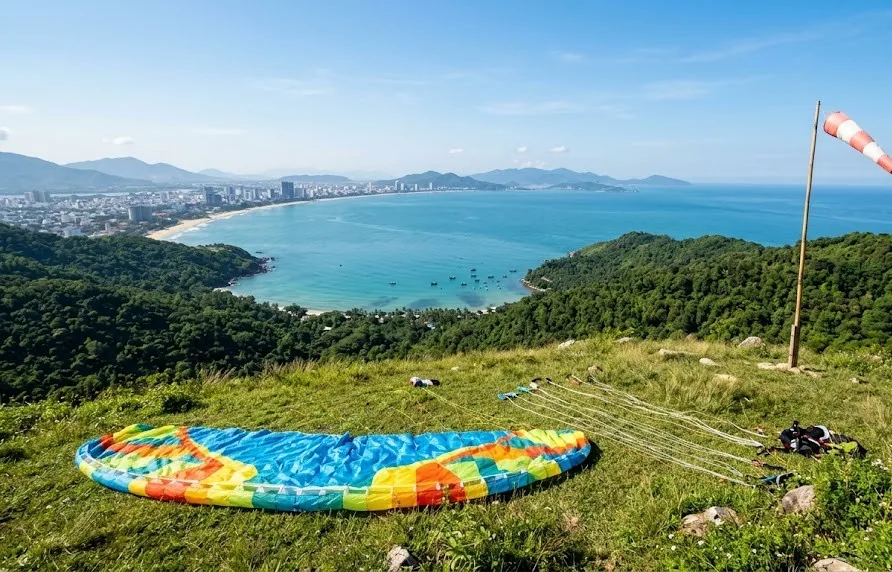
Son Tra Peninsula’s 700-meter launch point creates a flying experience that combines mountain thermals with sweeping coastal views — something few destinations worldwide can match. The site’s geography is key: the peninsula juts into the East Sea, so pilots catch consistent sea breezes that make for smooth, stable flights.
Why Son Tra Peninsula (Monkey Mountain) is the Region’s Best Launch Site
Son Tra Peninsula, also called Monkey Mountain, rises steeply from the coast — and that’s exactly why paragliding operators chose it. The elevation gives you enough altitude for a 10–20 minute flight, while the peninsula’s position relative to the prevailing wind creates a natural launch ramp. Unlike flatter coastal areas, Son Tra’s cliffs let pilots catch the wind cleanly without turbulence from buildings or uneven terrain. The launch area near Ban Co Peak (Chessboard Peak) is a short jeep ride from the landing zone, and the dirt cliff runway is wide enough for tandem take-offs even with a slight crosswind.
The View: Lady Buddha, My Khe Beach, and the Marble Mountains from Above
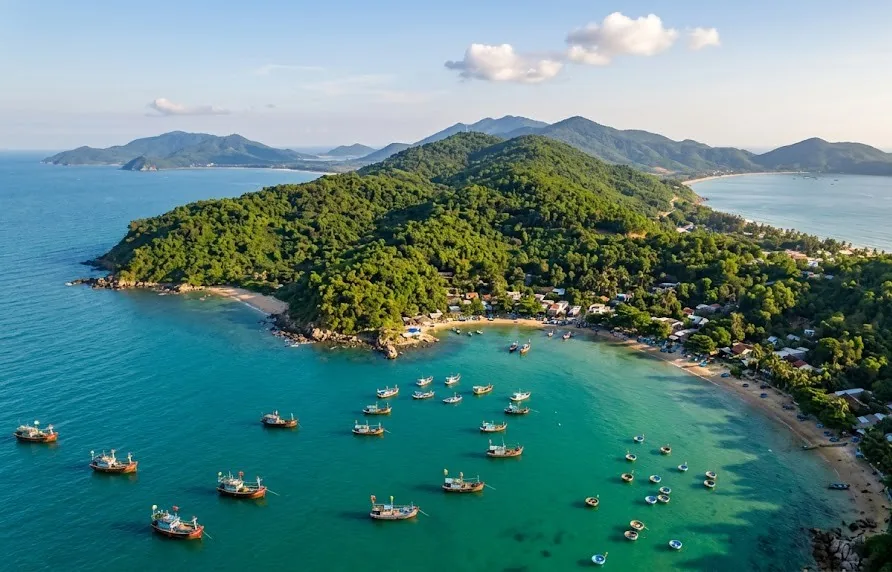
From the air, Da Nang reveals itself in a way no ground tour can match. The 67-meter Lady Buddha statue at Linh Ung Pagoda becomes a white landmark against the green jungle below. My Khe Beach stretches south in a 30-kilometer curve of white sand and turquoise water, while the Marble Mountains cluster near the coast with their distinctive limestone peaks. On clear days, you can trace the Han River as it winds through the city, and the Cham Islands appear as a dark smudge on the horizon. The flight path usually follows the coastline, giving you a continuous panorama rather than a single static view. Statistics from Vietnam’s tourism board indicate that coastal scenery is a primary driver for visitors to Da Nang, with My Khe Beach consistently ranking among the top attractions. Aerial views enhance this appeal, offering a unique perspective on these well-known landmarks.
Tandem vs. Solo: What First-Timers Actually Fly
Almost everyone who paraglides in Da Nang flies tandem — strapped to a licensed pilot who controls the canopy. You don’t need any experience, and the pilot handles the launch, steering, and landing. Solo flying requires certification from a recognized paragliding association, and that’s not what local operators offer to tourists. For a first-timer, tandem is the only realistic option in Da Nang, and it’s the safest way to experience the sport. You’ll sit in a harness in front of the pilot, with the canopy above you both — think of it as sitting in a hanging chair with the pilot as your seatback.
The Complete Flight Experience: From Take-Off to Landing
Your tandem flight lasts 10–20 minutes, but the full experience — jeep ride, safety briefing, launch, glide, and landing — takes about 3–4 hours round trip. Understanding each phase helps you know what to expect and reduces first-time nerves.
The 3-Second Take-Off Run: What It Physically Feels Like
Standing at the edge of the dirt cliff, the pilot clips your harness to theirs and checks the lines one final time. Then comes the instruction: “Run, don’t stop, keep running.” You take three or four steps down the slope, and the wind fills the canopy above you. The sensation is not a leap or a drop — it’s a gradual lift as the wing catches the air and the ground falls away beneath your feet. Your legs keep running for a moment before you realize there’s no ground left. The first five seconds feel like being pulled gently upward and forward, then suddenly everything goes quiet and still.
The 10–15 Minute Glide: Why There’s No Stomach-Drop Sensation
Paragliding feels nothing like a roller coaster. There’s no stomach-drop because you’re not falling — you’re gliding forward on a cushion of air. The canopy maintains constant lift, so your body feels like it’s hanging in a comfortable chair rather than plummeting. The pilot may turn the wing to catch thermals, which creates a gentle banking sensation similar to turning in a car. The only time you feel any vertical movement is when the pilot finds a thermal and the wing rises — but even that feels like being in a slow elevator, not a freefall. Most first-timers describe the glide as peaceful rather than thrilling, with the thrill coming from the view and the sheer fact of being airborne.
Landing Technique: Keeping Legs Straight and Sliding Onto the Grass
The landing approach begins a few minutes before touchdown. The pilot steers the wing toward the landing zone — a flat grass field near the beach — and you’ll see the ground approaching at a moderate speed. The pilot will call out “Legs straight!” and you’ll extend your legs forward, keeping them together. The wing flares at the last moment, slowing your descent, and you touch down gently, sliding a few steps onto the grass before coming to a stop. The entire landing takes about five seconds, and because the pilot controls the flare, your job is simply to keep your legs ready and trust the process.
How to Book Your Da Nang Paragliding Flight
Booking directly with a local operator is generally safer and cheaper than using international platforms, but platforms offer better cancellation protection. Here’s how the two options compare and what you’ll actually pay.
Direct Booking vs. Platforms (Klook, GetYourGuide) — Which is Safer for Tourists?
You have two main booking routes: direct through a local operator (often via Facebook or WhatsApp) or through platforms like Klook, GetYourGuide, and Traveloka. Direct booking typically costs less because the platform commission is removed, and you can communicate directly with the operator about weather conditions and pickup times. Platforms add a layer of protection — if the operator is unresponsive or the experience doesn’t match the description, you have recourse through the platform’s refund system. For most tourists, the safest approach is to book through a platform for your first flight, get the operator’s contact details from the confirmation, then coordinate directly on the day. Klook and GetYourGuide both list paragliding experiences in Da Nang with customer reviews and free cancellation options.
What the Price Covers: Jeep Transfer, Pilot, Insurance, GoPro Footage
The standard price for a tandem paragliding flight in Da Nang ranges from 1,800,000 to 2,000,000 VND (roughly $75–85 USD). This includes the jeep ride from the landing zone up to the launch point on Son Tra Peninsula, a licensed tandem pilot, insurance coverage during the flight, and GoPro footage of your entire experience. The jeep transfer is essential — the launch site sits at nearly 700 meters elevation, and the dirt road up the mountain takes about 20–30 minutes. Some operators include the GoPro video in the base price, while others charge an additional 100,000–200,000 VND for the footage. Always confirm what’s included before booking. Official tourism statistics for Da Nang show that adventure activities like paragliding are increasingly popular, with package inclusions being a key factor in booking decisions.
The Hidden Cost: Landing Zone to Take-Off Point Transfer (VND 100,000)
Here’s a cost many travelers miss: the transfer from the landing zone back to the take-off point. The flight ends at a beachside grass field, but your motorbike or taxi is likely parked at the launch site. If you’re not using the operator’s jeep for the return trip, you’ll need to pay for a separate transfer — typically 100,000 VND — or arrange your own transport. The easiest way to handle this: book the operator’s jeep transfer as part of your package, or plan to be picked up at the landing zone after your flight. Some operators include this return trip in their premium packages, so ask when booking.
| Booking Method | Price Range | Cancellation Protection | Communication | Best For |
|---|---|---|---|---|
| Direct with operator | 1,700,000–1,900,000 VND | Limited — depends on operator | Direct via WhatsApp/Facebook | Return visitors, flexible schedules |
| Klook | 1,800,000–2,000,000 VND | Free cancellation up to 24h | Platform messaging + operator contact | First-timers, cautious travelers |
| GetYourGuide | 1,900,000–2,100,000 VND | Free cancellation up to 24h | Platform messaging + operator contact | Travelers booking multiple activities |
| Traveloka | 1,800,000–2,000,000 VND | Varies by operator | Platform messaging | Travelers already using Traveloka |
Best Time to Fly: Weather, Wind, and Seasonal Windows
The ideal flying window is March through August, with mornings (7–10 AM) and late afternoons (3–5 PM) offering the most stable wind conditions. Understanding Da Nang’s weather patterns helps you pick a day with the highest chance of a successful flight.
Understanding the Onshore Breeze: Why Mornings and Late Afternoons Work Best
Paragliding depends on consistent wind — too little and the canopy won’t inflate, too much and it becomes dangerous. Son Tra Peninsula experiences a predictable onshore breeze pattern: mornings bring moderate sea breezes as the land heats up, and late afternoons see a similar effect as the temperature gradient shifts. Midday is often too calm or too turbulent, depending on the season. The wind window explanation for beginners: pilots need wind speeds between 10–25 km/h blowing steadily from the sea toward the mountain. That’s why operators schedule flights in two daily windows — they’re working with nature’s schedule, not their own.
Seasonal Guide: Which Months Offer the Most Reliable Flying Days
Da Nang has two distinct seasons: dry (January–August) and wet (September–December). The dry season offers the most reliable flying conditions, with March through August being the sweet spot — less rain, more consistent wind, and clear visibility. September and October bring the start of the wet season with afternoon showers that can cancel flights. November and December see the most rain and occasional storms, making flying days rare. If you’re flexible with your dates, aim for April or May — warm temperatures, minimal rain, and the sea breeze is at its most consistent. June and July are also good but can be hot, with the best flying in the early morning window.
What Happens When Weather Cancels Your Flight — Refund Policies Explained
Weather cancellations are part of paragliding, and reputable operators have clear policies. Most platforms (Klook, GetYourGuide) offer free cancellation up to 24 hours before your scheduled flight — if the operator cancels due to weather, you get a full refund. Direct operators typically follow the same practice: if the pilot determines conditions are unsafe, they’ll reschedule your flight or refund your payment. Some operators offer a partial refund if you’ve already taken the jeep ride to the launch site but can’t fly — the transfer cost is sometimes non-refundable. The key: always book with an operator that has a written weather cancellation policy, and check reviews to see how they’ve handled weather issues with past customers.
| Month | Rain Probability | Flying Reliability | Best Window | Notes |
|---|---|---|---|---|
| Jan–Feb | Low–Moderate | Good | Late morning | Cooler temperatures, clear skies |
| Mar–May | Low | Excellent | Morning or late afternoon | Peak season for flying |
| Jun–Aug | Low | Excellent | Early morning | Hot midday, best early |
| Sep–Oct | Moderate–High | Fair | Morning only | Afternoon showers common |
| Nov–Dec | High | Poor | Rare | Storm season, limited flying |
Safety, Requirements, and Who Should (and Shouldn’t) Fly
Tandem paragliding in Da Nang is safe for most healthy adults, but there are specific restrictions you must know before booking. Licensed pilots, modern harness systems, and insurance coverage are standard — but passenger limitations are strict for good reason.
Tandem Safety: Licensed Pilots, Harness Systems, and Insurance Coverage
Every reputable operator in Da Nang uses licensed tandem pilots who have completed certified training programs. Your pilot is responsible for the entire flight — launch, steering, thermal-catching, and landing — and carries the canopy, harness, and emergency parachute. The harness system connects you to the pilot at multiple points: leg straps, chest strap, and a carabiner that links your harness to theirs. Insurance is typically included in the price, covering both you and the pilot during the flight. Before booking, ask the operator about their pilot certifications and insurance coverage — legitimate operators are happy to share this information.
Passenger Restrictions: Age, Health Conditions, and Weight Limits
Operators enforce strict passenger restrictions for safety. Children under 3 years old cannot fly — the harness system isn’t designed for infants or toddlers. Pregnant women are not permitted to fly at any stage of pregnancy. Passengers with heart conditions, recent surgeries, or severe back problems should consult a doctor before booking. Wheelchair users cannot fly because the launch requires a running take-off — the pilot can’t assist you through the launch sequence from a seated position. If you fall outside these parameters, be honest with the operator — they’ll tell you if you can fly. International Air Transport Association (IATA) guidelines for aviation safety often inform these types of passenger restrictions, particularly regarding health and weight.
What to Wear and Bring: Sneakers Over Flip-Flops, Phone Storage, Small Bags
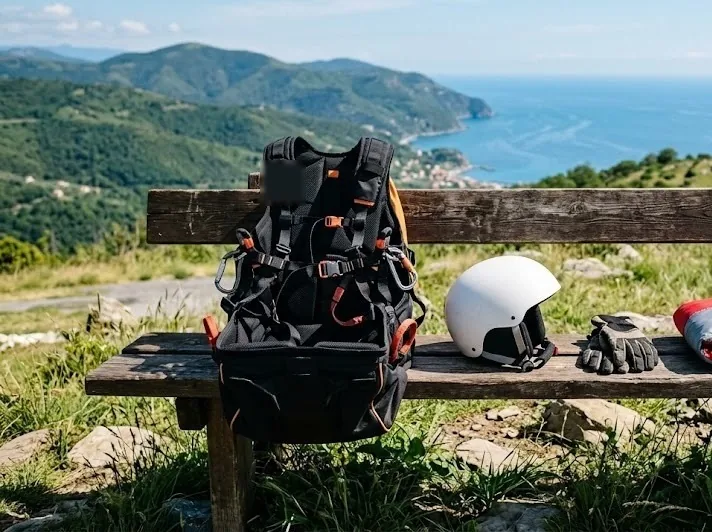
What you wear matters more than you might think. Closed-toe shoes are essential — sneakers or hiking shoes work best because you need to run during take-off and land on grass. Flip-flops are dangerous and most operators will refuse to fly you in them. Wear comfortable clothing appropriate for the weather — shorts or light pants in summer, a light jacket in winter. Bring a small bag (1–2 kg limit) for your phone and valuables, but leave large backpacks behind. For phone storage: you’ll want at least 4GB of free space if you’re recording your own footage, though most operators provide GoPro footage. Sunglasses are useful but bring a strap to keep them secure during the flight.
- Age: No children under 3; maximum age approximately 75
- Health: No pregnant women, no heart conditions, no recent surgeries
- Weight: Approximately 30–100 kg (66–220 lbs) depending on operator
- Mobility: No wheelchair users; must be able to run a few steps
- Footwear: Closed-toe shoes required — sneakers preferred, no flip-flops
- Bags: Small bags only, 1–2 kg limit for personal items
- Phone: Minimum 4GB free storage if shooting your own video
Making the Most of Your Paragliding Day in Da Nang
Combine your flight with other Son Tra Peninsula highlights to turn a 3-hour activity into a full day of exploration. The launch site’s location makes it easy to pair paragliding with nearby attractions.
Combining Your Flight with Son Tra Peninsula Highlights (Ban Co Peak, Linh Ung Pagoda)
After your flight, the Son Tra Peninsula offers several attractions worth visiting. Ban Co Peak — where the legend says a fairy once played chess — is a short drive from the paragliding launch site and offers panoramic views of Da Nang Bay. Linh Ung Pagoda, home to the 67-meter Lady Buddha statue, sits on the peninsula’s eastern slope and is a popular stop for photos. The best approach: book your flight in the morning window, then spend the afternoon visiting the pagoda and peak. This way, you’re not rushing between activities, and you can enjoy each experience without time pressure. If you’re interested in exploring more of Da Nang’s coastal activities, check out our guide to the best kayaking locations for another perspective on the coastline.
The Golden Rule: Never Book on a Tight Schedule — Plan 3–4 Hours for the Experience
The single biggest mistake travelers make is scheduling paragliding too tightly. The full experience — check-in, safety briefing, jeep ride up the mountain, flight, and return — takes 3–4 hours from start to finish. Weather delays can add another hour or two. If you book a flight at 2 PM and have a 5 PM dinner reservation across the city, you’re setting yourself up for stress. Plan your paragliding day with no other fixed commitments after the flight. This buffer also gives you flexibility if the operator needs to delay your launch by 30 minutes to wait for better wind conditions.
Getting Your Footage Right: GoPro Angles and What to Expect from the Video
Most operators include GoPro footage in their packages, but the quality varies. You’ll typically receive a video shot from a selfie stick mounted on the pilot’s harness — capturing both you and the view ahead. Some operators use a second camera mounted on the wing itself for a different angle. Expect footage that’s slightly shaky during take-off and landing, but smooth and stable during the glide. If you want your own footage, bring a phone with a strap or a small action camera — but be aware that holding a phone during take-off is difficult because you need both hands for the harness. The GoPro footage is usually transferred to your phone or provided via a download link within 24 hours.
Related on this site
Frequently Asked Questions
Is Paragliding in Da Nang Safe for Complete Beginners?
Yes — tandem paragliding requires no prior experience. You’re strapped to a licensed pilot who controls the entire flight. The main requirement is being physically able to run a few steps during take-off and follow the pilot’s landing instructions.
How Long Does the Actual Flight Last?
Most flights last 10–20 minutes, depending on wind conditions. Some operators offer extended flights of 15–20 minutes, while standard packages typically include 10–15 minutes of airtime. The full experience with transfers and briefing takes 3–4 hours.
What Happens If It Rains on My Booked Day?
Flights are cancelled when conditions are unsafe — heavy rain, strong winds, or storms. Reputable operators and platforms offer free cancellation or rescheduling in these cases. Always confirm the weather policy before booking.
Can I Bring My Phone or Camera on the Flight?
Yes, but secure it properly. Most operators provide GoPro footage, so you don’t need your own camera. If you bring your phone, use a strap and ensure you have at least 4GB of free storage. Small bags (1–2 kg) are allowed.
How Much Does Paragliding Cost in Da Nang?
The standard price is 1,800,000–2,000,000 VND (roughly $75–85 USD). This includes the jeep transfer, licensed pilot, insurance, and usually GoPro footage. Budget an additional 100,000 VND for the return transfer if it’s not included.
What’s the Best Time of Year for Paragliding in Da Nang?
March through August offers the most reliable flying conditions, with April and May being ideal. Mornings (7–10 AM) and late afternoons (3–5 PM) are the best daily windows. November and December have the most rain cancellations.
Is Paragliding the Same as Parasailing?
No — paragliding involves a free-flying canopy launched from a mountain slope, while parasailing involves being towed behind a boat while attached to a parachute. In Da Nang, the experience on Son Tra Peninsula is paragliding, launched from nearly 700 meters above sea level.
Conclusion — Your Next Step
Paragliding over Da Nang is more than a thrill — it’s a perspective shift that shows you the city’s coastline, mountains, and landmarks in a way ground travel never can. The experience is accessible to most healthy adults, costs around $80 USD, and takes just half a day when planned properly.
Your next step is simple: pick your booking method, choose a date in the dry season, and give yourself a full morning or afternoon with no other commitments. Book through a platform for cancellation protection, confirm the operator’s weather policy, and show up with closed-toe shoes and a small bag. The view from 700 meters will do the rest.
Part of our guide to things to do in Da Nang.