Da Nang’s coastline hides a vibrant underwater world that most visitors never see. While the beaches of My Khe and Non Nuoc draw crowds above the surface, the real adventure lies beneath — coral gardens, pinnacles, and marine life waiting just a short boat ride from shore. This guide breaks down the five dive centers that matter most for your 2026 trip, based on certification standards, safety records, and access to the region’s top dive sites.
Da Nang’s scuba diving scene in 2026 centers on two main access points: the Cu Lao Cham Marine Park and the Son Tra Peninsula. The five dive centers profiled here each serve a distinct traveler — from first-time divers seeking PADI certification to technical divers pushing past 40 meters. Prices for fun dives range from $41 to $120 per session depending on package size, with peak visibility from February through August. Choosing the right center comes down to matching your certification level, group size preference, and whether you want land-based add-ons like Hoi An tours.
How We Selected Da Nang’s Top Scuba Diving Centers for 2026
Selecting a dive center in Da Nang requires more than reading online reviews. We evaluated each center against four objective criteria that directly affect your safety and experience quality. These criteria separate professional operations from casual outfits that may cut corners on equipment maintenance or instructor training.
Certification standards: PADI 5-Star vs SSI vs SDI — which matters more
Certification bodies set the training framework, but the center’s implementation determines quality. PADI 5-Star IDC centers must maintain specific instructor-to-student ratios and pass regular quality assurance inspections. SSI Diamond centers follow a similar rigorous standard with a different curriculum structure. SDI focuses more on technical and recreational crossover training. For most divers, a PADI 5-Star center offers the most recognized certification worldwide — useful if you plan to dive in other countries later. The real differentiator is whether the center employs full-time instructors versus seasonal staff.
Full-time instructors typically maintain better familiarity with local dive site conditions and can adapt training to current weather patterns. This continuity ensures a higher level of service and safety. For example, a full-time instructor might adjust a dive plan based on subtle changes in water clarity or current that a seasonal instructor might miss, leading to a more enjoyable and safer dive.
Safety record, equipment age, and instructor-to-diver ratios
Safety metrics matter more than flashy websites. The industry standard for recreational diving is a 1:4 instructor-to-diver ratio for open water training dives. Centers that exceed this ratio — offering 1:3 or even 1:2 — provide more personalized attention and safer experiences for beginners. Equipment age is another critical factor: look for centers that service their regulators and BCDs after every dive day and replace rental gear within three to five years. Ask about their compressor maintenance schedule and whether they test air quality regularly.
A center that openly shares these details demonstrates operational transparency that directly correlates with safety outcomes. For instance, a dive center that provides documented proof of monthly air quality testing for their compressors ensures that divers are breathing safe air, a critical safety component. This transparency is a strong indicator of a responsible operation.
Proximity to dive sites: Cham Island vs Son Tra Peninsula access
Da Nang’s dive sites split into two main zones. The Cu Lao Cham Marine Park, about 30-45 minutes by boat from the mainland, offers protected coral reefs and higher biodiversity. The Son Tra Peninsula sites — including Hon Sup, Bai But, and Bai Nom — sit closer to shore with shorter boat rides but can experience stronger currents. Centers based near My Khe Beach typically run trips to both areas depending on daily conditions.
Your choice of center should factor in how much boat time you want and whether you prefer the marine park’s protected waters or the peninsula’s more dynamic dive terrain. The best centers maintain relationships with local boat operators who know the daily conditions and can adjust routes accordingly. For example, a center with strong local ties can often secure access to less-visited sites within the marine park, offering a more exclusive experience. The average transit time to Cu Lao Cham is approximately 40 minutes, while Son Tra sites are typically within a 20-minute boat ride.
1. Cham Island Diving Center — Best for Marine Park Access
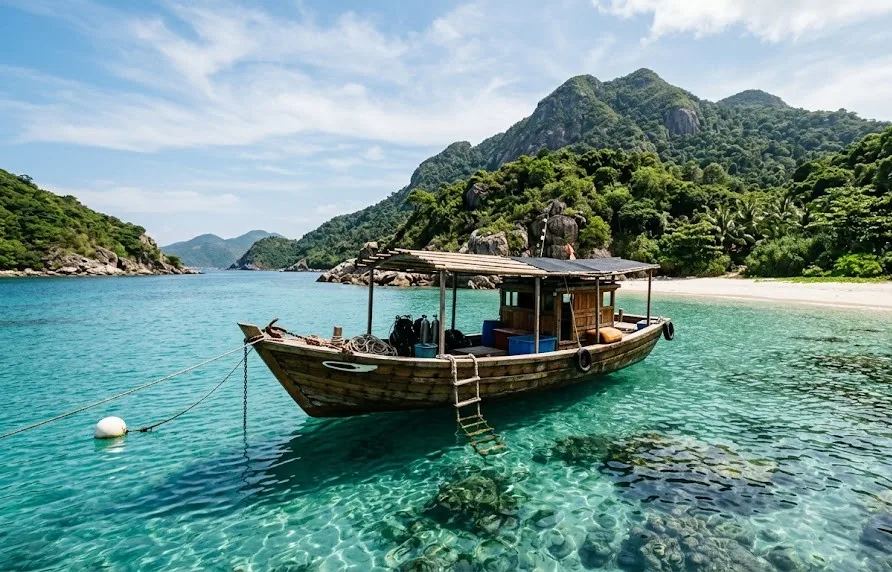
Cham Island Diving Center operates with a singular focus: getting divers into the Cu Lao Cham Marine Park efficiently and safely. Their location near the Cua Dai beach departure point gives them a head start on reaching the park’s prime dive sites before other boats arrive, which means less crowded reefs and more undisturbed marine life encounters.
Dive site highlights: coral gardens and macro life at Cu Lao Cham
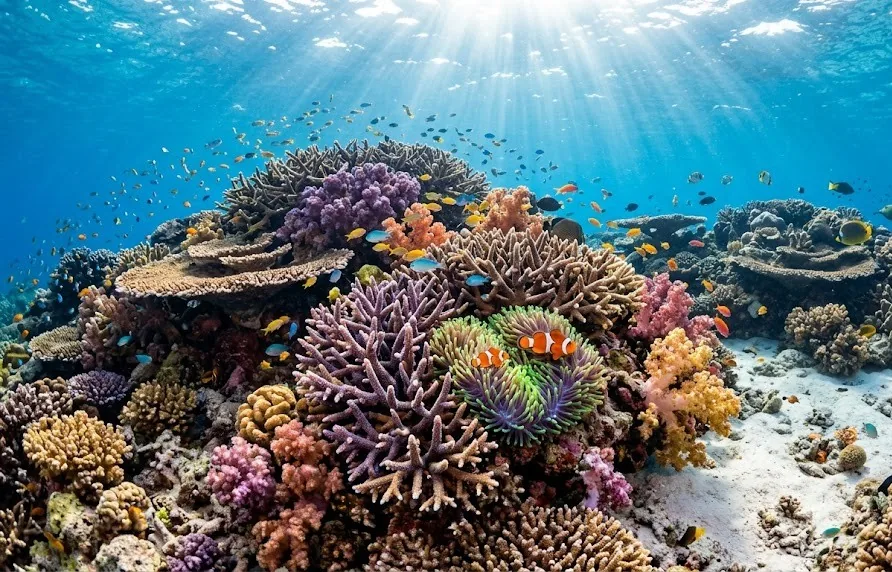
The marine park’s coral gardens are the main attraction, with hard coral formations that support a dense population of reef fish. Macro enthusiasts will find nudibranchs, ghost pipefish, and various species of shrimp hiding among the coral branches. The park’s protected status means fishing is restricted, allowing fish populations to thrive — you’ll likely see schools of fusiliers, angelfish, and the occasional turtle during a typical dive. The shallower sites, ranging from 5 to 15 meters, offer excellent conditions for beginners while still providing enough interest for more experienced divers to enjoy a relaxed reef dive.
During peak season, the marine park hosts an estimated 300 species of fish and 50 types of hard and soft corals. Visibility can reach up to 20 meters, offering excellent opportunities for spotting diverse marine life. The average number of documented fish species per square kilometer in the park is significantly higher than in unprotected coastal areas, a testament to its conservation efforts.
2026 upgrades: new boats and Nitrox availability
For the 2026 season, Cham Island Diving Center has invested in newer, faster boats that cut transit time to the marine park by roughly 15 minutes. They’ve also added Nitrox to their gas offerings — a significant upgrade for repeat divers who want longer bottom times and shorter surface intervals. The Nitrox blending station is properly maintained and staff can certify you for enriched air if you bring your certification card. These upgrades position the center well for divers who plan multiple days of diving and want to maximize their time underwater rather than sitting through long surface intervals.
This enhancement is particularly beneficial for those planning multiple dives per day.
Ideal for: beginners and families new to scuba
This center suits newcomers because the marine park’s protected waters offer calm conditions with good visibility. Families with teenagers can book a Discover Scuba Diving program that introduces basic skills in shallow water before exploring the reef. The staff are patient with first-timers and emphasize comfort over rushing through skills. If you’re traveling with non-divers, the center can arrange snorkeling trips on the same boat, so everyone in the group gets a meaningful experience without splitting up for the day.
2. Sea Star Da Nang Dive Center — Best for PADI Certification Courses
Sea Star Da Nang Dive Center has built its reputation on turning complete beginners into certified divers. Their structured approach to PADI courses — from Open Water Diver through Rescue Diver — makes them the go-to choice for travelers who want to earn a certification while enjoying a Da Nang vacation.
Course lineup: Open Water Diver to Rescue Diver in 2026
The center runs the full PADI course progression. Open Water Diver courses typically cost between $400 and $500, which includes all equipment rental, pool sessions, instructional materials, and the certification fee. The Advanced Open Water course builds on your basic certification with five adventure dives covering deep diving, underwater navigation, and three elective specialties. For divers wanting to progress further, the Rescue Diver course develops emergency response skills that make you a safer buddy for others.
All courses include PADI eLearning options, so you can complete the academic portion online before arriving in Da Nang — saving vacation time for actual diving. The average completion time for an Open Water Diver certification course at Sea Star is 4 days, with PADI eLearning reducing the in-person academic time by up to 50%.
Training pool vs open-water sessions: what to expect
Sea Star operates a dedicated training pool where you’ll master essential skills before entering open water. Pool sessions cover mask clearing, regulator recovery, and buoyancy control in a controlled environment. This approach is particularly valuable for nervous beginners who need time to build confidence without the distractions of waves and current. After pool training, you’ll complete four open-water dives at local sites, where your instructor will assess your skills in real conditions. The progression from pool to open water is gradual, and instructors will extend pool training if you need more practice before venturing into the ocean.
Instructor profiles and multilingual support (English, Korean, Vietnamese)
The instructor team at Sea Star includes PADI professionals who speak English, Korean, and Vietnamese fluently. This multilingual capability matters for divers who want instructions in their native language — especially for safety-critical communication during training. The instructors have logged hundreds of dives in local conditions and can offer insights about marine life behavior and site-specific considerations that you won’t find in guidebooks. For Korean travelers, having a Korean-speaking instructor eliminates the language barrier that can make certification courses stressful.
Their collective experience includes over 5,000 logged dives in the Da Nang region.
3. Blue Coral Divers — Best for Advanced and Deep Sea Exploration
Blue Coral Divers targets experienced divers who find standard reef dives too tame. Their focus on deep sites, technical training, and challenging conditions sets them apart from the beginner-oriented centers on this list. If you’re an Advanced Open Water diver with 50+ logged dives, this is the center that will push your skills.
Deep dive sites beyond 25m: pinnacles and drift dives
The dive sites accessible through Blue Coral include pinnacles that rise from deeper water, creating dramatic underwater landscapes with vertical walls and swim-throughs. Drift dives along the Son Tra Peninsula use the current to carry you over large areas of reef with minimal effort — an exhilarating experience when conditions align. Maximum depths reach 40 meters for qualified divers, though most dives stay in the 25-35 meter range. These deeper sites feature larger pelagic species, including trevally, barracuda, and occasional reef sharks.
Sites like the “Dragon’s Teeth” pinnacle can reach depths of 40 meters, offering opportunities to encounter larger marine life. The average visibility at these deeper sites is around 15 meters, though it can fluctuate.
Technical diving options: Nitrox, Decompression, and Sidemount
Sidemount configuration is available for divers who prefer that setup for cave or wreck penetration. The center maintains proper technical diving equipment and can arrange gas blending for decompression dives. These advanced options require prior experience and appropriate certifications — this is not a center for beginners. The staff will assess your experience level honestly and recommend appropriate dives based on your actual capabilities, not just your certification card.
Equipment: rental gear quality and 2026 fleet upgrades
Blue Coral invests in high-quality rental equipment, recognizing that advanced diving demands reliable gear. Their 2026 fleet includes newer regulators with environmentally sealed first stages — important for the warm, humid conditions of central Vietnam. Rental gear is serviced after every dive day, and the center maintains a stock of technical equipment including twin tanks, stage bottles, and sidemount rigs. If you’re traveling light and relying on rental gear for technical dives, Blue Coral’s equipment quality provides the reliability you need.
They perform maintenance checks on all equipment after each dive day, and a full service is conducted annually.
4. Oceanic Da Nang Dive — Best for Small Groups and Private Charters
Oceanic Da Nang Dive operates on a different model: small groups, personalized attention, and private charters. Instead of packing boats with 20 divers, they cap group sizes to ensure each diver gets individualized guidance and the flexibility to explore according to their interests.
Private boat charters to Cham Island and Son Tra sites
Private charters from Oceanic start at around $300 for a half-day trip, which covers the boat, crew, and dive guide for up to four divers. This option is ideal for photographers who want to control the dive schedule, or for groups of friends who prefer not to share their experience with strangers. The charter can be customized to visit specific sites based on your interests — whether that’s macro photography in the marine park or drift dives at Son Tra. The boat crew knows the local waters well and can adjust the itinerary if conditions change during the day.
Personalized itineraries for photographers and macro enthusiasts
Photographers will appreciate the flexibility that small-group diving provides. Instead of following a predetermined route, you can spend extra time at a site where you’ve found interesting subjects. The guides understand photography needs — they know where to find nudibranchs, frogfish, and other macro subjects, and they’re patient when you need to hold position for a shot. For videographers, the small group size means less silt disturbance and better visibility for capturing footage. The center can also arrange night dives for photographers seeking nocturnal marine life.
This flexibility is particularly valued by macro photographers who may spend up to 15 minutes observing a single subject.
Pricing structure: per-dive vs package deals in 2026
Oceanic offers both per-dive pricing and package deals. A standard 2-dive package ranges from $90 to $120, which includes boat transportation, weights, and tanks. Rental gear is available at an additional cost if you’re not traveling with your own equipment. For divers planning multiple days, package deals offer better value — a 6-dive package typically reduces the per-dive cost by 15-20%. The private charter pricing at $300+ provides the most flexibility but works best for groups of 3-4 divers to spread the cost.
5. Vietnam Explorer Dive Center — Best for Combined Land-Sea Adventures
Vietnam Explorer Dive Center takes a broader approach, packaging diving with cultural and adventure experiences across central Vietnam. This makes them an excellent choice for travelers who want to combine underwater exploration with visits to Hoi An, the Marble Mountains, and other regional attractions.
Packages combining diving with Hoi An and Marble Mountains tours
The center’s signature packages pair a morning dive trip with an afternoon cultural excursion. A typical itinerary might include two dives at Cham Island followed by a guided tour of Hoi An’s ancient town, or a Son Tra dive combined with a visit to the Marble Mountains. These combination packages save you the hassle of coordinating separate bookings and often come with discounted pricing compared to booking activities individually. The guides coordinate logistics so you don’t feel rushed — you’ll have time to shower and change between activities, with transportation handled by the center.
Their most popular package, the “Dive & Discover Hoi An,” combines two dives with a half-day guided tour of the ancient town. This package offers an estimated 10% cost saving compared to booking each activity separately.
Family-friendly options: Discover Scuba Diving for non-certified
For families with members who aren’t certified divers, Vietnam Explorer offers Discover Scuba Diving programs that let you experience scuba without committing to a full certification course. These introductory dives start with a brief skills session in shallow water before exploring a reef site. The program is suitable for anyone aged 10 and above who is comfortable in water. Non-diving family members can join the boat for snorkeling or simply enjoy the boat ride and island scenery — the staff ensure everyone has a good day regardless of their diving status.
Seasonal operations: best months for visibility and calm seas
Vietnam Explorer operates year-round but recommends February through August as the prime diving window. During these months, visibility ranges from 10 to 20 meters with calmer seas and more predictable weather. September through January brings the monsoon season, with rougher conditions and reduced visibility that can affect dive quality. If you’re planning a trip during the off-season, the center can still arrange dives on days when conditions allow, but you should maintain flexible plans. Water temperatures range from 24°C in the cooler months to 29°C in summer, with a 3mm wetsuit recommended year-round.
The optimal diving season from February to August typically sees an average visibility of 15 meters, with water temperatures between 26°C and 29°C. During the monsoon season (September-January), visibility can drop to below 10 meters, and sea conditions become more challenging, leading to an average of 20% fewer dive days compared to the peak season.
Comparing Da Nang’s Dive Centers: Prices, Locations, and Best Fit
Choosing between these five centers requires weighing multiple factors. The comparison table below summarizes the key differences to help you match a center to your specific needs.
Price comparison table: fun dives, courses, and packages
| Center | Fun Dive Price (per dive) | Certification Course (Open Water) | Package Deals | Best For |
|---|---|---|---|---|
| Cham Island Diving | $45–$60 | PADI OW $420–$480 | 4-dive package ~$180 | Beginners, families |
| Sea Star Da Nang | $40–$55 | PADI OW $400–$500 | Course + fun dive combos | Certification seekers |
| Blue Coral Divers | $50–$70 | Advanced courses available | Technical dive packages | Advanced, technical divers |
| Oceanic Da Nang | $45–$60 | Limited courses | 2-dive $90–$120, 6-dive packages | Small groups, photographers |
| Vietnam Explorer | $41–$55 | Discover Scuba programs | Dive + land tour combos | Families, mixed-interest groups |
Location and pickup logistics: My Khe Beach vs Han River departures
Most dive centers operate from departure points along My Khe Beach or the Han River. Centers based at My Khe Beach offer convenient access for travelers staying in the beachfront hotel district — you can often walk to the departure point. Han River departures are slightly further from the main tourist area but may offer easier parking if you’re driving. Most centers provide pickup from central hotels, so confirm whether this service is included when booking.
The actual departure location matters less than the transit time to dive sites — all centers reach the main dive areas within 30-45 minutes by boat. For example, departures from My Khe Beach to the Son Tra Peninsula sites typically take around 20 minutes, while trips to Cu Lao Cham Marine Park from Cua Dai beach take approximately 40 minutes.
Which center fits which traveler: beginners, advanced, families, photographers
Beginners should prioritize Sea Star Da Nang for their structured PADI courses, or Cham Island Diving Center for easy marine park dives. Advanced divers will find Blue Coral Divers unmatched for deep and technical exploration. Families with mixed interests should consider Vietnam Explorer Dive Center for their combination packages and Discover Scuba options. Photographers and small groups get the most value from Oceanic Da Nang’s private charters and flexible itineraries. If you’re still deciding between water activities, you might also explore kayaking locations in Da Nang for a different perspective on the coastline.
Key Considerations Before Booking Your 2026 Dive Trip
Before you commit to a dive center, a few practical considerations will make the difference between a smooth trip and unnecessary complications. These factors affect your comfort, safety, and overall experience.
Best time to dive in Da Nang: weather windows and water temperature
The diving calendar in Da Nang follows a clear seasonal pattern. February through August offers the best conditions with visibility ranging from 10 to 20 meters, calm seas, and water temperatures between 26°C and 29°C. September through November brings transitional weather with occasional storms, while December and January can see rough seas that limit dive operations. If you’re flexible with travel dates, aim for April through June — this window balances good visibility with fewer tourists and lower accommodation prices compared to the July-August peak season.
During the peak season (February-August), average visibility is approximately 15 meters, with a maximum recorded of 25 meters. Water temperatures average 27°C. Outside this period, visibility can decrease to under 10 meters, and sea state can become rougher, impacting dive accessibility by up to 30% in certain months.
What to bring and what the centers provide (gear, wetsuits, dive computers)
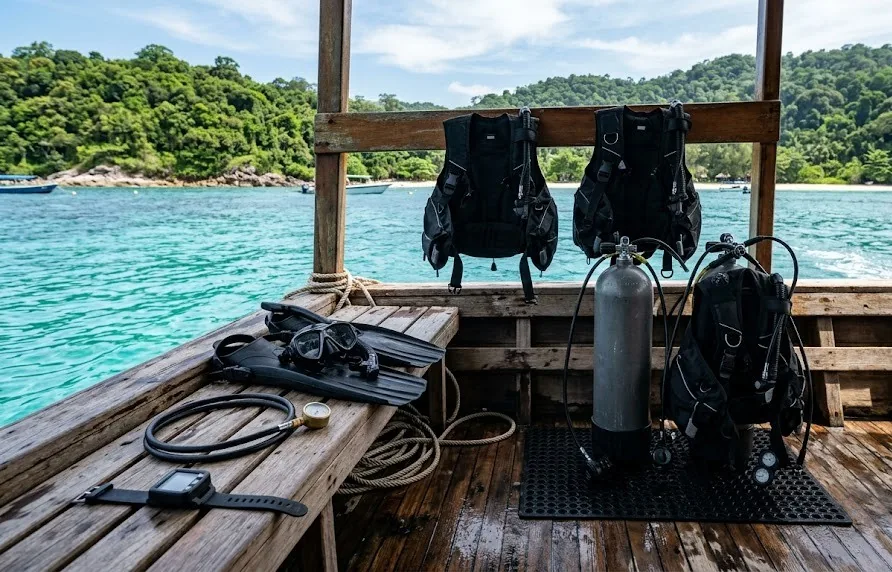
All five centers provide complete rental gear including BCD, regulator, wetsuit, mask, and fins. A 3mm wetsuit is suitable for Da Nang’s water temperatures year-round. Most centers include dive computers with rental packages, though serious divers may prefer bringing their own. Personal items you should bring include sunscreen (reef-safe preferred), a rash guard for surface intervals, and a dry bag for your belongings. If you have your own mask or dive computer, bring them — having gear you’re familiar with improves comfort and safety underwater.
Booking tips: how far in advance, cancellation policies, and payment methods
Book your dives 2-4 weeks ahead during peak season (April-August) to secure your preferred dates, especially for private charters or certification courses. Most centers accept walk-in bookings during quieter months, but advance booking ensures availability and often unlocks better package pricing. Check cancellation policies carefully — most centers offer free cancellation up to 24-48 hours before your scheduled dive, but private charters may have stricter terms. Payment methods typically include credit cards and bank transfers, with some centers accepting cash in Vietnamese dong.
For longer stays, consider combining your dive days with other activities — a Han River cruise makes a relaxing addition to a dive vacation.
Related on this site
- Exploring Da Nang’s Coastal Gems: Lesser-Known Beaches to Visit in 2026
- Da Nang’s Best Surfing Beaches: Catch a Wave in 2026
- Da Nang’s Best Hotels with Kids’ Play Areas and Activities 2026
Frequently Asked Questions
Do I need to be certified to scuba dive in Da Nang?
Yes, for most dives you need at least an Open Water Diver certification. However, all five centers offer Discover Scuba Diving programs that let uncertified beginners experience scuba under direct instructor supervision in shallow water.
How long is the boat ride to the dive sites from Da Nang?
Boat rides range from 20 to 45 minutes depending on the site. Son Tra Peninsula sites are closer to shore, while Cu Lao Cham Marine Park takes longer but offers protected waters and better coral diversity.
What marine life can I expect to see when diving in Da Nang?
Typical encounters include reef fish like fusiliers and angelfish, nudibranchs, ghost pipefish, and occasionally turtles. Deeper sites around Son Tra may yield trevally, barracuda, and reef sharks for experienced divers.
Is diving in Da Nang suitable for absolute beginners?
Yes, particularly at the marine park sites where conditions are calm and visibility is good. Centers like Cham Island Diving and Vietnam Explorer specialize in beginner-friendly experiences with patient instruction.
What is the water temperature in Da Nang throughout the year?
Water temperatures range from 24°C in the cooler months (December-February) to 29°C in summer (June-August). A 3mm wetsuit provides adequate thermal protection year-round.
Can I combine diving with other activities in Da Nang?
Absolutely. Vietnam Explorer Dive Center specializes in dive-and-tour packages that pair underwater exploration with visits to Hoi An and the Marble Mountains. You can also combine diving with paragliding over the coast for a complete adventure trip.
Conclusion
Da Nang’s underwater world in 2026 offers something for every level of diver, from first-time explorers to technical specialists. The five centers profiled here each serve a distinct purpose: Cham Island Diving for marine park access, Sea Star for PADI certification, Blue Coral for advanced exploration, Oceanic for private charters, and Vietnam Explorer for combined land-sea adventures. Match your choice to your certification level, group composition, and the experience you’re seeking, and book 2-4 weeks ahead during peak season to secure your spot.
The waters off Da Nang reward careful planning with unforgettable encounters — choose your center wisely and the deep sea will deliver.
Part of our guide to places to visit in Da Nang.