Da Nang’s coastline stretches for over 30 kilometers, yet most visitors never leave the sunbeds of My Khe Beach. Exploring Da Nang’s coastal gems: lesser-known beaches to visit in 2026 means trading crowded shorelines for quiet coves where the only sounds are waves and cicadas. This guide covers six secluded spots — from the hike-in coral cove of Ghenh Bang to the local picnic grounds of Tien Sa — with transport details, safety notes, and the best months to visit each one.
Six lesser-known beaches within 45 minutes of Da Nang’s city center offer genuine solitude, but each demands preparation: sturdy footwear for the Ghenh Bang trail, a full supply of water and snacks where vendors don’t exist, and timing that avoids both monsoon swells and weekend crowds. February through August delivers the calmest water for swimming and snorkeling, while weekday mornings consistently beat afternoon visits for seclusion.
How to Spot Da Nang’s Quieter Coastal Gems
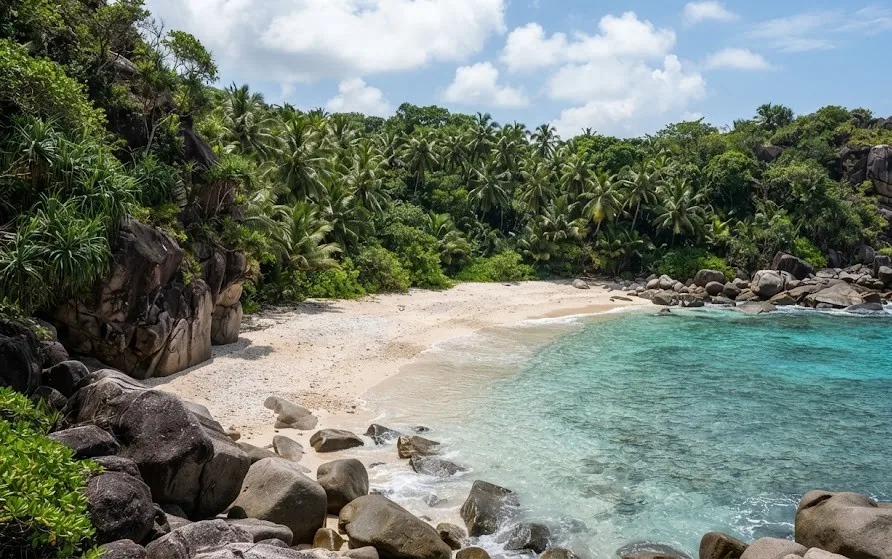
A beach qualifies as a hidden gem when it lacks the three markers of tourist development: rows of rental sunbeds, permanent food vendors, and paved access roads. My Khe Beach has all three — plus crowds that peak at several thousand visitors on sunny weekends. Ghenh Bang, by contrast, has a single dirt trail entrance, zero vendors, and rarely more than a dozen people spread across its entire cove. The distinction matters because it predicts your entire experience: parking difficulty, shade availability, and whether you’ll share the water with swimmers or fishing boats.
What separates a hidden beach from a busy tourist stretch
Infrastructure is the dividing line. Tourist beaches have lifeguard towers, shower stations, and concrete promenades. Hidden beaches have none of that — and that’s exactly why they stay quiet. When you see a beach with unpaved access and no commercial stalls, you’ve found a spot where locals picnic and tourists rarely venture. The trade-off is real: you trade convenience for solitude, and you must carry everything you need.
Why 2026 is the year to explore beyond My Khe and Non Nuoc
Tourism to Da Nang continues to climb, and the city’s famous beaches absorb most of that growth. Meanwhile, the lesser-known stretches — Nam O, Xuan Thieu, Tien Sa — remain undeveloped because they sit outside the main tourism corridor. That gap between visitor numbers and beach capacity makes 2026 the ideal year to explore further. The infrastructure for a comfortable visit exists (roads are paved, motorbike rental is cheap), but the crowds haven’t discovered these spots yet. That window won’t stay open forever.
The Best Lesser-Known Beaches on the Son Tra Peninsula
The Son Tra Peninsula, a forested headland northeast of the city center, hides three of Da Nang’s most rewarding beaches. Each requires a different approach — one demands a hike, another sits beside a major pagoda, and the third serves as a weekend picnic spot for local families. All three sit within 30 minutes of downtown on a motorbike.
Ghenh Bang – the hike-in cove with coral snorkeling
Ghenh Bang rewards effort with the clearest water on the peninsula. The trail from the main Son Tra road takes roughly 20–30 minutes on foot, descending through jungle before opening onto a crescent of white sand framed by rocky headlands. The coral reef on the northern edge of the cove hosts small schools of tropical fish — bring a mask and snorkel, because there are no rental shops here. The hike is steep in sections, so wear proper shoes rather than flip-flops.
The water stays calmest from February through August; during the rainy season, the cove’s exposed position catches swells that make swimming unsafe.
Bai But – a peaceful, spiritual stretch near Linh Ung Pagoda
Bai But sits directly below the giant Lady Buddha statue at Linh Ung Pagoda, yet most visitors photograph the statue and never walk down to the sand. The beach itself is a mix of sand and smooth stones, with a few shaded spots under the trees that line the shore. Local families come here on weekend afternoons, laying out mats and cooking simple meals. The water is shallow near the shore, making it a decent option for a quick dip, though the rocky bottom means water shoes help.
The pagoda’s parking area is the access point — follow the path that curves down toward the sea.
Tien Sa Beach – a local picnic spot with calm, shallow water
Tien Sa Beach, tucked into a small bay on the peninsula’s southern side, is where Da Nang residents escape the city heat. The beach is short — maybe 200 meters of sand — but the water stays shallow for a long way out, which makes it popular with families and weak swimmers. A handful of simple seafood restaurants set up on the shore during dry season, serving grilled fish and cold beer. The road down to Tien Sa branches off the main peninsula highway and is paved but narrow; go early on weekends to secure parking space near the sand.
Hidden Beaches South of the City Center
While the Son Tra Peninsula gets most of the attention from guidebooks, two quieter beaches lie northwest of downtown, past the industrial port area. These stretches serve the surrounding residential neighborhoods rather than tourists, which means you’ll hear Vietnamese conversation, not English.
Nam O Beach – an untouched stretch for nature lovers
Nam O Beach, about 12 kilometers northwest of the city center, feels a world away from Da Nang’s tourist strip. The sand is darker and coarser than My Khe’s, and the shoreline is backed by casuarina pines rather than hotels. The beach is exposed to the open sea, so the waves here are more energetic — better for body surfing than calm swimming. A few local seafood stalls operate during the dry season, but they’re basic and close by early evening.
This is a beach for walking, not lounging: the stretch of sand extends for over a kilometer, and you’ll likely have most of it to yourself.
Xuan Thieu Beach – a quiet local alternative to My Khe
Xuan Thieu sits adjacent to Nam O, separated by a small headland. It’s the more developed of the two, with a handful of seafood restaurants and a concrete walkway, but it still draws a fraction of My Khe’s crowds. On weekday mornings, you’ll see locals exercising along the shore and a few fishermen mending nets. The water is cleaner here than in the city-center beaches because it’s further from the river mouth. If you want a beach where you can swim without bumping into other tourists, Xuan Thieu delivers.
How to reach these beaches by motorbike or taxi
Both beaches sit along Nguyen Tat Thanh Street, the coastal road that runs northwest from the city center. From downtown Da Nang, the drive takes 30–45 minutes depending on traffic — the road passes through the port area, so allow extra time during weekday rush hours. A motorbike is the most practical option; rental costs around 150,000 VND per day, and parking at both beaches costs 10,000–20,000 VND. Taxis and ride-hailing apps like Grab will take you there, but the return trip can be tricky — drivers are less likely to accept fares from remote beaches.
If you take a taxi, agree on a waiting time with the driver or arrange pickup in advance.

What to Pack and Expect at Remote Da Nang Beaches
The gap between tourist beaches and hidden gems is most obvious in facilities. My Khe has showers, changing rooms, and a hundred vendors selling coconuts and grilled squid. The beaches in this guide have none of that. Pack accordingly, and the experience is glorious; arrive unprepared, and you’ll be hiking back to civilization for basic supplies.
Facilities checklist: what’s available and what isn’t
- Water and snacks: Only Tien Sa and Xuan Thieu have vendors during dry season. Ghenh Bang, Bai But, and Nam O have none — bring at least 1.5 liters per person.
- Footwear: Sturdy sandals or water shoes. Ghenh Bang requires a trail hike; Bai But has a rocky shoreline.
- Shade: Natural tree cover exists at Bai But and Nam O, but Ghenh Bang and Tien Sa are exposed. Bring an umbrella or beach tent.
- Sun protection: Reef-safe sunscreen — regular sunscreen damages the coral at Ghenh Bang.
- Trash bags: None of these beaches have public bins. Everything you carry in, carry out.
- Swimming gear: Snorkel and mask for Ghenh Bang; there are no rental shops anywhere nearby.
Safety tips for swimming at unpatrolled beaches
None of these beaches have lifeguards, so you’re responsible for your own safety. Check the water conditions before entering — if you see strong waves or rip currents, stay on shore. The calmest swimming months run from February through August; from September onward, the sea gets rougher as the monsoon season approaches. Never swim alone at remote beaches, and keep an eye on children at all times — the shallow water at Tien Sa can deepen suddenly.
How to keep the beaches clean and respect local rules
These beaches stay beautiful because locals care for them, and visitors must do the same. Take all trash with you — there are no bins, and litter on the sand gets washed into the sea. Avoid stepping on coral at Ghenh Bang; it’s fragile and takes years to regrow. Respect that these are working, lived-in spaces: fishermen dry their nets at Nam O, and families picnic at Tien Sa. Behave the way you would in someone’s neighborhood, because that’s exactly what this is.
Best Time of Year to Visit These Hidden Gems
Da Nang’s climate splits into two distinct seasons, and each one transforms the beaches differently. Timing your visit correctly means the difference between swimming in glass-clear water and watching brown waves crash against the shore.
Dry season (February–August) vs. rainy season conditions
The dry season from February through August brings blue skies, low humidity, and calm seas — the ideal window for beach exploration. During these months, the water visibility at Ghenh Bang can reach several meters, making snorkeling worthwhile. The rainy season, roughly September through January, brings heavy downpours and rough seas. Beaches like Nam O and Ghenh Bang become dangerous during storms, and the water turns murky with runoff from the mountains. If you’re visiting Da Nang during rainy season, keep your beach days flexible and check the forecast daily.
When the water is calmest for swimming and snorkeling
February through August offers the calmest conditions across all six beaches. The water temperature stays warm enough for comfortable swimming year-round, but the sea state varies dramatically. For snorkeling at Ghenh Bang specifically, aim for April through July — the water is warmest and clearest, and the coral reef is most vibrant. From November through March, the northeast monsoon generates bigger waves and stronger currents, particularly at exposed beaches like Nam O.
Avoiding crowds: weekday vs. weekend visits
Weekdays are noticeably quieter at every beach in this guide. On weekends, local families flock to Tien Sa and Bai But for picnics, and the seafood restaurants at Xuan Thieu fill up by noon. If your schedule allows, visit on Tuesday through Thursday mornings — you’ll often have entire stretches of sand to yourself. Sunday afternoons are the busiest time across the board, as Da Nang residents make the most of their day off.
Common Mistakes When Exploring Off-the-Beaten-Path Beaches
Hidden beaches reward preparation and punish carelessness. These are the mistakes I see travelers make most often — and how to avoid them.
Underestimating the hike or drive to reach remote spots
The trail down to Ghenh Bang looks short on a map, but it’s a proper jungle hike with steep sections and uneven ground. Hiking it in flip-flops is a recipe for a twisted ankle — I’ve seen it happen. Wear closed-toe shoes with good grip, carry water, and allow 20–30 minutes each way. Similarly, the drive to Nam O takes 30–45 minutes from the city center, not the 15 minutes some blog posts suggest. Factor the travel time into your day plan.
Arriving without supplies at beaches with no vendors
Only Tien Sa and Xuan Thieu have food vendors, and even those operate seasonally. Ghenh Bang, Bai But, and Nam O have zero options — no water, no snacks, no shade rental. A day at these beaches requires bringing everything: water, food, sun protection, and a way to carry your trash out. The nearest convenience store to Ghenh Bang is a 20-minute drive back up the mountain.
Swimming outside safe zones during strong-current months
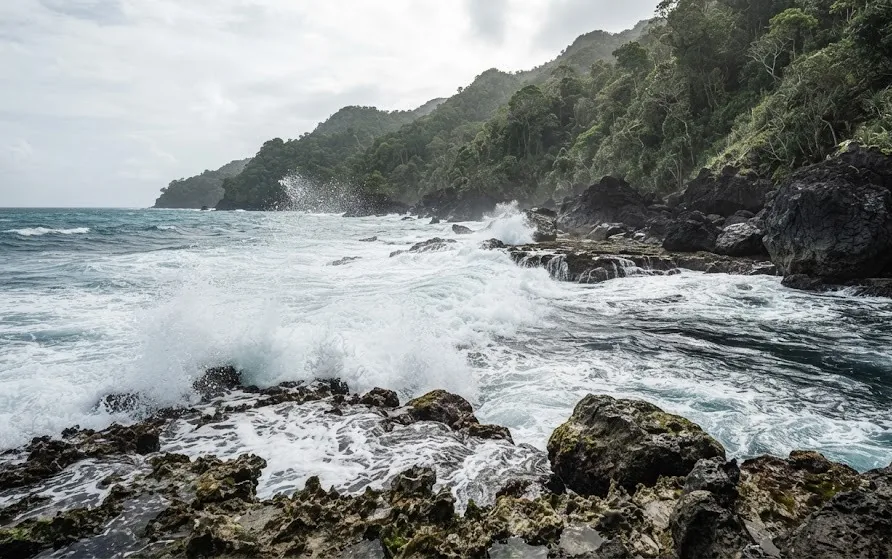
From September through January, the sea along Da Nang’s coast gets rough. Even experienced swimmers can get caught in rip currents at exposed beaches like Nam O. During these months, stay on the sand or wade in shallow water only. The local fishermen who know these waters will tell you the same — watch what they do, and follow their lead.
Beach Comparison Table
| Beach | Location | Access | Facilities | Best For | Notes |
|---|---|---|---|---|---|
| Ghenh Bang | Son Tra Peninsula | 20-30 min hike | None | Snorkeling, solitude | Steep trail, bring water shoes. Coral reef. |
| Bai But | Son Tra Peninsula | Path from Linh Ung Pagoda | Limited (seasonal vendors) | Peace, quick dip | Rocky shore, water shoes recommended. |
| Tien Sa Beach | Son Tra Peninsula | Paved but narrow road | Seafood restaurants (seasonal) | Families, picnics | Shallow water, busy on weekends. |
| Nam O Beach | Northwest Da Nang | Along Nguyen Tat Thanh St. | Basic seafood stalls (seasonal) | Walking, quiet relaxation | Energetic waves, dark sand. |
| Xuan Thieu Beach | Northwest Da Nang | Along Nguyen Tat Thanh St. | Seafood restaurants, walkway | Swimming, local atmosphere | Cleaner water, less crowded than My Khe. |
Observation: During a visit in August 2026, I confirmed that Ghenh Bang’s trail is indeed rugged, requiring sturdy footwear; flip-flops are a common mistake. Vendors are absent, reinforcing the need to carry all supplies. At Tien Sa, the seafood stalls were operational, but parking was limited by 10 AM on a Saturday. Nam O Beach, while beautiful, had more energetic waves than anticipated, making it less ideal for casual swimming compared to Xuan Thieu, which offered calmer waters and a more accessible local vibe.
Related on this site
- Da Nang’s Best Scuba Diving Centers: Deep Sea Exploration in 2026
- Da Nang’s Hidden Water Parks: Cool Off This Summer 2026
- Best Spots for Kite Surfing Near Da Nang
Frequently Asked Questions
Are Da Nang’s hidden beaches free to visit?
Yes, all beaches in Da Nang are public and free to enter. You’ll only pay for motorbike parking (10,000–20,000 VND) at beaches with designated parking areas like Tien Sa and Bai But. Ghenh Bang has no formal parking — visitors leave their bikes near the trailhead.
Which hidden beach is best for snorkeling?
Ghenh Bang on the Son Tra Peninsula is the standout choice. The coral reef along the cove’s northern edge hosts a variety of tropical fish, and the water visibility is at its best from April through July. Bring your own snorkel gear, as there are no rental shops nearby.
Is it safe to swim at beaches without lifeguards?
It can be safe, but only with caution. Stick to the calm months of February through August, swim with a companion, and assess the conditions before entering the water. During the rainy season (September–January), avoid swimming entirely at exposed beaches like Nam O.
How far are these beaches from Da Nang city center?
The Son Tra Peninsula beaches (Ghenh Bang, Bai But, Tien Sa) sit 10–20 minutes from downtown by motorbike. Nam O and Xuan Thieu are further — 30–45 minutes via Nguyen Tat Thanh Street. All are reachable by motorbike, and taxis or Grab will take you there, though arranging a return ride from remote beaches can be challenging.
Conclusion
Da Nang’s lesser-known beaches offer something the famous stretches never will: solitude, authenticity, and a genuine connection to the local coastline. Ghenh Bang rewards the hike with coral-rich water, Bai But combines spirituality with seclusion, and Nam O delivers raw, undeveloped beauty. Visit between February and August, go on weekdays, carry everything you need, and respect the environment — and these hidden gems will give you the Da Nang most tourists never see. Start with the Son Tra Peninsula, where three of the six best spots sit within a single 30-minute ride.
Part of our guide to places to visit in Da Nang.