Da Nang, a vibrant coastal city in Central Vietnam, is a paradise for food lovers. Its culinary landscape is a tantalizing blend of fresh seafood, aromatic spices, and time-honored recipes passed down through generations. From bustling street food stalls to charming local eateries, Da Nang offers an unforgettable gastronomic journey. Exploring this city’s food scene means diving into authentic flavors that capture the essence of Vietnamese culture.
Quick Summary: Da Nang boasts a rich culinary scene featuring fresh seafood, regional specialties like Mi Quang and Bun Cha Ca, and a vibrant street food culture. Key destinations include Han Market, Con Market, and numerous local eateries, with prices typically ranging from 20,000 to 100,000 VND per dish. This guide highlights essential dishes and where to find them for an authentic taste of Central Vietnam.
Updated: May 4, 2026 · Reading time: 8 min · Expertise: Culinary Travel Writer specializing in Vietnamese Cuisine
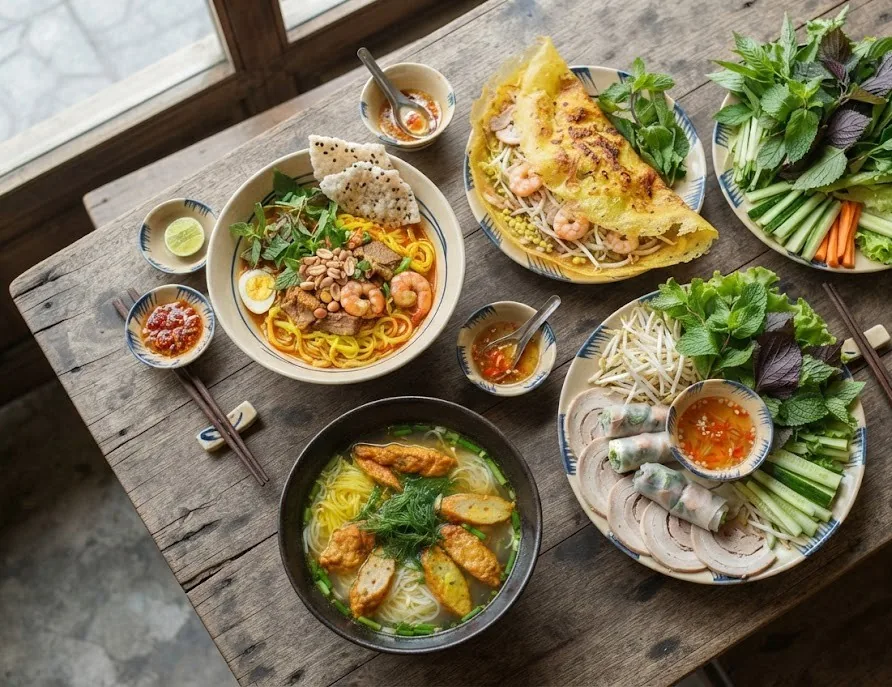
The Heart of Da Nang’s Flavor: Signature Dishes You Cannot Miss
Da Nang’s cuisine is distinct and deeply rooted in its coastal environment and historical influences. The city is renowned for dishes that are both simple and complex, utilizing fresh ingredients to create memorable tastes. Understanding these signature dishes is the first step to appreciating the local food culture.
Mi Quang: A Noodle Dish of Legend
Mi Quang is arguably Da Nang’s most iconic dish. This turmeric-infused noodle dish features a rich, savory broth, often made with pork and shrimp. It’s typically served with a handful of fresh herbs, peanuts, and a crispy rice cracker. The beauty of Mi Quang lies in its balance of textures and flavors.
- Key Ingredients: Rice noodles, turmeric, pork, shrimp, quail eggs, fresh herbs (mint, basil, lettuce), peanuts, rice cracker.
- Broth Preparation: The broth is simmered with turmeric, lemongrass, and pork bones for a deep, aromatic flavor.
- Serving Style: A small amount of broth is added to a generous portion of noodles, creating a concentrated taste.
Bun Cha Ca: Savory Fish Cake Noodles
Another essential Da Nang specialty is Bun Cha Ca. This dish features a clear, flavorful broth made from fish bones and vegetables, served with vermicelli noodles and succulent fish cakes. The fish cakes are made from fresh mackerel or other local fish, pounded and fried to perfection. It’s a lighter, yet equally satisfying, noodle soup.
- Fish Cake Varieties: Common types include mackerel, snakehead fish, and barracuda.
- Broth Enhancements: Pineapple and tomatoes are often added to the broth for a subtle sweetness and tang.
- Accompaniments: Fresh herbs, lime, and chili are standard additions to customize the flavor.
Banh Xeo: Crispy Savory Crepes
While found throughout Vietnam, Da Nang’s Banh Xeo has its unique charm. These crispy, golden crepes are made from rice flour, coconut milk, and turmeric, filled with shrimp, pork, and bean sprouts. They are typically enjoyed by wrapping them in rice paper with fresh herbs and dipping them in a special peanut sauce or fish sauce.
Important: The dipping sauce for Banh Xeo is crucial. Da Nang’s versions often feature a rich, savory peanut-based sauce that perfectly complements the crispy crepe.
Hai San: The Ocean’s Bounty
Being a coastal city, Da Nang offers an abundance of fresh seafood. From grilled prawns and steamed clams to various types of fish and crab, the options are endless. Local markets and beachfront restaurants are the best places to experience the freshest catches of the day, often prepared simply to highlight their natural flavors.
- Popular Seafood Dishes: Grilled squid, steamed mussels with lemongrass, stir-fried crab with tamarind, and various grilled fish.
- Preparation Methods: Grilling, steaming, and stir-frying are common, allowing the natural sweetness of the seafood to shine.
- Best Places to Eat: Coastal restaurants along My Khe Beach and local seafood markets.
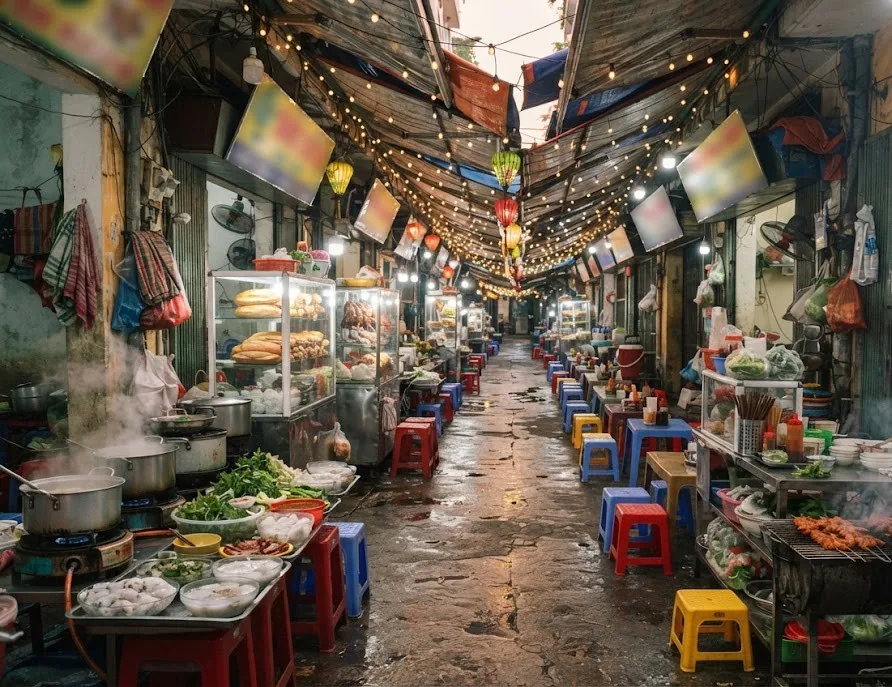
Exploring Da Nang’s Foodie Hubs: Markets and Streets
Da Nang’s culinary heart beats strongest in its bustling markets and vibrant street food scenes. These locations offer an authentic glimpse into local life and an unparalleled opportunity to sample a wide array of dishes at affordable prices.
Han Market: A Culinary Treasure Trove
Han Market is one of Da Nang’s oldest and most significant landmarks. It’s a sensory explosion, filled with vendors selling everything from fresh produce and spices to textiles and, most importantly, a dazzling array of local foods. The food court area is particularly famous for its authentic Da Nang specialties.
- Must-Try at Han Market: Mi Quang, Bun Cha Ca, Banh Xeo, Nem Lui (grilled pork skewers), and various sweet soups (che).
- Atmosphere: Lively, bustling, and a great place to practice your bargaining skills.
- Opening Hours: Typically opens early morning and closes late evening.
Con Market: A Local Favorite
Con Market, also known as Da Nang Central Market, is another excellent spot for food exploration. It’s less touristy than Han Market, offering a more local experience. Here, you can find numerous food stalls serving delicious and authentic Da Nang dishes at incredibly low prices.
Ví dụ thực tế: A plate of Mi Quang at Con Market might cost around 20,000 VND, offering exceptional value for a flavorful and filling meal.
Street Food Exploration: A Taste of Authenticity
Beyond the markets, Da Nang’s streets are lined with small eateries and mobile food carts offering delicious treats. Exploring these hidden gems often leads to the most memorable culinary discoveries. Don’t be afraid to venture off the beaten path and try what the locals are eating.
- Street Food Delights: Banh Mi, various types of che (sweet soups), fresh fruit smoothies, and grilled skewers.
- Tips for Street Food: Look for stalls with high turnover and many local customers.
- Hygiene: While generally safe, it’s wise to observe food preparation and choose freshly cooked items.
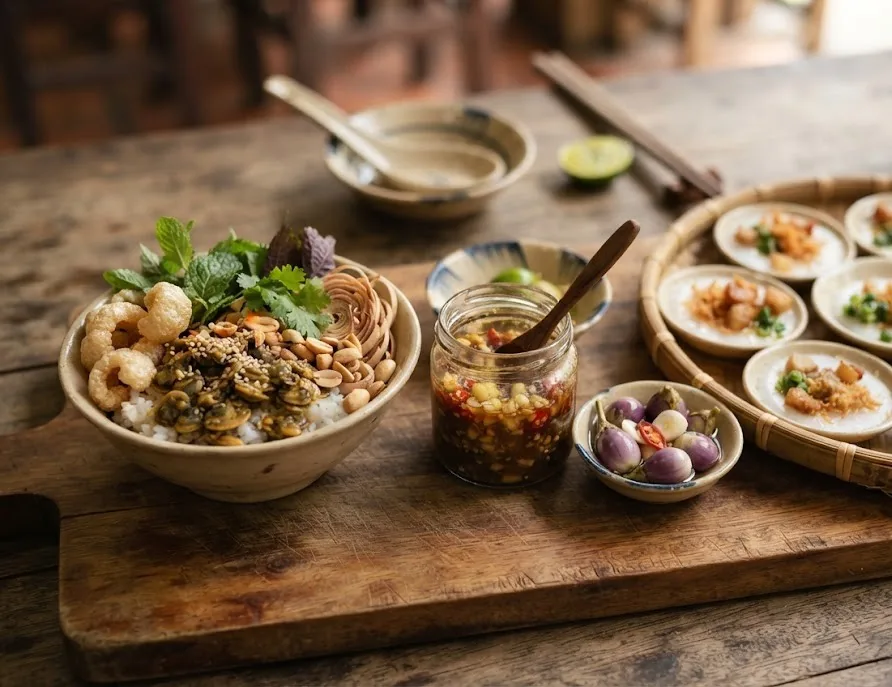
Beyond the Classics: Unique Da Nang Flavors
While Mi Quang and Bun Cha Ca are essential, Da Nang’s culinary scene offers many other unique flavors worth exploring. These dishes showcase the region’s creativity and its connection to local ingredients.
Nem Lui: Grilled Pork Skewers
Nem Lui consists of finely minced pork, mixed with spices and herbs, then wrapped around lemongrass stalks and grilled over charcoal. The smoky aroma and tender texture are irresistible. It’s usually served with rice paper, fresh vegetables, and a special dipping sauce, similar to how Banh Xeo is enjoyed.
Banh Dap: Two Ways to Enjoy
Banh Dap is a unique dish that involves two types of rice cakes. One is a thin, crispy rice cracker, and the other is a soft, steamed rice cake. Both are dipped in a savory shrimp-and-pork paste and eaten together. It’s a delightful combination of textures and flavors, often enjoyed with a side of fresh herbs.
Che: Sweet Soups and Desserts
Da Nang offers a delightful variety of “Che,” which are sweet soups and desserts. These can range from simple bean-based concoctions to more elaborate preparations with fruits, jellies, and coconut milk. They are perfect for cooling down on a warm day or as a sweet ending to a meal.
- Popular Che Varieties: Che Chuoi (banana and coconut milk), Che Dau Xanh (mung bean), Che Thai (mixed fruits and jelly).
- Serving Temperature: Can be served hot or cold, depending on the type.
- Ingredients: Often feature local fruits, beans, jellies, tapioca pearls, and coconut milk.
Practical Tips for Your Da Nang Food Adventure
Navigating a new culinary landscape can be exciting. Here are some practical tips to enhance your food journey in Da Nang.
- Embrace Local Eateries: Don’t shy away from small, unassuming restaurants. They often serve the most authentic and delicious food.
- Learn Basic Vietnamese Phrases: Knowing a few simple phrases like “cảm ơn” (thank you) and “bao nhiêu?” (how much?) can go a long way.
- Carry Cash: Many street food vendors and smaller markets primarily accept cash.
- Stay Hydrated: Da Nang can be hot and humid, so always have water on hand.
- Be Adventurous: Try new things! The best culinary experiences often come from stepping outside your comfort zone.
Sai lầm phổ biến: Sticking only to well-known tourist restaurants and missing out on the authentic local flavors found in markets and smaller eateries.
Related on this site
Frequently Asked Questions
What is the most famous dish in Da Nang?
Mi Quang is widely considered the most famous and iconic dish of Da Nang, known for its turmeric-infused noodles and rich broth.
Where can I find the best seafood in Da Nang?
For the freshest seafood, visit coastal restaurants along My Khe Beach or explore the local seafood markets like Tho Quang.
How much does local food cost in Da Nang?
Most local dishes, especially at markets and street stalls, range from 20,000 to 100,000 VND (approximately $1 to $4 USD).
Is street food in Da Nang safe to eat?
Generally, yes. Look for busy stalls with high customer turnover and freshly prepared food for the best experience.
Should I try Banh Xeo in Da Nang?
Absolutely. Da Nang’s Banh Xeo, often served with a unique peanut dipping sauce, is a must-try local delicacy.
More Food Destinations, Tips and Local Flavours
When exploring Da Nang’s food landscape, venturing beyond the most famous dishes reveals a treasure trove of lesser-known but equally delightful specialties. Consider trying Bun Dau Mam Tom, a dish that might challenge the uninitiated with its fermented shrimp paste, but rewards the adventurous with its complex, savory flavor. This dish typically comprises fried tofu, boiled pork, vermicelli noodles, and fresh herbs, all to be dipped into the potent mam tom.
Another local favorite is Nem Lui, grilled pork skewers seasoned with lemongrass, served with rice paper, vermicelli, and a rich dipping sauce, offering a delightful hands-on dining experience.
For those seeking a refreshing and light option, Goi Ca Mai, a type of local raw fish salad, is a perfect choice, especially on a warm day. The thinly sliced small fish are marinated with lime, chili, garlic, and herbs, creating a zesty and invigorating appetizer. The texture is delicate, and the flavors are bright, making it a popular starter at many seafood restaurants along the coast. These dishes, while perhaps not as globally recognized as Pho or Banh Mi, are integral to Da Nang’s identity and offer a more authentic taste of local life and culinary traditions.
Must-Try Local Food Destinations
To truly immerse yourself in Da Nang’s vibrant food scene, visiting its local markets and specialized eateries is paramount. These are the places where generations of culinary knowledge are passed down, and where the freshest ingredients are sourced daily. The atmosphere is often lively and bustling, providing an authentic glimpse into the daily lives of the city’s residents. Don’t be shy to engage with the vendors; they are often happy to explain their dishes and share their passion for their craft.
- Han Market (Cho Han): This is arguably the most iconic market in Da Nang, a bustling hub offering everything from fresh produce and seafood to local snacks and souvenirs. It’s an excellent spot to sample a wide variety of street food, including Banh Xeo, Mi Quang, and various grilled seafood dishes.
- Con Market (Cho Con): Known for its extensive food court, Con Market is a paradise for food lovers. You can find numerous stalls serving authentic Da Nang specialties at very reasonable prices. It’s a fantastic place to try multiple dishes in one go.
- Phu Loc Seafood Restaurant: While not a market, this area is renowned for its fresh seafood. Many restaurants here, like Phu Loc, offer an incredible selection of just-caught fish, shrimp, crab, and shellfish, prepared in various traditional Vietnamese styles.
- Specialty Noodle Shops: Seek out small, unassuming eateries that specialize in dishes like Mi Quang or Bun Cha Ca. These often offer the most authentic and flavorful versions of these local favorites.
When exploring these destinations, consider the best times to visit for optimal experience. Mornings are usually best for market browsing and sampling breakfast specialties, while evenings come alive with street food vendors and a more relaxed dining atmosphere. Look for stalls that are busy with locals, as this is a strong indicator of quality and deliciousness. Many of these culinary hotspots are clustered together, making it easy to embark on a self-guided food tour.
Tips for Enjoying Da Nang’s Food Scene
Navigating a new culinary landscape can be exciting, and Da Nang offers a unique gastronomic journey. To make the most of your experience, a few practical tips can go a long way. Embrace the local customs, be open to trying new flavors, and don’t hesitate to ask for recommendations. The warmth of the people and the richness of the food are what make Da Nang so special.
- Be Adventurous: Don’t shy away from dishes that might seem unfamiliar. Many of Da Nang’s most beloved foods have unique ingredients or preparation methods that contribute to their distinctive taste.
- Look for Local Crowds: A busy stall with a queue of locals is almost always a sign of excellent food. High turnover means fresh ingredients and a popular, well-loved dish.
- Learn a Few Vietnamese Phrases: Simple greetings like “Xin chào” (hello) and “Cảm ơn” (thank you) can enhance your interactions with vendors and add to the cultural experience.
- Stay Hydrated: Da Nang can be hot and humid. Always have water on hand, and consider trying local beverages like fresh coconut water or sugarcane juice.
- Hygiene Awareness: While street food is a must-try, use your judgment. Look for stalls that appear clean and where food is cooked fresh in front of you.
Another crucial aspect of enjoying Da Nang’s food is understanding the local dining etiquette. It’s common to share dishes, so ordering a variety and passing them around is a great way to sample more. Using chopsticks and spoons is standard, and it’s polite to finish your meal. Don’t be surprised by the communal nature of eating; it’s a significant part of the Vietnamese culture and a wonderful way to connect with others.
Understanding Local Ingredients and Flavors
Da Nang’s cuisine is deeply rooted in the bounty of its coastal location and fertile surrounding lands. Freshness is the cornerstone, with seafood playing a starring role. Expect a vibrant interplay of sweet, sour, salty, and spicy notes in many dishes, a testament to the balance that Vietnamese cooking strives for. Herbs are used liberally, adding layers of aroma and flavor that elevate each dish.
- Fresh Seafood: Being a coastal city, Da Nang boasts an abundance of incredibly fresh seafood, from various types of fish and shrimp to squid and shellfish.
- Rice and Noodles: Staple carbohydrates like rice (both steamed and in noodle forms like rice paper and vermicelli) form the base of many meals.
- Aromatic Herbs: Expect generous use of fresh herbs such as mint, basil, cilantro, and perilla leaves, which add freshness and complexity.
- Spices and Seasonings: Chili, garlic, ginger, lemongrass, and fish sauce are fundamental flavor enhancers.
- Peanuts and Sesame: These are frequently used in sauces, as garnishes, or as key ingredients, particularly in dishes like Banh Xeo and spring rolls.
The local flavor profile often leans towards a harmonious blend rather than overpowering single notes. For instance, the dipping sauces are meticulously crafted to complement the main dish perfectly. The peanut sauce for Banh Xeo, with its creamy texture and savory depth, is a prime example. Similarly, the complex, fermented shrimp paste used in Bun Dau Mam Tom, though potent, offers an umami-rich experience when balanced with other components. This thoughtful combination of ingredients and flavors is what defines Da Nang’s unique culinary identity.
Conclusion
Da Nang’s culinary scene is a vibrant tapestry woven with fresh ingredients, traditional techniques, and a passionate local food culture. From the iconic Mi Quang and Bun Cha Ca to the bustling energy of Han and Con markets, every bite tells a story. Exploring these local food destinations offers not just delicious meals but a deeper connection to the heart and soul of this beautiful coastal city. Embark on your own Da Nang food adventure and discover the unforgettable tastes that await.