Da Nang for Adventure Seekers: Kayaking and Caving Excursions 2026 offers a direct route to some of Southeast Asia’s most thrilling and untouched landscapes. While many visitors stick to the city’s famous beaches, a short drive or paddle unlocks a world of limestone caves and hidden waterways that deliver genuine adrenaline. This guide breaks down the specific kayaking routes, caving logistics, and a sample itinerary designed for the active traveler planning a trip in 2026.
Da Nang serves as a strategic launchpad for two of Vietnam’s premier adventure activities: sea kayaking around the Son Tra Peninsula and world-class caving in Phong Nha-Ke Bang National Park. For caving, multi-day expeditions into Hang Va or the accessible Paradise Cave require booking through specialized operators. A 3-day itinerary combining both activities is feasible with private transport, covering the Son River, Dark Cave, and Marble Mountains grottoes. The optimal period for these excursions is February through August, avoiding the heavy rains typically experienced from October to December.
Why Da Nang in 2026 Is a Prime Hub for Kayaking and Caving
Da Nang’s unique geography places both calm coastal waters and extensive cave systems within a two-hour radius, establishing it as a rare hub for multi-sport adventure. The city is situated at the base of the Son Tra Peninsula, a 440-hectare nature reserve where the coastline transitions between sandy beaches and rocky headlands. The waters here are generally sheltered from the open sea, creating stable conditions conducive to kayaking, even for novice paddlers. Hidden along this coast are small sea caves sculpted by wave action—accessible only by paddle or boat, which enhances the sense of discovery on every trip.
Inland, the Marble Mountains present another layer of exploration. These five limestone and marble hills are riddled with natural grottoes and tunnels. While some are popular tourist destinations, less-visited caves like Huyen Khong and Van Thong require some scrambling and a headlamp. You can launch a kayak from the nearby shore and paddle to the base of the mountains to access some of these entrances from the water, a route often overlooked by most day-trippers.
The primary draw for dedicated cavers is Phong Nha-Ke Bang National Park, located approximately a 2.5-hour drive north. This UNESCO World Heritage site contains the world’s largest cave, Son Doong, but also offers several accessible options for shorter excursions. Da Nang’s proximity allows visitors to utilize the city’s hotels and restaurants as a base while still accessing the park for day or overnight expeditions. This blend of urban convenience and raw natural beauty is what distinguishes Da Nang for adventure travelers in 2026.
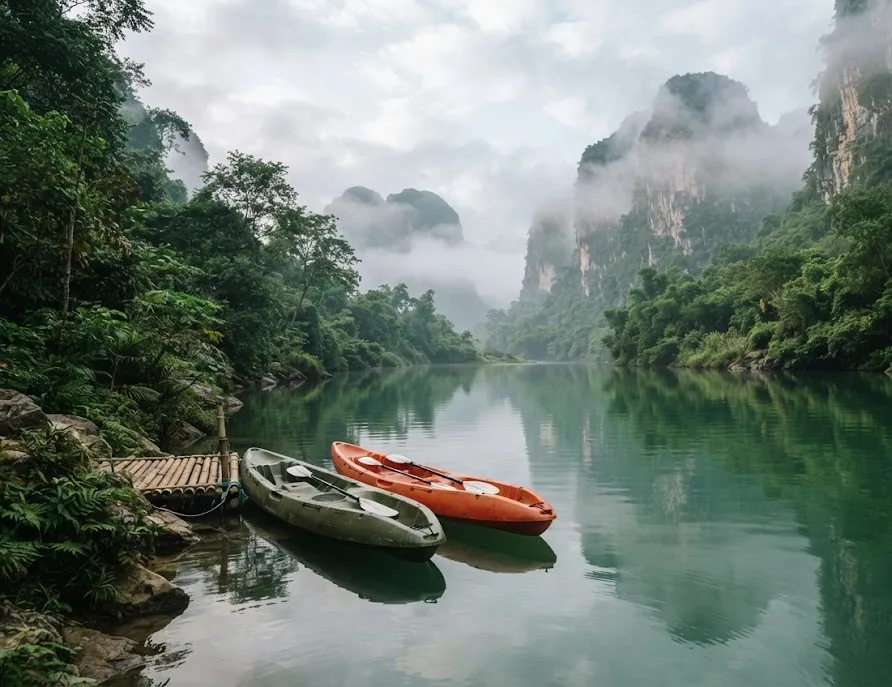
How to Choose the Right Kayaking Excursion in Da Nang for Your Skill Level
Matching your paddling ability to the appropriate route is crucial for a safe and enjoyable experience. The waters around Da Nang offer three distinct difficulty tiers, and understanding your proficiency saves time and ensures safety.
Beginner-Friendly Routes: Han River Estuary and My Khe Beach Paddling
If you have limited or no prior kayaking experience, the Han River estuary and the calm sections of My Khe Beach are ideal. The estuary is shielded from ocean swells by the Son Tra Peninsula, and the current is mild. Most local operators launch from the riverbank near the Dragon Bridge, and a typical 2-hour paddle allows exploration past the bridge’s base toward the river mouth. You can pause at a small sandbar or simply drift and observe the local fishing boats.
The water remains consistently flat, with the primary challenge being sun exposure rather than wave conditions.
My Khe Beach offers a comparable experience with a different scenic backdrop. During the early morning, typically before 9 AM, the sea is exceptionally calm, allowing for paddling parallel to the shore for approximately 3 kilometers. Rental shops along the beach provide stable and easy-to-handle sit-on-top kayaks. This option is best suited for those seeking a brief workout with views of the Son Tra mountain range.
Intermediate Challenges: Paddling Around the Son Tra Island Loop
For paddlers with some prior experience, the Son Tra Island loop presents a more engaging challenge. This route encircles the peninsula’s southern tip, covering roughly 15 kilometers and requiring 3 to 4 hours to complete. The primary variable is wind—it tends to increase by late morning, creating chop that necessitates proper bracing and steering techniques. You will navigate past small fishing villages, secluded coves, and the sea caves previously mentioned. The reward is a comprehensive perspective of the peninsula that cannot be obtained from land.
This trip requires a sea kayak equipped with a rudder, rather than a recreational sit-on-top model. Several tour operators in Da Nang offer guided loops that include safety briefings and a support boat. It is advisable not to attempt this route solo unless you are a confident paddler and have thoroughly checked the wind forecast. The currents around the peninsula’s tip can quickly alter your course.
Advanced Expeditions: Multi-Day Kayak Trips to Cham Island
Cham Island (Cu Lao Cham) is an archipelago of eight islands situated approximately 18 kilometers off the coast of Hoi An. Reaching it by kayak is a full-day commitment demanding strong paddling endurance and navigation skills. The crossing typically takes 4 to 6 hours, depending on conditions, and requires comfort with open-water paddling where land may be out of sight for extended periods. Most guided trips span 2 to 3 days, combining kayaking with snorkeling and camping on the island’s protected beaches.
Permits are mandatory for landing on Cham Island due to its status as a marine protected area. Your tour operator will handle this, but it is essential to confirm its inclusion. The physical exertion is significant—expect to paddle against crosswinds and manage a laden kayak. This expedition is not recommended for beginners but offers wilderness immersion for experienced adventurers that few Da Nang tourists experience.
Planning a Caving Trip from Da Nang: Permits, Guides, and Logistics
A successful caving trip hinges on booking with a licensed operator, packing appropriate gear, and arranging suitable transport for the 2.5-hour journey to Phong Nha. Unlike kayaking, where equipment rental is often readily available, caving necessitates advance planning due to regulated access to many cave systems.
Booking Through Official Operators
For the most renowned caves in Phong Nha-Ke Bang, booking through authorized tour companies is mandatory. Oxalis Adventure Tours holds exclusive operational rights for expeditions into Son Doong, Hang En, and Hang Va. For more accessible caves such as Paradise Cave and Dark Cave, other operators like Phong Nha Locals and Jungle Boss provide guided tours. When booking for 2026, verify that the operator possesses a valid permit from the Phong Nha-Ke Bang National Park management board to ensure adherence to safety standards and environmental regulations.
Booking windows for multi-day cave treks typically open 6 to 12 months in advance and tend to sell out rapidly. For single-day trips to Paradise Cave or Dark Cave, booking approximately one week ahead is usually sufficient. Always confirm that the itinerary includes a certified guide, essential safety equipment (helmets, headlamps, life jackets for wet caves), and meal provisions. It is advisable to avoid unofficial guides who may offer lower prices without proper gear or insurance.
Required Gear: What to Bring
Most tour operators supply helmets and headlamps; however, bringing your own backup headlamp with fresh batteries is recommended—a basic model from a hardware store suffices. A dry bag is indispensable for protecting your phone, camera, and spare clothing within wet caves like Dark Cave, where activities involve swimming and navigating muddy passages. Quick-dry clothing is preferable to cotton, as you will likely get wet and feel cold in the caves, which maintain a consistent temperature of around 20-22°C year-round. Wear sturdy water shoes or old trainers with reliable grip, as the rocks can be slippery, and flip-flops are unsafe.
A hydration system carrying at least 1.5 liters of water is necessary for longer treks. You will experience perspiration even in the cool cave air due to physical exertion. Pack high-energy snacks such as nuts or protein bars; while lunch is often provided, maintaining energy levels between meals is important. A compact first-aid kit containing blister plasters and antiseptic wipes is a prudent addition, as limestone formations can be sharp.
Transportation Options: Private Car vs. Shuttle Bus
Traveling from Da Nang to Phong Nha is straightforward, but the choice of transport influences your flexibility. Hiring a private car typically costs between 1.5 to 2.5 million VND one-way (approximately $60 to $100 USD) and takes 2.5 to 3 hours. This option is ideal if you prefer an early start, wish to make photo stops, or need to transport additional gear. Several shuttle bus services operate daily from Da Nang’s central bus station to Dong Hoi, the nearest city to Phong Nha, for approximately 200,000 VND ($8 USD) per person. From Dong Hoi, a local minibus connects to the park entrance.
The shuttle bus offers a more economical choice but extends the journey by an hour and limits departure times.
For a 3-day itinerary that includes both kayaking and caving, the investment in a private car is justified. It allows for the convenient transport of kayaking and caving equipment without concerns about bus luggage restrictions, and enables stops such as a morning paddle on the Son River before proceeding to the caves.
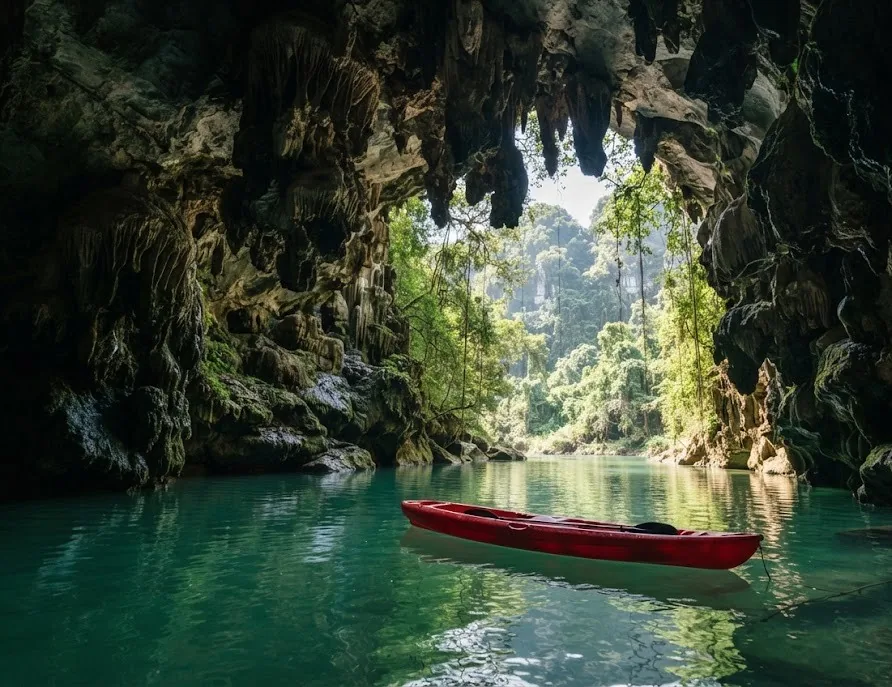
Top Kayak-Accessible Caves Within a Day Trip from Da Nang
Several caves in the Phong Nha region are accessible by kayak, making them suitable for a combined adventure day trip from Da Nang. The table below compares three of the most notable options based on accessibility, activity type, and physical demand.
| Cave Name | Type | Distance from Da Nang | Kayak Section | Key Activity | Difficulty |
|---|---|---|---|---|---|
| Tien Son Cave | Dry cave | 2.5 hours | Short paddle on Son River (optional) | Stalactite viewing, walking | Easy |
| Dark Cave (Hang Toi) | Wet cave | 2.5 hours | 1.5 km paddle inside the cave | Zip-line, mud bath, swimming | Moderate |
| Paradise Cave (Thien Duong) | Dry cave | 2.5 hours | None (trekking only) | Underground trekking (1 km) | Moderate |
Tien Son Cave provides a gentle introduction to caving. It is a dry cave featuring well-lit walkways and impressive stalactite formations. The kayaking component is optional—some tours incorporate a brief paddle on the Son River prior to cave entry, but it is not essential for access. This cave is well-suited for travelers seeking a less physically demanding experience.
Dark Cave offers the most adventurous option among the three. 5 kilometers into the cave’s complete darkness. The paddle itself is a highlight—characterized by silence, punctuated only by the sound of dripping water and your paddle strokes. Inside, participants can enjoy a mud bath in mineral-rich clay, swim in the cool water, and slide down natural rock chutes. The tour includes a guide, life jacket, and headlamp, providing a wet, muddy, and exhilarating experience that exemplifies adventure caving.
Paradise Cave stands as the longest dry cave in Asia, extending over 31 kilometers, although the accessible tourist section covers about 1 kilometer of well-maintained wooden walkways. It is not accessible by kayak, but its sheer scale is remarkable. The cave features vast, cathedral-like chambers with stalagmites reaching heights of up to 20 meters. This offers a different form of adventure, focused on hiking and photography rather than aquatic activities. Combining it with a morning kayak on the Son River provides a balanced day of exploration.
Combining Kayaking and Caving: Sample 3-Day Itinerary from Da Nang
This itinerary efficiently integrates both kayaking and caving into three days, utilizing Da Nang as the base and employing private transport for optimal time management. It is designed for physically fit travelers aiming for maximum adventure without compromising on rest or safety.
Day 1: Morning Kayak on the Son River + Afternoon Phong Nha Cave Exploration
Begin the day early—depart from Da Nang by 6 AM via private car. The journey to the Son River takes approximately 2 hours. Rent kayaks from a local operator near the riverbank and paddle for 2 to 3 hours. The Son River offers calm and scenic waters, bordered by limestone karsts and rice paddies. You can paddle towards the entrance of Phong Nha Cave, which is accessible only by boat or kayak. The water is consistently flat, and the current is gentle, making this suitable for intermediate paddlers.
Following lunch at a riverside restaurant, proceed to Phong Nha Cave for a guided boat tour. The cave is immense—the underground river is navigable for several kilometers. The boat tour lasts about 1.5 hours, passing through chambers adorned with stalactites. This activity is less physically demanding, making it a good complement to the morning paddle. Return to Da Nang by evening for dinner and rest.
Day 2: Full-Day Caving at Paradise Cave with Underground Trekking
Day 2 is dedicated to exploring Paradise Cave. Depart from Da Nang by 7 AM. The drive to the cave entrance involves a short hike up a forested trail. Once inside, allocate 2 to 3 hours to traverse the 1-kilometer tourist section. The path consists of wooden walkways with handrails, and the distance combined with stairs provides a moderate workout. Bringing a tripod is recommended for photography, as capturing the cave’s scale with a phone can be challenging.
After exiting, you can explore the surrounding national park trails or visit the Paradise Cave viewpoint for panoramic vistas. Return to Da Nang by late afternoon. This day is less physically demanding than Day 1, allowing for muscle recovery before the final day’s activities.
Day 3: Dawn Paddle on the Han River and Visit Marble Mountains Grottoes
The final day features a half-day adventure. Commence at 5:30 AM with a dawn paddle on the Han River. The water is tranquil, and witnessing the sunrise over the Dragon Bridge offers a memorable experience. 5 hours, then return to shore for breakfast.
Post-breakfast, drive 20 minutes to the Marble Mountains. Spend 2 hours exploring the grottoes and tunnels, focusing on less-frequented caves such as Huyen Khong and Van Thong. A headlamp is advisable, as some tunnels are dark and require minor scrambling. This dry, low-impact activity concludes the trip without causing excessive fatigue before your departure.
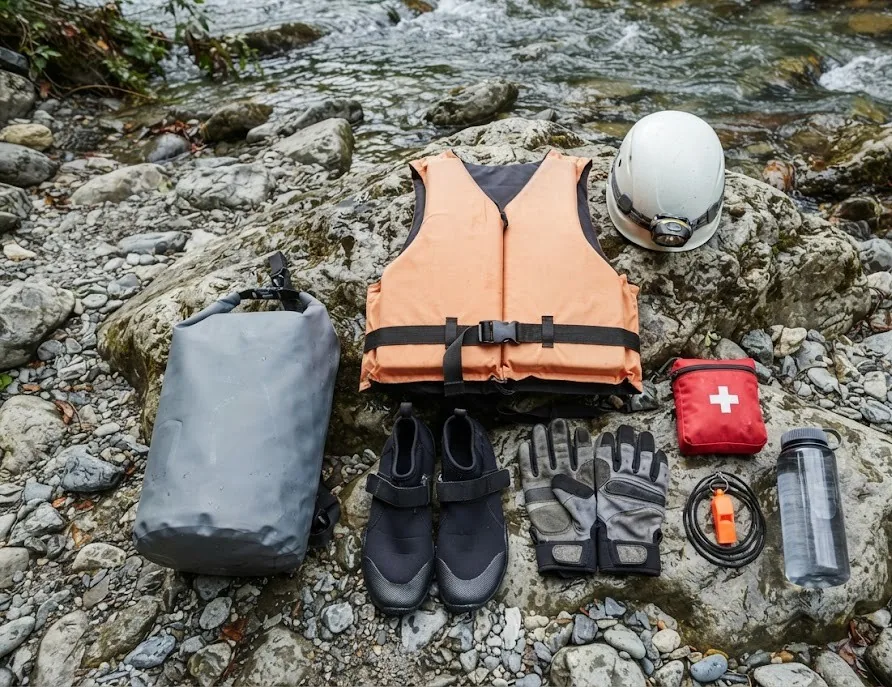
Essential Gear and Safety Tips for Kayaking and Caving in 2026
Proper gear and strategic timing form the basis of a safe and enjoyable adventure in Da Nang. Below is a comprehensive list of essentials and guidance on the optimal times to visit.
What to Pack
- Waterproof camera: An action camera like a GoPro is ideal for both kayaking (splashes) and caving (humidity). A waterproof phone pouch serves as a reliable backup.
- First-aid kit: Include blister plasters, antiseptic wipes, pain relievers, and a small roll of medical tape. Limestone cuts can be sharp.
- Hydration system: A 1.5-liter hydration bladder or two water bottles. Dehydration is a significant risk even in cool cave environments.
- Dry bags: Two small dry bags—one for electronics and one for spare clothing. Double-bagging offers enhanced protection in wet caves.
- Quick-dry clothing: Synthetic or merino wool tops and bottoms. Avoid cotton, as it retains moisture, leading to discomfort and chafing.
- Headlamp with spare batteries: Even if the tour provides one, a backup is crucial for safety in dark caves.
- Water shoes or old trainers: Essential for caving, providing necessary grip on wet surfaces. Flip-flops are unsafe.
Weather Windows
The most favorable months for both kayaking and caving are February through August. During this period, rainfall is minimal, sea conditions are generally calm, and cave water levels remain safe. The rainy season, from October to December, brings heavy downpours that can trigger flash floods in caves and render sea kayaking hazardous. January serves as a transitional month; conditions can be favorable, but careful weather forecast monitoring is advised. For 2026, planning your trip between March and June offers the most reliable weather conditions.
Physical Preparation
Kayaking on calm water requires core strength and shoulder endurance. Incorporate planks and shoulder presses into your routine two weeks prior to your trip. For caving, leg endurance is paramount, as activities involve prolonged walking, climbing, and squatting. Lunges and step-ups help build the necessary muscle conditioning. If undertaking a multi-day expedition such as Hang Va, supplement your training with running or cycling for cardiovascular fitness. While not requiring elite athleticism, basic physical conditioning helps prevent injuries and enhances the overall experience.
Related on this site
- Da Nang’s Best Kayaking Locations: Paddle Adventures in 2026
- Explore Da Nang’s Secret Waterfalls: A Hiker’s Paradise 2026
Frequently Asked Questions
Do I need previous kayaking experience for the beginner routes in Da Nang?
No. The Han River estuary and My Khe Beach routes are suitable for individuals with no prior kayaking experience. Rental operators provide basic instructions, and the water conditions are calm. It is recommended to stick to morning hours when wind speeds are typically lower.
How far in advance should I book a caving tour like Dark Cave or Paradise Cave?
For single-day tours, booking approximately one week in advance is generally sufficient during the dry season. For multi-day expeditions like Hang Va or Son Doong, it is advisable to book 6 to 12 months ahead, as permits are limited and tend to sell out quickly.
Is it safe to kayak to Cham Island without a guide?
No. The crossing involves 18 kilometers of open water with potentially strong currents and boat traffic. It is essential to go with a licensed guide who is equipped with safety gear and a support boat. Attempting this solo is highly dangerous and strongly discouraged.
Can I visit Phong Nha-Ke Bang National Park as a day trip from Da Nang?
Yes, but it constitutes a long day. The round-trip driving time is approximately 5 hours, leaving about 6 hours for activities within the park. This duration is adequate for visiting one cave (either Paradise or Dark Cave) and having lunch. For a more relaxed experience, consider an overnight stay in Phong Nha.
What is the best way to get from Da Nang to the Marble Mountains for kayaking?
Travel by car or taxi to the base of the mountains. Kayaks can be launched from the nearby beach or riverbank. Several local operators situated near the mountain entrance offer hourly kayak rentals.
Are there age or fitness restrictions for these activities?
Most kayaking tours do not have strict age limits, although children under 5 should ideally use a tandem kayak with an adult. Dark Cave requires moderate fitness due to the zip-line and swimming components. Paradise Cave is accessible to individuals with most fitness levels. It is recommended to confirm specific requirements with the tour operator.
Next Steps
Da Nang for Adventure Seekers: Kayaking and Caving Excursions 2026 provides a practical framework for planning. The combination of accessible sea kayaking and world-class caving within a concentrated area positions Da Nang as a significant destination for active travelers. The crucial elements are aligning your skill level with the appropriate route, securing caving permits well in advance, and packing the necessary gear for safety and comfort.
- Secure your preferred caving tour booking (particularly for multi-day expeditions) at least 3 to 6 months prior to your travel date to guarantee permits and preferred guides.
- Select your kayaking route based on your experience level—opt for the Han River estuary if you are a beginner, or the Son Tra Island loop if you have prior paddling experience.
- Pack the essential gear listed in this guide, prioritizing a dry bag, a headlamp with spare batteries, and quick-dry clothing. Review the weather forecast for February through August and plan to avoid the peak rainy season.
Part of our guide to places to visit in Da Nang.