Da Nang’s farm-to-table accommodations in 2026 offer more than a meal; they provide a direct link to the land. Properties like Nén Danang and Lamai Garden are redefining hospitality by growing their own ingredients, sourcing from local farms like Tra Que, and creating menus that change with the seasons. This guide covers the top five properties leading this trend, how they source their ingredients, and what you should look for when booking a stay focused on fresh, local dining.
Farm-to-table dining in Da Nang in 2026 means a property grows or sources ingredients within a 30-50 kilometer radius. Nén Danang, a Michelin Green Star recipient, cultivates herbs and vegetables on-site for its 14-cover tasting menu. Lamai Garden dedicates 130 square meters to a kitchen garden. These accommodations prioritize seasonal menus, ingredient traceability, and waste reduction through composting and fermentation, moving beyond a marketing label to a verifiable operational model.
What Makes a Da Nang Accommodation “Farm-to-Table” in 2026?
The definition has evolved from a simple kitchen garden to a comprehensive sourcing and sustainability system. In 2026, a farm-to-table accommodation in Da Nang must demonstrate a clear, verifiable connection between its food sources and its dining table.
Defining the on-site farm: from kitchen garden to research hub
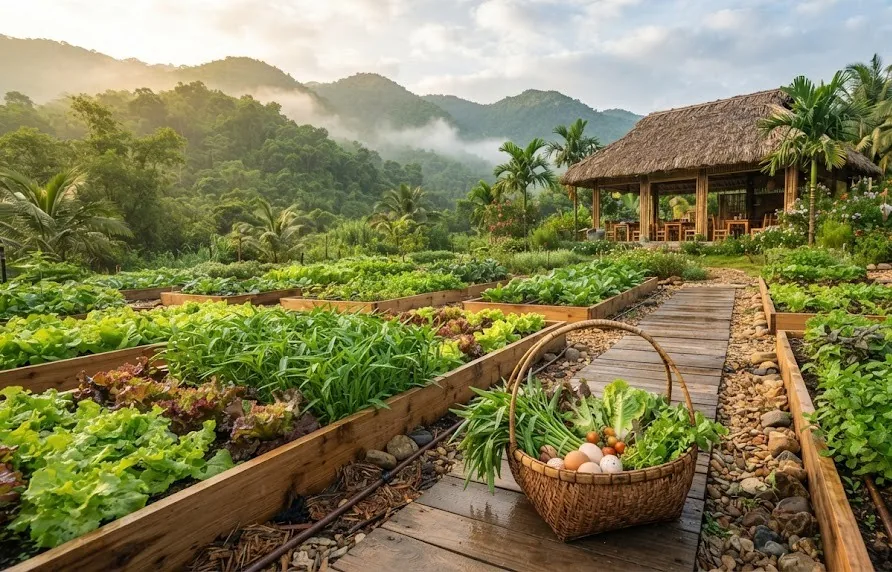
The on-site farm is no longer just a decorative patch of herbs. Properties like Nén Danang have transformed their growing spaces into research hubs where chefs experiment with heirloom varieties and test seasonal crops. Lamai Garden, for example, maintains a 130-square-meter kitchen garden that supplies a significant portion of its restaurant’s produce. These spaces serve dual purposes: they provide fresh ingredients and educate guests about local agriculture through guided tours and workshops.
Sourcing radius: how “local” is local for Da Nang properties?
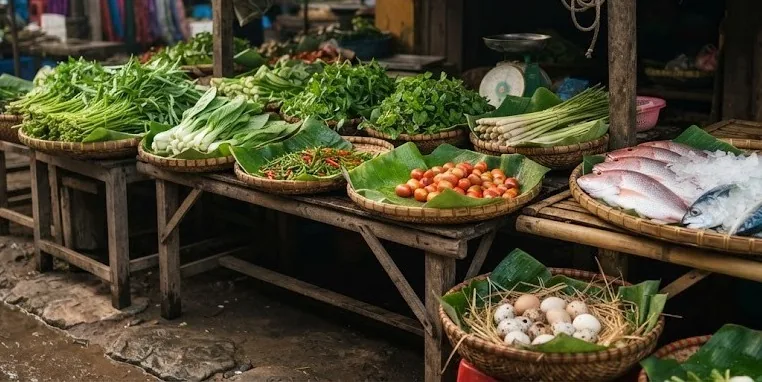
The sourcing radius for a genuine farm-to-table accommodation in Da Nang typically falls between 30 and 50 kilometers. This includes the Tra Que vegetable village, known for its water spinach, basil, and mint; the Hoa Vang district for organic pork and free-range poultry; and the Son Tra fishing cooperatives for daily seafood deliveries. Properties that claim farm-to-table status must be transparent about their sourcing routes, often listing the specific farm or cooperative on their menu.
The role of seasonal menus and ingredient traceability
Seasonal menus are the backbone of the farm-to-table model. Chefs at these accommodations design their dishes around what is available at the peak of its freshness. For example, a spring menu might feature Tra Que herbs in a light salad, while an autumn menu could highlight Hoa Vang’s heritage pork in a slow-cooked stew. Ingredient traceability is non-negotiable; guests expect to know exactly where each component of their meal originated, often through detailed menu descriptions or a digital farm-to-table journal provided by the property.
5 Da Nang Farm-to-Table Accommodations Leading the Fresh Dining Trend in 2026
1. Nén Danang — Michelin Green Star pioneer with on-site Sto:ry Menu
Nén Danang remains the gold standard for farm-to-table in Vietnam, having earned a Michelin Green Star in 2026 for its commitment to sustainable gastronomy.
The property operates a 14-cover dining room with a single seating per evening, ensuring every guest receives personalized attention. Their Sto:ry Menu costs 1,800,000 VND per person (approximately $72 USD) and requires a 500,000 VND deposit at booking. Each course is introduced by a server who explains the ingredient’s origin, the farmer’s name, and the cooking technique used. The menu changes completely every three months, with dishes like “Hoa Vang Pork Belly with Fermented Turmeric” and “Son Tra Sea Urchin with Pickled Da Nang Perilla.”
The on-site farm is the centerpiece of the experience. Guests can schedule a pre-dinner farm tour at 5:00 PM, walking through rows of edible flowers, rare herbs, and experimental vegetable varieties. The property also runs a fermentation lab where they produce their own fish sauce, soy sauce, and pickles—all from locally sourced ingredients.
2. Sala Danang Beach Resort — coastal property with daily catch-to-table program
Sala Danang Beach Resort has built its farm-to-table reputation around a daily catch-to-table program that sources seafood directly from Son Tra fishing cooperatives.
Every morning at 6:00 AM, the resort’s chef visits the Son Tra fishing port to select fresh catch based on the day’s supply. This means the menu changes daily—sometimes hourly—depending on what the fishermen bring in. Guests can watch the catch being delivered to the kitchen at 8:00 AM and enjoy it for lunch or dinner the same day. Popular dishes include “Grilled Son Tra Lobster with Lemongrass and Chili” (750,000 VND) and “Steamed Local Clams with Tra Que Herbs” (280,000 VND).
The resort also maintains a 200sqm rooftop herb garden that supplies basil, mint, coriander, and Vietnamese balm for all restaurant use. They’ve partnered with a local hydroponic farm for leafy greens, ensuring year-round supply even during Da Nang’s rainy season. The catch-to-table program has proven so popular that the resort now offers a “Fisherman’s Breakfast” experience where guests join the chef at the port at 5:30 AM, followed by a cooking class using their selected catch.
3. Banyan Tree Lang Co — mountain-view resort sourcing from Tra Que vegetable village
Banyan Tree Lang, located 30 minutes from Da Nang city center, sources 60% of its vegetables directly from Tra Que vegetable village through a formal partnership established in 2026.
The resort’s flagship restaurant, The Water Court, serves a “Tra Que Harvest Menu” (1,200,000 VND per person) that changes with the village’s growing seasons. Dishes include “Mì Quảng with Tra Que Herbs and Heritage Pork” and “Bánh Xèo Stuffed with Seasonal Vegetables from Tra Que.” Each table receives a small card showing the specific farmer who grew the herbs used in their meal, along with a photo and a brief biography. This personal connection transforms the dining experience into a story about the people behind the food.
Beyond the restaurant, the resort offers a complimentary shuttle to Tra Que village every Tuesday and Thursday, allowing guests to visit the farms, meet the farmers, and participate in harvesting sessions. They’ve also funded a seed bank at the village to preserve heirloom varieties of herbs and vegetables that were at risk of disappearing. For guests seeking a deeper immersion, the resort’s “Farm-to-Table Workshop” (450,000 VND per person) teaches participants how to cook three Vietnamese dishes using ingredients they’ve harvested themselves.
4. Lamai Garden Boutique Hotel — boutique hotel with rooftop herb garden and fermentation lab
Lamai Garden Boutique Hotel proves that farm-to-table isn’t exclusive to luxury properties, operating a 130sqm rooftop kitchen garden and an in-house fermentation lab.
Guests can request a garden tour at reception, where a staff member explains the growing system—including the rainwater collection and composting setup. The garden is visible from the hotel’s open-air restaurant, creating a direct visual connection between the growing space and the plate.
The fermentation lab, housed in a converted storage room, produces house-made fish sauce, soy sauce, kimchi, and pickled vegetables. The hotel’s chef, who trained at a fermentation-focused restaurant in Seoul, runs weekly workshops (250,000 VND per person) where guests learn to make their own fermented condiments using local ingredients. Room rates start at 800,000 VND per night, making this one of the most accessible farm-to-table accommodations in Da Nang. The hotel’s “Garden-to-Table Breakfast” (included in room rate) features a daily omelet with freshly picked herbs, seasonal fruit, and house-made yogurt.
5. Eco-Lodge Hoa Vang — eco-lodge partnering with Hoa Vang organic farms
Eco-Lodge Hoa Vang, located in the Hoa Vang district 20 kilometers from Da Nang city center, has built its entire culinary program around partnerships with 12 organic farms in the surrounding area.
The lodge’s restaurant serves a fixed “Farm Dinner” (350,000 VND per person) every evening, featuring a three-course meal made entirely from ingredients sourced within a 15-kilometer radius. The menu changes daily based on what the partner farms harvest that morning. Typical dishes include “Hoa Vang Free-Range Chicken Pho” and “Grilled Organic Pork with Local Honey Glaze.” The lodge also operates a small farm stand where guests can purchase fresh produce, eggs, and honey from the partner farms at market prices.
What sets Eco-Lodge Hoa Vang apart is its commitment to education. Every Saturday, they host a “Farmers’ Talk” where a different partner farmer visits the lodge to discuss their growing practices, challenges, and seasonal offerings. Guests can ask questions, taste samples, and even arrange farm visits. The lodge’s 10 bungalows are built using sustainable materials, and the property operates entirely on solar power. Room rates start at 600,000 VND per night, making this the most affordable dedicated farm-to-table accommodation in the Da Nang area.
How Da Nang Properties Source Ingredients: Local Farms and Supply Chains
Da Nang’s farm-to-table accommodations rely on three primary sourcing channels: Tra Que vegetable village for herbs and greens, Hoa Vang district for meat and poultry, and Son Tra fishing cooperatives for seafood.
Understanding these supply chains helps guests evaluate the authenticity of a property’s farm-to-table claims. A hotel that claims farm-to-table but cannot name its specific farm partners is likely using the term as a marketing label rather than an operational reality. The most credible properties have formal contracts with farmers, published sourcing policies, and transparent ingredient lists on their menus.
Tra Que vegetable village and its role in hotel kitchens
Tra Que vegetable village, located just 5 kilometers from Da Nang’s city center, is the primary source of herbs and leafy greens for the city’s farm-to-table accommodations. The village’s 200 farming families cultivate over 40 varieties of herbs, including perilla, mint, coriander, basil, and Vietnamese balm, using traditional organic methods passed down through generations. The village’s unique microclimate—cooled by the Truong Son mountain range and enriched by the Tra Que river—produces herbs with exceptional flavor intensity.
Properties like Banyan Tree Lang Co and Nén Danang have formal purchasing agreements with specific farming families in the village. These agreements guarantee the farmers a stable income at prices 15-25% above market rates, while giving the properties priority access to the best harvests. The village delivers fresh herbs twice daily—at 6:00 AM and 3:00 PM—ensuring that the ingredients reaching hotel kitchens are harvested within hours of serving.
Hoa Vang district: a hub for organic pork and free-range poultry
Hoa Vang district, located 20 kilometers west of Da Nang, has emerged as the region’s primary source of organic pork and free-range poultry. The district’s 150 organic farms raise heritage breeds of pigs and chickens, feeding them a diet of locally grown grains, vegetables, and fruit. The pigs are raised in open pens with access to outdoor areas, while the chickens roam freely on pastures of native grasses and herbs.
Eco-Lodge Hoa Vang sources all its meat from five partner farms within a 5-kilometer radius of the property. The lodge’s chef visits each farm weekly to select animals for processing, ensuring that only the best-quality meat reaches the kitchen. The pork from Hoa Vang is particularly prized for its rich flavor and firm texture, which comes from the pigs’ diet of local acorns and sweet potatoes. Properties like Nén Danang use Hoa Vang pork in their signature dishes, paying premium prices that support the farmers’ organic certification costs.
Da Nang’s fishing cooperatives: how accommodations get direct seafood delivery
Da Nang’s fishing cooperatives, particularly those in Son Tra district, provide direct seafood delivery to farm-to-table accommodations. The cooperatives operate a daily auction system where hotels and restaurants can bid on fresh catch starting at 6:00 AM. This system eliminates intermediaries, allowing properties to source seafood at 20-30% lower prices than market rates while paying fishermen 15-20% more than wholesale prices.
Sala Danang Beach Resort has the most developed direct sourcing program, with a dedicated chef who attends the Son Tra auction every morning. The chef selects seafood based on the day’s supply and the resort’s reservation count, ensuring minimal waste. The resort publishes a daily “Catch Report” on a chalkboard in the restaurant, listing the species, the fishing boat name, and the time of catch.
Key Features to Look for When Booking a Farm-to-Table Stay in Da Nang
When evaluating farm-to-table accommodations in Da Nang, focus on three verifiable features: on-site growing spaces, menu transparency, and waste reduction practices.
These features separate genuine farm-to-table properties from those using the term as a marketing buzzword. A property that scores well on all three criteria is likely operating a legitimate farm-to-table program, while one that scores poorly is probably just serving locally sourced food without the operational commitment.
On-site growing spaces: rooftop gardens vs. dedicated farm plots
The type and size of on-site growing space reveals a property’s commitment level. Dedicated farm plots, like Nén Danang’s 500sqm research farm, indicate a serious investment in growing infrastructure. Rooftop gardens, like Lamai Garden’s 130sqm setup, are more common among boutique properties and still provide meaningful fresh ingredient supply. The key question is what percentage of the property’s total ingredient volume comes from the on-site space.
- Dedicated farm plots (200sqm+):Found at Nén Danang, Banyan Tree Lang Co.
- Rooftop gardens (50-150sqm):Found at Lamai Garden, Sala Danang.
- Container or vertical farms:Emerging trend among city-center hotels.
- No on-site growing: Property relies entirely on external sourcing—less credible as farm-to-table.
Menu transparency: do they list the farm origin of each ingredient?
Menu transparency is the most accessible way to verify a property’s farm-to-table claims. Genuine properties list the specific farm, village, or cooperative for each key ingredient. For example, a menu might read “Grilled Hoa Vang Pork Belly (sourced from Mr. Nguyen’s farm, 18km from property)” rather than simply “Grilled Pork Belly.”
Some properties go further with QR codes that link to farm profiles, harvest dates, and even video interviews with farmers. Nén Danang provides a printed card with each course showing the farmer’s name, photo, and a brief story about their farming practices. This level of transparency builds trust and justifies premium pricing. If a property’s menu has no origin information, assume the farm-to-table claim is marketing rather than reality.
Waste reduction practices: composting, fermentation, and closed-loop systems
Waste reduction is the operational backbone of genuine farm-to-table programs. Properties that compost kitchen waste, operate fermentation labs, and run closed-loop systems demonstrate a holistic commitment to sustainability. Nén Danang’s closed-loop system is the gold standard: kitchen waste feeds the farm’s compost, which nourishes the plants, which supply the kitchen. Nothing leaves the property as waste.
Fermentation labs are becoming a signature feature of Da Nang’s top farm-to-table properties. These labs transform surplus vegetables, fruits, and herbs into pickles, sauces, and condiments that extend shelf life and reduce waste. Lamai Garden’s fermentation lab produces house-made fish sauce, soy sauce, and kimchi, while Nén Danang’s lab creates experimental ferments like fermented turmeric paste and pickled sea urchin roe. Guests should ask about waste reduction practices during booking—properties that can describe their system in detail are likely operating genuine programs.
The Dining Experience: What to Expect from a Farm-to-Table Meal in Da Nang
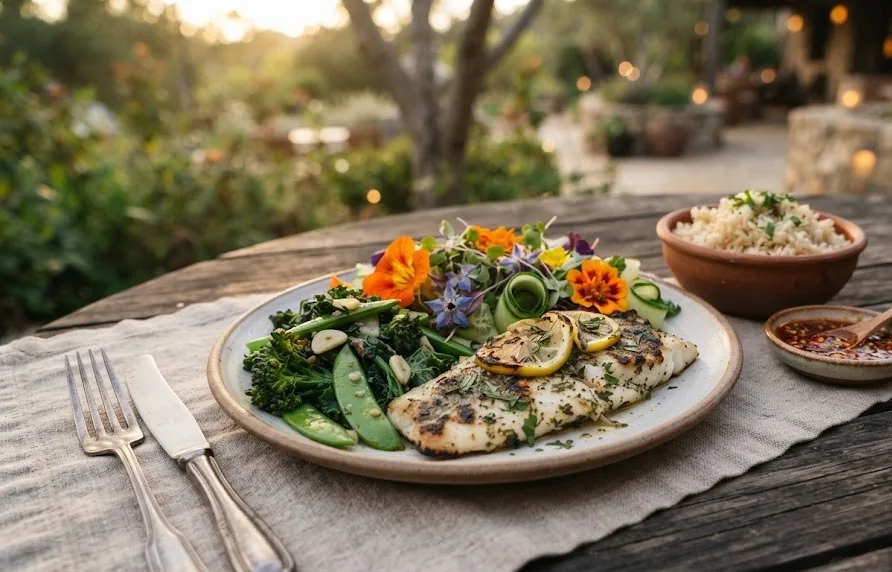
A farm-to-table meal in Da Nang is a curated experience that typically involves a tasting menu, seasonal adaptations of Vietnamese classics, and advance booking requirements.
The dining experience varies significantly between properties, but certain patterns emerge. Understanding these patterns helps guests choose the right property for their preferences and budget.
Tasting menus vs. à la carte: which format is more common?
Tasting menus dominate Da Nang’s farm-to-table scene, particularly at luxury properties. Nén Danang’s 14-course Sto:ry Menu, Banyan Tree Lang Co’s 8-course Tra Que Harvest Menu, and Sala Danang’s 6-course Catch of the Day Menu all follow the tasting format. These menus cost between 350,000 VND (Eco-Lodge Hoa Vang) and 1,800,000 VND (Nén Danang) per person.
À la carte options are more common at boutique properties like Lamai Garden, where guests can order individual dishes from a seasonal menu. The advantage of à la carte is flexibility—guests can choose dishes that match their preferences and budget. The disadvantage is that the farm-to-table connection is less curated, as guests don’t experience the chef’s full narrative about local ingredients. For the most immersive experience, choose a tasting menu property. For casual dining with farm-fresh ingredients, choose an à la carte property.
How chefs adapt Vietnamese classics (Bánh Xèo, Mì Quảng) to seasonal harvests
Da Nang’s farm-to-table chefs are masters of seasonal adaptation, transforming Vietnamese classics into dishes that reflect the current harvest. Bánh Xèo, the crispy Vietnamese pancake, is adapted with seasonal fillings: jackfruit and shrimp in summer, mushrooms and pork in winter, and freshwater prawns during monsoon season. The batter itself changes—some chefs use rice flour from local paddies, while others experiment with turmeric-infused batters for color and flavor.
Mì Quảng, Da Nang’s signature noodle dish, receives similar treatment. Chefs substitute the standard protein with whatever is seasonally available: heritage pork from Hoa Vang in winter, free-range chicken in spring, and Son Tra lobster in summer. The broth is adjusted to complement the seasonal ingredients—lighter in summer with lemongrass and herbs, richer in winter with turmeric and bone broth. The herbs on top always come from the on-site garden or a partner farm, ensuring freshness that commercial herbs cannot match.
Booking ahead: deposit requirements and limited seating at top properties
Farm-to-table dining in Da Nang requires advance planning. Top properties have limited seating—Nén Danang serves only 14 covers per evening, while Banyan Tree Lang Co’s tasting menu room seats 24. Most properties require deposits to secure reservations: Nén Danang asks for 500,000 VND per person, while Banyan Tree Lang Co requires 300,000 VND. These deposits are non-refundable but are applied to the final bill.
Booking windows vary. Nén Danang opens reservations three months in advance and is typically fully booked within two weeks. Banyan Tree Lang Co accepts reservations up to six months ahead for peak season (December to March). Eco-Lodge Hoa Vang and Lamai Garden have more flexible booking, with same-day reservations often available. Guests should book at least two weeks in advance for any property, and at least one month in advance for luxury properties during peak season.
Important Considerations for Choosing a Farm-to-Table Accommodation
When selecting a farm-to-table accommodation in Da Nang, weigh three key factors: budget range, location trade-offs, and authenticity verification.
Each factor involves trade-offs that affect the overall experience. Understanding these trade-offs helps guests make informed decisions that match their priorities.
| Factor | Luxury Option | Mid-Range Option | Budget Option |
|---|---|---|---|
| Price per night | 2,500,000-5,000,000 VND (Nén Danang, Banyan Tree) | 800,000-1,500,000 VND (Lamai Garden, Sala Danang) | 600,000-800,000 VND (Eco-Lodge Hoa Vang) |
| Location | City center or beachfront (Nén: city, Banyan Tree: mountain) | Beachfront or city-adjacent (Sala: beach, Lamai: city) | Rural district (Eco-Lodge: Hoa Vang, 20km from city) |
| Dining format | Tasting menu only (14-8 courses) | Mixed: tasting menu + à la carte | Fixed menu or à la carte |
| On-site farm size | 200-500sqm research farm | 100-200sqm kitchen garden | 50-100sqm garden or partner farm access |
| Authenticity verification | Michelin Green Star, published sourcing policy, QR code traceability | Published farm partnerships, seasonal menu changes | Verbal farm claims, limited menu transparency |
Budget range: from luxury eco-lodges to affordable boutique stays
Da Nang’s farm-to-table accommodations span a wide budget range, from luxury eco-lodges costing 5,000,000 VND per night to boutique stays under 800,000 VND. The budget tier (Eco-Lodge Hoa Vang, 600,000 VND/night) offers the most affordable entry point, with a fixed farm dinner included in the room rate. The mid-range tier (Lamai Garden, 800,000-1,500,000 VND/night) provides a good balance of farm-to-table dining and comfortable accommodation. The luxury tier (Nén Danang, Banyan Tree, 2,500,000-5,000,000 VND/night) offers the most immersive experience with tasting menus, farm tours, and educational workshops.
The key trade-off is that budget properties have less control over their sourcing—Eco-Lodge Hoa Vang relies entirely on partner farms rather than an on-site garden. Mid-range properties like Lamai Garden strike a good balance with a rooftop garden and fermentation lab. Luxury properties offer the most comprehensive farm-to-table experience but at a significant premium. For most travelers, the mid-range tier offers the best value for money.
Location trade-offs: beachfront vs. mountain-view vs. city-center access
Location significantly affects the farm-to-table experience. Beachfront properties (Sala Danang) excel at seafood sourcing but may struggle with vegetable supply due to limited growing space. Mountain-view properties (Banyan Tree Lang Co) have more land for on-site farms but are 30 minutes from the city center. City-center properties (Nén Danang, Lamai Garden) offer convenient access to restaurants and attractions but have limited space for on-site growing.
The choice depends on guest priorities. Beachfront properties are ideal for seafood lovers who want daily catch-to-table dining. Mountain-view properties suit travelers seeking immersion in nature and agricultural education. City-center properties work best for guests who want farm-to-table dining as part of a broader urban experience. Each location offers a different angle on Da Nang’s farm-to-table scene, and none is inherently superior—it depends on the guest’s preferences.
Verifying authenticity: green certifications vs. marketing claims
The most reliable way to verify a property’s farm-to-table authenticity is through third-party certifications and published sourcing policies. Nén Danang’s Michelin Green Star is the gold standard, requiring rigorous annual audits of sourcing, waste management, and community impact. Other certifications to look for include the Vietnam Sustainable Tourism Award and the ASEAN Green Hotel Standard.
In the absence of certifications, guests should look for published sourcing policies on the property’s website. A genuine farm-to-table property will list its farm partners, sourcing radius, and seasonal menu schedule. Properties that use vague language like “locally sourced” or “farm-fresh ingredients” without specific details are likely using farm-to-table as a marketing label. Guests should also check recent guest reviews for mentions of farm tours, ingredient origin cards, or chef explanations—these are strong indicators of genuine farm-to-table operations.
Related on this site
- Da Nang Treehouses with Forest Views: Stilt Houses & Eco-Lodges
- Unwind in Da Nang’s Secluded Hilltop Retreats: Nature Escapes 2026
- Da Nang Eco-Lodges with Sustainable Practices: Green Stays 2026
Frequently Asked Questions
1. What is the average cost of a farm-to-table meal in Da Nang?
Farm-to-table meals in Da Nang range from 350,000 VND per person at budget properties (Eco-Lodge Hoa Vang) to 1,800,000 VND per person at luxury properties (Nén Danang). Mid-range properties like Lamai Garden offer à la carte options starting at 150,000 VND per dish. Most tasting menus include 6-14 courses, with the price reflecting the number of courses and the rarity of ingredients.
2. Do I need to book farm-to-table dining in advance?
Yes, advance booking is essential for most farm-to-table properties. Nén Danang requires reservations at least two weeks in advance and a 500,000 VND deposit per person. Banyan Tree Lang Co accepts bookings up to six months ahead for peak season. Budget properties like Eco-Lodge Hoa Vang may accept same-day reservations, but availability is limited.
3. Can vegetarians and vegans enjoy farm-to-table dining in Da Nang?
Most farm-to-table properties accommodate vegetarian and vegan diets, though advance notice is required. Nén Danang offers a vegetarian version of their Sto:ry Menu upon request. Lamai Garden’s rooftop garden provides ample vegetables, herbs, and microgreens for plant-based meals. Guests should inform the property at least 48 hours before their meal to ensure ingredient availability.
4. How do I verify a property’s farm-to-table claims?
Check for published sourcing policies on the property’s website, third-party certifications (Michelin Green Star, ASEAN Green Hotel Standard), and menu transparency (specific farm names and locations listed). Read recent guest reviews for mentions of farm tours, ingredient origin cards, or chef explanations. Properties that cannot name their farm partners or provide sourcing details are likely using farm-to-table as a marketing label.
5. What is the best time of year for farm-to-table dining in Da Nang?
The best time is October to March, when Tra Que vegetable village produces peak herbs, Hoa Vang pork is at its richest, and Son Tra seafood is abundant. The cooler weather also makes farm tours more comfortable. During the rainy season (September to November), properties rely more on fermented and preserved ingredients, offering a different but equally interesting culinary experience.
6. Are farm-to-table accommodations suitable for families with children?
Some properties are more family-friendly than others. Lamai Garden and Sala Danang Beach Resort welcome children and offer kid-friendly menu options. Nén Danang’s 14-cover dining room and formal tasting menu experience may not suit young children. Eco-Lodge Hoa Vang’s farm setting is ideal for families, with outdoor space for children to explore. Always check the property’s policy on children before booking.
7. Can I visit the partner farms without staying at the accommodation?
Some properties offer farm visits to non-guests. Banyan Tree Lang Co’s shuttle to Tra Que village is available to guests only, but the village itself is open to the public. Nén Danang’s farm tours are exclusive to dinner guests. Eco-Lodge Hoa Vang’s Saturday “Farmers’ Talk” is open to non-guests for a fee of 100,000 VND per person. Contact the property directly to inquire about farm visit availability.
Next Steps
Da Nang’s farm-to-table accommodations offer a unique way to experience the region’s culinary heritage while supporting sustainable practices. Whether you choose a luxury eco-lodge with a Michelin Green Star or an affordable boutique stay with a rooftop garden, the key is to verify the property’s sourcing practices and book in advance.
- Review the menu: Check if the property lists the origin of its ingredients and offers seasonal options. Look for specific farm names and sourcing distances.
- Book early: Secure your reservation at least two weeks in advance, especially for properties with limited seating like Nén Danang (14 covers) or Banyan Tree Lang Co (24 covers).
- Plan a farm visit: Arrange a tour of a partner farm or village to deepen your understanding of the farm-to-table process. Properties like Banyan Tree Lang Co offer complimentary shuttles to Tra Que village.
Part of our guide to where to stay in Da Nang.