Finding a genuinely green place to stay in Da Nang in 2026 requires looking past marketing buzzwords and understanding what sustainability looks like in practice. This guide breaks down six eco-lodges with demonstrable sustainable practices, from luxury rainforest conservation to community-based homestays, so you can book with confidence and travel lighter.
True sustainability in Da Nang’s hospitality scene isn’t about a single bamboo straw or a “green” logo on the website. It’s a measurable commitment to energy efficiency, waste reduction, water conservation, and community partnership. The properties featured here demonstrate that eco-lodges with sustainable practices in 2026 offer richer, more meaningful stays than their conventional counterparts, often at comparable prices.
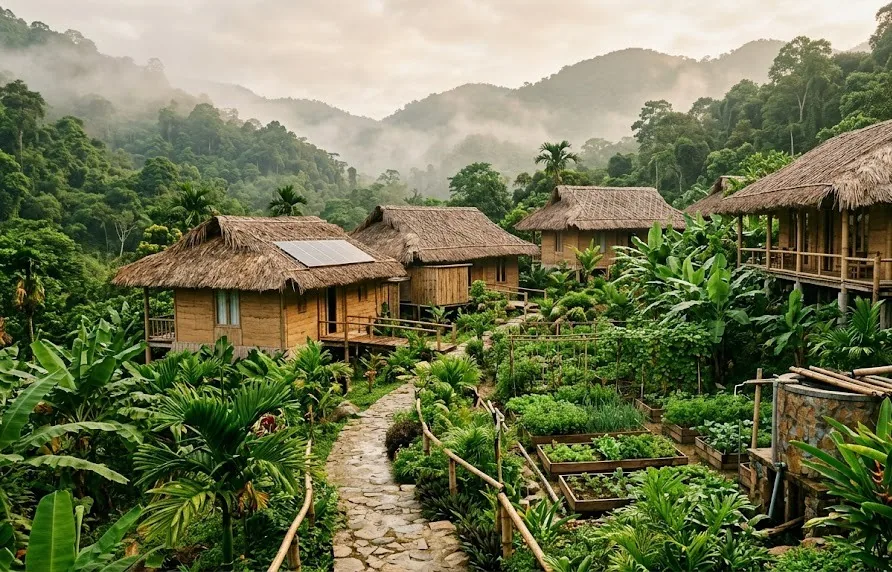
What Makes an Eco-Lodge in Da Nang Truly Sustainable in 2026?
Sustainability in hospitality has evolved from a niche selling point to a baseline expectation, but the depth of commitment varies widely. To separate genuine eco-lodges from those merely riding the trend, you need to know what to look for — and what to be wary of.
Green certifications to look for: ASEAN Green Hotel, Green Globe, LEED
Third-party certifications offer a reliable shortcut to verifying a property’s environmental claims. The ASEAN Green Hotel Award, for instance, recognizes hotels across Southeast Asia that meet strict criteria on energy efficiency, waste management, and community engagement. Topas Ecolodge in Sapa was among the five Vietnamese properties recognized in 2026. The Green Globe certification is another rigorous international standard that audits everything from carbon footprint to staff training and cultural heritage protection. LEED (Leadership in Energy and Environmental Design) focuses primarily on building design and construction, making it relevant for newer developments. When a property displays these certifications, it means an independent body has verified their practices.
Energy, water, and waste benchmarks — what counts as “real” sustainability
Beyond certifications, concrete operational practices tell the real story. Look for properties that have invested in solar water heating systems, which significantly reduce the fossil fuels needed to heat pools and showers. Grey-water recycling — treating and reusing water from sinks and showers for irrigation — is a hallmark of serious water conservation. Similarly, rainwater harvesting systems capture Da Nang’s wet-season rainfall for landscaping and cleaning purposes. On the waste front, the most progressive resorts have eliminated single-use plastics entirely, replacing them with refillable glass bottles, bamboo or lemongrass straws, and wooden utensils. These aren’t cosmetic changes; they represent infrastructure investments and ongoing operational commitments.
Red flags: greenwashing signs and vague eco-claims to avoid
Greenwashing remains a problem in the travel industry. Be cautious of properties that use vague language like “eco-friendly,” “environmentally conscious,” or “green” without providing specifics. A resort that offers towel reuse but still distributes plastic water bottles in rooms is engaging in superficial sustainability. Similarly, a property that claims to be “natural” but uses chlorine-heavy pool systems or lacks any waste segregation program should raise questions.
Here’s a quick checklist to help you evaluate claims before booking:
- Certifications: Does the property hold a recognized third-party certification like ASEAN Green Hotel, Green Globe, or LEED?
- Specifics: Can they articulate concrete practices — solar energy, grey-water recycling, plastic-free rooms — rather than generic “eco” language?
- Transparency: Do they publish sustainability reports or detailed information on their website?
- Community impact: Do they partner with local communities or support conservation efforts in a measurable way?
- Guest participation: Are there on-site programs (tree planting, beach cleanups, nature education) that guests can join?
If a property can’t answer these questions clearly, their commitment may be more about image than impact.
1. InterContinental Danang Sun Peninsula Resort — Luxury Conservation on Son Tra Peninsula
Perched on the slopes of the Son Tra Peninsula, the InterContinental Danang Sun Peninsula Resort offers more than five-star luxury — it actively protects one of Vietnam’s most biodiverse areas. This property demonstrates how high-end hospitality and genuine conservation can coexist.
39 hectares of protected rainforest and the red-shanked douc langur corridor
The resort sits within 39 hectares of protected rainforest, a critical habitat for the endangered red-shanked douc langur. Rather than clearing the land for development, the property was designed around the existing ecosystem, with buildings nestled into the hillside and connected by monkey bridges that allow wildlife to move freely through their natural corridors. This commitment to habitat preservation is a core part of their environmental stewardship, ensuring that the resort’s footprint doesn’t come at the expense of the peninsula’s unique biodiversity.
Chlorine-free salt ionizer pools and nature education programs
Guests can enjoy the resort’s pools without worrying about harsh chemicals, as they use chlorine-free salt ionizer systems that are gentler on both skin and the environment. Beyond the physical infrastructure, the resort runs nature education programs that have engaged more than 6,500 participants in eco-activities — from guided rainforest walks to wildlife spotting sessions. These programs transform a luxury stay into an educational experience, helping guests understand and appreciate the delicate ecosystem they’re visiting.
Green Globe certification and what it means for guests
The resort’s Green Globe certification is a testament to their commitment. This internationally recognized standard requires continuous improvement across environmental, social, and economic sustainability. For guests, this means staying at a property that has been independently audited for its carbon footprint, waste management, water conservation, and community relations. It’s the kind of verification that separates genuine eco-lodges from those that simply use the label as a marketing tool.
2. Furama Resort Danang — The City’s “Green Lung” with a Closed-Loop Food Farm
Furama Resort Danang has earned its reputation as a pioneer in green tourism within the city. With its beachfront location and long-standing commitment to sustainability, it offers a comprehensive model of what a large-scale resort can achieve.
Furama Food Farm: organic produce supplying all on-site restaurants
The resort’s Furama Food Farm is a standout initiative — an on-site organic farm that supplies fresh produce to all of its restaurants. This closed-loop system reduces the carbon footprint associated with food transportation, ensures ingredient freshness and quality, and demonstrates a tangible commitment to sustainable sourcing. Guests can even visit the farm to see where their food comes from, adding an educational layer to their dining experience.
Plastic-reduction initiatives: lemongrass straws, wooden utensils, electric buggies
Furama has implemented a comprehensive plastic-reduction strategy that goes beyond the obvious. Instead of plastic straws, the resort uses lemongrass straws — a creative, locally-sourced alternative that adds a subtle flavor to drinks. Wooden utensils replace their plastic counterparts, and electric buggies transport guests around the property, reducing fuel emissions. These small but consistent choices add up to a significant reduction in the resort’s environmental impact.
Go Green @Fabulous Furama — planting trees with guests
One of the most engaging initiatives is the Go Green @Fabulous Furama program, which invites guests to participate in tree-planting activities. This hands-on experience allows travelers to leave a positive mark on the destination, creating a personal connection to the resort’s sustainability efforts. It’s a simple concept that turns passive observation into active participation.
Co Tu community partnership in Tay Giang district
Furama’s sustainability extends beyond environmental concerns to social responsibility. The resort has established a partnership with the Co Tu ethnic minority community in Tay Giang district, a mountainous area west of Da Nang. This collaboration supports local livelihoods through fair-trade practices and cultural exchange, ensuring that the benefits of tourism reach beyond the resort’s boundaries. It’s a model of community-based tourism that other properties could learn from.
3. Naman Retreat — Wellness-Focused Eco-Stays Between Da Nang and Hoi An
Positioned between Da Nang and Hoi An, Naman Retreat offers a tranquil escape that integrates sustainability into every aspect of the guest experience. This wellness-focused property proves that eco-consciousness and relaxation are natural partners.
Bamboo architecture and natural ventilation design
Naman’s architecture is a celebration of sustainable design. Extensive use of bamboo — a rapidly renewable resource — is both aesthetically striking and environmentally responsible. The buildings are designed for natural ventilation, reducing the need for energy-intensive air conditioning. This passive cooling approach, combined with thoughtful shading and open-air layouts, keeps energy consumption low without sacrificing comfort.
Organic garden-to-table dining and waste segregation practices
Dining at Naman reinforces the resort’s sustainability ethos. An organic garden supplies the kitchen with fresh herbs and vegetables, supporting a garden-to-table philosophy that minimizes food miles and maximizes flavor. The resort also practices diligent waste segregation, ensuring that recyclables, compostables, and general waste are properly sorted and processed. These behind-the-scenes practices are as important as the more visible initiatives.
Wellness programs that integrate environmental mindfulness
Naman’s wellness programs go beyond yoga and spa treatments to incorporate environmental mindfulness. Guests are encouraged to connect with nature through meditation in garden spaces, mindful walking, and workshops that explore the connection between personal well-being and planetary health. This holistic approach positions sustainability not as a constraint but as an integral part of a balanced, healthy lifestyle.
4. TIA Wellness Resort — Mindfulness Meets Marine Conservation
TIA Wellness Resort, located on a quiet stretch of beach south of Da Nang, has built its identity around the “Live Well” philosophy, where personal wellness and environmental stewardship are intertwined.
Plastic-free guest experience and refillable amenities
TIA has committed to a plastic-free guest experience. From the moment you arrive, you’ll notice the absence of single-use plastics — water comes in glass bottles, and bathroom amenities are provided in refillable dispensers. This commitment extends to all operational areas of the resort, from housekeeping to the spa, demonstrating a thorough approach to eliminating plastic waste.
Beach cleanup initiatives and local marine life protection
The resort’s location on the coast comes with a responsibility to protect the marine environment. TIA organizes beach cleanup initiatives that guests can join, and the resort actively supports local marine life protection efforts. These activities provide a meaningful way for guests to give back to the destination they’re enjoying, creating a sense of purpose beyond relaxation.
“Live Well” philosophy: how sustainability shapes the guest journey
The “Live Well” philosophy at TIA is more than a tagline — it shapes every aspect of the guest journey. From the mindfulness-based wellness programs to the sustainable dining options, sustainability is woven into the fabric of the experience. Guests aren’t just staying at an eco-friendly resort; they’re participating in a lifestyle that prioritizes both personal and environmental health. This integrated approach makes TIA a compelling choice for travelers seeking a deeper, more meaningful stay.
5. Boutique Eco-Homestays in Da Nang — Community-Based Stays That Give Back
For travelers seeking a more grassroots experience, Da Nang’s surrounding areas offer boutique eco-homestays that put community benefit at the center of their model. These stays provide authentic cultural immersion while directly supporting local livelihoods.
Cam Thanh Village homestays: coconut forest tours and local livelihoods
Just south of Da Nang, Cam Thanh Village in Hoi An is famous for its coconut forest. Homestays here offer coconut forest tours that showcase the area’s unique ecosystem while providing income for local families. These tours, often conducted on traditional basket boats, support a form of community-based tourism that has helped preserve the village’s cultural heritage and natural environment. Staying at a Cam Thanh homestay means your money goes directly to supporting these local initiatives.
Hoa Vang district farmstays: organic farming and cultural exchange
In the Hoa Vang district, west of Da Nang, a growing number of farmstays offer visitors the chance to experience rural Vietnamese life. Guests can participate in organic farming activities — planting rice, harvesting vegetables, feeding livestock — and engage in cultural exchange with host families. These experiences provide an authentic counterpoint to the city’s beach resorts and create economic opportunities in rural communities that might otherwise be overlooked by mainstream tourism.
How to verify a homestay’s community impact before booking
Not all homestays labeled “eco” or “community-based” deliver on their promises, so it’s worth doing some research before booking. Look for homestays that are transparent about how revenue is shared with the local community. Check reviews for mentions of the host family, the authenticity of the experience, and whether the property genuinely supports local livelihoods. A genuine community-based homestay should be able to articulate exactly how your stay benefits the local area.
6. Beachfront Eco-Resorts on My Khe and Non Nuoc — Solar Power and Water Recycling
Da Nang’s famous beaches — My Khe and Non Nuoc — are home to a new generation of eco-resorts that are integrating cutting-edge sustainable technologies into their operations.
Solar energy integration in Da Nang’s coastal resorts
The region’s abundant sunshine makes it an ideal location for solar energy integration. Many of the beachfront resorts on My Khe and Non Nuoc have invested in solar water heating systems, which significantly reduce the energy required to heat water for pools, showers, and laundry. Some properties are also exploring rooftop solar photovoltaic panels to generate electricity, further reducing their reliance on the grid. These investments in renewable energy are among the most impactful steps a resort can take toward sustainability.
Grey-water recycling and rainwater harvesting systems
Water conservation is a critical concern for coastal resorts, and the best ones are implementing sophisticated systems to address it. Grey-water recycling involves treating water from sinks, showers, and laundry for reuse in irrigation and other non-potable applications. Combined with rainwater harvesting systems that capture and store Da Nang’s substantial wet-season rainfall, these measures can dramatically reduce a resort’s freshwater consumption. For guests, these systems are largely invisible, but they represent a substantial commitment to environmental responsibility.
Reef-friendly sunscreen policies and marine impact reduction
An emerging trend among eco-conscious coastal resorts is the implementation of reef-friendly sunscreen policies. Chemicals like oxybenzone and octinoxate, commonly found in conventional sunscreens, are harmful to coral reefs. Resorts are now encouraging guests to use biodegradable, mineral-based sunscreens and, in some cases, providing them free of charge. This policy, combined with other marine impact reduction measures such as responsible waste disposal and reduced runoff, helps protect the fragile marine ecosystems that make Da Nang’s beaches so beautiful.
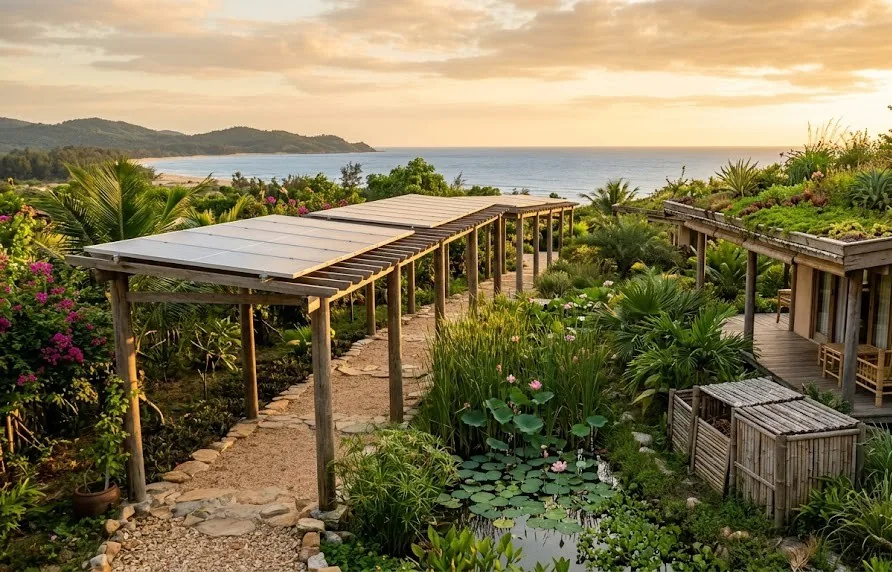
Comparing Da Nang Eco-Lodges: Which Green Stay Matches Your Travel Style?
With six distinct options, choosing the right eco-lodge depends on your budget, preferred location, and the type of experience you’re seeking. This comparison table can help you narrow down your choices.
| Property | Approximate Price Range (per night) | Location | Key Sustainability Focus | Best For |
|---|---|---|---|---|
| InterContinental Danang Sun Peninsula Resort | $$ (Luxury) | Son Tra Peninsula | Rainforest conservation, Green Globe certification, nature education | Luxury travelers who want conservation without compromising on comfort |
| Furama Resort Danang | $$ (Upper Mid-Range) | My Khe Beach | Closed-loop organic farm, plastic reduction, community partnership | Families and travelers seeking a comprehensive, accessible green resort |
| Naman Retreat | $$ (Upper Mid-Range) | Between Da Nang & Hoi An | Bamboo architecture, natural ventilation, wellness-focused sustainability | Wellness seekers who value sustainable design and holistic experiences |
| TIA Wellness Resort | $$ (Luxury) | South of Da Nang | Plastic-free operations, marine conservation, mindfulness programs | Couples and solo travelers seeking serenity and a strong eco-ethos |
| Cam Thanh Village Homestays | $ (Budget) | Cam Thanh Village (Hoi An border) | Community-based tourism, local livelihoods, cultural preservation | Backpackers and culture-focused travelers seeking authentic experiences |
| Hoa Vang Farmstays | $ (Budget) | Hoa Vang | Organic farming, cultural exchange, rural economic support | Travelers wanting a hands-on rural experience and meaningful community impact |
As the table illustrates, the choice ultimately comes down to what you value most. If you’re looking for luxury with a conservation focus, the InterContinental is a strong option. If community impact is your priority, the homestays in Cam Thanh and Hoa Vang offer the most direct way to support local livelihoods. For a balance of comfort and sustainability, Furama, Naman, and TIA all offer excellent options at different price points.

Practical Tips for Booking and Enjoying a Green Stay in Da Nang
Once you’ve chosen your eco-lodge, a little preparation can help you maximize both your enjoyment and your positive impact. Here are some practical tips for booking and making the most of your green stay in Da Nang.
Best time to book: dry season (Feb–Aug) and green festival dates
The dry season in Da Nang runs from February to August, offering the most reliable sunshine and ideal beach conditions. This is also the best time to enjoy outdoor eco-activities like rainforest walks, coconut forest tours, and beach cleanups. If you’re interested in aligning your visit with sustainability events, check for green festival dates — Da Nang has hosted various environmental awareness events, and you can often find eco-themed activities happening around Earth Day (April 22) or World Environment Day (June 5). Booking during the dry season also means you’re less likely to encounter weather disruptions that could limit your ability to participate in outdoor programs.
What to pack: reusable bottles, reef-safe sunscreen, eco-friendly toiletries
Packing smartly is one of the easiest ways to reduce your environmental footprint while traveling. Here’s a quick packing list for your eco-stay:
- Reusable water bottle: Most eco-lodges offer filtered water refill stations, so you can avoid buying plastic bottles.
- Reef-safe sunscreen: Choose a mineral-based (zinc oxide or titanium dioxide) formula to protect coral reefs.
- Eco-friendly toiletries: Bring shampoo bars and solid soap instead of liquid products in plastic containers.
- Reusable shopping bag: Useful for market visits and reducing plastic bag use.
- Light, breathable clothing: Helps you stay comfortable in the tropical climate and reduces the need for air conditioning.
How to participate in on-site sustainability programs during your stay
Most of the eco-lodges featured in this guide offer opportunities for guests to engage with their sustainability initiatives. At the InterContinental, join a guided rainforest walk. At Furama, sign up for the Go Green tree-planting program. At TIA, participate in a beach cleanup. These activities are typically included in your stay or offered at a nominal cost. Don’t hesitate to ask the concierge or front desk about what’s available — they’re usually eager to share their sustainability story and get guests involved.
Transportation options: electric buggies, bicycles, and public transit
Getting around Da Nang sustainably is easier than you might think. Many resorts offer electric buggy transfers within their property, and some provide complimentary bicycles for exploring the surrounding area. For trips into the city, Da Nang has an improving public bus system, and ride-hailing apps offer options to choose electric or hybrid vehicles. If you’re staying at a property between Da Nang and Hoi An, consider cycling between the two destinations — it’s a scenic and eco-friendly way to travel.
Related on this site
- Da Nang Co-Working Hotels: Productive Stays for Remote Workers 2026
- Da Nang Art-Themed Hotels: Creative Stays for Culture Lovers 2026
- Da Nang Historic Stays in Colonial Buildings: Step Back in Time 2026
Frequently Asked Questions
Are eco-lodges in Da Nang more expensive than regular hotels?
Not necessarily. While luxury eco-resorts like the InterContinental Danang Sun Peninsula Resort command premium prices, there are plenty of affordable options. Community-based homestays in Cam Thanh Village and Hoa Vang district are often budget-friendly and provide exceptional value for the authentic experience they offer. Mid-range options like Furama Resort Danang provide a balance of comfort and sustainability at competitive rates.
How can I verify that an eco-lodge is genuinely sustainable?
Look for third-party certifications like ASEAN Green Hotel, Green Globe, or LEED. These are independent validations of a property’s environmental and social practices. Additionally, ask about specific initiatives — energy sources, waste management, water conservation, community partnerships. A genuinely sustainable property will be transparent about its operations and happy to share details.
What is the best time of year to visit Da Nang for an eco-stay?
The dry season, from February to August, is generally the best time to visit. You’ll enjoy sunny weather ideal for beach activities, rainforest exploration, and outdoor eco-programs. This period also aligns with various environmental awareness events, offering additional opportunities to participate in sustainability activities.
Can I participate in sustainability programs if I’m not staying at an eco-lodge?
Some programs, like beach cleanups organized by resorts, may be open to the public. However, most on-site activities like tree-planting or farm tours are typically reserved for guests. If you’re staying elsewhere, consider joining a community-based tour in areas like Cam Thanh Village, where your participation directly supports local livelihoods.
Do eco-lodges in Da Nang offer the same comfort and amenities as regular resorts?
Absolutely. Many of Da Nang’s eco-lodges are luxury properties that offer world-class amenities — pools, spas, fine dining, and exceptional service. The difference is that they’ve invested in sustainable infrastructure and practices. You don’t have to sacrifice comfort to stay green; in fact, many guests find the experience more enriching.
Conclusion
Da Nang’s eco-lodge scene in 2026 offers a remarkable range of options for conscious travelers — from the rainforest-protecting luxury of the InterContinental Danang Sun Peninsula Resort to the community-driven homestays of Cam Thanh Village. The key is to look beyond marketing claims and focus on verifiable practices: certifications, specific initiatives, and transparency. By choosing one of these six eco-lodges with sustainable practices, you’re not just booking a place to sleep — you’re supporting conservation efforts, local communities, and a more responsible tourism model. Your journey to Da Nang can be a force for good, and it starts with where you choose to stay.
Part of our guide to where to stay in Da Nang.