Planning a trip to Vietnam and seeking vibrant coral reefs without traveling to distant islands? Exploring Da Nang’s Coral Reefs: Top Snorkeling & Diving Spots 2026 reveals that this central coast city provides exceptional underwater access. From the easily reachable shores of Son Tra Peninsula to the UNESCO-listed biodiversity of the Cham Islands, visibility peaks between April and August, offering a compelling alternative for marine life enthusiasts.
Da Nang offers two distinct snorkeling experiences: the convenient, shore-accessible reefs of Son Tra Peninsula (visibility 5-10m, ideal for quick half-day trips) and the world-class biodiversity of Cham Islands (277 coral species, 250 fish species, 97 mollusk types), a 15-minute speedboat ride away. The best window for crystal-clear water runs from March to September, with peak conditions from May to July when visibility can exceed 15 meters. This guide breaks down the top spots for 2026, compares costs and accessibility, and provides actionable tips for a safe, responsible underwater adventure.
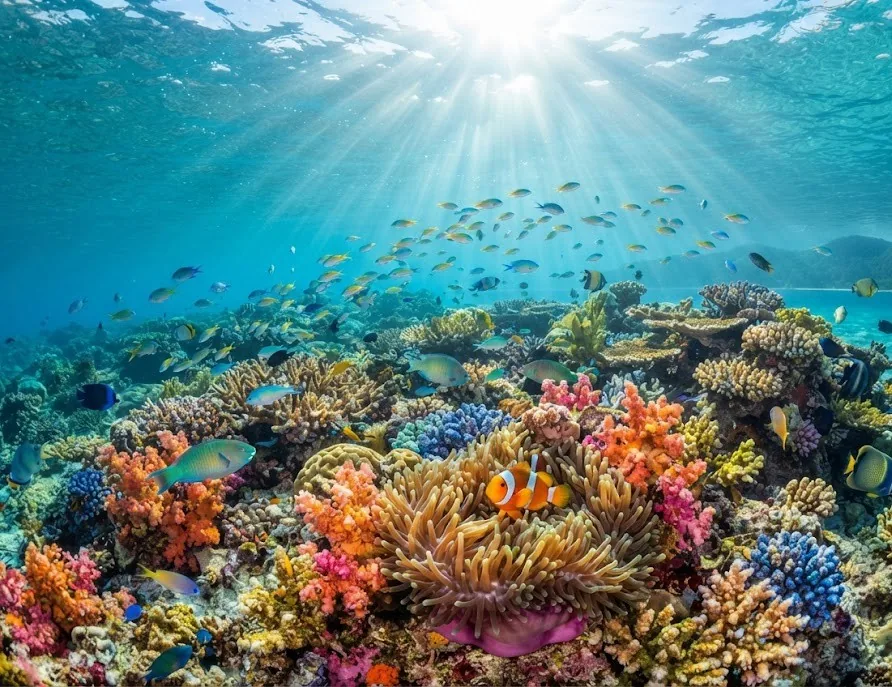
Best Time for Snorkeling and Diving in Da Nang (2026 Season Guide)
Da Nang’s snorkeling season runs from March to September, with peak visibility from May to July. Timing your trip correctly is crucial for a rewarding experience. The central Vietnam coast experiences two distinct monsoon seasons that significantly affect water conditions.
Monthly Breakdown: March to September vs. October to February Conditions
From March through September, the sea is largely calm, with minimal wind and waves under 1 meter. Water visibility during this period typically ranges from 5 to 15 meters, depending on the specific month and recent weather. May, June, and July offer the clearest water — visibility often exceeds 10 meters at Cham Islands and reaches 5-8 meters at Son Tra Peninsula. August remains good but can bring occasional afternoon squalls.
October through February marks the northeast monsoon. Wave heights frequently exceed 2 meters, many tour operators cancel trips, and visibility drops to 2-4 meters due to sediment stirred up by rough seas. During these months, snorkeling is often unsafe, and even if tours run, the experience is significantly diminished. If you’re planning a trip between November and February, prioritize backup indoor activities.
| Month | Visibility (meters) | Wave Height | Cancellation Risk | Verdict |
|---|---|---|---|---|
| March-April | 5-10m | Low (0.5-1m) | Low | Good, warming up |
| May-July | 10-15m+ | Very Low (0.3-0.8m) | Very Low | Peak season |
| August-September | 5-10m | Low-Medium (1-1.5m) | Low | Still good, occasional squalls |
| October-February | 2-4m | High (2m+) | High | Avoid for snorkeling |
Optimal Daily Window: Why 10:00 AM to 3:00 PM Offers the Clearest Visibility
The sun is at its highest angle between late morning and early afternoon, maximizing light penetration through the water column. This directly translates to brighter, more vibrant coral colors and better visibility for spotting marine life. Early morning trips (7:00-9:00 AM) often have slightly choppier water as the sea settles from overnight conditions, while after 3:00 PM, the sun angle drops, and shadows lengthen, reducing underwater clarity. Most reputable tour operators schedule their main snorkeling sessions within this optimal window for a reason.
How to Check Daily Sea Conditions Before Booking Your Trip
Don’t rely solely on seasonal averages. Use the Windy app or website to check wave height forecasts for the Da Nang coast 24-48 hours before your planned trip. Look for wave heights under 1 meter and wind speeds below 15 km/h. Local Facebook groups often have real-time reports from recent snorkelers. If you’re booking through a hotel or local tour operator, ask them directly about the sea condition forecast for your specific date — they receive daily marine weather updates.
Son Tra Peninsula: The Most Accessible Snorkeling Spot from Da Nang City Center
Son Tra Peninsula offers shore-accessible snorkeling just a 30-minute drive from central Da Nang, with hard coral gardens and common reef fish visible in 5-8 meters of water. This is the go-to option for travelers who want a quick, low-commitment snorkeling experience without a full-day boat trip.
What Marine Life to Expect: Coral Coverage, Fish Species, and Water Clarity Levels
The reefs around Son Tra are primarily hard coral formations — think brain coral, staghorn coral, and table coral — rather than the soft, colorful corals found in deeper waters. Fish species you’ll commonly encounter include clownfish (Nemo) hiding in anemones, butterflyfish with their striking yellow and black patterns, damselfish darting between coral heads, and occasional parrotfish grazing on algae. Octopus and cuttlefish are less common but possible sightings for patient observers. Water clarity at Son Tra averages 5-8 meters during peak season, which is sufficient for beginners but less impressive than Cham Islands.
Shore Snorkeling vs. Private Yacht Tours: Which Option Fits Your Schedule?
Shore snorkeling at Son Tra is free and flexible. You can park a scooter near the Bai But area, walk into the water from the rocky shoreline, and explore the reefs independently. This option suits experienced snorkelers comfortable reading currents and navigating rocky entries. The downside is that the best coral formations are 30-50 meters offshore, requiring decent swimming stamina.
Private yacht tours from the Da Nang coast offer a more comfortable experience. These typically include transport from your hotel, snorkeling gear, lunch, and a guided session at multiple spots around the peninsula. The cost ranges from 2,000,000 to 4,000,000 VND for a private charter (up to 6 people). This option is better for families with children, less confident swimmers, and anyone who prefers not to navigate rocky shore entries.
Getting There: Transport Options from Central Da Nang (30-Minute Drive)
The most common way to reach Son Tra is by rented scooter (150,000-200,000 VND/day) or Grab car (200,000-300,000 VND one-way). The road winds up the peninsula with stunning coastal views. If you’re joining a tour, pickup is typically included. For independent shore snorkeling, set your GPS to “Bai But Son Tra” — this is the main access point with a small parking area and direct shoreline entry.
Cham Islands (Cu Lao Cham): UNESCO Biosphere Reserve Snorkeling Experience
The Cham Islands, a UNESCO Biosphere Reserve, offer the richest snorkeling in the Da Nang region with 277 coral species, 250 fish species, and 97 mollusk types. This is the premier destination for serious snorkelers and divers willing to invest a full day.
Coral and Fish Biodiversity: 277 Coral Species, 250 Fish Species, and 97 Mollusk Types
The biodiversity here is exceptional by Vietnamese standards. The hard and soft coral coverage is dense and healthy, with massive formations of branching coral, colorful soft corals swaying in the current, and sea fans attached to rocky outcrops. Fish life is abundant and varied — expect to see schools of fusiliers, angelfish, triggerfish, groupers, and occasionally reef sharks or rays in deeper zones. The mollusk population includes giant clams embedded in the reef and cowrie shells tucked into crevices. This level of biodiversity is rare for a location so close to a major city.
Speedboat vs. Wooden Boat: Travel Time, Cost, and Comfort Comparison
Speedboats are the modern standard for Cham Islands tours. They complete the 18-kilometer crossing in 15-20 minutes, which is ideal for maximizing snorkeling time and minimizing seasickness risk. Tours with speedboat transport typically cost 450,000-800,000 VND per person for a group tour, including snorkeling gear, lunch, and guide.
Traditional wooden boats are cheaper (300,000-500,000 VND) but take 1.5 to 2 hours for the crossing. This option is more authentic and offers a slower pace, but the longer travel time means less time in the water. Wooden boats are also more susceptible to cancellation in moderate swell. For most visitors, the speedboat’s time efficiency and comfort justify the higher cost.
| Factor | Speedboat | Wooden Boat |
|---|---|---|
| Travel time | 15-20 minutes | 1.5-2 hours |
| Cost (per person) | 450,000-800,000 VND | 300,000-500,000 VND |
| Comfort | Good, less seasickness | Basic, more motion |
| Cancellation risk | Low | Moderate-High |
| Snorkeling time | 3-4 hours | 2-3 hours |
Best Snorkeling Sites within the Archipelago: Hon Tai, Bai Chong, and Bai Huong
Three sites stand out for snorkeling. Hon Tai (Turtle Island) is the most famous, featuring a shallow reef flat that drops off into deeper water — excellent for seeing a mix of coral types and larger fish. Bai Chong offers calm, sheltered waters with sandy patches between coral bommies, making it ideal for beginners. Bai Huong has a long, fringing reef that extends parallel to the beach, with good coral coverage and fewer crowds than Hon Tai. Most full-day tours visit two of these three sites, with lunch on the main island.
Comparing Da Nang’s Top Snorkeling and Diving Spots for 2026
Choosing between Son Tra Peninsula and Cham Islands depends on your time, budget, and experience level — Cham Islands offer superior marine life, while Son Tra wins on convenience. Here’s a direct comparison to help you decide.
Son Tra Peninsula vs. Cham Islands: Accessibility, Coral Health, and Crowd Levels
Son Tra is accessible by scooter or taxi, requires no boat booking, and costs nothing for independent snorkeling. Coral health is moderate — the reefs show signs of stress from proximity to the city and fishing pressure, but conservation efforts are improving conditions. Crowds are moderate on weekends but light on weekdays.
Cham Islands require a boat tour booking, cost 450,000-800,000 VND minimum, and involve a full-day commitment. Coral health is excellent due to UNESCO protection status and restricted fishing. Crowds are higher, especially from June to August, but the sheer number of snorkeling sites disperses visitors.
| Criterion | Son Tra Peninsula | Cham Islands |
|---|---|---|
| Accessibility | Very High (30-min drive) | Moderate (15-min boat) |
| Coral health | Moderate | Excellent |
| Marine biodiversity | Good | Exceptional |
| Crowd levels | Low-Medium | Medium-High (peak season) |
| Best for | Quick trips, budget travelers | Serious snorkelers, families |
| Cost | Free (shore) or 2-4M VND (yacht) | 450,000-800,000 VND (group tour) |
Which Spot Suits Beginners, Families, and Experienced Divers?
Beginners and families should prioritize Cham Islands. The calm, sheltered waters at Bai Chong provide a safe environment for learning, and the guided tours handle all logistics. The speedboat ride is short enough to avoid seasickness issues.
Experienced divers and snorkelers comfortable with independent exploration may prefer Son Tra for its flexibility and lack of crowds. The deeper zones around the peninsula offer more challenging conditions and the chance to spot larger marine life. For repeat visitors, combining both locations over a 2-3 day period is the ideal approach.
Hidden Gems: Less Crowded Alternatives Near Da Nang for Repeat Visitors
If you’ve already done Cham Islands and want something different, consider Hai Van Pass’s northern coves, accessible by boat from Lang Co Bay. These spots see far fewer visitors than Son Tra or Cham Islands, and the coral formations are surprisingly healthy. Another option is the reefs off My Khe Beach’s northern end, which can be accessed by kayak from the shore — visibility is lower (3-5m), but the solitude is unmatched.
What to Expect from a Da Nang Snorkeling Tour in 2026
A standard half-day snorkeling tour in Da Nang includes hotel pickup, two snorkeling spots, lunch, and all equipment, costing 500,000-800,000 VND per person. Knowing the typical itinerary helps you choose the right package.
Typical Half-Day and Full-Day Itineraries: What’s Included in the Package
A half-day tour (8:00 AM – 12:00 PM) usually includes hotel pickup, a speedboat transfer to either Son Tra or Cham Islands, two snorkeling sessions at different sites (30-45 minutes each), and a light breakfast or fruit. This is a good option for travelers with limited time or those prone to seasickness.
A full-day tour (8:00 AM – 3:00 PM) adds a third snorkeling spot, a BBQ lunch on the beach or at a local restaurant, and sometimes additional activities like kayaking or visiting a fishing village. Full-day tours provide a more relaxed pace and allow for deeper exploration of the marine environment. Some premium tours include a professional underwater photographer who captures your experience.
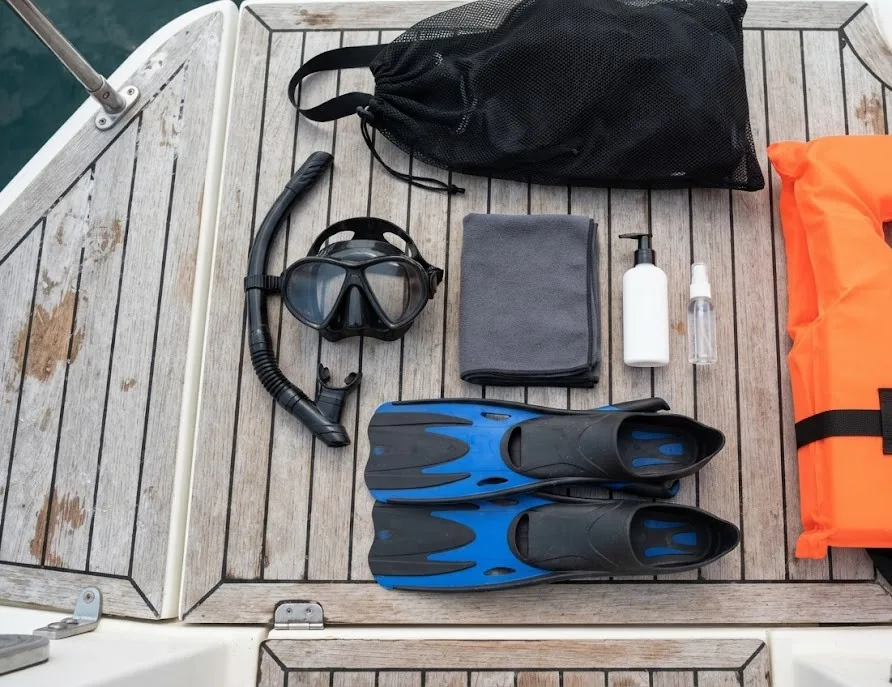
Equipment Provided: Mask, Snorkel, Fins, and Life Jacket Quality Standards
Most group tours provide basic equipment: a mask, snorkel, fins, and a life jacket. Quality varies significantly between operators. Budget tours may have older masks that leak, while mid-range and premium operators maintain newer gear. If you wear prescription glasses, bring your own mask or request a prescription mask in advance. Fins are typically open-heel style and fit most foot sizes. Life jackets are mandatory for all snorkelers, regardless of swimming ability.
Private Yacht Experiences: Luxury Snorkeling with Personalized Service
For a premium experience, private yacht charters offer personalized itineraries, higher-quality equipment, gourmet meals, and dedicated guides. These charters typically accommodate 4-8 people and cost 2,000,000-4,000,000 VND for a half-day. The advantage is flexibility — you can spend more time at your favorite snorkeling spot, skip crowded areas, and enjoy a more comfortable experience with onboard amenities like showers and shaded seating.
Essential Gear and Preparation Tips for a Safe Snorkeling Trip
Proper preparation prevents most snorkeling problems — the three essentials are reef-safe sunscreen, a well-fitting mask, and awareness of currents. Here’s a practical checklist for your Da Nang trip.
What to Bring: Reef-Safe Sunscreen, Rash Guard, Underwater Camera Checklist
- Reef-safe sunscreen: Many tour operators now require sunscreen that does not contain oxybenzone or octinoxate, which damage coral. Look for mineral-based sunscreens with zinc oxide or titanium dioxide. Brands like Sun Bum and Reef Repair are widely available in Da Nang supermarkets.
- Rash guard (SPF 50+): A long-sleeve rash guard provides better sun protection than sunscreen alone and prevents chafing from the life jacket. It’s also more environmentally friendly than reapplying sunscreen throughout the day.
- Underwater camera: A GoPro or similar waterproof camera is ideal. If you don’t own one, many tour operators offer rental options (200,000-400,000 VND). A simple waterproof phone pouch also works for shallow snorkeling.
- Anti-fog solution: Commercial anti-fog spray or a drop of baby shampoo rubbed into the mask lens prevents fogging. Many rental masks fog quickly, so bringing your own solution is wise.
- Water and snacks: Staying hydrated is crucial under the tropical sun. Bring at least 1 liter of water per person for a half-day trip.
How to Choose the Right Mask and Snorkel Fit for First-Timers
A properly fitting mask is the difference between an enjoyable snorkeling experience and a frustrating one. To test fit, press the mask gently against your face without using the strap — it should stay in place with a light seal when you inhale slightly. If it falls off, it’s too large. The skirt should sit comfortably on your face without pinching your nose or pressing against your forehead. For snorkels, a semi-dry or dry snorkel with a splash guard at the top prevents water from entering when a wave passes over.
Safety Precautions: Reading Currents, Staying Hydrated, and Respecting Marine Life
Before entering the water, observe the surface for 5 minutes. Look for foam lines, discolored water, or choppy patches that indicate rip currents. If you see a channel of darker, smoother water moving away from shore, avoid swimming there — that’s a rip current. Always snorkel with a buddy and stay within sight of your boat or shore entry point. Dehydration and heat exhaustion are common risks — drink water before you feel thirsty. Never touch coral, stand on it, or chase marine life. A single touch can kill coral polyps that took years to grow.
Responsible Snorkeling: Protecting Da Nang’s Coral Reefs for Future Years
Da Nang’s coral reefs face pressure from tourism, but 2026 conservation efforts and responsible visitor behavior can ensure their survival. Every snorkeler plays a role in protecting these ecosystems.
Reef Etiquette: Why Touching Coral Damages the Ecosystem
Coral polyps are living animals with delicate tissues. When you touch coral, you break the protective mucus layer, leaving it vulnerable to infection and disease. Even a light touch can cause damage that takes months to heal. Fins kicking coral can break entire branches. The rule is simple: “look, don’t touch.” Maintain at least one meter of distance from any coral formation, and never stand on the reef — even sandy patches between corals often have juvenile coral recruits growing.
Choosing Eco-Friendly Tour Operators in Da Nang
Not all tour operators follow responsible practices. Look for operators that display a marine park permit from the Cham Islands management board. Responsible operators brief guests on reef etiquette before entering the water, provide reef-safe sunscreen, and limit group sizes to reduce impact. Avoid operators that advertise “coral walking” or allow guests to stand on reefs. Ask your hotel or check reviews on platforms like GetYourGuide for mentions of environmental practices.
How 2026 Conservation Efforts Are Improving Coral Health in the Region
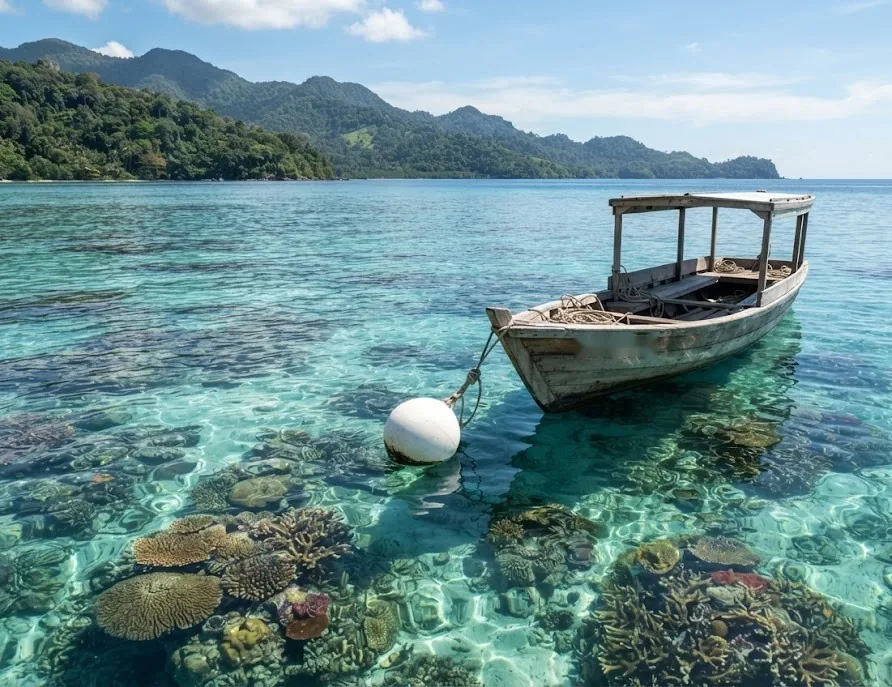
Local authorities and NGOs have implemented several initiatives to protect Da Nang’s reefs. The Cham Islands Marine Protected Area enforces no-fishing zones and regulates visitor numbers during peak season. Coral restoration projects, using techniques like coral fragment transplantation, have shown promising results in areas damaged by storms. In 2026, new mooring buoys at popular snorkeling sites prevent boats from dropping anchors on reefs. These efforts, combined with visitor education, are gradually improving coral health indicators.
Key Considerations for Your Da Nang Snorkeling Adventure
Booking early, combining attractions, and budgeting accurately are the three practical keys to a smooth Da Nang snorkeling trip. Here’s what to plan for.
Booking in Advance: Why Peak Season (June-August) Requires Early Reservations
June through August is the peak tourist season in Da Nang. Hotels fill up, and popular snorkeling tours sell out days in advance. If you’re visiting during this period, book your snorkeling tour at least 3-5 days ahead. For private yacht charters, book 1-2 weeks in advance. During shoulder months (March-May, September), booking 2-3 days ahead is usually sufficient. Last-minute bookings are possible in the off-season (October-February), but tour availability may be limited due to weather cancellations.
Combining Snorkeling with Other Da Nang Attractions: Marble Mountains, Hoi An
A well-planned itinerary maximizes your time. Consider this sequence: Day 1 — morning snorkeling at Son Tra Peninsula, afternoon exploring Marble Mountains (15 minutes from Son Tra). Day 2 — full-day Cham Islands tour. Day 3 — morning in Hoi An Ancient Town (30 minutes from Da Nang), afternoon at An Bang Beach. This combination gives you marine adventure, cultural exploration, and relaxation without excessive travel time.
Budget Planning: Tour Costs, Gear Rental, and Hidden Fees to Watch For
Group snorkeling tours to Cham Islands cost 450,000-800,000 VND per person, including transport, gear, lunch, and guide. Private yacht charters cost 2,000,000-4,000,000 VND for up to 6 people. Gear rental is typically included in tour prices. If snorkeling independently at Son Tra, bring your own gear or rent from shops near My Khe Beach (100,000-200,000 VND per set). Hidden fees to watch for include environmental conservation fees (20,000-40,000 VND at Cham Islands), underwater camera rental (200,000-400,000 VND), and tips for guides (50,000-100,000 VND per person recommended).
Related on this site
- Da Nang’s Best Beaches for Swimming and Sunbathing 2026
- Da Nang’s Island Adventures: Discovering Nearby Paradises 2026
- Discovering Da Nang’s Hidden Beaches: An Insider’s Guide 2026
Frequently Asked Questions
Is snorkeling in Da Nang good compared to Phu Quoc or Nha Trang?
Da Nang offers good snorkeling, but Phu Quoc and Nha Trang generally have clearer water and more diverse coral ecosystems. Da Nang’s advantage is accessibility — you can snorkel at Son Tra Peninsula without a boat trip, and the Cham Islands are only 15 minutes by speedboat. Phu Quoc requires longer boat rides to reach the best reefs.
Do I need to be a strong swimmer to snorkel in Da Nang?
No. Life jackets are mandatory on all tours, and guides stay with the group at all times. Non-swimmers can still enjoy snorkeling by floating on the surface with a life jacket and mask. The calm waters at Bai Chong (Cham Islands) are particularly suitable for beginners.
What is the best month for snorkeling in Da Nang?
May, June, and July offer the best conditions: visibility exceeding 10 meters, very low wave heights, and minimal cancellation risk. April and August are also good but may have occasional afternoon squalls.
Can I snorkel at Son Tra Peninsula without a tour?
Yes. The Bai But area on Son Tra Peninsula has shore access for independent snorkeling. You’ll need your own gear or rent from nearby shops. Be aware of currents and avoid rocky entry points during rough conditions.
Are there sharks or dangerous marine life in Da Nang waters?
Reef sharks are occasionally spotted at Cham Islands but are shy and non-aggressive. Jellyfish are rare during peak season (May-August). The main risk is stepping on sea urchins in rocky areas — wear reef shoes or fins to protect your feet.
How much does a snorkeling tour in Da Nang cost in 2026?
Group tours to Cham Islands cost 450,000-800,000 VND per person. Private yacht charters cost 2,000,000-4,000,000 VND for up to 6 people. Independent snorkeling at Son Tra is free if you have your own gear.
What should I do if I get seasick on the boat?
Take motion sickness medication (available at any pharmacy in Da Nang) 30 minutes before departure. Choose a speedboat rather than a wooden boat for a shorter, smoother ride. Sit in the middle of the boat, focus on the horizon, and avoid reading or looking at your phone.
Da Nang’s coral reefs offer two distinct experiences: the convenient, budget-friendly shore snorkeling at Son Tra Peninsula and the world-class biodiversity of the Cham Islands UNESCO Biosphere Reserve. The best time to visit is between March and September, with May through July providing peak visibility. By choosing responsible tour operators, respecting reef etiquette, and preparing with the right gear, you contribute to the long-term health of these fragile ecosystems.
- Book your tour early if visiting between June and August — popular slots sell out 3-5 days in advance.
- Pack reef-safe sunscreen and a rash guard — these protect both your skin and the coral.
- Combine snorkeling with Marble Mountains and Hoi An for a well-rounded Da Nang itinerary that maximizes your travel time.
Part of our guide to things to do in Da Nang.