Da Nang, a vibrant coastal city in Vietnam, is renowned for its stunning beaches and iconic bridges. While My Khe Beach and Dragon Bridge often steal the spotlight, a wealth of lesser-known attractions offer unique experiences for curious travelers. These hidden gems provide a deeper glimpse into the city’s culture, history, and natural beauty, often without the overwhelming crowds.
Venturing beyond the typical tourist trail allows for more authentic encounters and memorable discoveries. From serene pagodas tucked away in hillsides to artisanal craft villages, Da Nang’s underrated spots promise tranquility and genuine local charm. This guide uncovers these delightful secrets, ensuring your visit is rich with unique adventures.
Quick Summary: Da Nang offers more than just famous beaches; explore hidden pagodas like Linh Ung Bai But, discover traditional crafts in Non Nuoc Stone Carving Village, and find peace at the Son Tra Peninsula’s less-visited spots. These underrated attractions provide authentic cultural experiences and stunning natural beauty, avoiding large crowds. Plan your visit to uncover these unique local treasures by exploring areas beyond the typical tourist map.
Updated: May 3, 2026 · Reading time: 8 min · Expertise: Travel Writing & Vietnamese Culture
Exploring the Spiritual and Natural Serenity
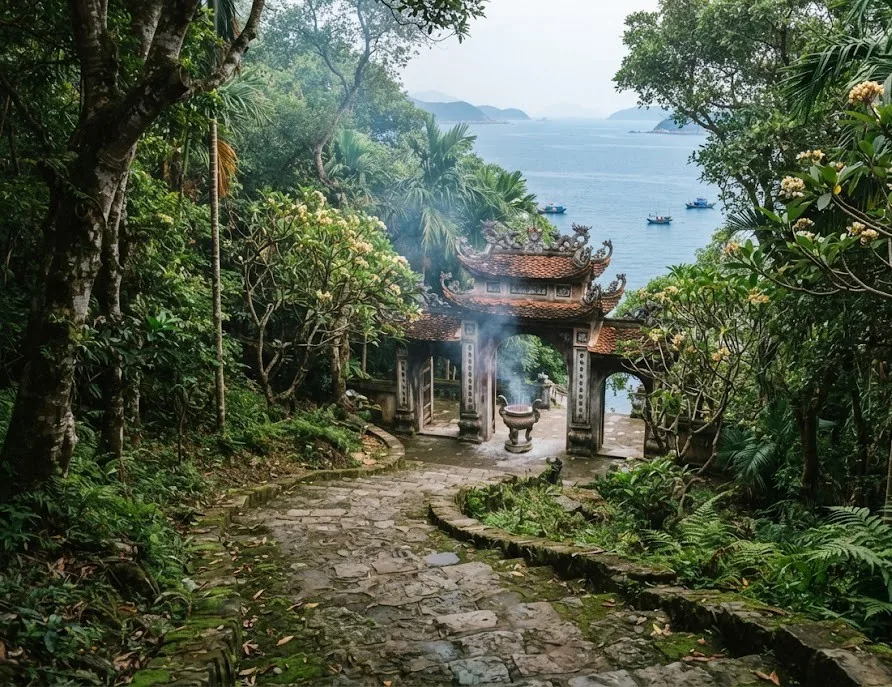
Da Nang’s landscape is dotted with serene spiritual sites and breathtaking natural vistas that often go unnoticed by mainstream tourism. These locations offer a peaceful retreat and a chance to connect with the local culture and environment on a more profound level.
Linh Ung Bai But Pagoda: A Tranquil Sanctuary
While there are several Linh Ung pagodas, Linh Ung Bai But on the Son Tra Peninsula is particularly special. It boasts a majestic 69-meter-tall white Lady Buddha statue, visible from afar. The pagoda complex itself is a haven of peace, featuring intricate architecture and beautiful gardens.
The atmosphere here is profoundly calming, offering panoramic views of the coastline and the city. It’s a place for quiet contemplation and appreciation of Buddhist art and architecture. Unlike its more famous counterparts, Linh Ung Bai But often provides a more intimate spiritual experience.
Son Tra Peninsula: Beyond the Monkey Mountain
The Son Tra Peninsula, often referred to as Monkey Mountain, is more than just its famous viewpoints. Explore its less-trodden paths to discover hidden coves, ancient banyan trees, and diverse flora and fauna. The peninsula is a vital ecological area, home to the endangered Red-shanked Douc Langur.
Activities here can include:
- Hiking through lush forest trails.
- Discovering secluded beaches like Bai Nam.
- Observing local wildlife in their natural habitat.
- Visiting the historic Ban Co Peak for stunning sunrise or sunset views.
- Enjoying the cool mountain air away from the city heat.
Remember to respect the natural environment and wildlife during your exploration.
Marble Mountains: A Subterranean Marvel
The Marble Mountains (Ngu Hanh Son) are a cluster of five limestone and marble hills. While popular, many visitors only skim the surface, missing the intricate cave systems and smaller temples within. Each mountain is named after a natural element: Kim (Metal), Thuy (Water), Tho (Earth), Hoa (Fire), and Moc (Wood).
Key features to explore include:
- Huyen Khong Cave: A large cave with a natural skylight illuminating a Buddha statue.
- Tam Thai Pagoda: One of the oldest pagodas, offering historical insights.
- The intricate carvings and statues found throughout the caves.
- The breathtaking views from the mountain peaks.
Important note: Wear comfortable shoes as exploring involves climbing stairs and navigating uneven terrain within the caves.
Cultural Immersion and Artistic Discoveries
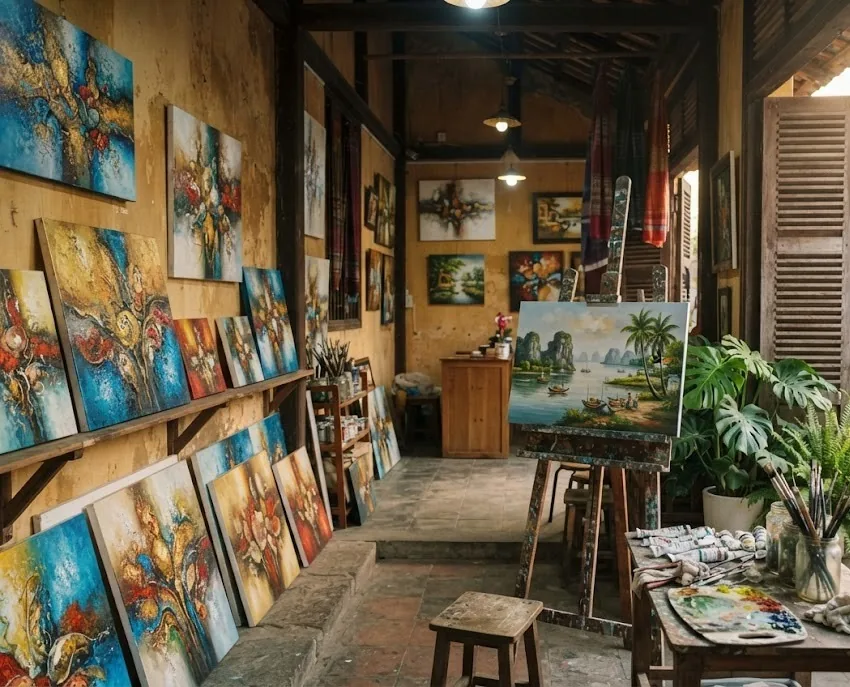
Da Nang’s cultural landscape is rich with traditions and artisanal skills that deserve recognition. Exploring these areas offers a chance to engage with local artisans and understand the heritage that shapes the city.
Non Nuoc Stone Carving Village: A Legacy in Stone
Located at the foot of the Marble Mountains, Non Nuoc village has been a center for stone carving for centuries. Artisans here transform marble into intricate sculptures, religious artifacts, and decorative items. Visiting the workshops allows you to witness the skill and dedication involved.
What to expect in Non Nuoc:
- Observe artisans at work, from quarrying to polishing.
- Purchase unique, handcrafted marble souvenirs.
- Learn about the history and techniques of stone carving.
- See a wide variety of statues, from Buddhist figures to animals.
Practical example: Many workshops have been family-run for generations, preserving traditional carving methods passed down through the ages. You can often commission custom pieces directly from the artists.
Da Nang Museum: A Window into the Past
For history buffs, the Da Nang Museum offers a comprehensive look at the city’s past, from its Sa Huynh and Champa origins to its role during the Vietnam War and its modern development. It houses a diverse collection of artifacts, photographs, and documents.
The museum’s collection includes:
- Ancient artifacts from various historical periods.
- Exhibits detailing the Cham civilization’s influence.
- Photographs and memorabilia from the French colonial era and the war.
- Displays showcasing Da Nang’s urban development.
This is an excellent place to gain context and a deeper understanding of the region’s complex history.
Local Markets: A Sensory Adventure
While Han Market is well-known, exploring smaller, local markets provides a more authentic glimpse into daily life. Markets like Con Market or Dong Da Market are bustling hubs where locals shop for fresh produce, seafood, clothing, and household goods.
Experience the vibrant atmosphere by:
- Tasting local street food delicacies.
- Interacting with friendly vendors.
- Finding unique local products and spices.
- Observing the rhythm of daily life.
Important note: Bargaining is expected in many market stalls, so engage politely and with a smile.
Culinary Delights Beyond the Tourist Hotspots
Da Nang’s food scene is a major draw, but venturing off the beaten path can lead to discovering exceptional local eateries serving authentic flavors.
My Khe Market (My Khe Market): A Seafood Lover’s Paradise
Adjacent to the famous My Khe Beach, this market is a fantastic spot for fresh seafood. Unlike the beachfront restaurants, here you can buy seafood directly from fishermen and have it cooked on the spot at nearby stalls for a fraction of the price. The lively atmosphere and incredible freshness make it a must-visit for foodies.
Insight: Buying seafood here and having it cooked offers an authentic, budget-friendly culinary experience that showcases Da Nang’s coastal bounty.
Street Food Stalls and Local Eateries
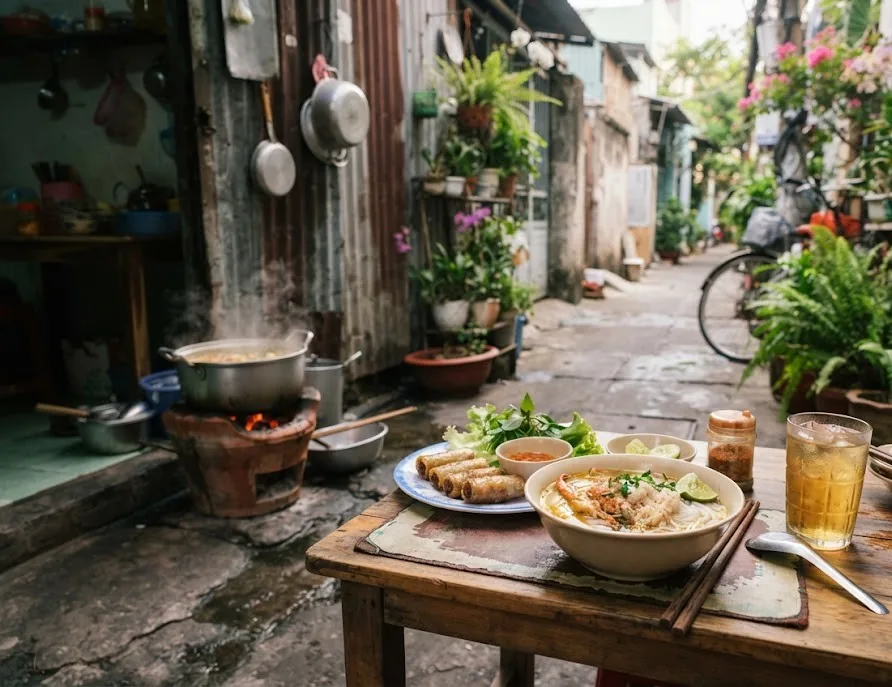
Beyond the main markets, countless small street food stalls and humble eateries serve up Da Nang’s specialties. Look for places packed with locals; this is usually a good indicator of quality and authenticity.
Must-try dishes include:
- Banh Xeo (crispy savory pancakes)
- Mi Quang (turmeric noodles)
- Bun Cha Ca (fish cake noodle soup)
- Nem Lui (grilled pork skewers)
Common mistakes: Sticking only to restaurants in tourist areas means missing out on the true, affordable flavors of Da Nang.
Planning Your Underrated Da Nang Adventure
Discovering Da Nang’s hidden gems requires a bit of planning and an adventurous spirit. Here are some tips to make the most of your exploration.
Getting Around
Da Nang is relatively easy to navigate. Options include:
- Motorbike Rental: Offers flexibility and is cost-effective for exploring at your own pace.
- Taxis and Ride-Sharing Apps: Convenient for shorter distances or when traveling in groups.
- Cyclos: A charming way to experience certain areas, though slower.
- Walking: Ideal for exploring specific neighborhoods or markets.
Best Time to Visit
The dry season, from January to August, offers sunny days ideal for exploring both the city and its natural attractions. The shoulder months of September and October can still be pleasant with fewer crowds, though occasional rain showers are possible.
Accommodation Tips
While beachfront resorts are popular, consider staying in the city center for easier access to local markets and less touristy eateries. Boutique hotels and guesthouses offer a more intimate experience.
Data: According to local tourism data, areas slightly away from the main beachfront strip often provide accommodation at 20-30% lower prices for comparable quality.
Related on this site
Frequently Asked Questions
Do you need to worry about finding your way to obscure locations?
No, most underrated spots are accessible by common transport. Using GPS or asking locals for directions is usually sufficient.
Which frame is best to visit the temples in Da Nang?
Mornings or late afternoons are ideal for a peaceful visit to pagodas, avoiding the midday heat and crowds.
How much time should be spent in each obscure location?
Allocate 1-3 hours per site, depending on your interest and pace. Some, like Son Tra Peninsula, can take half a day.
How to best experience local cuisine?
Explore local markets and small eateries frequented by residents. Be adventurous and try street food from reputable vendors.
Which means of transportation should I choose to explore hidden locations?
Renting a motorbike offers the most freedom. Taxis or ride-sharing are good alternatives for convenience.
Conclusion
Da Nang is a city that rewards the curious traveler. By venturing beyond the well-trodden paths, you unlock a richer, more authentic experience. From the spiritual calm of Linh Ung Bai But and the natural wonders of Son Tra Peninsula to the artisanal heritage of Non Nuoc village and the vibrant local markets, these underrated attractions offer profound insights into Da Nang’s soul. Embrace the opportunity to discover these hidden gems and create truly unique travel memories.
Part of our guide to things to do in Da Nang.