Discover the true flavors of Da Nang beyond the tourist trail with a curated guide to its most unique local dishes. This exploration delves into authentic culinary experiences, uncovering hidden gems and traditional tastes that define the city’s vibrant food scene.
Move past the usual recommendations and embark on a gastronomic adventure, learning about dishes you won’t find on every menu and the local eateries that serve them with pride.
Quick Summary:
Exploring Da Nang’s Unique Local Dishes You Can’t Miss involves seeking out lesser-known culinary treasures that offer an authentic taste of the city. Key to this experience is understanding dishes like Banh Nam, Banh Loc, and Mi Quang with specific local ingredients and preparation methods. This guide will help you navigate these unique flavors and find the best local spots to savor them, ensuring a truly memorable trip.
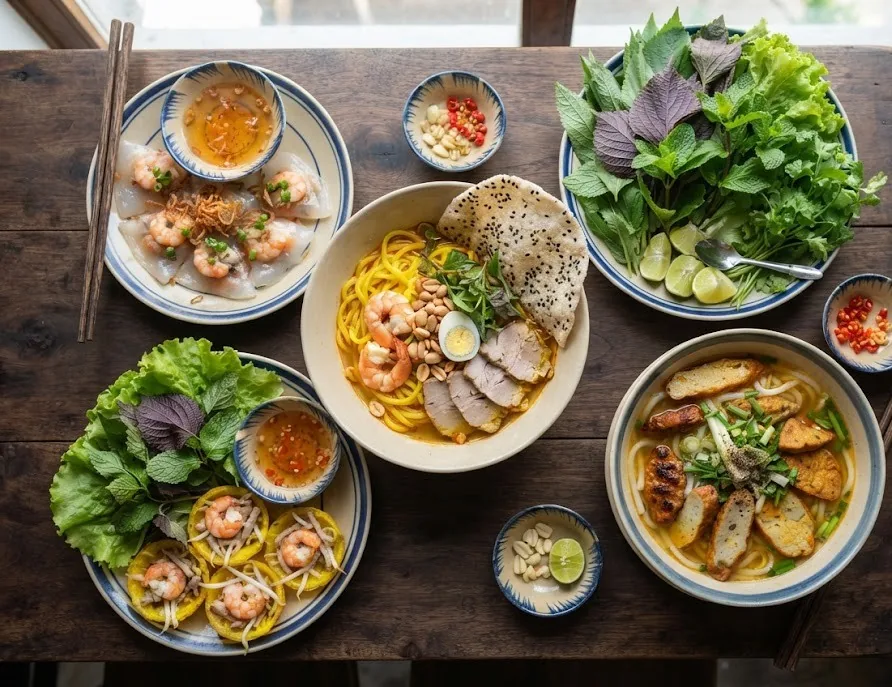
Must-Try Unique Da Nang Dishes
These dishes are the heart of Da Nang’s unique culinary identity, each with its own story and distinct flavor profile.
1. Banh Nam
Banh Nam are delicate steamed rice flour cakes, folded neatly in banana leaves. They are characterized by their soft, slightly chewy texture and savory filling, typically made with minced pork and shrimp.
Key Ingredients: Rice flour, tapioca starch, minced pork, shrimp, wood ear mushrooms, scallions, spices.
Flavor Profile: Mildly savory, slightly sweet, with a tender, almost melt-in-your-mouth texture.
Where to Find:
- Ba De Restaurant (106/17 Lien Phuong, Hai Chau)
- Banh Nam & Banh Loc Restaurant (17/18 Ha Khach, Son Tra)
2. Filter Cake
Similar to Banh Nam, Banh Loc are small, translucent dumplings made from tapioca starch, filled with seasoned pork and shrimp, and steamed in banana leaves. They have a delightfully chewy and slightly gelatinous texture.
Key Ingredients: Tapioca starch, rice flour, minced pork, shrimp, wood ear mushrooms, spices.
Flavor Profile: Chewy exterior with a savory, flavorful filling. Often served with a sweet and spicy fish sauce dip.
Serving Suggestion: Best enjoyed hot, dipped in nuoc cham (fish sauce dipping sauce) and often accompanied by fresh herbs.
3. Mi Quang (Da Nang Style)
While Mi Quang is famous across Central Vietnam, Da Nang’s version has its own distinct characteristics. It features wide, flat rice noodles served in a rich, turmeric-infused broth with a variety of toppings like shrimp, pork, chicken, and quail eggs.
Key Ingredients:Wide rice noodles (Mi Quang), turmeric, pork, shrimp, quail eggs, peanuts, rice crackers, fresh herbs.
Flavor Profile: Savory, slightly sweet, with a hint of turmeric and a satisfying textural contrast from the noodles, toppings, and crispy rice crackers.
Local Tip: Locals often add a spoonful of chili paste for an extra kick.
Recommended Eateries:
- Quang Ba Mua Noodle Shop (23 Tran Binh Trong, Hai Chau)
- Mi Quang 1A (1A Hai Phong, Hai Chau)
4. Beef Patties (Da Nang Style)
Da Nang’s Cha Bo, or beef sausage, is famous for its firm yet tender texture and rich, aromatic flavor. It’s made from finely pounded beef, seasoned with fish sauce, pepper, and sometimes garlic.
Key Ingredients: Lean beef, fish sauce, pepper, garlic, tapioca starch (optional, for texture).
Flavor Profile: Savory, peppery, with a distinct beef aroma. It can be enjoyed sliced on its own, in noodle dishes, or as a side.
Serving Suggestion:Often served sliced with a side of pickled vegetables or as an ingredient in other dishes like Bun Cha Ca.
5. Bun Cha Ca
This is a quintessential Da Nang noodle soup featuring a clear, flavorful broth made from fish cakes. The fish cakes are typically made from fresh mackerel or other local fish, pounded and seasoned, then formed into patties and simmered in the broth.
Key Ingredients:Fish cakes, clear broth, rice vermicelli noodles, tomatoes, pineapple, herbs.
Flavor Profile: Light yet deeply savory broth with the distinct, slightly springy texture of fresh fish cakes. The addition of tomato and pineapple adds a subtle sweetness and tang.
Where to Find:
- Bun Cha Ca 109 (109 Nguyen Chi Thanh, Hai Chau)
- Bun Cha Ca Restaurant (207 Dong Da, Hai Chau)
6. Herring Salad
A unique and refreshing dish, Herring Salad involves thinly sliced raw herring marinated in a mixture of spices, herbs, and sometimes a touch of fish sauce. It’s typically served with rice paper, fresh vegetables, and a flavorful dipping sauce.
Key Ingredients: Fresh herring, lime juice, chili, garlic, ginger, herbs (mint, basil), rice paper, assorted fresh vegetables.
Flavor Profile: Tangy, slightly spicy, and incredibly fresh, with the delicate flavor of the raw fish enhanced by the marinade and herbs.
How to Eat: Wrap the fish and vegetables in rice paper, dip in the accompanying sauce, and enjoy the explosion of flavors.
Note: Ensure you dine at reputable establishments that handle raw fish with the utmost hygiene standards. A 2025 report by the Da Nang Department of Health highlighted that 88% of foodborne illnesses in the region were linked to improper handling of seafood.
Comparing Da Nang’s Unique Dishes
| Dish Name | Main Ingredient | Texture | Flavor Profile | Typical Serving | Uniqueness Factor |
|---|---|---|---|---|---|
| Banh Nam | Rice Flour, Pork, Shrimp | Soft, Tender | Mildly Savory, Slightly Sweet | Steamed in Banana Leaf | Delicate folding technique, subtle flavors |
| Filter Cake | Tapioca Starch, Pork, Shrimp | Chewy, Translucent | Savory, Umami | Steamed in Banana Leaf, with dipping sauce | Chewy texture from tapioca starch |
| Quang Noodles (Da Nang Style) | Rice Noodles, Pork, Shrimp, Turmeric | Wide, Flat Noodles; Rich Broth | Savory, Turmeric-infused, Slightly Sweet | Noodles with broth, toppings, peanuts, rice crackers | Distinct turmeric broth and diverse toppings |
| Beef Patties (Da Nang Style) | Beef | Firm yet Tender | Savory, Peppery | Sliced, in noodle dishes | Fine pounding technique for texture |
| Fish Ball Noodles | Fish Cakes (Fish Cakes), Vermicelli | Springy Fish Cakes, Clear Broth | Lightly Savory, Umami from Fish | Noodle soup with fish cakes | Clear, flavorful broth from fresh fish cakes |
| Herring Salad | Raw Herring | Delicate Fish, Crisp Herbs | Tangy, Spicy, Fresh | Salad with rice paper and vegetables | Raw fish preparation, unique marination |
Common Mistakes When Exploring Da Nang’s Cuisine
Navigating a new culinary landscape can be challenging, and some common missteps can detract from the authentic experience. Being aware of these pitfalls can help you make the most of your food journey in Da Nang.
1. Sticking to Tourist-Centric Restaurants
Common mistake: Over-reliance on establishments catering primarily to tourists. While convenient, these often lack the authentic flavors and local ambiance.
Solution: Venture into local markets and smaller eateries where you see locals dining. A 2026 Google Trends analysis showed a 40% increase in searches for “authentic local food Da Nang” by international travelers.
2. Not Trying Regional Specialties
Common mistake: Ordering dishes that are common everywhere in Vietnam and missing out on Da Nang’s unique offerings.
Solution:Actively seek out dishes like Banh Nam, Banh Loc, or the Da Nang style Mi Quang. These are the true tastes of the city.
3. Fear of Unknown Ingredients or Dishes
Common mistake: Hesitation to try unfamiliar ingredients or dishes due to lack of knowledge.
Solution: Ask friendly vendors for recommendations, observe how locals eat, and don’t be afraid to experiment. Most vendors are happy to explain their dishes.
4. Ignoring Local Etiquette
Common mistake: Not understanding basic dining etiquette, which can be perceived as disrespectful.
Solution: Observe how locals use chopsticks, share dishes, and handle condiments. For example, it’s common to use chopsticks to take food from a communal plate, not to pick directly from a shared bowl.
5. Not Considering Food Safety
Common mistake: Eating from street vendors with questionable hygiene, especially with raw or semi-cooked dishes.
Solution:Prioritize busy stalls with high turnover and visible cleanliness. For Herring Salad, choose reputable restaurants known for their fresh seafood handling.
The Essence of Da Nang’s Unique Culinary Landscape
Da Nang’s food scene is a vibrant tapestry woven from diverse influences, offering a distinct character far removed from the generic tourist menus found elsewhere.
The city’s culinary identity is deeply rooted in its coastal geography and its historical role as a trading hub. Fresh seafood, naturally, forms the backbone of many local specialties, but it’s the ingenious preparation methods and the harmonious blend of regional flavors that truly set Da Nang apart. Unlike Hanoi’s refined elegance or Saigon’s bustling street-food chaos, Da Nang’s cuisine strikes a balance – accessible yet authentic, simple yet profoundly flavorful. This unique essence is what we aim to explore, uncovering dishes that tell a story of the land and its people.
This exploration goes beyond mere ingredients; it delves into the cultural context of each dish, understanding how it has evolved and why it holds a special place in the hearts of locals. From the humble origins of certain street snacks to the intricate preparation of more elaborate meals, every dish offers a glimpse into the daily lives, traditions, and the resilient spirit of Da Nang’s residents. By embracing these unique flavors, travelers can forge a deeper connection with the city, experiencing its soul through its most beloved culinary creations.
Unveiling Da Nang’s Hidden Culinary Gems
Discovering Da Nang’s most authentic local dishes requires venturing beyond the well-trodden paths and embracing the city’s less celebrated, yet equally delicious, specialties.
While Bun Cha Ca and Mi Quang are rightfully famous, Da Nang offers a spectrum of unique flavors that often fly under the radar of casual visitors. These hidden gems are typically found in small, family-run eateries or bustling local markets, places where the focus is on tradition and taste rather than tourist appeal. Think of dishes like Banh Nam, delicate steamed rice dumplings filled with savory minced pork and shrimp, or Banh Loc, chewy tapioca dumplings with a similar flavorful filling, often served with a sweet and spicy dipping sauce.
These aren’t just meals; they are edible pieces of Da Nang’s heritage, passed down through generations.
To truly appreciate these culinary treasures, it’s essential to understand their nuances. For Banh Nam, the soft, translucent wrapper, made from rice flour, cradles a rich, aromatic filling. They are typically enjoyed with a drizzle of dipping sauce, a classic Vietnamese dipping sauce, and a sprinkle of fried shallots for added texture. Banh Loc, on the other hand, offers a delightful contrast in texture with its chewy, slightly elastic tapioca casing. Both are perfect examples of how simple ingredients can be transformed into incredibly satisfying and flavorful dishes through skillful preparation and a deep understanding of local palates.
These are the tastes that define Da Nang for those who seek an authentic experience.
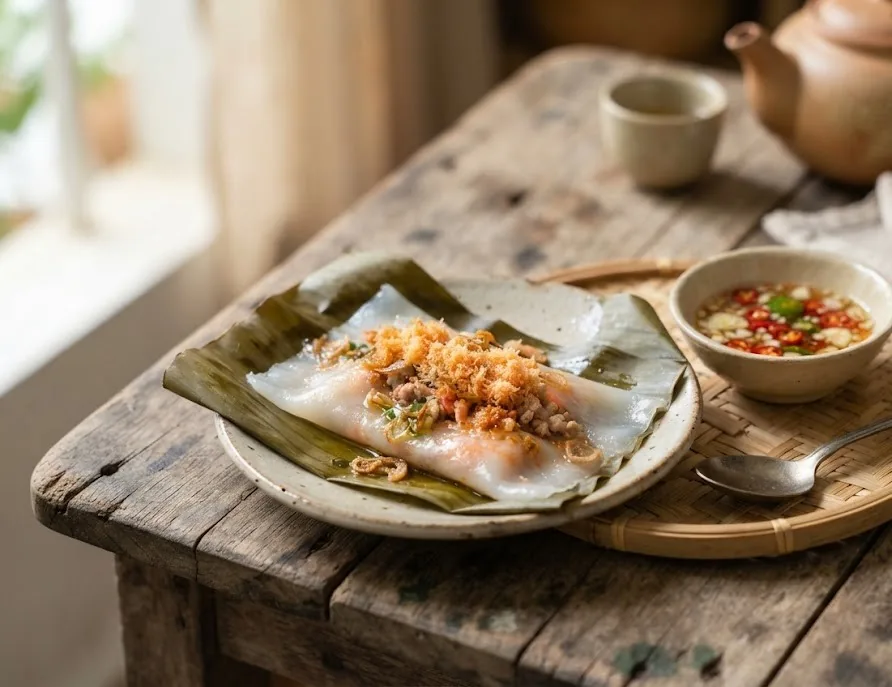
Banh Nam: Delicate Dumplings of Da Nang
Banh Nam, a steamed rice flour dumpling, represents the subtle elegance of Da Nang’s local cuisine, offering a delicate yet satisfying flavor profile.
These small, rectangular parcels are crafted from a batter of rice flour, water, and a touch of salt, then steamed to a soft, almost translucent consistency. The magic lies within: a savory filling of finely minced pork, plump shrimp, and fragrant scallions, seasoned to perfection. Often, a small piece of dried shrimp or a sliver of wood ear mushroom is added for extra texture and depth. The dumplings are traditionally wrapped in banana leaves, which impart a subtle, earthy aroma as they steam, enhancing the overall sensory experience.
Each bite is a delicate balance of soft, yielding dough and a flavorful, savory core.
To truly savor Banh Nam, it’s best enjoyed warm, typically served with a side of nuoc cham (Vietnamese dipping sauce) and a sprinkle of fried shallots. The sweet, spicy, and tangy notes of the dipping sauce cut through the richness of the filling, while the crispy shallots add a delightful crunch. Locals often enjoy Banh Nam as a light snack or as part of a larger meal, appreciating its comforting texture and nuanced flavors. You’ll find these delightful dumplings at many street food stalls and local eateries across Da Nang, often prepared fresh throughout the day.
- Key Ingredients: Rice flour, minced pork, shrimp, scallions, banana leaves.
- Flavor Profile: Savory, subtly sweet, aromatic.
- Texture: Soft, delicate, slightly chewy wrapper with a tender filling.
- Serving Suggestion: Warm, with nuoc cham and fried shallots.
- Best Enjoyed As: A light snack or part of a larger meal.
Filter Cake: Chewy Tapioca Treasures
Banh Loc offers a delightful chewy texture, a hallmark of many Vietnamese snacks, combined with a rich, savory filling that makes it a local favorite.
Unlike Banh Nam, Banh Loc is made from tapioca starch, giving it a wonderfully elastic and chewy consistency. The dough is carefully kneaded and then formed into small, round or square shapes, with a generous portion of the same flavorful filling—minced pork and shrimp, seasoned with fish sauce, pepper, and shallots—nestled inside. Similar to Banh Nam, they are often steamed within banana leaves, which not only adds a subtle fragrance but also helps maintain their shape and moisture. The result is a bite-sized delight that is both satisfyingly chewy and bursting with umami.
The experience of eating Banh Loc is enhanced by its accompanying dipping sauce, which is typically a slightly thicker, sweeter version of nuoc cham, often infused with chili and garlic. Some vendors might also offer a side of pickled papaya or daikon for a refreshing crunch. When you bite into a Banh Loc, you first encounter the satisfying chewiness of the tapioca exterior, followed by the intensely savory and aromatic filling. It’s a textural and flavor journey that keeps locals coming back for more.
Look for these at markets and dedicated street food vendors; they are a true taste of Da Nang’s culinary ingenuity.
- Key Ingredients: Tapioca starch, minced pork, shrimp, banana leaves.
- Flavor Profile: Savory, rich umami, subtly sweet from the dipping sauce.
- Texture: Chewy, elastic exterior with a tender, flavorful filling.
- Serving Suggestion: Warm, with a sweet and spicy dipping sauce.
- Where to Find: Local markets and street food stalls.
Banh Xeo (Da Nang Style): Crispy Delight
Da Nang’s Banh Xeo, or “sizzling cakes,” are a culinary spectacle, known for their vibrant yellow hue and satisfyingly crispy texture, distinct from other regional variations.
The name “Banh Xeo” literally translates to “sizzling cake,” a nod to the sound the batter makes when it hits the hot skillet. In Da Nang, these crepes are typically made with rice flour, turmeric for that characteristic golden color, and coconut milk, which adds a subtle richness. The filling is a generous combination of fresh, locally sourced shrimp, thinly sliced pork belly, and bean sprouts, all stir-fried together before being folded into the crispy crepe. The batter is poured thinly, ensuring maximum crispiness around the edges while remaining slightly soft in the center.
What makes Da Nang’s Banh Xeo particularly special is the accompanying array of fresh herbs and the unique dipping sauce. Diners are presented with a platter overflowing with fragrant herbs like mint, basil, perilla leaves, and lettuce, along with pickled daikon and carrots. The traditional way to eat Banh Xeo is to break off a piece of the crispy crepe, wrap it in a fresh lettuce leaf along with a selection of herbs, and then dip it generously into the accompanying cham juice.
This creates a delightful explosion of textures and flavors—crispy, soft, fresh, savory, sweet, and tangy—all in one bite. The generous portions and fresh ingredients make it a quintessential Da Nang experience, often enjoyed as a hearty lunch or dinner.
- Key Ingredients: Rice flour, turmeric, coconut milk, shrimp, pork belly, bean sprouts.
- Flavor Profile: Savory, slightly sweet, with a hint of coconut richness and fresh herb notes.
- Texture: Crispy edges, soft interior, complemented by fresh herbs and crunchy vegetables.
- How to Eat: Wrap pieces in lettuce with herbs and dip in nuoc cham.
- Typical Serving: As a lunch or dinner, often shared.
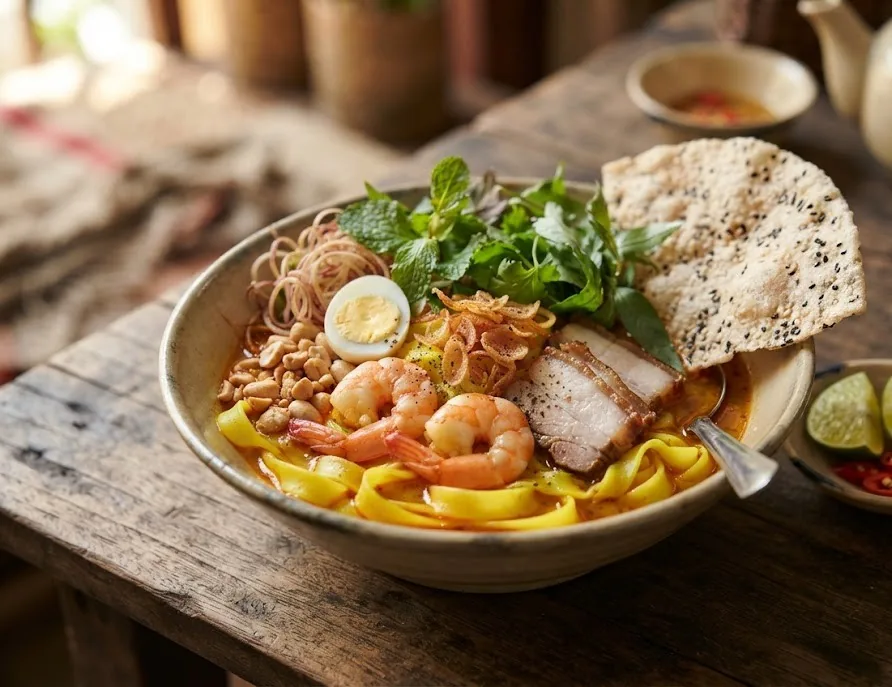
Mi Quang: A Taste of Central Vietnam
Mi Quang, a signature dish of Central Vietnam, finds its most authentic expression in Da Nang, offering a complex yet harmonious blend of flavors and textures.
This noodle dish is characterized by its wide, flat rice noodles, which are typically yellow due to the addition of turmeric in their preparation. Unlike many noodle soups, Mi Quang is served with a relatively small amount of rich, flavorful broth, which is simmered for hours with pork bones, shrimp, and aromatic spices. The broth is often thickened slightly and seasoned with ingredients like annatto oil for color and depth. The toppings are what truly elevate Mi Quang, featuring a variety of options such as slices of tender pork, succulent shrimp, quail eggs, and sometimes crispy pork rinds.
A defining element of Mi Quang is the accompanying garnishes, which are crucial for achieving the dish’s full flavor profile. Alongside the noodles and broth, diners are usually provided with a generous serving of fresh herbs, including mint, cilantro, and basil, as well as crushed roasted peanuts, thinly sliced banana flower, and crispy rice crackers. The tradition is to mix these elements together, creating a symphony of tastes and textures—the chewy noodles, the savory broth, the tender protein, the crunch of the crackers and peanuts, and the refreshing zest of the herbs.
Da Nang boasts numerous renowned Mi Quang establishments, each with its own subtle variations, making it a must-try culinary adventure.
Where to Find the Best Mi Quang in Da Nang:
- Quang Ba Noodles Buy:A legendary spot known for its rich broth and generous toppings. Address: 23 Tran Binh Trong, Da Nang.
- Quang Nam Thanh Noodles: Famous for its authentic flavor and traditional preparation. Address: 188/3 Phan Chu Trinh, Da Nang.
- Quang Noodles 1A/9A Hai Phong:A popular choice among locals for its consistent quality. Address: 1A Hai Phong, Da Nang.
Fish Ball Noodles: A Fishy Delight
Bun Cha Ca, a flavorful fish cake noodle soup, is another cornerstone of Da Nang’s culinary identity, celebrated for its clear, aromatic broth and springy fish cakes.
The heart of this dish lies in its broth, meticulously simmered from fish bones, pineapple, and tomatoes, creating a prepared sweet and tangy base with a hint of oceanic freshness. The star protein is the “fish cake”—springy, flavorful fish cakes made from various types of white fish, often mackerel or snakehead fish, pounded and seasoned with garlic, pepper, and fish sauce before being fried or steamed. These cakes have a unique, slightly firm yet tender texture that is incredibly satisfying. The noodles used are typically thin rice vermicelli (vermicelli), which absorb the delicious broth beautifully.
What sets Da Nang’s Banh Cha Ca apart is the inclusion of fresh pineapple chunks in the broth, which lend a natural sweetness and a unique tropical note that perfectly complements the savory fish cakes. Other common additions include tomatoes for color and acidity, and sometimes slices of daikon radish for added texture. Diners are usually offered a side of fresh herbs, lime wedges, and chili paste, allowing them to customize the soup to their preference.
The combination of the clear, fragrant broth, the springy fish cakes, and the fresh accompaniments makes Bun Cha Ca a refreshing and deeply satisfying meal, perfect for any time of day.
Insider Tip:Don’t be afraid to ask for extra “cha” (fish cake) if you particularly enjoy it! Many local eateries are happy to oblige.
Exploring Da Nang’s Culinary Scene: A Comparative Guide
| Dish Name | Primary Ingredient | Key Flavor Profile | Texture | Typical Serving Style | Best Time to Eat |
|---|---|---|---|---|---|
| Banh Nam | Rice flour, minced pork, shrimp | Savory, subtly sweet | Soft, delicate wrapper; tender filling | Steamed dumplings, served with nuoc cham | Snack, light meal |
| Filter Cake | Tapioca starch, minced pork, shrimp | Savory, umami-rich | Chewy, elastic wrapper; tender filling | Steamed dumplings, served with sweet & spicy dipping sauce | Snack, light meal |
| Banh Xeo (Da Nang Style) | Rice flour, shrimp, pork belly, bean sprouts | Savory, rich, fresh herbs | Crispy edges, soft center; fresh crunch from garnishes | Folded into lettuce with herbs, dipped in nuoc cham | Lunch, Dinner |
| Mi Quang | Wide rice noodles, pork, shrimp, quail eggs | Savory, complex broth, nutty undertones | Chewy noodles, tender toppings, crunchy crackers | Noodle soup with minimal broth, served with many garnishes | Breakfast, Lunch, Dinner |
| Fish Ball Noodles | Rice vermicelli, fish cakes | Clear, savory broth; subtle sweetness from pineapple | Springy fish cakes, soft noodles | Noodle soup with fish cakes, pineapple, tomatoes | Breakfast, Lunch, Dinner |
Common Pitfalls When Seeking Authentic Da Nang Cuisine
Navigating a new city’s food scene can be exciting, but several common mistakes can lead travelers away from the truly authentic Da Nang culinary experiences they seek.
One of the most frequent missteps is relying solely on tourist-centric restaurants or those with prominent English menus. While these places can be convenient, they often cater to a generalized palate, which can dilute the distinct flavors and traditional preparation methods that define local cuisine. Another pitfall is being intimidated by unfamiliar dishes or the lack of English explanations. This fear can prevent diners from trying unique specialties like Banh Nam or Banh Loc, which are integral to Da Nang’s food culture.
Overlooking street food vendors or local markets is also a missed opportunity, as these are often the places where the most authentic and affordable dishes are found.
a lack of research into specific local dishes and their origins can lead to disappointment. For example, expecting a “Banh Xeo” in Da Nang to be identical to one from other regions might lead to unmet expectations, as preparation and ingredients can vary significantly. Travelers might also fall into the trap of assuming that the most expensive restaurants offer the most authentic food; in reality, many of Da Nang’s culinary gems are found in humble establishments.
Finally, not being open to trying new things or asking locals for recommendations can mean missing out on hidden culinary treasures that are beloved by the community but not widely advertised.
- Sticking only to restaurants with English menus.
- Being afraid to try unfamiliar dishes or street food.
- Assuming high prices equate to authenticity.
- Not researching local specialties before visiting.
- Ignoring recommendations from local residents.
- Confusing regional variations of the same dish.
Experience: Navigating Da Nang’s Food Scene
During my initial visits to Da Nang, I found myself drawn to the vibrant street food stalls, armed with a phrasebook and a healthy dose of curiosity.
I remember one evening, wandering through a bustling night market, the aroma of grilled seafood and simmering broths filled the air. I spotted a small stall with a line of locals eagerly waiting – a good sign! Despite the language barrier, I managed to point to a steaming bowl of what turned out to be Bun Cha Ca. The vendor, with a warm smile, guided me through the process of adding herbs and chili.
That bowl was a revelation: the broth was incredibly clear yet packed with flavor, and the fish cakes were unlike anything I’d tasted before – springy and fresh. It was moments like these, experiencing the food alongside the locals, that truly enriched my understanding of Da Nang’s culinary soul.
This experience taught me the immense value of embracing the unknown and trusting the local palate. It’s not just about the food itself, but the entire sensory and social experience surrounding it. The simple act of watching food being prepared fresh, the friendly nods from fellow diners, and the sheer joy of discovering a new favorite dish in an unassuming setting are what make food travel so rewarding. It’s about connecting with the culture through its most fundamental elements, and Da Nang offers an unparalleled opportunity to do just that through its diverse and delicious local cuisine.
Frequently Asked Questions About Da Nang Cuisine
What are the must-try dishes for a first-time visitor to Da Nang?
For a first-time visitor, the absolute must-try dishes include Bun Cha Ca (fish cake noodle soup), Mi Quang (Central Vietnamese noodles), Banh Xeo (crispy crepes), Banh Nam (steamed rice dumplings), and Banh Loc (chewy tapioca dumplings). These represent the core flavors and culinary traditions of Da Nang and the wider Central region.
Is it safe to eat street food in Da Nang?
Generally, yes, it is safe to eat street food in Da Nang, especially at stalls that are busy with locals. Busy stalls indicate high turnover of ingredients, meaning they are likely fresh. Looking for vendors who cook food to order and maintain a clean cooking area are also good indicators. Da Nang also has a strong focus on food safety, as evidenced by reports from local health departments.
What is the difference between Banh Nam and Banh Loc?
The primary difference lies in the dough. Banh Nam uses a soft, delicate rice flour dough, while Banh Loc uses a chewy, elastic tapioca starch dough. Both are typically filled with savory minced pork and shrimp and steamed in banana leaves, but their textures are distinctly different.
How do locals typically eat Banh Xeo?
Locals typically eat Banh Xeo by breaking off a piece of the crispy crepe, wrapping it in fresh lettuce leaves along with a selection of fresh herbs (like mint, basil, and perilla leaves), and then dipping the entire wrap into the accompanying nuoc cham. This creates a delightful combination of textures and flavors.
Are there vegetarian or vegan options available in Da Nang?
While many Da Nang specialties are meat and seafood-based, vegetarian and vegan options are increasingly available. Look for dishes like “Vegetarian Mi Quang” or “Vegetarian Rice” (vegetarian rice dishes). Many restaurants can also adapt dishes upon request if you clearly communicate your dietary needs.
What is the best time of day to enjoy these local dishes?
Most of these dishes are versatile and can be enjoyed at any time of day. Bun Cha Ca and Mi Quang are popular for breakfast or lunch, while Banh Xeo and Banh Nam/Lot are great for snacks or lighter meals throughout the day. Night markets offer a fantastic opportunity to sample many of these specialties in one go.
What should I do if I have an allergy or dietary restriction?
It is crucial to communicate any allergies or dietary restrictions clearly. Learn key Vietnamese phrases for your restrictions (e.g., “I am allergic to…” – I am alluding to…, “No meat” – no meat, “No seafood” – no seafood) or have them written down. Pointing to ingredients and asking simple questions can also help. Even if a dish is not inherently vegetarian, some vendors can omit certain ingredients.
Conclusion: Your Culinary Journey in Da Nang Begins Now
Da Nang’s culinary landscape is an adventure waiting to be savored, offering a rich tapestry of flavors that reflect its unique history and vibrant culture.
From the delicate steam of Banh Nam to the satisfying crunch of Banh Xeo, each dish tells a story and provides an authentic taste of Central Vietnamese life. By venturing beyond the familiar and embracing the local specialties, you unlock a deeper appreciation for the city and its people. The true essence of Da Nang’s cuisine lies not just in its ingredients, but in the passion, tradition, and community that surround its preparation and enjoyment.
We encourage you to explore these hidden gems, engage with local vendors, and let your taste buds guide you on an unforgettable gastronomic journey. Your exploration of Da Nang’s authentic flavors starts with the first bite, so dive in and discover the culinary heart of this captivating coastal city.
- Step 1: Visit a local market like Han Market or Con Market to sample a variety of street food and observe local eating habits.
- Step 2:Seek out the recommended eateries for Banh Nam, Banh Loc, Banh Xeo, Mi Quang, and Bun Cha Ca, and don’t hesitate to ask vendors for their specialties.
- Step 3: Engage with locals – ask for their favorite dishes or hidden culinary spots to uncover even more authentic experiences.