Discovering the Coffee Farms Surrounding Da Nang 2026 offers a unique glimpse into the vibrant coffee culture of Vietnam. This region, known for its rich soil and favorable climate, has become a hub for coffee enthusiasts seeking authentic experiences. From traditional farming methods to specialty coffee tastings, visitors can immerse themselves in the world of coffee production while supporting local communities.
The coffee landscape in Da Nang has evolved significantly, showcasing a mix of traditional and modern farming techniques. In 2026, visitors can explore various coffee farms, experience hands-on activities, and savor unique flavors. This article will guide you through the history, types of coffee farms, and best practices for visiting these unique locations.
Introduction to Da Nang’s Coffee Landscape
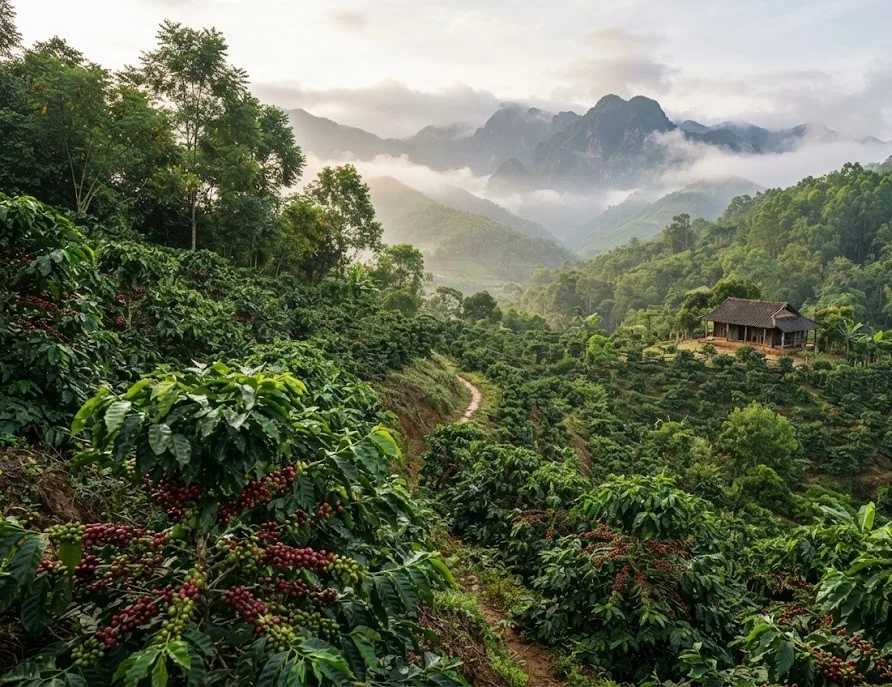
Da Nang’s coffee scene is a blend of tradition and innovation. Over the years, the region has transformed from small-scale cultivation to a thriving industry that attracts both local and international visitors. The landscape features lush hillsides dotted with coffee trees, offering breathtaking views and a refreshing escape from urban life.
Da Nang’s coffee industry contributes significantly to the local economy, with an estimated 15% annual growth in coffee tourism over the past five years. This growth is fueled by an increasing number of specialty coffee shops and farms, which have seen a 20% rise in visitor numbers since 2020, according to the Da Nang Department of Tourism.
The History of Coffee Farming in the Da Nang Region
Coffee cultivation in Vietnam dates back to the 19th century when French colonists introduced Arabica and Robusta coffee plants. In Da Nang, the growth of coffee farming has been influenced by both local conditions and global market trends. The region’s climate, characterized by ample rainfall and moderate temperatures, creates ideal conditions for coffee growth.
The first significant coffee plantations in the Da Nang area were established in the early 20th century, primarily focusing on Robusta varieties due to their resilience. Key developments in the local coffee industry include the establishment of cooperatives that promote sustainable practices and the rise of specialty coffee farms. These initiatives have not only improved the quality of coffee produced but also empowered local farmers by providing them with fair prices and access to international markets.
Types of Coffee Farms Surrounding Da Nang
Arabica vs. Robusta: Understanding the Varieties
The two primary coffee varieties grown in the Da Nang region are Arabica and Robusta. Each type has distinct characteristics that appeal to different tastes and preferences.
Arabica coffee, often grown at higher altitudes, accounts for approximately 30% of Vietnam’s total coffee production, while Robusta dominates the remaining 70%.
| Coffee Type | Characteristics | Growing Conditions | Taste Profile |
|---|---|---|---|
| Arabica | Sweeter, more aromatic | Higher elevations (600-2000m) | Fruity, floral notes |
| Robusta | Stronger, more bitter | Lower elevations (200-800m) | Earthy, nutty flavors |
Understanding these differences helps visitors appreciate the diversity of flavors and experiences available at local coffee farms.
Sustainable vs. Conventional Farming Practices
Sustainable farming practices are gaining traction among coffee producers in the Da Nang area. These methods focus on environmental conservation, biodiversity, and fair labor practices. Many farms are now adopting organic farming techniques, reducing chemical inputs, and promoting agroforestry systems that enhance soil health and reduce erosion.
Sustainable coffee farms in the region have reported a 10-15% increase in soil fertility and a 5% reduction in water usage compared to conventional methods. In contrast, conventional farming often relies on chemical fertilizers and pesticides, which can lead to soil degradation and health issues for farmers. As consumers become more environmentally conscious, the demand for sustainably produced coffee continues to rise, encouraging more farmers to transition to eco-friendly practices.
Specialty Coffee Farms and Their Unique Offerings
Several specialty coffee farms around Da Nang are making a name for themselves by producing high-quality coffee with unique flavor profiles. These farms often emphasize artisanal production methods, including hand-picking and meticulous processing techniques. Notable farms in the area include:
- Phuoc Kien Coffee Farm: Known for its award-winning Arabica coffee, this farm offers guided tours and tasting sessions, often featuring unique processing methods like honey and natural.
- Lang Co Coffee Estate: Specializes in Robusta coffee with a chocolatey flavor, providing insights into traditional brewing methods and offering a glimpse into the lives of local farmers.
- Hoa Vang Organic Coffee: Focuses on organic farming, offering visitors a chance to learn about sustainable practices while enjoying fresh, chemical-free coffee. They often host workshops on composting and natural pest control.
Exploring the Coffee Farming Experience
Participating in Coffee Farm Tours: What to Expect
Visiting coffee farms typically includes guided tours, where visitors can learn about the coffee-making process from bean to cup. Activities may involve:
- Walking through coffee plantations to see the trees up close.
- Learning about harvesting techniques and the importance of timing in coffee production.
- Participating in hands-on workshops to understand the roasting process.
Most farm tours last between 2 to 3 hours, providing a comprehensive overview of coffee cultivation. These tours provide an engaging way to connect with the local culture and gain a deeper appreciation for the craft of coffee-making.
Hands-on Coffee Picking and Processing Activities
Many farms offer hands-on experiences where visitors can participate in coffee picking and processing. This activity allows guests to understand the labor-intensive nature of coffee cultivation.
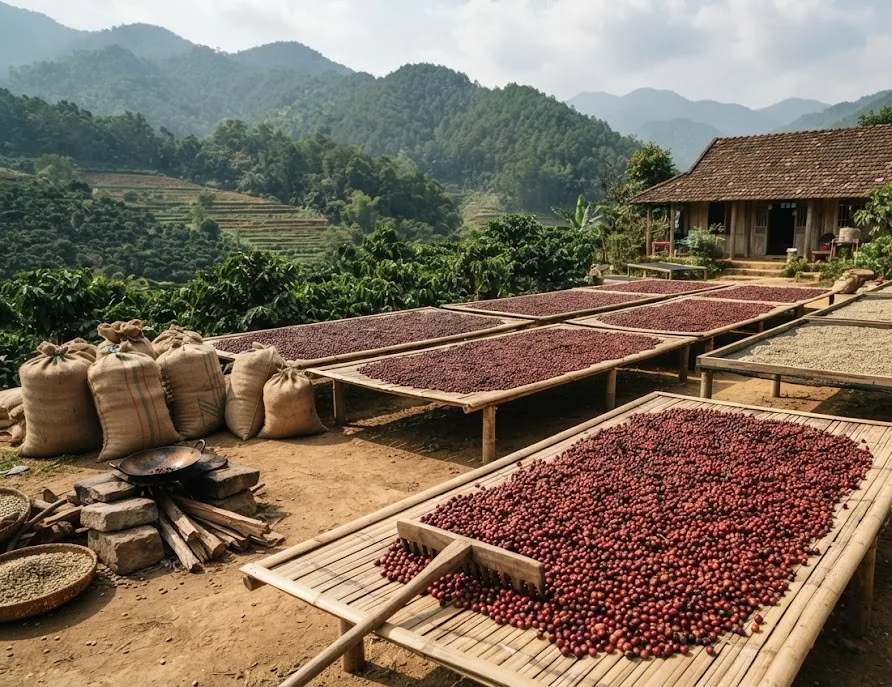
During the harvest season, visitors can join local workers in picking ripe coffee cherries, followed by processing methods such as washing and drying. This immersive experience not only educates visitors but also fosters a sense of community and respect for farmers’ hard work.
Coffee Tasting Sessions: Savoring the Flavors
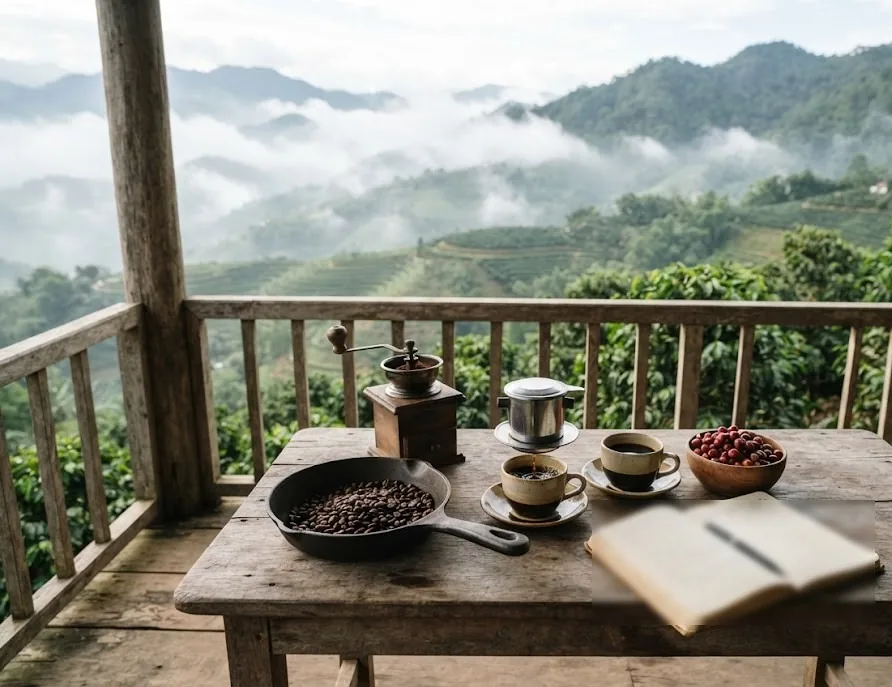
Coffee tasting sessions are a highlight of any visit to a coffee farm. Guests are guided through the tasting process, learning how to identify different flavor notes and aromas. Key aspects to consider during tastings include:
- Smelling the coffee to detect floral and fruity notes.
- Tasting for acidity, body, and sweetness.
- Understanding the impact of brewing methods on flavor.
A typical tasting session involves sampling 3-5 different coffee varieties, allowing for a comparative experience. These sessions provide a sensory journey, allowing visitors to appreciate the rich flavors of Vietnamese coffee.
Best Practices for Visiting Coffee Farms
When is the Ideal Time to Visit?
The ideal time to visit coffee farms in Da Nang is during the harvest season, which typically runs from October to March. This period offers visitors the opportunity to see the vibrant coffee cherries and participate in harvest activities. Additionally, the climate during these months is generally pleasant, making outdoor activities more enjoyable.
Visiting during the harvest season maximizes the chance for hands-on activities and observing the full coffee production cycle.
Packing Tips for a Coffee Farm Adventure
- Comfortable walking shoes for exploring plantations.
- Lightweight clothing suitable for warm weather.
- Reusable water bottle to stay hydrated.
- Camera to capture the stunning landscapes.
- Sun protection (hat, sunscreen) to shield against the sun.
Respecting Local Cultures and Traditions
When visiting coffee farms, it is essential to respect local cultures and traditions. Visitors should be aware of cultural etiquette, such as greeting farmers and asking permission before taking photos. Understanding and appreciating local customs enhances the overall experience and fosters positive interactions with the farming community.
Always ask permission before taking photographs of individuals, and dress modestly when visiting rural communities.
Related on this site
Frequently Asked Questions
What are the best coffee varieties grown in Da Nang?
Arabica and Robusta are the most common coffee varieties grown in Da Nang, each offering distinct flavors and growing conditions.
Can I participate in coffee picking activities?
Yes, many coffee farms offer hands-on experiences, allowing visitors to participate in coffee picking during the harvest season.
What is the ideal time to visit coffee farms in Da Nang?
The harvest season, from October to March, is the best time to visit for an immersive experience.
Are there any specialty coffee farms in Da Nang?
Yes, several specialty coffee farms like Phuoc Kien Coffee Farm and Hoa Vang Organic Coffee focus on high-quality production and unique flavor profiles.
How can I respect local cultures while visiting coffee farms?
Be mindful of local customs, greet farmers, and ask permission before taking photos to foster positive interactions.
Conclusion
Discovering the coffee farms surrounding Da Nang in 2026 provides an enriching experience for both coffee lovers and casual visitors. From hands-on activities to sustainable farming practices, the region offers a unique opportunity to connect with the local coffee culture. By visiting these farms, you not only enjoy high-quality coffee but also support the livelihoods of local farmers.
Part of our guide to places to visit in Da Nang.