Da Nang’s coffee scene is evolving beyond traditional methods. A new wave of artisan roasters is redefining Vietnamese coffee by roasting single-origin beans on-site, hosting structured tasting sessions, and fostering a culture that values traceability and distinct flavor profiles. This guide profiles key roasters and outlines how to plan your own tasting experience in 2026.
Da Nang’s artisan coffee roasters are offering structured tasting experiences that go beyond traditional Vietnamese coffee. Roasteries like Lighthouse Coffee and Dng.coffee now provide cupping sessions and single-origin flights that compare local beans with international varieties. For a comprehensive journey, the Chloé Cà Phê Vietnam Origin Tour (March 9–20, 2026) offers an all-inclusive, multi-day tasting experience. Shorter options include a two-hour hands-on workshop in Hoi An offered by Marriott Bonvoy. This guide details how to find these experiences, what to look for in a quality roaster, and practical advice for visitors.
What Defines an Artisan Coffee Roaster in Da Nang?
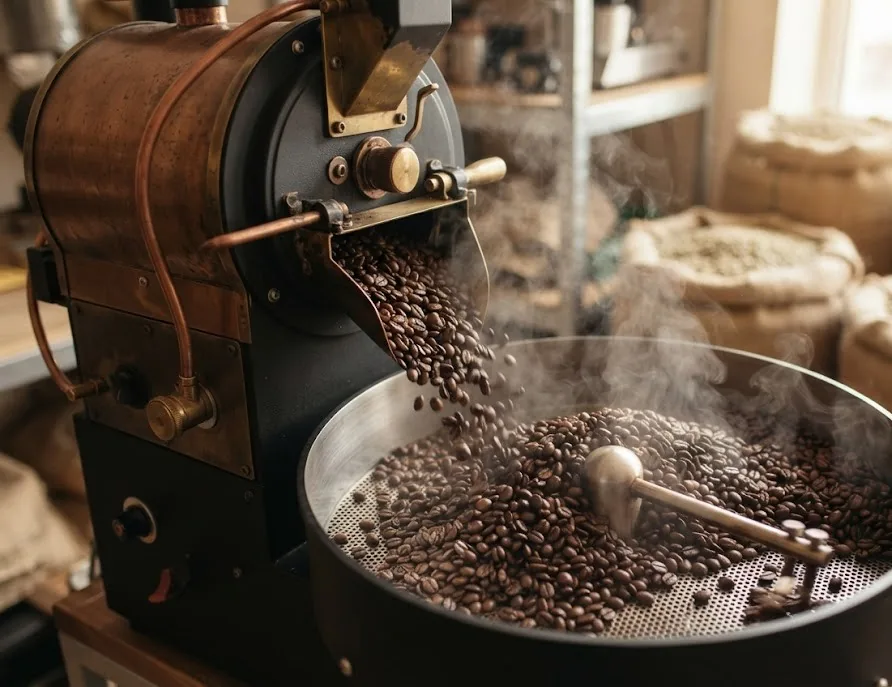
An artisan coffee roaster in Da Nang is characterized by on-site roasting, direct sourcing of beans, and adherence to the Specialty Coffee Association (SCA) 80+ point standard for quality. This standard grades green coffee beans, with scores of 80 or higher qualifying them as “specialty grade.” In Da Nang, this applies to both arabica and high-quality robusta beans sourced from the Central Highlands.
On-site roasting is a primary indicator of an artisan operation, signifying complete control over the roasting process from green bean to final product. Unlike commercial cafes that may source pre-roasted beans from distributors, true artisan roasters manage their own roasting profiles. Lighthouse Coffee, for instance, roasts Vietnamese beans using its own equipment, enabling them to offer tasting flights that compare their locally roasted beans with an imported blend.
Single-origin Vietnamese beans form the foundation of this movement. Artisan roasters collaborate directly with farmers in regions such as Cau Dat (Da Lat) and Khe Sanh (Quang Tri) to procure microlots. These beans can undergo various processing methods, including honey-process or salt fermentation, which contribute to unique flavor characteristics. The table below highlights the key distinctions between artisan and commercial roasters operating in Da Nang.
| Criterion | Artisan Roaster | Commercial Roaster/Cafe |
|---|---|---|
| Bean sourcing | Direct trade with farms, single-origin focus | Bulk supply from distributors |
| SCA score | 80+ points for specialty grade | Typically below 80 points, commodity grade |
| Roasting location | On-site, with visible roasting equipment | Third-party or off-site facility |
| Flavor focus | Origin-specific notes, comparative tasting flights | Consistent blend for broad appeal |
| Customer experience | Cupping sessions, workshops, farm tours | Standard beverage service |
The 2026 Landscape: Da Nang’s Emerging Artisan Roastery Scene
Da Nang’s artisan roastery count increased from 3 in 2026 to 11 in 2026, fueled by a resurgence in tourism and the growing demand from remote workers for specialty coffee experiences.
The arrival of 2.5 million foreign tourists in 2026 (according to Da Nang Tourism Department data) spurred demand for coffee experiences that extend beyond the traditional phin drip. Remote workers, estimated by the Da Nang Coworking Space Association to be around 15,000 monthly visitors, seek out roasteries offering reliable WiFi, ample power outlets, and tasting menus comparable to those found in major international cities. This evolving demographic has encouraged roasteries to expand their offerings beyond Vietnamese filter coffee to include espresso bars featuring rotating single-origin selections.
Several roasteries exemplify a growth trajectory from small-scale beginnings to established venues. Dng.coffee began as a home-roasting project in 2026, utilizing a 1kg sample roaster, and later expanded to a 30-seat tasting room on Nguyen Van Thoai Street in 2026. Their single-origin menu rotates bi-weekly, with March 2026 offerings including a washed typica from Son La and a natural caturra from Khe Sanh. Lu Coffee started as a weekend pop-up at the Da Nang Night Market in 2026 and now operates a 50-seat roastery-cafe on Tran Hung Dao, featuring a visible Probat 12kg roaster. Chloé Cà Phê, established in 2026, focuses on Vietnam Origin Tours that incorporate visits to coffee farms in Lam Dong.
Innovations in processing methods are elevating Vietnamese robusta. Salt fermentation, a technique adapted from chocolate processing, involves fermenting green beans in a saline solution for 48 hours before drying. Lu Coffee’s salt-fermented robusta from Dak Lak received a score of 82 in a blind cupping involving 12 participants, with tasting notes of dark chocolate and sea salt.
These experimental offerings attract discerning tasters willing to pay a premium, with prices for specialty beans reaching 250,000 VND for a 150g bag, double the cost of standard artisan coffee.
Planning Your Tasting Experience: A Step-by-Step Guide
To fully appreciate Da Nang’s coffee culture, book a guided tasting flight comparing Vietnamese and international beans, and consider complementing it with a hands-on workshop.
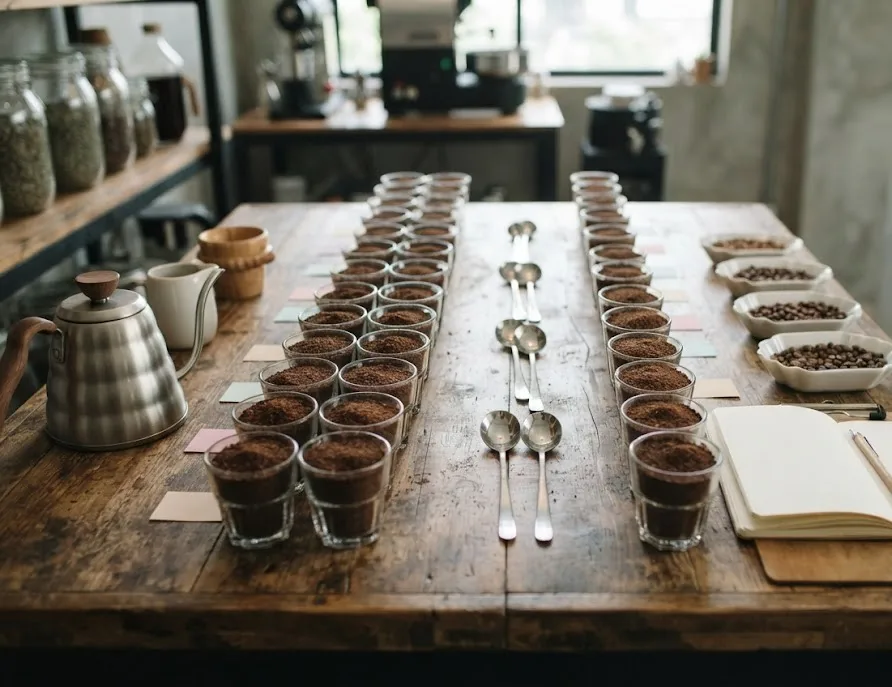
Step 1: Identify roasteries that offer public cupping sessions and provide access to their roasting areas. Lighthouse Coffee hosts public cupping sessions every Wednesday and Saturday at 10 AM, with a capacity of 8 participants. Dng.coffee provides roast-floor tours upon request, allowing visitors to observe their 12kg Giesen roaster and discuss roast profiling. Chloé Cà Phê’s Vietnam Origin Tour includes a cupping of six different regional beans, with participants scoring each using SCA forms.
Step 2: Reserve a guided tasting flight designed to compare Vietnamese and international coffee beans. Lighthouse Coffee’s dual-origin flight (180,000 VND) contrasts a Vietnamese robusta with a Colombian arabica, both roasted to the same development time, illustrating how origin influences flavor more significantly than roast level. Dng.coffee’s flight (150,000 VND) features three Vietnamese single-origin beans processed differently—washed, honey, and natural—to demonstrate variations in body and acidity within the same country of origin.
Step 3: Enhance your tasting experience with a hands-on workshop. The Marriott Bonvoy workshop in Hoi An (requires booking two weeks in advance) includes a phin brewing class followed by a cupping session, lasting approximately 3 hours for 450,000 VND. Chloé Cà Phê’s egg coffee workshop (200,000 VND) teaches the traditional Hanoi recipe, adapted with robusta for a richer crema. Lu Coffee offers coconut coffee workshops (150,000 VND) covering both preparation and presentation techniques.
Step 4: Utilize a simplified SCA cupping form to record your flavor observations. Downloading the SCA Cupping Form template beforehand will assist in evaluating aroma (dry and wet), flavor, aftertaste, acidity, body, balance, sweetness, and overall score on a 1-10 scale. Comparing your scores across different roasteries can reveal patterns; for example, Lighthouse Coffee’s beans may consistently score 1-2 points higher on balance due to their longer development time (12-14 minutes compared to the industry average of 9-11 minutes).
Key Roasteries Offering Structured Tasting Experiences in 2026
Lighthouse Coffee, Dng.coffee, and Lu Coffee exemplify distinct approaches to artisan coffee tasting, offering everything from guided flights to opportunities for self-guided exploration.
Lighthouse Coffee (84 Nguyen Van Thoai Street, Son Tra) features a roastery with dual-origin tasting flights as its primary offering. The 12kg Giesen roaster is visible from the main seating area, allowing patrons to observe the roasting process. Their Campos comparison flight (200,000 VND) contrasts a Vietnamese robusta with Campos’ Colombian single-origin, both roasted on-site. The Vietnamese bean scores higher in body (7.5 vs. 6.5), while the Colombian excels in acidity (8 vs. 6). The establishment is open daily from 7 AM to 6 PM, with cupping sessions scheduled at 10 AM on Wednesdays and Saturdays.
Dng.coffee (42 Nguyen Van Thoai Street, Ngu Hanh Son) provides a minimalist workspace environment with a rotating selection of single-origin espresso. Their menu changes every two weeks; March 2026 offerings included a washed typica from Son La (light roast, green apple notes) and a natural caturra from Khe Sanh (medium roast, chocolate notes). While formal cupping sessions are not scheduled, baristas offer a 15-minute guided tasting at the bar for an additional 50,000 VND. The cafe is open daily from 7 AM to 9 PM, with an average WiFi speed of 50 Mbps, suitable for remote work.
Lu Coffee (120 Tran Hung Dao Street, Son Tra) highlights hyper-local Vietnamese beans with an emphasis on diverse processing methods. Their menu features washed, honey-process, natural, and salt-fermented robusta sourced from Dak Lak and Khe Sanh farms within a 200km radius. The coconut coffee workshop (150,000 VND) teaches the Da Nang-style preparation using a robusta base, coconut cream, and crushed ice. Lu Coffee also sells green beans (100,000 VND per kg) for home roasters. They are open daily from 7 AM to 10 PM, with an English menu accessible via QR code.
How to Evaluate a Roaster’s Quality Before You Visit
Look for visible roasting equipment, inquire about specific roast dates, and check for SCA-certified staff to distinguish genuine artisan roasters from those relying on marketing alone.
- Visible roasting equipment: A roastery that does not display its roasting machinery or lacks on-site equipment likely sources pre-roasted beans. Authentic artisan roasters showcase their roasters; Lighthouse Coffee’s Giesen is prominently featured, and Dng.coffee has a sample roaster near its entrance.
- Roast date transparency: Always ask for the exact roast date rather than a “best before” indication. Artisan roasters typically print batch numbers and dates on their packaging. Lighthouse Coffee’s bags, for example, show “Roasted: 15 Mar 2026, Batch LH-0315.” Coffee beans lose optimal flavor after 14 days, so avoid those roasted more than 21 days prior.
- SCA-certified staff: The presence of Q-Graders, certified by the Coffee Quality Institute, indicates a strong commitment to quality control. Chloé Cà Phê employs two Q-Graders who lead their cupping sessions. Lighthouse Coffee’s head roaster holds an SCA Roasting Professional certification (Level 2).
- Batch size: Inquire about the roasting batch size. Artisan roasters typically work with batches of 5-15 kg, allowing for greater control. Commercial roasters often use much larger batches (60+ kg), which can compromise precision for volume.
- Origin transparency: A knowledgeable barista should be able to identify the specific farm or cooperative where the beans were sourced. XLIII Coffee’s menu provides detailed origin information, including farm names and elevation. Chloé Cà Phê’s Q-Grader-led cupping sessions (200,000 VND, Sundays at 11 AM) include a map indicating the origin of each bean. This level of detail differentiates roasteries focused on craft from those treating coffee as a mere commodity.
XLIII Coffee (86 Nguyen Van Linh Street) exemplifies origin transparency, listing farm names (e.g., “Khe Sanh Farm A — Mr. Tran Van Minh”), elevation, processing method, and SCA score on its menu. Chloé Cà Phê’s Q-Grader-led cupping sessions (200,000 VND, Sundays at 11 AM) include a farm map showing where each bean was grown. These details distinguish roasteries that treat coffee as a commodity from those dedicated to the craft.
Important Considerations for First-Time Tasting Visitors
To ensure an accurate tasting experience, avoid strong flavors beforehand, confirm the availability of English-speaking staff, and plan your visit for the morning hours.
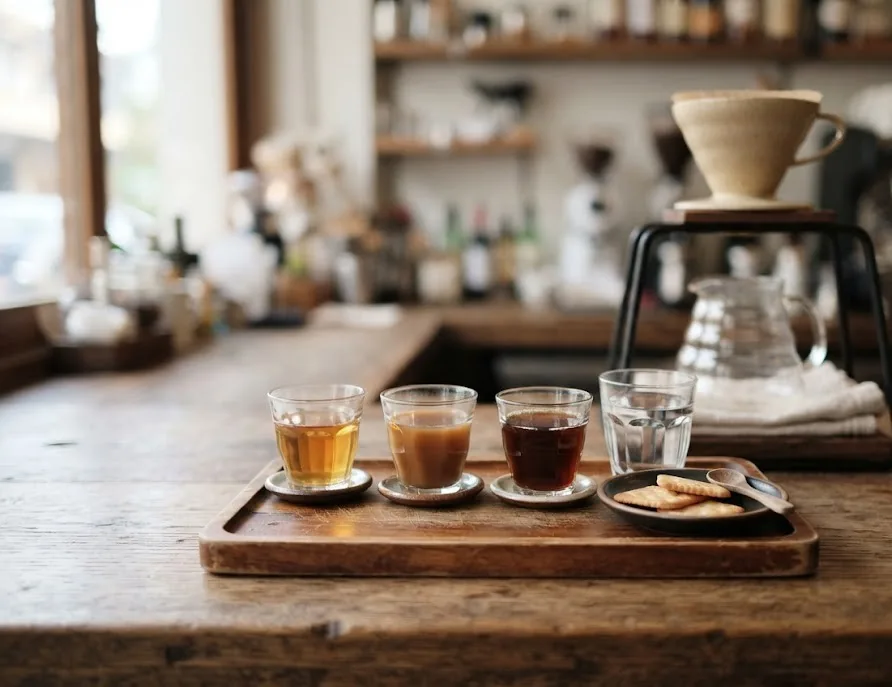
Palate preparation is essential for discerning subtle flavor notes. Refrain from smoking, consuming spicy foods, or drinking strong coffee for at least 30 minutes prior to a cupping session. Drink only room-temperature water; Lighthouse Coffee provides sparkling water and plain crackers to help cleanse the palate between samples. If you have recently brushed your teeth, wait at least 15 minutes, as toothpaste residue can affect flavor perception.
Language accessibility varies among roasteries. Lighthouse Coffee employs two English-speaking baristas, one with Australian-Vietnamese heritage and another certified at CEFR B2 level. Dng.coffee’s staff possess basic English proficiency, sufficient for explaining brew methods but potentially limited for in-depth tasting discussions. For Lu Coffee’s Vietnamese-only menu, Google Translate’s camera function can be helpful. Chloé Cà Phê offers English-led cupping sessions on Sundays with a dedicated translator.
The timing of your visit can impact crowd levels and the attention you receive. Morning hours (7-10 AM) are typically quieter at Dng.coffee and Lu Coffee, allowing for more personalized interaction with the roaster. Lighthouse Coffee’s cupping sessions at 10 AM on Wednesdays and Saturdays often fill up three days in advance due to their limited capacity of 8 participants. It is advisable to avoid visiting between 11 AM and 2 PM, when lunch crowds are at their peak across most establishments. Booking tasting flights at least 24 hours in advance is recommended to ensure the roaster has the specific beans you wish to compare available.
Related on this site
- Da Nang’s Best Tea Houses: A Calm Retreat in 2026
- Discovering the Coffee Farms Surrounding Da Nang 2026
Frequently Asked Questions
What is the average price of a tasting flight in Da Nang?
Tasting flights typically range from 150,000 to 200,000 VND for three to four samples. Lighthouse Coffee’s dual-origin flight is priced at 180,000 VND, while Dng.coffee’s three-bean flight costs 150,000 VND. Chloé Cà Phê’s six-bean cupping session is 200,000 VND. Workshops focusing on egg coffee, coconut coffee, or phin brewing are additional, costing between 150,000 and 250,000 VND.
Can I buy green beans directly from roasters in Da Nang?
Yes, several roasters offer green beans for purchase. Lu Coffee sells green beans at 100,000 VND per kg (minimum 1kg purchase). Dng.coffee provides green beans from their current single-origin selection at 120,000 VND per kg. Lighthouse Coffee requires advance notice of three days for green bean purchases. Chloé Cà Phê’s Vietnam Origin Tour includes the option to buy green beans directly from farms, priced at 80,000 VND per kg for robusta and 150,000 VND per kg for arabica.
Are there any roasteries that offer roasting workshops for tourists?
Chloé Cà Phê provides a half-day roasting workshop (500,000 VND) covering green bean selection, roast profiling, and cupping one’s own batch, with a maximum of 4 participants. Lighthouse Coffee is planning to introduce roasting workshops in Q2 2026, though this is not yet confirmed as of March 2026. Marriott Bonvoy’s Hoi An workshop itinerary includes a roasting demonstration but does not offer hands-on participation.
How do Da Nang’s artisan roasters compare to those in Saigon or Hanoi?
Da Nang’s artisan coffee scene is smaller, with approximately 11 roasteries compared to over 40 in Saigon, but it exhibits a stronger focus on Vietnamese single-origin beans. While Hanoi’s scene leans towards traditional preparations like egg coffee and phin drip, Da Nang is actively experimenting with processing methods such as salt fermentation and honey-process.
What should I bring to a cupping session?
It is advisable to bring a notebook and pen for recording flavor notes, as most roasteries do not provide SCA forms. A smartphone with Google Translate installed can be useful for navigating Vietnamese-only menus. Avoid wearing strong perfumes or colognes, as they can interfere with aroma evaluation. Carrying cash (VND) is also recommended, as some establishments may charge card fees or have minimum transaction requirements.
Can I visit roasteries without booking a tasting flight?
Yes, all three featured roasteries operate as cafes with standard menus. Visitors can order individual beverages like espresso (30,000-50,000 VND) or pour-over (50,000-80,000 VND) without a prior booking. However, structured tastings and workshops require advance reservation. Lighthouse Coffee’s cupping sessions, for instance, tend to fill up three days in advance, making walk-in availability for these experiences unreliable, especially on weekends.
Are there any roasteries near Da Nang’s tourist beaches?
Lu Coffee is located 500 meters from My Khe Beach, a short 7-minute walk. Dng.coffee is 1.2 km from the beach, approximately a 15-minute walk. Lighthouse Coffee is situated 1 km from the beach. All three are conveniently within walking distance of the main beachfront hotels in Son Tra.
Conclusion: Your Next Steps
Da Nang’s artisan coffee roasters provide a unique avenue to experience Vietnamese coffee at its highest quality. Begin your exploration at Lighthouse Coffee with a dual-origin tasting flight, then discover the rotating single-origin options at Dng.coffee and Lu Coffee. Booking workshops in advance is recommended, particularly for the Chloé Cà Phê Vietnam Origin Tour or the Marriott Bonvoy workshop in Hoi An.
- Research roasteries offering open cupping sessions and book your tasting flight at least one week in advance.
- Prepare your palate by avoiding strong flavors before each tasting session.
- Document your flavor notes using a simple SCA cupping form to compare beans across different roasteries.
Part of our guide to places to visit in Da Nang.