Da Nang is known for its sandy beaches and bustling food scene, but a quieter creative movement is taking root in its alleyways and hillside villas. A growing network of private art studios, run by both Vietnamese and international artists, now opens their doors to visitors who want more than a gallery walk-through. Da Nang’s Hidden Art Studios: Meet Local Artists and See Their Work 2026 is your guide to discovering these workspaces, meeting the makers, and experiencing the city’s contemporary art culture firsthand.
Over a dozen private art studios in Da Nang now welcome visitors by appointment or during open days, offering a direct look at the creative process. From a ceramics workshop at the foot of Marble Mountains to a photography studio with a rooftop gallery in An Thuong, these spaces let you buy art directly from the creator. This guide covers 7 specific studios, how to plan your self-guided tour, and what to expect when you step inside a working artist’s sanctuary.
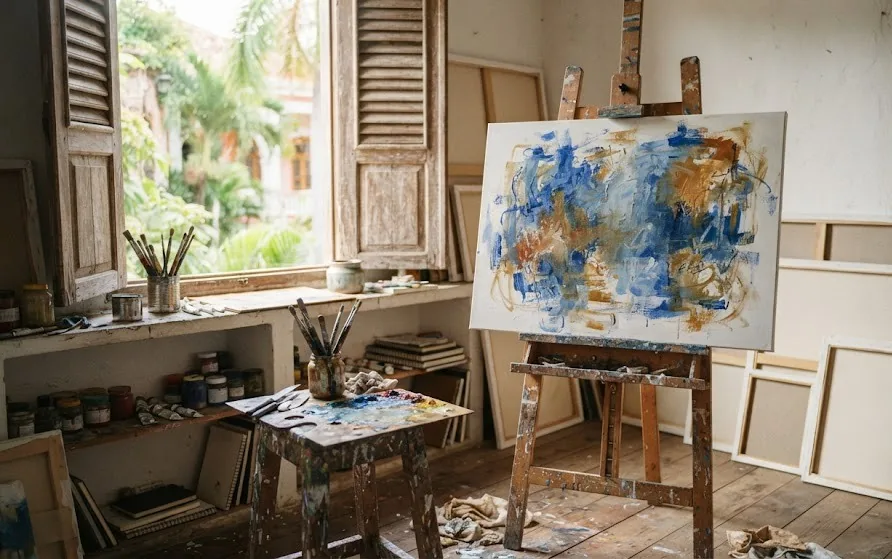
Da Nang’s Hidden Art Scene: More Than Just Beaches and Food
Why Da Nang is Becoming a Hub for Vietnamese and International Artists
Da Nang offers a lower cost of living than Hanoi or Ho Chi Minh City, combined with a growing community of creative professionals. The city’s central location—between the imperial heritage of Hue and the ancient town of Hoi An—provides a steady stream of visual inspiration. Art collectives and expat artist communities have formed organically around shared workspaces and residencies. The Experiment Residency, for instance, recently hosted a cohort of Vietnamese and international artists for a month-long program in early 2026, culminating in an open studio event.
This influx has turned Da Nang into a practical base for artists who want space to experiment without the pressure of a major capital city’s art market.
What Makes a Studio “Hidden”? The Concept of Private Workspaces Open to the Public
A hidden art studio is not a commercial gallery with fixed hours and a sales counter. It is a private workspace—often a converted garage, a room in a family home, or a rented villa—where the artist creates and occasionally receives guests. Some studios are open by appointment only, while others participate in monthly art walks or residency open days. The appeal lies in the rawness of the experience: you see unfinished canvases, stacks of sketchbooks, and tools caked with dried paint. You meet the artist in their natural environment, not on a polished gallery floor.
This format is common among emerging and mid-career artists in Da Nang who prefer direct sales over gallery commissions.
7 Hidden Art Studios in Da Nang You Can Visit in 2026
Studio 1: A Painter’s Sanctuary in Son Tra
Located on a quiet lane off Tran Hung Dao Street in the Son Tra district, this studio belongs to a Vietnamese painter known for large-scale oil-on-canvas works that explore coastal life. The space is a converted ground-floor garage with natural light streaming through a wide window. Visitors can watch the artist work on commissions or personal series, and purchase original pieces starting at around 2 million VND for smaller works. The artist is fluent in basic English and enjoys explaining how the region’s fishing communities influence her color palette.
Studio 2: Ceramics and Pottery in the Marble Mountains Foothills
At the base of the Marble Mountains, a family-run ceramics studio produces stoneware using local clay sourced from the surrounding hills. The workspace includes a kick wheel, a wood-fired kiln, and shelves of glazed bowls, vases, and tea sets. The owner, a third-generation potter, offers short demonstration sessions for visitors. Prices for finished pieces range from 150,000 VND for a small cup to over 1 million VND for a large serving platter. The studio is open Tuesday through Saturday from 9 AM to 4 PM.
Studio 3: Mixed-Media Art in a Renovated French Villa
A French expat artist runs this mixed-media studio from a renovated colonial villa in the Hai Chau district. The work combines acrylic paint, found objects, and digital prints on canvas. The villa’s high ceilings and original tile floors create a gallery-like atmosphere. The artist hosts open studio sessions once a month, usually on the first Saturday. Visitors can browse a permanent collection of 20-30 pieces and commission custom works. The studio accepts bank transfers and has experience shipping artwork internationally.
Studio 4: Lacquerware and Traditional Vietnamese Art in Hai Chau
Tucked inside a narrow alley on Le Duan Street, this studio specializes in lacquerware—a traditional Vietnamese art form using resin, eggshell, and gold leaf on wooden panels. The artist, a graduate of the Hue University of Fine Arts, has been practicing for over 15 years. The workspace contains drying racks, grinding stones, and dozens of finished panels at various stages. Visitors can see the entire process from sanding to polishing. A small lacquer painting costs around 800,000 VND, while larger wall pieces can reach 5 million VND. Cash is preferred, though some buyers arrange bank transfers.
Studio 5: A Photography Studio with a Rooftop Gallery in An Thuong
In the expat-heavy An Thuong area, a Vietnamese photographer has converted the top floor of his townhouse into a gallery and workspace. The studio features black-and-white documentary prints focused on street life in Da Nang and the surrounding rural provinces. The rooftop offers a 360-degree view of the city skyline, and the artist often hosts small evening gatherings with other local photographers. Prints are sold unframed at 500,000 VND each. The studio is open by appointment, with availability listed on the artist’s Instagram page.
Studio 6: Abstract and Contemporary Art in a Quiet Alley of Ngu Hanh Son
This studio, located in a quiet alley of the Ngu Hanh Son district, belongs to a young Vietnamese artist working primarily with acrylic and mixed media on large canvases. The style is abstract, with bold geometric shapes and muted earth tones. The workspace is small—about 30 square meters—but packed with canvases leaning against every wall. The artist prefers visitors to contact her via Facebook Messenger before coming. Prices for original works start at 1.5 million VND. She also accepts commissions for custom-sized pieces.
Studio 7: A Shared Studio Space for 5 Emerging Artists in Cam Le
In the Cam Le district, a collective of five emerging artists shares a rented house with a garden. Each artist has a dedicated corner for their practice, which ranges from watercolor illustration to textile art and sculpture. The collective hosts an open day every last Sunday of the month, where visitors can walk through the house, meet each artist, and buy works directly. Prices are generally lower than in city-center studios, with many pieces under 500,000 VND. The collective also runs a small workshop space in the garden for weekend classes.
How to Plan Your Self-Guided Art Studio Tour in Da Nang
Best Time to Visit: Weekday Mornings vs. Weekend Afternoons
Start your tour at 9 AM to avoid the midday heat, especially if you plan to walk or cycle between studios. Weekday mornings are ideal for one-on-one conversations with artists who are less busy. Weekend afternoons, particularly Saturdays, often coincide with open studio events and monthly art walks in the city center. Check each studio’s social media page or contact them directly to confirm availability before you head out. Some studios close for lunch between 12 PM and 1:30 PM.
Transportation Options: Motorbike, Grab, or Bicycle for a Scenic Route
Use Grab to travel between studios in Hai Chau and Son Tra if you are not comfortable driving a motorbike. The fare between districts typically costs 30,000 to 60,000 VND per trip. Renting a bicycle is a good option for the flat route between the Marble Mountains foothills and Ngu Hanh Son, where the roads are quieter. For the Cam Le studio, a motorbike is more practical because public transport is limited. If you rent a motorbike, park it on the sidewalk or in a designated lot—some studio owners will guide you to a safe spot.
Using Google Maps and Instagram to Find Pop-Up Studio Openings
Many hidden studios do not have a permanent street sign. Save the exact Google Maps pin from the artist’s Instagram bio or Facebook page before you go. Follow hashtags like #DanangArtStudio and #DanangArtist on Instagram to discover pop-up exhibitions and last-minute open studio events. The Experiment Residency and local art collectives often post open call and open day announcements on Instagram Stories. Set up a notification for these accounts so you do not miss a weekend event.
What to Expect When You Meet a Local Artist at Their Studio
The Conversation: How Artists Share Their Creative Process and Inspirations
Artists in Da Nang are generally open to discussing their work, but the conversation often starts informally. Many offer tea or coffee before diving into their portfolio. Expect to hear about the artist’s training, the materials they use, and how the local environment shapes their subject matter. Some artists have an English-language portfolio book or a tablet with images of past exhibitions. If the artist speaks limited English, a translation app on your phone works well for basic questions about technique and price.
The Workspace: Seeing Raw Materials, Unfinished Pieces, and Tools Up Close
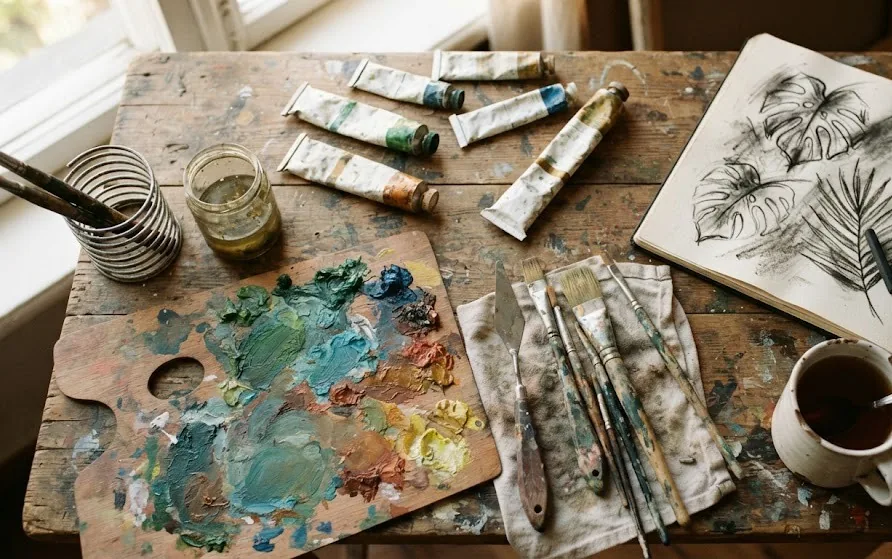
A studio visit reveals what a gallery hides: the mess, the experiments, and the works in progress. You might see a stack of rejected canvases, a palette with dried paint, or a shelf of clay samples waiting to be fired. This is the best part of the experience. Ask about the tools—a specific brush, a pottery rib, or a carving knife—and the artist will likely explain its function and why they prefer it. Do not touch any artwork or tool without explicit permission.
Buying Art Directly: Pricing, Payment Methods, and Shipping Options
Buying directly from the studio removes the gallery markup, so prices are typically 20-40% lower than what you would see in a commercial gallery. Cash is preferred at most studios, but some accept bank transfers or international payment apps. For larger pieces, ask about shipping. Some artists have experience packing and sending artwork via Vietnam Post or courier services. Shipping costs for a medium-sized canvas to the US or Europe usually range from $30 to $80. Always request a receipt or a written confirmation of the transaction.
Beyond the Studio: Art Events and Workshops in Da Nang for 2026
Monthly Art Walks and Gallery Openings in the City Center
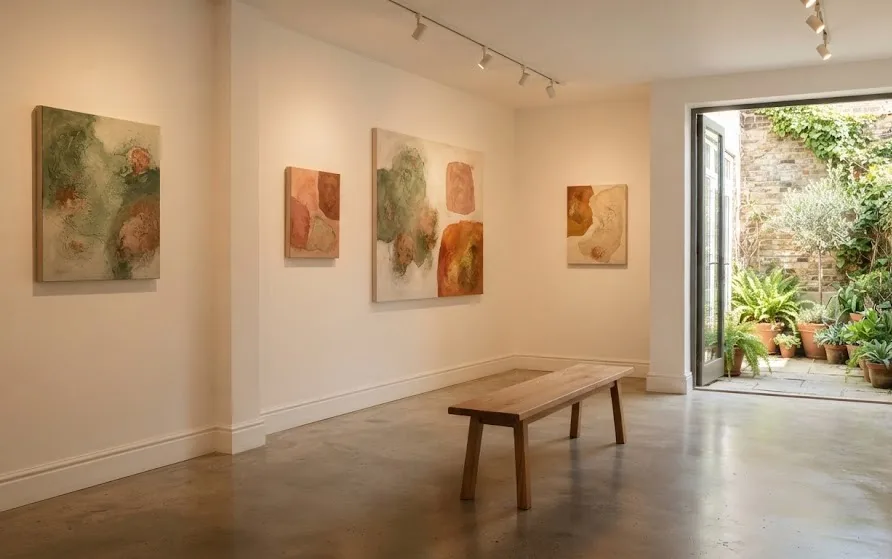
The Da Nang Art Walk, organized by a collective of local gallery owners and studio artists, takes place on the first Friday of each month. Participants can walk between 4-6 participating venues in the Hai Chau and Son Tra, with each stop featuring a new exhibition or a live demonstration. The event is free and typically runs from 5 PM to 8 PM. Follow the official Da Nang Art Walk Instagram account for the updated list of venues each month.
Weekend Pottery and Painting Workshops for Beginners and Expats
Several studios offer hands-on workshops for visitors who want to create rather than just observe. The ceramics studio near Marble Mountains runs a 2-hour pottery workshop every Saturday morning for 350,000 VND per person, including materials and firing. A painting workshop in An Thuong, hosted by a local expat artist, costs 400,000 VND and covers basic acrylic techniques. These workshops are beginner-friendly and conducted in English. Book at least 24 hours in advance, as class sizes are limited to 6-8 participants.
Artist Residencies and Open Studio Days (Look for the “2026” Event Tags)
The Experiment Residency in Da Nang hosts two cohorts per year, with open studio days at the end of each session. The first 2026 cohort runs from February 15 to March 15, with an open day scheduled for the final weekend. The second cohort typically runs in the fall. Other residencies, such as those organized by local art collectives, announce open days through Instagram posts tagged with the year. Search for “2026 open studio Da Nang” on Instagram to find upcoming events.
Practical Tips for Respectful Studio Visits in Vietnam
Understanding Studio Etiquette: Asking Before Photographing Artwork
Always ask for permission before taking photos of the artwork or the workspace. Some artists are comfortable with photos for personal use but may request that you do not post high-resolution images online. If you want to share the visit on social media, ask the artist for their preferred handle so you can tag them. Do not touch any artwork, tools, or materials unless the artist explicitly invites you to do so.
Language Barriers: Common Vietnamese Phrases for Art Lovers
Learning a few basic Vietnamese phrases shows respect and helps bridge communication gaps. Say “Cảm ơn” (Thank you) after the visit. If you want to express appreciation for a piece, say “Đẹp quá” (Very beautiful). To ask about the price, say “Bao nhiêu tiền?” (How much?). Most artists in the studio scene understand basic English numbers and currency, but speaking a few words of Vietnamese will make the interaction warmer.
Tipping and Gift-Giving Customs When Visiting an Artist’s Home
If the studio is inside the artist’s home, it is customary to bring a small gift. A piece of fruit, a box of pastries, or a bag of good-quality coffee is appreciated. Tipping is not expected, but if you purchase a piece and are very satisfied, you can round up the payment as a gesture of goodwill. Do not haggle aggressively over prices—studio prices are already lower than gallery prices, and the artist has set them based on their time and material costs.
Related on this site
Frequently Asked Questions
Do I need to make an appointment to visit a hidden art studio in Da Nang?
Most studios prefer an appointment made at least one day in advance via Instagram direct message or Facebook Messenger. A few studios, such as the ceramics workshop near Marble Mountains, are open to walk-ins during listed hours.
How much does it cost to visit a studio?
Studio visits are generally free. Workshops and guided tours may have a fee ranging from 200,000 to 500,000 VND per person. Purchasing artwork is optional.
Can I buy artwork directly from the studio and take it home immediately?
Yes, for smaller pieces like prints, small paintings, or ceramic items. Larger works may need to be packed or shipped. Confirm with the artist before paying.
Are the studios suitable for children?
Some studios welcome children, especially the ceramics and pottery workshops. Other studios with fragile artwork or sharp tools may not be suitable for young children. Check with the studio in advance.
What is the best way to find pop-up studio events in Da Nang?
Follow local art collectives and the Experiment Residency on Instagram. Search for hashtags like #DanangArtWalk and #DanangOpenStudio. Monthly art walks are a reliable way to discover new studios.
Do the artists speak English?
Many artists in Da Nang’s studio scene speak basic to intermediate English. The expat-run studios and those in the An Thuong area are more likely to have fluent English speakers. A translation app is a useful backup.
Is it safe to visit studios in residential areas as a solo traveler?
Yes. The studio neighborhoods—Son Tra, Hai Chau, Ngu Hanh Son, and Cam Le—are safe for solo travelers during daylight hours. Use Grab for transportation and share your location with a friend or hotel staff.
Next Steps
Da Nang’s hidden art studios offer a direct, unfiltered connection to the city’s creative pulse. Instead of browsing a curated gallery, you step into the artist’s daily workspace, see the half-finished pieces, and hear the story behind each brushstroke or clay mold. Start your exploration by saving the Google Maps pins for the 7 studios listed above, then check their Instagram pages for open hours and upcoming events. If you are visiting during the first weekend of the month, plan your schedule around the Da Nang Art Walk to discover even more local talent.
For a deeper dive into Da Nang’s creative side, explore our guide to cultural festivals and events in 2026, or pair your studio tour with a visit to the city’s best vintage and thrift stores for a full day of creative discovery.
Part of our guide to places to visit in Da Nang.