Da Nang’s Gluten-Free Dining: Safe and Delicious Choices 2026 isn’t just a list of restaurants — it’s a survival blueprint for celiac travelers and anyone sensitive to gluten who wants to explore Vietnam’s food capital without fear. The city has quietly built one of Southeast Asia’s most accommodating gluten-free scenes, with dedicated bakeries, allergy-aware cafes, and naturally wheat-free dishes that make eating out feel like an adventure rather than a medical risk. This guide covers the exact phrases you need, the dishes that are safe, the spots that get it right, and the cross-contact traps that could ruin your trip.
Da Nang in 2026 offers celiac travelers something rare: dedicated gluten-free bakeries like Whiskie Danang Healthy Bakery, allergy-aware restaurants like Roly Poly, and a Vietnamese cuisine that naturally leans on rice, tapioca, and fresh herbs. The key is knowing where gluten hides — soy sauce, fried shallots, and shared frying oil — and having the right Vietnamese phrases to communicate your needs.
Why Da Nang Is a Hidden Gem for Gluten-Free Travelers in 2026
Vietnamese cuisine is built on rice, not wheat. Rice noodles (bún, phở, hủ tiếu), rice paper, and rice flour form the backbone of most meals, which gives you a massive advantage over traveling in countries where wheat dominates. The challenge isn’t finding food — it’s finding food that hasn’t touched soy sauce, fish sauce with wheat additives, or shared frying oil.
How Vietnamese cuisine naturally avoids wheat — and where it sneaks in
Traditional Vietnamese cooking uses fish sauce, lime, sugar, and fresh herbs as its flavor base — none of which contain gluten. Dishes like gỏi cuốn (fresh spring rolls), bún chả (grilled pork with rice noodles), and cơm tấm (broken rice) are naturally wheat-free. But gluten sneaks in through a few common channels: soy sauce (nước tương) used in marinades, fried shallots dusted with flour, and imitation crab or processed fish cakes that use wheat as a binder. Banh mì, the beloved Vietnamese sandwich, is obviously off-limits — but the fillings inside are often safe if you skip the bread.
The 2026 shift: dedicated gluten-free bakeries, vegan cafes, and allergy-aware restaurants
Da Nang’s food scene has evolved rapidly. What was once a city where gluten-free meant “just eat rice” is now home to places like Whiskie Danang Healthy Bakery, where you can order a cinnamon roll without checking the ingredient list twice. Vegan cafes like Roots Plant-based Cafe have embraced gluten-free as a standard practice, and restaurants like Roly Poly Da Nang explicitly train staff on cross-contact protocols. This shift mirrors a broader trend across Vietnam’s tourist hubs — the demand from Western travelers has created supply, and 2026 is the sweet spot where options are plentiful but not yet overcrowded.
The Only Vietnamese Phrases You Need to Stay Gluten-Free in Da Nang
You don’t need to become fluent in Vietnamese to eat safely. You need about five phrases and a printed card. The single most important sentence is “Tôi bị dị ứng gluten” (I have a gluten allergy). Even if your pronunciation is rough, the effort signals to staff that this is a serious medical issue, not a preference.
A printable Vietnamese allergy card: “Tôi bị dị ứng gluten” and what to say next
Print or save this on your phone: “Tôi bị dị ứng gluten. Tôi không thể ăn bánh mì, bột mì, nước tương, hoặc đồ chiên dùng chung dầu.” Translated: “I have a gluten allergy. I cannot eat bread, wheat flour, soy sauce, or fried food cooked in shared oil.” Show this card first, then follow up with the questions below. The card works best when paired with a translation app for any unexpected follow-up questions about your condition.
5 questions to ask servers about soy sauce, fish sauce, and fried oil
These questions will handle 90% of your dining situations in Da Nang:
- “Món này có nước tương không?” — Does this dish have soy sauce?
- “Nước mắm này có bột mì không?” — Does this fish sauce contain wheat flour?
- “Dầu này có chiên bánh mì không?” — Is this oil used to fry bread?
- “Món này có bột mì không?” — Does this dish contain wheat flour?
- “Có thể làm món này không nước tương được không?” — Can you make this dish without soy sauce?
Pair these with the allergy card and you’ve covered the main risk points: sauces, flour, and shared fryers. The fried oil question is especially important because many street stalls use one wok for everything — spring rolls and banh mì alike.
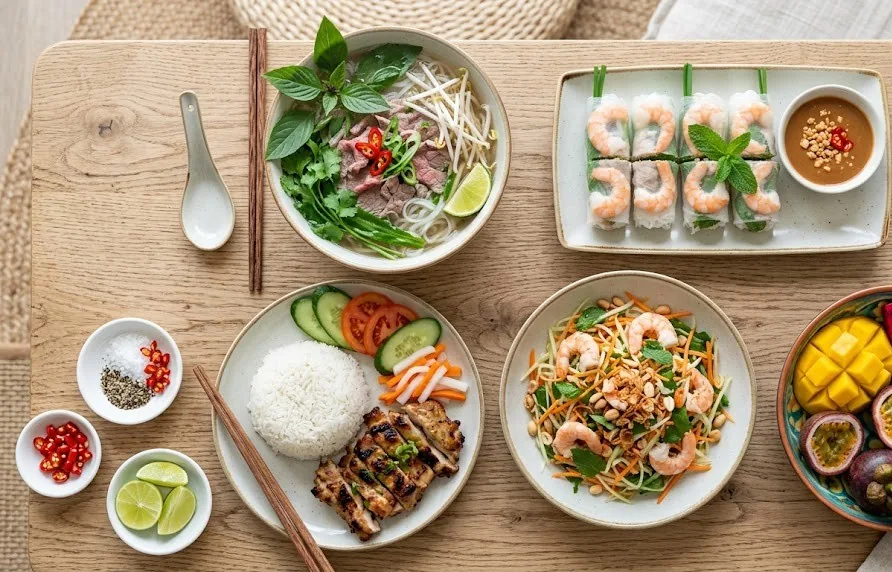
Naturally Gluten-Free Vietnamese Dishes to Eat Without Worry
Knowing which dishes are inherently safe gives you the confidence to explore beyond the tourist restaurants. Here’s your cheat sheet for what to order and what to question.
Safe picks: phở (verify broth), bún, hủ tiếu, gỏi cuốn, and cơm tấm
Phở is your safest bet — rice noodles in a broth that typically contains only beef or chicken bones, star anise, cinnamon, and fish sauce. Just verify the broth doesn’t have soy sauce added (rare but possible in tourist areas). Bún dishes, like bún thịt nướng (grilled pork with vermicelli), are rice noodles topped with grilled meat, fresh herbs, and a fish sauce dressing — naturally gluten-free. Hủ tiếu uses tapioca-based noodles, and gỏi cuốn is the ultimate safe choice: shrimp, pork, herbs, and rice paper with a peanut dipping sauce (just ask if the sauce has soy).
Cơm tấm, broken rice with grilled pork and a fried egg, is a hearty meal that skips wheat entirely.
Hidden gluten traps: soy sauce marinades, fried shallots, and imitation crab
Three ingredients cause most accidental gluten exposure in Vietnamese food. Soy sauce marinades appear in grilled dishes at some restaurants — always ask. Fried shallots, sprinkled on top of many dishes, are often dusted with wheat flour before frying. Imitation crab, used in some salads and rolls, contains wheat starch as a binder. A quick “có bột mì không?” (does this have wheat flour?) covers all three.
How to order bún chả and bánh xèo safely — the cross-contact question
Bún chả is grilled pork patties served with rice noodles and a dipping sauce — the pork is naturally gluten-free, but the sauce sometimes gets a splash of soy. Ask for the sauce on the side and add it yourself. Bánh xèo, the crispy Vietnamese pancake, is made from rice flour and turmeric — but the batter is often cooked in the same pan as wheat-based items. Ask “bánh xèo này có bột mì không?” (does this pancake have wheat flour?) and specifically request it be cooked in a clean pan with fresh oil.
| Dish | Gluten Status | What to Ask |
|---|---|---|
| Phở (beef/chicken noodle soup) | Safe — rice noodles | “Nước dùng có nước tương không?” |
| Bún thịt nướng (grilled pork vermicelli) | Safe — rice noodles | “Nước mắm có bột mì không?” |
| Hủ tiếu (tapioca noodle soup) | Safe — tapioca noodles | Verify broth ingredients |
| Gỏi cuốn (fresh spring rolls) | Safe — rice paper | “Sốt đậu phộng có nước tương không?” |
| Cơm tấm (broken rice with pork) | Safe — rice base | Check marinade for soy sauce |
| Bánh xèo (crispy pancake) | Usually safe — rice flour | “Chiên bằng chảo sạch, dầu mới được không?” |
| Chả giò (fried spring rolls) | Risky — wrapper may contain wheat | “Vỏ chả giò có bột mì không?” |
| Bánh mì (Vietnamese sandwich) | Not safe — wheat bread | Skip entirely or ask for filling without bread |
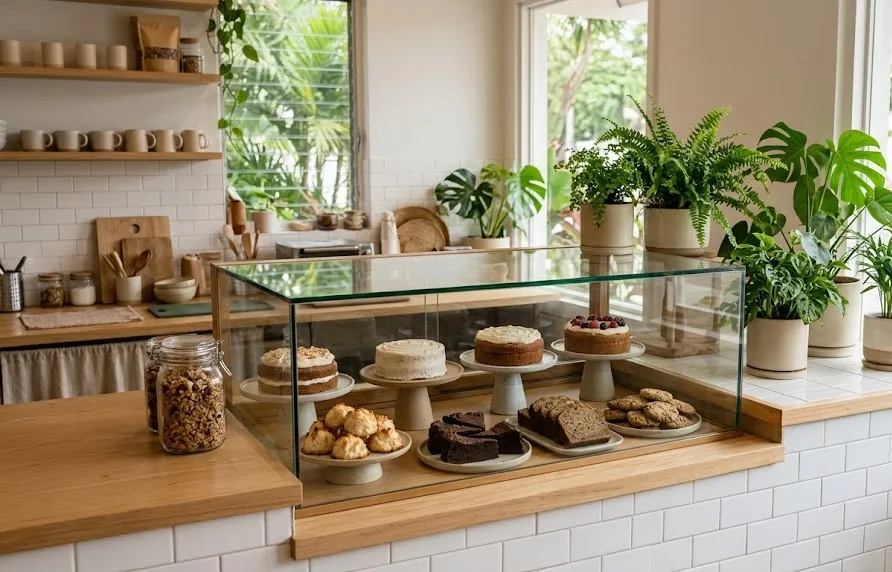
The Best 100% Gluten-Free Restaurants and Bakeries in Da Nang
These are the places where you can relax. No interrogation required — just order and enjoy. Each spot has been vetted by the gluten-free community in Da Nang and maintains strict protocols.
Whiskie Danang Healthy Bakery — where the cinnamon rolls are actually safe
Whiskie is the answer to the question every celiac traveler asks: “Where can I get bread?” This dedicated gluten-free bakery in Da Nang serves cinnamon rolls that taste like the real thing, plus baguettes, muffins, and savory options. Their French Toast Baguette is a standout — thick, custardy, and completely wheat-free. Go early; items sell out by mid-afternoon.
Roly Poly Da Nang — fresh spring rolls and allergy-friendly Vietnamese classics
Roly Poly has become a favorite among the expat community for its fresh spring rolls and Vietnamese classics made with allergy awareness. The staff understands cross-contact — they use separate prep areas and clean utensils for gluten-free orders. Their spring rolls are served with a peanut sauce that’s house-made and gluten-free, and they’ll happily swap out any dish that contains soy sauce.
Roots Plant-based Cafe — smoothie bowls and salads for a safe breakfast
Roots is a plant-based cafe that doubles as a gluten-free haven. Their smoothie bowls are loaded with fresh fruit, granola (ask for the gluten-free version), and coconut flakes. The salads are built on fresh greens, quinoa, and roasted vegetables — no hidden wheat anywhere. It’s a peaceful spot near the beach, perfect for a slow breakfast before a day of exploring.
Vegan and International Spots with Strong Gluten-Free Menus
Beyond the dedicated spots, Da Nang has a growing list of restaurants that cater to dietary restrictions without being exclusively gluten-free. These are the places where you’ll find variety without constant vigilance.
Chickpea Eatery — build-your-own bowls and a peaceful, restful vibe
Chickpea Eatery is a plant-based restaurant with a build-your-own bowl concept that’s naturally gluten-free. Choose your base (rice, quinoa, or greens), add proteins like falafel or chickpea curry, and top it with sauces — most of which are gluten-free. The staff is knowledgeable about allergies and will walk you through safe combinations. The garden seating makes it a restful stop away from the city’s bustle.
Poké Wow Da Nang — custom bowls with clearly labeled gluten-free bases
Poké Wow brings the Hawaiian bowl trend to Da Nang with a menu that labels gluten-free options clearly. The sushi rice base is safe, and you can customize your toppings — fresh fish, avocado, edamame, and pickled ginger. The soy sauce on the side is the only risk, so ask for tamari or skip it entirely. It’s a light, fresh meal that’s perfect after a day at the beach.
SAM Restaurant — chicken entrees, salads, and skewers that are gluten-safe
SAM Restaurant serves grilled chicken skewers, salads, and rice dishes that are naturally gluten-free. The marinades are based on fish sauce and lemongrass rather than soy, and the kitchen is willing to adjust any dish to avoid cross-contact. It’s a casual spot that’s popular with locals and expats alike — a good sign for quality.
Anni Coffee — Greek fare with mostly gluten-free options and great coffee
Anni Coffee brings a touch of Greece to Da Nang with a menu that’s surprisingly gluten-free friendly. Greek salads, grilled meats, and rice-based sides dominate the menu, and the coffee is excellent. The owner understands dietary restrictions well and can guide you through the menu. It’s a great spot for a relaxed lunch or an afternoon coffee break.
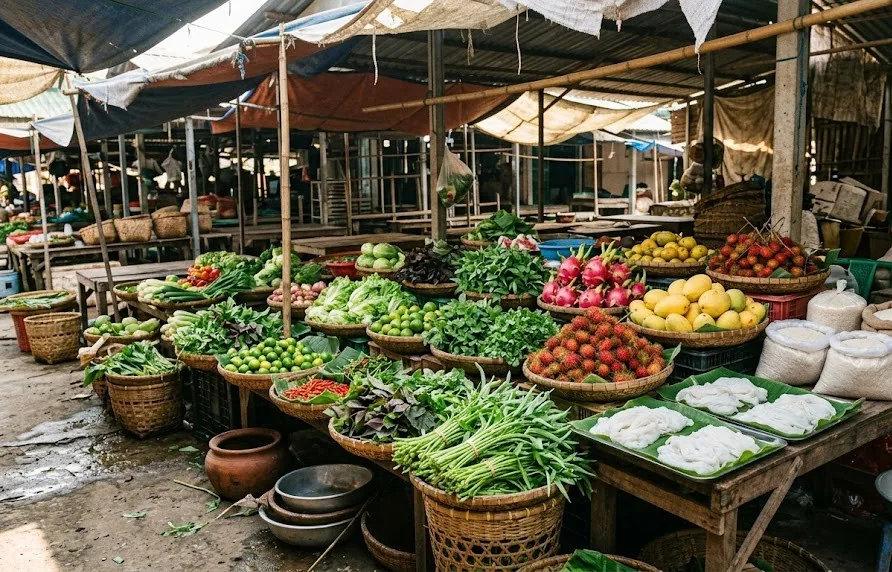
Navigating Street Food and Local Markets Safely in Da Nang
Street food is where Da Nang’s culinary soul lives — and where the cross-contact risk is highest. With the right approach, you can enjoy it safely.
The “one-stop wonder” rule: why single-dish stalls are your safest bet
Look for stalls that sell only one dish. A stall that only makes bún chả uses its equipment exclusively for that dish — no shared fryers, no wheat flour in sight. A stall that sells everything from banh mi to fried spring rolls is a cross-contact nightmare. The one-dish rule dramatically reduces your risk because the kitchen has no reason to stock wheat products.
How to spot cross-contact in shared frying oil and woks
Watch the cooking process before you order. If you see a wok frying spring rolls and then immediately frying something else in the same oil, that oil is contaminated. Same goes for grills — if the same grill cooks banh mi (which has wheat in the bread) and then your pork skewer, the gluten transfers. Ask “dầu mới được không?” (can you use fresh oil?) — most stalls will oblige if you’re polite and patient.
Which markets to visit: Han Market, Con Market, and the night market at Son Tra
Han Market is your best bet for fresh herbs, rice paper, and ingredients if you’re self-catering. Con Market has several bánh xèo stalls where you can watch the batter being made — if you see rice flour and turmeric going into the pan, you’re safe. The night market at Son Tra is more tourist-oriented, which means more English menus and more staff who understand allergy questions. Stick to stalls that specialize in one dish, and you’ll eat well.
Gluten-Free Grocery Shopping and Pantry Staples in Da Nang
If you’re staying in an apartment or just want to stock your pantry, Da Nang has several stores where you can find gluten-free essentials.
Mellow Station Danang — organic ingredients and body care in one stop
Mellow Station is an organic store that carries rice flour, tapioca starch, and a selection of gluten-free snacks. They also stock gluten-free soy sauce alternatives — a lifesaver if you’re cooking at home. The staff is friendly and can help you identify products, though you’ll want your translation app handy for ingredient labels.
NO WASTE TO GO — refillable grocery store for rice flour, spices, and snacks
NO WASTE TO GO is a zero-waste store where you can refill containers with rice flour, spices, and gluten-free snacks. It’s a great place to pick up pantry staples without the packaging waste. They carry a range of gluten-free products, and the staff is accustomed to serving expats with dietary restrictions.
Xanh Xanh Market — a short trip to Hoi An for organic produce and gluten-free finds
If you’re willing to take a 30-minute trip to Hoi An, Xanh Xanh Market is worth the journey. It’s an organic market with fresh produce, rice products, and a dedicated section for gluten-free goods. The selection is broader than what you’ll find in Da Nang, and the prices are competitive. It’s a nice day trip that doubles as a grocery run.
How to Handle Cross-Contact Risks at Non-Dedicated Restaurants
You can’t always eat at dedicated gluten-free spots. Here’s how to navigate the rest of Da Nang’s restaurants safely.
The “fried oil” question: what to ask before ordering anything crispy
Anything fried is a risk unless you confirm the oil is clean. Ask “dầu này có chiên bánh mì không?” (is this oil used for fried bread?) before ordering anything crispy. If the answer is yes or uncertain, skip the fried item and order something grilled or steamed instead. The same logic applies to woks — if the same wok cooks wheat noodles and then your rice noodles, you’re getting cross-contact.
When to walk away: red flags in the kitchen you shouldn’t ignore
Trust your instincts. If the kitchen looks chaotic, if the staff seems confused by your allergy card, or if you see wheat flour being used openly near the prep area, walk away. It’s not worth the risk. Da Nang has enough safe options that you never need to settle for a questionable kitchen. A restaurant that doesn’t understand cross-contact can’t guarantee your safety, no matter how good the reviews are.
How to use Google Translate and food allergy cards effectively
Show your allergy card first, then use Google Translate for follow-up questions. The key is to keep it simple — don’t overwhelm staff with a wall of text. One clear statement about your allergy, followed by one or two specific questions, is enough. If you’re using Google Translate, type short phrases like “Does this contain soy sauce?” rather than long sentences. And always confirm your food when it arrives — a quick “không nước tương?” (no soy sauce?) while pointing at your dish catches mistakes before you take a bite.
Where to Stay in Da Nang for Stress-Free Gluten-Free Eating
Your accommodation can make or break your gluten-free trip. These hotels understand dietary needs and offer options that reduce your daily stress.
Hotels with on-site gluten-free options: Hilton Garden Inn Da Nang
The Hilton Garden Inn Da Nang has a breakfast buffet that includes gluten-free options — just ask the chef, and they’ll point you to safe choices or prepare something fresh. The staff is trained on allergy protocols, and the restaurant can accommodate gluten-free requests for dinner as well. It’s a solid choice for travelers who want the safety net of a hotel that gets it.
Self-catering stays: The Now Boutique Hotel & Apartments for kitchen access
The Now Boutique Hotel & Apartments offers rooms with kitchenettes, giving you the option to cook your own meals. This is the ultimate safety net for celiac travelers — you control every ingredient. The apartments are modern, clean, and located near grocery stores where you can stock up on rice flour, fresh produce, and gluten-free sauces.
Resort dining with allergy awareness: Courtyard by Marriott Danang Han River
The Courtyard by Marriott Danang Han River has a restaurant that takes allergies seriously. The staff will walk you through the menu, identify safe dishes, and coordinate with the kitchen to avoid cross-contact. The breakfast spread includes gluten-free items, and the dinner menu has several naturally gluten-free options. It’s a comfortable, worry-free stay for gluten-free travelers.
Important Notes for Celiac Travelers in Da Nang
This guide is written for everyone with gluten sensitivity, but celiac disease requires extra caution. Here’s what you need to know.
How sensitive are you? Adjusting this guide for celiac vs. gluten-intolerant
If you have celiac disease, you should prioritize the dedicated gluten-free spots and the self-catering options. The cross-contact risk at non-dedicated restaurants is too high for comfort. If you’re gluten-intolerant but not celiac, you have more flexibility — the “one-stop wonder” street stalls and the phrase card approach will work fine. Be honest with yourself about your sensitivity level and plan accordingly.
The reality of soy sauce in Da Nang — it’s less common, but still a risk
Soy sauce is less prevalent in Vietnamese cooking than in other Asian cuisines, which works in your favor. Fish sauce is the dominant condiment, and it’s naturally gluten-free. But soy sauce still appears in marinades, dipping sauces, and some stir-fried dishes — especially in restaurants that cater to tourists. Always ask, and don’t assume a dish is safe just because it’s Vietnamese.
What to do if you get “glutened” in Da Nang: pharmacies and clinics
If you accidentally consume gluten, head to a pharmacy on Bach Dang Street — they stock digestive enzymes and anti-nausea medication that can ease symptoms. For severe reactions, there are international clinics in Da Nang that can provide proper medical care. Save the address of a clinic near your hotel before you need it, and carry your travel insurance details with you.
Frequently Asked Questions
Is Vietnamese food naturally gluten-free?
Most traditional Vietnamese dishes are naturally gluten-free because they’re built on rice, rice noodles, fish sauce, and fresh herbs. The main risks come from soy sauce, fried shallots, and shared cooking oil.
Can I eat pho if I’m celiac?
Yes, pho is typically safe — it uses rice noodles and a broth made from bones and spices. Just confirm the broth doesn’t contain soy sauce and that the noodles are rice-based, not wheat-based.
Are there dedicated gluten-free bakeries in Da Nang?
It’s a rare find in Southeast Asia and a must-visit for celiac travelers.
What is the most common hidden source of gluten in Vietnamese food?
Soy sauce is the biggest hidden risk, followed by fried shallots dusted with wheat flour and imitation crab containing wheat starch. Always ask about these three ingredients.
Do I need to learn Vietnamese to eat gluten-free in Da Nang?
You need about five key phrases and a printed allergy card. Most staff in tourist areas understand basic English, but the Vietnamese phrases show you’re serious about your dietary needs.
Is it safe to eat street food in Da Nang with celiac disease?
It can be safe if you follow the “one-stop wonder” rule — choose stalls that specialize in a single dish with no wheat ingredients. Avoid stalls that fry a variety of items in shared oil.
Conclusion
Da Nang in 2026 is one of the most accessible cities in Southeast Asia for gluten-free travelers. The combination of naturally wheat-free Vietnamese cuisine, dedicated gluten-free bakeries like Whiskie, and allergy-aware restaurants means you can explore the city’s food scene without constant anxiety. Arm yourself with the phrases, the allergy card, and the list of safe spots in this guide — then go enjoy the food. The only thing you’ll miss is the banh mi.
Part of our guide to what to eat in Da Nang.