Da Nang is a vibrant hub for smoothie enthusiasts, where the abundance of tropical fruits blends with the city’s lively street culture to create exceptionally refreshing beverages. From rich avocado concoctions to vividly colored dragon fruit creations, the city’s fruit smoothies cater to diverse palates and dietary preferences. This guide explores five essential smoothie types, local customization techniques, and the best places to find them, enabling you to enjoy Da Nang’s unique smoothie scene like a local.
Da Nang’s smoothie culture is characterized by its reliance on hyper-local fruit sourcing and an immersive street-side drinking experience. The five must-try smoothies—avocado, mango, dragon fruit, soursop, and mixed fruit—each present a distinct flavor and health profile. Prices typically range from 15,000 VND at street stalls to 40,000 VND at specialized cafes. This article details optimal fruit combinations, customization tips such as requesting “ít ngọt” (less sweet), and authentic locations around Hàn Market and Bà Đa street.
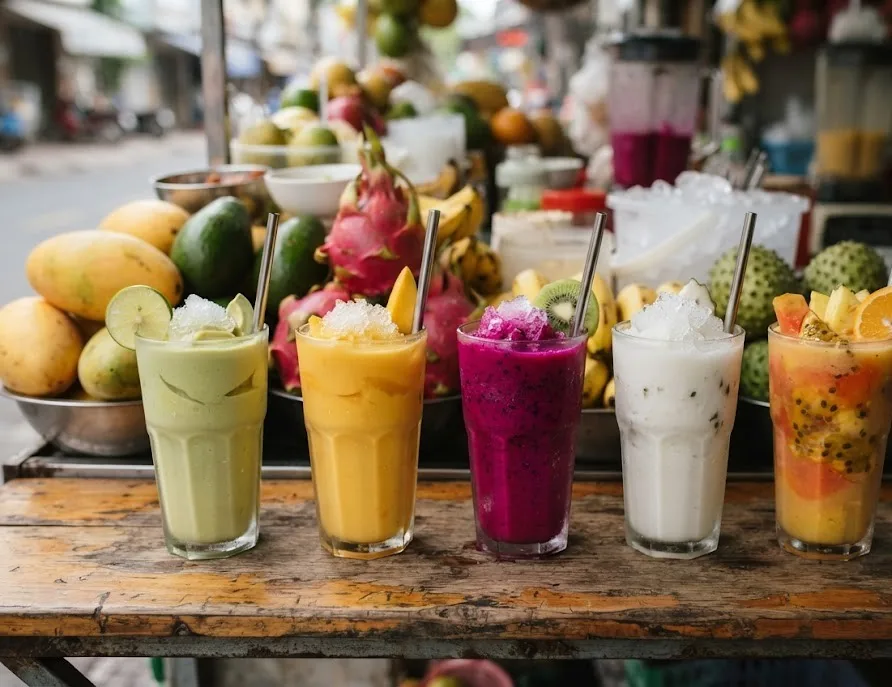
Why Da Nang’s Smoothie Scene Stands Out: From Tropical Fruit to Street-Side Stalls
The Foundation: Fresh, Locally-Sourced Tropical Fruits
Da Nang’s strategic location provides unparalleled access to Vietnam’s rich fruit-growing regions, giving its smoothies a distinct advantage. The city’s proximity to the Central Highlands and Quảng Nam province ensures vendors can source peak-season mangoes, locally farmed dragon fruit, and perfectly ripe soursop daily. Unlike international chains that may rely on imported or cold-stored produce, Da Nang’s street vendors procure their fruits from bustling city markets like Hàn Market and Cồn Market. This direct sourcing results in smoothies that capture the true essence of the fruit. For instance, a mango smoothie made with “xoài cát,” a local variety prized for its intense sweetness and low fiber content, offers a honey-like richness unmatched by fruits from cooler climates. Similarly, regional dragon fruit tends to be juicier. Consequently, these smoothies possess authentic fruit flavors, minimizing the need for added sugars or artificial sweeteners.
The “Bệt” Culture: Transforming a Drink into an Experience
In Da Nang, enjoying a smoothie is often a deliberate, sit-down affair, typically on low plastic stools at a street-side stall. This “bệt” culture, named after the low seating, elevates a simple beverage into a social ritual. Patrons gather around vendors’ carts, savoring avocado smoothies amidst the flow of city traffic. The atmosphere is lively, humid, and unpretentious, offering a stark contrast to the air-conditioned cafes often frequented by tourists. While initially unusual, sitting just centimeters off the ground encourages a slower pace. Vendors prepare drinks to order, often using hand blenders and manual presses for fresh juice. This process, typically taking three to five minutes, allows patrons to observe the surrounding street life. The emphasis is on presence and experience rather than mere efficiency, distinguishing Da Nang’s smoothie culture from its Western counterparts.
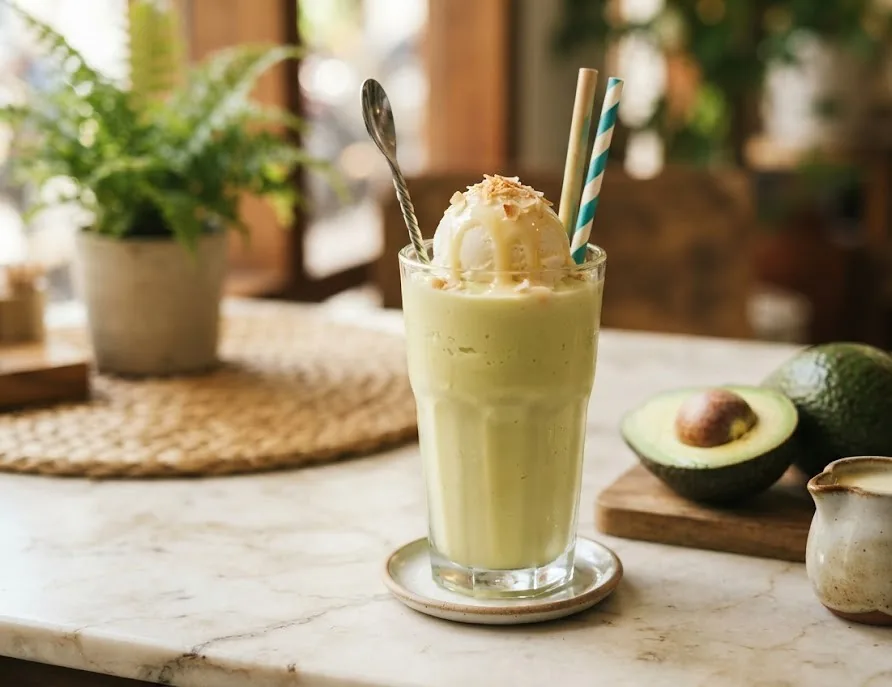
1. Avocado Smoothie (Sinh Tố Bơ): The Creamy Classic
Da Nang’s Avocado Smoothie: Unparalleled Richness
Da Nang’s signature avocado smoothie features the local “bơ sáp” (waxy avocado), which boasts a higher fat content and a creamier texture compared to the Hass variety common elsewhere. Cultivated in the Central Highlands and transported fresh to Da Nang, this avocado yields a buttery consistency ideal for blending without excessive ice or dairy. A typical preparation involves one ripe “bơ sáp,” a splash of condensed milk (sữa đặc), crushed ice, and a small amount of fresh milk or coconut milk. The vendor-to-fruit ratio is usually 2:1 (avocado to ice by volume), ensuring a thick, spoonable texture. Condensed milk adds sweetness and a subtle caramel note, but the avocado’s natural richness remains paramount. Da Nang’s version often presents a less sweet, more fruit-forward profile, a testament to the quality of the local produce.
Customization Options: Enhancing Creaminess and Flavor
For those seeking variations on the classic avocado smoothie, several simple customizations are available:
- Coconut Milk Swap: Requesting “nước cốt dừa” (coconut milk) instead of fresh milk introduces a tropical aroma and an even silkier texture. This pairing is particularly effective with slightly less ripe avocados to balance the richness.
- Cacao Powder Addition: Some stalls, especially in areas popular with backpackers, offer cacao powder as a topping. This transforms the smoothie into a dessert-like treat without added refined sugar. Ask for “bột cacao.”
- Coconut Flake Topping: Dried coconut flakes provide a contrasting crunch to the smooth base, a popular addition at beachside cafes catering to health-conscious patrons.
The base price for an avocado smoothie at a street stall is approximately 15,000–20,000 VND. Adding coconut milk or cacao powder may incur an additional 5,000–10,000 VND, offering enhanced flavor depth.
2. Mango Smoothie (Sinh Tố Xoài): A Sweet, Golden Escape
The Superior Mango: Why “Xoài Cát” Reigns Supreme
“Xoài cát,” particularly the “xoài cát Hòa Lộc” variety from the Mekong Delta, is the benchmark for Da Nang’s mango smoothies. This mango variety features bright yellow flesh, minimal fibrous texture, and a natural sweetness comparable to honey. When blended, it creates a smooth, naturally sweet liquid that rarely requires additional sweeteners. In contrast, the larger, greener “xoài tượng” (elephant mango) is more fibrous and tart, better suited for salads. Da Nang vendors typically source their mangoes from distributors supplying the city. While peak season runs from March to June, good quality mangoes are available year-round due to modern storage. During the off-season, some stalls use frozen mango chunks, which maintain a creamy texture suitable for smoothies.
Balancing Sweetness: Yogurt vs. Milk Base
The choice of base—yogurt (sữa chua) or milk (sữa tươi)—significantly alters the mango smoothie’s flavor. A yogurt base introduces a pleasant tanginess that complements the mango’s sweetness, resulting in a more complex and refreshing drink, especially during Da Nang’s hot season. Most street stalls use plain yogurt, though some cafes offer thicker Greek yogurt. A milk base results in a sweeter, creamier smoothie, akin to a dessert. For a less sweet option, request “ít ngọt” and ask the vendor to use less condensed milk. Many stalls also offer a mango-passion fruit combination, with passion fruit seeds swirled on top for a tart counterpoint to the mango’s sweetness.
- Mango + Passion Fruit: Ask for “xoài chanh dây.” The seeds add tartness and visual appeal.
- Mango + Lime Zest: A squeeze of fresh lime (chanh) and zest brightens the flavor. Request “xoài chanh.”
- Mango + Coconut Water: For a lighter, less creamy version, ask for “nước dừa” instead of milk or yogurt. This results in a thinner, more hydrating smoothie.
3. Dragon Fruit Smoothie (Sinh Tố Thanh Long): The Vibrant Choice
Red vs. White Dragon Fruit: Which Delivers Better Flavor?
Red dragon fruit (thanh long ruột đỏ) is generally preferred for smoothies due to its higher sweetness, more intense color, and thicker consistency compared to its white-fleshed counterpart. White dragon fruit (thanh long ruột trắng) is milder and more watery, potentially diluting the smoothie’s flavor unless paired with stronger fruits. The red variety, rich in betalains (antioxidants also found in beets), imparts a striking magenta hue, making it visually appealing.
| Feature | Red Dragon Fruit | White Dragon Fruit |
|---|---|---|
| Sweetness Level | High (Brix ~15-18%) | Low to Medium (Brix ~10-13%) |
| Color Intensity | Deep Magenta | Pale White with Tiny Seeds |
| Texture When Blended | Thick, Almost Creamy | Thin, Watery |
| Best Pairings | Strawberry, Banana, Coconut Milk | Kiwi, Pineapple, Lime |
| Antioxidant Content | Higher (Betalains) | Lower |
When ordering at a street stall, specify “thanh long ruột đỏ” to ensure you receive the red variety, as white dragon fruit is often the default due to its lower cost. The enhanced color and flavor are typically worth the small additional charge of around 5,000 VND.
Enhancing Texture: Pairing with Banana or Pineapple
Dragon fruit alone can result in a thin smoothie. Adding banana (chuối) contributes creaminess, while pineapple (thơm) adds body and acidity. Banana pairs exceptionally well with red dragon fruit, creating a naturally sweet, dessert-like beverage. Pineapple introduces a tartness that makes the smoothie more refreshing, ideal for hot afternoons.
- Red Dragon Fruit + Banana + Coconut Milk: Creates a rich, creamy consistency, almost like a smoothie bowl. Ask for “thêm chuối.”
- Red Dragon Fruit + Strawberry: Intensifies the pink color and adds a berry-like tartness.
- White Dragon Fruit + Kiwi + Lime: A lighter, tangier option for those preferring less sweetness.
4. Soursop Smoothie (Sinh Tố Mãng Cầu): The Tangy, Fragrant Gem
Why Soursop is a Must-Try: Unique Flavor and Potential Benefits
Soursop (mãng cầu xiêm) offers a distinctive flavor profile, a blend of strawberry, pineapple, and citrus with a creamy, custard-like texture. While less common on tourist menus than other fruits, it is a local favorite. Soursop is rich in vitamin C, B vitamins, and antioxidants. Traditional practices sometimes associate it with anti-inflammatory properties, though any health claims should be approached with caution and professional advice sought for medical concerns. The fruit’s sweet, floral aroma is a notable characteristic. Its white flesh contains large black seeds that must be removed before blending. Soursop remains available year-round in Da Nang due to its ability to retain flavor when frozen.
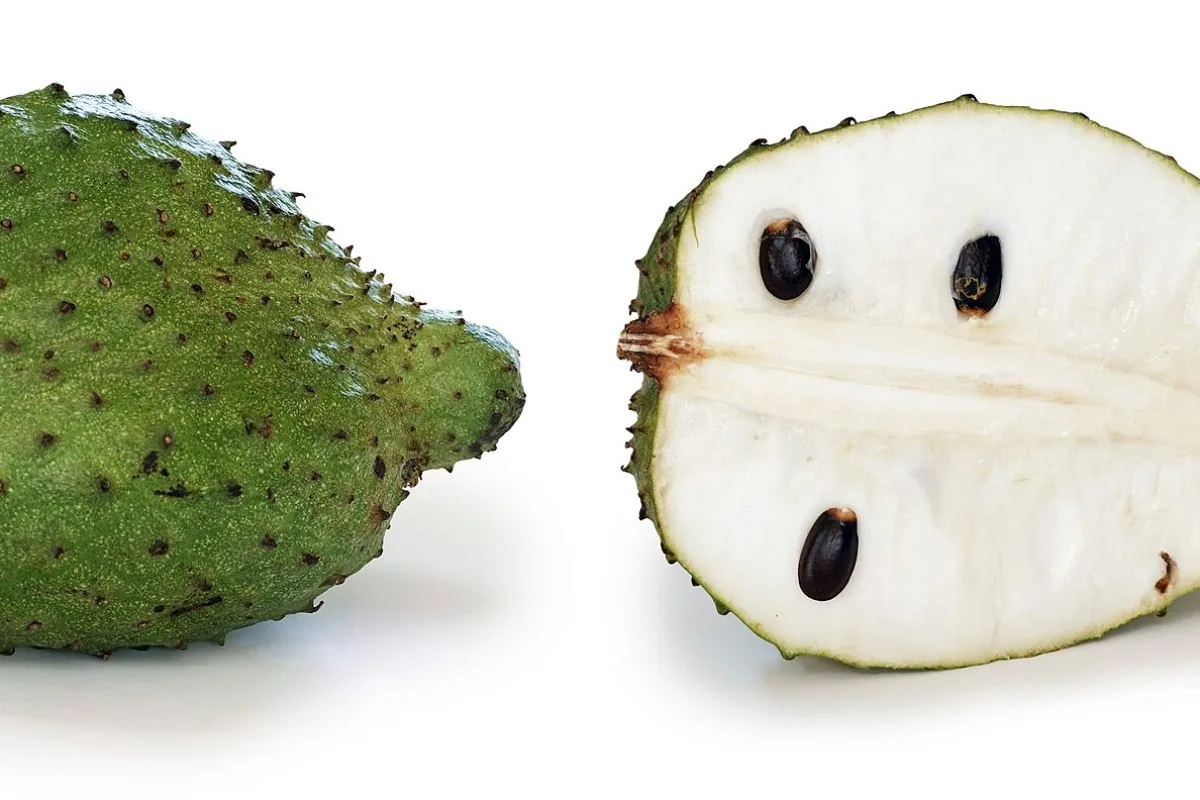
Preparing Soursop: Seed Removal and Avoiding Astringency
The primary challenge in preparing soursop is the thorough removal of its seeds, which are hard and contain toxins if crushed. Local vendors follow a careful process:
- Select a Ripe Fruit: Choose soursop that yields slightly to pressure and has a fragrant aroma. Avoid fruits with dark spots or a fermented smell.
- Cut and Deseed: Slice the fruit in half lengthwise and scoop out the flesh. Individually remove each seed by hand. Do not blend the seeds, as they contain annonacin.
- Blend with Minimal Liquid: Soursop has high water content; use only a small amount of milk or coconut water for blending to maintain a smooth consistency.
- Add Sweetener: Soursop can be tart. A teaspoon of honey or condensed milk balances the acidity without overpowering the fruit’s unique flavor.
Vendors at stalls ensure seeds are removed, resulting in a smooth texture. Soursop smoothies typically cost 20,000–30,000 VND at street stalls, reflecting the preparation involved.
5. Mixed Fruit Smoothie (Sinh Tố Hoa Quả Tổng Hợp): The Customizable Crowd-Pleaser
Crafting Balanced Flavors: The Sweet + Tart + Creamy Formula
An excellent mixed fruit smoothie balances sweetness, tartness, and creaminess. A sweet fruit (e.g., mango, banana, papaya) forms the primary flavor. A tart fruit (e.g., passion fruit, lime, green apple) adds acidity, preventing the drink from becoming overly sweet. A creamy base (e.g., avocado, coconut milk, yogurt) provides body. This combination ensures a well-rounded flavor profile.
- Mango + Pineapple + Coconut Milk: A popular choice in Da Nang, offering tropical sweetness with a silky finish.
- Banana + Strawberry + Yogurt: A classic pairing, with yogurt providing tanginess and banana adding thickness.
- Papaya + Lime + Coconut Water: A lighter, more hydrating option where papaya’s mild sweetness complements lime’s acidity.
- Jackfruit + Banana + Coconut Milk: Jackfruit imparts a unique candy-like sweetness, creating a rich, substantial smoothie.
Elevating the Drink: Popular Toppings
Da Nang’s smoothie vendors have adopted toppings popularized by bubble tea shops, transforming smoothies into more substantial snacks:
- Yogurt Pearls (Trân Châu Sữa Chua): Small, chewy pearls filled with yogurt, offering a tangy burst. Best with mango or mixed fruit smoothies.
- Jelly (Thạch): Agar or gelatin-based jelly cubes add texture without altering flavor. Common at stalls near educational institutions.
- Cheese Foam (Phô Mai): A savory cream cheese, milk, and salt foam provides a salty-sweet contrast. More prevalent in cafes than street stalls.
Toppings typically add 5,000–10,000 VND to the price. Yogurt pearls are a versatile starting point.
Where to Find the Best Fruit Smoothies in Da Nang: A Local’s Guide
Street Stalls vs. Dedicated Smoothie Cafes
Street stalls offer authenticity and affordability, often using family-tested recipes and sourcing fruit daily for maximum freshness. However, hygiene standards can vary, and the seating (low plastic stools) may not appeal to everyone. Dedicated smoothie cafes, such as Coco Smoocha, known for fresh fruit bowls and coconut smoothies, provide a more controlled environment with consistent quality, filtered water, and air conditioning. The trade-off is price, with cafe smoothies costing around 35,000–50,000 VND, compared to 15,000–25,000 VND at street stalls. For visitors concerned about hygiene or seeking comfort, cafes are a safer choice. For a genuine local experience, explore the stalls around Hàn Market and Bà Đa street.
Price Range and Expectations
Da Nang’s smoothie prices are generally consistent. Street stalls in residential areas charge 15,000–20,000 VND for a standard 500ml smoothie. Stalls near tourist spots may charge 20,000–30,000 VND. Cafes in areas like Mỹ An beach or near the cathedral range from 30,000–45,000 VND, with premium toppings potentially increasing the total to 55,000 VND. At approximately $2 USD for a high-end smoothie, Da Nang offers exceptional value compared to Western prices.
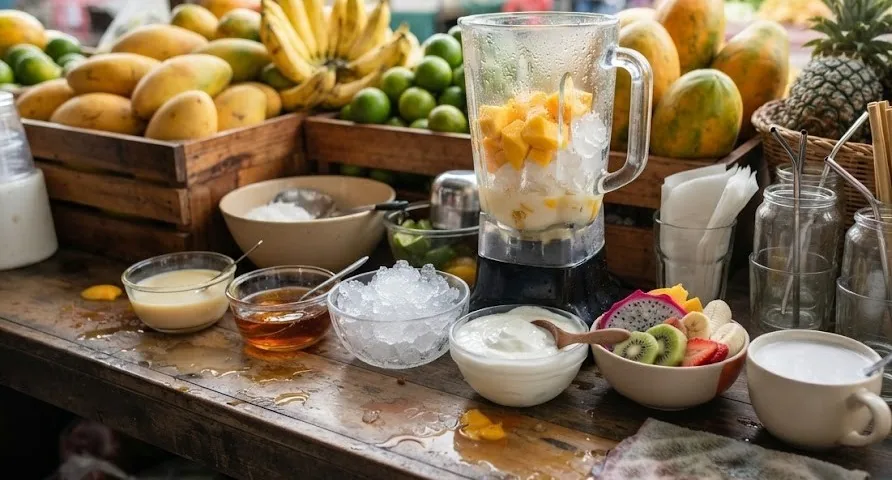
How to Order and Customize Your Smoothie Like a Local
Essential Vietnamese Phrases for Ordering
Knowing a few key phrases can ensure your smoothie is tailored to your preference. Vietnamese vendors often default to a sweetness level that may be higher than preferred by visitors. Requesting “ít ngọt” (eet ngot), meaning “less sweet,” is crucial. For no added sugar, use “không đường” (kohng duh-uhng). To request more condensed milk for added richness, say “thêm sữa đặc” (tehm soo-ah dahk).
| English | Vietnamese | Pronunciation Guide |
|---|---|---|
| Less sweet | Ít ngọt | eet ngot |
| No sugar | Không đường | kohng duh-uhng |
| Extra condensed milk | Thêm sữa đặc | tehm soo-ah dahk |
| No ice | Không đá | kohng dah |
| With coconut milk | Thêm nước cốt dừa | tehm nook-koht duh-ah |
Adjusting Ice Quantity: Texture and Flavor Impact
The amount of ice significantly influences a smoothie’s texture. Most stalls blend crushed ice directly into the drink, creating a slushy consistency. For a thicker, more concentrated smoothie, ask for “không đá” (no ice), which typically means using less ice or substituting with extra fruit. This results in a denser, fruitier drink. If you prefer a colder smoothie without dilution, request “đá xay riêng” (blended ice served separately), allowing you to add ice gradually. Opting for “không đá” may increase the price by approximately 5,000 VND due to the increased fruit quantity. Always confirm the price beforehand. A complete order might be: “Cho em sinh tố bơ, ít ngọt, không đá” (One avocado smoothie, less sweet, no ice).
Related on this site
- Da Nang’s Best Nuoc Mia: Fresh Sugarcane Juice Stops 2026
- Da Nang’s Tea Houses: Where to Enjoy Traditional Teas 2026
- Da Nang’s Top Sinh To: Fresh Fruit Smoothies to Beat the Heat 2026
- where to eat dessert in Da Nang
Frequently Asked Questions
Are Da Nang’s street smoothies safe to drink?
Most street stalls use filtered or boiled water for blending. Commercially produced bagged ice, common in tourist areas, is generally safe. For added assurance, choose stalls that use ice from sealed bags or opt for smoothie cafes that exclusively use filtered water.
What is the best time of day to buy smoothies?
Late morning (9 AM to 11 AM) is ideal, as vendors typically procure fresh fruit daily. Afternoon (1 PM to 4 PM) is also good, though fruit may have been exposed longer. Evening stalls (6 PM to 9 PM) may use fruit from earlier in the day.
Can I find vegan smoothies easily in Da Nang?
Yes. Most fruit smoothies are naturally vegan if you request “không sữa” (no milk) and “không sữa đặc” (no condensed milk). Coconut milk is a common vegan alternative. Cafes near the beach often label vegan options explicitly.
How can I distinguish between fresh fruit and syrup-based smoothies?
Observe the preparation process. Vendors using whole fruits cut fresh are preparing fresh smoothies. Those pouring from pre-mixed liquids or using powders are likely using syrups. Street stalls predominantly use fresh fruit; some cafes may use frozen fruit, which is still natural but can affect flavor vibrancy.
What is the most popular smoothie among locals in Da Nang?
Avocado smoothie (sinh tố bơ) is the most favored. Locals often consume it as a breakfast replacement or an afternoon snack. Mango and soursop are also popular, but avocado’s creamy texture and natural sweetness make it a consistent favorite.
Is tipping customary at smoothie stalls?
Tipping is not expected at street stalls. At cafes, rounding up the bill is appreciated but not required. Vietnamese service culture does not rely on tipping.
Can I bring my own reusable cup for smoothies?
Street stalls typically use disposable cups. Most vendors will accommodate a reusable cup if asked politely. Cafes are more accustomed to reusable cups and may offer a small discount (5,000–10,000 VND).
Conclusion: Your Next Steps to Smoothie Bliss
Da Nang’s fruit smoothies offer more than just refreshment; they provide insight into the city’s fruit culture, street-side rituals, and local tastes. Begin with the classic avocado smoothie, then explore mango, dragon fruit, and soursop to experience the full spectrum of flavors. Utilize the phrase “ít ngọt” to manage sweetness and seek out street stalls near Hàn Market for the most authentic experience.
- Sample All Five Smoothie Types: Avocado, mango, dragon fruit, soursop, and mixed fruit each offer a unique profile.
- Practice Ordering Phrases: “Ít ngọt” and “không đá” help customize your drink like a local.
- Visit Both Street Stalls and Cafes: Compare the authentic street-side ritual with the comfort and consistency of cafes.
Part of our guide to what to eat in Da Nang.