Da Nang’s indoor climbing scene has evolved rapidly, offering two distinct experiences for travelers and fitness enthusiasts in 2026. The city now hosts a dedicated bouldering gym and a massive multi-discipline facility, each catering to different skill levels and preferences. Whether you are a first-time climber or a seasoned veteran looking for a training session while on vacation, Da Nang provides accessible, high-quality options for both bouldering and roped climbing.
Da Nang’s indoor climbing scene in 2026 is split between two top-tier gyms: Danang Climbing Gym for pure bouldering and Push Climbing for roped climbing, auto-belays, and advanced training. Danang Climbing Gym offers a focused bouldering experience with routes reset weekly, while Push Climbing features a MoonBoard, climbing cave, and a full cafe. Your choice depends on whether you want a quick, social session or a full-day workout with variety.
Da Nang’s Indoor Climbing Scene: Bouldering vs. Roped Climbing in 2026
Understanding the two main climbing styles: bouldering and top-rope/lead
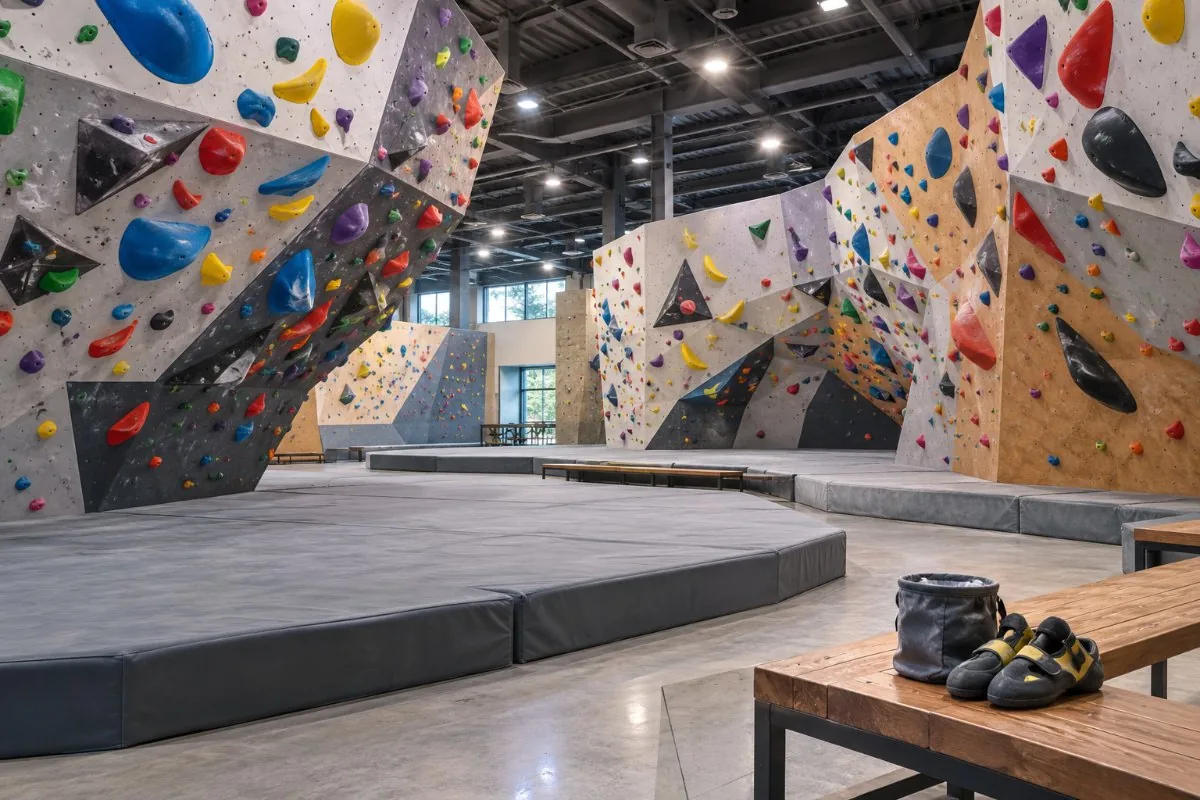
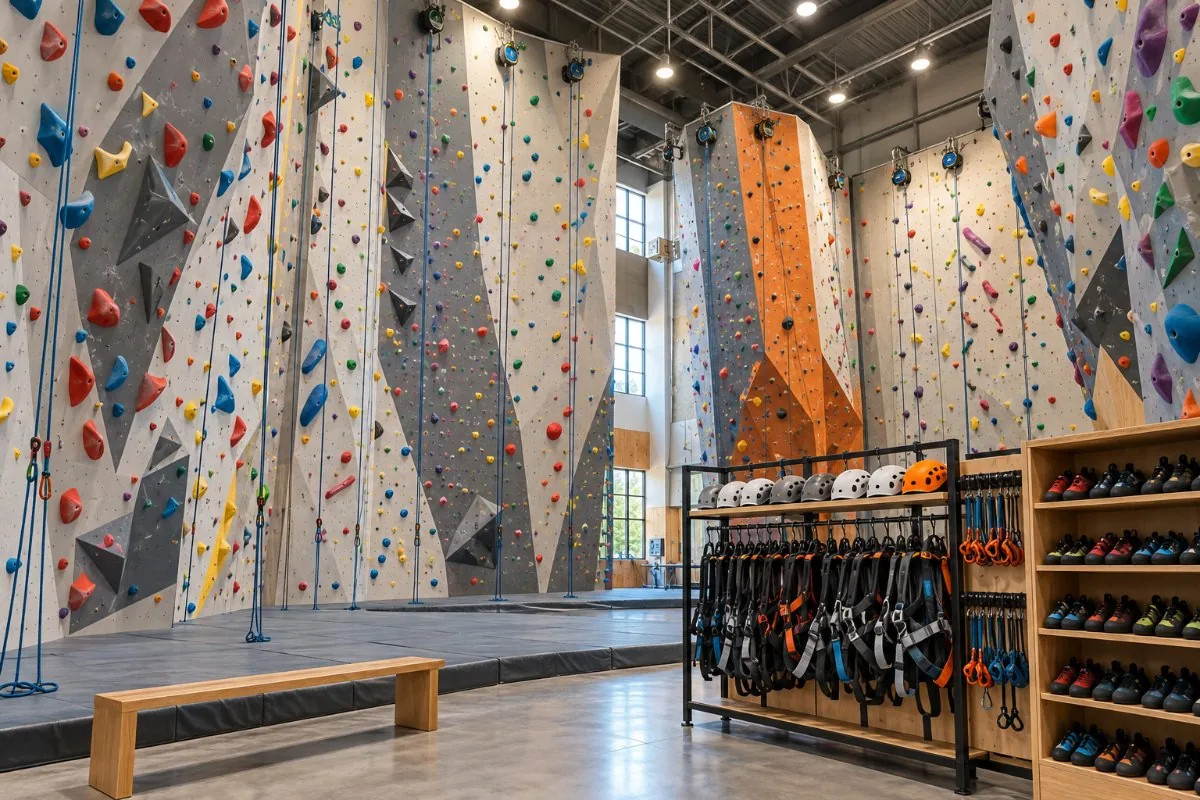
Bouldering involves climbing shorter walls, typically 4 to 5 meters high, without ropes. Thick crash mats (around 30 cm deep) cushion falls, making it an accessible entry point for beginners. Routes, called problems, emphasize power, technique, and problem-solving over endurance. Roped climbing, which includes top-rope and lead climbing, uses a harness, rope, and a belay device. Top-rope has the rope already anchored at the top, while lead climbing requires the climber to clip the rope into quickdraws as they ascend. Roped walls in Da Nang reach up to 12 to 14 meters, demanding more endurance and commitment.
Which style suits beginners, travelers, and fitness-focused climbers?
Beginners often start with bouldering because it requires minimal gear—just climbing shoes and chalk—and the lower height reduces psychological fear. Travelers with limited time appreciate bouldering for its quick, social sessions that fit easily into a day of sightseeing. Fitness-focused climbers who want a full-body workout with an endurance component gravitate toward roped climbing. The longer routes build stamina in the forearms, back, and legs, and the act of belaying a partner adds a cooperative element that bouldering lacks.
Why Da Nang is becoming a hub for both styles in 2026
Da Nang’s growing expat community and steady flow of international tourists have created demand for diverse climbing options. The opening of Push Climbing, the largest climbing gym network in Vietnam, brought top-rope, lead climbing, and auto-belays to the city for the first time. Danang Climbing Gym, which opened in April 2023, had already established a strong bouldering culture. Together, they cover the full spectrum of indoor climbing. The city’s tropical climate also makes air-conditioned indoor gyms a reliable alternative to outdoor adventures during the rainy season or extreme heat.
1. Danang Climbing Gym – The Original Bouldering Specialist
Facility breakdown: wall angles, mat depth (30 cm), and route setting frequency
Danang Climbing Gym, located at 119b Mai Am in the Hải Châu district, is a dedicated bouldering facility with custom-built walls featuring a variety of angles, including overhangs and slabs. The 30 cm thick crash mats meet international safety standards and provide a forgiving landing surface for climbers of all levels. Routes are reset weekly, with new V1, V2, and V3 problems added regularly. The gym also sets harder grades for experienced climbers, ensuring the wall never feels stale for regulars. The space is compact but efficiently designed, maximizing climbing surface area within its footprint.
Pricing, membership options, and group event packages for 2026
Day passes at Danang Climbing Gym are priced competitively for the local market, with discounts for students and residents. Monthly and annual memberships are available for frequent visitors, offering unlimited access during operating hours (8:00 AM to 10:00 PM daily). The gym also hosts birthday parties and group events for children and adults, with packages that include supervised climbing time, gear rental, and a private area for cake and snacks. Corporate team-building sessions can be arranged upon request, making it a versatile venue for both recreation and organized activities.
Location advantage: Hải Châu district accessibility for tourists and locals
Hải Châu is Da Nang’s central district, placing Danang Climbing Gym within a short taxi or Grab ride from most hotels along the Han River and My Khe Beach. The location is particularly convenient for tourists staying in the city center, as it sits close to major landmarks like the Dragon Bridge and Han Market. For locals, the gym is easily reachable by motorbike and has ample street parking. Its central position also makes it a practical stop before or after exploring the city’s food scene, with numerous banh mi and pho stalls within walking distance.
2. Push Climbing (Crescent Wall) – Da Nang’s Multi-Discipline Mega Gym
Top-rope, lead climbing, and auto-belays: what’s available for rope climbers
Push Climbing, located in the Crescent Wall complex, is the first gym in Da Nang to offer dedicated roped climbing. The facility features multiple top-rope lanes, lead climbing routes, and several auto-belays for solo climbers who do not have a partner. The walls reach heights of up to 14 meters, with routes graded from beginner-friendly 5.6 to challenging 5.12 and above. The auto-belays are ideal for travelers who want to climb independently without coordinating a belay partner, making the gym exceptionally welcoming for solo visitors.
Bouldering cave + MoonBoard: training tools for advanced climbers
In addition to roped climbing, Push Climbing houses a bouldering cave with steep overhangs and a dedicated MoonBoard training wall. The MoonBoard is a standardized training tool used by climbers worldwide to train on the same set of problems, allowing for benchmarking progress against a global community. The bouldering cave adds variety for climbers who want to work on power and technique without committing to a full roped route. This combination of training tools makes Push Climbing a destination for serious climbers who want to maintain or improve their fitness while traveling.
On-site cafe, gear shop, and kids’ courses
Push Climbing includes a full-service cafe serving coffee, smoothies, and light meals, allowing climbers to refuel without leaving the gym. The on-site gear shop stocks climbing shoes, chalk bags, harnesses, and other accessories from reputable brands, so you can replace worn equipment or pick up essentials you forgot to pack. The gym also offers structured kids’ courses and youth climbing programs, making it a family-friendly option. Birthday parties and school group bookings are available, with trained instructors supervising all sessions to ensure safety.
3. Comparing the Two Gyms: Which One Should You Choose?
Criteria 1: Climbing style preference (bouldering only vs. roped + bouldering)
If you prefer bouldering exclusively, Danang Climbing Gym offers a focused, no-distraction environment with routes reset weekly. If you want access to roped climbing, auto-belays, and a MoonBoard, Push Climbing is the clear choice. Travelers who enjoy variety should pick Push Climbing, while those who want a quick, intense session may prefer the bouldering-only format.
Criteria 2: Budget and value (day passes, memberships, and drop-in costs)
Danang Climbing Gym generally offers lower day pass prices and more affordable monthly memberships, reflecting its smaller footprint and bouldering-only offering. Push Climbing’s pricing is higher due to its larger facility, roped climbing infrastructure, and additional amenities like the cafe and gear shop. For a single drop-in session, Danang Climbing Gym provides better value. For extended stays or frequent visits, Push Climbing’s membership options justify the cost with greater variety.
Criteria 3: Location and convenience for your Da Nang itinerary
Danang Climbing Gym is centrally located in Hải Châu, making it a convenient stop during a day of city exploration. Push Climbing is situated near the eastern edge of the city, closer to My Khe Beach, which suits travelers staying in beachfront resorts. If your itinerary focuses on the city center and Han River, choose Danang Climbing Gym. If you are based near the beach and want a full-day activity, Push Climbing fits better.
Criteria 4: Social and community atmosphere
Danang Climbing Gym has a tight-knit, community-focused vibe where regulars and staff quickly recognize new faces. The compact space encourages conversation and collaboration on problems. Push Climbing, being larger, has a more diverse crowd that includes families, serious trainers, and casual climbers. Both gyms host social events and competitions, but Danang Climbing Gym’s smaller size fosters a more intimate social experience.
| Criteria | Danang Climbing Gym | Push Climbing (Crescent Wall) |
|---|---|---|
| Climbing styles | Bouldering only | Top-rope, lead, auto-belay, bouldering |
| Wall height | 4–5 meters | Up to 14 meters |
| Training tools | Standard bouldering wall | Bouldering cave + MoonBoard |
| Day pass price | Lower (budget-friendly) | Higher (more amenities) |
| Location | Hải Châu (city center) | Near My Khe Beach |
| On-site extras | Limited | Cafe, gear shop, kids’ courses |
| Best for | Boulderers, budget travelers, quick sessions | Rope climbers, families, serious training |
4. What to Expect at a Da Nang Climbing Gym in 2026
Booking and walk-in policies: do you need a reservation?
Both gyms accept walk-ins during regular hours, but booking ahead is recommended for weekends and public holidays when local climbers and tourists fill the walls. Danang Climbing Gym allows reservations through its Facebook page, while Push Climbing offers online booking through its website. Group events and kids’ parties require advance booking to ensure instructor availability and adequate space.
Rental gear quality and what to bring (shoes, chalk, harness)
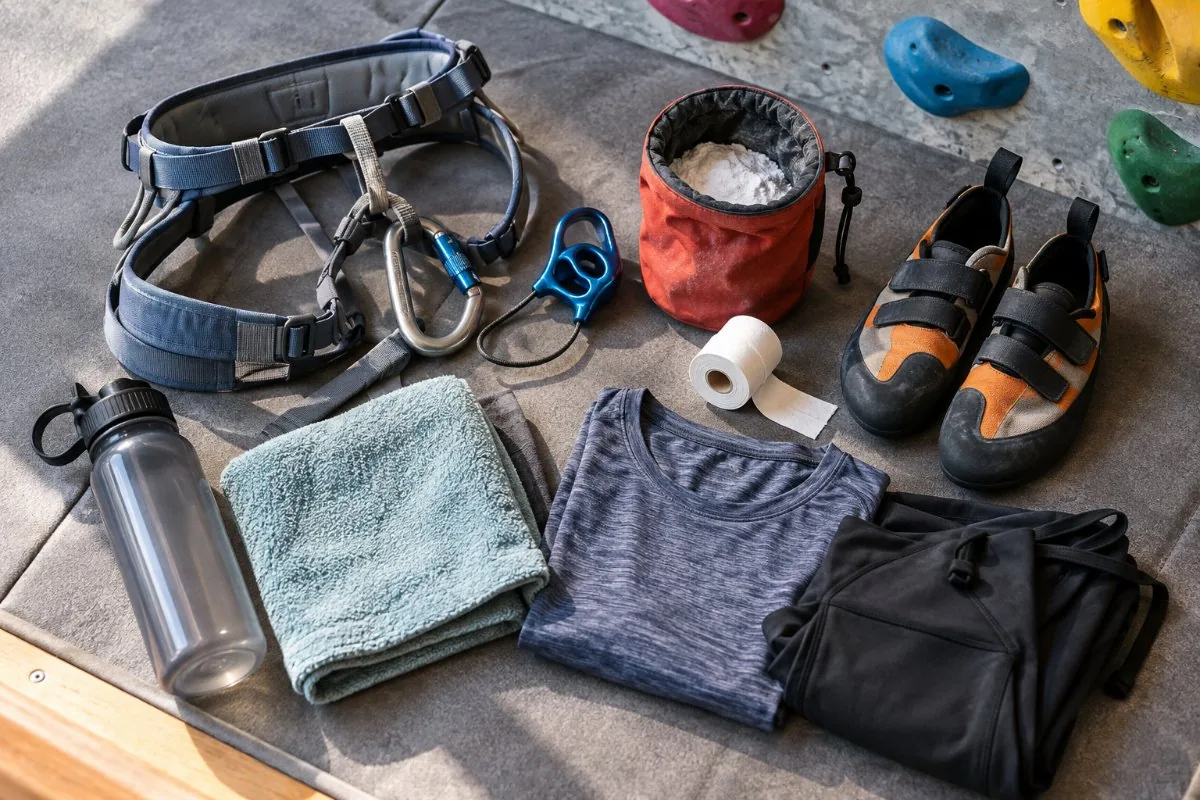
Rental climbing shoes are available at both gyms in a range of sizes, though availability of smaller or larger sizes can vary, so arriving early improves your chances. Chalk is provided at the front desk or available for purchase. For roped climbing at Push Climbing, rental harnesses are included with day passes, and you can also rent a belay device if needed. Bringing your own shoes and chalk is always recommended for comfort and hygiene, but the rental gear is well-maintained and suitable for beginners.
English-speaking staff and beginner-friendly instruction
Staff at both gyms speak English, with key personnel fluent enough to explain safety rules, demonstrate falling technique, and help with route selection. Danang Climbing Gym offers a brief orientation for first-time visitors, covering how to read route grades, how to fall safely, and gym etiquette. Push Climbing provides a more formal induction for roped climbing, including a belay check and harness fitting. Beginners should not hesitate to ask for help—staff are accustomed to working with travelers who have never climbed before.
5. How Indoor Climbing Fits Into a Da Nang Travel Itinerary
Best times to climb: avoiding heat and crowds
Da Nang’s tropical heat peaks between 11:00 AM and 3:00 PM, making early morning (8:00 AM to 10:00 AM) or late afternoon (4:00 PM to 6:00 PM) the most comfortable climbing windows. Weekday mornings are the quietest, with fewer locals and tourists. Evenings after 7:00 PM see a post-work crowd of local climbers, creating a lively but busy atmosphere. Plan your session around these times to maximize comfort and wall availability.
Combining a gym session with nearby attractions (Son Tra Peninsula, My Khe Beach)
A morning climb at Danang Climbing Gym pairs well with a late breakfast at a nearby cafe, followed by a visit to the Han Market or Dragon Bridge. For Push Climbing, a morning session can be followed by lunch at My Khe Beach, where you can swim or relax on the sand. The Son Tra Peninsula, with its panoramic views and hiking trails, is a 20-minute drive from both gyms, making it feasible to climb in the morning and explore the peninsula in the afternoon.
Rainy day backup plan: why indoor climbing works year-round
Da Nang’s rainy season, from September to December, can disrupt outdoor activities like beach trips and hiking. Indoor climbing provides a reliable, air-conditioned alternative that keeps you active regardless of weather. Both gyms operate their full schedule during rain, and the controlled environment means you never have to cancel a session due to a sudden downpour. This makes indoor climbing one of the most dependable rainy-day activities in Da Nang.
Important Considerations for First-Time Climbers in Da Nang
Safety protocols: spotting, falling technique, and gym rules
At Danang Climbing Gym, bouldering safety starts with learning how to fall correctly: land on both feet with knees slightly bent, then roll backward onto your back to distribute impact. Do not catch yourself with straight arms, as this risks wrist and elbow injuries. Spotting—standing behind a climber with arms raised to guide their fall—is encouraged but not mandatory. Push Climbing requires all roped climbers to pass a belay check before using the auto-belays or climbing with a partner. Gym rules include no loose chalk, no climbing under someone else, and no street shoes on the mats.
Physical preparation: what to expect on your first session
Your first climbing session will primarily challenge your grip strength and forearm endurance, as these muscles are rarely used in daily life. Expect your forearms to pump—feel tight and fatigued—within 15 to 30 minutes. Take frequent rest breaks and shake out your arms between attempts. A common mistake is over-gripping holds, which wastes energy. Focus on using your legs to push yourself up rather than pulling with your arms. Wear comfortable athletic clothing that allows a full range of motion.
Hydration and post-climb recovery in Da Nang’s tropical climate
Da Nang’s humidity means you will sweat more than you expect, even in an air-conditioned gym. Bring a water bottle and take small sips between climbs to stay hydrated. After your session, stretch your forearms, shoulders, and back to reduce stiffness. A post-climb meal with protein and carbohydrates—such as a banh mi with grilled pork or a smoothie bowl—helps with muscle recovery. Avoid alcohol immediately after climbing, as it impairs recovery and increases dehydration risk.
Related on this site
Frequently Asked Questions
Do I need prior experience to climb at these gyms?
No prior experience is necessary. Both gyms cater to beginners, with staff available to explain basic techniques and safety rules. Bouldering at Danang Climbing Gym is especially beginner-friendly because it requires no rope skills. Push Climbing offers introductory sessions for roped climbing that cover belaying and harness use.
Can I climb alone at either gym?
Yes. At Danang Climbing Gym, bouldering is a solo activity by nature—you can climb and fall without a partner. At Push Climbing, the auto-belays allow solo climbers to enjoy roped climbing without needing a belay partner. Both gyms have a social atmosphere where solo visitors can easily join others for a session.
What should I wear to a climbing gym in Da Nang?
Wear comfortable, breathable athletic clothing such as shorts or leggings and a t-shirt. Avoid loose or baggy clothing that could get caught on holds. Climbing shoes are provided with rental gear, but you can bring your own if you have them. No special equipment is required beyond what the gym rents.
Are the gyms suitable for children?
Yes. Danang Climbing Gym offers children’s birthday party packages and welcomes young climbers during regular hours. Push Climbing has dedicated kids’ courses and youth programs, with trained instructors supervising all sessions. Both gyms provide rental gear in children’s sizes.
How much does a single session cost in 2026?
Day pass prices vary, with Danang Climbing Gym generally offering lower rates for bouldering-only access. Push Climbing’s day passes are higher due to the larger facility and roped climbing infrastructure. Both gyms offer discounts for students and residents. It is best to check their Facebook pages or websites for current pricing.
Can I host a team-building event or birthday party at these gyms?
Both gyms accommodate group events. Danang Climbing Gym provides birthday party packages that include supervised climbing, gear rental, and a private area for food. Push Climbing offers corporate team-building programs and group bookings with instructor-led activities. Advance reservation is required for all group events.
Is there parking available at the gyms?
Danang Climbing Gym has street parking for motorbikes and limited car parking nearby. Push Climbing, located in the Crescent Wall complex, has a dedicated parking area for both motorbikes and cars. Travelers using taxis or Grab can be dropped off directly at the entrance of either gym.
Conclusion
Da Nang’s indoor climbing scene in 2026 offers two distinct experiences that cater to different preferences, budgets, and itineraries. Danang Climbing Gym delivers a focused, affordable bouldering session in the city center, ideal for quick workouts and social climbing. Push Climbing provides a comprehensive multi-discipline facility with roped climbing, auto-belays, and advanced training tools, perfect for travelers seeking variety and families looking for a full-day activity. Whichever gym you choose, you will find a welcoming community, English-speaking staff, and equipment that makes indoor climbing an accessible and rewarding part of your Da Nang adventure.
Part of our guide to things to do in Da Nang.