Da Nang, a vibrant coastal city in Vietnam, offers a tantalizing culinary journey, especially through its street food scene. From savory noodles to sweet treats, the city’s bustling streets are a paradise for food lovers. Embarking on a Da Nang street food tour promises an explosion of authentic flavors and local culture. This guide will navigate you through the must-try dishes, ensuring a truly unforgettable gastronomic adventure. Prepare your taste buds for a delightful exploration of Da Nang’s culinary heart.
Quick Summary: A Da Nang street food tour offers an authentic taste of Vietnam, featuring iconic dishes like Mi Quang, Banh Xeo, and Bun Cha Ca. These culinary explorations are best experienced between March and September for optimal weather, with an average meal costing around 25,000-50,000 VND. Expect a vibrant, sensory experience that highlights the city’s unique flavors and local life.
Updated: April 30, 2026 · Reading time: 8 min · Expertise: Culinary Travel Writer specializing in Southeast Asian cuisine
The Allure of Da Nang’s Street Food
Da Nang’s street food culture is more than just sustenance; it’s a way of life. The city’s vendors, often operating from small carts or humble storefronts, have perfected family recipes passed down through generations. The aroma of grilling meats, simmering broths, and freshly fried snacks fills the air, creating an irresistible invitation to indulge. Exploring these culinary hubs allows travelers to connect with the local community and experience the authentic pulse of Da Nang. It’s an accessible and affordable way to sample a wide array of Vietnamese flavors.
Why Choose Street Food in Da Nang?
Street food in Da Nang offers an unparalleled opportunity for genuine culinary discovery. Unlike formal restaurants, street vendors often specialize in just one or two dishes, honing their craft to perfection. This focus results in incredibly flavorful and authentic preparations. Furthermore, the interactive nature of street food, often involving watching your meal being prepared right before your eyes, adds a unique charm to the dining experience. It’s a direct window into the daily lives and traditions of the Da Nang people.
Key Characteristics of Da Nang Street Food
- Fresh Ingredients: Vendors prioritize using the freshest local produce, seafood, and meats daily.
- Regional Specialties: Many dishes are unique to Da Nang or Central Vietnam.
- Affordability: Delicious meals are available at very reasonable prices, making it accessible for all budgets.
- Vibrant Atmosphere: Eating on the street provides a lively and immersive cultural experience.
- Flavor Complexity: Expect a balance of sweet, sour, salty, spicy, and umami in most dishes.
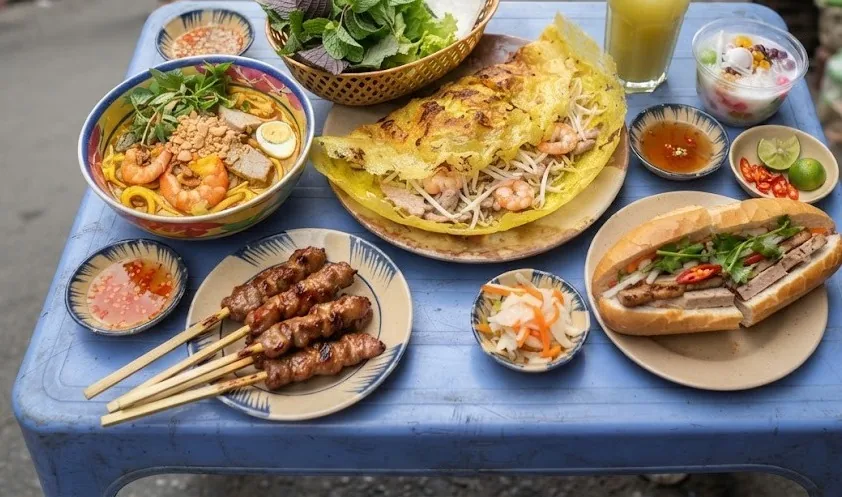
Must-Try Dishes on Your Da Nang Street Food Tour
Navigating the vast offerings can be daunting, but focusing on a few signature dishes will set you on the right path. These are the cornerstones of Da Nang’s street food identity, each offering a distinct taste of the region. From hearty noodle soups to crispy pancakes, these culinary gems are waiting to be discovered.
Mi Quang (Quang Nam Noodles)
Mi Quang is arguably Da Nang’s most iconic dish, originating from the neighboring Quang Nam (now part of Da Nang). This flavorful noodle dish features wide, flat rice noodles bathed in a rich, turmeric-infused broth. The broth is typically less soupy than other Vietnamese noodle dishes, serving as a flavorful sauce rather than a large volume of liquid. It’s generously topped with a variety of ingredients.
- Noodles: Wide, flat rice noodles, often colored yellow with turmeric.
- Broth: A concentrated, savory broth made from pork and shrimp, seasoned with turmeric and spices.
- Toppings: Common additions include sliced pork, shrimp, quail eggs, and sometimes chicken or fish.
- Garnish: Served with fresh herbs, crushed peanuts, crispy rice crackers (banh trang me), and a touch of chili.
Banh Xeo (Crispy Vietnamese Crepes)
Banh Xeo, meaning “sizzling cake,” is a delightful savory crepe that lives up to its name with the sound it makes when poured into the hot pan. Made from rice flour, coconut milk, and turmeric, these thin, crispy crepes are pan-fried to a golden perfection. They are typically filled with pork, shrimp, onions, and bean sprouts.
Step 1 – Preparation: The batter is made from rice flour, water, coconut milk, and turmeric for color.
Step 2 – Cooking: A thin layer of batter is spread in a hot, oiled pan, and fillings are added before folding.
Step 3 – Eating: Banh Xeo is meant to be eaten by hand. You break off a piece, wrap it in lettuce and herbs, dip it into a savory peanut sauce or fish sauce-based dip (nuoc cham), and enjoy.
Bun Cha Ca (Fish Cake Noodle Soup)
This flavorful soup is a Da Nang specialty, featuring a clear, aromatic broth made from fish bones and mackerel. The star of the dish is the grilled fish cake, which is soft, chewy, and bursting with flavor. It’s a lighter yet satisfying option for breakfast or lunch.
- Broth: A clear, savory broth seasoned with lemongrass, annatto oil, and sometimes pineapple for a hint of sweetness.
- Fish Cakes: Made from fresh mackerel, minced and seasoned, then grilled or steamed until firm.
- Noodles: Round rice vermicelli (bun).
- Accompaniments: Served with fresh herbs like basil, cilantro, and mint, along with lime wedges and chili.
Cao Lau (Da Nang’s Signature Noodle Dish)
While technically originating from Hoi An, Cao Lau is a beloved noodle dish widely available and celebrated in Da Nang. Its unique texture comes from noodles made with water from a specific ancient well in Hoi An, giving them a distinct chewiness. The dish features thick, chewy noodles, slices of tender pork, crispy croutons, and fresh herbs, all brought together by a minimal, savory broth.
Insight: The legend behind Cao Lau states that the noodles’ unique texture is due to water from the Ba Le Well in Hoi An, lending it an unparalleled chewiness and flavor.
White Rose Dumplings (Banh Bao Vac)
These delicate, translucent dumplings are a Hoi An specialty but are a common find for those exploring Central Vietnamese cuisine in Da Nang. Shaped to resemble white roses, they are made from thinly rolled rice paper filled with minced shrimp or pork, then steamed. They are typically served with a crispy fried shallot topping and a sweet and savory dipping sauce.
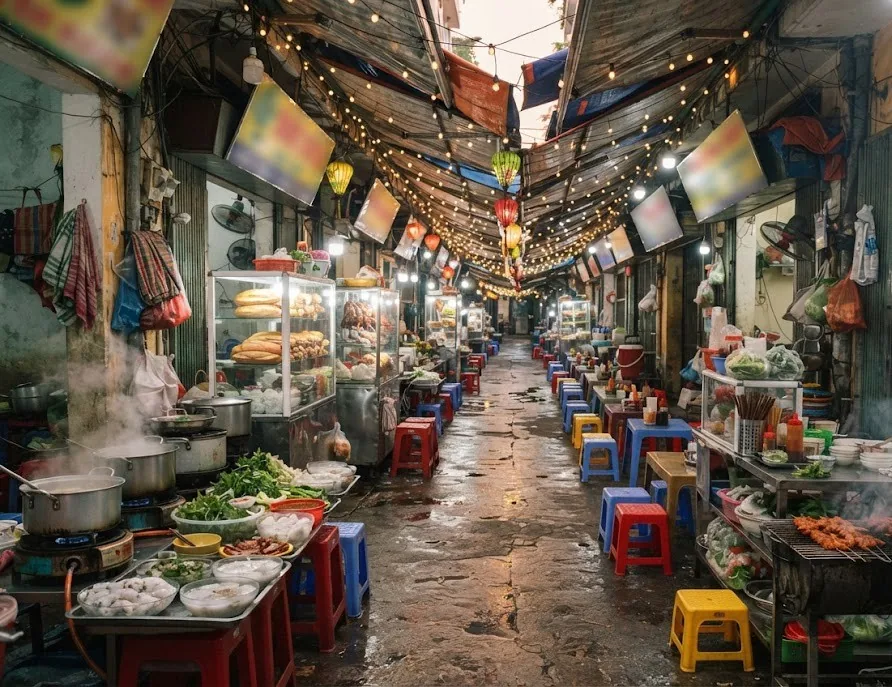
Exploring Da Nang’s Food Markets and Streets
The best way to experience Da Nang’s street food is to immerse yourself in its vibrant markets and busy streets. These locations are where you’ll find the most authentic flavors and the liveliest atmosphere. Don’t be afraid to venture off the beaten path to discover hidden culinary gems.
Con Market (Cho Con)
Con Market is a bustling hub of activity, offering a true sensory overload. Within its sprawling complex, you’ll find an extensive food section dedicated to local delicacies. It’s a fantastic place to sample a wide variety of dishes, from fresh seafood to traditional sweets, all at local prices. The market is particularly lively in the morning and late afternoon.
Han Market (Cho Han)
Han Market is another popular destination for both locals and tourists. While it also sells dry goods and souvenirs, its food court is a treasure trove of Da Nang’s street food favorites. Here, you can find stalls specializing in Mi Quang, Banh Xeo, and various seafood options. The market is well-organized, making it an easier starting point for newcomers.
Local Streets and Alleyways
Beyond the main markets, many of Da Nang’s smaller streets and alleyways hide incredible food stalls. These unassuming spots often serve the most authentic and delicious food, prepared by vendors who have been perfecting their recipes for years. Look for places with a steady stream of local customers; this is usually a good indicator of quality and taste.
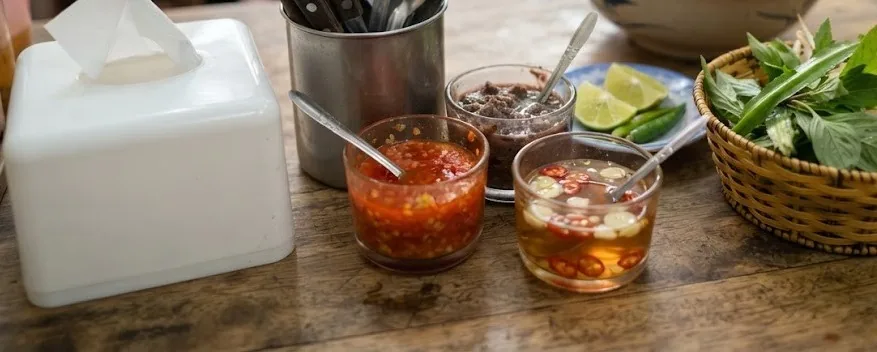
Tips for an Enjoyable Street Food Experience
To make the most of your Da Nang street food adventure, keep a few practical tips in mind. These suggestions will help you navigate the experience smoothly and safely, ensuring you savor every bite.
- Look for Crowds: Popular stalls with a queue of locals are usually a sign of delicious and safe food.
- Observe Hygiene: While street food is generally safe, choose vendors who appear clean and organized.
- Carry Small Bills: Most vendors prefer cash, and having small denominations makes transactions easier.
- Be Adventurous: Don’t shy away from trying new dishes; that’s the essence of a food tour.
- Stay Hydrated: Drink plenty of water, especially in the heat. Fresh coconut water is a great local option.
- Ask Questions: Don’t hesitate to ask vendors about their dishes if you’re unsure.
Common mistake:
Assuming all street food is inherently unsafe. While caution is advised, reputable street food vendors in Da Nang adhere to high standards of freshness and preparation. Focusing on busy stalls mitigates most risks.
Planning Your Da Nang Street Food Tour
Timing and preparation can significantly enhance your street food journey. Considering the best times to visit and what to expect will help you plan a more fulfilling culinary exploration.
Best Time to Visit
The ideal time for a street food tour in Da Nang is during the dry season, which generally runs from March to September. During these months, the weather is warm and sunny, perfect for exploring outdoors. The evenings are particularly pleasant for enjoying street food.
Budgeting for Street Food
Da Nang street food is incredibly affordable. You can enjoy a substantial meal for as little as 25,000 to 50,000 VND (approximately $1-2 USD). This allows you to sample multiple dishes without breaking the bank. Budgeting around 200,000-300,000 VND per person per day would allow for a generous exploration of various foods.
Related on this site
- Da Nang’s Hidden Food Courts: Local Lunch Spots 2026
- An Insider’s Look at Da Nang’s Hidden Food Gems
Frequently Asked Questions
What is the most famous street food in Da Nang?
Mi Quang is widely considered the most famous and iconic street food dish in Da Nang, known for its unique turmeric-infused broth and wide noodles.
Is street food in Da Nang safe to eat?
Generally, yes. It’s advisable to choose busy stalls with high customer turnover and good hygiene practices to ensure safety.
How much does a typical street food meal cost?
A single street food dish typically costs between 25,000 and 50,000 VND, making it very budget-friendly.
What should I drink with my street food?
Fresh coconut water, Vietnamese iced coffee (ca phe sua da), or sugarcane juice (nuoc mia) are popular and refreshing choices.
When is the best time of year for a Da Nang street food tour?
The dry season, from March to September, offers the most pleasant weather for exploring outdoor food stalls.
Conclusion
A Da Nang street food tour is an essential experience for any visitor seeking an authentic taste of Vietnam. From the iconic Mi Quang to the crispy Banh Xeo and delicate White Rose dumplings, the city offers a diverse and delicious culinary landscape. By exploring local markets and venturing into bustling streets, you can uncover the true flavors of Da Nang. Remember to embrace the adventure, savor each bite, and immerse yourself in the vibrant culture that street food so beautifully represents. Your taste buds will thank you for this unforgettable journey.
Disclaimer: While this guide provides recommendations based on popular and generally safe street food practices, individual experiences may vary. Always exercise personal judgment regarding hygiene and food choices.