Da Nang, a vibrant coastal city in Vietnam, offers a breathtaking tapestry of natural beauty and modern marvels. From its iconic bridges to its pristine beaches, the city presents endless opportunities for photographers seeking to capture unforgettable images. As 2026 approaches, understanding the prime locations and best times to shoot will elevate your photography experience. This guide unveils the top photography hotspots in Da Nang, ensuring you frame the city’s essence perfectly.
Quick Summary: Da Nang in 2026 is a photographer’s paradise, offering diverse scenes from golden beaches to illuminated bridges. Key spots include My Khe Beach for sunrises, the Dragon Bridge for its nightly spectacle, and the Marble Mountains for panoramic views. Visiting during the dry season (February to August) maximizes your chances for clear shots, with early mornings and late afternoons providing optimal lighting conditions.
Updated: May 11, 2026 · Reading time: 8 min · Expertise: Travel Photography & Local Insights
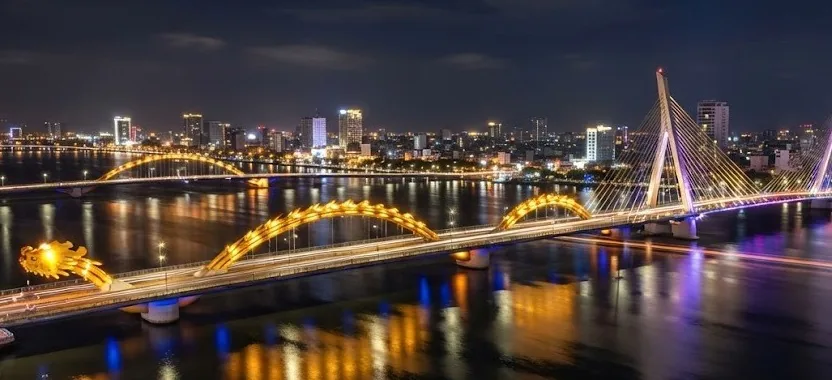
Iconic Bridges: Da Nang’s Luminous Arches
Da Nang’s skyline is defined by its spectacular bridges, each offering unique photographic potential. The Dragon Bridge, a true marvel, is a must-visit, especially during its weekend fire and water show. Capturing the dragon’s fiery breath against the night sky is a quintessential Da Nang experience. The Han River Bridge, the city’s first swing bridge, provides a different kind of charm, particularly at dawn when its lights reflect on the water. Exploring these bridges at different times of day will reveal their multifaceted beauty.
The Dragon Bridge Spectacle
The Dragon Bridge is most famous for its weekend fire and water shows. Typically held on Saturdays and Sundays at 9 PM, these performances are a photographer’s dream. The dragon breathes fire and then water, creating dramatic and dynamic photo opportunities. Arrive early to secure a good vantage point, preferably with the river in the foreground and the bridge as the main subject.
Key note: Consider using a tripod for sharp images during the night show. Experiment with long exposure to capture the trails of fire and water.
Han River Bridge at Sunrise
For a more serene shot, the Han River Bridge at sunrise is unparalleled. The early morning light casts a warm glow over the city, and the bridge’s illumination provides a beautiful contrast. This is also a great time to capture local life along the riverbanks. The bridge famously swings open around 2 AM on Sundays to allow ships passage, offering a unique, though less predictable, photographic moment.
Coastal Gems: Beaches and Islands
Da Nang’s coastline stretches for miles, boasting some of Vietnam’s most beautiful beaches. My Khe Beach, renowned for its fine sand and gentle waves, is a prime spot for capturing the sunrise. Further south, Non Nuoc Beach offers a more tranquil atmosphere, backed by the imposing Marble Mountains. For a truly unique perspective, a boat trip to the Son Tra Peninsula’s hidden coves provides opportunities for dramatic seascapes and wildlife photography.
My Khe Beach: Sunrise Serenity
My Khe Beach is consistently ranked among the world’s most attractive beaches. Its eastern orientation makes it the ideal location for capturing the sunrise. The soft sands and calm waters create a peaceful setting, perfect for silhouette shots or capturing the vibrant colors of the dawn sky. Local fishermen preparing their boats add a touch of authenticity to your frames.
Step 1 – Arrive before dawn: Aim to be on the beach at least 30 minutes before sunrise to set up your gear and observe the changing light.
Step 2 – Compose your shot: Look for leading lines in the sand, the shapes of fishing boats, or the silhouettes of early morning beachgoers.
Son Tra Peninsula: Wild Beauty
The Son Tra Peninsula, also known as Monkey Mountain, is a protected natural reserve offering lush rainforests and secluded beaches. The Linh Ung Pagoda, with its giant Lady Buddha statue, is a prominent landmark. The winding roads offer stunning viewpoints overlooking the coastline. For the adventurous, exploring the less-visited beaches like Bai But provides a raw, untouched beauty.
Common mistake: Not allowing enough time to explore the peninsula. Its diverse landscapes require dedicated exploration to discover hidden photographic gems.
Majestic Mountains and Cultural Sites
Beyond the coast, Da Nang’s inland offers dramatic landscapes and significant cultural landmarks. The Marble Mountains, a cluster of five limestone and marble hills, are a spiritual and natural wonder. The caves, tunnels, and pagodas within offer a mystical atmosphere, while the summit provides panoramic views of the city and the sea. The Ba Na Hills, though a resort, offer unique architectural styles and breathtaking vistas from its Golden Bridge.
The Marble Mountains: A Spiritual Landscape
The Marble Mountains are a UNESCO World Heritage tentative site and a photographer’s delight. Each mountain is named after an element: Kim (Metal), Thuy (Water), Tho (Earth), Moc (Wood), and Hoa (Fire). Exploring the caves, particularly Huyen Khong Cave with its natural skylight, offers dramatic lighting. The pagodas and intricate carvings provide rich cultural details.
Key note: Wear comfortable shoes as there are many stairs to climb. The humidity can be high, so bring water.
Ba Na Hills: Architectural Marvels
While often seen as a tourist attraction, Ba Na Hills offers unique photographic opportunities, especially the Golden Bridge. This pedestrian bridge, supported by two giant stone hands, has become an iconic image of Vietnam. The French village architecture also provides a distinct backdrop. Visiting on a weekday can help avoid large crowds.
Insight: The Golden Bridge at Ba Na Hills has become a global sensation, driving significant tourism and offering a surreal photographic experience distinct from Da Nang’s natural beauty.
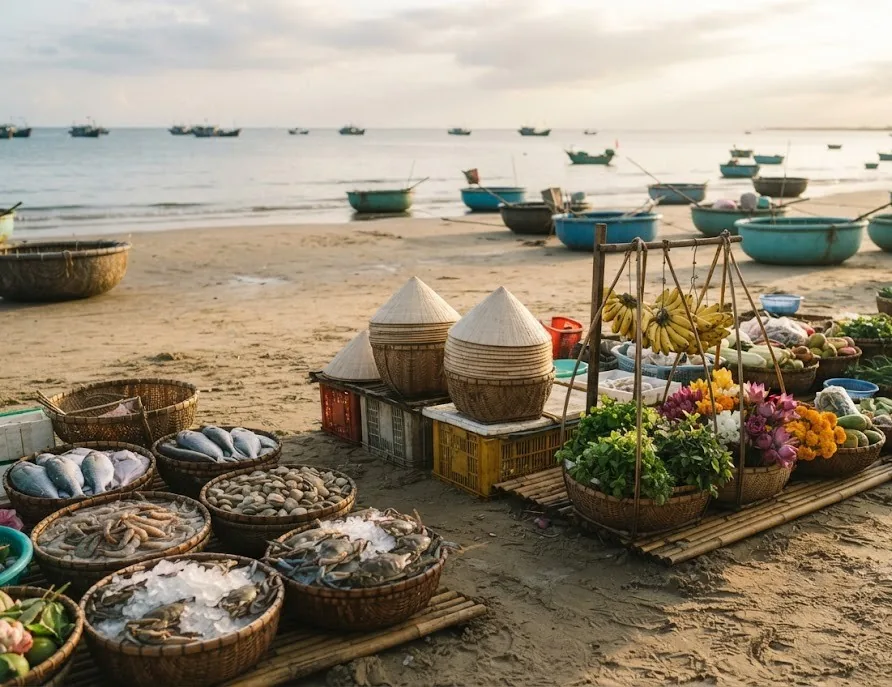
Local Life and Markets
To truly capture the spirit of Da Nang, immerse yourself in its local life. The bustling markets, like Con Market and Han Market, are vibrant hubs of activity, offering colorful displays of fresh produce, local delicacies, and handicrafts. Capturing candid shots of vendors and shoppers provides an authentic glimpse into daily life. Early morning fishing villages also present excellent opportunities for documentary-style photography.
Con Market and Han Market: A Feast for the Eyes
Con Market and Han Market are sensory overload in the best way for photographers. The sheer variety of goods, the lively interactions between vendors and customers, and the vibrant colors create a dynamic scene. Focus on details: the textures of spices, the arrangement of fruits, or the expressions of the people.
Step 1 – Be respectful: Always ask for permission before taking close-up photos of individuals.
Step 2 – Focus on details: Look beyond the wide shots; close-ups of textures, faces, and unique products tell compelling stories.
Fishing Villages: A Glimpse of Tradition
For a more traditional scene, visit the fishing villages on the outskirts of Da Nang, especially in the early morning. Witnessing fishermen bringing in their catch, mending nets, or preparing their colorful boats offers a timeless photographic subject. The contrast between the rustic boats and the modern cityscape in the distance can be striking.
Essential Photography Tips for Da Nang
Maximizing your photographic success in Da Nang involves more than just knowing the locations. Understanding the best times to shoot, necessary gear, and local etiquette will significantly enhance your results. The city’s tropical climate also presents unique challenges and opportunities.
Best Times for Lighting
The “golden hours” – the period shortly after sunrise and before sunset – offer the most flattering light for photography. In Da Nang, sunrise over My Khe Beach is spectacular. For cityscapes and bridges, the blue hour (the period after sunset when the sky is still blue) is ideal for capturing city lights.
- Sunrise: Capture soft, warm light on beaches and eastern-facing landscapes.
- Morning (9 AM – 11 AM): Good for detailed shots in markets or exploring pagodas with diffused light.
- Afternoon (2 PM – 4 PM): Harsh light; best avoided for portraits. Use for high-contrast architectural shots if necessary.
- Blue Hour: Ideal for cityscapes, bridges, and capturing the city’s illuminated beauty.
- Night: Perfect for the Dragon Bridge show and vibrant street scenes.
Essential Gear and Considerations
A versatile lens, such as a 24-70mm or a 18-55mm kit lens, is often sufficient for most shots. However, a wide-angle lens can be useful for capturing expansive landscapes and cityscapes. For night photography, especially of the Dragon Bridge, a tripod is indispensable. Consider a polarizing filter to enhance sky colors and reduce glare on water.
- Camera: DSLR or Mirrorless with manual controls.
- Lenses: Wide-angle (e.g., 16-35mm) and a versatile zoom (e.g., 24-70mm).
- Tripod: Essential for low-light and night photography.
- Extra Batteries and Memory Cards: Da Nang’s humidity can drain batteries faster.
- Rain Cover: For unexpected tropical showers.
- Polarizing Filter: To manage reflections and boost sky saturation.
Respecting Local Culture
When photographing in Da Nang, always be mindful of local customs and traditions. Dress modestly when visiting pagodas and religious sites. Always ask for permission before taking close-up portraits of people, especially in markets or rural areas. Understanding and respecting local etiquette will lead to more positive interactions and better photographic opportunities.
Real example: A photographer respectfully asked a vendor at Han Market if they could take a photo of their vibrant fruit stall. The vendor happily agreed, even arranging some fruits for a better shot, leading to a memorable and authentic image.
Planning Your Photography Trip to Da Nang in 2026
As you plan your photographic journey to Da Nang in 2026, consider the best times to visit for optimal weather and fewer crowds. The dry season generally offers the most favorable conditions for outdoor photography.
Best Seasons for Photography
Da Nang experiences a tropical monsoon climate. The dry season runs from February to August, offering sunny days and lower humidity, making it ideal for most types of photography. The wet season, from September to January, brings higher rainfall, which can create dramatic skies and fewer tourists, but may limit outdoor shooting opportunities.
| Season | Months | Photography Conditions | Crowds |
|---|---|---|---|
| Dry Season | February – August | Sunny, warm, low humidity. Excellent for beaches, cityscapes, and landscapes. | Moderate to High (peak season July-August) |
| Wet Season | September – January | Rain showers, high humidity. Dramatic skies, lush landscapes. Fewer tourists. | Low to Moderate |
Navigating Da Nang
Getting around Da Nang is relatively easy. Taxis and ride-sharing apps are readily available and affordable for reaching major attractions. Renting a motorbike offers flexibility for exploring at your own pace, especially for reaching more remote coastal spots or viewpoints on the Son Tra Peninsula. Consider hiring a local guide for a day to discover hidden gems and gain insider knowledge.
Step 1 – Utilize ride-sharing apps: Grab is popular and reliable for taxis and motorbikes.
Step 2 – Consider motorbike rental: For independent exploration, but ensure you have an international driving permit and are comfortable with local traffic.
Step 3 – Hire a local guide: For in-depth cultural insights and access to less-known spots.
Related on this site
- Photography Tips for Capturing Da Nang’s Beauty
- Han River Bridge Views: Best Spots for Evening Ambiance 2026
Frequently Asked Questions
What is the best time of day to photograph the Dragon Bridge?
The best time is during its fire and water show, typically Saturday and Sunday nights at 9 PM, for dynamic action shots.
Are there any specific photography permits needed for Da Nang?
Generally, no specific permits are required for general photography in public areas. However, commercial shoots might need authorization.
What should I wear when visiting religious sites in Da Nang?
Dress modestly, covering shoulders and knees, to show respect for local customs.
How can I capture the best sunrise at My Khe Beach?
Arrive 30 minutes before sunrise with a tripod. Look for leading lines, local boats, or silhouettes.
Is it safe to photograph markets in Da Nang?
Yes, it is generally safe. Always be aware of your surroundings and ask permission before taking close-up photos of people.
Embrace the adventure and let Da Nang inspire your photographic creativity.
The city’s iconic bridges, particularly the Dragon Bridge, offer a dramatic backdrop, especially at night when illuminated. Consider positioning yourself on the Han River banks or a nearby rooftop bar for unique perspectives. The bridges themselves are architectural marvels, and the interplay of light and water creates dynamic photographic opportunities. Early mornings before the city fully awakens provide a softer light and fewer crowds, allowing for more contemplative shots. Don’t forget to explore the smaller, less-known bridges as well; they often possess their own distinct character and charm, contributing to the rich tapestry of Da Nang’s urban landscape.
Beyond the urban core, the Son Tra Peninsula, often referred to as Monkey Mountain, is a treasure trove for nature photographers. The Linh Ung Pagoda, with its colossal Lady Buddha statue overlooking the sea, is a must-visit. The panoramic views from this vantage point are breathtaking, especially during sunrise or sunset. The peninsula also boasts pristine beaches, dense forests, and diverse wildlife, including the rare red-shanked douc langur.
Exploring the winding roads of Son Tra offers a chance to capture stunning coastal vistas, lush green landscapes, and the serene beauty of untouched nature, providing a stark yet beautiful contrast to the city’s modern energy.
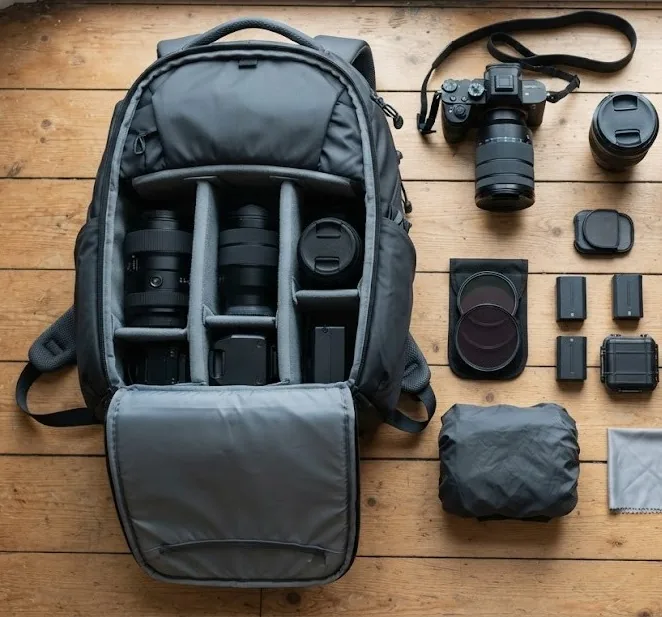
What to Pack for Your Da Nang Photography Trip
Packing the right gear is crucial for capturing the best of Da Nang. A versatile DSLR or mirrorless camera with a range of lenses will serve you well, from wide-angle shots of the coastline to telephoto captures of distant mountains. A sturdy tripod is essential for low-light photography, especially for capturing the Dragon Bridge’s fire-breathing show or serene sunrise and sunset scenes. Don’t forget extra batteries and memory cards, as you’ll likely be shooting extensively throughout your trip. Protecting your equipment from the tropical humidity and occasional rain is also paramount; consider waterproof camera bags or silica gel packs.
Comfortable walking shoes are a must, as you’ll be exploring various terrains, from sandy beaches to mountain trails and bustling city streets. Lightweight, breathable clothing is ideal for Da Nang’s warm and humid climate. A wide-brimmed hat and high-SPF sunscreen will protect you from the strong tropical sun, especially during daytime shoots. Insect repellent is advisable, particularly if you plan on exploring natural areas like Son Tra Peninsula in the early morning or late evening. Carrying a reusable water bottle will help you stay hydrated and is an environmentally conscious choice.
Essential Photography Gear Checklist:
- DSLR or Mirrorless Camera Body
- Versatile Zoom Lens (e.g., 24-70mm)
- Wide-Angle Lens (e.g., 16-35mm) for landscapes
- Telephoto Lens (e.g., 70-200mm) for wildlife and details
- Sturdy Tripod with a Ball Head
- Extra Camera Batteries and Charger
- Plenty of High-Speed Memory Cards
- Camera Bag (weather-resistant recommended)
- Lens Cleaning Kit (cloth, blower, solution)
- Remote Shutter Release or Timer
Personal Items for Comfort and Protection:
- Lightweight, Breathable Clothing
- Comfortable Walking Shoes or Hiking Boots
- Wide-Brimmed Hat
- Sunglasses
- High-SPF Sunscreen
- Insect Repellent
- Reusable Water Bottle
- Small Backpack for Day Trips
- Light Rain Jacket or Poncho
Best Times to Visit Da Nang for Photography
The ideal time to visit Da Nang for photography depends on the type of shots you’re aiming for. The dry season, from January to August, generally offers clear skies and abundant sunshine, perfect for capturing vibrant landscapes and beach scenes. Within this period, the shoulder months of January to March and July to August can offer a good balance of pleasant weather and fewer crowds compared to the peak summer months.
Sunrise and sunset are, of course, golden hours for any photographer, providing soft, warm light that enhances colors and creates dramatic shadows, making the city and its natural surroundings truly shine.
The rainy season, from September to December, might seem less appealing, but it offers unique photographic opportunities. The skies can be dramatic with interesting cloud formations, and the lush greenery is at its most vibrant. The city often experiences fewer tourists during this time, allowing for a more intimate and unhurried photographic experience. Night photography can be particularly rewarding during the rainy season, with reflections on wet surfaces adding an extra layer of visual interest. If you’re aiming for moody, atmospheric shots or are less concerned about consistent sunshine, the rainy season can still yield spectacular results.
Seasonal Photography Considerations:
- Dry Season (January – August):
- Pros: Sunny days, clear skies, ideal for beaches and landscapes.
- Cons: Can be hot and humid, peak tourist season.
- Best for: Vibrant colors, beach photography, architectural details.
- Rainy Season (September – December):
- Best for: Dramatic skies, lush greenery, reflections, fewer crowds.
- Cons: Potential for heavy rain, lower light conditions.
- Consider: Moody landscapes, urban reflections, cultural insights.
Ethical Considerations for Photographers in Da Nang
When photographing in Da Nang, it’s essential to practice responsible and ethical photography. Always be mindful of local customs and traditions. When visiting religious sites like pagodas or temples, dress respectfully, covering your shoulders and knees. Avoid intrusive photography, especially when photographing people. Always ask for permission before taking close-up portraits of individuals, particularly children. A smile and a gesture can go a long way in bridging any language barriers. Understanding and respecting these courtesies will not only ensure you get better cooperation but also contribute positively to the local community’s perception of photographers.
Be aware of the impact your presence might have on the environment and local life. Avoid disturbing wildlife, especially in natural reserves like Son Tra. When photographing busy markets or public spaces, try to capture the essence of the scene without causing disruption or making people feel uncomfortable. Consider purchasing local crafts or services if you are spending time interacting with vendors or individuals for photographic purposes; this can be a way of giving back to the community you are documenting.
Ethical photography is about capturing the beauty and stories of a place respectfully, ensuring that your visit leaves a positive rather than a negative impression.
Guidelines for Respectful Photography:
- Always seek permission before photographing individuals, especially close-ups.
- Dress modestly when visiting religious sites.
- Avoid disturbing wildlife or their habitats.
- Be mindful of local customs and privacy.
- Do not obstruct public pathways or businesses.
- Consider purchasing local goods or services when appropriate.
- Be aware of and respect any “no photography” signs.
Conclusion
Da Nang in 2026 presents a compelling destination for photographers seeking to capture a blend of natural beauty, modern architecture, and vibrant local culture. From the fiery spectacle of the Dragon Bridge to the tranquil dawn at My Khe Beach, and the spiritual heights of the Marble Mountains, the city offers a diverse palette for your lens. By understanding the optimal times for shooting, preparing the right gear, and respecting local customs, you are sure to return with a portfolio of stunning images that truly reflect Da Nang’s unique charm.
Embrace the adventure and let Da Nang inspire your photographic creativity.