Da Nang’s rapid growth presents a unique opportunity for travelers to contribute meaningfully while experiencing central Vietnam beyond typical tourist activities. Volunteer programs here range from teaching English to coastal conservation, with work-exchange options that allow for extended stays at a lower cost. Da Nang’s volunteer scene is expanding due to the city’s compact, safe urban layout and clear community needs, from English education gaps to beach cleanup efforts.
Unlike larger cities, volunteering in Da Nang allows for a blend of contribution and exploration. Programs like Worldpackers and Workaway offer free accommodation in exchange for 15-20 hours of weekly help. Alternatively, structured placements through organizations like Volunteer Vietnam and Natucate typically range from $300-$500 per week, including meals and lodging.
Why Da Nang Is Becoming a Top Volunteer Destination
Da Nang offers a volunteer experience distinct from Vietnam’s larger metropolises. While Hanoi and Ho Chi Minh City have extensive NGO networks, their sheer scale can make it challenging to perceive one’s direct impact. 2 million residents means volunteer programs are often smaller, more personal, and allow for consistent collaboration with local teams.
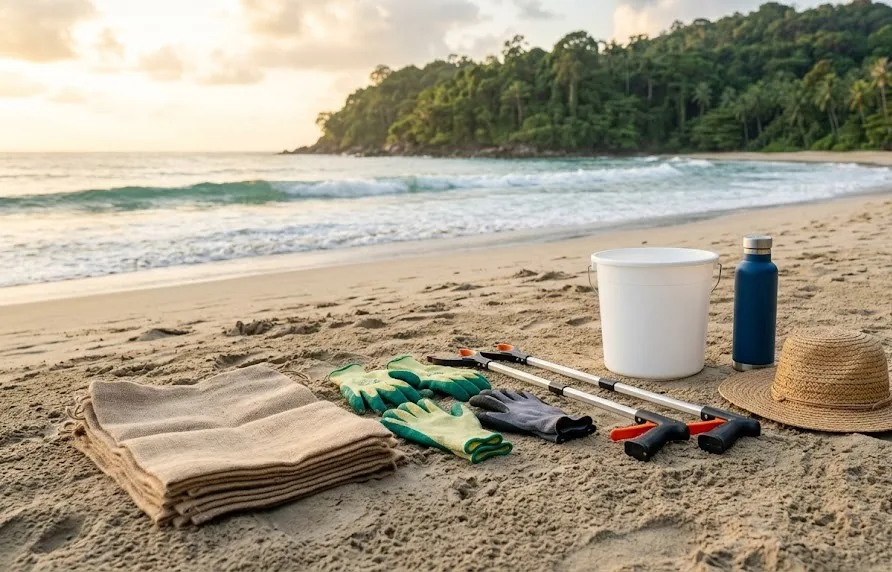
The city’s coastal geography also shapes its volunteer landscape. Programs frequently focus on specific ecosystems, such as the biodiversity of the Son Tra Peninsula, the waterways of the Han River, and the beaches from My Khe to Non Nuoc. This focus allows volunteers to contribute to tangible outcomes, whether it’s a cleaner stretch of coastline or improved English skills for local students.
With Hoi An’s ancient town just 30 minutes south and the Marble Mountains nearby, weekend exploration is easily integrated. Sustainable travel has moved beyond a trend to become a core consideration for travelers in 2026. They increasingly seek experiences where their presence benefits local communities. As Da Nang’s tourism numbers rise, so does the pressure on its infrastructure and natural resources, creating a demand for volunteers to support schools, shelters, and conservation groups operating with limited budgets.
The Main Types of Volunteer Programs Available in Da Nang
Da Nang offers volunteer work across five primary categories: community development, education, healthcare, animal welfare, and environmental conservation. Each category has distinct skill requirements and time commitments.
Community Development and NGO Support Projects
Local NGOs in Da Nang run programs that support disadvantaged families, children with disabilities, and rural communities in the surrounding Quang Nam (now part of Da Nang). Volunteer roles can include administrative assistance, grant writing support, event coordination, and digital marketing. These positions are well-suited for professionals with office-based skills who wish to contribute without direct frontline engagement.
Organizations like Volunteer Vietnam facilitate year-round placements in Da Nang, connecting international volunteers with community centers serving children from low-income families. A typical placement involves 4-5 hours of daily support, including assisting with homework, organizing activities, and aiding local staff with program logistics. Minimum commitments generally range from 2 to 12 weeks, with longer stays fostering deeper community integration.
Teaching and English Education at Local Schools and Centers
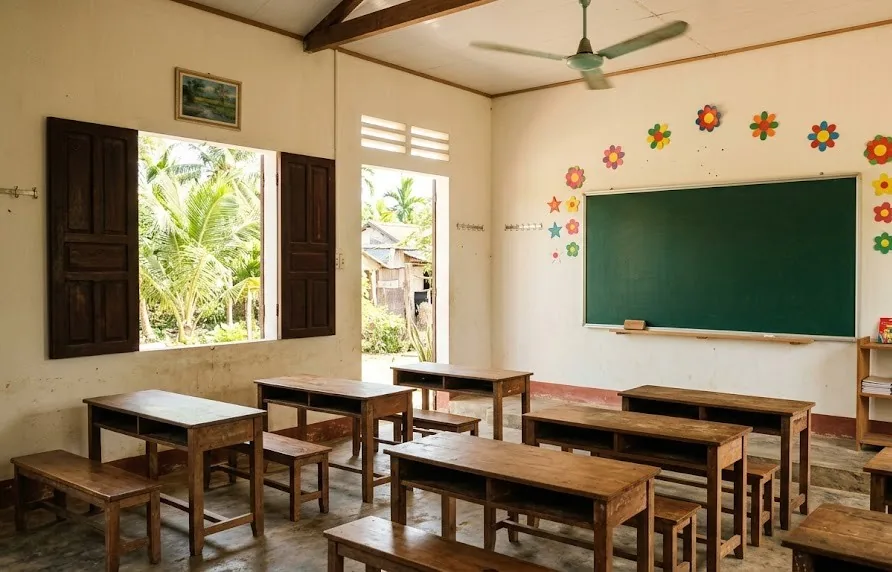
English teaching remains a high-demand volunteer role in Da Nang. Local schools, language centers, and community programs consistently seek native or near-native English speakers to lead conversation classes, support Vietnamese teachers, and run after-school clubs. This demand is driven by the Vietnamese education system’s emphasis on English proficiency, coupled with a shortage of speaking practice opportunities in public schools.
Most teaching placements do not require formal TEFL certification, although holding one can broaden opportunities. Workaway hosts in Da Nang commonly offer free accommodation and meals in exchange for 3-5 hours of teaching per day, five days a week. These arrangements are suitable for travelers planning to stay for 3-8 weeks and who prefer a low-cost experience over a structured, fee-based program.
Healthcare and Medical Electives for Students and Professionals
Da Nang’s hospitals and clinics welcome medical students, nursing students, and healthcare professionals for observation electives and support roles. Programs like Volunteering Journeys organize medical placements in Da Nang that include hospital shadowing, community health outreach, and health education workshops. These placements are beneficial for pre-med students building their resumes and professionals interested in exploring Vietnam’s healthcare system.
Medical placements require more extensive planning than other volunteer categories. Participants typically need to provide proof of enrollment or licensure, complete health screenings, and often pay higher program fees that cover hospital coordination, insurance, and housing. The experience offers genuine clinical exposure, with Vietnamese hospitals often allowing volunteers to observe procedures and participate in community health campaigns in ways that may be restricted in Western healthcare settings.
Animal Welfare and Shelter Support Programs
Da Nang’s stray dog and cat population has led to the growth of several animal welfare organizations that depend significantly on international volunteers. Shelters near the city require assistance with daily feeding, cleaning enclosures, administering basic medications, socializing animals, and supporting adoption events. These roles demand physical stamina and comfort with hands-on work, but do not require specialized veterinary training.
Programs organized through platforms like Natucate offer structured 8-week placements that combine animal care with cultural activities. Volunteers typically work 5-6 hours daily, with weekends free for regional exploration. The work is physically demanding, involving early mornings, outdoor conditions, and considerable physical exertion, but the impact is immediate and visible as animals improve under care, and local staff greatly appreciate the assistance.
Environmental Conservation and Beach Cleanup Initiatives
Da Nang’s 30 kilometers of coastline face persistent challenges with plastic pollution, particularly following peak tourist seasons. Environmental volunteer programs focus on beach cleanups, waste sorting, recycling education, and mangrove restoration in the nearby Son Tra Peninsula and Hoi An areas. These programs attract travelers seeking short-term, high-impact contributions without long-term commitments.
Many beach cleanup initiatives operate as drop-in activities rather than structured placements. Local environmental groups organize weekend cleanups that welcome one-day volunteers. Longer programs, such as those offered by the Da Nang-based Center for Marinelife Conservation, provide week-long expeditions that combine cleanup work with environmental education. These shorter commitments make environmental volunteering accessible even for travelers spending only 3-4 days in Da Nang.
How to Choose a Legitimate Volunteer Organization in Da Nang
Legitimate volunteer programs in Da Nang are characterized by transparent fee structures, verifiable alumni reviews, and direct communication with the host organization prior to commitment.
The volunteer market in Vietnam has a varied reputation, and Da Nang is not exempt from organizations that prioritize profit over genuine community impact. Some programs charge substantial fees while offering minimal work, substandard accommodation, or misrepresented project descriptions. Others place volunteers in orphanages or care facilities that do not genuinely require international assistance, a practice increasingly criticized by ethical travel experts as “voluntourism” that can cause more harm than good.
To avoid these issues, apply the same level of scrutiny as you would for any significant purchase. Research the organization across multiple platforms, attempt to contact past volunteers directly, and be wary of programs that pressure you to book quickly.
Red Flags to Spot in Volunteer Program Listings
- Vague project descriptions: Phrases like “Help local children” without specific details about the center, age group, or daily activities may indicate the organization lacks a concrete placement.
- Pressure to book quickly: Legitimate programs involve application and screening processes; a sense of urgency often signals a sales tactic rather than a genuine need.
- No direct contact with the host: If an intermediary prevents you from connecting with the actual project site before payment, it is advisable to reconsider.
- Orphanage-only placements: The tourism-driven orphanage industry in Vietnam has documented issues with children being exploited to attract donations. Ethical organizations now prioritize community-based care.
- Unrealistic impact claims: Statements like “Change a child’s life in 2 weeks” are marketing. Genuine programs focus on incremental contributions and sustainable support.
Questions to Ask Before Paying Program Fees
Before committing financially, ask the program coordinator and the host organization the following questions. Request written responses, as vague verbal answers can be a warning sign.
- What specific tasks will I be performing daily, and who will be supervising my work?
- Can you provide contact details for 2-3 alumni from the past 12 months?
- What percentage of my program fee is allocated directly to the local organization versus the intermediary?
- What is the protocol if the project is cancelled or my role is changed by the host organization?
- Is there a refund policy, and what are its specific terms?
Checking Reviews, Alumni Feedback, and Host Verification Status
Platforms like Workaway and Worldpackers feature verification systems where hosts submit identification documents and receive feedback from previous volunteers. It is important to read all reviews, not just the highest-rated ones, paying attention to recurring themes. If multiple volunteers mention similar issues, such as poor food quality or unclear work schedules, these patterns often reflect the actual experience.
For paid programs, search the organization’s name along with terms like “review” or “scam” on Google and Facebook. Look for independent content posted by alumni, such as blog posts, YouTube videos, or Instagram stories, that can be cross-referenced with official testimonials. Organizations that welcome such scrutiny are typically confident in their offerings. Those that discourage independent research or offer “exclusive discounts” for immediate booking may be indicating that their services do not withstand comparison.
What a Typical Volunteer Day Looks Like in Da Nang
A standard volunteer day in Da Nang typically involves 4-6 hours of work, a break during the hottest afternoon hours, and evenings free for beach activities or city exploration.
Most volunteer programs in Da Nang structure their daily schedules around the tropical climate. Morning shifts usually commence between 7:00 and 8:00 AM to take advantage of cooler temperatures. Work continues until noon or 1:00 PM, followed by an extended break during the peak heat of the day. Some programs resume for an afternoon session from 3:00 to 5:00 PM, while others conclude after the morning shift, allowing volunteers significant free time.
Sample Schedule: Morning Shifts, Afternoon Activities, and Free Time
| Time | Activity | Notes |
|---|---|---|
| 7:00 – 7:30 AM | Breakfast at accommodation | Most hosts provide meals or kitchen access. |
| 7:30 – 8:00 AM | Commute to project site | Da Nang is compact; most sites are 10-20 minutes by motorbike. |
| 8:00 AM – 12:00 PM | Morning work shift | Teaching, shelter care, or community support. |
| 12:00 – 3:00 PM | Lunch and rest break | Opportunity to escape the heat; many volunteers nap or study Vietnamese. |
| 3:00 – 5:00 PM | Optional afternoon shift | Common for teaching placements or special projects. |
| 5:00 PM onwards | Free time | Opportunities include visiting My Khe Beach, the Son Tra Peninsula, or local food markets. |
Work Hours, Rest Days, and Minimum Stay Requirements
Volunteer programs in Da Nang generally require five working days per week with two rest days, although the specific days can vary by host. Teaching placements often operate Monday through Friday, while animal shelters may require weekend coverage with compensatory weekday time off. Minimum stays typically range from 2 weeks for structured programs to 4-12 weeks for work-exchange arrangements where free accommodation and meals offset the volunteer’s labor.
Workaway hosts in Da Nang commonly specify minimum stays of 3-4 weeks. This duration allows hosts to invest time in training volunteers without the investment being too short-lived. Shorter placements are available through paid programs like Natucate or Volunteering Journeys, where program fees cover the administrative costs associated with orienting volunteers for brief stays.
Balancing Volunteer Work with Exploring Da Nang’s Beaches and Landmarks
Da Nang’s urban layout facilitates the combination of volunteering with sightseeing. My Khe Beach is located minutes from most accommodations, making evening swims a popular activity. The Son Tra Peninsula, featuring the renowned “Monkey Mountain” and its pagoda, offers hiking trails and panoramic views suitable for rest days. The Marble Mountains, with their cave temples and marble carving villages, are approximately a 20-minute drive from the city center.
The key to balancing work and travel lies in selecting a program with predictable hours. Inquire about the actual schedule with your host before committing, and then plan your explorations accordingly. Weekends are generally considered rest days in Da Nang’s volunteer culture, with most hosts expecting volunteers to use these days for travel. Local staff are often willing to recommend their favorite local spots if asked.
Budget Breakdown: Costs, Accommodation, and Program Fees
Volunteering in Da Nang can range from approximately $0 per week for work-exchange arrangements to over $300 per week for structured paid programs, with accommodation and meals being the most significant cost variables.
The two primary methods of volunteering in Da Nang—work-exchange and paid programs—differ fundamentally in their cost structures. Work-exchange arrangements through platforms like Worldpackers or Workaway involve no program fee; volunteers trade their labor for free accommodation and, in some cases, meals. Paid programs, offered by organizations such as Natucate or Volunteering Journeys, charge fees that cover coordination, accommodation, meals, airport pickup, and 24/7 support.
Paid Programs vs. Work-Exchange Arrangements: What’s the Real Difference?
| Factor | Work-Exchange (Worldpackers/Workaway) | Paid Program (Natucate/Volunteering Journeys) |
|---|---|---|
| Upfront cost | $0 program fee (platform membership approx. $49/year) | $800 – $3,000+ depending on duration |
| Accommodation | Free (provided by host) | Included in program fee |
| Meals | Often included, varies by host | Typically included |
| Support structure | Self-managed; direct coordination with host | Program coordinator available throughout the stay |
| Minimum stay | Usually 3-4 weeks | 2-12 weeks |
| Skill requirements | Varies; many roles require no prior experience | Some programs (medical, teaching) require specific qualifications |
| Best for | Budget-conscious travelers, flexible schedules, longer stays | First-time volunteers, individuals seeking structured support |
Typical Program Fees and What They Cover (Meals, Lodging, Airport Pickup)
Paid volunteer programs in Da Nang have fees that vary considerably by organization and duration. An 8-week animal welfare placement through Natucate might cost approximately $1,600–$1,800 (around €1,500), encompassing accommodation, meals, airport pickup, orientation, and 24/7 emergency support. Medical electives through Volunteering Journeys tend to be higher, with 4-week placements costing between $2,000–$3,000, reflecting the additional coordination with hospitals and clinical supervision requirements.
These fees provide a level of certainty. Paid programs manage the logistics that work-exchange arrangements leave to the volunteer, such as confirming placements, arranging housing, providing local SIM cards, and offering a coordinator fluent in English and Vietnamese. For first-time volunteers or those with limited time, this structured approach can justify the cost, ensuring clarity regarding accommodation, meals, and support contacts.
Hidden Costs: Visas, Insurance, Transport, and Weekend Travel
- Visa fees: Vietnam’s e-visa costs $25 for a single-entry 90-day permit (as of 2026). Multi-entry visas incur higher costs. Factor this into your budget.
- Travel insurance: Volunteer work may fall outside standard tourist insurance coverage. Providers like World Nomads offer specific volunteer coverage at approximately $50–$80 per month.
- Motorbike rental: Expect to pay $60–$90 per month for a reliable scooter, or $5–$10 daily for short-term rentals. Many volunteers find a motorbike essential for commuting to their placements.
- Weekend travel: Popular weekend destinations include Hoi An, Hue, and Ba Na Hills. Budget $50–$150 per weekend depending on travel style.
- Food outside your program: Even with meals included, trying Da Nang’s street food is recommended. Budget $5–$10 daily for coffee, snacks, and restaurant meals.
Practical Tips for Volunteering in Da Nang in 2026
Successful volunteering in Da Nang involves choosing the optimal season, understanding visa regulations, learning basic Vietnamese, and maintaining connections after departure.
Best Times to Volunteer: Weather, Peak Season, and Project Availability
Da Nang’s dry season extends from February through August, characterized by sunny days and minimal rainfall, making it ideal for outdoor volunteer activities like beach cleanups and environmental projects. The wet season, from September through January, brings heavy rainfall and occasional typhoons, which can disrupt outdoor work but does not halt indoor placements such as teaching or animal shelter support.
Project availability fluctuates seasonally. English teaching programs operate year-round, with demand peaking during summer months when local students are on break and attend intensive English camps. Environmental programs are most active during the dry season, while animal shelters require consistent volunteer support throughout the year. It is advisable to confirm seasonal capacity with your chosen organization before booking flights.
Visa Requirements and How to Extend Your Stay Legally
Vietnam’s e-visa system permits citizens of most countries to apply online for a 90-day single-entry visa at a cost of $25 (as of 2026). Processing typically takes 3-5 working days. While the visa allows for tourism, volunteer activities fall into a legal gray area. Most volunteers enter on standard tourist visas without encountering issues, but it is generally recommended to avoid mentioning volunteer work at immigration to prevent potential complications.
For stays exceeding 90 days, options include applying for a multiple-entry visa before arrival or undertaking a visa run to a neighboring country such as Cambodia or Thailand. Some volunteers extend their stay through a local visa agency, which charges approximately $80–$150 for the service. Maintaining legal visa status is crucial, as overstaying can result in fines of around $10–$20 per day, with more severe penalties for extended overstays.
Cultural Etiquette and Language Basics That Will Help You Connect with Locals
Vietnamese culture places a high value on politeness, modesty, and relationship-building. When volunteering in Da Nang, it is customary to dress modestly at community centers and schools, covering shoulders and knees, and to remove shoes before entering homes and certain community buildings. Addressing elders with respect, using “anh” for older men and “chị” for older women, and accepting offered food or drinks are considered polite gestures.
Learning basic Vietnamese phrases significantly enhances the volunteer experience. Essential phrases include “xin chào” (hello), “cảm ơn” (thank you), “dạ” (yes, polite form), and “xin lỗi” (excuse me/sorry). Familiarity with numbers 1 to 10 is also helpful for shopping and transportation. Even with imperfect pronunciation, making an effort to speak Vietnamese demonstrates respect for the culture, and local staff often appreciate this, frequently offering to teach more phrases in return, fostering natural opportunities for cultural exchange.
How to Extend Your Impact After You Leave
Departing Da Nang does not necessitate the end of your contribution. Maintaining contact with your host organization via email or messaging apps like Zalo, Vietnam’s primary communication platform, is encouraged. Many organizations welcome ongoing remote support, which can include assistance with grant writing, fundraising campaigns, social media management, or even virtual English conversation classes for staff.
Before departing, inquire with your host about any ongoing needs they may have. Some volunteers commit to monthly donations ranging from $20–$50, which can provide meaningful support to local programs between volunteer cohorts. Others contribute by writing detailed reviews on platforms like Worldpackers, Workaway, or the program’s website, helping future volunteers make informed decisions and strengthening the organization’s reputation. These continued engagements can transform a temporary trip into a lasting relationship.
Frequently Asked Questions
Do I need to speak Vietnamese to volunteer in Da Nang?
No. Most volunteer programs in Da Nang operate in English, particularly teaching placements and NGO support roles. However, learning basic phrases such as “xin chào” (hello) and “cảm ơn” (thank you) can facilitate connections with local staff and community members who may not speak English. Some programs offer Vietnamese language lessons as part of the placement, and even brief daily study can significantly enhance your experience.
How long should I volunteer in Da Nang?
Work-exchange arrangements typically require a minimum commitment of 3-4 weeks, while paid programs may accept volunteers for shorter 2-week placements. For a truly meaningful impact, both for the community and your personal experience, a duration of 4-8 weeks is ideal. This timeframe allows for building relationships with local staff, understanding the project’s context, and making genuine contributions beyond initial orientation.
Is volunteer work in Da Nang safe?
Da Nang is considered one of Vietnam’s safest cities for travelers. Violent crime is uncommon, and the primary risks involve traffic accidents and petty theft. Volunteer organizations provide safety orientations, and most accommodations have basic security measures. It is advisable to exercise common sense, such as wearing a helmet on motorbikes, securing valuables, and avoiding walking alone late at night in unfamiliar areas.
Can I volunteer in Da Nang without paying program fees?
Yes. Work-exchange platforms like Worldpackers and Workaway connect volunteers with hosts who offer free accommodation and sometimes meals in exchange for approximately 3-5 hours of work daily. The primary cost is the platform membership fee (around $49/year for Worldpackers), in addition to travel expenses. This option requires more self-management than paid programs but offers substantial cost savings for longer stays.
What should I pack for volunteering in Da Nang?
Pack lightweight, breathable clothing suitable for tropical weather, such as cotton or linen shirts, quick-dry pants, and comfortable walking shoes. For teaching placements, bring modest professional attire. For animal welfare work, pack older clothes that can withstand dirt. Essential items include sunscreen, insect repellent, a reusable water bottle, and any personal medications. While most volunteer accommodations provide basic amenities, bringing your own towel and toiletries is standard practice.
Can I volunteer in Da Nang with a tourist visa?
Technically, Vietnam’s tourist visa does not permit paid or unpaid work. However, in practice, volunteers commonly enter on tourist e-visas without issues, as immigration officials rarely scrutinize volunteer activities. It is advisable to avoid mentioning volunteering at the border and to ensure your visa remains valid for your entire stay. If planning to volunteer for more than 90 days, consider a visa run to a neighboring country to renew your entry permit.
How do I choose between a paid program and a work-exchange?
Opt for a paid program if you have limited time (2-4 weeks), desire structured support and guaranteed accommodation, or are volunteering in specialized fields like healthcare. Choose a work-exchange if you have flexibility (4+ weeks), aim to minimize costs, and are comfortable managing logistics independently. Both options provide genuine volunteer experiences; the best choice depends on your budget, timeline, and comfort level with managing your own arrangements.
Conclusion
Volunteering in Da Nang in 2026 offers a travel approach that generates tangible value for local communities, the environment, and your personal understanding of Vietnam. The city’s manageable scale ensures that your contributions are visible, whether you are teaching English, caring for shelter animals, or participating in beach cleanups. Begin by assessing your budget and time availability, then research programs through verified platforms such as Worldpackers, Workaway, and Volunteer World. Asking pertinent questions, reviewing alumni feedback, and selecting a placement where your skills align with genuine community needs are crucial steps.
The diligence invested in selecting the right program will determine whether your trip becomes a memorable experience or merely a checklist item.
Part of our guide to things to do in Da Nang.