Business travelers in 2026 are increasingly opting for short-term apartments in Da Nang, seeking accommodations that effectively support both focused work and genuine relaxation. This preference stems from the demand for dedicated workstations, reliable high-speed internet, and the convenience of in-unit laundry and cooking facilities, all typically at a lower cost than extended hotel stays. This guide details how to select, evaluate, and utilize a short-term apartment in Da Nang, covering district selection to establishing a daily routine that balances professional demands with personal downtime.
Short-term apartments in Da Nang provide business travelers with a work-ready environment featuring dedicated desks, fiber internet, and in-unit laundry, generally costing between $500-$1,200 per month. This contrasts with hotel stays, which can range from $2,700-$4,500 for a 30-day period. Da Nang’s growth as a center for technology and manufacturing means more project teams require extended-stay solutions. This article outlines essential amenities, optimal districts for work-life balance, and methods for vetting listings before booking.
What Defines a Short-Term Apartment for Business Travelers in Da Nang
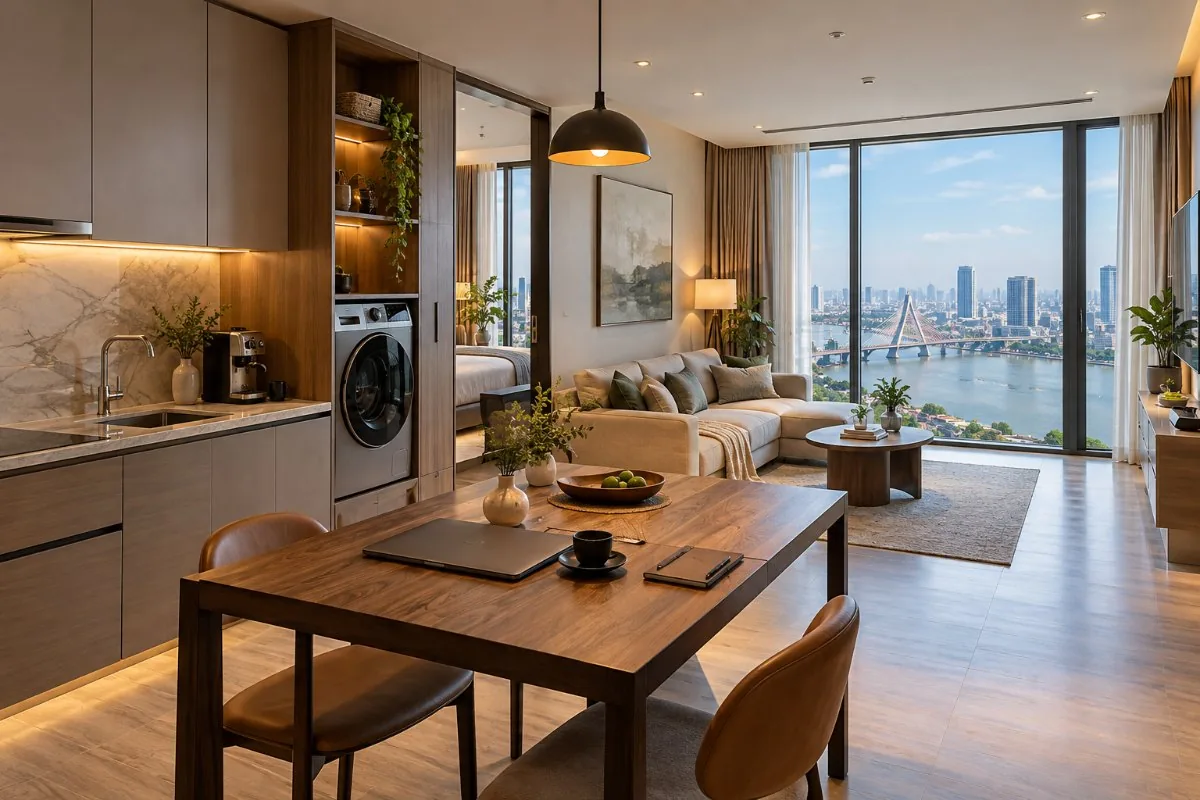
A short-term apartment for business travelers combines hotel-like services with the necessary space and tools for productive work. Unlike standard rental units, these apartments are fully furnished, professionally managed, and intended for stays ranging from one to six months. The primary distinctions lie in three categories: serviced apartments typically include daily cleaning and a reception desk; corporate housing offers business-specific amenities such as VAT invoice support and dedicated workspaces; and standard rentals are basic units requiring tenants to arrange utilities and furnishings independently. For a 30-day business trip, the added value of serviced or corporate housing often justifies the slightly higher cost through time savings and reduced logistical challenges.
The core difference: serviced apartment vs. corporate housing vs. standard rental
Serviced apartments, such as those offered by providers like Monarchy or MyVietHouse, usually feature weekly cleaning, 24/7 maintenance support, and flexible lease terms. Corporate housing extends these services by providing ergonomic furniture, guaranteed high-speed fiber internet (a minimum of 100 Mbps), and assistance with VAT invoices for expense reporting. Standard rentals, while potentially more affordable, often lack these essential features and may necessitate the purchase of a desk or negotiation of utility costs. For business travelers on assignments of 30 days or more, the investment in serviced or corporate housing can significantly enhance productivity and comfort.
| Feature | Serviced Apartment | Corporate Housing | Standard Rental |
|---|---|---|---|
| Lease term | 1-6 months | 1-12 months | 6-12 months |
| Furniture quality | Good (hotel-grade) | Excellent (ergonomic) | Basic or unfurnished |
| Internet speed | 50-100 Mbps | 100+ Mbps guaranteed | Varies, no guarantee |
| Cleaning | Weekly included | Weekly or bi-weekly | Self-arranged |
| VAT invoice support | Often yes | Always yes | Rarely |
| Monthly cost (2026 estimate) | $800-$1,500 | $1,000-$2,000 | $400-$800 |
Typical lease terms: 1-month minimum, 6-month maximum
Most short-term apartments in Da Nang require a minimum stay of one month, with a maximum duration typically set at six months. This aligns with the project timelines common for global companies sending teams to Da Nang for assignments in software development, manufacturing oversight, or market research. For shorter stays, such as one to two weeks, hotels or extended-stay properties might be more suitable. However, for periods between 30 and 180 days, a short-term apartment generally provides superior value and comfort.
Essential inclusions for a work-ready unit: dedicated desk, ergonomic chair, monitor
A hotel room equipped with only a lap desk is insufficient for extended professional use. A truly work-ready unit should feature a dedicated desk (distinct from a dining table), an ergonomic chair offering lumbar support, and at least one external monitor. Access to natural light is also beneficial; apartments with balcony desks in districts like Hải Châu or Sơn Trà can provide a more pleasant working environment with fresh air and a view. When evaluating listings, specifically request photographs of the workspace. If a listing exclusively displays the bedroom and living area, the workspace may be an afterthought.
The 2026 Business Travel Landscape in Da Nang: Why Short-Term Apartments Are the New Standard
Da Nang’s increasing prominence as a hub for technology and manufacturing, coupled with the widespread adoption of remote work policies, has positioned short-term apartments as the preferred accommodation for business travelers. The Global Business Travel Association (GBTA) reported global business travel spending reached $1.48 trillion in 2026. As companies increasingly deploy project teams to Vietnam for extended durations, the cost efficiencies and practical advantages of apartments over hotels become significant factors in decision-making.
Da Nang’s rise as a tech and manufacturing hub — global companies with project teams
International corporations involved in semiconductors, software development, and garment manufacturing now maintain a substantial presence in Da Nang. Project teams frequently rotate for assignments lasting two to six months, necessitating accommodations that support both work and daily living. The city’s industrial parks and tech zones, particularly in Hải Châu and Ngũ Hành Sơn, are surrounded by apartment complexes designed to meet these needs. For instance, Monarchy manages properties along Tran Hung Dao in the central business district, placing teams within a 10-minute radius of most offices and co-working facilities.
Cost comparison: apartment vs. hotel for a 30-day stay (with real 2026 pricing estimates)
In 2026, a mid-range hotel in Da Nang typically costs between $90-$150 per night, accumulating to $2,700-$4,500 for a 30-day stay. In contrast, a short-term apartment in a comparable district can be rented for $500-$1,200 per month, representing a cost saving of 60-73%. Apartments also include a kitchen, potentially saving $300-$600 on food expenses, and a washer/dryer, eliminating the need for laundromat services. For corporate travel managers, the financial benefits are substantial, with apartments effectively halving total trip costs while potentially improving employee satisfaction and productivity.
The “work-from-anywhere” policy shift and its impact on extended-stay demand
This shift means business travelers are often engaged in longer working periods from locations like Da Nang, blending professional duties with personal time. Short-term apartments are well-suited to this lifestyle, providing dedicated workspaces, reliable internet connectivity, and the space to host colleagues for collaborative sessions. The distinction between a business trip and a working vacation has become less defined, with apartments serving as the essential infrastructure for this evolving work model.
4 Must-Have Amenities in a Da Nang Short-Term Apartment for Productivity
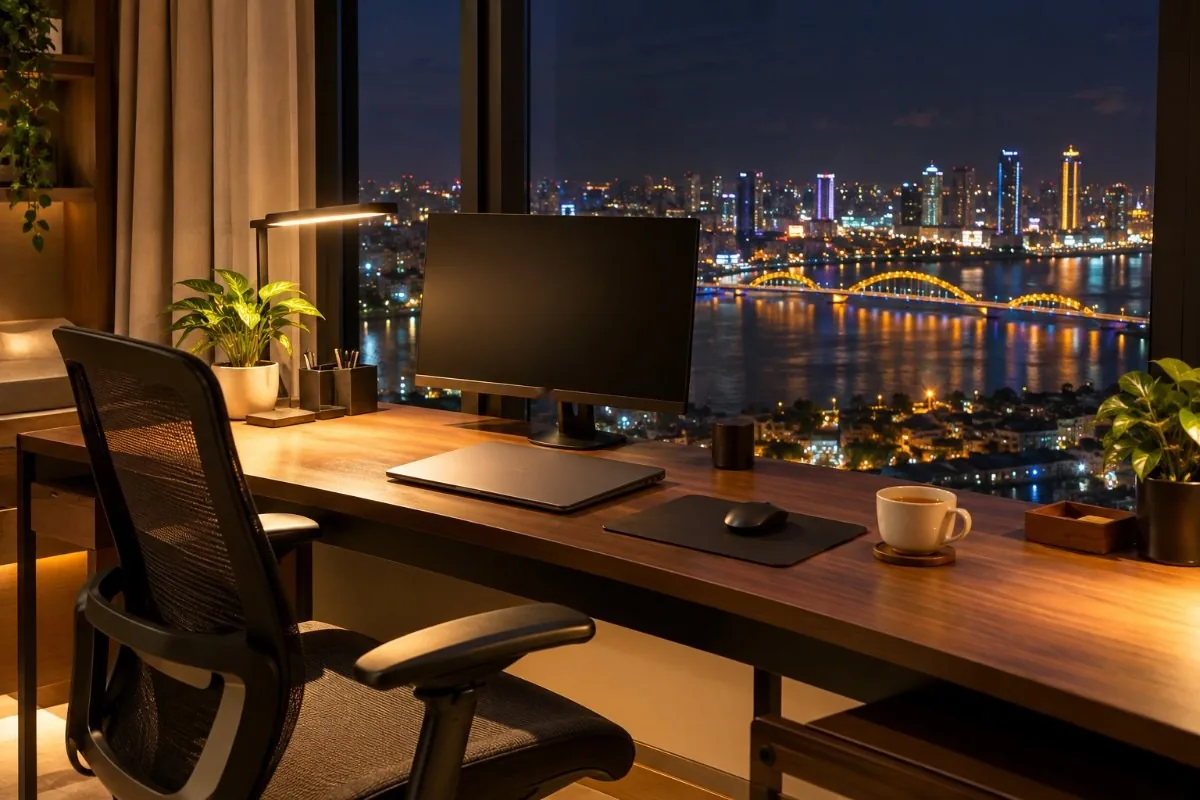
Not all short-term apartments offer the same level of suitability for business travelers. These four amenities are critical for ensuring a productive stay. When undertaking a 30-90 day project, any time lost due to slow internet, inadequate workspace, or excessive noise can significantly impact your efficiency. Utilize this checklist to evaluate potential listings before making a booking.
High-speed fiber internet (minimum 100 Mbps) and backup power solutions
While fiber internet is common in Da Nang, consistent speeds can vary between buildings. It is advisable to request a speed test result directly from the unit in question, rather than relying on general building-wide figures. A minimum speed of 100 Mbps download is essential for smooth video conferencing, efficient large file transfers, and supporting multiple connected devices. Backup power is also a crucial consideration, especially during Da Nang’s storm season (October-December), which can experience occasional power outages. A unit equipped with an Uninterruptible Power Supply (UPS) for the router or a backup generator can prevent disruptions during critical calls or work sessions.
A dedicated workspace that isn’t the dining table — desk, chair, and natural light
Utilizing a dining table as a primary workspace for an extended period can lead to discomfort and poor posture. Look for apartments that feature a proper desk, ideally at least 120 cm wide, paired with an ergonomic chair offering adjustable height and lumbar support. Natural light is a known enhancer of productivity; units with desks positioned near windows or on balconies allow for daytime work using natural illumination. Apartments in the Monarchy complex in Hải Châu, for example, are known to include dedicated workstations with furniture selected for comfort and functionality.
In-unit washer and dryer for extended stays without laundromat trips
Having an in-unit washer and dryer can save approximately 2-3 hours per week compared to using laundromats or hotel laundry services. Over a 30-day stay, this translates to 8-12 hours that can be reallocated to work, exercise, or exploring Da Nang. Most serviced apartments provide a washing machine; it is important to confirm if a dryer is also included or if a well-ventilated drying rack is available. The convenience of in-unit laundry also allows for lighter packing, potentially reducing checked baggage fees.
A quiet building with soundproofing and a professional atmosphere
Poor sound insulation and external noise can significantly disrupt concentration. When evaluating a building, inquire about its construction materials (concrete structures generally offer better soundproofing than wood-frame buildings) and the type of windows installed (double-glazed windows are preferable). Determine if the unit faces a busy street or a quieter courtyard. Buildings located near the airport, such as those on Tran Hung Dao, while convenient for travel, should possess adequate soundproofing to mitigate aircraft noise. A professional building atmosphere typically includes secure entry, a lobby area, and a community of residents who are also professionals, minimizing disturbances from excessive noise.
Best Districts in Da Nang for Business Travelers: Where to Base Your Stay
Your choice of district impacts your daily commute, dining options, and opportunities for after-work activities. Da Nang offers three primary areas suitable for business travelers, each presenting a unique balance between work convenience and lifestyle quality.
Hải Châu: Central business district — closest to offices, banks, and co-working spaces
Hải Châu serves as Da Nang’s central business district, housing major banks, government offices, and corporate headquarters. Properties like Monarchy’s along Tran Hung Dao are approximately a 10-minute drive from the airport and within walking distance of landmarks such as the Dragon Bridge and Han River, as well as numerous local eateries. Commute times to most offices typically do not exceed 15 minutes. The primary trade-offs for this convenience include higher rental costs, generally ranging from $800-$1,200 per month, and less abundant green space compared to other districts. Hải Châu is best suited for travelers who prioritize proximity to business centers and wish to be immersed in the city’s core activities.
Sơn Trà (My Khe Beach area): Work-life balance with ocean views and running routes
The Sơn Trà district, encompassing My Khe Beach, is recognized for offering the best work-life balance in Da Nang. Apartments in this area typically cost between $500-$900 per month and often feature ocean views, balcony desks, and direct access to the beach for morning runs or evening relaxation. While generally quieter than Hải Châu, Sơn Trà provides a good selection of co-working spaces, cafes, and restaurants. The commute to the central business district takes approximately 15-20 minutes by Grab. Sơn Trà is an excellent choice for travelers who wish to incorporate beach activities into their daily routine, such as starting the day with a run or working from a balcony overlooking the sea.
Ngũ Hành Sơn (Non Nuoc Beach): Quieter, closer to Hoi An, popular with expat tech teams
Ngũ Hành Sơn, situated near Non Nuoc Beach, offers the most tranquil environment among the three main districts. This area is favored by expatriate tech teams who prefer a more suburban setting and do not require daily commutes to Hải Châu. Rental prices range from $400-$700 per month. The district is also conveniently located a 20-minute drive from Hoi An’s Ancient Town, making it accessible for weekend excursions. The main consideration is the reduced number of restaurants and co-working spaces within walking distance. Ngũ Hành Sơn is most suitable for individuals who have access to private transportation or primarily work remotely and have minimal need to visit central office locations.
How to Vet a Short-Term Apartment Listing Before You Book
An unsuitable apartment can detract significantly from a business trip. Employ this three-step vetting process to avoid common issues. The effort invested in verifying a listing prior to booking will yield considerable peace of mind during your stay.
3 red flags in online listings: no real photos, vague “furnished” claims, no Wi-Fi speed guarantee
The first warning sign is a listing that features only exterior building photos or generic images of furniture. Authentic listings will provide clear pictures of the actual unit, including the workspace, seating, and kitchen area. A second red flag is the use of vague terms like “fully furnished” without specific details. A properly furnished unit should explicitly mention a desk, chair, bed with linens, kitchenware, and a washer. The absence of such details suggests the unit may be inadequately equipped. A third critical indicator is the lack of information regarding internet speed. Listings that simply state “Wi-Fi included” without a guaranteed speed often provide speeds of 10-20 Mbps, which may be insufficient for video calls or large file transfers.
Questions to ask the landlord or agent: utility caps, cleaning frequency, early termination policy
Before finalizing a booking, it is essential to ask the following questions: (1) What are the utility caps? Some apartments include electricity up to a certain limit (e.g., 300 kWh per month), with charges applied for usage exceeding this threshold. (2) How frequently is cleaning service provided? Weekly cleaning is standard, while bi-weekly service may be acceptable for longer stays. (3) What is the early termination policy? Understanding if you can vacate with 7 days’ notice or if you risk forfeiting your deposit is crucial. (4) Are VAT invoices available for corporate expense reporting? Providers like Monarchy offer this as a standard service, whereas private landlords may not.
Using Google Maps street view and local Facebook groups to verify the neighborhood
Google Maps Street View can offer insights into the building’s exterior appearance, the proximity of local amenities like restaurants, and potential sources of street noise. Look for indicators such as nearby construction sites, busy thoroughfares, or entertainment venues that might generate noise at night. Local Facebook groups, such as “Expats In Vietnam” or “Da Nang Digital Nomads,” can be valuable resources for current resident feedback. Searching for the building’s name or address may reveal discussions about noise levels, maintenance issues, or management concerns. A brief online search can help prevent potential problems during your stay.
Balancing Work and Relaxation: Building a Daily Routine in Da Nang
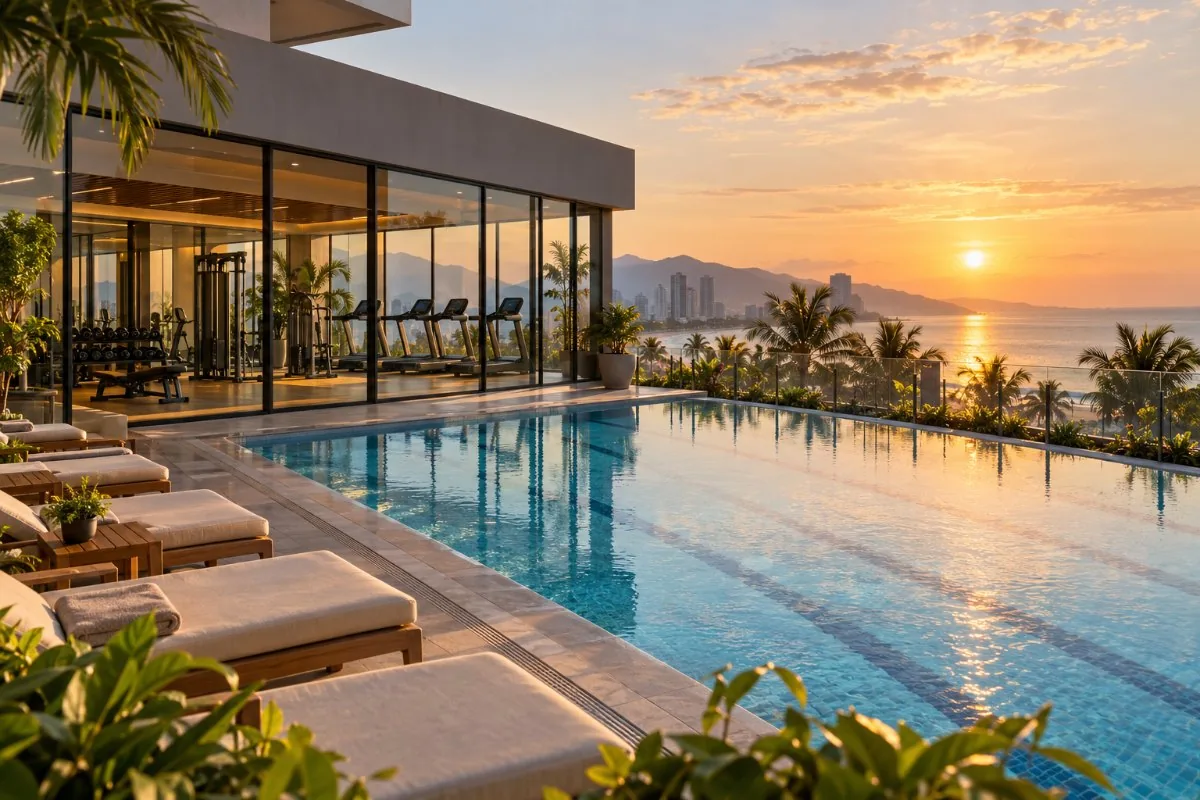
The most effective short-term apartments facilitate a balanced rhythm between productive work periods and genuine relaxation. Da Nang’s geographical layout, with its coastline, mountains, and central river, makes it conducive to designing a daily routine that promotes rejuvenation without excessive travel time.
Morning: co-working space or balcony desk — leveraging the time zone overlap with Asia
Da Nang operates on UTC+7, which aligns with business hours in cities like Singapore, Bangkok, and Hong Kong (UTC+8) for a significant portion of the day, and with European offices in the late afternoon. Starting your workday at 8 AM from your balcony desk or a local co-working space is an effective approach. The morning light in Sơn Trà, particularly from east-facing balconies, can enhance alertness until 11 AM. Dedicate the initial hours to focused work before the day’s meetings commence.
Midday: 30-minute walk to a local pho spot or the beach for a mental reset
Lunchtime presents an opportunity to disconnect and recharge. In Hải Châu, numerous local eateries serving pho, bun bo Hue, and com tam are within walking distance. In Sơn Trà, a short 10-minute walk leads to My Khe Beach, ideal for a brief swim or a walk along the shore. The key is to step away from work devices; leaving your phone behind or disabling notifications can enhance the break’s effectiveness. A 30-minute screen-free midday interval can significantly improve afternoon focus.
Evening: Han River promenade, Dragon Bridge show, or a quick Grab to Hoi An for dinner
Post-work activities in Da Nang are readily accessible within a 15-minute radius of most districts. The Han River promenade in Hải Châu offers a pleasant setting for a sunset walk or jog. On weekends, the Dragon Bridge performs its fire and water show at 9 PM. For a change of pace, a 30-minute Grab ride (approximately $8-$10) can take you to Hoi An’s Ancient Town for dinner at a riverside restaurant. Locations like Monarchy, which offer proximity to both the Dragon Bridge and Hoi An, facilitate a smooth transition from work to leisure without lengthy commutes.
Legal and Practical Considerations for Foreign Business Travelers in 2026
Understanding visa regulations, registration requirements, and health insurance options is essential for avoiding legal complications during extended stays. Vietnam’s regulations for foreign visitors are generally straightforward when proper planning is undertaken.
Visa requirements for stays over 30 days (e-visa vs. tourist visa vs. business visa)
For stays up to 30 days, the e-visa, valid for 90 days with single or multiple entry options, is typically the most convenient choice. For durations between 30 and 90 days, a tourist visa obtained through a Vietnamese embassy or a business visa sponsored by your employer is necessary. Business travelers on project assignments should coordinate with their companies to secure a DN visa (enterprise visa) or a DT visa (investor visa), which can extend stays up to 12 months. It is important to note that as of 2026, Vietnam does not offer a specific digital nomad visa, meaning standard visa categories apply.
Temporary residence registration with local authorities — what the landlord handles
All foreign nationals are required to register their temporary residence with the local police within 24 hours of arrival. In serviced apartments and corporate housing arrangements, the landlord or property management company typically handles this registration process automatically; guests are usually only required to provide passport and visa details. Providers such as Monarchy integrate temporary residence registration into their standard check-in procedure. If renting from a private landlord, it is advisable to obtain written confirmation that they will manage the registration; otherwise, you will need to visit the local police station yourself.
Health insurance and medical facilities in Da Nang for extended stays
Vietnam mandates proof of health insurance for visa extensions and renewals. International travel insurance policies, such as those offered by World Nomads or SafetyWing, provide coverage for emergency medical care and evacuation. For routine medical needs, Da Nang features several international clinics, including Family Medical Practice on Nguyen Van Linh (Hải Châu) and Hoan My Hospital near the airport. Most clinics accept international insurance or require upfront payment, with consultation fees typically ranging from $30 to $80. It is recommended to keep digital copies of your insurance card and passport readily accessible on your mobile device.
Related on this site
- Best Hotels in Da Nang for Digital Nomads with Coworking Spaces 2026
- Da Nang Hotels Near the Night Market: Shop and Eat Within Walking Distance 2026
Frequently Asked Questions
What is the average cost of a short-term apartment in Da Nang for business travelers?
In 2026, the estimated monthly cost for a fully furnished short-term apartment equipped with a dedicated workspace ranges from $500 to $1,200, varying by district and amenities. Hải Châu is generally the most expensive ($800-$1,200), while Ngũ Hành Sơn offers more affordable options ($400-$700). These estimates often include utilities, internet, and weekly cleaning services in serviced apartments.
Can I get a VAT invoice for corporate expense reporting?
Yes, most serviced apartment providers in Da Nang, including Monarchy and MyVietHouse, are equipped to issue VAT invoices for their corporate clients. It is advisable to confirm this service before booking, as private landlords may not offer such documentation. The official rental pages for providers like Monarchy typically highlight their support for corporate expense reporting through VAT invoices.
How fast is the internet in Da Nang short-term apartments?
Fiber internet is widely available, with many serviced apartments offering speeds between 50-100 Mbps. For business travelers who rely on stable connections for video calls and large file transfers, seeking listings that guarantee a minimum of 100 Mbps is recommended. Requesting a recent speed test result from the specific unit before confirming your booking is a prudent step.
What is the minimum stay for a short-term apartment in Da Nang?
The majority of short-term apartments in Da Nang require a minimum commitment of one month. While some providers may offer rates for two-week stays, these are often at a higher nightly price point, making longer durations more cost-effective. For stays shorter than two weeks, extended-stay hotels or serviced apartments with daily rates might be a more practical choice.
Which district is best for a business traveler who wants to be near the beach?
For a balance of work and leisure with beach proximity, Sơn Trà (My Khe Beach area) is the optimal choice. It provides easy access to the beach, apartments with potential ocean views and balcony desks, and a generally relaxed atmosphere. The commute to the central business district takes approximately 15-20 minutes by Grab. Monthly rental costs in this area typically range from $500 to $900.
Do I need a business visa to stay in a short-term apartment for 3 months?
For stays exceeding 30 days, a visa that covers the entire duration of your visit is necessary. A standard tourist visa, valid for 30-90 days, may suffice for some travelers, but a business visa sponsored by your employer is generally recommended for official project assignments. As Vietnam does not currently offer a dedicated digital nomad visa, standard visa categories remain applicable.
What happens if my project ends early—can I terminate the lease?
Lease termination policies vary among providers. Most serviced apartments permit early termination with a notice period of 7-14 days, although the security deposit may be forfeited. It is crucial to confirm the specific early termination clause in writing before finalizing your booking. Reputable providers like Monarchy often offer flexible terms tailored for corporate clients.
Next Steps
Short-term apartments in Da Nang, specifically designed for business travelers, present distinct advantages over traditional hotel accommodations, including reduced costs, enhanced workspace facilities, and the opportunity for a more localized living experience. The critical factors for selection involve ensuring guaranteed high-speed internet, a suitable desk setup, and in-unit laundry facilities, alongside choosing a district that aligns with your work-life priorities. Begin your search by exploring serviced apartment providers such as Monarchy and MyVietHouse, which cater to corporate needs with services like VAT invoice provision and flexible lease agreements. Prior to booking, verify internet speeds, clarify utility caps, and confirm that temporary residence registration is handled by the landlord.
By securing the appropriate apartment, your upcoming business trip to Da Nang can be optimized for both productivity and personal well-being.