
Thinking about visiting Da Nang between October and December? You will hear two things: "it rains a lot" and "it's so quiet and cheap." Both are true. The rainy season changes how you plan a trip here, but it does not have to ruin it. With flexible days, a few indoor backups and reliable transport, you can enjoy cooler weather, lower hotel rates and far fewer crowds.
This guide covers what the wet months really look like, how storms affect flights and day trips, what to pack, and the best things to do in Da Nang when it rains.
When Is the Rainy Season in Da Nang?
Central Vietnam has a different weather pattern from Hanoi or Ho Chi Minh City. In Da Nang the rainy season usually runs from September to December, with the heaviest rain in October and November. January and February can still be grey and drizzly, then the dry, sunny season takes over from about March to August.
For a full month-by-month breakdown, see our guide to the best time to visit Da Nang.
What a typical rainy-season day looks like
- Temperatures: mild, usually in the low-to-mid 20s °C. Evenings can feel cool, especially with wind off the sea.
- Rain pattern: some days bring short heavy showers with dry spells in between; others are steady rain from morning to night.
- The sea: waves on My Khe and the other city beaches are often big and the water is churned up. Swimming is frequently not safe; watch for red flags and lifeguard whistles.
- Clouds: mountain viewpoints such as Ba Na Hills, Son Tra and the Hai Van Pass are often wrapped in cloud.
Storms and flooding
The central coast is exposed to tropical storms and depressions, mostly between September and November. Most of the time they bring a day or two of very heavy rain and strong wind, then life returns to normal. Some low-lying streets in Da Nang can flood for a few hours after a downpour, and Hoi An's riverside Old Town floods most years in October or November.
What this means for you: keep an eye on the forecast, keep your plans flexible, and listen to your hotel staff. When authorities issue a storm warning, follow their advice and stay indoors until it passes.
Is the Rainy Season a Good Time to Visit?
It depends on what you want from the trip.
Reasons to go
- Lower prices: many hotels and resorts drop their rates outside peak season.
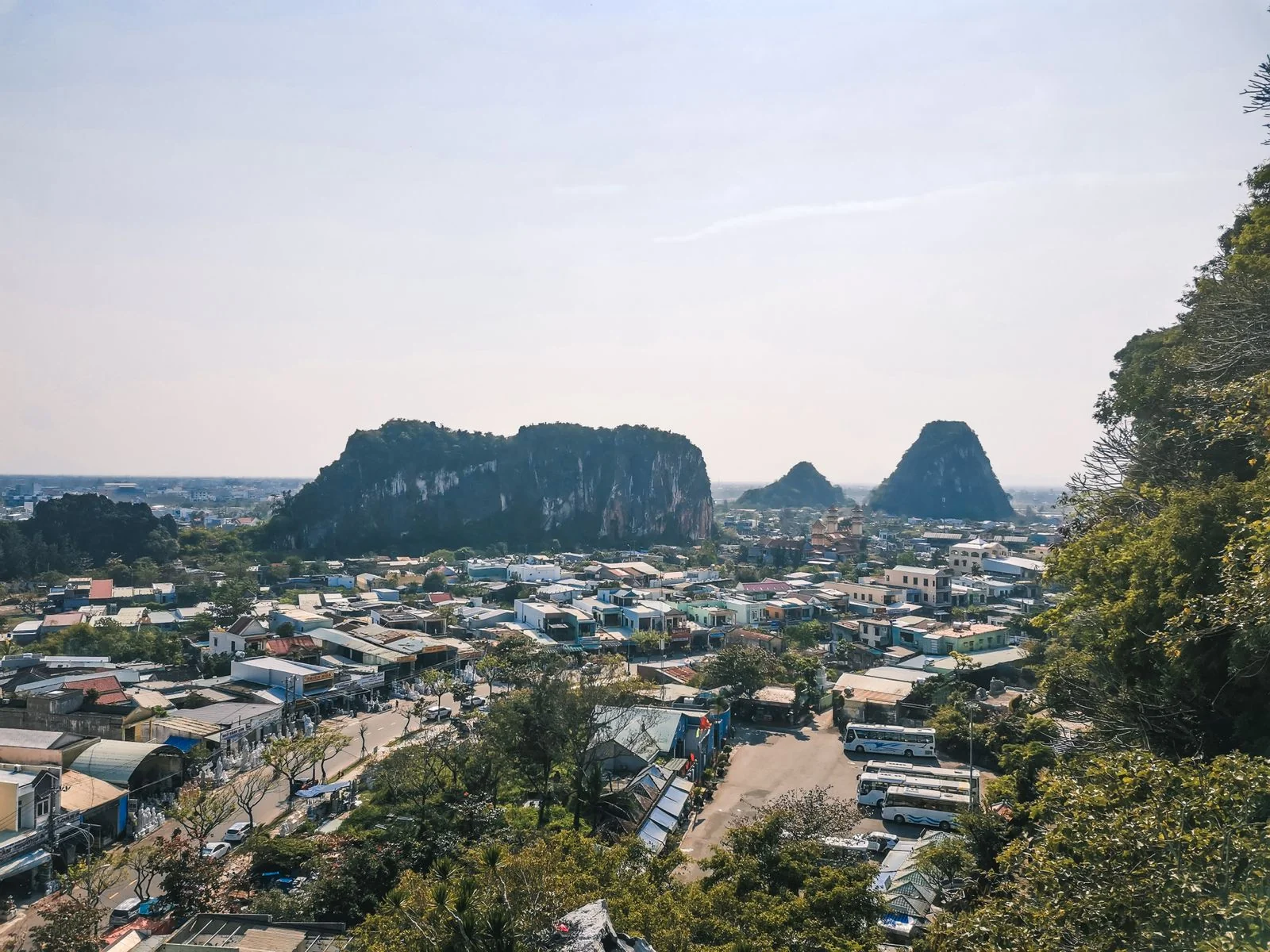
- Fewer crowds: Marble Mountains, Hoi An and the Dragon Bridge are far calmer.
- Cooler weather: walking around the city is much more comfortable than in the 35 °C heat of June or July.
- Cozy food scene: rainy days are perfect for hot noodle soups, clay-pot dishes and long coffee breaks.
Reasons to wait
- You want guaranteed beach and swimming days.
- Your trip depends on boat trips, such as the Cham Islands, which often stop running when the sea is rough.
- You only have two or three days and cannot shift plans around the weather.
Getting In: Flights, Delays and Airport Transfers
Da Nang International Airport stays busy all year, but heavy rain and storms can cause delays, diversions or late-night arrivals. A few tips:
- Leave a buffer between your arrival and any onward plans, such as a train to Hue or a same-day trip to Hoi An.
- Pre-book your ride. In heavy rain, ride-hailing cars can be harder to find and you do not want to wait outside with wet luggage. With a private airport transfer, your driver tracks your flight and waits at arrivals even if you land late.
- Check your visa early. Most visitors can apply for a Vietnam e-visa online. Apply well before you fly so a weather delay is the only thing you need to think about. If the form feels confusing, our Vietnam eVisa assistance can help you get it right the first time.
Best Things to Do in Da Nang When It Rains
1. Explore the Marble Mountains caves
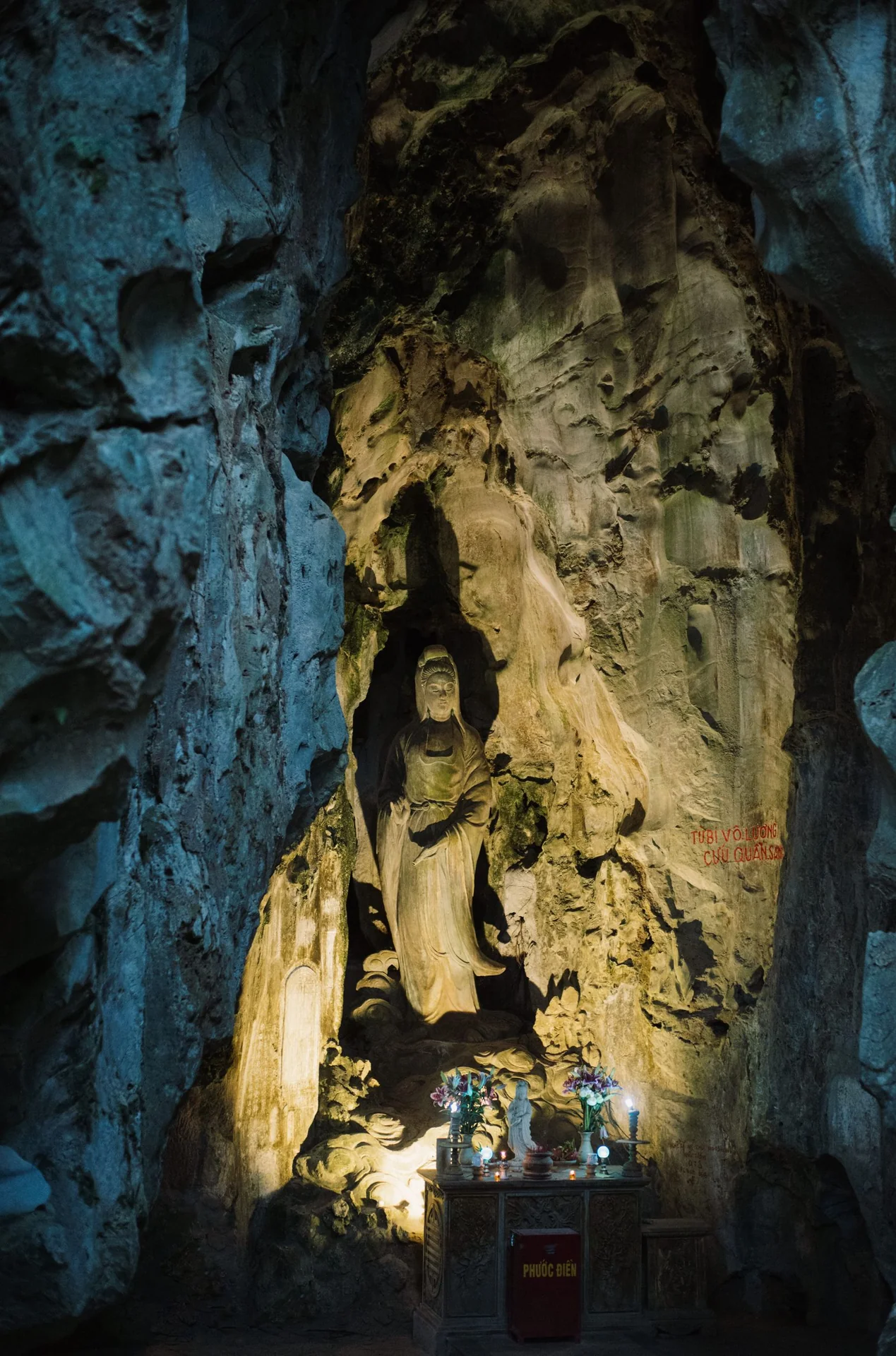
The five limestone hills south of the city are full of caves and pagodas, and the larger caves give good shelter from the rain. Huyen Khong Cave, with its shafts of light and Buddha statues, is even more atmospheric on a misty day. Wear shoes with grip, because the stone steps get slippery. Read our full Marble Mountains guide before you go.
2. Visit the Museum of Cham Sculpture
Next to the Han River, this museum holds one of the world's largest collections of Cham sandstone carvings: gods, dancers, lions and altars from the ancient Champa kingdom. It is compact, easy to see in one to two hours, and a great way to understand the history of central Vietnam.
3. Spend an afternoon in a café
Da Nang's café culture is perfect for rainy days. Order a slow-drip phin coffee, a coconut coffee, or the creamy salt coffee that has become a local favourite. Most cafés have strong Wi-Fi and plenty of space to sit out a downpour.

4. Book a spa or massage
A rainy afternoon is the best excuse for a massage, foot reflexology or a herbal bath. Many spas are clustered near My Khe Beach and in the An Thuong area, and prices are good value compared with other beach destinations.
5. Warm up at a hot spring park
Nui Than Tai Hot Springs Park, about 30–40 minutes from the city, has mineral pools, mud baths and an onsen-style area. Check the weather first: the indoor facilities are fine in light rain, but avoid the trip on storm days.
6. Take a cooking class or a food tour
Learning to make mi Quang, banh xeo or fresh spring rolls is a fun, dry way to spend a few hours. Food tours by car or covered motorbike also run on most rainy evenings.
7. Shop at Han Market and the malls
Han Market is covered and packed with dried snacks, coffee beans, souvenirs and tailored clothing. If you prefer air-conditioning and cinemas, the city's shopping malls make an easy half-day plan.

Day Trips: What Still Works in the Wet Season
- Hoi An: still lovely, especially at night with the lanterns. During floods the Old Town riverside can be under water, so check local news on the morning of your trip.
- Hue: the Imperial City and royal tombs are partly outdoors but very doable with an umbrella. The road over the Hai Van Pass may be cloudy and slippery; the tunnel route is the safer choice on stormy days.
- Ba Na Hills: often in cloud at the top. Go only when the forecast shows a dry window, and go early.
- Cham Islands: boats are often suspended when the sea is rough, so do not build your trip around this one.
A private car with a local driver makes these trips much easier in the rainy season: you can leave when the weather clears, skip a stop if it pours, and get dropped right at the entrance instead of walking through puddles.
Rainy-Season Packing List
- A light, packable rain jacket (more practical than an umbrella in wind)
- Sandals or quick-dry shoes, plus one pair of closed shoes with good grip
- Quick-dry clothes and a light sweater for cool evenings
- A dry bag or zip-lock bags for your phone and passport
- Mosquito repellent
- A power bank, in case of short power cuts during storms
If you forget something, cheap ponchos are sold at almost every convenience store in town.
Safety Tips for Storm Days
- Do not swim when red flags are up or waves are big, even if the beach looks empty and inviting.
- Avoid riding a scooter in heavy rain or on flooded roads. Visibility is poor and potholes hide under the water.
- Stay away from riverbanks and the coast road during storm warnings.
- Keep your hotel's phone number saved and follow staff advice.
- Consider travel insurance that covers weather delays and cancellations.
FAQ: Da Nang in the Rainy Season
Which month has the most rain in Da Nang?
October and November are usually the wettest months, and this is also the main period for tropical storms on the central coast.
Can I swim at My Khe Beach in October or November?
Sometimes, on calm days. But waves are often big and currents strong, so only swim in flagged areas when lifeguards are on duty, and stay out of the water when red flags are up.
Does it rain all day?
Not always. Many days have heavy showers with dry spells in between, but a few days each month can bring non-stop rain. Plan indoor backups and keep outdoor activities flexible.
Will my flight be cancelled?
Most flights operate normally. Storms can cause delays or cancellations for a day or two. Check with your airline, and if you have a pre-booked airport transfer, your driver will follow your new arrival time.
Is Hoi An flooded every year?
Parts of Hoi An's Old Town near the river flood in most years, usually for a few days in October or November. Shops and restaurants away from the river normally stay open.
Do I need a visa for Vietnam?
Many nationalities need a visa, and most can apply for an e-visa online before travelling. Check the rules for your passport and apply early.
Plan Your Rainy-Season Trip the Easy Way
The wet season rewards travellers who stay flexible. Pick a comfortable base, keep a list of indoor ideas, and leave the transport to someone who knows the roads. Book your Da Nang airport pickup or private day trip with Da Nang Chill Ride, and enjoy the quiet side of the city.