Da Nang, a vibrant coastal city in Vietnam, is increasingly becoming a sought-after destination for travelers seeking authentic experiences. Beyond the luxury resorts and bustling beaches, a growing number of visitors are choosing homestays to immerse themselves in the local culture. In 2026, the homestay scene in Da Nang offers a unique opportunity to connect with residents, savor home-cooked meals, and gain a deeper understanding of Vietnamese daily life.
Opting for a homestay means stepping away from the typical tourist path and embracing a more personal journey. It’s about forging connections, sharing stories, and discovering the hidden gems that make Da Nang truly special. This guide explores why Da Nang homestays are the perfect choice for experiencing genuine local life in the coming year.
Quick Summary: Da Nang homestays in 2026 provide an unparalleled opportunity for travelers to experience authentic local life, offering direct interaction with Vietnamese families and a chance to explore the city from a resident’s perspective. Expect personalized recommendations, home-cooked meals, and cultural immersion, distinct from standard hotel stays.
Updated: May 3, 2026 · Reading time: 8 min · Expertise: Travel blogger specializing in cultural immersion and sustainable tourism in Southeast Asia.
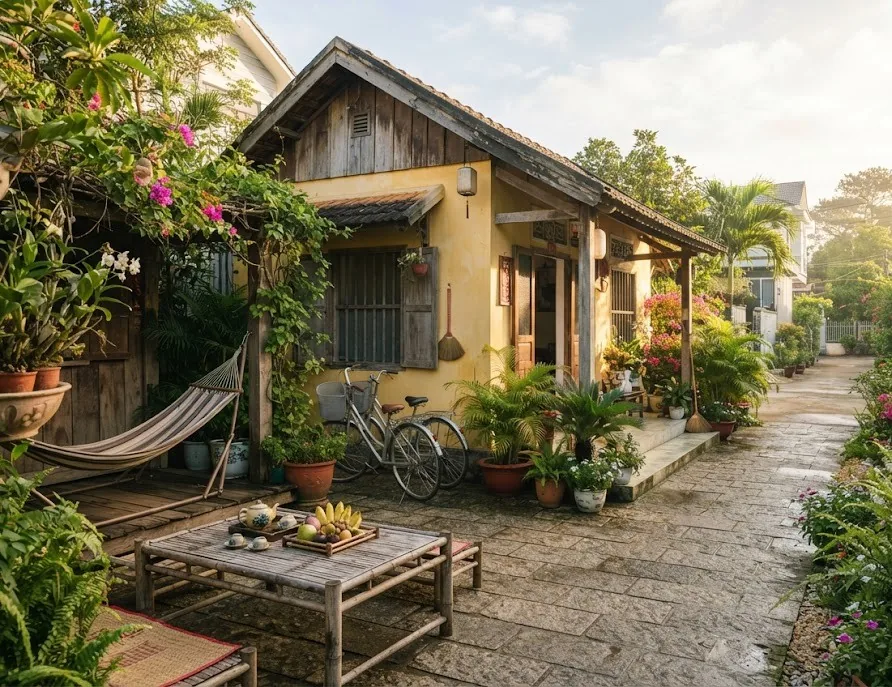
Why Choose a Homestay in Da Nang?
Choosing a homestay in Da Nang for your 2026 travels goes beyond mere accommodation; it’s an invitation into the heart of Vietnamese hospitality. These stays offer a stark contrast to the impersonal nature of hotels, fostering genuine connections with your hosts. You’ll gain insights into daily routines, local customs, and traditions that are often inaccessible to the average tourist.
The economic benefits are also significant. By staying with local families, a larger portion of your travel expenditure directly supports the community, contributing to sustainable tourism practices. This conscious choice empowers local economies and preserves the cultural fabric of Da Nang.
homestays provide invaluable opportunities for cultural exchange. Sharing meals, conversations, and even helping with daily chores allows for a profound understanding of Vietnamese life. This immersive experience enriches your trip immeasurably.
Benefits of Da Nang Homestays
- Authentic cultural immersion
- Direct interaction with local families
- Home-cooked meals featuring regional delicacies
- Personalized travel recommendations from residents
- Support for the local economy and sustainable tourism
- A more intimate and memorable travel experience
Types of Homestays Available in Da Nang
Da Nang’s homestay landscape in 2026 is diverse, catering to various preferences and budgets. From charming rooms in traditional houses to modern apartments hosted by local families, there’s an option for everyone. Understanding these different types can help you select the perfect base for your exploration.
Many homestays are located in residential areas, offering a true glimpse into neighborhood life. Others might be situated closer to the city center or the beach, balancing convenience with local flavor. Each type provides a unique perspective on Da Nang.
Homestay Categories
- Family Homes: Stay with a local family in their house, often sharing common areas and experiencing daily life firsthand. These are ideal for deep cultural immersion.
- Private Rooms in Local Houses: Rent a room within a larger family dwelling. You have your private space while still being part of the household environment.
- Apartment Stays: Some locals rent out rooms or entire apartments within their residential buildings, offering a blend of privacy and local living.
- Rural Retreats: For those seeking tranquility, homestays on the outskirts of Da Nang, near farms or villages, offer a peaceful escape and a connection to nature.
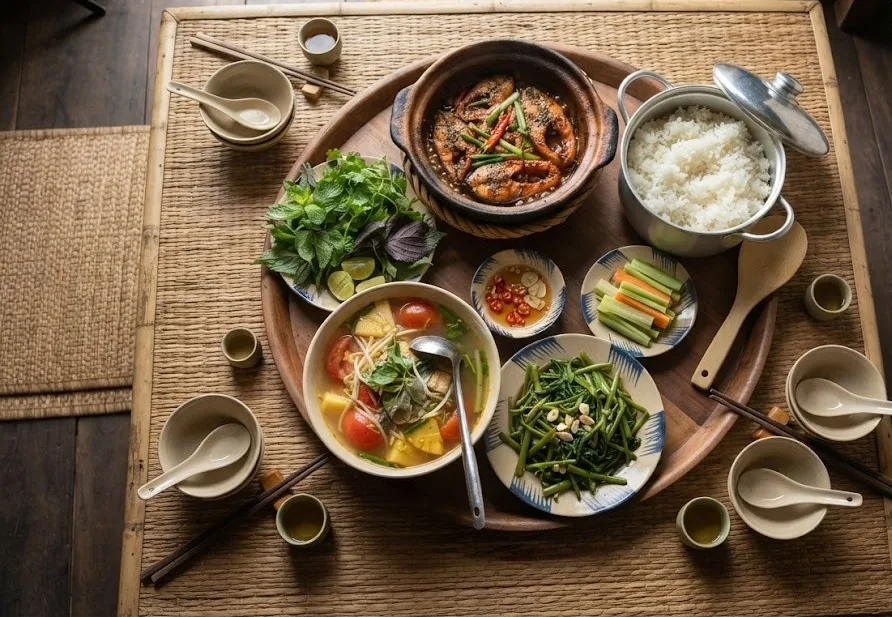
Experiencing Local Cuisine
One of the most delightful aspects of a Da Nang homestay is the opportunity to savor authentic Vietnamese cuisine prepared with love and tradition. Forget the tourist traps; here, you’ll taste recipes passed down through generations, made with fresh, local ingredients. Your hosts are often eager to share their culinary heritage.
Imagine waking up to the aroma of freshly brewed Vietnamese coffee and a home-cooked breakfast, or enjoying a communal dinner where family recipes are the stars. This is more than just eating; it’s a culinary journey into the heart of Da Nang.
Culinary Highlights
- Learning to prepare local dishes with your host family.
- Tasting regional specialties like Mi Quang and Banh Xeo in their authentic forms.
- Experiencing traditional Vietnamese dining etiquette.
- Discovering the best local markets for fresh produce.
- Enjoying meals made with seasonal ingredients.
Real example: A traveler named Sarah stayed with the Nguyen family in Hai Chau district. Mrs. Nguyen taught her how to make authentic Bun Cha, sharing family secrets and stories behind the dish. Sarah reported this as a highlight of her trip, providing a tangible connection to Vietnamese culture.
Cultural Immersion Activities
Homestays are gateways to cultural experiences that go beyond typical sightseeing. Your hosts can offer unparalleled insights and access to activities that reveal the true spirit of Da Nang. These experiences are often tailored to your interests, making your trip uniquely personal.
From participating in local festivals to learning traditional crafts, the possibilities are vast. These activities foster a deeper appreciation for Vietnamese culture and create lasting memories.
Engaging Activities
- Temple Visits: Your hosts can guide you to less-crowded, significant local temples, explaining their history and cultural importance.
- Market Exploration: Join your hosts for a morning trip to a local market, learning about fresh produce, spices, and local life.
- Traditional Crafts: Some homestays offer workshops on crafts like lantern making or conical hat painting.
- Local Festivals: If your visit coincides with a local festival, your hosts can help you understand and participate respectfully.
- Language Exchange: Practice basic Vietnamese phrases with your hosts, enhancing your communication and connection.
Navigating Da Nang with Local Insights
One of the most significant advantages of staying in a homestay is the wealth of local knowledge your hosts possess. They can provide insider tips on the best places to visit, eat, and explore, often revealing hidden gems that aren’t in guidebooks. This personalized guidance can transform your travel experience.
Instead of relying solely on online reviews or crowded tourist spots, you can get recommendations tailored to your interests directly from people who know Da Nang intimately. This ensures you discover the city’s authentic charm.
Local Tips for Exploration
- Off-the-beaten-path attractions: Discover lesser-known beaches, viewpoints, and historical sites.
- Best local eateries: Find authentic pho stalls or seafood restaurants frequented by locals.
- Transportation advice: Learn the most efficient and cost-effective ways to get around Da Nang.
- Cultural etiquette: Understand local customs and social norms for respectful interactions.
- Shopping recommendations: Get tips on where to find authentic souvenirs and local products.
Key note: Always ask your hosts for their personal favorite spots. These often lead to the most memorable experiences and authentic discoveries, far from the tourist crowds.
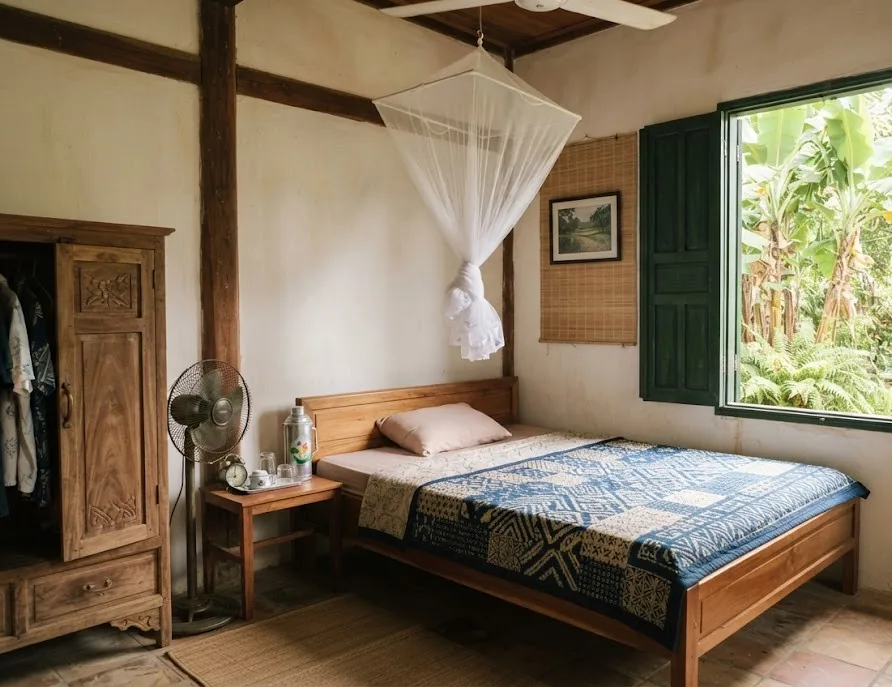
Finding the Right Da Nang Homestay in 2026
Selecting the ideal homestay requires a bit of research, but the rewards are immense. Websites and booking platforms dedicated to homestays are the best starting point. Look for listings with detailed descriptions, clear photos, and positive reviews from previous guests.
Pay close attention to the host’s profile and their interaction style. Good communication before booking can set the tone for a positive experience. Consider the location relative to your interests and the type of atmosphere you’re seeking.
Steps to Booking
- Research Platforms: Explore reputable homestay booking websites.
- Read Reviews: Focus on comments about host interaction, cleanliness, and location.
- Check Amenities: Ensure the homestay offers the facilities you need (Wi-Fi, air conditioning, etc.).
- Communicate with Hosts: Ask questions about the neighborhood, activities, and their hosting style.
- Consider Location: Choose a spot that aligns with your travel plans and desired atmosphere.
Insight: Booking directly with hosts, once trust is established, can sometimes offer better rates and more flexibility, bypassing platform fees.
Common Mistakes to Avoid
While homestays offer incredible experiences, being aware of potential pitfalls can ensure a smooth and enjoyable stay. Understanding these common mistakes will help you maximize the benefits of your chosen accommodation.
Mismanaging expectations or failing to communicate clearly can lead to misunderstandings. Being prepared can prevent these issues.
Potential Pitfalls
- Unclear expectations: Assuming a homestay is a hotel with full-service staff.
- Lack of privacy: Not being comfortable with sharing spaces with a host family.
- Communication barriers: Not having a plan to overcome language differences.
- Ignoring local customs: Failing to be respectful of the hosts’ way of life.
- Overbooking: Trying to pack too many activities into a short stay, neglecting the homestay experience.
Common mistake: Expecting a 24/7 reception service. Homestays operate on a more personal schedule, so be mindful of your hosts’ routines and privacy, especially during late hours.
Homestay vs. Hotel: A Comparative Look
For travelers in 2026, the choice between a homestay and a hotel in Da Nang hinges on the desired travel experience. While hotels offer standardized comfort and amenities, homestays provide a unique window into local life.
A hotel provides predictability and a range of services, whereas a homestay offers authenticity and personal connection. The decision rests on whether you prioritize convenience and familiar services or cultural immersion and genuine interaction.
| Feature | Da Nang Homestay | Da Nang Hotel |
|---|---|---|
| Authenticity | High | Low to Medium |
| Cultural Immersion | High | Low |
| Host Interaction | Direct and Personal | Limited to Staff |
| Often home-cooked, traditional meals | Restaurant/buffet style, may cater to international tastes | |
| Room Service | Generally not available | Typically available |
| Cost | Often more affordable, especially for longer stays | Varies, can be more expensive for comparable space |
| Predictability | Lower, depends on host | High, standardized services |
Planning Your Da Nang Homestay Trip
To make the most of your homestay experience in Da Nang in 2026, careful planning is key. Consider the time of year, your budget, and the specific experiences you hope to gain. Early booking is advisable, especially during peak seasons.
Engage with potential hosts before confirming your reservation. This initial communication can reveal a lot about the dynamic and help you gauge compatibility. A little preparation goes a long way in ensuring a seamless and enriching stay.
Preparation Checklist
- Best time to visit: Research Da Nang’s weather patterns.
- Budgeting: Factor in accommodation, food, activities, and transport.
- Visa requirements: Check necessary documentation for entry.
- Travel insurance: Ensure you have adequate coverage.
- Packing essentials: Light clothing, sunscreen, insect repellent, and any personal items.
Important note: Pack light, comfortable clothing suitable for a tropical climate. Also, consider bringing a small gift for your host family as a gesture of appreciation, such as local sweets or a small item from your home country.
The Future of Homestays in Da Nang
The trend towards authentic travel experiences is set to continue, making homestays in Da Nang an increasingly popular choice in 2026 and beyond. As travelers seek deeper connections and more meaningful journeys, the appeal of living like a local will only grow.
Technology will likely play a role in enhancing the homestay experience, with improved booking platforms and communication tools. However, the core value – the human connection – will remain paramount. Da Nang is well-positioned to leverage this trend, offering unparalleled opportunities for cultural immersion.
Conclusion
Da Nang homestays in 2026 offer a compelling alternative to traditional accommodations for travelers seeking genuine local experiences. By choosing to stay with a family, you unlock a world of cultural immersion, authentic cuisine, and insider knowledge that can profoundly enrich your journey. From savoring home-cooked meals to exploring hidden corners of the city with local guidance, these stays provide a connection that goes beyond the surface.
Embrace the opportunity to step off the beaten path and into the heart of Vietnamese life. The warmth of Da Nang’s hospitality awaits, promising memories that will last a lifetime. Plan your homestay adventure today and discover the true essence of this captivating coastal city.
Related on this site
- Da Nang Farmstays: Immerse Yourself in Rural Charm in 2026
- Charming Boutique Stays in Da Nang You Should Try
- Explore Da Nang’s Old Town: Charming Guesthouses 2026
Frequently Asked Questions
Do I need to worry about security when staying at a homestay?
Most homestays are in safe residential areas. Hosts prioritize guest safety and often have local knowledge to ensure a secure environment. Always practice standard travel safety precautions.
Which framework is best to book a homestay in Da Nang?
Booking 1-3 months in advance is recommended, especially for popular periods like holidays or festival seasons, to secure preferred homestays.
How much does the average cost for a night in a homestay?
Costs vary, but expect to pay between $20-$50 USD per night for a comfortable homestay, depending on location, amenities, and host services.
How can I communicate if I don’t speak Vietnamese?
Many hosts speak basic English. Utilizing translation apps on your phone can bridge any language gaps effectively and respectfully.
Should I choose a homestay near the beach or in the city?
Near the beach offers relaxation and ocean access. City-center homestays provide easy access to markets, dining, and historical sites. Choose based on your priorities.