Da Nang in 2026 offers more than its famous beaches and Marble Mountains; a quieter movement is unfolding in its rural outskirts, where farmstays redefine travel. These are not just places to sleep—they are gateways to living like a local, trading hotel buffets for vegetables you pick yourself and city noise for the sound of crickets at dusk. This guide profiles five distinct farmstays, detailing the hands-on experiences they offer, from rice planting to cooking classes, and provides a practical 3-day itinerary.
You will also learn how to choose the right farmstay for your travel style, what to pack, and how to embrace the “slow travel” ethos that makes this escape so rewarding.
Da Nang farmstays in 2026 are shifting from simple rural accommodation to immersive cultural experiences, offering hands-on farming, farm-to-table cooking classes, and genuine village life. These retreats, located in districts like Hòa Vang, provide a digital detox and sustainable travel option that contrasts sharply with typical hotel stays. Travelers can expect to plant rice, cycle through villages, and learn local crafts, making a farmstay a transformative way to experience central Vietnam’s countryside.
What Defines a Da Nang Farmstay in 2026?
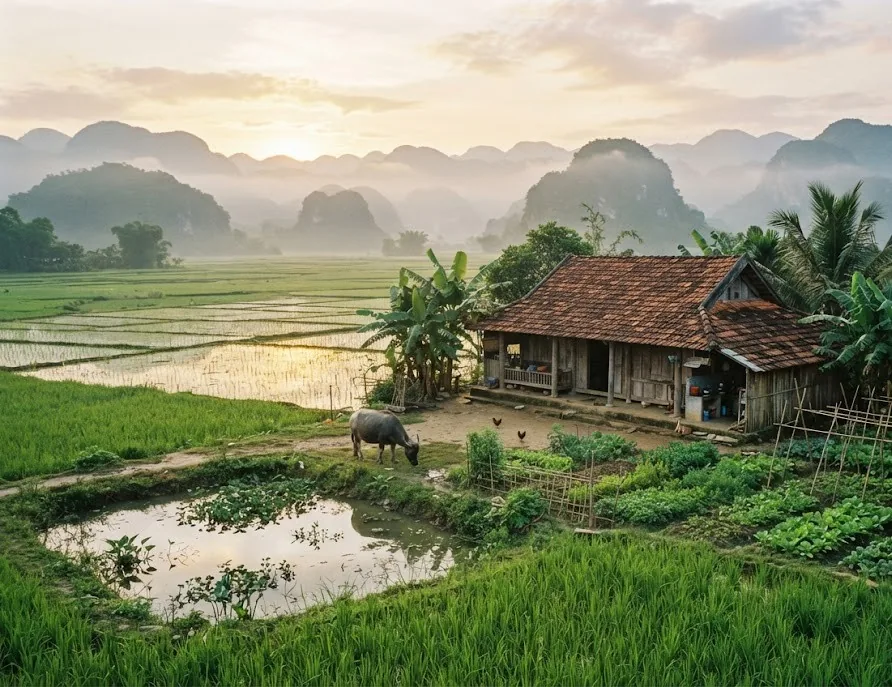
A Da Nang farmstay in 2026 is a rural retreat where accommodation blends with agricultural life, offering a direct connection to the land and local culture. This is a deliberate shift from passive tourism to active participation. Unlike a standard hotel where you consume services, a farmstay invites you to contribute—to feed the chickens, harvest the morning vegetables, or help prepare a meal. The core promise is a digital detox: slow wifi, fresh air, and the rhythmic work of a farm replace constant notifications and the pace of city life. Properties in areas like Hoa Ninh and Tuy Loan village in Hòa Vang district exemplify this, offering stays in traditional houses or simple bungalows set within working farms. The experience is defined by what you do, not just where you sleep.
Beyond Accommodation — the shift from sleeping to living like a local
This is the fundamental difference between a farmstay and a hotel. A hotel room is a private space for sleeping and bathing. A farmstay is a shared experience that includes the host family, the farm animals, and the daily rhythm of rural life. You are not a guest in a commercial building; you are a temporary member of a household. This might mean sharing meals with the family, learning to make rice paper from a grandmother, or joining the morning trip to the local market.
The accommodation itself is often rustic—a room in a family home or a simple bamboo hut—but the value comes from the cultural immersion that a sterile hotel environment cannot provide.
The “Digital Detox” promise: slow travel, fresh air, and hands-on farm work
Many travelers actively seek farmstays as a remedy for digital fatigue. The slow travel ethos here is not a marketing gimmick; it is a structural reality. Wifi is often limited to common areas, and the day’s activities—planting rice, feeding buffalo, or cycling through village paths—naturally pull you away from screens. The reward is a deeper sensory experience: the smell of damp earth after a rain, the taste of a tomato still warm from the sun, the sound of a rooster at dawn.
This hands-on work, while physically engaging, provides a mental reset that is hard to find in a traditional tourist setting. A comparison of the two experiences clarifies the difference.
| Aspect | Traditional Hotel | Da Nang Farmstay (2026) |
|---|---|---|
| Core Activity | Consuming services (pool, spa, buffet) | Participating in daily farm life |
| Interaction with Locals | Limited to staff (reception, housekeeping) | Daily with host family and village neighbors |
| Food Experience | Prepared by chefs, served in a restaurant | Harvested from the garden, cooked together |
| Digital Connection | High-speed wifi, smart room features | Limited wifi, emphasis on offline activities |
| Environmental Impact | High resource consumption | Low impact, supports local agriculture |
Key Experiences You Can Expect at a Da Nang Farmstay
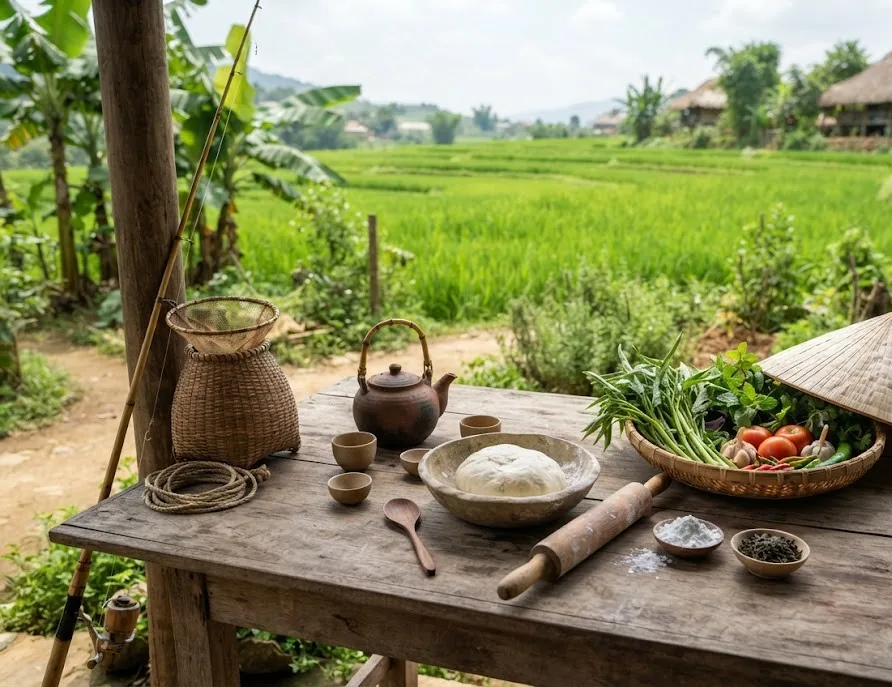
The activities at a Da Nang farmstay are designed to be immersive, turning everyday rural tasks into memorable, hands-on experiences. You are not a spectator; you are a participant. The schedule is often flexible, but the core elements revolve around farming, food, and local culture. These activities are not staged performances for tourists; they are the daily routines of the host family that you are invited to join.
Hands-on farming: from rice planting to buffalo riding
This is the heart of the farmstay experience. Depending on the season, you might find yourself knee-deep in a rice paddy, learning the ancient rhythm of planting seedlings. Other activities include feeding chickens and ducks, collecting eggs, and harvesting vegetables from the garden. A more unique experience is riding a water buffalo—a gentle giant that is central to Vietnamese farming. These are not quick photo opportunities; they are full sessions where you learn the technique and appreciate the labor behind your food.
For example, at a farmstay in Hoa Ninh, guests can spend a morning in the 5000m² garden, learning how to identify ripe produce and the best way to pick it without damaging the plant.
Farm-to-table meals: cooking classes using ingredients you just picked
The connection between the field and the plate is immediate and satisfying. Mornings often start with a trip to the garden to gather herbs, vegetables, and perhaps some fruit. This harvest becomes the ingredient list for a cooking class, where you learn to prepare classic central Vietnamese dishes. You might learn to make bánh xèo (crispy pancakes), fresh spring rolls, or the local specialty, mì Quảng. The cooking class is not a formal demonstration; it is a shared activity with the host, often in an open-air kitchen.
The smell of garlic and lemongrass frying, the sight of bright green herbs, and the taste of a meal you helped create from scratch define the farm-to-table experience.
Nighttime rural life: campfires, stargazing, and local folk music
As the sun sets, the farmstay shifts into a different mode. Without the light pollution of the city, the night sky becomes a stunning spectacle. Guests often gather around a campfire, sharing stories and perhaps roasting sweet potatoes or corn. Some hosts organize evenings of local folk music, where you can hear traditional instruments and songs passed down through generations. This is a time for quiet conversation, reflection, and a deep connection with the place and the people around you. It is a simple but profound way to end a day of physical work and cultural discovery.
How to Choose the Right Farmstay for Your Travel Style
Selecting the ideal farmstay in Da Nang depends on matching the property’s layout, location, and values with your travel style and needs. Not all farmstays are created equal. A solo traveler seeking solitude will have different priorities than a family with young children. Understanding these differences ensures your experience is a rewarding escape rather than a mismatch of expectations.
Solo travelers vs. families: which farmstay layout suits you best?
Solo travelers or couples often prefer smaller, more intimate properties where they can easily interact with the host family and other guests. A farmstay with a few private rooms in a family home is ideal. The focus is on shared meals and communal activities. In contrast, families might look for a farmstay with a larger, private bungalow or a separate house. They need more space and child-friendly activities, such as feeding gentle animals or a safe area for children to play.
Properties like Bana Rita Glamping farm, which offers luxury tents with private terraces, can be a good middle ground, providing a unique experience while still offering private space.
Location matters: Hòa Vang district vs. outskirts near Hội An
Location dictates the type of rural landscape and the accessibility to other attractions. Farmstays in the Hòa Vang district, such as those in Hoa Ninh, offer a more remote, mountainous backdrop. They are closer to the Ba Na Hills area and provide a deeper sense of being away from it all. The journey there involves winding roads through lush hills. On the other hand, farmstays on the outskirts near Hội An are flatter, located amidst rice paddies and closer to the ancient town and its famous markets.
They are more convenient for combining a farmstay with visits to Hội An’s attractions. Your choice depends on whether you want complete seclusion or a base that allows for easy day trips. For instance, farmstays in Hòa Vang are typically 30-45 minutes from Da Nang city, while those closer to Hội An might be 40-55 minutes away.
Check for “sustainable” credentials: organic farming, waste management, local employment
For many travelers, the authenticity of a farmstay is tied to its sustainability. Look for properties that practice organic farming—avoiding chemical pesticides and fertilizers. Ask about their waste management; do they compost kitchen scraps? Do they use solar energy? A key indicator is local employment: does the farmstay hire staff from the village and source food from neighboring farms? These practices ensure your stay benefits the local community and environment rather than exploiting it. While not every farmstay will have formal certifications, asking these questions during the booking process will reveal the host’s genuine commitment to sustainable tourism.
A Sample 3-Day Itinerary for a Da Nang Farmstay Escape
This 3-day itinerary is designed to maximize your farmstay experience, balancing hands-on activities with moments of rest and cultural exploration. It is a flexible plan that can be adapted to the specific offerings of your chosen farmstay and the season of your visit.
Day 1: Arrival, orientation tour, and a sunset cooking class
- Afternoon (2:00 PM – 4:00 PM): Arrive at the farmstay and check in. Take a tour of the property with your host. Meet the animals, walk through the garden, and see the different areas of the farm. This is a good time to ask about the schedule for the next few days.
- Late Afternoon (4:00 PM – 5:30 PM): Join a light activity, such as feeding the chickens or watering the plants. This helps you settle into the farm’s rhythm.
- Sunset (5:30 PM – 7:00 PM): Participate in a cooking class focused on preparing a few simple dishes for dinner. You will use ingredients harvested earlier. This is a shared, social experience that ends with a meal you helped create.
Day 2: Full-day farming immersion + village cycling trip
- Morning (6:30 AM – 11:00 AM): Start early with a light breakfast. Then, head to the fields for a full farming session. Depending on the season, this could be planting or harvesting rice, tending to vegetable beds, or learning how to make tofu or rice paper. The work is physical but rewarding.
- Lunch (11:30 AM – 1:00 PM): Enjoy a farm-fresh lunch, often including dishes you helped prepare.
- Afternoon (2:00 PM – 5:00 PM): Take a break from the sun. After a rest, borrow a bicycle and explore the surrounding village. Cycle through narrow paths between rice paddies, wave to neighbors, and discover a local temple or a small village shop. This is a chance to see rural life beyond the farmstay.
- Evening (7:00 PM onwards): Dinner followed by a campfire or stargazing.
Day 3: Morning market visit, souvenir making, and departure
- Morning (6:30 AM – 9:00 AM): Visit a local market, such as the Tuy Loan market, with your host. This is a sensory overload of sights, sounds, and smells. You will see local produce, fresh seafood, and perhaps buy ingredients for a final meal. It is a perfect window into local commerce.
- Late Morning (9:30 AM – 11:30 AM): Return to the farmstay for a souvenir-making session. This could be learning how to weave a conical hat (nón lá) or making a simple craft from bamboo. This activity provides a tangible memory of your stay.
- Lunch and Departure (12:00 PM): Enjoy a final farm-fresh lunch before packing up and departing for your next destination.
Essential Tips for First-Time Farmstay Visitors
Preparing for a farmstay requires a different mindset than a typical hotel vacation; embracing simplicity and a sense of adventure is key to a rewarding experience. A few practical preparations can make the difference between a comfortable stay and a frustrating one.
What to pack: insect repellent, comfortable shoes, and a sense of adventure
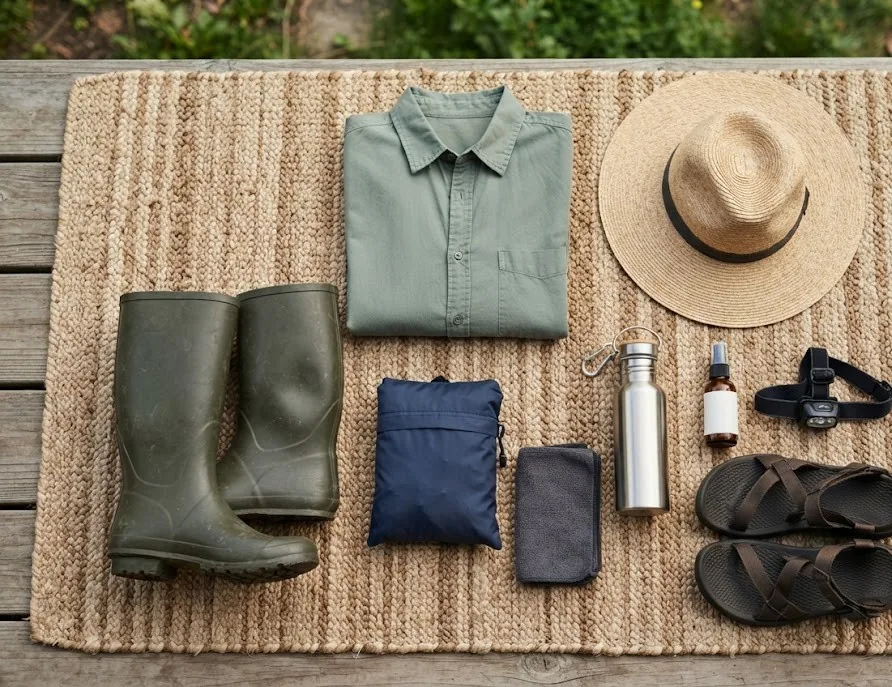
- Insect Repellent: The countryside has mosquitoes, especially around dusk. A good DEET-based repellent is essential.
- Comfortable Shoes: You will be walking on uneven ground, mud, and dirt. Sturdy sandals or closed-toe shoes that can get dirty are ideal. A pair of rubber boots can be useful for rice paddy work.
- Clothing: Lightweight, long-sleeved shirts and pants are best for sun protection and insect bites. They also show respect when visiting local homes or temples.
- Personal Items: Sunscreen, a hat, a reusable water bottle, and a small flashlight or headlamp are very useful for nighttime walks.
- A Sense of Adventure: This is the most important item. Be prepared for unpredictable weather, simple facilities, and a different pace of life. Flexibility and a positive attitude will enrich your experience.
Language and communication: basic Vietnamese phrases for a warmer welcome
While some hosts may speak basic English, making an effort to speak Vietnamese is highly appreciated. Simple phrases go a long way in building rapport and showing respect. Learning these few words before you arrive will make your stay much warmer.
- Xin chào (sin chow): Hello
- Cảm ơn (gam un): Thank you
- Dạ (ya): Yes (polite)
- Ngon quá (ngon wa): Very delicious (use after a meal)
- Bao nhiêu tiền? (bow nyew tee-en?): How much is it?
Managing expectations: embracing “slow wifi” and unpredictable weather
The biggest shift for most visitors is the pace of life. Wifi is often slow or only available in common areas. This is by design. The goal is to disconnect. Plan to download maps, books, or movies before you arrive if you need them. The weather in central Vietnam can be unpredictable. A sudden downpour can change plans, but it also creates a different, cozy atmosphere. Instead of seeing this as a problem, see it as an invitation to relax, read a book on a covered porch, or help the family with an indoor task like shelling peanuts.
The anti-example is to expect 5-star hotel service; a farmstay is about authentic connection, not luxury amenities.
Related on this site
- Charming Boutique Stays in Da Nang You Should Try
- Explore Da Nang’s Old Town: Charming Guesthouses 2026
Frequently Asked Questions (FAQ)
How do I book a farmstay in Da Nang?
You can book through platforms like Airbnb and Booking.com, where you can filter for farm stays in the Da Nang area. Searching for “Farm stay Hoa Ninh” or “glamping farm” on these sites will yield specific results. Some local homestays are also listed on Facebook groups dedicated to Da Nang travel.
Is a farmstay suitable for children?
Yes, many farmstays are excellent for children. The hands-on activities like feeding animals and exploring the garden are very engaging for kids. However, it is wise to check the property’s layout for safety, especially if it has ponds or large animals, and confirm that they offer child-friendly activities.
What is the best time of year to visit a farmstay?
The best time is during the dry season, from February to August. The weather is sunnier and more predictable, which is ideal for outdoor farming activities and cycling. From September to January, the weather is rainier and cooler, which can still be a pleasant time for a quieter, more relaxed stay focused on cooking and indoor crafts.
How far are farmstays from Da Nang city center?
Most farmstays in the Hòa Vang district are about a 30-45 minute taxi ride from Da Nang city center. Farmstays closer to Hội An are a similar distance from Da Nang but closer to the ancient town. It is best to arrange a taxi or a pick-up with the host in advance.
What meals are typically included?
Most farmstays include breakfast, which is often a simple meal of noodles or rice porridge. Lunch and dinner are often available for an extra fee or included in a package. A major highlight is that meals are typically made with fresh ingredients from the farm’s garden, and you are often invited to help prepare them.
Do I need to be physically fit to enjoy a farmstay?
Not necessarily. While some activities like rice planting are physical, you can choose your level of participation. You can opt for lighter tasks like feeding animals, taking a gentle bicycle ride, or simply relaxing and reading. The experience is flexible and can be adapted to your fitness level.
Conclusion: Your Next Step Towards Authentic Travel
Da Nang farmstays in 2026 offer a powerful antidote to fast-paced travel. They provide a genuine connection to the land, local culture, and a slower, more mindful rhythm of life. By choosing a farmstay, you are not just booking a room; you are supporting sustainable tourism and creating memories that are far more vivid than a typical hotel stay.
- Start your search: Use keywords like “Farm stay Hoa Ninh” or “glamping farm Da Nang” on Airbnb and Booking.com to find properties that match your travel style.
- Contact the host: Before booking, ask about the specific activities they offer, their approach to sustainability, and the type of meals provided. This ensures the experience aligns with your expectations.
- Pack for the experience: Prepare your packing list with insect repellent, comfortable clothes, and a flexible mindset. The most important thing you can bring is a willingness to embrace a new way of traveling.