Discover Da Nang’s most photogenic corners, from iconic landmarks to secret local haunts, and learn how to capture them like a pro for your feed. This guide highlights visually appealing locations perfect for photography, offering practical tips to enhance your Instagram feed.
Criteria for Selecting the Best Instagram Spots in Da Nang
Popularity and Accessibility
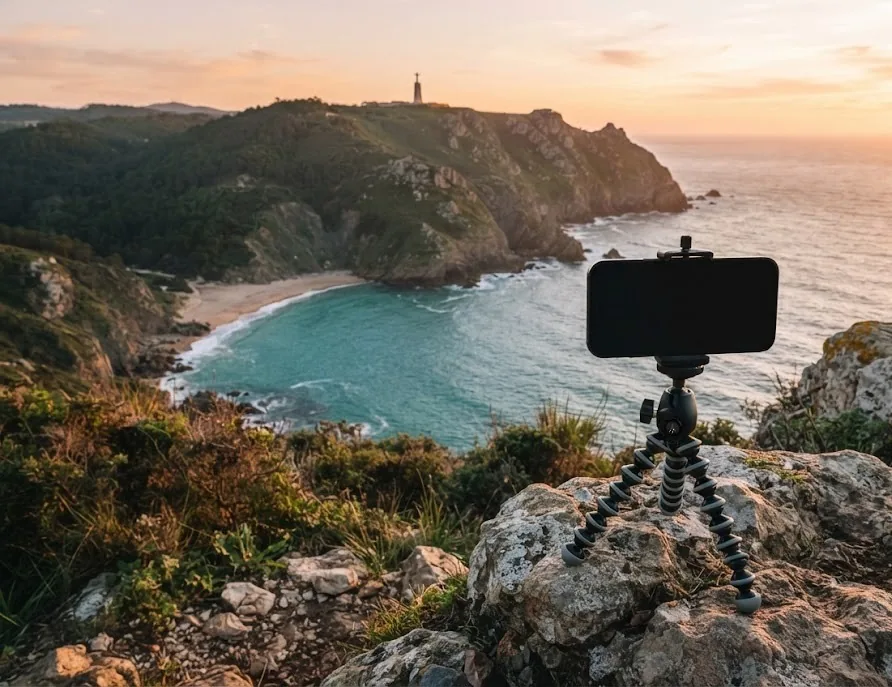
When selecting locations for photography in Da Nang, consider their popularity and ease of access. Highly frequented spots often boast beautiful scenery but can also mean larger crowds, potentially impacting your shots. Accessibility is key; choose places that are straightforward to reach, whether on foot or via local transport, to allow for flexible shooting schedules.
Scenic Beauty and Unique Features
Prioritize locations offering distinctive characteristics or awe-inspiring vistas. Exceptional scenic beauty significantly elevates your photographs, making them more engaging on social media. Unique elements, such as striking architecture or dramatic natural formations, help your images stand out.
1. Golden Bridge at Sunworld Ba Na Hills
Overview and Significance
The Golden Bridge, famously supported by two colossal stone hands, is a standout landmark in Da Nang. This architectural wonder provides a distinctive backdrop, merging natural landscapes with artistic design. Its concept reflects the connection between humanity and nature, drawing many tourists and photographers.
Best Times to Visit for Photos
For optimal photographic results, plan your visit to the Golden Bridge around sunrise or sunset. The gentle light during these periods accentuates the bridge’s golden tones and cultivates a captivating ambiance. Early morning visits also typically involve fewer visitors, offering more opportunities to capture the ideal image.
Photography Tips for the Golden Bridge
To capture the bridge’s grandeur, experiment with wide-angle lenses to encompass the surrounding landscape and the full span of the bridge. Consider shooting from slightly below the bridge to emphasize the scale of the supporting hands. The best light is during the golden hours, approximately one hour after sunrise and one hour before sunset. For instance, capturing the bridge with the mist rolling in during the early morning can add a dramatic effect, a phenomenon that occurs frequently between October and March.
2. My Khe Beach
Capturing the Essence of the Beach
My Khe Beach is celebrated for its fine sands and clear waters, making it a prime spot for beach photography. The extensive coastline offers numerous possibilities to document the essence of a tropical paradise, from leisurely sunbathers to surfers riding the waves.
Tips for Sunrise and Sunset Photography
To achieve stunning beach photographs, visit during the golden hour—shortly after sunrise or before sunset. The warm light enhances the colors of the sand and sea. Experiment with various angles, such as low-angle shots to highlight the shoreline and water reflections. Incorporating elements like beach activities can add vibrancy to your images.
Photography Tips for My Khe Beach
When photographing My Khe Beach, utilize the soft light of the golden hours for warm, inviting tones. Try capturing silhouettes of palm trees against the vibrant sky during sunset. For dynamic shots, focus on the movement of waves or local fishermen at dawn. The beach is approximately 9 kilometers long, offering ample space to find a less crowded composition. For instance, shooting from a lower vantage point can emphasize the vastness of the ocean and the texture of the wet sand.
3. Marble Mountains
Exploring the Natural and Spiritual Elements
The Marble Mountains comprise five limestone karsts, each named after a different element. This site presents both natural splendor and spiritual significance, featuring numerous caves and ancient pagodas. The dense vegetation and rugged terrain provide excellent opportunities for distinctive photographs.
Best Angles and Light Conditions for Photography
Explore diverse angles within the mountains. Document the detailed craftsmanship of the pagodas and the interiors of the caves, utilizing the natural light that filters through openings. Late afternoon offers softer illumination, which enhances textures and colors in your photographs.
Photography Tips for Marble Mountains
To capture the best of the Marble Mountains, focus on the interplay of light and shadow within the caves, especially at Huyen Khong Cave, where sunlight streams through natural openings. Capture the intricate details of the pagodas and statues, using a wider aperture to create a shallow depth of field. The panoramic views from the summits, particularly from Thuy Son, offer excellent opportunities for landscape shots. The average temperature in Da Nang is around 29°C (84°F) year-round, so plan for humidity and potential rain, especially during the monsoon season from September to December.
4. Dragon Bridge
Architectural Highlights and Nighttime Spectacle
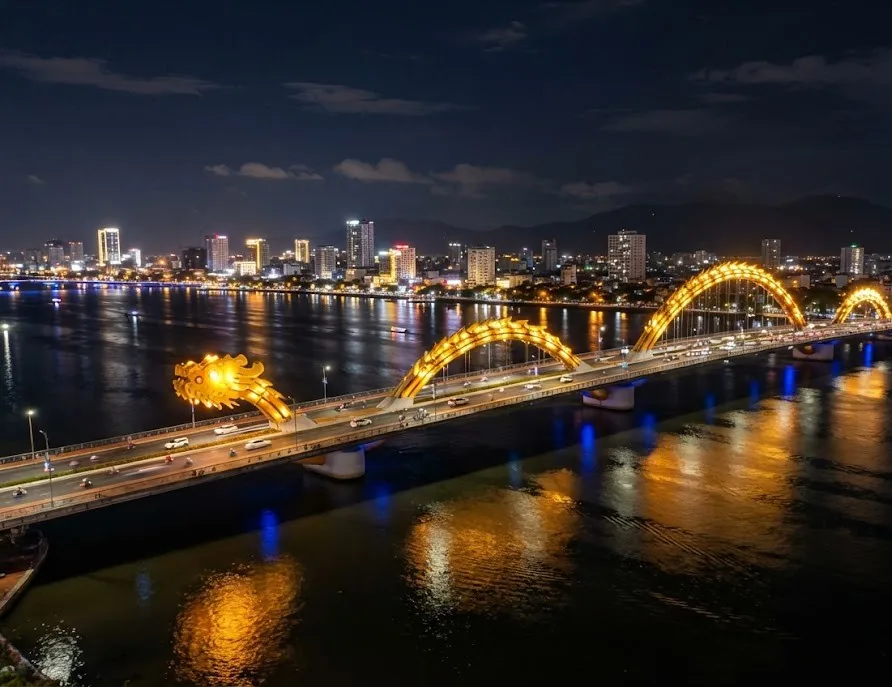
The Dragon Bridge is a remarkable feat of architecture and a significant symbol of Da Nang, spanning the Han River with its design inspired by traditional dragon motifs. At night, the bridge illuminates, creating a captivating visual display that draws both residents and visitors.
Photographing the Fire-Breathing Show
The Dragon Bridge hosts a fire-breathing performance every weekend, a spectacle not to be missed. Position yourself at a suitable distance to frame the entire bridge and the show, ensuring a clear view of its architectural features. Employ a fast shutter speed to freeze the action of the fire-breathing dragon. Arriving early is recommended to secure an optimal vantage point.
Photography Tips for the Dragon Bridge
For the fire and water shows, which occur on Saturday and Sunday evenings around 9 PM, use a tripod to ensure sharp images in low light. Experiment with long exposure photography to capture the light trails of passing vehicles on the bridge. A telephoto lens can help isolate the dragon’s head during the show. The bridge is approximately 568 meters long, offering various framing possibilities from both sides of the Han River. Consider the reflections on the river’s surface for added visual interest.
5. Linh Ung Pagoda
Spiritual Significance and Scenic Overlooks
Linh Ung Pagoda, situated on the Son Tra Peninsula, is home to a towering 67-meter-tall statue of the Goddess of Mercy. This site holds deep spiritual importance and provides stunning panoramic views of Da Nang. The fusion of cultural heritage and natural beauty makes it an ideal photographic destination.
Photography Tips for Cultural Context
When photographing Linh Ung Pagoda, focus on capturing the detailed artistry of the architecture and the surrounding vistas. Early morning or late afternoon light is beneficial for accentuating the textures of the statue and the pagoda structures. Including local devotees in your photographs can add a layer of cultural depth to your images.
Photography Tips for Linh Ung Pagoda
Capture the imposing scale of the Lady Buddha statue by shooting from its base, looking upwards. Utilize the pagoda’s intricate architectural details, such as the tiled roofs and ornate carvings, as foreground elements. The panoramic views of Da Nang city and the coastline from the pagoda grounds are best captured during the golden hours. The peninsula experiences an average of 2,500 hours of sunshine annually, making it a reliable spot for photography, though afternoon sea breezes can be strong.
6. Son Tra Peninsula
Overview of Scenic Spots and Wildlife
Son Tra Peninsula boasts spectacular natural landscapes and a rich diversity of wildlife, including the rare red-shanked douc langur. This area features numerous viewpoints and hiking trails, making it an excellent location for nature and landscape photography.
Best Practices for Capturing Nature Shots
When photographing wildlife on Son Tra Peninsula, use a zoom lens to maintain a respectful distance without disturbing the animals. Early mornings are often the most productive time for spotting fauna and capturing landscapes illuminated by soft light. Patience and keen observation are essential, as wildlife sightings can be unpredictable.
Photography Tips for Son Tra Peninsula
To photograph the red-shanked douc langur, be prepared for early morning or late afternoon sightings. Use a telephoto lens with a minimum focal length of 300mm to capture clear shots without disturbing the primates. For landscape photography, find vantage points like the Banyan Tree viewpoint for sweeping coastal vistas. The peninsula’s elevation can lead to cooler temperatures, averaging around 25°C (77°F), so pack accordingly. The area is home to over 1,000 plant species, offering opportunities for macro photography of flora.
7. Hai Van Pass
Scenic Views and Roadside Attractions
The Hai Van Pass offers dramatic coastal scenery and sweeping mountain vistas. Its winding roads and panoramic outlooks have made it a favored route for photographers and travelers seeking scenic drives.
Tips for Capturing Stunning Road Trip Photos
To capture the essence of the Hai Van Pass, pause at various viewpoints along the route. Experiment with different perspectives, from elevated shots to close-ups of roadside points of interest. The dry season, typically from February to August, provides the clearest skies for optimal photography.
Photography Tips for Hai Van Pass
When driving the Hai Van Pass, stop at designated viewpoints to capture the dramatic coastline. Use a polarizing filter to enhance the blue hues of the sky and sea. For dynamic shots of the winding road, consider using a drone (where permitted) or finding a high vantage point. The pass is approximately 21 kilometers long, and the journey takes about 45 minutes to an hour without stops. The average visibility on clear days is excellent, but fog can reduce it significantly, especially during the rainy season from September to January.
Da Nang Photography Comparison Table
Here’s a quick comparison to help you choose the best spots for your photography needs:
| Location | Primary Appeal | Best Time for Photos | Photography Focus | Crowd Level (General) |
|---|---|---|---|---|
| Golden Bridge | Unique architecture, panoramic views | Sunrise/Sunset, early morning | Wide-angle, architectural details | High (especially midday) |
| My Khe Beach | Pristine coastline, ocean activities | Sunrise/Sunset (golden hour) | Landscapes, action shots, silhouettes | Moderate to High (daytime) |
| Marble Mountains | Natural caves, pagodas, spiritual sites | Late afternoon, midday (for cave light) | Cave interiors, architectural details, panoramic views | Moderate |
| Dragon Bridge | Modern architecture, nighttime light show | Weekend evenings (fire show), night | Night photography, long exposures, action shots | High (during shows) |
| Linh Ung Pagoda | Iconic Lady Buddha statue, coastal views | Sunrise/Sunset, early morning | Statue scale, architectural details, cityscapes | Moderate |
| Son Tra Peninsula | Nature, wildlife, coastal vistas | Early morning (wildlife), golden hour | Wildlife, landscapes, macro flora | Low to Moderate |
| Hai Van Pass | Scenic mountain road, coastal views | Daytime (dry season), golden hour | Roadscapes, panoramic landscapes | Moderate |
Related on this site
- Photography Tips for Capturing Da Nang’s Beauty
- Han River Bridge Views: Best Spots for Evening Ambiance 2026
Frequently Asked Questions
What is the best time of year to visit Da Nang for photography?
The dry season, running from February to August, is generally optimal for photography in Da Nang due to clear skies and abundant sunshine. However, the monsoon season (September to December) can offer dramatic, moody landscapes and fewer crowds.
Are there any fees for visiting these photo spots?
Most natural locations like My Khe Beach, Marble Mountains (excluding caves), Son Tra Peninsula, and Hai Van Pass are free to access. However, attractions like the Golden Bridge at Sunworld Ba Na Hills have entrance fees. Linh Ung Pagoda and the areas around Dragon Bridge are generally free.
What photography equipment is recommended for these locations?
A versatile camera, such as a DSLR or mirrorless model, is ideal. Consider bringing a range of lenses: a wide-angle for landscapes and architecture, a telephoto for wildlife and distant subjects, and a prime lens for low-light conditions. A sturdy tripod is essential for night photography and capturing sharp images in low light. Don’t forget extra batteries and memory cards.
Can I find food and amenities near these photography spots?
Yes, most popular tourist areas, including My Khe Beach, the base of Marble Mountains, and areas around Dragon Bridge, have numerous restaurants, cafes, and convenience stores. For more remote locations like parts of Son Tra Peninsula or Hai Van Pass, it’s advisable to carry water and snacks.
Is it safe to take photos in Da Nang?
Da Nang is considered one of the safest cities in Vietnam for tourists. However, as with any travel destination, it’s prudent to remain aware of your surroundings, especially in crowded areas, and to secure your photography equipment.