Finding a truly memorable custom cake in Da Nang in 2026 means looking past the big commercial bakeries and connecting with the city’s growing community of artisan cake makers who treat every order as a unique edible artwork. The scene has matured quickly, with skilled bakers now offering everything from hand-painted designs and delicate sugar flowers to minimalist naked cakes, all built on a foundation of quality ingredients and genuine flavour.
This page covers one slice of the city’s sweet scene. For the overview — where to start if you only have a couple of days — see Da Nang’s best desserts.
Whether you’re planning a child’s birthday party, a milestone anniversary, or a wedding, understanding how these studios operate, what they charge, and how to brief them effectively will help you get a cake that tastes as spectacular as it looks.
Da Nang’s artisan cake scene has evolved from simple neighbourhood bakeries into a hub of edible art, driven by a mix of local talent, a growing expat community, and a thriving tourism industry. Custom orders now range from ₫450,000 birthday cakes to premium multi-tier wedding creations, with lead times typically starting at 24 hours for simple designs and stretching to several weeks for complex sculpted pieces. The most successful collaborations happen when clients share clear inspiration, choose flavour profiles that match the visual ambition, and communicate directly with the baker throughout the design process.
The Rise of Artisan Cake Culture in Da Nang
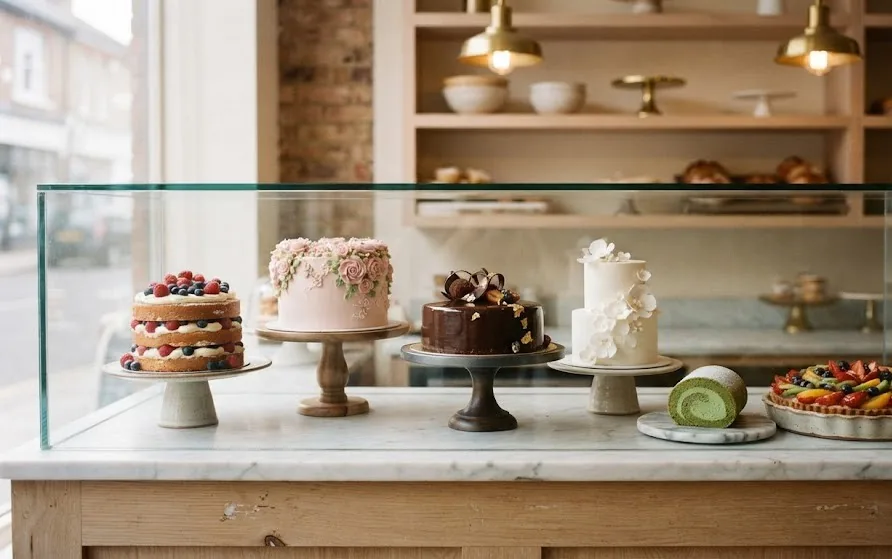
Da Nang’s cake culture has transformed from basic neighbourhood bakeries into a vibrant community of edible art studios over the past decade. This shift mirrors the city’s broader evolution as a destination for both tourists and long-term expats who bring with them a taste for more sophisticated, personalised desserts. What was once a choice between a few commercial options has become a landscape rich with independent bakers, each carving out a distinct niche with their own signature styles and techniques.
From traditional bakeries to edible art studios
The journey began with traditional Vietnamese bakeries offering familiar favourites like sponge cakes and simple cream toppings. As Da Nang’s international profile grew, so did the demand for cakes that reflected global trends. This opened the door for artisan studios like Anh Khoa, which now boasts over 50 fresh custom designs, and Jeremy’s Kitchen, which deliberately focuses on quality and flavour over chasing trends. These pioneers demonstrated that a cake could be both a visual centrepiece and a genuinely delicious dessert, rather than a compromise between the two.
What defines an “artisan” cake shop vs. a commercial bakery
The distinction between an artisan shop and a commercial bakery comes down to a few key principles. Artisan bakers typically work on a made-to-order basis, meaning your cake is baked fresh specifically for your event rather than pulled from a display case. They prioritise high-quality ingredients, often sourcing local produce, and they see each order as a blank canvas for creativity. A commercial bakery, by contrast, prioritises volume and consistency, often using pre-made mixes and standardised decorations that can’t be customised beyond a simple message on top.
Why Da Nang’s expat and tourism scene fuels demand for custom cakes
Da Nang’s vibrant expat community and its booming tourism industry have been the twin engines driving the demand for custom cakes. Expats, many of whom are celebrating birthdays, anniversaries, and weddings away from their home countries, actively seek out bakers who can recreate the elaborate, themed cakes they’re accustomed to. Meanwhile, the influx of tourists who choose Da Nang for destination weddings or special celebrations has created a need for premium, multi-tiered creations that can be delivered directly to hotels and venues across the city and into Hoi An.
Signature Styles and Techniques Used by Da Nang Artisan Cake Makers
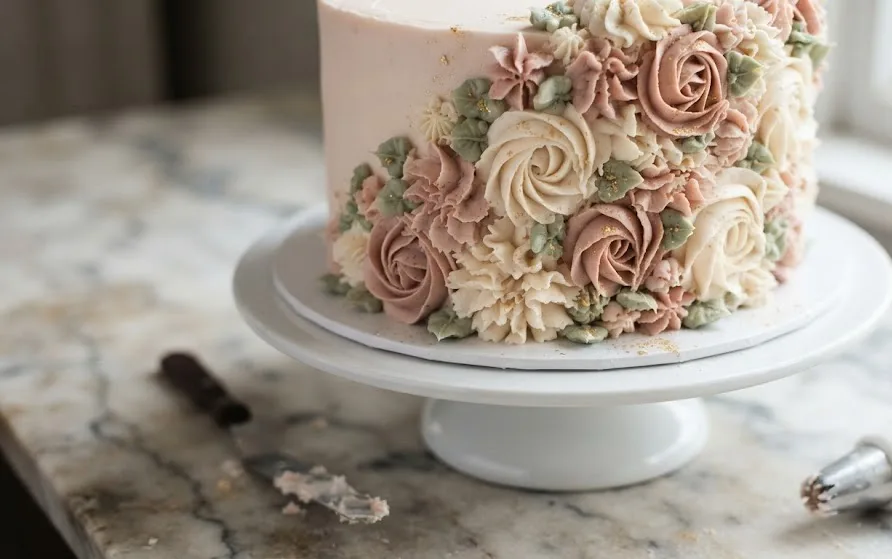
Da Nang’s artisan cake makers employ a diverse range of styles, from the clean lines of minimalist naked cakes to the intricate detail of hand-painted and 3D sculpted designs. Understanding the difference between these techniques, and the materials used to achieve them, is the first step in choosing a finish that matches both your aesthetic and your taste preferences. The choice between fresh cream and fondant, for instance, is not just visual—it fundamentally changes the eating experience.
Fresh cream vs. fondant: which finish do local artisans prefer?
The debate between fresh cream and fondant is central to custom cake design. Fresh cream offers a light, airy texture and a naturally sweet, milky flavour that complements the sponge beautifully. It’s the preferred choice for many local artisans and clients who prioritise taste. Fondant, on the other hand, provides a flawless, smooth surface that’s ideal for sharp edges, bold colours, and intricate sculpting. However, it is much sweeter and has a denser texture that some find overwhelming. Many of Da Nang’s best bakers create hybrid cakes—a fondant-covered cake with fresh cream fillings—to get the best of both worlds.
| Feature | Fresh Cream Finish | Fondant Finish |
|---|---|---|
| Taste & Texture | Light, airy, naturally milky and sweet | Very sweet, dense, and chewy |
| Visual Style | Soft, rustic, elegant; ideal for minimalist designs | Flawless, sharp, vibrant; ideal for sculpted and themed cakes |
| Customisation | Limited for complex shapes; great for piping and fresh flowers | Highly versatile for 3D shapes, figures, and detailed patterns |
| Durability | Requires refrigeration; less stable in heat | More stable at room temperature; holds shape longer |
| Best For | Naked cakes, rustic weddings, afternoon teas | Character cakes, luxury weddings, showpiece events |
Hand-painted cakes, sugar flowers, and 3D sculpted toppers
Beyond the choice of base finish, the true artistry emerges in the details. Hand-painted cakes, where bakers use edible food colouring to recreate watercolour florals, landscapes, or even portraits, are a growing trend. According to industry reports, the global market for edible paints and colours is projected to reach $3.5 billion by 2027, indicating a strong consumer interest in detailed cake decoration. Sugar flowers, crafted petal by petal to mimic real botanicals, add a level of sophistication that fresh flowers can’t match, and they last indefinitely. For those seeking a truly unique centrepiece, 3D sculpted toppers can transform a cake into a replica of a designer handbag, a beloved pet, or a favourite character, as seen in the luxury, made-to-order designs showcased by local Instagram artists.
Naked cakes and minimalist trends gaining traction in 2026
In 2026, the minimalist aesthetic continues to dominate, with naked cakes—sponges with only a thin layer of cream on the outside, revealing the layers within—becoming a staple for weddings and chic brunches. This style pairs perfectly with a focus on natural, high-quality ingredients and is often topped with fresh fruit, macarons, or simple greenery. It’s a trend that showcases the baker’s skill in creating a perfectly moist sponge, as there is no thick layer of frosting to hide any imperfections.
This focus on simplicity and flavour aligns with the philosophy of shops like Jeremy’s Kitchen, which champions quality over ornate design.
How to Choose the Right Artisan Cake Shop for Your Custom Order
Selecting the right artisan cake shop involves more than just liking a few photos on Instagram; it requires a careful evaluation of their skills, their process, and their ability to deliver on your specific vision. A systematic approach will help you avoid disappointment and ensure the cake you receive is everything you hoped for. Start your search early, as the best bakers often have limited slots, especially during peak wedding season.
Evaluating a baker’s portfolio: what to look for in photos
When reviewing a baker’s portfolio, look beyond the overall prettiness of the cake. Scrutinise the details: are the edges of the fondant perfectly smooth? Are the sugar flowers botanically accurate and delicately shaded? Do the colours look vibrant and even? A portfolio that shows a consistent level of craftsmanship across a wide variety of designs—from simple single-tier cakes to complex multi-tier structures—is a strong indicator of a baker’s skill and reliability. Look for photos of the cake’s interior as well; a well-structured cake should have even layers and a consistent filling.
Tasting sessions and flavour sampling before you commit
A beautiful cake that tastes bland is a major letdown. Before committing to an order, inquire if the baker offers tasting sessions or sample boxes. This allows you to try their signature sponges—like vanilla, chocolate, or red velvet—and their fillings, such as salted caramel, fresh fruit compotes, or traditional Vietnamese coffee cream. This step is crucial for ensuring the flavour profile matches your expectations and the preferences of your guests. Some bakers may charge a small fee for a tasting box, which is often credited towards your final order.
Checking delivery coverage across Da Nang and Hoi An
Delivery is a logistical detail that can make or break your plans. Confirm the baker’s delivery coverage area and their associated fees. While many shops deliver across central Da Nang, the cost and availability can vary significantly if your venue is in Hoi An or a more remote beachfront location. For example, Anh Khoa offers delivery across Da Nang and Hoi An from 7 am to 9 pm daily, which is convenient for most events. Always confirm the delivery window with your venue to ensure someone is available to receive the cake and place it in a cool environment.
Reading reviews and asking for references from past clients
Online reviews on platforms like Google Maps, Facebook, and TripAdvisor offer valuable insights into a baker’s reliability, punctuality, and customer service. Pay close attention to how the business responds to feedback, both positive and negative. For a significant event like a wedding, don’t hesitate to ask the baker for references or to speak directly with a past client. A reputable artisan will be happy to share their track record. This due diligence provides peace of mind that the baker is not only talented but also professional and dependable under pressure.
Understanding Pricing: What Does a Custom Cake in Da Nang Cost?
Custom cake pricing in Da Nang is determined by a combination of factors, including the cake’s size, the number of tiers, the complexity of the design, and the time required to create it. While you can find a simple custom design starting from around ₫450,000, a premium, multi-tiered wedding cake with intricate sugar work can run into the millions of đồng. Understanding how these costs are calculated will help you set a realistic budget and have a more informed conversation with your baker.
Price ranges by cake size, tier count, and design complexity
As a general guide, a single-tier cake for 10-15 people with a simple design and fresh cream finish will typically start around ₫450,000 to ₫800,000. A two-tier cake for 30-40 people with a more detailed design and fondant accents will likely range from ₫1,500,000 to ₫2,500,000. Elaborate three-tier wedding cakes, featuring hand-piped details, sugar florals, or sculpted toppers, can easily exceed ₫3,500,000. The price per serving decreases as the cake gets larger, but the absolute cost increases due to the additional ingredients and labour involved.
| Cake Type | Serving Size | Design Complexity | Typical Price Range (VND) |
|---|---|---|---|
| Simple Birthday Cake | 10-15 | Basic piping, fresh flowers | ₫450,000 – ₫800,000 |
| Custom Design Cake | 20-30 | Fondant accents, themed toppers | ₫900,000 – ₫1,800,000 |
| Two-Tier Celebration Cake | 30-40 | Multiple textures, sugar flowers | ₫1,500,000 – ₫2,500,000 |
| Premium Wedding Cake | 50-100+ | 3-tier, hand-painted, sculpted elements | ₫3,500,000 – ₫8,000,000+ |
Why hand-crafted sugar flowers and sculpted elements cost more
The significant price jump for premium cakes is largely due to the labour-intensive nature of hand-crafted elements. Creating a single, realistic sugar peony can take a skilled baker several hours, from tinting the gum paste to shaping each delicate petal and allowing it to dry. Similarly, sculpted 3D toppers, like a life-like replica of a beloved pet or a designer handbag, require a high level of artistic skill and significant time investment. When you see a higher price tag, you are paying for this specialised craftsmanship and the hours of work that go into making the design truly unique.
Deposit policies, cancellation terms, and hidden fees to ask about
Before confirming your order, always clarify the financial terms. Most artisan shops will require a deposit—often 30-50% of the total cost—to secure your booking and cover the cost of ingredients. It’s essential to understand the cancellation policy: is the deposit refundable if you cancel a week in advance, or is it non-refundable? Ask about potential hidden fees, such as a separate charge for delivery, a fee for using a cake stand or topper that needs to be returned, or a surcharge for last-minute design changes. A transparent baker will happily walk you through all these terms in writing.
The Custom Cake Design Process: From Sketch to Edible Masterpiece
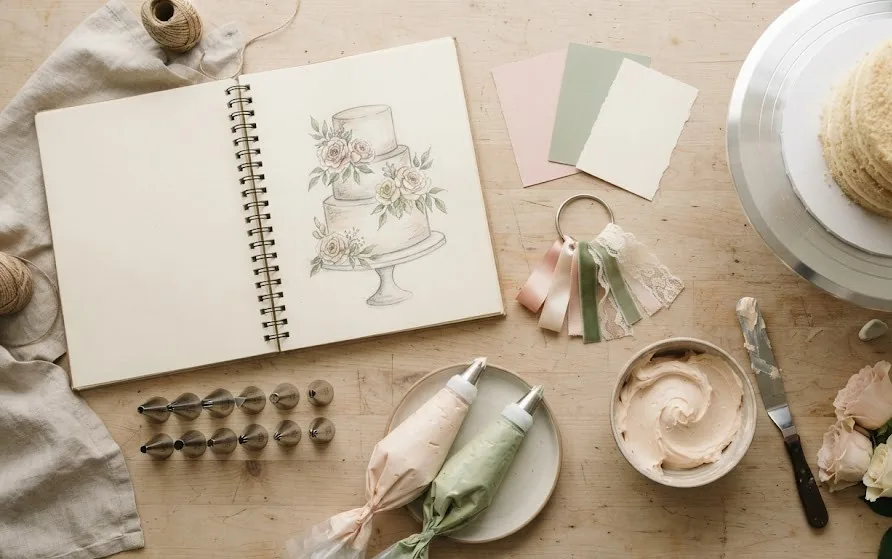
The journey of creating a custom cake is a collaborative process that begins with your inspiration and ends with a stunning centrepiece delivered to your door. Understanding this step-by-step workflow will help you communicate effectively with your baker and ensure the final product aligns perfectly with your vision. The process is designed to be flexible, allowing you to input your ideas at every stage.
Step 1: Sharing your inspiration and reference images
The first step is to gather visual inspiration. This could be anything from a photo of a cake you’ve seen on Pinterest, a picture of your child’s favourite cartoon character, a swatch of fabric from your wedding dress, or even a mood board of colours and textures. Share these reference images with your baker via your initial consultation, typically through WhatsApp or Zalo. These images are invaluable—they provide a concrete starting point for the design and ensure you’re both on the same page regarding the desired aesthetic.
Be clear about which elements you love from each picture, whether it’s the colour palette, the cake’s shape, or a specific decorative detail.
Step 2: Collaborating on the flavour profile and filling options
With the visual direction set, the next step is to select the flavours. This is where the cake becomes more than just a visual piece. Artisan bakers will offer a range of sponge options, from classic vanilla and rich chocolate to more adventurous choices like matcha, pandan, or red velvet. You’ll also choose your fillings and frostings, such as a light whipped cream, a rich buttercream, a tangy fruit compote, or a creamy custard. The baker can offer expert recommendations to ensure your chosen flavours complement each other and suit the season or the theme of your event.
Step 3: Approving the final sketch and timeline for delivery
Once the design and flavours are agreed upon, your baker will create a final sketch or digital mock-up for your approval. This is your last opportunity to make any changes to the design, so review it carefully. At this stage, you’ll also confirm the delivery date, time, and location. The baker will provide a clear timeline, from the moment they begin baking the sponges to the final assembly and delivery. For a simple cake, this process might start just 24 hours in advance, while a complex wedding cake could be in production for several days.
How far in advance should you book for birthdays, weddings, and events?
Lead times vary significantly based on the complexity of the cake and the baker’s schedule. For a standard custom birthday cake, a minimum of 24 to 48 hours’ notice is typically required, as many shops like Anh Khoa operate on a 24-hour advance order policy. For more elaborate designs or for orders during busy periods like Christmas or Valentine’s Day, booking a week or two in advance is safer.
For weddings, it’s essential to book your cake at least one to two months ahead, especially if you’re getting married during peak season (March to August), as top bakers’ calendars fill up quickly.
Important Notes and Common Pitfalls When Ordering Custom Cakes
Even with careful planning, there are common pitfalls that can turn a delightful experience into a last-minute scramble. Being aware of these potential issues and knowing how to avoid them will ensure your custom cake order goes smoothly. The most frequent problems relate to timing, prioritising looks over taste, and failing to confirm the logistical details.
Mistake #1: Ordering too late and missing the booking window
The most common mistake is underestimating how far in advance you need to order. While some bakeries can accommodate a 24-hour rush order for a simple design, many of the best artisans have limited daily capacity and can’t take on last-minute requests. This is especially true for weekends and holidays. Ordering at the last minute often means you’ll be forced to choose a generic design from a commercial bakery instead of the unique creation you had in mind. To avoid this, always check the baker’s lead time policy and book as early as possible.
Mistake #2: Choosing design over flavour — and regretting it
It’s easy to be seduced by a visually stunning cake, but if it doesn’t taste good, the experience will be a letdown for you and your guests. A cake covered in a thick layer of fondant might look perfect in photos, but the taste and texture can be overpowering. Similarly, a highly sculpted cake may be more about structural integrity than optimal flavour. The best approach is to balance your desire for a beautiful design with the baker’s recommendations for a delicious flavour combination.
Ask for a cake that uses a hybrid approach—a beautiful fondant exterior with light, fluffy fresh cream and moist sponge inside.
Mistake #3: Assuming delivery is free across the whole city
Delivery is a common source of confusion and unexpected costs. While some bakeries advertise free delivery within a specific central district of Da Nang, they may charge a fee for deliveries to other areas, such as the Son Tra peninsula, Hoi An, or the outlying districts. Always confirm the delivery fee and the exact coverage area when you place your order. It’s also wise to ask about the delivery method—will it be in a refrigerated vehicle, and how will the cake be secured during transit to prevent damage?
Mistake #4: Skipping the written confirmation of your order details
A verbal agreement is not enough when it comes to a custom order. To avoid misunderstandings, always request a written confirmation that includes the final design description (or a photo of the approved sketch), the exact flavour and filling choices, the agreed-upon price, the delivery date and time, and the location. This document protects both you and the baker. If there’s a discrepancy on the day of delivery, you have a clear reference point to resolve the issue. This simple step prevents most disputes and ensures everyone is clear on the expectations.
Related on this site
- A Sweet Escape: Da Nang’s Top Bakeries and Pastry Shops 2026
- Exploring Da Nang’s Banh Troi Tau: Sweet Floating Cakes
Frequently Asked Questions
Can I order a custom cake in Da Nang if I don’t speak Vietnamese?
Yes, absolutely. Many of Da Nang’s popular artisan bakeries, especially those serving the expat community, have English-speaking staff. You can easily communicate with them via WhatsApp or Zalo, and they are accustomed to working with international clients. Bakers like Jeremy’s Kitchen and Anh Khoa have English-friendly ordering processes, and visual references are a universal language in cake design.
What is the minimum notice period for a custom cake order in Da Nang?
The minimum notice period varies by bakery and design complexity. Some shops, like Anh Khoa, can accommodate simple custom orders with 24 hours’ notice. However, for more elaborate designs, multi-tiered cakes, or orders during peak seasons, it’s best to provide at least one to two weeks’ notice. For weddings, booking one to two months in advance is highly recommended to secure your preferred baker.
Do artisan cake shops in Da Nang offer vegan or gluten-free options?
Yes, the demand for dietary-specific cakes is growing, and several artisan bakers in Da Nang now offer vegan, gluten-free, and even sugar-free options. These cakes require special ingredients and preparation methods, so they are often more expensive and require a longer lead time. When making your inquiry, be specific about your dietary requirements so the baker can confirm they can accommodate your needs.
How should I store my custom cake after delivery?
Most custom cakes, especially those with fresh cream or fruit fillings, should be stored in a refrigerator until a few hours before serving. Take the cake out of the fridge about 1-2 hours before you plan to cut it to allow it to come to room temperature, which enhances the flavour and softens the sponge. Cakes with fondant decorations should be kept in a cool, dry place away from direct sunlight to prevent the fondant from melting or becoming sticky.
Can I request a cake that matches a specific theme, like a luxury car or a designer bag?
Absolutely. This is a speciality of many artisan cake makers in Da Nang. They can create highly detailed 3D sculpted cakes, replicating anything from a Mercedes-Benz to a designer handbag. These creations are true works of art and are made entirely from edible materials like fondant and modelling chocolate. Be prepared to pay a premium for this level of craftsmanship and to provide plenty of reference images to help the baker capture the details accurately.
Is it possible to have a custom cake delivered directly to a hotel or restaurant in Hoi An?
Yes, many bakeries in Da Nang offer delivery services that extend to Hoi An. The delivery fee will be higher than for a local Da Nang address, and you should confirm the exact cost when you place your order. This service is popular for destination weddings and events held in Hoi An’s historic hotels.
Conclusion
Ordering a custom cake from an artisan shop in Da Nang is an investment in a memorable experience, transforming a simple dessert into a centrepiece that reflects your personal style and the significance of your event.
To get started, take these three actions:
- Browse the portfolios of recommended shops like Anh Khoa and Jeremy’s Kitchen to shortlist two or three whose style resonates with your vision.
- Reach out to your top choices with your event date and reference images to inquire about their availability, lead times, and starting prices.
- Schedule a tasting session with your preferred baker to finalise the flavour profile and design details, ensuring your cake will be as delicious as it is beautiful.
Part of our guide to what to eat in Da Nang.